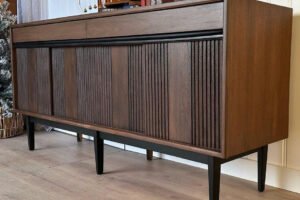

Rustic Lacquered Door Manufacturing Turkey
Rustic Lacquered Door Manufacturing Turkey: The Ultimate Industrial Engineering and Design Guide
In luxury interior design and global construction procurement, the term Rustic Lacquered Door Manufacturing Turkey represents a unique intersection of traditional styles and advanced wood engineering. While classic lacquered doors are known for their sleek, flat, modern minimalist surfaces, rustic variants offer an alternative design approach. They merge the warm, aged textures of traditional country architecture with the smooth, high-performance protective layers of liquid polyurethane and acrylic lacquers.
Turkey’s industrial woodworking clusters have adapted to this global design trend. By combining automated CNC routing networks with hand-applied finishing techniques like distressing, glazing, and patina application, Turkish factories have positioned themselves as premier suppliers of these unique interior doors.
This technical manufacturing manual provides an exhaustive breakdown of the rustic lacquered door manufacturing process in Turkey. We cover material science, CNC panel engraving, chemical coating systems, hand-finishing techniques, quality control benchmarks, installation requirements, and global distribution logistics.
1. Material Science and Structural Composite Design
A high-quality rustic lacquered door must be engineered from the inside out to handle internal directional stresses and shifting humidity levels. Unlike genuine reclaimed wood doors, which are prone to warping, splitting, shrinking, and air drafts, doors produced within the framework of Rustic Lacquered Door Manufacturing Turkey utilize advanced engineered composite structures designed to replicate the appearance of aged timber while offering modern structural stability.
The Internal Framework (Stiles and Rails)
The structural skeleton of the door relies on a rigid perimeter frame:
- Material Composition: Multi-layered, finger-jointed solid wood components, primarily sourced from slow-grown Austrian red pine (Pinus sylvestris) or high-grade Turkish fir (Abies cilicia).
- Engineering Purpose: Finger-jointing cuts out natural wood knots and realigns the grain direction in alternating patterns. This counteracts the natural tendency of solid timber to bow, twist, or cup when exposed to changing indoor climates.
- Reinforcement Blocks: Additional solid timber blocks are integrated into both lateral sides of the frame to provide secure anchoring zones for heavy-duty mortise locks, handles, and concealed 3D adjustable hinges.
Internal Core Architecture Typologies
The core material determines the weight, acoustics, and impact resistance of the door:
- Tubular Particleboard (Sauerland Core): Extruded chipboard panels featuring continuous horizontal or vertical cylindrical tubes. This core provides a heavy feel, high crush resistance, and excellent airborne noise reduction (typically 28 to 34 dB), making it the standard for high-end residential and hotel projects.
- Solid Laminated Blockboard: A fully packed core made of edge-glued timber strips. This core is used for oversized rustic doors, heavy entrance doors, or extreme high-traffic areas that require maximum structural mass and severe-duty impact resistance (EN 1192 Class 4).
- High-Density Kraft Paper Honeycomb: A lightweight hexagonal paper cell structure used for budget-friendly residential projects where rustic aesthetics are desired without the added cost and weight of solid core options.
The Substrate Skin: Choosing the Right Base Panel
Because rustic designs feature deep grooves, recessed panels, and distressed textures, the outer facing panels must be thick and stable:
- High-Density Fiberboard (HDF): Turkish manufacturers utilize premium HDF skins with an overall density exceeding 820 kg/m³.
- Thickness Selection: Standard flat doors use 4mm to 6mm skins, but Rustic Lacquered Door Manufacturing Turkey requires 8mm to 12mm thick HDF faced panels. This extra thickness allows CNC routers to carve deep V-grooves, beadboard lines, and recessed panels without compromising the structural integrity of the substrate or puncturing through to the inner core.
2. Architectural Typologies and Geometric Design Engineering
The visual identity of a rustic lacquered door depends on its geometric layout and panel profiles. Turkish design teams use advanced CAD/CAM software to translate traditional European and Mediterranean carpentry styles into precise CNC machining programs.
The Shaker and Modified Shaker Profiles
- Design Anatomy: Characterized by flat central recessed panels surrounded by straight, unbeveled stile and rail borders meeting at sharp 90-degree angles.
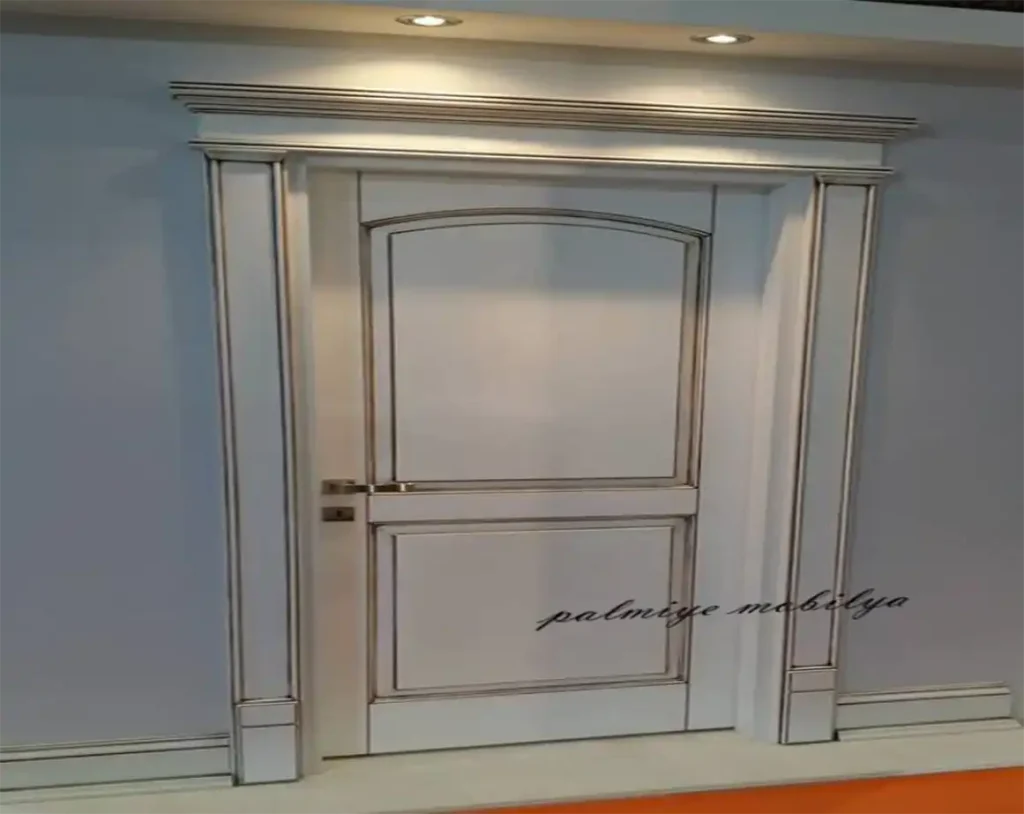
- Rustic Transition: To achieve a rustic feel, the central recessed panel is often machined with vertical “beadboard” lines or tongue-and-groove plank simulations spaced at 50mm to 100mm intervals.
Traditional Arch-Top and Raised Panel Profiles
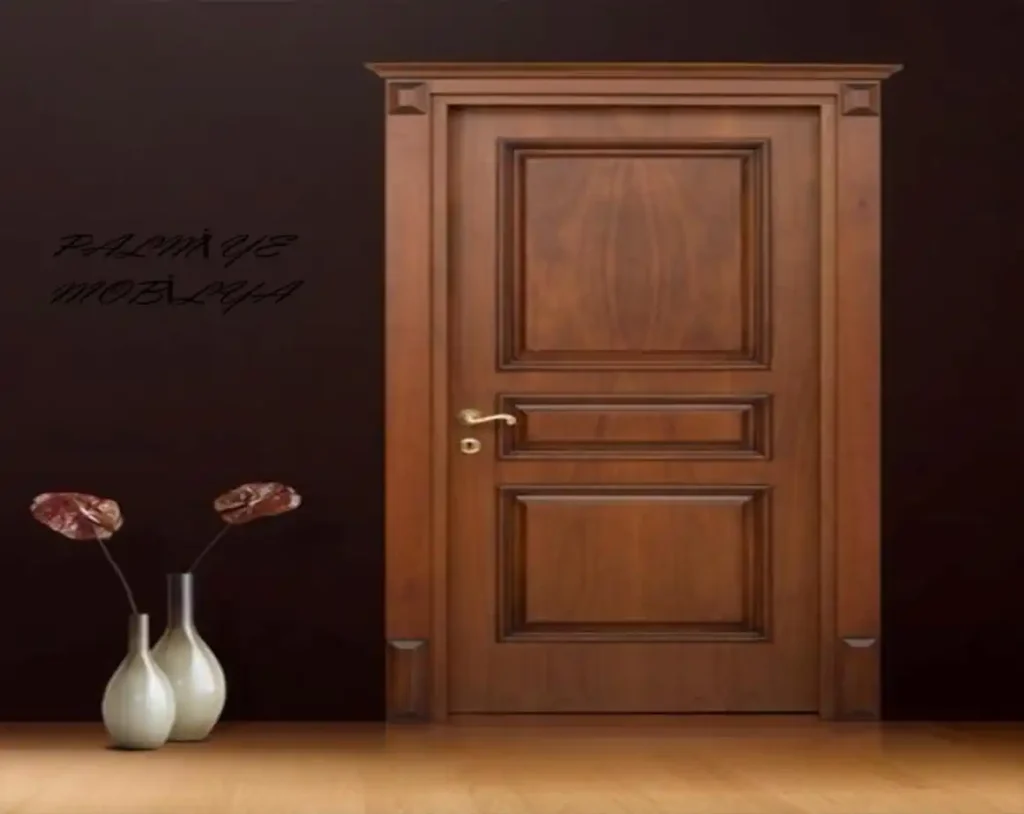
- Design Anatomy: Features multi-tiered, CNC-routed panels with curved upper frames, such as Cathedral or double-segment arches.
- Depth Variations: The profiles are carved using stepped diamond router bits that create deep, overlapping shadows along the panel perimeters, replicating the look of hand-carved solid wood doors found in traditional country estates.
Cross-Buck and British Brace (Barn Door) Configurations
- Design Anatomy: Replicates the iconic structural bracing patterns used on historic agricultural barns and stable doors.
- Machining Execution: Precision CNC routers carve structural diagonal overlays (Z-braces, X-bucks, or K-braces) directly into a thick, single-piece HDF sheet. This provides the classic visual weight of a layered barn door while eliminating the risk of individual planks shifting or separating over time.
3. Precision CNC Carving and Mechanical Distressing
The core differentiator of Rustic Lacquered Door Manufacturing Turkey is the mechanical preparation phase. This step transforms an ultra-smooth, industrial fiberboard sheet into an organic, textured surface ready to receive specialized lacquer treatments.
Multi-Axis CNC Routing Protocols
High-volume Turkish factories deploy 3-axis, 4-axis, and 5-axis CNC machining centers running at spindle speeds up to 24,000 RPM.
- Tooling Selection: Diamond-tipped (PCD) router bits are used to prevent micro-chipping along the edges of the HDF fibers.
- Step-Down Carving: Deep profiles are cut in multiple gradual passes rather than a single heavy cut. This preserves tool life and ensures the walls of the carved channels remain perfectly smooth, preventing loose wood fibers from absorbing uneven amounts of liquid paint later in the process.
Mechanical Distressing and Texturing (The “Aged” Effect)
To create an authentic country look beneath a premium lacquered finish, the door surface undergoes controlled mechanical distressing:
- Wire Brushing: The panels pass beneath high-speed cylindrical wire-brushing wheels. On HDF, this creates subtle, continuous grain-like ridges and valleys across the surface.
- Hand-Scraping Simulation: Specialized CNC toolpaths use oscillating gouge heads to carve slight, irregular waves into the panel face, perfectly mimicking the uneven texture of historically hand-planed timber planks.
- Indentation and Wormhole Effects: Artisans use specialized impact tools to add tiny, scattered clusters of dents and pinholes across the door face, replicating decades of natural wear and tear.
4. The Layer-by-Layer Chemical Coating and Patina System
The finishing phase of Rustic Lacquered Door Manufacturing Turkey is a multi-step chemical application process. Unlike a modern solid-color door that receives an even, robotic spray coat, a rustic lacquered finish relies on alternating layers of primer, glaze, color coats, and clear protectants to accentuate the underlying carved details.
+-------------------------------------------------------+

|  Topcoat Layer: Matte Acrylic Clear Shield (35μ)       |
+-------------------------------------------------------+

|  Patina/Glaze Layer: Hand-Wiped Highlight Accent       |
+-------------------------------------------------------+

|  Color Base Layer: Polyurethane/Acrylic (40μ)         |
+-------------------------------------------------------+

|  Sanding Phase: P400 Grit Surface Leveling            |
+-------------------------------------------------------+

|  Primer Layer 2: High-Solid Polyurethane (50μ)        |
+-------------------------------------------------------+

|  Sanding Phase: P280 Grit Manual Contour Sanding      |
+-------------------------------------------------------+

|  Primer Layer 1: Pore-Sealing Base (50μ)              |
+-------------------------------------------------------+

|  Isolator Barrier: Polyurethane Resin Sealant         |
+-------------------------------------------------------+

|  Substrate Base: CNC-Carved & Distressed HDF Skin    |
+-------------------------------------------------------+
The Isolator and Pore-Sealing Layer
When an HDF panel is carved deeply by a CNC router, its inner core fibers are exposed. These raw internal wood fibers are highly porous and absorbent.
- Application: A low-viscosity polyurethane or polyester isolator resin is sprayed across the door, focusing on the routed grooves and distressed details.
- Function: This layer cures to form a hydrophobic barrier, sealing the porous wood fibers and preventing subsequent primer coats from sinking unevenly into the panel.
High-Solid Primer Application and Calibration Sanding
- First Primer Coat: A high-solid polyurethane primer is applied at a wet film thickness of 120 microns.
- Curing: The door is dried in a convection tunnel at 40°C.
- Manual and Mechanical Sanding: The flat areas are sanded using wide-belt machines, while the deep, routed grooves are hand-sanded with P240 grit flexible foam blocks to avoid smoothing out the distressed detailing.
- Second Primer Coat: A second layer of primer is applied perpendicular to the first to guarantee complete, seamless coverage. This layer is then sanded with a fine P320 to P400 grit abrasive.
The Color Base Coat
The primary color coat is applied using automated reciprocating spray arms in a positive-pressure cleanroom to ensure a dust-free finish.
- Chemical Framework: Non-yellowing acrylic lacquers are preferred for whites, creams, and light pastels, while two-component polyurethane paints are utilized for deep earthy tones like slate grey, olive green, muted navy, and charcoal black.
The Art of Hand-Applied Patina and Antiquing Glazes
This is the most critical aesthetic step in rustic door manufacturing. Once the solid color base coat has cured, the doors bypass automated assembly lines and move to specialized artisan hand-finishing stations.
- Glaze Formulation: A slow-drying, highly pigmented liquid glaze or alcohol-based patina solution is applied across the entire surface using brushes or clean lint-free cloths.
- The Hand-Wiping Technique: While the glaze is still wet, artisans wipe the surface clear using soft rags, leaving the dark pigment trapped exclusively inside the deep CNC-carved channels, wire-brushed ridges, faux wormholes, and simulated plank joints.
- Visual Result: This technique creates an antique, highlighted appearance. The deep recesses appear darker and aged, emphasizing the three-dimensional geometry of the door while the flat surfaces remain clean.
The Matte Clear Protective Topcoat (The Shield)
To lock in the hand-applied patina and protect the finish from daily wear, the door panel receives a final clear topcoat.
- Gloss Configuration: High-gloss finishes are never used for rustic styles, as shiny reflections ruin the authentic weathered look. Instead, factories apply an ultra-matte (1% to 5% Gloss Units) or satin (10% to 15% Gloss Units) clear acrylic varnish.
- Performance Additives: The clear coat includes UV absorbers to prevent color fading from sunlight exposure, along with micro-ceramic scratch-resistant particles to protect against daily handling marks and key scratches around the handle area.
5. Color Theory and Sheen Selection in Rustic Architecture
The success of a rustic project depends heavily on coordinating colors and sheen levels to match the architectural style of the space.
The Classic Country Palette
- Off-Whites and Antique Creams: Shades like RAL 9001 (Cream), RAL 1013 (Oyster White), and warm antique ivory are industry standards. When paired with a dark brown or charcoal patina glaze, these shades replicate the look of a traditional French provincial cottage or a sun-bleached Tuscan farmhouse.
- Sage Greens and Earthy Olives: These organic, muted tones match beautifully with matte black iron hardware, making them a popular choice for country manor homes and coastal villas.
Modern Rustic and Industrial Palettes
- Charcoal Grey and Midnight Black: Colors like RAL 7016 (Anthracite Grey) or pure signal black combined with a subtle silver or ash glaze. This combination fits perfectly into modern industrial lofts, barn conversions, and contemporary rustic interiors that feature exposed brick walls and raw steel beams.
- Warm Cashmere and Taupe: Soft, neutral earth tones that bridge the gap between traditional country warmth and clean, modern minimalist interiors.
6. Engineering Specifications and Technical Performance Standards
Beyond their aesthetic appeal, doors manufactured under the standard of Rustic Lacquered Door Manufacturing Turkey conform to strict European Union product evaluations and mechanical testing protocols.
Mechanical Strength and Impact Rigidity (EN 1192)
Turkish manufacturers build solid-core and tubular-core rustic doors to clear Class 3 (Medium Duty) and Class 4 (Heavy Duty/Severe Duty) standards. This testing involves dropping steel balls onto the panels and slamming the doors repeatedly to ensure the HDF skins and internal frames do not delaminate or crack over time.
Dimensional Stability and Resistance to Climate Fluctuations (EN 1530)
Because rustic doors are often specified for country estates, coastal properties, or locations with shifting seasonal climates, they are tested inside environmental chambers:
- Test Parameter: The door is exposed to 85% relative humidity on one face while the opposite face is exposed to 30% relative humidity.
- Performance Benchmark: Premium Turkish rustic doors limit overall surface deviation and bowing to less than 2.0mm across the entire length of the panel, ensuring smooth opening and closing year-round.
Surface Durability and Chemical Resistance (EN 12720)
The finished matte clearcoat is tested against common household liquids for up to 24 hours. The surface must show zero permanent staining, gloss changes, or finish softening when exposed to water, coffee, fruit juices, fats, alcohol, or mild cleaning detergents.
7. Technical Dimensions, Tolerances, and Specification Matrix
To ensure a seamless fit during on-site installation, Turkish manufacturing plants adhere to precise metric tolerances.
| Structural Component | Standard Engineering Specification | Custom Architecture Limits | Permissible Tolerance |
|---|---|---|---|
| Panel Overall Thickness | 40 mm to 45 mm | 50 mm to 55 mm (Extra Heavy) | ±0.5 mm |
| Standard Heights | 1980 mm / 2050 mm / 2100 mm | Up to 2700 mm (Floor-to-Ceiling) | ±1.0 mm |
| Standard Widths | 700 mm / 800 mm / 900 mm | Up to 1100 mm (Wide Pivot) | ±1.0 mm |
| Substrate Skin Depth | 8 mm MDF / HDF base | 12 mm thick (Deep-Carve Option) | ±0.2 mm |
| CNC Routing Depth | 3.5 mm to 5.0 mm groove depth | Up to 8.0 mm deep cuts | ±0.2 mm |
| Edge Lip Profiling | Rebated or Non-Rebated | Flush European Profile | ±0.3 mm |
8. Hardware Engineering and Architectural Customization
A rustic door’s visual appeal and operational performance are completed by its architectural hardware. Turkish factories use precise CNC routing machinery to pre-cut holes and mortises for various hardware systems.
Wrought Iron and Forged Surface Hardware
Traditional country styles are complemented by heavy-duty black iron hardware:
- Surface Strap Hinges: Long, decorative black iron straps are mounted directly onto the face of the lacquered panel, simulating the look of historic hand-forged gates.
- Thumb Latch Handles: Heavy mechanical latch systems that enhance the traditional farmhouse or cottage character.
Concealed Modern Mechanisms (The Modern Rustic Hybrid)
For contemporary homes that require traditional style paired with modern, smooth operation, Turkish manufacturers integrate hidden hardware systems:
- Magnetic Silent Locks: The traditional spring latch is replaced with a magnetic bolt. When the door is open, the latch stays flush inside the edge of the panel. It only snaps forward into the frame strike plate when the door closes completely, eliminating clicking noises and preventing the latch from scratching the finished lacquered frame.
- Hidden 3D Adjustable Hinges: These hinges are mortised directly into the edge of the door and the interior frame, making them invisible when the door is closed. They allow installers to fine-tune the door across three axes using a simple hex key to maintain clean, uniform 3mm reveal gaps.
Automatic Drop-Down Acoustic Seals
To improve sound isolation without installing an awkward, raised wooden floor sill, an automatic mechanical drop seal can be routed into the bottom rail of the door panel. When the door closes, a small plunger presses against the frame, lowering a neoprene acoustic seal down onto the floor finish to block noise, dust, and drafts.
9. Comprehensive On-Site Installation Methodology
The durability and performance of a premium rustic door depend heavily on the quality of its installation. Because matte lacquered finishes and hand-applied patinas can be sensitive to mechanical scuffs, installers must follow a systematic process.
Phase 1: Pre-Installation Environmental Assessment
- Moisture Stabilization: All wet trades on site—including concrete screeds, wall plastering, and tiling—must be fully cured. The subfloor moisture content must measure below 2.0% before doors are unboxed.
- Climate Control: The building’s HVAC system should be operational, stabilizing internal relative humidity between 40% and 60% and ambient temperatures between 15°C and 25°C to prevent the engineered timber cores from absorbing excess moisture.
Phase 2: The Step-by-Step Installation Process
- Rough Opening Verification: Measure the structural wall opening to ensure it is vertical, plumb, and square across both diagonal corner axes.
- Frame Assembly: Lay out the three-sided matching telescopic frame onto a clean, padded workbench. Assemble the miter joints using internal alignment screws and wood glue.
- Placing the Frame: Lift the assembled frame into the rough opening, securing it temporarily with non-marring plastic adjustment wedges.
- Alignment Verification: Use a 3D cross-line laser level to ensure the hinge jamb is aligned on both horizontal and vertical planes.
- Structural Anchoring: Secure the frame to the wall studs by driving structural fasteners through hidden areas, such as behind the hinge plates and inside the strike plate cutout.
- Insulation Foam Injection: Inject a low-expansion, single-component polyurethane foam into the gap between the wall and the frame. Use temporary wooden cross-braces inside the frame to prevent the expanding foam from bowing or warping the wood.
- Hanging the Panel: Mount the door panel onto the hinges. Adjust the 3D hinge screws to set a uniform 3mm reveal gap along the top and sides.
- Architrave Trim Fitting: Apply thin beads of low-modulus construction adhesive inside the frame groove. Slide the telescopic architrave tongue into place, adjusting it until it sits flush against the finished wall surface.
10. Maintenance, Product Care, and Finish Preservation
Matte lacquered surfaces with hand-applied patinas require proper care to prevent surface micro-scratching and chemical damage.
Approved Cleaning Procedures
- Routine Dusting: Wipe the door surface regularly with a clean, dry, lint-free microfiber cloth to remove dust.
- Deep Cleaning: For light smudges or fingerprints around the handle, use a microfiber cloth lightly dampened with lukewarm water and a drop of pH-neutral soap. Wipe the surface clean, then dry it immediately with a soft towel.
- Prohibited Materials: Never use abrasive scrubbing pads, steel wool, or harsh chemicals like acetone, ammonia, bleach, or solvent-based thinners. These materials will dissolve, dull, or cloud the protective clearcoat, damaging the underlying patina.
Field Repair of Minor Scratches and Scuffs
- Surface Preparation: Clean the scratched area thoroughly using isopropyl alcohol to remove surface oils and dust.
- Color Layer Infill: For deep scratches that reach the primer layer, fill the groove using an acrylic touch-up pen or a soft wax repair stick matched to the door’s original RAL color code.
- Levelling: Gently remove excess filler using a plastic edge scraper to level the repair with the surrounding surface.
- Sheen Balancing: For matte finishes, avoid using shiny polishing compounds. Instead, lightly spray a specialized matte lacquer touch-up clear coat over the repaired area to match the original factory sheen level.
11. International Sourcing, Packaging, and Global Trade Logistics
When sourcing products within the framework of Rustic Lacquered Door Manufacturing Turkey for international residential projects or luxury hospitality developments, procurement managers should incorporate specific criteria into their logistics planning.
Supply Chain Logistics Clusters in Turkey
- Bursa (İnegöl) Cluster: The primary sourcing hub for high-end rustic designs, luxury custom sizes, and specialized artisan hand-finishing techniques.
- Kayseri Industrial Zone: Best suited for high-volume commercial projects requiring automated production and consistent, standardized manufacturing.
- Istanbul and Izmir Regions: Ideal for direct export logistics, providing rapid access to major maritime container ports and international overland road freight networks.
Export Packaging Standards
Lacquered finishes are sensitive to friction damage during transport. Ensure your purchase specifications require the manufacturer to package products securely for export:
- Every door panel must be individually wrapped in a protective layer of polyethylene micro-foam or a non-scratch film.
- High-density expanded polystyrene (EPS) foam or heavy-duty reinforced cardboard corner guards must be fitted around the edges to absorb impacts during transit.
- Pallets must be packed with silica gel desiccant bags to absorb moisture and prevent mold or surface clouding from sea-freight humidity changes.
- Cargo must be secured on heavy-duty, heat-treated ISPM-15 compliant wooden pallets, stacked flat to prevent panels from warping under uneven weight.
Custom Regulations and Duty-Free Advantages
- European Union Trade: Shipments accompanied by an A.TR Movement Certificate enter the EU at a 0% customs duty rate under the Turkey-EU Customs Union, requiring importers to cover only local Value Added Tax (VAT) upon clearance.
- United Kingdom Trade: Following the post-Brexit Turkey-UK Free Trade Agreement, doors accompanied by a valid EUR.1 Certificate or a conforming origin declaration enter the UK duty-free.
- North American Procurement: Buyers must ensure the MDF/HDF substrates supplied by Turkish factories are fully certified to meet TSCA Title VI (Formaldehyde Emissions Standards for Composite Wood Products) regulations.
By carefully selecting your internal core configurations, custom profiles, lacquer chemistries, and hardware systems, you can source a Turkish rustic door system that combines timeless traditional style with modern structural durability.
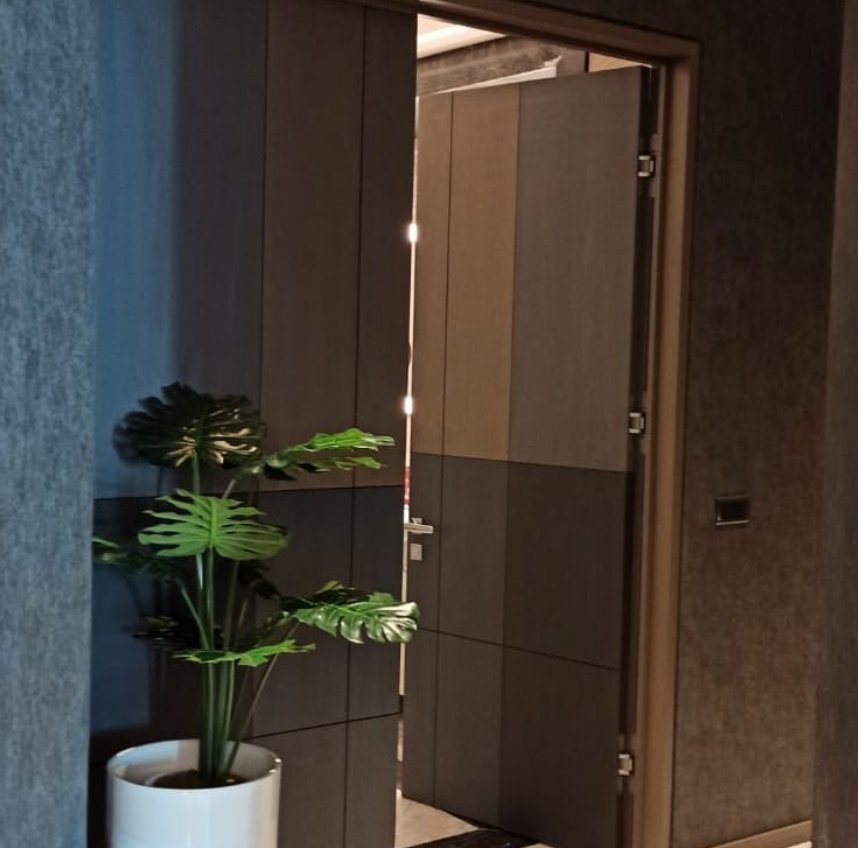
Butik Otel Mobilyaları
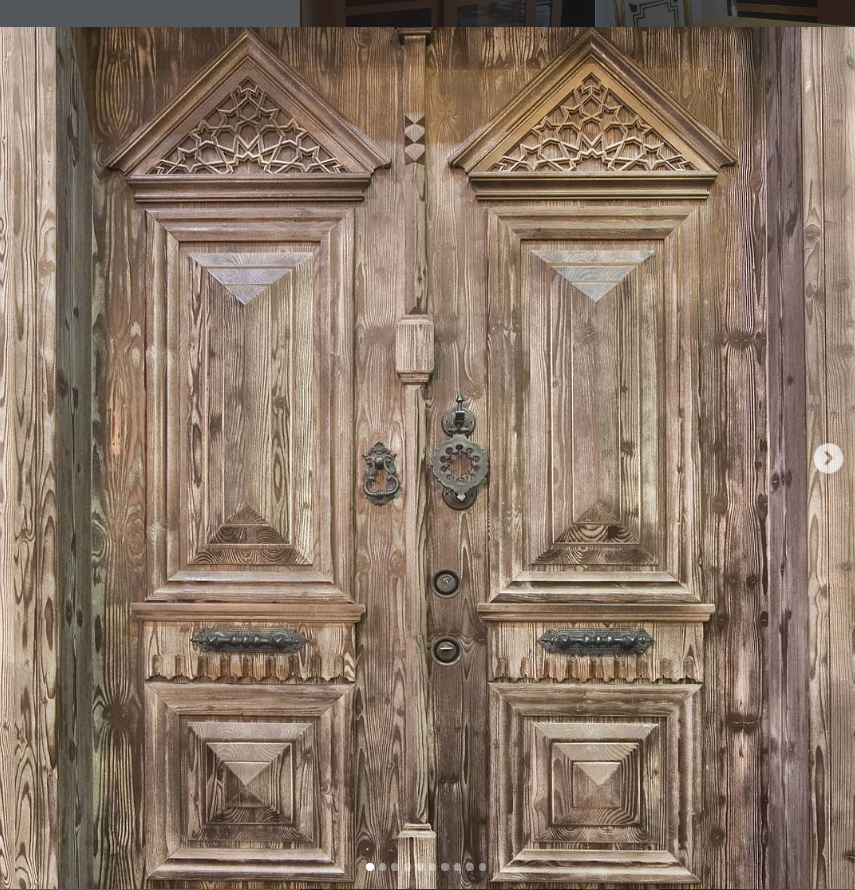
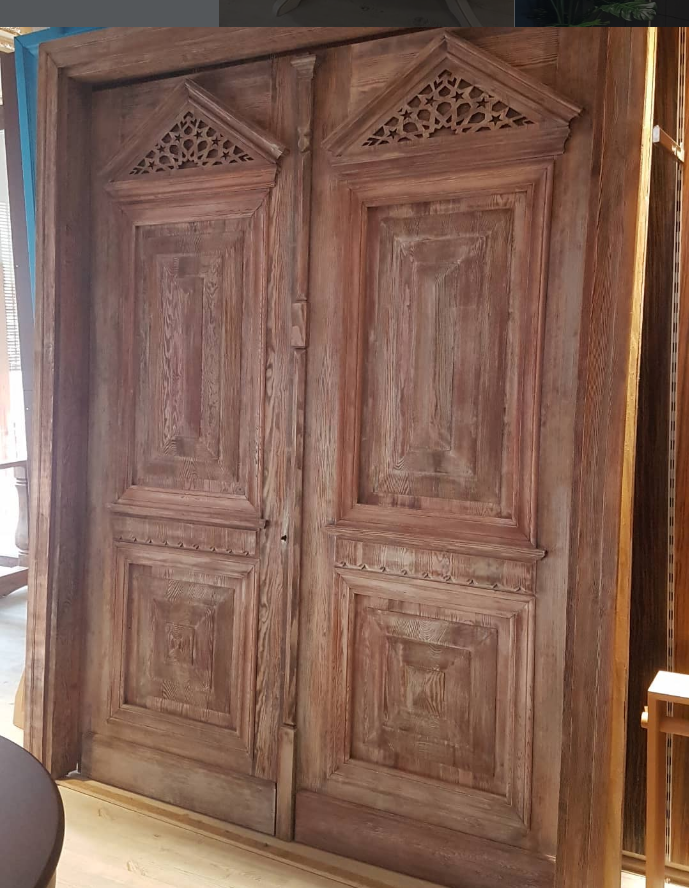
Butik Otel Mobilyaları



Şunları da sevebilirsiniz
Wood Window Production Turkey
Solid Furnitures Turkey