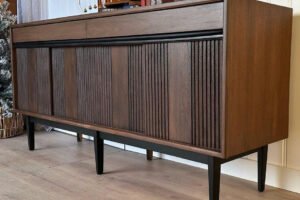

Solid Wood Hotel Furniture Turkey
Solid Wood Hotel Furniture Turkey: The Ultimate Technical Guide to Hospitality Casegoods Engineering, Material Physics, and Global Procurement Standards
The global hospitality procurement landscape for upscale, luxury, and upper-upscale properties operates within a demanding framework of regulatory compliance, structural testing, and strict life-safety parameters. Within this professional business-to-business (B2B) ecosystem, the selection of guestroom casegoods, public space seating, and bespoke lounge millwork plays a central role in defining brand value, property valuation, and capital expenditure (CapEx) amortisation intervals. For international procurement directors, hotel developers, interior architects, and contract furniture distributors, the market for Solid Wood Hotel Furniture Turkey has established itself as an authoritative global benchmark. This specialized manufacturing sector represents a powerful industrial crossroad where centuries-old Anatolian timber crafting traditions meet state-of-the-art European lumber processing machinery and advanced wood science.
Unlike residential furniture lines or standard commercial retail casegoods, furniture engineered for heavy-use hospitality environments faces constant physical stress. Wardrobes, headboards, luggage racks, and media consoles must withstand continuous physical impacts from guest baggage, survive daily chemical scrubbing with aggressive commercial disinfectants, resist structural sagging over wide horizontal spans, and strictly comply with international fire-retardant and indoor air emissions codes. This comprehensive engineering manual and global procurement treatise provides a technically in-depth analysis of structural materials, industrial kiln-drying kinetics, multi-layer core physics, multi-axis computer numerical control (CNC) machining precision, specialized polymer coating chemistry, and the macro-commercial dynamics that position Solid Wood Hotel Furniture Turkey as a dominant force in global hospitality millwork procurement.
1. The Industrial Base of Solid Wood Hotel Furniture Turkey
The modern manufacturing infrastructure supporting the high-volume production of Solid Wood Hotel Furniture Turkey is anchored within highly developed, technologically integrated contract furniture clusters. Strategically located within specialized Organized Industrial Zones (OSB) across primary manufacturing hubs such as Kayseri, İnegöl (Bursa), Ankara (Siteler), Konya, and the industrial corridors surrounding Istanbul, these facilities operate within a highly collaborative technical ecosystem.
Over the past decade, Turkish contract hospitality manufacturers have undertaken extensive capital modernization programs. Fragmented, labor-intensive millwork workshops have been systematically replaced by fully automated, high-output industrial smart plants. These facilities feature synchronized manufacturing lines sourced from premium European machinery developers, including automated laser metal-processing centers, robotic joinery cells, high-pressure laminate (HPL) post-forming lines, multi-axis CNC nesting stations, and computerized electrostatic powder-coating tunnels. By automating production from raw timber conditioning to final edge profiling, the industry maintains precision tolerances down to fractions of a millimeter. This technical integration allows manufacturers of Solid Wood Hotel Furniture Turkey to reliably deliver massive volume requirements for international hospitality operators—such as Marriott, Hilton, Accor, IHG, and Hyatt—within compressed timelines prior to property soft-launch phases.
2. Material Science: Botanical Taxonomy and Timber Selection
The structural lifespan, indentation resistance, natural decay safety, and visual grain depth of a hospitality casegood are fundamentally dictated by the cellular anatomy, fiber alignment, and chemical characteristics of the processed wood species. Within the contract manufacturing lines of Solid Wood Hotel Furniture Turkey, raw lumber inputs are strictly classified into specific technical grades based on Janka hardness ratings, volumetric density, and structural performance parameters.
+-----------------------------------------------------------------------+

|          TIMBER SELECTION TREE IN TURKISH HOSPITALITY MILLWORK        |
+-----------------------------------------------------------------------+

|                                                                       |
|  [Hardwoods] (Angiosperms) --------> High Density, Dent Resistance    |
|   ├── European Oak (Quercus robur)                                    |
|   ├── European Ash (Fraxinus excelsior)                               |
|   └── Anatolian Walnut (Juglans regia)                                |
|                                                                       |
|  [Softwoods] (Gymnosperms) -------> Elasticity, Core Balancing        |
|   ├── Scots Pine (Pinus sylvestris)                                   |
|   └── Mediterranean Fir (Abies cilicica)                              |
|                                                                       |
+-----------------------------------------------------------------------+
Premium Hardwood Taxonomy in Hospitality Design
Hardwoods originate from slow-growing angiosperm trees, producing a dense, highly compact cellular matrix that offers superior resistance to localized physical impacts, minimal compression, and sophisticated grain aesthetics.
- European Oak (Quercus robur / Quercus petraea): The volume standard for premium commercial, hospitality, and high-end residential guestroom layouts. Oak features an open-pore, ring-porous grain matrix that delivers high wear resistance and a strong structural presence. Sourced from sustainable local Turkish oak forests and managed Western European reserves, oak processed in Turkey carries an average density of 680–720 kg/m³ at a stabilized 12% moisture content. Its high natural tannin profile acts as an organic bio-defense against fungal pathogens, while providing superior volumetric weight and heavy-duty structural load-bearing parameters, making it ideal for wide, expansive media center and luggage rack spans.
- European Ash (Fraxinus excelsior): Favored by contract designers for its exceptional shock resistance, high modulus of elasticity, and superb structural bending strength. Ash carries a density matrix similar to oak but features an entirely clear pore system lacking high tannin concentrations. This property makes it highly receptive to uniform bleaching, light pastel stains, and modern pigmented coatings without the risk of organic chemical discoloration or dark tannin bleed-through. When wild-grained, character-rich ash is sandblasted or wire-brushed, the soft springwood layers erode deeply, leaving a highly tactile, rugged surface texture that typifies contemporary organic modernism.
- Anatolian Walnut (Juglans regia): Historically celebrated as the premium choice for luxury palace furniture, Anatolian Walnut is a prized luxury material utilized predominantly for presidential suites, elite hospitality lounges, and high-end resort villas. Walnut features a rich, dark-brown heartwood filled with intricate grain configurations. Its dimensional stability under atmospheric shifts is exceptionally high, and its uniform fiber structure permits clean cutting during high-speed CNC routing or detailed custom carving.
High-Grade Softwood Classifications for Structural Cores
Softwoods originate from gymnosperm coniferous trees. While generally exhibiting lower raw density than hardwoods, slow-grown softwoods provide excellent natural thermal performance, high ease of machining, and an optimal price-to-weight ratio for internal balancing matrices.
- Scots Pine (Pinus sylvestris): Sourced extensively from northern and central Turkish forestry sectors, kiln-dried Scots pine features a tight grain configuration when harvested from cold-climate, slow-growth zones. It provides a lightweight yet structurally sound core and internal frame framework, serving as an optimal core balancing option beneath premium hardwood veneers.
- Mediterranean Fir (Abies cilicica): Deployed extensively as an internal structural core filler and for internal framing rails and stiles. It exhibits a uniform texture, low resin accumulation, and strong bonding properties when paired with industrial polyvinyl acetate or polyurethane glues.
3. Timber Physics: Industrial Kiln-Drying Kinetics and Moisture Stabilization
Raw lumber is inherently unstable due to its high moisture content (MC). Wood cells carry free water within their cavities and bound water trapped inside the cell walls. Uncontrolled ambient evaporation leads to uneven cell shrinkage, causing severe checking (surface splitting), structural twisting, and cupping. Because of this, the core technical foundation of producing high-quality Solid Wood Hotel Furniture Turkey relies on precise, computer-controlled thermodynamic kiln-drying cycles.
The Desorption and Conditioning Process
Before timber enters the mechanical profiling lines, its moisture content must be systematically reduced from a green state (often exceeding 40%–60%) down to a stable equilibrium moisture content (EMC). For interior hospitality furniture, the target MC is a highly strict 8% to 10%, which accurately anticipates the stabilized climate profiles of modern air-conditioned or heated guestrooms, preventing seasonal dimensional shifting and joint separation.
  [Green Lumber (MC 40%+)]
             │
             ▼
  [Phase 1: Pre-Heating Stage] ──────► High relative humidity prevents surface drying
             │                         and case-hardening.
             ▼
  [Phase 2: Controlled Desorption] ──► Computer monitors adjust dry/wet bulb paths
             │                         and air velocity based on species density.
             ▼
  [Phase 3: Conditioning Stage] ─────► Controlled steam injection equalizes moisture
             │                         gradients between core and shell layers.
             ▼
  [Equilibrium Core (MC 8-10%)]
- The Pre-Heating Phase: Raw timber stacks are loaded into sealed thermodynamic chambers using calibrated spacers to ensure uniform airflow. The kiln injects high-temperature steam without dry-air fans. This saturates and warms the entire core of the timber evenly, opening the wood capillaries without causing surface water loss.
- The Controlled Desorption Phase: Automated computer systems track moisture sensors embedded within the wood stacks, executing drying schedules adapted to the specific wood species and thickness. By managing the dry-bulb temperature, wet-bulb temperature, and variable fan velocities over several weeks, the system coaxes out free water from cell cavities and bound water from cell walls at a slow, uniform rate.
- The Conditioning and Stress-Relief Phase: At the conclusion of the drying cycle, steam is briefly reintroduced into the chamber. This equalizes any residual moisture differences between the outer surface and inner core, relaxing the compressed wood fibers and ensuring the timber remains perfectly straight and flat during multi-axis machining.
4. Mechanical Engineering and Core Construction Typologies
A common misconception among field specifiers is that a solid wood hospitality casegood is simply a single, massive piece of timber cut from a tree. In high-volume hospitality supply chains, an unmanaged single-slab component is highly prone to warping due to severe climate changes between sea transit and hotel installation. To prevent this, the engineering behind Solid Wood Hotel Furniture Turkey utilizes advanced engineered timber configurations designed to balance and cancel out internal wood movements.
Three-Layer Cross-Laminated Solid Engineered Timber
This premium engineering method represents the standard approach for contemporary, high-stability hospitality tops, side panels, and main headboard panels.
       3-LAYER CROSS-LAMINATED CORE ARCHITECTURE
+-------------------------------------------------------+

|  Hardwood Face Overlay (Oak/Walnut Grain Longitudinal)|  <- Layer 1: Face Aesthetic
+-------------------------------------------------------+

|  Finger-Jointed Core Blocks (Pine Grain Transverse)   |  <- Layer 2: Stress Balancer
+-------------------------------------------------------+

|  Hardwood Face Overlay (Oak/Walnut Grain Longitudinal)|  <- Layer 3: Backing Matrix
+-------------------------------------------------------+
- The Internal Core Layer: The structural frame panels, wardrobe doors, and wide horizontal tops are constructed from finger-jointed blocks of slow-growth pine, fir, or oak. These blocks are laminated edge-to-edge, with the wood grain rotated 90 degrees relative to the outer layers.
- The Surface Layers: Thick solid hardwood face planks (typically 4mm to 8mm thick) are hydraulically pressed onto the engineered core matrix under immense pressure using specialized moisture-resistant polyurethane or polyvinyl acetate (PVA) structural glues. Because the wood grains of the core and surface run perpendicular to each other, any moisture-induced movement is counteracted, keeping the long horizontal desk top flat and stable under constant use.
- The Floating Back Panels: Unlike cheap staple-on fiberboard backings, premium Turkish hospitality cabinets incorporate floating solid wood back panels held within deep perimeter grooves lined with flexible silicone spacer cords. When the ambient humidity rises, the panels can expand into the hidden frame recesses without warping the main chassis of the wardrobe or minibar cabinet.
Precision CNC Finger-Joint Optimization
To maximize raw wood utilization and eliminate natural structural defects like wild knots, resin pockets, or grain splits, raw lumber passes through continuous optimizing cross-cut saws equipped with multi-spectral optical cameras. These automated scanners read the wood grain at high speeds, identifying and instantly cutting away defects. The remaining clear wood segments are machined on their ends with interlocking zig-zag profiles (finger joints), coated with high-performance resin, and pressed together into continuous, high-strength timber lengths. This optimized material forms the structural foundation for premium, defect-free casegoods framing.
5. Machining Precision: Multi-Axis CNC Operations
The core of modern manufacturing for Solid Wood Hotel Furniture Turkey relies on high-speed, multi-axis CNC processing centers. Once the engineered solid timber blanks are pressed and calibrated, they are loaded onto automated nesting and routing pods that handle all architectural shaping and hardware prep in a single setup down to tolerances of less than 0.1mm.
+-------------------------------------------------------------------------+

|                  INTEGRATED CNC MACHINING SEQUENCING                    |
+-------------------------------------------------------------------------+

|                                                                         |
|  [Raw Solid Blank] ──► Calibrating Flattener ──► 5-Axis Profiling       |
|                                                       │                 |
|                                                       ▼                 |
|  [Pre-Hung Set]    ◄── Hardware Mortising    ◄── Sizing & Edge Profiling|
|                                                                         |
+-------------------------------------------------------------------------+
Digital Sizing and Custom Profile Milling
5-axis CNC router spindles trim the furniture panels down to their precise required dimensions while simultaneously cutting customized edge steps, integrated handle grooves, or radius bevels. For classic or neoclassical hospitality collections, the CNC machine carves crisp patterns directly into the solid timber face, ensuring clean lines and smooth channels across thousands of identical guestroom units.
Factory Pre-Machining for Heavy-Duty Hardware
To minimize installation labor and avoid on-site errors during hotel fit-out phases, Turkish factories pre-machine all casegoods for commercial hardware:
- Concealed 3D Adjustable Hinges: Precision mortises are routed into wardrobe doors and frame columns. This allows for the installation of heavy-duty hidden hinges that remain invisible when the door is closed, while permitting three-dimensional field adjustments (height, lateral alignment, and depth) using a simple hex key to ensure pristine door margins.
- Under-Mount Synchronized Drawer Runners: Drawer units utilize hidden under-mount rail tracks equipped with liquid-filled soft-close dampening cylinders and integrated push-to-open mechanisms. These runners ensure that drawer boxes glide silently and effortlessly, even when fully loaded under heavy contract traffic (with typical load metrics exceeding 30 to 40 kg per drawer box).
6. Advanced Coating Chemistry and Hospitality Surface Armor
A solid wood hotel door or guestroom casegood requires a high-performance surface finish to protect its cell structure from moisture, intense atmospheric shifts, and daily public physical wear, while accentuating its natural visual character. The finishing departments within the infrastructure of Solid Wood Hotel Furniture Turkey deploy a variety of coating technologies to meet distinct global hospitality brand standards.
| Technical Coating Class | Chemical Base Matrix | Gloss Range Achievable | Primary Performance Feature | Environmental Footprint |
|---|---|---|---|---|
| Two-Component (2K) Polyurethane | Hydroxyl Polyester + Isocyanate Hardener | Matte (5% GU) to High-Gloss (95%+ GU) | Thick, elastic film with high scratch and impact resistance. | Contains organic solvents; managed via internal carbon filtration. |
| Acrylic Polyurethane | Non-Yellowing Acrylic Resins + UV Blockers | Satin to Medium Gloss | Absolute UV stability; prevents light wood species from ambering over time. | Moderate VOC emissions during application. |
| Natural Hardwax Oils | Plant-Based Oils (Linseed/Sunflower) + Beeswax | Absolute Dead-Matte (1%–3% GU) | Penetrates cell pores; allows wood to breathe; easy localized spot repairs. | Extremely low VOC; eco-friendly and biophilic compliant. |
| Water-Borne Eco-Coatings | Water-Carried Acrylic/Alkyd Polymers | Matte to Semi-Gloss | Complies with strict European REACH and LEED green building standards. | Near-zero VOC emissions; optimal for indoor air quality. |
Industrial Testing Benchmarks for Surface Armor (EN 12720)
Finishes applied to Solid Wood Hotel Furniture Turkey lines must pass rigorous chemical resistance testing to ensure they will not cloud, soften, or stain when exposed to everyday hotel spills or aggressive cleaning chemicals. Testing involves applying fluids directly to the finished wood surface under glass watch covers for exposure intervals extending up to 24 hours:
\(\text{Fluid\ Resistance\ Evaluation\ Pool:\ Alcohol\ (96\%\ v/v),\ Disinfectants,\ Coffee,\ Red\ Wine,\ Lemon\ Juice,\ Hot\ Water}\)
Premium Turkish polyurethane and acrylic coatings consistently score a Class 5 rating (the maximum performance matrix), demonstrating zero visual change or film degradation following exposure.
7. Integrated Functional Systems: Wiring Pathways and Minibar Ventilation
Modern hospitality guestroom furniture must serve a demanding technological role that standard residential furniture does not face. Sourcing Solid Wood Hotel Furniture Turkey lines ensures that casegoods are engineered from the chassis up to manage the heat, power channels, and wiring generated by modern electronic amenities.
            ELECTRONICS VENTING AND CABLE ROUTING MATRIX
+-----------------------------------------------------------------+

|                                                                 |
|   CNC-Perforated Back Panel ---> Escapes Heat via Convection    |
|   Hidden Cable Runways      ---> Paths Wires Cleanly to Outlets |
|   Integrated Power Modules  ---> Recessed Pop-Up Media Units     |
|   Brush-Grommet Pass-Thrus  ---> Blocks Dust and Light Leaks    |
|                                                                 |
+-----------------------------------------------------------------+
Advanced Convection Cooling for Guestroom Minibars
Absorption minibars hide within guestroom credenzas and run continuously, generating constant heat from their cooling coils. If trapped inside an un-vented solid wood cabinet, this heat buildup will shorten the compressor lifespan and cause the wood fibers to shrink, splitting the cabinet joints. Turkish engineering solves this by cutting precise, CNC-perforated ventilation grids into the back panel and baseboard, establishing a natural passive convection current: cool air is drawn in from the floor, rises past the warm cooling units, and escapes freely through upper back ventilation tracks.
Hidden Wiring Runways and Integrated Charging Stations
To maintain a clean architectural aesthetic free of tangled cords, headboards and writing desks incorporate built-in, pre-machined wiring channels:
- Desk Top Pass-Throughs: Pre-machined slots are fitted with flush-mount solid wood caps or premium brushed-aluminum cable grommets lined with soft nylon brushes to allow clean cord paths while blocking dust.
- Recessed Power Modules: Nightstands and writing desks feature factory-routed pockets to accept flush-mounted international electrical outlets, dual USB-C rapid charging ports, and integrated inductive wireless charging coils positioned directly beneath the solid wood surface layer.
8. Technical Performance Metrics and Testing Compliance
Sourcing furniture for large-scale international commercial projects requires compliance with strict European (EN), international (ISO), and American (BIFMA) durability standards. Leading facilities manufacturing Solid Wood Hotel Furniture Turkey lines subject their production runs to independent laboratory testing to verify mechanical safety.
1. Structural Strength and Stability Frameworks (EN 16121 / EN 16122)
Casegoods and contract wardrobes must pass rigorous testing regimes simulating decades of intensive public utilization:
- Drawer and Door Cycle Testing: Automated pneumatic arms cycle wardrobe doors and drawer boxes open and closed up to 40,000 to 80,000 times under full weight capacities to ensure zero hinge fracture, slider tracking errors, or joinery loosening.
- Top-Surface Static Load Tests: Expansive console tops and luggage racks are subjected to continuous high-mass downward forces (often exceeding 150 to 200 kg static load) over multiple days to measure deflection and guarantee that wide spans will not bow or deform over time under the dynamic impacts of heavy travel gear.
2. Structural Flammability and Fire Containment Codes
Bespoke upholstered panel headboards, upholstered desk chairs, and structural wall claddings must function as fire barriers to satisfy global hospitality safety norms:
- Crib 5 (BS 5852 Source 5) Compliance: Fabric-wrapped and foam-padded items are tested using structured wooden blocks (cribs) ignited on the components’ surfaces. The materials must self-extinguish within a calibrated timeline without propagating toxic smoke or open flames.
- EN 1021-1 & 1021-2 Certification: Assures that upholstered hospitality elements resist ignition when exposed to glowing cigarettes and open match flames, preventing rapid flame spread in public guest areas.
3. Indoor Air Safety and low VOC Emissions (EN 717-1)
Because modern hospitality properties utilize highly sealed, energy-efficient building envelopes, furniture must not outgas harmful volatile organic compounds (VOCs). Premium Turkish contract factories maintain strict chemical validation matrices:
- Low Formaldehyde Emissions: All wood structural bonding glues and composite stabilization layers are certified under E1 and E0 classifications, keeping formaldehyde outgassing below 0.1 mg/m³ to maintain safe, non-toxic indoor air quality.
9. Architectural Style Typologies and Bespoke Finishes
The mechanical flexibility of engineered solid timber permits an infinite array of visual executions. Sourcing Solid Wood Hotel Furniture Turkey lines gives global hospitality developers direct access to diverse design libraries or complete freedom to execute proprietary bespoke blueprints tailored to clear brand design handbooks.
Ultra-Modern Minimalist and Japandi Aesthetics
Characterized by clean geometric shapes, handleless flush facades, and low-profile silhouettes that emphasize grain continuity and material honesty:
- Continuous Book-Matched Faces: Hardwood sheets are sliced sequentially from a single log and arranged symmetrically like open pages of a book across wardrobe clusters or long TV consoles, ensuring flowing grain paths without visual interruption.
- Waterfall Profiles: Characterized by lock-miter joinery where the wood grain appears to flow continuously from the horizontal top panel down the side panel, cut at an absolute 45-degree angle with interlocking ridges routed along the miter face.
Neoclassical, Transitional, and Fluted Textures
Bridging the gap between historical ornamentation and contemporary clean lines, transitional hospitality collections utilize simplified, rhythmic texturing:
- Artisanal Fluting and Reed Profiles: The vertical front faces of minibar doors and headboard accents are machined with dense arrays of concave channels (fluting) or convex ridges (reeding), generating deep rhythmic texturing and light play across the guestroom surface.
- Integrated J-Pull Handle Profiling: To eliminate bulky surface hardware along tight guestroom walkways, CNC routing heads carve deep, integrated finger grooves along the margins of drawer faces, preserving a clean facade.
Traditional Heritage and Classical Royal Suites
For luxury five-star palaces, historic boutique developments, and sovereign luxury estates across the Middle East, Central Asia, and Africa, Turkish manufacturers combine heavy automated profiling with delicate hand craftsmanship:
- Hand-Applied Metallic Leafing: Following base staining, master carvers hand-gouge intricate organic detailing along base valances or table crowns. These details are then hand-gilded with genuine gold, silver, or champagne leaf accents.
- Wiped Patina Treatments: Darker glazing pigments are manually brushed onto the intricate profiles and wiped away, leaving richer color concentrations within the deep valleys and routed grooves, generating historic contrast.
10. Supply Chain Economics: Sourcing from Turkish Clusters
Turkey’s status as a top global manufacturing center for high-end solid timber hospitality furniture is driven by structural economic, geographical, and industrial advantages.
               GLOBAL SUPPLY CHAIN FREIGHT MATRIX
  [North America]                    [Western Europe]
     (Ocean FCL: 14-21 Days)           (Overland TIR Trucks: 4-7 Days)
        ▲                                     ▲
        │                                     │
        +──────── [ TURKISH INDUSTRIAL ] ─────+
                  [      OSB HUBS      ]
        +─────────────────────────────────────+
        │                                     │
        ▼                                     ▼
  [Middle East & Gulf]               [North Africa & CIS]
     (Container Vessel: 3-5 Days)      (Multimodal Rail/Sea: 4-8 Days)
Strategic Logistics and Short Lead Times
Turkey’s geographical positioning at the crossroads of Europe, Asia, and Africa provides major supply chain efficiencies over East Asian alternatives:
- Fast Overland Freight to Europe: Complete furniture orders can be loaded onto TIR transport trucks at factory gates and reach central and western European metropolitan hubs within 4 to 7 days, allowing for agile project scheduling prior to property opening windows.
- Deep-Water Port Infrastructure: Major container ports along the Mediterranean, Aegean, and Marmara seas (such as Mersin, İzmir, and Ambarlı/Istanbul) offer cost-effective, regular ocean shipping routes to major North American, UK, and global ports.
Customs Union and Regulatory Harmonization
Since Turkey operates under a long-standing Customs Union agreement with the European Union, its factories manufacture products in direct compliance with CE markings, European safety norms, and technical standardization documents. This regulatory alignment simplifies import documentation, eliminates complex tariff hurdles, and streamlines customs clearance for international buyers.
Cost-to-Quality Optimization
Turkish manufacturing plants combine high-grade timber inputs, premium European hardware, and globally certified coatings with highly competitive operational costs. This structural balance enables factories to offer premium, engineered solid wood furniture solutions at a price point that remains highly competitive against lower-spec alternatives.
11. B2B Sourcing Frameworks and Quality Control Operations
Successfully procuring Solid Wood Hotel Furniture Turkey lines for major property developments or global contract supply channels requires a structured approach to technical specification and factory vetting.
Step 1: Compiling a Precise Technical Specification Document (TSD)
Avoid ambiguous trade terminology like “standard contract furniture.” A comprehensive B2B purchase or tender document should explicitly state:
- Botanical Nomenclature and Grade: Specify the exact species and aesthetic grade (e.g., Select Grade European Oak, clear face, free of unmanaged checking, sapwood lines, and loose knots).
- Core Material Engineering: State the preferred core construction (e.g., Three-layer cross-laminated solid timber core with finger-jointed alignment block matrix).
- Hardware and Functional Rails: Define exact mechanical systems (e.g., Concealed 3D adjustable cup hinges with integrated under-mount synchronized soft-close rails certified to 40 kg static load capacity under EN 16121).
- Coating and Chemistry Coordinates: Clear finish criteria (e.g., Two-component polyurethane coating, matte 10% Gloss Units, certified scratch and chemical resistant under EN 12720 Class 5).
- Regulatory Fire Containment Codes: Define explicit safe thresholds (e.g., Upholstered panels must strictly pass BS 5852 Crib 5 flammability criteria).
Step 2: Vetting Factory Operational Capacity
During factory evaluations and virtual or on-site facility audits, look closely at the operational setup:
- In-House Kiln-Drying Infrastructure: Verify that the factory runs automated, sensor-driven kiln systems in-house rather than using unmonitored external air-drying, which can compromise long-term substrate stability.
- Machining Automation: Verify that structural components, cabinet frames, and lock joints are pre-machined using multi-axis CNC centers rather than hand tools, guaranteeing consistent tolerances across large batches.
- Testing Certification Authenticity: Request current, independent test laboratory reports stamped by internationally recognized testing organizations (such as TÜV, Intertek, SGS, or the Turkish Standards Institute – TSE) rather than basic in-house declarations.
Step 3: Containerization and Multi-Modal Export Packaging Protocols
Hospitality casegoods are heavy and highly sensitive to impact damage and shifts in relative humidity during long multi-modal transits. Sourcing contracts should require strict export-grade packaging:
       EXPORT-GRADE MASS MUTLI-LAYER CARGO PACKAGING
+---------------------------------------------------------------+

|  Solid Wood Casegood Panel Surface                            |
+---------------------------------------------------------------+

|  Layer 1: 0.2mm Anti-Static Polyethylene Vapor Barrier Film   |
+---------------------------------------------------------------+

|  Layer 2: 20mm Thick High-Density EPS Foam Shock Corner Caps  |
+---------------------------------------------------------------+

|  Layer 3: 5-Ply Heavy-Duty Double-Wall Corrugated Outer Box   |
+---------------------------------------------------------------+

|  Layer 4: Reinforced Wooden Pallet Crating + Polyester Straps |
+---------------------------------------------------------------+
- Vapor Barrier Protection: Every furniture unit must be wrapped inside a thick, anti-static polyethylene film with integrated desiccant silica gel packets to absorb ambient moisture spikes inside the shipping container during maritime routing.
- Cushioning and Structural Shielding: All corners, legs, and delicate edges must be encapsulated inside thick high-density expanded polystyrene (EPS) or molded pulp end-caps. The entire cabinet unit is then enclosed within heavy-duty, five-ply double-wall corrugated cardboard boxes.
- Enclosed Wood Crating: For Less-than-Container Load (LCL) shipments, the boxed casegoods must be secured inside custom-built ISPM-15 heat-treated timber crates to eliminate crushing forces from adjacent cargo. For Full Container Load (FCL) shipments, pallets must be cross-strapped, packed with anti-slip mats, and vertical voids filled with air dunnage bags to prevent cargo shifting at sea.
12. Professional On-Site Installation Protocols and Jobsite Management
Even an immaculately manufactured hospitality furniture shipment can suffer field degradation if subjected to incorrect handling or poor installation workflows during property completion. Following a disciplined jobsite workflow is vital for maintaining the structural shape and finish of the timber components.
Environmental Conditioning and Acclimatization
Solid timber and engineered wood composites are active structural components and must be protected from sudden moisture shifts.
- Wet-Trade Termination: Furniture must never be unboxed or positioned within guestrooms while wet trades—such as interior plastering, drywall taping, concrete pouring, or floor tiling—are actively working or curing. The high relative humidity can saturate wood fibers and damage fine joints.
- HVAC Climate Control: Before unboxing, the building’s permanent climate control systems must be active, stabilizing the indoor environment to a relative humidity of 40% to 60% and temperatures between 15°C and 25°C.
- Acclimatization Period: Store the boxed casegoods flat inside their final installation zones for at least 72 hours prior to unboxing and placement, letting the internal wood cells equalize with the specific micro-climate of the building.
On-Site Assembly and Placement Sequencing
- Floor Leveling Glides Calibration: Real-world commercial and hospitality floors over large spans can exhibit minor height variations. Installation crews must systematically adjust the integrated heavy-duty nylon or polyurethane floor glides on wardrobe and desk bases to eliminate rocking, stabilize the chassis, and prevent stress on wide horizontal timber lines.
- Hardware Alignment Fine-Tuning: During transport movement, fine mechanical door alignments can shift slightly. Installers must use manual drivers to fine-tune the 3D adjustable concealed cup hinges, checking that front wardrobe margins and gap tolerances match perfectly and flush doors operate smoothly without rubbing.
- Wall Anchor Safety Fastening: For safety compliance and to support the tipping leverage of oversized wardrobes or matching wall panels, components must be secured to the building wall substrate using hidden anti-tip safety brackets, protecting occupants from structural hazards.
13. Facilities Management and Long-Term Maintenance Protocols
To ensure that premium solid wood hotel furniture installations preserve their structural integrity and surface appearance over decades of heavy service, maintenance teams should follow a structured preservation protocol:
- Routine Cleaning: Dust the casegood surfaces regularly using a dry, ultra-soft microfiber cloth. For deeper cleaning, wipe surfaces with a microfiber cloth slightly dampened with warm water and a specialized, pH-neutral wood soap. Dry the surface immediately with a separate cloth to prevent water spots.
- Chemical Restrictions: Avoid the use of aggressive industrial cleaners containing ammonia, bleach, acetone, or abrasive scrubbers. These chemicals can break down the protective polyurethane or acrylic coatings, clouding the clear finish and exposing the underlying wood to moisture.
- Environmental Stability: Maintain stable indoor climate profiles. Avoid positioning solid wood casegoods directly adjacent to forced-air heating vents, active fireplaces, or inside areas exposed to unfiltered, direct solar radiation, which can accelerate localized wood drying, finish fading, and joint degradation.
- Hardware and Ventilation Maintenance: Periodically check minibar venting channels to ensure they remain unblocked by accumulated dust, and tighten functional screws on soft-close tracks every twelve months to maintain fluid drawer and door operations.
14. Deep Technical Comparison Matrix
To clarify why high-spec engineered products from the Solid Wood Hotel Furniture Turkey cluster represent an effective long-term investment for institutional projects, it helps to analyze how engineered solid timber compares to alternative contract options:
| Material Quality Dimension | Engineered Solid Wood Casegoods (Turkish Standard) | Monolithic Single-Slab Wood Elements | Pressed MDF Core Contract Furniture | High-Pressure Laminate (HPL) Panel |
|---|---|---|---|---|
| Dimensional Stability | Exceptional: Cross-laminated layers prevent bowing and twisting. | Poor: Susceptible to seasonal warping, cupping, and splitting. | High: Homogeneous fibers behave uniformly across planes. | High: Synthetic structure is completely inert. |
| Acoustic Performance | High: Heavy, organic cellular matrix dampens sound waves naturally. | High: Dense, natural mass blocks air currents. | Moderate: Limited internal fiber density limits sound dampening. | Low to Moderate: Requires custom internal acoustic cores. |
| Architectural Authenticity | Premium: Showcases real, continuous timber grain paths and natural textures. | Premium: Highly authentic, but structurally unstable over time. | Imitation: Requires artificial surface paint or printed foils. | Industrial: Printed pattern layer replicates wood looks artificially. |
| Structural Lifespan & Repair | Decades: Surface can be sanded down, re-stained, and repaired multiple times. | Variable: Prone to splitting or cracking along grain lines over time. | Limited: Damaged edges cannot be repaired and swell under moisture. | Long, but unrepairable: Surface scratches are permanent. |
| Moisture Resilience | High: Engineered core and D4 glues manage wood fiber expansion. | Very Low: Expands and contracts unevenly, causing binding in frames. | Medium: Prone to edge-swelling if moisture gets behind foils. | High: Resin faces are waterproof, but edge bands can peel over time. |
15. Conclusion: Sourcing Hotel Projects with Confidence
Sourcing from the Solid Wood Hotel Furniture Turkey sector gives international hospitality procurement teams, developers, and architects direct access to high-grade natural timber materials, automated engineering precision, and certified safety compliance. By specifying detailed performance metrics (such as chemical resistance thresholds, Janka hardness choices, and flammability compliance metrics), verifying that manufacturing partners maintain advanced, in-house kiln systems and precision multi-axis CNC routing centers, and enforcing professional jobsite acclimatization protocols, specifiers can ensure excellent long-term field performance.
Turkey’s advanced hospitality millwork sector provides versatile, scalable, and certified solutions mirrored to demanding global project schedules. Whether your layout calls for sleek, flush modern minimalist guestroom clusters with integrated hidden profiles or complex, heavy classical suites accented with real hardwood veneers and hand-detailed finishes, these premium engineered casegoods systems satisfy strict building safety codes, support indoor air safety standards, and deliver a highly favorable total cost of ownership across global hospitality developments.

Butik Otel Mobilyaları



Etiket:Mass Production Solid Doors, Mass Production Solid Furniture, Mass Production Wood Doors, School And Dormitory Furniture Turkey, School Doors Turkey, Solid Door Factory Turkey, Solid Furniture Turkey, Solid Wood Consoles Turkey, Solid Wood Furniture Production Turkey, Solid Wood Hotel Furniture Turkey, Solid Wood TV Units Turkey, Walnut Wood Doors Turkey, Wood Chairs Turkey, Wood Veneered Doors Turkey, Wood Window Manufacturing Turkey, Wood Window Production Turkey

Şunları da sevebilirsiniz
Wood Window Production Turkey
Solid Furnitures Turkey