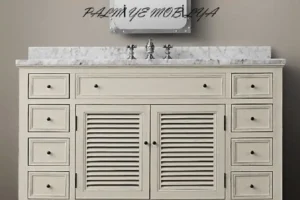

Lacquered Furniture Turkey
Complete Guide to Lacquered Furniture Turkey: Polymer Chemistry, High-End Manufacturing, and B2B Procurement Specifications
Introduction to Lacquered Furniture Turkey
In the international luxury real estate, high-end hospitality, and bespoke interior design sectors, the selection of surface finishes defines the architectural value and aesthetic weight of an interior space. Among the elite finishing methodologies available to global designers, lacquer coating remains the ultimate symbol of surface continuity, deep color reflection, and seamless sculptural beauty. For international developers, interior architects, and commercial furniture distributors looking to source premium casegoods, tables, headboards, and accent pieces, the market for Lacquered Furniture Turkey has transitioned into a dominant global supply chain force. Turkey’s specialized manufacturing ecosystem expertly bridges the gap between sophisticated European chemical engineering and cost-optimized, highly automated production lines.
To fully understand the market dominance of Lacquered Furniture Turkey, one must look beyond surface aesthetics and explore the underlying materials science and engineering. A piece of premium lacquer furniture is a highly durable product engineered to survive demanding environmental stressors—such as ultraviolet sunlight exposure, ambient humidity fluctuations, localized temperature variations, physical impacts, and aggressive chemical contact with household cleaners or cosmetics. Turkish contract manufacturers—centered in highly automated industrial clusters across Istanbul, Bursa (İnegöl), and Ankara (Siteler)—leverage state-of-the-art Industry 4.0 production lines to deliver lacquer finishes that rival traditional Italian, French, and German craftsmanship. They provide global buyers with absolute dimensional accuracy, strict environmental compliance, and superior logistical advantages.
This definitive technical manual provides a comprehensive analysis of polymer chemistry, automated robotic coating systems, advanced substrate preparation, curing technologies, structural joinery, and B2B procurement logistics that define the production of Lacquered Furniture Turkey.
1. The Chemistry of Polyurethane and Acrylic Lacquered Furniture Turkey
A common error in the furniture procurement industry is treating all glossy or painted surfaces as generic “lacquer.” In high-volume luxury manufacturing, the specific molecular composition of the chemical coating determines its long-term resistance to scratching, UV yellowing, chemical stains, and mechanical wear. Factories specializing in Lacquered Furniture Turkey formulate their finishes using advanced multi-component polymer matrices to ensure excellent structural integrity and aesthetic performance over time.
Two-Component (2K) Polyurethane Lacquer Systems
The backbone of premium Turkish casegoods manufacturing relies on two-component (2K) polyurethane systems. These coatings do not dry simply through solvent evaporation; instead, they cure via an irreversible chemical cross-linking reaction:
[Component A: Hydroxyl-Bearing Acrylic/Polyester Resins]
                          +
[Component B: Aliphatic Polyisocyanate Hardener/Catalyst]
                          │
                          ▼
 [Irreversible Chemical Cross-Linking Polyurethane Network]
- The Polymer Network: When mixed, the isocyanate groups react with the hydroxyl groups to form highly dense, cross-linked polyurethane networks.
- Performance Profile: This cross-linked network gives 2K polyurethane its signature durability. It provides outstanding resistance to water vapor, mechanical impacts, and household cleaning chemicals. Furthermore, by utilizing high-quality aliphatic isocyanates rather than cheaper aromatic variants, manufacturers of Lacquered Furniture Turkey ensure the finish resists UV-induced yellowing, retaining its true color tone even when exposed to direct sunlight through large architectural windows.
Non-Yellowing Acrylic Lacquer Formulations
For pristine white, light pastel, or natural wood-veneered furniture, Turkish factories deploy advanced acrylic lacquer formulations. Acrylic coatings offer superior optical clarity compared to polyurethane. They act as a completely transparent shield that preserves the natural grain patterns of exotic wood veneers (such as walnut burl, dyed eucalyptus, or ebony) or the true tone of delicate pigments without introducing an unwanted warm, yellowish cast. These finishes possess exceptional surface hardness, registering high values on the Koenig pendulum hardness test, which translates to superior scratch resistance in high-use hospitality or residential environments.
2. Advanced Substrate Preparation: Densities, Formulations, and Calibrations
A lacquer finish can only be as flawless as the surface beneath it. Because lacquer is applied as a liquid film, any microscopic pocket, fiber tuft, or thickness variation in the underlying board will be magnified once the topcoat cures. Manufacturers of Lacquered Furniture Turkey enforce strict quality controls during initial substrate preparation.
Sourcing Super-Refined MDF
Turkish mass production and bespoke lines utilize super-refined, high-density Medium-Density Fiberboard (MDF) as the primary substrate for all lacquered panels and furniture fronts.
- Density Profiling: While standard furniture-grade MDF features a density of around 700 kg/m³, board formulations destined for the high-end lacquer lines of Lacquered Furniture Turkey are calibrated between 780 kg/m³ and 850 kg/m³.
- Fiber Composition: Super-refined MDF is composed of tightly compressed, ultra-fine micro-wood fibers with a high resin-to-fiber ratio. This dense structure prevents the edges from fraying during detailed routing, creating a uniform substrate that accepts primers evenly without excessive absorption.
Multi-Stage Sanding and Calibration Sequences
Before a single drop of paint touches the wood substrate, the cut and routed MDF furniture blanks pass through continuous, automated wide-belt sanding and calibration lines (such as Costa Levigatrici or Heesemann systems):
- Thickness Calibration: Heavy-duty steel rollers grind the boards to precise thickness tolerances within \(\pm 0.1\text{ mm}\), ensuring total flat uniformity across large production lots.
- Progressive Sanding Grits: The panel surfaces are sanded using a series of abrasive belts with shifting grit profiles, moving from coarse 120-grit up to an ultra-fine 320-grit finish.
- Cross-Sanding Units: Specialized cross-sanding belts neutralize any loose surface wood fibers. This prevents “fiber pop,” a manufacturing defect where loose micro-fibers absorb moisture from liquid primers and expand upward through the paint film, creating a rough texture.
3. The Industrial Coating Process: Automated Robotic Spraying and Pressurized Environments
The production efficiency and flawless surface consistency of Lacquered Furniture Turkey are driven by advanced Industry 4.0 automation. Leading Turkish manufacturing facilities replace manual spray painting with continuous, automated clean-room processing lines that eliminate human error and dust contamination.
Pressurized Clean-Room Environments
The heart of the lacquer application line is a pressurized, dust-free clean room operating under positive atmospheric pressure. Air entering the spraying zone passes through multi-staged HEPA filtration systems to trap airborne dust particles down to the micron level. By maintaining positive pressure, the system forces air out whenever doors are opened, preventing external airborne dust from settling onto wet lacquer surfaces and causing surface defects.
Robotic Oscillating and Anthropomorphic Spraying Systems
For detailed furniture parts, routed sideboards, handleless drawer profiles, and complex 3D cabinet panels, Turkish factories utilize multi-axis robotic spraying cells (such as Cefla or Venjakob systems):
[Clean Sanded MDF Panel] ──> [De-Ionization Air Blast] ──> [Linear Conveyor Tracking]
                                                                        │
                                                                        ▼
[Drying & Curing Tunnels] <── [Dual Arm Robotic Oscillators] <── [Laser Scanning Sensor Array]
- Laser Scanning Array: As panels enter the robotic booth via a continuous conveyor belt, an electronic scanner reads their exact 3D geometry and shape boundaries.
- Precision Application: The scanning computer dynamically programs the paths of twin oscillating spray arms or multi-jointed anthropomorphic robotic hands. These robotic arms adjust their angles, speeds, and fluid pressures in real time, ensuring a perfectly consistent paint film thickness across flat surfaces and detailed routed channels alike.
- De-Ionization Systems: Before spraying, panels pass through a de-ionization chamber where high-pressure air jets neutralize static electrical charges on the MDF surfaces. This step prevents the boards from attracting microscopic airborne fibers during the painting process of Lacquered Furniture Turkey.
4. Curing Technologies: UV Roller Lines, Infrared Tunnels, and Excimer Lasers
Applying liquid lacquer is only half the battle; transforming that wet film into a rock-hard, scratch-resistant protective shield requires controlled chemical cross-linking. Factories manufacturing Lacquered Furniture Turkey utilize energy-efficient drying and curing systems to speed up production while maximizing surface durability.
Infrared (IR) and Jet-Air Evaporation Tunnels
Immediately after spraying, the lacquered panels travel through progressive flash-off zones and infrared (IR) drying tunnels.
- The Technical Process: Controlled, heated air currents gently pass over the panels to evaporate the volatile organic solvents without disturbing the wet surface film.
- The Advantage: The panels then enter short-wave or medium-wave infrared tunnels, where thermal energy penetrates deep into the lacquer layer from the inside out. This uniform heating prevents “solvent trapping,” a common manufacturing defect where the top surface skin cures too quickly, trapping liquid solvents underneath that can cause bubbling, hazing, or loss of clarity over time.
Ultra-Violet (UV) Roller Coating Lines
For high-volume production of flat modern furniture panels, Turkish manufacturers utilize continuous automated UV roller-coating lines. This method replaces traditional multi-day drying schedules with instant chemical curing.
- The Chemistry: UV-curable lacquers contain specialized photoinitiators alongside reactive acrylic monomers.
- Instant Curing: As the liquid-coated panels pass beneath high-intensity UV lamp tunnels, the ultraviolet radiation triggers an instant chain reaction. The photoinitiators polymerize the liquid monomers into a hard film within seconds, allowing the cured panels to be stacked, packed, and palletized immediately at the end of the line, greatly optimizing the output of Lacquered Furniture Turkey.
5. Surface Finishes: High-Gloss Polishing vs. Deep Super-Matte Sheens
The competitive advantage of sourcing Lacquered Furniture Turkey lies in the factory ability to execute diverse, high-performance surface finishes that satisfy changing global interior design trends, from high-end residential spaces to luxury hospitality lounges.
The Mechanics of Flawless Polyester High-Gloss Finishes
Achieving a premium, mirror-like high-gloss finish requires intensive chemical application and mechanical polishing:
- Thick Core Primer Base: The MDF panel receives several thick base layers of unsaturated polyester coatings, creating a dense foundation.
- The High-Gloss Topcoat: Multiple layers of high-pigment high-gloss polyurethane lacquers are applied to build up depth.
- Robotic Sanding: After full thermal curing, the panels pass through automated flat-bed polishing machines. Electronic sensors monitor mechanical pressure as the panels are sanded with ultra-fine abrasive pads (from 1500-grit up to 3000-grit) to remove any microscopic surface imperfections.
- Buffing and Compounding: The panels are buffed using rotating sheepskin wool pads and specialized micro-abrasive compounding pastes. This mechanical polishing sequence raises the surface sheen to a mirror-like rating exceeding 92 to 95 gloss units, delivering exceptional depth and a perfectly flat reflection free from orange-peel ripples.
Super-Matte and Soft-Touch Excimer Lacquers
Modern architectural trends frequently favor understated, non-reflective surfaces. Turkish manufacturers meet this demand using specialized matting agents and excimer curing technologies:
- Excimer Laser Matte Finishes: The wet lacquer film is exposed to monochromatic vacuum ultraviolet light inside an oxygen-free nitrogen chamber. This UV exposure causes the top micro-layer of the lacquer to contract and form microscopic surface ripples before the panel undergoes final curing.
- The Performance Result: These micro-ripples scatter incoming light rays in all directions, delivering a dead-matte aesthetic (below 2 to 3 gloss units). This structured surface gives Lacquered Furniture Turkey a soft, velvet-like hand-feel while providing outstanding anti-fingerprint and oleophobic properties that easily repel skin oils and smudges.
6. Edge Processing and Monolithic Core Protection
The defining feature of a premium piece of Lacquered Furniture Turkey is the complete absence of visible joint seams along its edges. Unlike laminated furniture that requires plastic, PVC, or acrylic edge-banding strips attached with hot-melt glues, a lacquered front provides a seamless, monolithic envelope.
[Monolithic Lacquer Shell] ──> Continuously wraps Front + All 4 Edges + Back Rebate
                                                │
                                                ▼
                         [No Open Seams = Absolute Moisture Protection]
Edge Chamfering and Radiused Profiles
To ensure the liquid lacquer adheres reliably around the perimeter of the panel, the sharp edges of cut MDF sheets must be radiused. Liquid paint naturally pulls away from sharp 90-degree corners due to surface tension, which can leave thin, vulnerable edges prone to chipping.
Turkish multi-axis CNC routers profile all outer panel edges with a subtle 2mm to 4mm chamfer or radius. This rounded edge allows the primers and topcoats to flow smoothly around the corner, maintaining a consistent, protective film thickness around the entire panel boundary of Lacquered Furniture Turkey.
Complete Moisture and Environmental Protection
Because the lacquer completely encapsulates the front surface and all four outer edges in an unbroken protective shell, there are no open seams where water or humidity can penetrate. This seamless barrier makes lacquered cabinets, vanity units, and dining tables highly resilient against liquid spills or ambient steam, preventing the structural swelling and edge peeling common in lower-grade commercial furniture.
7. Technical Comparative Matrix: Lacquer Quality Indicators
To assist international project managers, luxury developers, hotel owners, and procurement agents in making informed sourcing decisions, the table below provides a technical breakdown of lacquer specifications across different production tiers of Lacquered Furniture Turkey:
| Engineering Component | Premium Luxury Custom Tier (Five-Star Residential / Hotels) | Commercial Volume Contract Tier (High-Rise Real Estate) | Budget Standard Market Tier (Mass Distributed Stock) |
|---|---|---|---|
| Substrate Selection | Super-refined MDF (820–850 kg/m³ density). | High-density contract MDF (750–780 kg/m³ density). | Standard furniture-grade MDF (700 kg/m³ density). |
| Chemical System | Non-yellowing 2K Aliphatic Acrylic Polyurethane. | 2K Polyurethane or automated UV-curable Acrylics. | Single-component acid-curing or basic water paints. |
| Gloss/Matte Metric | Mirror Gloss (>92 units) or Dead-Matte (2–4 units via Excimer). | High Gloss (85–90 units) or Standard Matte (10–15 units). | Semi-gloss standard sheen (50–60 units). |
| Total Film Thickness | 120 to 180 microns (multi-layered priming and top-coating). | 80 to 110 microns (automated roller and spray lines). | 40 to 60 microns (thin single-pass application). |
| Sanding Protocol | Automated multi-belt calibration with manual edge detail detailing. | High-speed automated wide-belt orbital sanders. | Basic wide-belt sanding over flat surfaces. |
| UV Protection Profile | Maximum (Aliphatic hardeners prevent discoloration). | High (UV blockers integrated into top coats). | Standard; susceptible to yellowing over time in sunny spaces. |
| Scratch Resistance | Exceptional (Tested to >2H Pencil Hardness thresholds). | Hard surface (Tested to H Pencil Hardness standards). | Moderate; prone to fine surface micro-abrasions. |
8. Sourcing Lacquered Furniture Turkey: Industrial Scale, Supply Chain Sustainability, and REACH Compliance
Turkey’s furniture industry has established itself as an essential partner for international B2B buyers looking to balance premium quality with reliable lead times and de-risked global logistics.
[Geographic Core Hub: Turkey]
   ├── European Union Markets (Overland Trucking & Intermodal Rail Lines: 5-7 Days Transit)
   ├── United Kingdom Market (Direct Intermodal & Maritime Containers: 7-9 Days Transit)
   └── Americas & Global Markets (Deepwater Hub Ports: Ambarlı, İzmir, Mersin)
Mass Customization and Production Scalability
Turkish cabinetry and furniture manufacturers operate out of large, modern facilities that span tens of thousands of square meters. These factories combine computerized Industry 4.0 automation with flexible production workflows, allowing them to shift seamlessly between custom boutique designs and high-volume multi-family or hotel rollouts. A single mid-sized factory cluster can produce hundreds of fully finished pieces of Lacquered Furniture Turkey daily, ensuring reliable delivery schedules even for expansive real estate developments.
Strict REACH Chemical Compliance and FSC Sourcing
As international construction frameworks and luxury hotel chains prioritize environmental safety and indoor air quality, the chemical composition of furniture finishes has come under close regulatory scrutiny.
- REACH Regulation Compliance: All liquid lacquers, chemical catalysts, hardeners, thinners, and wood pigments utilized by certified Turkish manufacturers comply fully with European REACH chemical regulations. They are completely free from restricted heavy metals, dangerous plasticizers, or toxic halogenated volatile organic compounds (VOCs).
- Eco-Friendly Emissions: Fully cured panels used in Lacquered Furniture Turkey satisfy strict low-emission criteria (complying with European E1 and E0 standards, as well as California CARB Phase 2 regulations). This certification ensures zero or minimal hazardous formaldehyde off-gassing into enclosed residential or hotel spaces.
- FSC Certified Timber Substrates: Core MDF sheets and supporting timbers are sourced from manufacturers holding Forest Stewardship Council (FSC) chain-of-custody certificates, guaranteeing all wood fibers originate from sustainably managed forests.
Strategic Logistical Advantages and Shipping Infrastructure
Turkey’s geographic location at the crossroads of Europe, Asia, and Africa provides significant shipping advantages over alternative manufacturing zones:
- To Continental Europe and the UK: Integrated overland trucking networks and intermodal rail lines deliver freight containers directly to construction sites or distribution warehouses within 5 to 7 days, avoiding long ocean shipping bottlenecks.
- To North and South America: Cost-effective ocean freight routes run regularly out of deepwater hub ports like Ambarlı (Istanbul), Izmir, and Mersin, providing reliable delivery timelines to major international commercial ports.
- The ATR Customs Framework: Thanks to the long-standing Customs Union agreement between Turkey and the European Union, exports of Lacquered Furniture Turkey include an ATR certificate. This document eliminates import tariffs and streamlines customs clearances for European institutional buyers.
9. Comprehensive Installation Protocols and On-Site Quality Assurance
The structural performance and visual perfection of Lacquered Furniture Turkey depend heavily on proper on-site installation and careful handling. Because fully cured premium lacquer forms a hard, glass-like protective envelope, it must be handled correctly during deployment to prevent edge chipping or surface scratches.
Critical Field Installation Guidelines
- Site Environmental Clearance: Before unboxing lacquered furniture components, installers must verify that all wet trades (plastering, concrete screeding, and painting) are completed and dry. The indoor climate must be stabilized with relative humidity below 60% and temperatures between 18°C and 24°C to prevent uninstalled boards from absorbing excess moisture.
- Laser Datum Line Marking: For wall-mounted credenzas, floating vanities, or integrated wardrobes, installers must use self-leveling 3D laser levels to establish a continuous datum line across the walls. This step is essential because uneven subfloors make it impossible to align premium furniture correctly using basic spirit levels alone.
- Use of Soft Protective Staging: Unboxed lacquered panels and doors must never be rested directly on bare concrete or tiled floors. Installers must lay down soft felt blankets or foam mats across all staging areas to protect corners from chipping during sorting and assembly.
- Hardware Calibration and Latching Actions: Adjust concealed hinges and drawer slides to achieve uniform, 2mm reveal gaps between all doors and drawer profiles. Calibrate soft-close mechanisms to ensure smooth closing actions and prevent doors from slamming against cabinet boxes, protecting the premium facade of Lacquered Furniture Turkey.
B2B Project Handover Commissioning Checklist
Before signing off on a completed multi-unit housing block, luxury villa, or hotel wing, project managers should complete a comprehensive on-site quality inspection of all delivered Lacquered Furniture Turkey:
- Perfect Surface Reflections: Inspect all high-gloss lacquered panels under high-intensity directional LED lighting to verify the complete absence of orange-peel textures, micro-scratch swirls, or solvent bubbles.
- Uniform Reveal Gaps: Check with digital gauges that the gaps between all cabinet doors and drawer profiles are consistent, staying within a \(\pm 0.5\text{ mm}\) alignment tolerance.
- Seamless Monolithic Edge Checks: Verify that all outer panel perimeters show a smooth, continuous paint wrap with no thin spots, color shifts, or edge-chipping defects from shipping.
- Silent Kinetic Movement: Open and close every door and drawer to confirm slides and hinges move smoothly without catching, making scraping noises, or sagging under load.
- Complete Mechanical Anchoring: Check that wall-hanging fittings or structural support systems are anchored firmly into structural elements, confirming the units can safely support heavy commercial weight loads.
10. Preventive Maintenance and Asset Lifecycle Optimization
Premium Lacquered Furniture Turkey is a valuable capital asset that can maintain its pristine, luxurious appearance over a 20-to-25-year operational lifespan if properly maintained. Property managers, hotel engineering teams, and homeowners should implement standard care guidelines to protect the lacquer finish.
Resolving Technical Wear and Tear Challenges
- Cleaning Delicate High-Gloss and Matte Surfaces: Lacquered furniture requires gentle cleaning to preserve its factory finish. Cleaning teams should avoid using ammonia-based glass cleaners, bleach, or abrasive scouring pads, which can leave fine surface scratches or break down the polymer chains over time. Instead, use a soft microfiber cloth dampened with a highly diluted, pH-neutral soapy water solution, immediately followed by a dry wipe along the panel surface.
- Addressing Micro-Scratches on High-Gloss Finishes: Minor micro-scratches from daily use can be polished out of premium high-gloss polyurethane or polyester finishes. Maintenance teams can use ultra-fine liquid abrasive polishing compounds (such as 3M Finesse-it networks) combined with slow-speed rotary buffing wheels and soft foam pads to restore the deep, mirror clarity of the original factory finish on Lacquered Furniture Turkey.
- Managing High Heat and Environment Spikes: Hot objects, such as laptop chargers or hot coffee mugs placed directly onto lacquer dining or desk surfaces, can induce thermal stress. Utilizing felt coasters or leather desk pads shields the lacquer finish from direct thermal shocks and prevents localized hazing or discoloration.
Conclusion: Maximizing Procurement Efficiency and Return on Investment (ROI)
Sourcing Lacquered Furniture Turkey provides international real estate developers, custom interior architects, hotel operators, and high-volume commercial distributors an optimal combination of premium European material engineering, automated production precision, and logistical convenience. By focusing on advanced manufacturing processes—including multi-axis robotic spraying, high-density substrate calibration, moisture-resistant 2K chemical systems, and Industry 4.0 quality controls—Turkish manufacturing lines reliably deliver premium furniture built to survive demanding commercial and residential environments.
Partnering with certified Turkish contract manufacturers who offer transparent, third-party audited laboratory credentials and advanced Industry 4.0 production infrastructure ensures your development project will meet strict building codes, remain on schedule, and protect your capital investment over its full operational lifecycle.
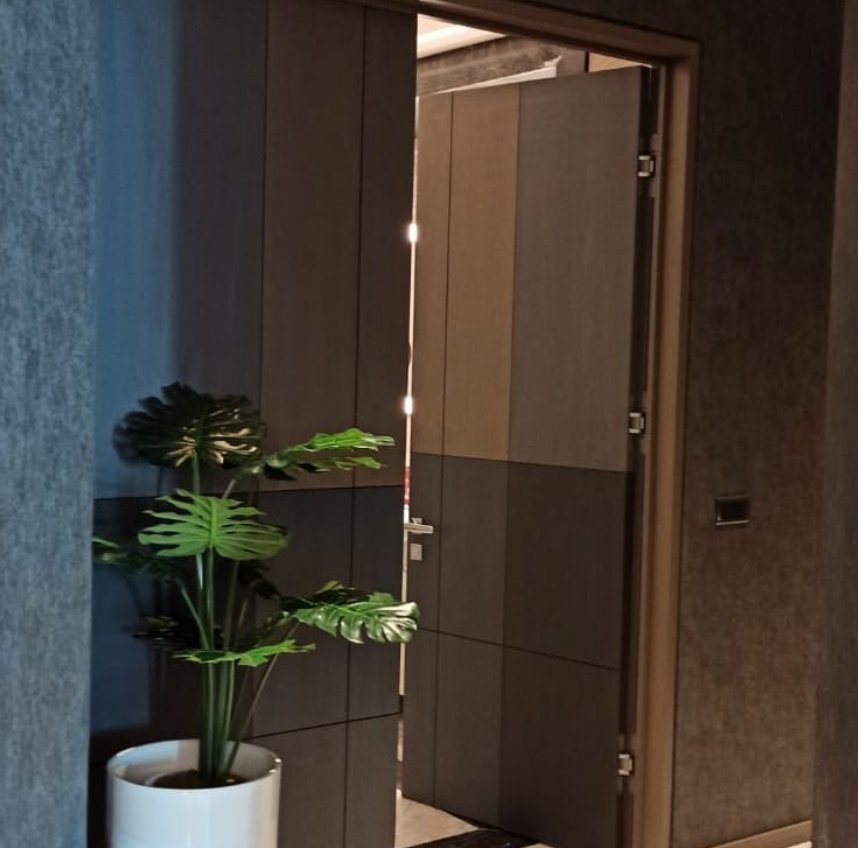
Butik Otel Mobilyaları
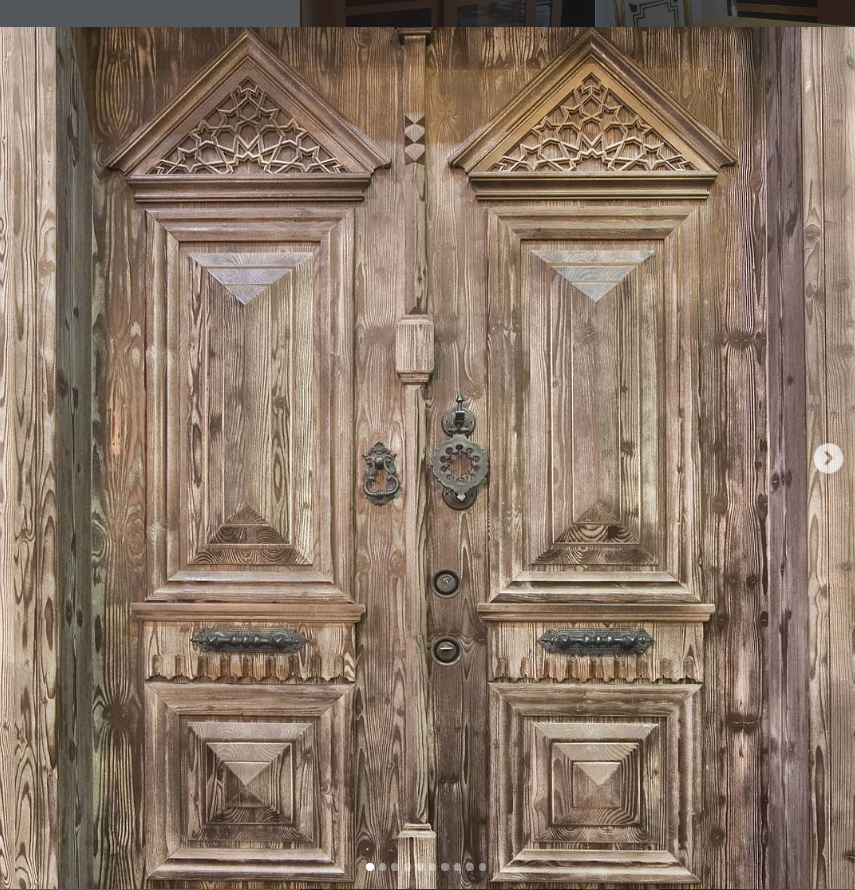
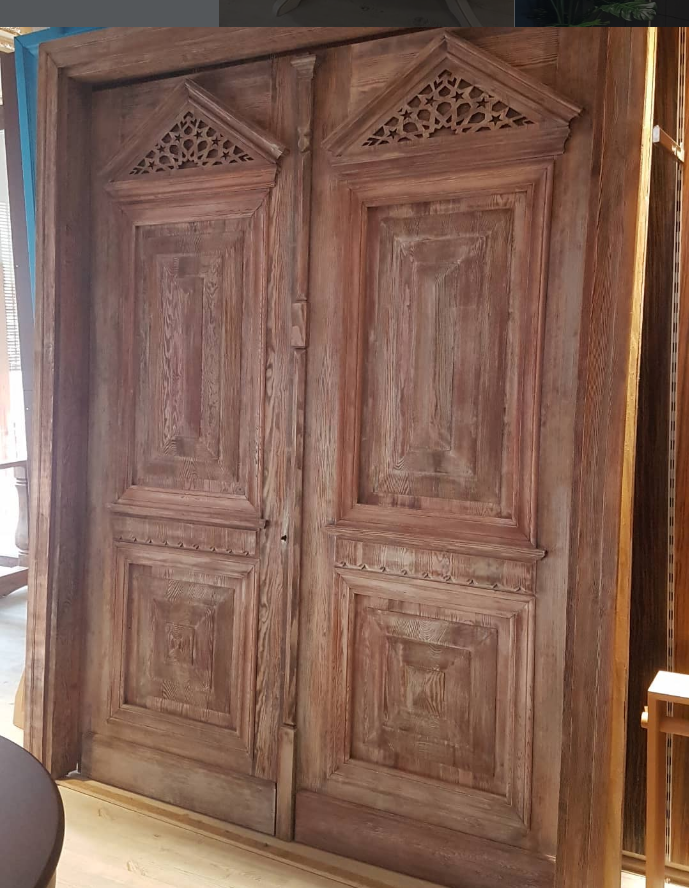
Butik Otel Mobilyaları




Etiket:Door Factory Turkey, Door Models Turkey, Economic Lacquered Door Manufacturing Turkey, Lacquered Door Export Import Turkey, Lacquered Door Factory Turkey, Lacquered Door Models Turkey, Lacquered Door Production Turkey, Lacquered Door Types Turkey, Lacquered Hotel Doors Turkey, Lacquered Room Door Turkey, Luxury Lacquered Door Manufacturing Turkey, Mass Production Lacquered Door Turkey, Modern Lacquered Door Turkey, Rustic Lacquered Door Manufacturing Turkey

Şunları da sevebilirsiniz

Distressed Furniture Turkey
Lacquered Kitchen Cabinets Turkey