
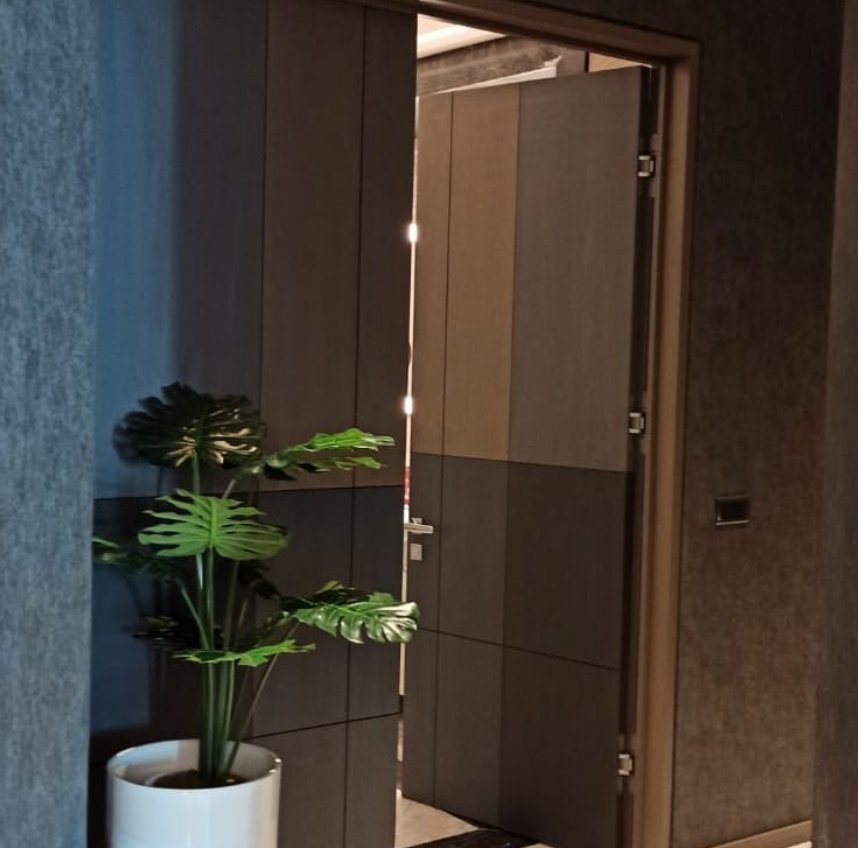
Hotel Furniture Manufacturing Companies Turkey
Hotel Furniture Manufacturing Companies Turkey: The Definitive B2B Sourcing Guide
The global hospitality industry demands an intricate balance of aesthetic excellence, rigorous structural longevity, and cost-effective procurement. When hospitality procurement managers, interior designers, and hotel developers look for manufacturing hubs that bridge the gap between high-end European craftsmanship and competitive pricing, Turkey emerges as the premier global destination.
This comprehensive guide delivers an in-depth analysis of hotel furniture manufacturing companies Turkey, exploring the technical capacities, regional hubs, material standards, engineering practices, and logistical advantages that define the Turkish contract furniture market.
1. Why Source from Hotel Furniture Manufacturing Companies Turkey?
Turkey’s position as a global leader in contract furniture manufacturing is not accidental. It is the result of centuries of woodworking tradition combined with massive modern capital investments in automated machinery (CNC lines, robotic finishing booths) and compliance with strict European quality metrics.
Geographic and Logistical Synergy
Turkey operates as a natural bridge between Europe, the Middle East, Africa, and Central Asia.
- Transit Times: Shipping from Turkish ports (such as Ambarlı, İzmir, or Mersin) to major European hubs takes between 4 to 7 days via road freight and 10 to 14 days via sea freight. This is significantly shorter than the 35-to-45-day maritime transit times required from East Asian manufacturing centers.
- Customs Union Agreement: Turkey’s Customs Union agreement with the European Union eliminates customs duties for industrial goods, streamlining paperwork and reducing total landed costs for European hotel developments.
Vertical Integration and Material Sourcing
Turkish manufacturers benefit from local access to raw materials. Turkey possesses vast forest reserves providing high-grade native hardwoods such as beech, oak, and walnut.
- Local Supply Chain: Because timber, specialized hardware, polyurethane foams, and performance textiles are produced domestically, hotel furniture manufacturing companies Turkey are shielded from global supply chain disruptions.
- Cost Efficiency: This local integration eliminates import dependencies, allowing manufacturers to maintain stable pricing structures even during volatile economic periods.
2. Core Manufacturing Hubs in Turkey
The Turkish furniture industry is highly clustered. These industrial ecosystems foster intense competition, specialized sub-industries (such as plating, turning, and weaving), and massive capacity scaling.
+------------------------------------------------------------------------+

|                      TURKISH FURNITURE HUBS                            |
+------------------------------------------------------------------------+

|                                                                        |
|  [ İSTANBUL / MODOKO & MASKO ] ---> High-End Design, Bespoke Luxury    |
|                                                                        |
|  [ BURSA / İNEGÖL ]            ---> High-Volume Mass Customization     |
|                                                                        |
|  [ KAYSERİ ]                   ---> Industrial Scale, Panel & Bedding  |
|                                                                        |
|  [ ANKARA / SİTELER ]          ---> Master Woodworking, Solid Carving  |
|                                                                        |
|  [ İZMİR ]                     ---> Outdoor Hospitality & Eco-Friendly |
|                                                                        |
+------------------------------------------------------------------------+
İstanbul (Modoko, Masko, and İkitelli OSB)
İstanbul functions as the design and engineering nerve center for Turkish contract furniture.
- Modoko and Masko: These dedicated furniture cities house the design offices and showrooms of companies capable of handling ultra-luxury, five-star turnkey hotel projects.
- Technical Strength: İstanbul-based manufacturers specialize in complex, avant-garde designs, incorporating mixed materials like CNC-machined brass, tempered glass, custom-molded resins, and exotic veneers. They work closely with international architectural firms to convert architectural concepts into shop drawings.
Bursa (İnegöl Industrial Zone)
İnegöl is an industrial powerhouse solely dedicated to furniture production, exporting to over 150 countries.
- Scale and Automation: The factories here span tens of thousands of square meters, utilizing fully automated panel processing lines, edge-banding machines, and automated UV curing tunnels.
- Market Fit: İnegöl companies excel at mid-to-high-volume production runs for 3-star and 4-star business hotels, select-service chains, and large-scale holiday resorts requiring rapid turnaround times without sacrificing dimensional tolerance.
Kayseri Industrial Zone
Kayseri hosts some of the largest industrial manufacturing facilities in Eurasia.
- Mass Production: The focus here is on heavy industrialization and high-capacity output.
- Specialization: Kayseri is highly competitive in manufacturing upholstered items, institutional bedding, mattresses, and flat-pack/modular case goods for budget hotels, student housing, and massive apart-hotel projects.
Ankara (Siteler)
Siteler is the historic cradle of Turkish woodworking.
- Artisanal Craftsmanship: While other hubs have shifted heavily toward automated panel processing, Siteler retains a high concentration of master woodworkers specializing in solid wood carving, complex joinery (mortise and tenon), hand-applied patinas, and French polishing.
- Project Profile: This hub is highly sought after for heritage hotel restorations, boutique luxury properties, and state-level hospitality projects requiring neoclassical or intricate geometric solid wood elements.
İzmir and the Aegean Region
The Aegean region utilizes its proximity to coastal resorts to specialize in specialized outdoor hospitality furniture.
- Material Expertise: Manufacturers here are experts in weather-resistant materials, including kiln-dried plantation teak, synthetic high-density polyethylene (HDPE) ratans, powder-coated marine-grade aluminum, and reticulated fast-dry foams.
3. Engineering and Technical Capabilities
When evaluating hotel furniture manufacturing companies Turkey, procurement teams must look past aesthetic surfaces and analyze the underlying structural engineering. Contract-grade furniture operates under entirely different performance parameters than residential furniture.
Value Engineering and Shop Drawing Creation
A hallmark competence of top-tier Turkish contract manufacturers is their internal engineering departments.
- CAD/CAM Translation: When a design firm submits conceptual renderings, Turkish engineers use software like SolidWorks or AutoCAD to generate exact millwork and loose-furniture shop drawings.
- Cost Optimization: They perform value engineering by identifying structural vulnerabilities or cost inefficiencies. For example, suggesting a structural switch from solid timber to a cross-laminated timber (CLT) core faced with a 2mm thick balanced veneer can prevent checking and warping in high-humidity coastal resorts while reducing costs.
CNC Precision and Joinery Techniques
To survive the physical stress of high-turnover hospitality environments, furniture joinery must be flawless. Turkish factories leverage advanced technology to ensure structural integrity:
- 5-Axis CNC Machining: Allows for the continuous carving of complex solid wood chair legs and backrests from a single block of wood, eliminating weak glue joints.
- Dowelled and Blind-Mortised Construction: Case goods utilize automated dowel insertion coupled with industrial polyurethane adhesives, ensuring squareness and structural rigidity that holds up under heavy cleaning schedules.
- Internal Corner Blocking: All load-bearing zones in seating and tables are reinforced with screwed and glued corner blocks to absorb lateral forces.
4. Rigorous Material Standards and Compliance
European and international hotel brands (such as Marriott, Hilton, Accor, and IHG) enforce uncompromising material compliance guidelines. Turkish manufacturers have aligned their production standards to meet or exceed these international norms.
| Component Group | Technical Metric / Standard | Operational Impact |
|---|---|---|
| Case Goods & Panels | E1 or E0 (EN 717-1) Certification | Guarantees ultra-low or zero formaldehyde emissions, crucial for indoor air quality and LEED certification. |
| Upholstery Foams | CMHR (Combustion Modified High Resilient) | Polyurethane foams engineered to self-extinguish under British Standard (BS 5852 Crib 5) or California Technical Bulletin (CAL 117). |
| Performance Fabrics | Martindale Abrasion Test (EN ISO 12947-2) | Minimum 50,000 to 100,000 rubs required for heavy contract use to prevent pilling, thinning, and premature wear. |
| Wood Sealers & Finishes | Polyurethane, Acrylic, and UV-Cured Coatings | Provides resistance to high-strength alcohol sanitizers, boiling water, and superficial scratches (EN 12720). |
Sustainable Forestry and Timber Sourcing
With global sustainability mandates growing stricter, Turkish factories increasingly implement chain-of-custody tracking.
- FSC and PEFC Certifications: Leading hotel furniture manufacturing companies Turkey source timber from responsibly managed forests. This ensures compliance with European Union Timber Regulation (EUTR) requirements, preventing delays at international borders.
5. Turning Concepts into Reality: The Turnkey Contract Process
Sourcing hotel furniture from an international manufacturer involves a multi-tiered project management pipeline. Understanding this lifecycle ensures smooth execution and eliminates unexpected delivery issues.
[Phase 1: Tender & Shop Drawings]
                 │
                 ▼
[Phase 2: Material Matrix Selection]
                 │
                 ▼
[Phase 3: Prototyping & Mock-Up Room]
                 │
                 ▼
[Phase 4: Mass Production & QA]
                 │
                 ▼
[Phase 5: Logistics & White-Glove Installation]
Phase 1: Tender and Shop Drawing Review
The process begins with the submission of the Interior Design (ID) package and the Bill of Quantities (BOQ). The factory’s technical team breaks down every item to calculate material yields, hardware weights, and processing times. The resulting shop drawings detail every joint, screw location, wire management pathway, and ventilation slot for integrated electronic devices.
Phase 2: Material Matrix Approval
The client receives a comprehensive material matrix board containing physical samples of:
- Veneers with specified stain levels and gloss percentages (e.g., 5% matte to 90% high gloss).
- Powder-coated metal swatches subjected to salt-spray testing.
- Natural stone or quartz slabs engineered with anti-stain impregnators.
Phase 3: The Mock-Up Room (The Acid Test)
Before green-lighting mass production for hundreds of keys, reputable Turkish manufacturers build a physical mock-up room.
- Review Process: The client, interior designer, and general contractor visit the factory showroom (or a designated site) to inspect the physical pieces.
- Adjustments: This step allows stakeholders to check real-world ergonomics, analyze how the furniture interacts with ambient lighting, and make structural or finish modifications before mass production begins.
Phase 4: Mass Production and In-Line Quality Control
Once the mock-up room is signed off, the factory creates production templates.
- Batch Consistency: Digital code is pushed to the CNC machinery to guarantee that piece #1 and piece #500 have identical tolerances (within fractions of a millimeter).
- Inspections: Quality assurance inspectors verify tolerances at three critical stages: raw machining, post-assembly white-wood inspection, and final finishing/upholstery.
Phase 5: Logistics, Crating, and Site Installation
Hospitality furniture is prone to damage during transit if packaging is compromised.
- Crating Architecture: Turkish export factories utilize multi-layered packaging protocols: high-density foam edge protectors, moisture-absorbing silica gel packs, heavy-duty corrugated cardboard wrapping, and heat-treated wooden crates for fragile stone or glass components.
- On-Site Installation: Many top-tier hotel furniture manufacturing companies Turkey deploy their own “white-glove” installation teams globally. These specialized carpenters travel to the project site to handle the unboxing, leveling, millwork integration, and final adjustments of the furniture.
6. Sourcing Categories: Case Goods vs. Loose Furniture
A comprehensive hospitality procurement strategy divides furniture into two distinct structural categories, each requiring different manufacturing workflows.
1. Case Goods (Built-In Millwork)
Case goods form the structural backbone of the guestroom. This category includes headboards, wardrobes, luggage racks, mini-bar cabinets, and vanity units.
- Substrate Engineering: Turkish manufacturers utilize Moisture-Resistant MDF (MR-MDF) or high-grade marine plywood for high-exposure zones like mini-bar counters and bathroom vanities. This prevents core swelling from spills or condensation.
- Hardware Integration: Standard specifications from Turkish contract factories feature heavy-duty commercial hardware, such as soft-close concealed hinges rated for 100,000 cycles, undermount drawer slides with fluid dampers, and heavy-duty leveling glides to compensate for uneven guestroom floors.
2. Loose Furniture (Seating and Accent Tables)
Loose furniture includes armchairs, task chairs, sofas, dining tables, and nightstands.
- The Physics of Seating: For public areas and guestrooms, frames are constructed almost exclusively from kiln-dried solid beech or ash wood with a moisture content regulated between 8% and 12%. This optimal range prevents the wood from shrinking or splitting when exposed to climate-controlled HVAC systems.
- Suspension Systems: Industrial seating elements utilize high-tensile steel sinuous springs or elastomeric webbing interlaced under high tension, topped with varying densities of CMHR foam to balance initial comfort with long-term shape retention.
7. Deep-Dive Sourcing Areas within the Hotel
Different areas of a hotel serve distinct operational purposes and require tailored furniture choices. Expert Turkish manufacturers segment their production lines based on these specific zones.
+-----------------------------------------------------------------------+

|                       HOTEL ZONAL FURNITURE SPECIONS                  |
+-----------------------------------------------------------------------+

|                                                                       |
|  [ GUESTROOMS & SUITES ]     --> Focus: Space Optimization, Ergonomics|
|                                  Acoustic Dampening, Comfort          |
|                                                                       |
|  [ LOBBY & PUBLIC ZONES ]    --> Focus: High-Traffic Durability       |
|                                  Heavy-Duty Joinery, Structural Steel |
|                                                                       |
|  [ F&B (RESTAURANTS/BARS) ]  --> Focus: Stain-Resistant Sealers       |
|                                  Cleanable Fabrics, Antimicrobial     |
|                                                                       |
|  [ OUTDOOR & SPA ZONES ]     --> Focus: UV-Resistant Coatings         |
|                                  Reticulated Fast-Dry Foams, Teak    |
|                                                                       |
+-----------------------------------------------------------------------+
Guestrooms and Suites
The guestroom is an intimate space where furniture must feel premium yet operate efficiently.
- Acoustic Considerations: Case goods are engineered with acoustic dampening bumpers on doors and drawers to minimize ambient noise transmission between adjoining walls.
- Space Optimization: Integrated headboard panels frequently incorporate flush-mounted LED reading lights, wireless charging docks, and universal international power sockets directly into the woodwork, centralizing electrical wiring into a single access point behind the bed.
Lobbies and Public Zones
The lobby experiences continuous traffic and heavy wear from luggage impact and cleaning equipment.
- Structural Reinforcement: Sofas and communal tables in these areas feature internal metal structural skeletons clad in premium solid timbers or natural stones.
- Maintenance Engineering: Baseboards and kick-plates are often accented with brushed stainless steel or brass strips to shield the underlying wood from damage caused by vacuum cleaners and floor buffers.
Food and Beverage (F&B) Outlets
Restaurant tables, barstools, and dining booths must withstand constant cleaning and accidental spills from acidic liquids like wine, lemon juice, and coffee.
- Chemical-Resistant Finishes: Turkish manufacturers apply specialized commercial-grade acid-catalyzed conversion varnishes or two-pack acrylic polyurethanes. These coatings cure to form an impermeable crystalline barrier that prevents chemical etching and ghost ring stains.
- Upholstery Innovation: Seating elements favor antimicrobial, bleach-cleanable synthetic leathers or performance fabrics treated with hydrophobic nanotechnology nanocoatings that cause liquids to bead on the surface rather than penetrate the foam core.
Outdoor and Spa Wellness Areas
Thermal cycling, high humidity, chlorine, and UV radiation will quickly degrade standard indoor furniture.
- Advanced Material Science: Turkish outdoor contract specialists utilize specialized marine alloys treated with multi-stage electrostatic powder coatings to prevent oxidation.
- Weaving Technology: Synthetic wicker and ropes are woven using high-density polyethylene fibers embedded with UV inhibitors, ensuring they retain their tensile strength and color vibrancy under intense sunlight.
8. Financial and Commercial Advantages
Procurement decisions ultimately rely on financial metrics and risk management. Turkish manufacturers offer distinct commercial advantages that strengthen a project’s return on investment (ROI).
Price-to-Quality Ratio
Operating expenses in Turkey, combined with advanced automation, create a highly competitive cost structure. When compared directly with Western European contract manufacturers, Turkish factories frequently deliver identical technical specifications (using identical German hardware and Italian finishes) at a significant cost reduction. This pricing advantage allows developers to reallocate capital into guest-facing technology or premium property finishes.
Flexible Minimum Order Quantities (MOQs)
While many mega-factories in alternative manufacturing regions require massive order volumes to justify setting up automated production lines, the Turkish market remains highly adaptable.
- Tailored Production: Many hotel furniture manufacturing companies Turkey maintain flexible manufacturing cells. This agility allows them to efficiently process custom boutique hotel orders (20 to 50 keys) alongside massive multi-hundred-room chain rollouts.
Structured Payment Terms and Risk Mitigation
The Turkish commercial banking system is well-integrated into international trade finance networks. Transactions typically use structured Letter of Credit (L/C) mechanisms or staged bank-guaranteed milestones (e.g., 30% down payment upon shop drawing approval, 40% mid-production verification, 30% upon final quality control sign-off and container loading). This approach mitigates capital risk for international buyers.
9. Evaluating and Auditing a Turkish Furniture Factory
Selecting the right partner from the many hotel furniture manufacturing companies Turkey requires a structured verification process. Sourcing teams can use this step-by-step framework to audit potential manufacturing partners:
Technical Infrastructure Checklist
- Machine Park Verification: Ensure the factory utilizes modern panel-processing machinery, such as automated sizing saws, multi-axis CNC routers, and automated edge-banders.
- Finishing Environment: Audit the finishing department. Look for pressurized, dust-free spray booths with water-curtain filtration systems and automated temperature-controlled drying tunnels. Dust contamination during the wet lacquering stage creates surface imperfections that fail five-star quality standards.
- Internal Testing Labs: Check if the manufacturer has basic testing equipment on-site, such as moisture meters for incoming timber, drop-testers for seating stability, and weight-load apparatuses to verify product durability.
Operational and Administrative Compliance
- Project Management Office (PMO): A professional factory must have a dedicated contract division staffed by English-speaking industrial designers, civil engineers, and international logistics coordinators.
- Financial Health: Request verified bank references and corporate registry tracking to ensure the company possesses the operational capital required to purchase raw materials for large, multi-container projects without relying solely on your deposit.
10. Navigating Potential Sourcing Challenges
While the benefits are clear, international procurement always requires careful management of specific operational challenges.
Overcoming Language Barriers and Technical Terms
Miscommunications regarding complex technical specifications can lead to production errors.
- The Solution: Avoid relying on vague descriptive phrases like “high-quality fabric” or “durable finish.” Instead, use unambiguous international technical terms. Specify exact manufacturer part codes, Martindale rub counts, fire-retardancy classifications, and RAL color codes within the contract documents.
Managing Production Timelines during Peak Seasons
The global hospitality procurement cycle peaks ahead of spring openings and autumn renovations. During these high-demand windows, factory production queues fill up quickly.
- The Solution: Secure production slots early by signing a reservation agreement well before final interior design layouts are completed. Build a 2-to-3-week buffer into your project schedule to account for potential holidays, shipping delays, or customs clearance steps.
11. The Future of Contract Sourcing in Turkey: Digitalization and Industry 4.0
The Turkish manufacturing landscape continues to evolve through significant investments in digital integration and advanced technology.
Industry 4.0 Integration
Forward-thinking hotel furniture manufacturing companies Turkey are transitioning toward smart manufacturing ecosystems.
- End-to-End Tracking: From the moment raw lumber enters the warehouse, it is tagged with unique QR or RFID codes. This digital footprint allows project managers and international clients to track the exact production status of an item via secure online client portals.
Virtual Reality (VR) Prototyping
To accelerate the physical mock-up stage, leading Turkish design offices use VR integration.
- Digital Inspection: International clients can wear VR headsets to virtually walk through engineered guestrooms, examining scale, proportions, and configurations in real time. This digital step resolves major spatial layout issues before a single piece of timber is cut, saving weeks of physical prototyping time.
12. Strategic Sourcing Recommendations
For hospitality developers, procurement managers, and interior designers planning their next project, Turkey provides a scalable, highly engineered, and cost-effective manufacturing ecosystem. To maximize the success of your sourcing strategy, implement these practical best practices:
- Involve the Factory Early: Engage your chosen Turkish manufacturer during the conceptual design phase. Their internal engineering teams can offer value-engineering adjustments that preserve the design intent while lowering fabrication costs.
- Enforce Strict Technical Specifications: Ensure your Bill of Quantities (BOQ) explicitly outlines international performance metrics, including E1 compliance, Crib 5 fire retardancy, and specific commercial hardware cycle requirements.
- Conduct Physical Factory Audits: Before transferring large capital deposits, visit the manufacturing facilities in person or hire an accredited third-party inspection agency to verify their machine capacity, finishing environments, and financial standing.
- Partner with Dedicated Contract Experts: Select factories that specialize exclusively in B2B hospitality contract manufacturing over residential furniture producers. True contract specialists understand the structural engineering, regulatory standards, and logistical coordination required to deliver a successful commercial hospitality project.
Frequently Asked Questions (FAQ)
What is the typical lead time for producing hotel furniture in Turkey?
Lead times vary based on project scale and customization complexity. Generally, a standard mock-up room is completed within 3 to 4 weeks. Once the mock-up is approved, mass production for a 100-to-150-room hotel typically takes between 8 to 12 weeks. Sourcing teams should also factor in road or sea transit times based on the project location.
How do Turkish manufacturers handle fire retardancy compliance for international hospitality brands?
Top-tier Turkish contract furniture factories use specialized combustion-modified high-resilient (CMHR) foams and source certified fire-retardant performance fabrics directly. They regularly provide official laboratory certificates proving compliance with international fire safety codes, including British Standard (BS 5852 Crib 5) and California Technical Bulletin (CAL 117).
Can I mix orders from different Turkish factories into a single shipment?
Yes. Many international procurement teams utilize Turkish consolidation services and freight forwarders located within main industrial hubs like İnegöl or İstanbul. These logistics specialists collect case goods, upholstered seating, and custom lighting from multiple specialized factories, consolidating them into optimized shipping containers to reduce total landed shipping costs.
How do I verify that the wood used in my furniture is sustainably sourced?
You should explicitly request Forest Stewardship Council (FSC) or Programme for the Endorsement of Forest Certification (PEFC) Chain of Custody certifications from your manufacturer during the initial tender phase. These documents verify that the timber can be tracked back to responsibly managed forests, ensuring full compliance with international environmental import regulations.
Butik Otel Mobilyaları
Tarihi Binaların Ahşap Dekorasyonları
Tarihi Ahşap restorasyonlari Kapılar
Tarihi binaların mobilya dekorasyonları
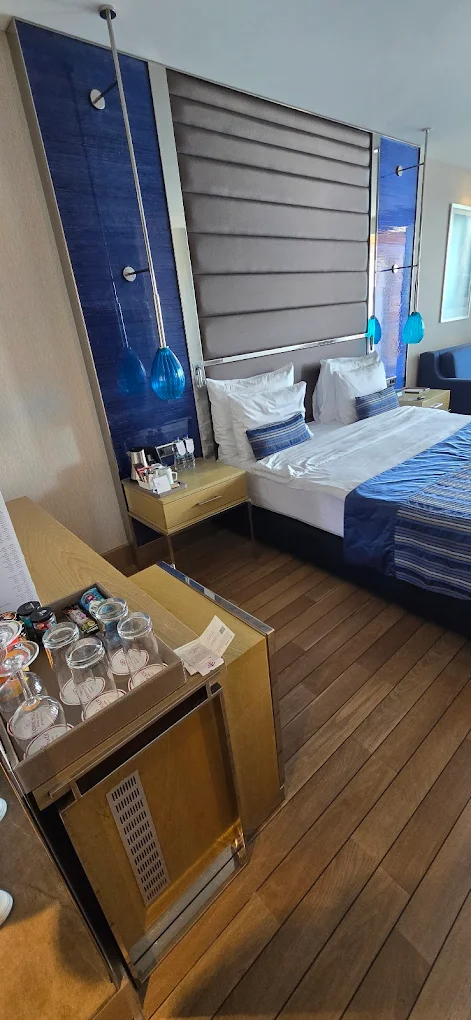
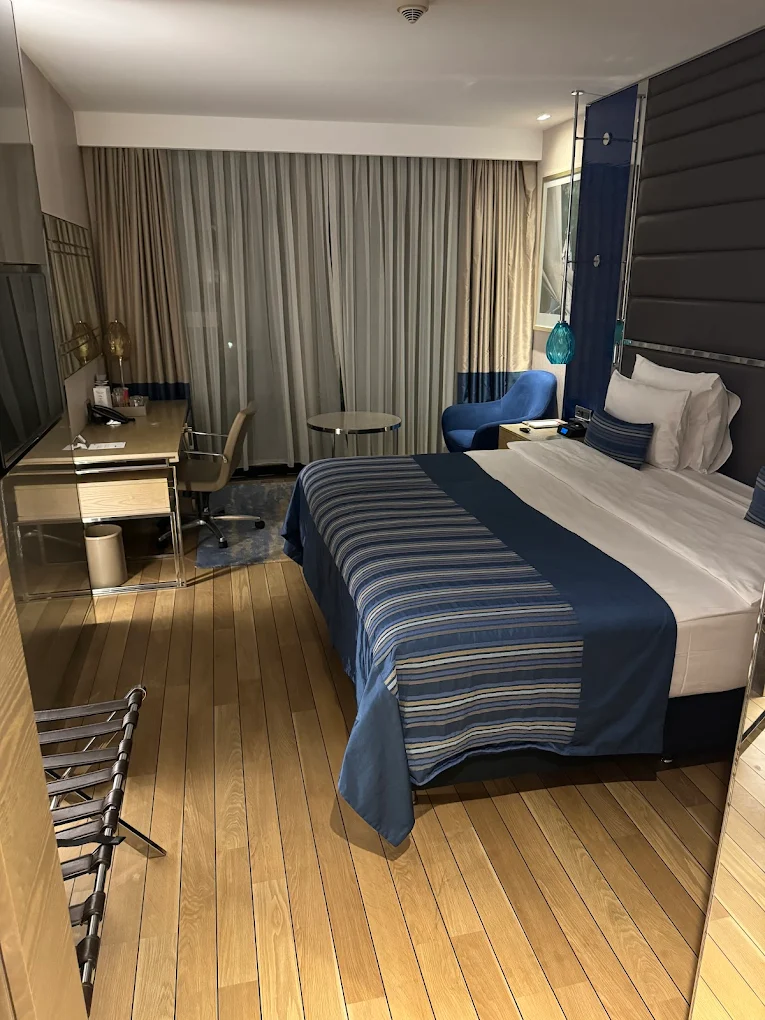

Butik Otel Mobilyaları

Şunları da sevebilirsiniz
Hotel Hospitality Furniture Turkey
Hotel Furniture Export Turkey