

Moisture-Resistant Kitchen Cabinet Turkey
The Ultimate Guide to Moisture-Resistant Kitchen Cabinets from Turkey: Material Science, Production Standards, and Global Sourcing Logistics
The kitchen is the undisputed operational heart of the modern home, acting as a high-traffic zone where structural design directly intersects with demanding environmental conditions. Unlike other residential rooms, kitchen infrastructure must withstand a continuous cycle of microclimatic stresses. These include high-temperature steam from cooking appliances, airborne grease particles, regular chemical cleaning, and localized liquid spills around sink areas.
Without advanced structural planning, standard kitchen cabinetry will degrade rapidly. This degradation manifests as edge delamination, structural warping, hardware oxidation, and sub-surface mold cultivation.
Turkey has positioned itself as an international hub for high-end furniture manufacturing, specifically leading the market in the engineering and export of premium moisture-resistant kitchen cabinets. By pairing automated European machinery with a highly integrated local raw material supply chain, Turkish manufacturers build cabinetry that satisfies strict global technical and environmental criteria.
This comprehensive guide analyzes the structural engineering, surface chemistry, hardware design, and B2B sourcing frameworks behind moisture-resistant kitchen cabinets from Turkey.
1. Core Substrates: Engineering the Foundation of Moisture-Resistant Kitchen Cabinets from Turkey
The longevity of a kitchen cabinet is determined by its core substrate. If the internal board absorbs ambient humidity, the outer decorative layer will inevitably fail. When manufacturing moisture-resistant kitchen cabinets, Turkish factories select engineered wood products tailored to specific moisture-exposure zones.
Hydrophobic Core MDF (MR-MDF / Green Core)
Medium-Density Fibreboard (MDF) is the preferred core material for modern, precisely carved kitchen cabinets. Standard MDF is highly hydrophilic, absorbing liquid via capillary action through its exposed wood fibers. To prevent this, premium Turkish producers utilize Moisture-Resistant MDF (MR-MDF), commonly referred to in production lines as green core MDF due to its distinctive identification pigment.
During production, the wood fibers are bonded under intense heat and pressure using specialized thermosetting resins. These are typically Melamine-Urea-Formaldehyde (MUF) or advanced Isocyanate (PMDI) polymers. These resins create a hydrophobic molecular network that limits thickness swelling to under 5% to 7% when subjected to standard 24-hour water submersion testing (EN 317). This is a substantial improvement over standard MDF, which routinely exhibits swelling rates between 12% and 18%.
High-Density Moisture-Resistant Particleboard (MR-MFC)
For structural carcases and internal shelving, Melamine-Faced Chipboard (MFC) derived from moisture-resistant particleboard is the industrial standard. Turkish chemical and forestry conglomerates produce high-density particle variants that utilize multi-layered chip geometry.
The inner core consists of larger chips that provide mechanical strength and high screw-holding power. The outer surfaces feature micro-fine wood particles enriched with paraffin wax emulsions. This dense composition ensures that steam cannot easily bypass the substrate, maintaining structural stability across long spans without sagging.
Polymer Composite and Compact Laminate Options
In spaces subject to direct water exposure, such as the plumbing zone directly beneath the kitchen sink, Turkish cabinet makers often swap out timber substrates for alternative materials:
- Solid Phenolic Compact Laminate: Formed by pressing kraft papers impregnated with thermosetting phenolic resins under extreme heat (≥ 150°C) and high pressure (≥ 5 MPa). Compact laminate is entirely non-porous, 100% waterproof, and immune to rot, making it ideal for support structures near sinks.
- Co-Extruded PVC Foam Boards: Used in specialized commercial kitchens or highly humid geographic regions. These lightweight boards absorb 0% water and provide long-term resistance to chemical cleaning agents.
2. Advanced Surface Coatings: Waterproof Barrier Chemistry
While the core substrate provides mechanical stability, the exterior coating serves as the primary shield against daily wear and thermal exposure. Turkish factories utilize automated liquid and membrane application lines to apply impervious outer barriers.
Vacuum Membrane Pressing with PVC and PET Foils
To achieve seamless, continuous profiles on 3D-routed cabinet fronts, vacuum membrane press technology is widely implemented in Turkish manufacturing. The raw substrate panel is carved using 3-axis or 5-axis CNC routers to create integrated handles or traditional shaker contours. The panel is then sprayed with a high-performance Polyurethane (PUR) adhesive.
A decorative sheet of Polyvinyl Chloride (PVC) or Polyethylene Terephthalate (PET) foil is drawn over the panel inside a heated vacuum chamber. Under intense heat and vacuum pressure, the thermoplastic foil wraps smoothly over the face and all four perimeter edges simultaneously.
- The Technical Advantage: This process yields a front panel with zero perimeter seams. Without an edge joint, steam from dishwashers or boiling stovetops cannot find a point of entry to delaminate the cabinet face. PET foils are increasingly specified by international buyers due to their superior UV stability, scratch resistance, and eco-friendly recyclability.
Multi-Layer Polyurethane and UV-Cured Acrylic Lacquers
For premium high-gloss or deep-matte architectural installations, Turkish factories implement automated robotic spray and roller coating lines. The coating process follows a strict multi-stage sequence:
- Isolation Primer: A dedicated hydrophobic polyurethane primer is applied to seal the porous edges and faces of the machined substrate.
- Sanding and Calibration: Wide-belt calibrating sanders smooth the cured primer down to micron-level tolerances, ensuring a flat base.
- Color Application: Multiple layers of pigmented polyurethane or acrylic lacquer are sprayed via reciprocating automated arms in clean-room environments.
- UV-Curing Finish: The topcoat is passed under high-intensity ultraviolet (UV) lamps. The UV radiation triggers photo-initiators within the liquid coating, causing instant polymer cross-linking.
This UV-cured surface creates an abrasion-resistant, non-porous barrier that prevents water ingress, resists yellowing from sunlight, and protects against staining from common kitchen oils and acids.
3. Industrial Edge-Banding: Eradicating the Primary Source of Moisture Failure
In kitchen design, the vast majority of moisture-related cabinet failures originate at the panel joints. Standard edge-banding methods rely on traditional Ethylene Vinyl Acetate (EVA) hot-melt adhesives. EVA glues can remelt under high thermal conditions and are susceptible to moisture breakdown, which can cause the edge tape to pop or peel over time. Turkish production lines have updated their processes to eliminate this issue.
Polyurethane (PUR) Hot-Melt Technology
PUR adhesives represent a significant advance in edge-gluing technology. Unlike EVA, which changes state only physically as it cools, PUR undergoes a dual-stage curing process. After application, it cools to form an initial bond, and then undergoes a chemical cross-linking reaction over 24 to 48 hours by interacting with moisture in the ambient air and the wood fibers.
- Thermal & Hydrophobic Stability: Once fully cross-linked, the PUR bond line is irreversible. It will not remelt under heat (withstanding up to 140°C) and is completely waterproof.
- Ultra-Thin Glue Lines: Modern Turkish edge-banding machines utilize precise slot nozzle applicators that reduce glue thickness to under 0.1mm. This thin application line makes the joint nearly invisible, leaving no room for water vapor to penetrate.
Zero-Joint Fusion (Laser and Hot-Air) Co-Extrusion
For high-end contract manufacturing, top-tier Turkish plants use Laser Edge-Banding or Hot-Air Co-Extrusion technology (such as Biesse AirForce or Homag AirTec). This technique utilizes specialized ABS (Acrylonitrile Butadiene Styrene) edge tapes that feature a pre-applied, co-extruded functional polymer layer on the reverse side.
During production, a focused laser beam or an ultra-hot compressed air stream melts this functional backing layer instantly before it is pressed onto the substrate. The melted polymer fuses directly into the wood fiber structure, creating a monolithic connection.
With no separate glue layer present, the cabinet achieves clean aesthetics and reliable waterproof protection at its most vulnerable points.
4. Hardware Engineering: Mechanical Integrity in High-Humidity Environments
A kitchen cabinet cannot be considered genuinely moisture-resistant if its moving parts rust, degrade, or misalign due to high humidity. The hardware systems integrated into moisture-resistant kitchen cabinets from Turkey are engineered to match the durability of the structural panels.
Corrosion-Resistant Alloys and Electroplating
Turkish cabinet doors and drawer boxes are fitted with hinges and slide systems made from high-tensile carbon steel or specialized stainless steel alloys.
- AISI 304 Stainless Steel: Specified for high-exposure components, such as under-sink pull-out baskets and waste segregation systems. This alloy contains roughly 18% chromium and 8% nickel, providing strong protection against organic acids and water oxidation.
- Multi-Layer Galvanization: Standard internal hinges and concealed drawer slides undergo electro-zinc plating, followed by a passivating chemical topcoat and an organic sealing layer.
Salt Spray Testing and Structural Certification
To verify real-world durability, Turkish hardware components undergo standardized laboratory testing. Components are placed inside a sealed testing chamber and subjected to continuous exposure to an atomized fog of 5% sodium chloride solution at 35°C, in compliance with EN ISO 9227 or ASTM B117.
- Performance Benchmarks: While lower-grade residential hardware may exhibit red rust within 24 hours, the hardware selected for premium Turkish kitchen lines is certified to withstand 48, 72, or 96 hours of continuous salt spray without surface degradation. This testing ensures long-term operational stability in humid coastal areas or steamy kitchen environments.
Soft-Close Hydraulics and Structural Protection
The integration of fluid-dampened soft-close mechanisms protects the overall cabinet structure. Rapid, forceful slamming of heavy drawer boxes can create microscopic stress fractures along outer lacquer coatings or break down edge seals over time. By utilizing hydraulic cylinders within the hinge arm or runner track, the closing speed is safely modulated. This smooth deceleration reduces structural vibration and helps maintain the integrity of the cabinet’s waterproof seals.
5. Architectural Design and Spatial Engineering for Moisture Management
Turkish kitchen designers consider moisture protection from the earliest stages of spatial planning, incorporating functional details that safeguard the cabinetry during daily use.
Integrated Deflection and Drainage Features
- Aluminum Liners for Sink Bases: The base panels of under-sink cabinets are fitted with a single-piece, embossed aluminum or heavy-gauge plastic tray. This tray features raised edges that capture drips from plumbing connections, protecting the underlying wood substrate.
- Steam Deflection Plates: To protect the underside of upper wall cabinets situated directly above dishwashers or ovens, Turkish manufacturers install slim stainless steel or polycarbonate deflection shields. These plates catch rising steam condensation and prevent it from soaking into the cabinet base joints.
- Vented Carcase Construction: Wall cabinets housing built-in microwave ovens or integrated refrigerators feature CNC-machined ventilation slots and rear air channels. This configuration prevents heat and condensation from building up within the structural cavity.
Ergonomic Footings and Kick-Plates
The base of a floor-mounted kitchen cabinet is highly vulnerable to moisture from floor mopping or unexpected appliance leaks.
- Adjustable Polymer Legs: Rather than resting wooden carcase sides directly on the floor, Turkish kitchens utilize heavy-duty, adjustable ABS polymer legs. These legs elevate the wooden components 10cm to 15cm off the ground, isolating them from floor moisture.
- Waterproof Plinths (Kick-Plates): The open space below the cabinet is sealed with an aluminum or PVC plinth profile. The bottom edge of this plinth is co-extruded with a flexible rubber gasket that creates a tight seal against uneven flooring, preventing water from sliding underneath the cabinets.
6. The Turkish Industrial Landscape: Advanced Production Clusters
The manufacturing ecosystem for moisture-resistant kitchen cabinets from Turkey relies on well-established industrial zones that bring together raw material processors, hardware designers, and logistics providers.
The İnegöl Furniture Megacluster
Located within the Bursa province, İnegöl is a prominent global furniture production hub. The region operates as a highly integrated ecosystem where manufacturers have immediate access to specialized component providers.
- Supply Chain Integration: Within a small geographic footprint, kitchen factories can source green-core MR-MDF, custom-formulated PUR adhesives, specialized ABS edge bands, and matching ceramic or quartz countertops. This proximity shortens production cycles and allows factories to adapt quickly to custom project designs.
The Istanbul and Izmir Manufacturing Corridors
- Istanbul Suburbs (e.g., Hadımköy, Dudullu): Home to highly automated, large-scale production facilities. These factories specialize in high-volume contract manufacturing for global residential developments and international DIY retailers. They utilize advanced German and Italian automated machinery to produce consistent flat-pack or pre-assembled cabinetry.
- Izmir and the Aegean Region: This cluster is known for contemporary, European-styled kitchen architecture. Manufacturers here often pair moisture-resistant cabinetry with high-end countertops made from Aegean marble, quartzite, or premium technical porcelain slabs.
7. B2B Sourcing Parameters: Customization, QC, and Regulatory Compliance
For international procurement managers, real estate developers, and wholesale distributors, importing moisture-resistant kitchen cabinets from Turkey offers a balanced combination of premium performance and cost efficiency. Successfully managing a B2B contract requires an understanding of local production standards.
OEM and ODM Procurement Models
- ODM (Original Design Manufacturer): Buyers select from the factory’s established portfolio of pre-engineered kitchen lines. This model allows for surface modifications (such as choosing alternative PET colors or lacquer finishes) and offers lower Minimum Order Quantities (MOQs), making it ideal for standard retail distribution.
- OEM (Original Equipment Manufacturer): The factory manufactures custom cabinetry according to architectural plans, custom dimensions, and specific material callouts provided by the buyer. This approach is widely used for major multi-unit residential projects or premium private-label brands.
Critical Quality Control (QC) Protocols
When establishing a supply agreement with a Turkish kitchen manufacturer, ensure the following technical check-points are included in the quality assurance agreement:
- Substrate Certification Check: Verify that all raw boards delivered to the production floor carry verified branding showing compliance with moisture-resistance standards (EN 317).
- Core Moisture Calibration: Internal moisture content of the wood substrates must be verified with digital meters to ensure a stable range of 8% to 12% prior to applying finishes, preventing structural distortion.
- Cross-Cut Adhesion Testing: For lacquered and painted components, the factory should conduct regular cross-cut tape tests (EN ISO 2409) to confirm the coating adheres properly to the substrate.
- Hardware Alignment Audits: Randomly select assembled units to test drawer runner slide kinetics and soft-close mechanisms through simulated wear cycles (minimum 50,000 to 80,000 cycles).
Global Environmental and Safety Certifications
Sourcing kitchen furniture from Turkey simplifies regulatory compliance for international markets, as Turkish manufacturers align their operations with European standards:
- Formaldehyde Emission Control: Turkish panel processors conform to EN 717-1 regulations. Standard E1-certified boards restrict formaldehyde emissions to \(\le 0.1 \text{ ppm}\), protecting indoor air quality. For projects targeting green certifications (such as LEED or BREEAM), factories can source certified E0 or FSC-controlled wood materials upon request.
- CE and ISO Standards: Electrical elements—such as integrated LED under-cabinet lights or motorized drawer systems—carry full CE Marking. Factories run their production lines under audited quality and environmental frameworks, including ISO 9001, ISO 14001, and ISO 45001.
8. Supply Chain Efficiency: Logistics, Packaging, and Trade Agreements
Turkey’s geographic position provides distinct logistical benefits over East Asian manufacturing centers, yielding shorter lead times and reduced transit risk for buyers across Europe, the Middle East, Africa, and North America.
Proximity and Multi-Modal Transport Timelines
- Overland Road Freight to Europe: Shipments dispatched via container trucks from Western Turkey can reach European distribution hubs (including Germany, France, and Austria) within 4 to 7 days. This fast turnaround reduces warehouse storage costs and improves capital efficiency compared to long ocean voyages.
- Ocean Freight Solutions: Major deep-water container terminals (such as Ambarlı in Istanbul, Alsancak in Izmir, and Evyap Port in Kocaeli) provide frequent departures. Maritime transit to the UK takes roughly 10 to 14 days, while shipments to East Coast US ports arrive in approximately 18 to 24 days.
Export Packaging Standards
Kitchen cabinetry contains heavy components and finished decorative surfaces that require careful handling during international transport. Turkish manufacturers use robust export packaging standards:
- Flat-Pack (RTA – Ready to Assemble) Packaging: Cabinet panels are packed flat in heavy-duty, double-wall corrugated cardboard boxes. Internal panels are separated by protective polyethylene foam sheets, and corners are reinforced with high-density expanded polystyrene (EPS) blocks. Hardware is vacuum-sealed in heavy plastic bags to prevent shifting.
- Rigid (Pre-Assembled) Packaging: For high-end projects where kitchens are delivered fully assembled, the cabinets are fitted with internal structural braces. The entire unit is wrapped in protective stretch film, padded with corner foam edge pieces, and secured to heat-treated wooden pallets complying with ISPM-15 regulations.
Tariff Structures and the EU-Turkey Customs Union
A significant economic benefit for European procurement teams is the EU-Turkey Customs Union Agreement. Industrial goods—including processed wood products and kitchen furniture—produced in Turkey enter the European Union duty-free, provided they are shipped with an A.TR Movement Certificate. This agreement removes tariff barriers and helps optimize procurement margins for European distributors.
9. Structural Configuration and Cost-Benefit Breakdown
To guide procurement managers and real estate developers in selecting the appropriate configuration for their projects, this matrix compares the technical characteristics of various material combinations used for moisture-resistant kitchen cabinets from Turkey.
| Core Substrate + Surface Configuration | Hydrophobic Performance | Mechanical Screw Retention | Cost Index (B2B Bulk Sourcing) | Recommended Application Zone | Certified Service Lifespan (High Use) |
|---|---|---|---|---|---|
| Standard Particleboard + Low-Pressure Melamine | Low | Medium | Budget / Entry Level | Dry pantry zones, basic student housing units | 3 to 5 Years |
| Moisture-Resistant Particleboard (Green Core) + PUR ABS Edge | Medium-High | High | Competitive / Value | Standard residential developments, mass-market retail | 10 to 12 Years |
| MR-MDF Core + Seamless 3D PET Membrane | High | High | Mid-to-High Tier | Family residences, open-plan kitchens with high cooking volume | 12 to 15 Years |
| MR-MDF Core + Multi-Layer UV Lacquer | Premium | High | Luxury Tier | Luxury custom villas, premium architectural projects | 15+ Years |
| Solid Phenolic Compact Laminate Panels | Absolute Waterproof | Extremely High | Ultra-Premium | Under-sink cavities, commercial food prep, outdoor covered kitchens | Structural Lifetime |
10. Step-by-Step B2B Procurement Strategy for Sourcing Kitchen Cabinets from Turkey
Sourcing a major contract of kitchen cabinetry from Turkey requires a methodical, multi-stage procurement strategy to ensure design accuracy and quality consistency.
Phase 1: Creating the Technical Specification Document (TSD)
Before approaching Turkish manufacturers, compile a comprehensive TSD detailing all engineering expectations:
- Specify substrate specifications (e.g., Green Core MR-MDF or MR-MFC conforming to EN 317).
- Define surface finishes and thicknesses (e.g., UV-stabilized PET membrane foil with a minimum thickness of 0.4mm).
- Mandate edge-banding methods (e.g., PUR hot-melt adhesive with a maximum glue line of 0.1mm).
- Detail hardware requirements (e.g., Soft-close hinges with 72-hour salt-spray certification).
- Provide detailed CAD layouts, plumbing configurations, and appliance integration dimensions.
Phase 2: Supplier Evaluation and RFQ Deployment
Distribute your TSD to 3 to 5 vetted Turkish kitchen manufacturers within the İnegöl or Istanbul clusters. Request a comprehensive Request for Quote (RFQ) breakdown covering:
- FOB or EXW unit costs per cabinet type.
- Minimum Order Quantity (MOQ) calculated per SKU and per container load.
- Production lead times from initial deposit confirmation to port delivery.
- Documentation proving laboratory compliance for moisture expansion and formaldehyde emissions.
Phase 3: Prototype Evaluation and Stress Testing
Never authorize a full production run without verifying a physical prototype. Request the factory to manufacture a 1:1 scale sample of a standard sink vanity unit. Upon delivery, perform independent quality checks:
- Examine the perimeter edges under magnification to ensure a clean, tight bond line.
- Verify the alignment, weight capacity, and smooth action of the soft-close drawer slides.
- Subject the sample joints to localized moisture exposure for 48 hours to confirm the substrate resists swelling.
- Test compliance with international plumbing trap dimensions and appliance dimensions.
Phase 4: Production Tracking and Pre-Shipment Inspection (PSI)
Once production begins, maintain close communication regarding assembly timelines. Before final container loading, hire a third-party international testing and inspection firm (such as SGS, Bureau Veritas, or a local specialized Turkish QC agency) to perform a random Pre-Shipment Inspection. The inspection team should confirm:
- SKU piece counts and dimensional accuracy against the purchase order.
- Color consistency across different production batches.
- Proper export packaging, integration of moisture-absorbing silica gel packs, and secure pallet stabilization.
Phase 5: Logistics Execution and Customs Import Clearance
Coordinate with your freight forwarder to ensure all necessary customs documentation is issued prior to the shipment reaching the destination port. European Union buyers must ensure the factory provides the A.TR Movement Certificate alongside the standard Bill of Lading, Commercial Invoice, and Packing List to benefit from duty-free import processing.
11. Conclusion: Capitalizing on the Turkish Manufacturing Advantage
The modern international market requires kitchen cabinetry that effectively balances sophisticated design with long-term structural durability under demanding environmental conditions. The manufacturing ecosystem for moisture-resistant kitchen cabinets from Turkey offers an efficient solution to these demands. By combining high-density moisture-resistant substrates, advanced PUR and laser edge-bonding systems, corrosion-resistant hardware, and reliable multi-modal transport infrastructure, Turkish factories produce world-class cabinetry at highly competitive price points.
Whether you are a real estate developer outfitting a new multi-family project, a retail purchasing manager expanding a private-label product line, or a commercial distributor seeking an alternative to distant supply chains, partnering with Turkish manufacturers offers a stable, scalable, and high-performance procurement route that enhances portfolio value in a competitive international market.

Şunları da sevebilirsiniz
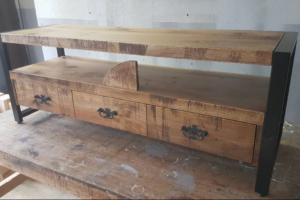
Distressed Furniture Turkey
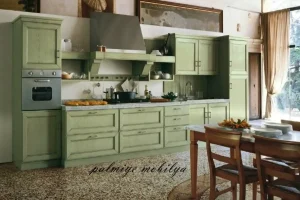
Lacquered Furniture Turkey