
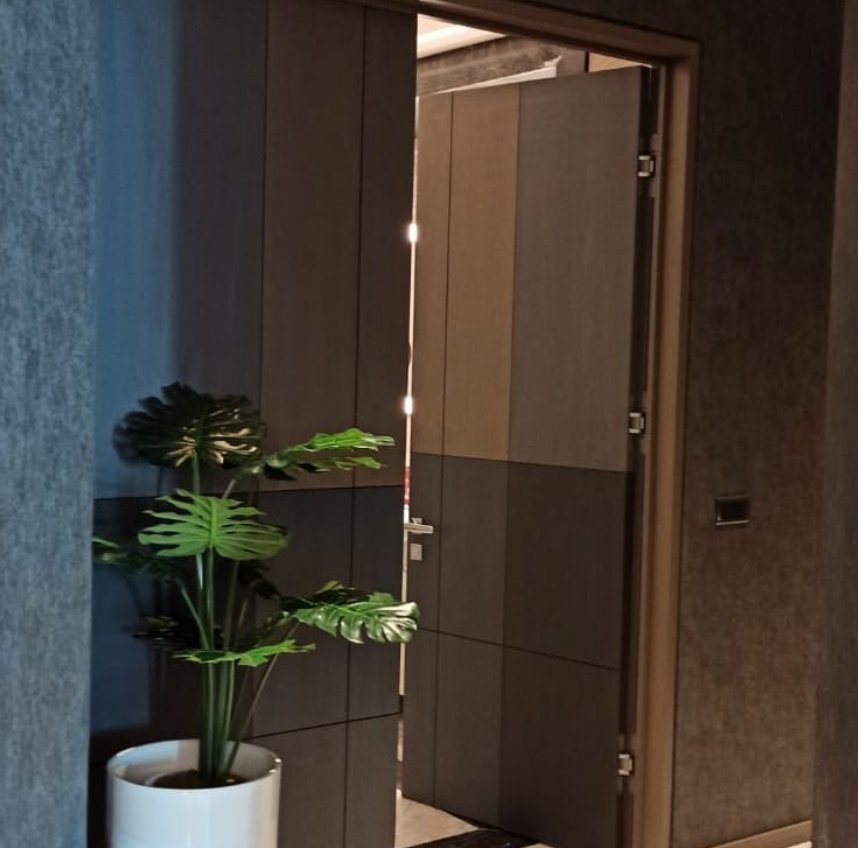
Fireproof Hotel Doors Turkey
The international hospitality sector operates under some of the most stringent life-safety codes and structural durability requirements in modern architecture. Within this highly regulated commercial landscape, the specification of Fireproof Hotel Doors Turkey has emerged as a premier global benchmark for international developers, hotel operators, procurement specialists, and hospitality architects. Turkey’s advanced industrial woodworking and fire-safety manufacturing infrastructure specializes in engineering high-performance, multi-layered, certified fire-rated door assemblies specifically tailored to the unique mechanical, acoustic, and fire-safety requirements of luxury hotels.
This comprehensive technical guide provides an exhaustive engineering analysis of the structural compositions, chemical technologies, manufacturing processes, acoustic dynamics, life-safety compliance, and logistics protocols that define a premium Fireproof Hotel Doors Turkey procurement strategy.
1. Structural Anatomy and Mechanical Fire-Core Formulations
A commercial hotel entryway cannot be evaluated purely on its aesthetic presentation. To survive a major conflagration while enduring high-frequency guest use, a premium Fireproof Hotel Doors Turkey assembly relies on a complex, multi-layered engineered composite matrix. The core must maintain its structural integrity when exposed to furnace temperatures exceeding 1000°C, while preventing the transmission of lethal thermal energy and smoke into critical evacuation paths.
High-Density Mineral and Calcium-Silicate Core Matrixes
At the center of a certified fireproof hotel door is an inorganic, non-combustible core block. Unlike standard residential doors that utilize hollow structures or simple chipboard, a premium Fireproof Hotel Doors Turkey utilizes multi-layered core formations tailored to specific fire-rating windows (such as FD30, FD60, or FD90 configurations):
- Calcium-Silicate Board Engineering: For high-performance 60-minute and 90-minute fire barriers, factories integrate raw calcium-silicate mineral blocks. This material consists of a compressed matrix of silicate and limestone fibers reinforced with inorganic binding agents. It possesses a remarkably low thermal conductivity and zero flame-spread index, functioning as a complete thermal shield.
- Dual-Density Pyro-Particleboards: For 30-minute residential and hospitality suite entrance doors, manufacturers utilize advanced dual-density particleboard cores bound with specialized thermosetting, flame-retardant synthetic resins. These cores provide the necessary internal mass to handle physical impact while resisting carbonization when exposed to open flame.
The Substrate Foundation: Moisture-Resistant HDF Skins
To provide a smooth, flat surface for premium finishes (such as high-end veneering, colored lacquering, or laminate facings), the fire-core is encased in specialized wood composite skins.
- Density Performance Profiles: While common furniture MDF features density profiles ranging from 600 kg/m³ to 720 kg/m³, industrial-grade Fireproof Hotel Doors Turkey utilize routing-grade High-Density Fiberboard (HDF) skins with a minimum density profile of 880 kg/m³ to 960 kg/m³.
- Prevention of Core Telegraphing: The high tensile strength and internal fiber compaction of these 8mm to 12mm thick HDF skins establish an immovable barrier over the internal mineral core. This structural rigidity completely eliminates the phenomenon known as “telegraphing”—the visual manifestation of internal mineral blocks, reinforcing frames, or internal adhesive lines on the finished smooth face of the door leaf over its lifecycle.
Heavy-Duty Structural Framing and Reinforcements
The perimeter framework of the door leaf, comprising the vertical stiles and horizontal rails, forms the load-bearing backbone of the entire assembly.
- Hardwood and LVL Subframes: Turkish factories construct these structural perimeters using dense, kiln-dried hardwoods (such as European Beech or Oak) or multi-layered Laminated Veneer Lumber (LVL) strips pre-treated with vacuum-pressure fire-retardant chemicals.
- Hardware Anchoring Frameworks: Because hotel entryway doors are outfitted with heavy commercial hardware—including automated heavy-duty concealed closers, electronic card locksets, and three-dimensional concealed hinges—the internal subframe includes additional solid timber blocks at designated lock and hinge coordinates. This ensures exceptional screw-holding capacity, preventing hardware loose-fitting or structural sag over decades of continuous use.
2. Intumescent Chemical Integration and Perimeter Sealing Science
The core of a Fireproof Hotel Doors Turkey assembly provides the necessary thermal barrier, but a door set can still fail a fire test if lethal smoke and hot gases escape through the functional air gaps between the door leaf and the structural frame. Managing these micro-gaps requires the precise integration of advanced intumescent chemistry.
Intumescent Gasket Chemistry and Thermal Expansion Physics
Turkish life-safety manufacturing lines incorporate specialized intumescent strips recessed into the perimeter edges of the door leaf or hidden beneath the frame rebates. These strips rely on advanced chemical formulations, primarily split between two major performance compounds:
- Sodium-Silicate Based Intumescents: Formulated to trigger rapid, high-volume physical expansion when local temperatures cross 150°C. Sodium-silicate strips generate a highly rigid, glassy multi-layered foam structure that seals wide structural gaps and resists high lateral air pressures generated by roaring fire drafts.
- Intercalated Graphite Matrices: Designed to exert high multidimensional expansion forces. When exposed to heat, the embedded graphite flakes expand up to 25 times their original physical volume. This rapid expansion fills all remaining air paths between the door leaf, frame, locksets, and hinge pockets, creating an absolute airtight seal that blocks lethal smoke, toxic gases, and direct flames.
Multi-Tiered Cold Smoke and Acoustic Gasket Arrays
During the initial phases of a building fire, temperatures along the corridors may remain relatively low while generating dense, lethal concentrations of toxic cold smoke. Because intumescent strips require high temperatures (>150°C) to activate, they cannot block cold smoke during these initial stages. To preserve occupant safety, a premium Fireproof Hotel Doors Turkey assembly incorporates continuous, multi-finned compression sealing arrays:
[Hotel Corridor Side: Toxic Smoke and Atmospheric Fire Stress]
       ↓
[Zone 1: Hidden High-Temperature Intumescent Graphite Strip Matrix]
       ↓
[Zone 2: Continuous High-Elasticity Silicone Cold-Smoke Gasket]
       ↓
[Zone 3: Structural Thermo-Plastic Elastomer (TPE) Acoustic Compression Seal]
       ↓
[Guestroom Interior Controlled Conditioned Living Space]
- Silicone and TPE Material Science: Cold-smoke gaskets are manufactured from high-purity silicone or Thermoplastic Elastomer (TPE) resins. These materials display exceptional elastic recovery performance, maintaining their original shape and compression sealing pressure even after thousands of door opening and closing cycles or exposure to extreme temperature shifts.
- Acoustic Co-Utility: This multi-tiered gasket layout provides excellent dual utility. By blocking the transmission of air currents through the frame rebates, the gaskets also decouple the door leaf from the frame, serving as an effective sound barrier that prevents corridor noise from disrupting guest comfort.
3. High-Velocity Automated CNC Production and Manufacturing Workflows
The global market competitive advantage of the Fireproof Hotel Doors Turkey vertical relies on substantial capital investments in European automated woodworking and multi-axis processing machinery. Because fireproof core composites are highly dense and abrasive, manual cutting and routing can cause tool overheating and structural errors. Turkish manufacturing facilities overcome these challenges through fully integrated, computer-guided automation.
Fully Automated Sizing and Squaring Systems
Raw pressed fire door blanks pass out of heavy-duty hydraulic hot presses and enter automated high-speed linear squaring tunnels.
- Millimetric Sizing Accuracy: Automated laser tracking sensors guide high-speed scoring and hogging saws to trim the multi-layered door leaf to its final design width and height simultaneously. The machinery cuts the vertical edges at a precise 3° bevel angle, ensuring smooth, binding-free operational clearance when swinging into the frame jamb. This automated process achieves a constant manufacturing tolerance of \(\pm0.5\text{ mm}\) across thousands of consecutive door leaves.
Multi-Axis CNC Hardware Mortising
Once sized and squared, the door leaf progresses rapidly into integrated multi-axis computer numerical control (CNC) processing stations:
- High-Speed Hardware Profiling: Multi-spindle CNC routers equipped with automatic tool changers read digital CAD templates to mill out all hardware requirements in a single automated pass. The machine mills out deep internal lock cavities, routes faceplate recesses for standard mortise locks or electronic card locksets, drills wire routing channels for security door sensors, and carves out three-dimensional hidden pocket recesses for concealed commercial hinges.
- Concealed Door Closer Channeling: Simultaneously, the CNC lines route a deep, structurally precise pocket along the top rail of the door leaf to accommodate a heavy-duty concealed overhead door closer mechanism, preserving clean, minimalist architectural lines without compromising fire barrier density.
4. Advanced Chemistry of Surface Coatings and Aesthetic Customization
While a Fireproof Hotel Doors Turkey is engineered primarily as a life-safety component, it must also meet the aesthetic standards of luxury interior architecture. Turkish manufacturing facilities balance fire compliance with a broad array of finishing technologies, applying high-performance clear or pigmented surface coatings that resist the wear of heavy hospitality use.
High-Performance Polymeric Coating Arrays
Turkish coating facilities offer three primary chemical finishing families tailored to different project criteria:
- Two-Component Aliphatic Polyurethane Lacquers: Formulated by cross-linking polyacrylate resins with high-purity aliphatic polyisocyanate hardeners. This chemical combination delivers an exceptionally durable surface shell, achieving a pencil hardness rating of 3H to 4H. Crucially, the aliphatic chemistry provides complete stability against photolytic oxidation. Standard aromatic finishes yellow quickly when exposed to sunlight through large windows, clouding the underlying wood grain; aliphatic acrylic systems maintain complete optical clarity over decades, preserving the true color profile of Oak, Walnut, or Ash veneers.
- Excimer Matte Finishes: For contemporary minimalist interiors, Turkish factories apply specialized matte coatings cured via high-intensity excimer ultraviolet tunnels. This process alters the microscopic surface geometry of the liquid topcoat, scattering light reflections evenly to achieve an ultra-low gloss value of 3 GU to 8 GU (Gloss Units). This finish yields a soft-touch, velvet-like surface that repels oily fingerprint smudges and minimizes the appearance of superficial scuffs, making it ideal for high-traffic luxury corridors.
- High-Pressure Laminate (HPL) Facings: For heavy-use hospitality environments, service paths, and economy brand assets, doors are faced with ultra-dense structural HPL panels bonded via PUR hot-melt glues. HPL sheets are highly impact-resistant, scratch-proof, and completely unaffected by aggressive industrial sanitization chemicals.
5. Regulatory Performance Metrics and Building Code Certifications
In contemporary international real estate development, a building component cannot be selected solely on its visual or tactile appeal; it must be backed by quantifiable performance data from accredited third-party testing institutions. A high-specification Fireproof Hotel Doors Turkey is designed, tested, and labeled in full compliance with rigorous international regulatory codes.
Fire Resistance Ratings and Furnace Testing Physics
Turkish fire door sets are tested according to strict international safety testing standards, including European Norm EN 1634-1, British Standard BS 476-22, and American standard UL 10C.
- The Furnace Test Chamber: The complete door assembly—including the laminated timber leaf, engineered subframe, commercial hinges, electronic card locks, and intumescent seals—is mounted into a high-temperature vertical test furnace. The assembly is exposed to a controlled thermal curve exceeding 1000°C to evaluate structural integrity, flame containment, and insulation performance over time.
- Performance Classifications: Turkish production lines supply fully certified 30-minute (FD30), 60-minute (FD60), and 90-minute (FD90) fire door assemblies. To secure a passing mark, the door set must prevent the ignition of cotton indicator pads placed on the unexposed side and limit the temperature rise on the guestroom face to safe thresholds, preventing spontaneous combustion on the non-fire side.
Acoustic Isolation and Sound Transmission Control (STC)
Acoustic privacy is critical for guest comfort. Noise from hotel corridors, elevators, and adjacent service areas must be effectively mitigated by the guest room entry door assembly.
- Testing Methodology (EN ISO 10140-2 / ASTM E90): Sound transmission loss is measured across a wide frequency range from 100 Hz to 5000 Hz within twin reverberation chambers.
- Acoustic Decibel Performance Brackets: Depending on the core material configuration and perimeter gasket design, a certified Fireproof Hotel Doors Turkey assembly achieves distinct soundproofing performance tiers:
| Performance Bracket | Internal Core Configuration | Perimeter Gasket Layout | Certified Sound Attenuation |
|---|---|---|---|
| Tier 1 Standard | Fireproof Composite Particleboard | Single TPE Compression Gasket | \(32\text{ dB}\) to \(35\text{ dB}\) |
| Tier 2 Commercial | Laminated Timber + Mineral Block | Dual Silicone Seals + Bottom Drop Gasket | \(36\text{ dB}\) to \(40\text{ dB}\) |
| Tier 3 Hospitality | Multi-Layer Acoustic Mineral Core | Triple Compression Seals + Twin Drop Gaskets | \(41\text{ dB}\) to \(45\text{ dB}\) |
- Automated Mechanical Threshold Seals: To eliminate the acoustic flanking paths present underneath a door leaf, doors are equipped with mortised, spring-loaded mechanical drop seals. When the door leaf closes against the frame jamb, a plunging button mechanical actuator deploys a neoprene or silicone gasket down against the floor finish, blocking sound waves without dragging on the floor during the opening cycle.
Mechanical Endurance and Lifecycle Cycling
- Cycle Testing Norms (EN 1191 / EN 12400): Hotel doors must maintain smooth, effortless alignment over a long lifecycle. Turkish commercial doors are certified to EN 12400 Class 5 standards, meaning the complete assembly (including the door leaf, frame, hinges, and locksets) has successfully completed a minimum of 200,000 continuous opening and closing cycles without suffering permanent structural deformation, frame sagging, or latch failure.
6. Architectural Design Typologies and Hospitality Customization
Modern hotel design spans a wide variety of architectural styles, from sleek minimalist urban skyscrapers to opulent traditional heritage resorts. The flexible nature of the manufacturing process behind a Fireproof Hotel Doors Turkey allows architects to implement custom design details across diverse properties.
Contemporary Modernism and Minimalist Corridor Integration
Modern luxury hotel concepts often favor continuous, integrated architectural surfaces that reduce visual noise along corridors.
- Concealed Aluminum Invisiframe Systems: Turkish manufacturers engineer specialized fire-rated door sets designed to sit perfectly flush with the adjacent wall plaster or decorative paneling. These systems feature heavy-gauge structural aluminum frames anchored directly inside the drywall construction. The Fireproof Hotel Doors Turkey are manufactured with absolute dimensional alignment, resulting in a clean, minimal 3mm uniform shadow gap around the door perimeter.
- Integrated Over-Sized Transoms and Wall Panels: To create a grand, upscale aesthetic, doors can be engineered with matching top transoms or extended vertical paneling that reaches the corridor ceiling line. This design seamlessly connects the door leaf to expansive lacquered wall cladding, turning individual entryways into a cohesive architectural installation.
Neoclassical Opulence and Boutique Heritage Styles
- Multi-Tiered Deep CNC Routing: Using premium thick HDF skins allows manufacturers to cut deep, multi-tiered step-down panels into the door face. This replication of traditional stile-and-rail joinery avoids the structural joints that can split or crack due to changing seasonal humidity.
- Inlaid Metallic Contours: Modern classical designs often incorporate precise metallic accents embedded directly into the door face. CNC routers cut crisp channels into the door face, into which satin brass, polished chrome, or brushed copper metallic inlay strips are flush-fitted before the final clear lacquer coats seal the complete assembly.
7. Sustainable Production, Circular Economy, and Forest Stewardship
The modern international construction sector places a major emphasis on environmental sustainability and indoor air quality. To secure high-volume supply contracts for prestigious international projects, modern production lines for Fireproof Hotel Doors Turkey have been re-engineered to fulfill strict green building certification criteria, including LEED, BREEAM, and WELL mandates.
Low-VOC Coating and Polymeric Chemistry
Historically, high-volume commercial lacquering lines generated significant volatile organic compound (VOC) emissions, which posed environmental concerns and could degrade indoor air quality post-installation.
- Water-Borne Resins: Advanced automated lines utilize water-borne polyurethane basecoats and zero-solvent UV-curable topcoats, replacing volatile petroleum solvents with water or reactive monomers as the primary carrier mediums.
- Indoor Air Quality Certifications: These eco-friendly coatings comply with European standard EN 71-3 and have earned prestigious third-party verifications, such as Eurofins Indoor Air Comfort Gold and French VOC Class A+ certifications. This guarantees that installed doors emit negligible amounts of formaldehyde or chemical gases, ensuring a safe indoor environment for hotel guests from day one.
Certified Chain-of-Custody Timber Procurement
The solid wood cores, finger-jointed framing, and wood fibers utilized in mass production factories are subject to rigorous tracking systems:
- FSC and PEFC Compliance: Materials are sourced exclusively from timber processors certified by the Forest Stewardship Council (FSC) or the Programme for the Endorsement of Forest Certification (PEFC). These standards verify that all raw lumber is harvested from legally managed, sustainable forests that protect regional biodiversity and support long-term forest regeneration.
8. Technical Procurement, Commercial Logistics, and Site Management
The successful execution of a high-volume Fireproof Hotel Doors Turkey contract depends heavily on precise project timelines, secure packaging, and careful coordination during transportation and onsite delivery.
The Technical Engineering Submittal Process
Prior to initiating factory production for a large-scale project contract, the manufacturer’s technical engineering division works closely with the project’s main contractor to develop detailed shop drawings. This technical review phase ensures precision across several variables:
- Structural Structural Openings: Verifying the plumb, level, and squareness tolerances of the rough wall openings across every floor of the property.
- Variable Wall Profiles (Telescopic Jambs): Since finished wall thicknesses can vary between bedrooms, bathrooms, and corridors due to different tile or stone finishes, frames are engineered with telescopic architraves. These adjustable casings can typically expand or compress by \(\pm15\text{ mm}\) to \(\pm25\text{ mm}\), accommodating minor variations while ensuring a clean finish against the wall.
- Hardware Integration Mapping: Reviewing the precise physical layouts, wiring paths, and power requirements for the electronic locks, automatic door operators, concealed door closers, and magnetic hold-open devices.
Industrial Packaging Systems for Long-Distance Export
To protect delicate, high-performance finishes during long-distance multi-modal sea container shipping or overland freight transit, factories implement robust, multi-layered packing methods:
[Finished Lacquered Door Leaf]
  ↓ Wrapped in High-Density Polyethylene Anti-Scratch Micro-Foam Sheeting
  ↓ Encased in Heavy-Duty Multi-Wall Corrugated Cardboard Edge Protectors
  ↓ Vacuum-Sealed in a Waterproof Thermoplastic Shrink-Wrap Moisture Barrier
  ↓ Strapped into Reinforced ISPM-15 Heat-Treated Solid Wooden Export Crates
- Flat-Pack Knock-Down (KD) Frame Logistics: Door frames and architraves are machined for flat-pack knock-down shipment, reducing transport volume and container costs by up to 60%. These components incorporate pre-milled internal steel cam-lock connectors and alignment dowels, enabling on-site installation crews to assemble the casing kits quickly with standard hand tools without compromising structural joint strength.
Onsite Installation Readiness and Environmental Stabilization
Lacquered interior doors are premium architectural finishing elements and must be treated with care. They should never be brought onto a construction site during rough-in or wet-work phases.
- Climate Enclosure Mandate: The building envelope must be fully enclosed, with all external windows and curtain walls completely installed. All high-moisture interior trades—including concrete subfloor pouring, gypsum plastering, drywall taping, and primary bathroom tiling—must be 100% complete and fully cured.
- Relative Humidity Controls: The building’s HVAC systems must be operational, with internal relative humidity stabilized between 40% and 60% and ambient temperatures maintained consistently between 16°C and 24°C. Introducing dry, engineered wood components into an unconditioned, high-humidity building environment can cause the doors to absorb excess moisture, leading to structural swelling, frame distortion, and micro-fissures in the lacquer finish.
Technical Installation Execution Steps
- Laser Alignment Precision: Installers use high-accuracy multi-line digital laser levels to align the door frame within the structural opening. The maximum allowable diagonal deviation across the frame assembly is limited to a strict tolerance of \(\pm1.0\text{ mm}\).
- Controlled Polyurethane Foam Application: Fixers secure the frame using professional-grade, low-expansion polyurethane foam applied at designated structural anchor points behind the jamb. Standard high-expansion retail foams exert excessive lateral pressure as they cure, which can bow the jamb inward and disrupt the operational clearances of the door leaf.
- Concealed Hardware Commissioning: Premium installations utilize multi-axis adjustable concealed commercial hinges countersunk into both the leaf and the frame. These systems allow field installers to adjust the door leaf’s position across three spatial dimensions (height, lateral reveal, and gasket compression pressure) using simple hex key adjustments, ensuring a uniform 3mm perimeter reveal and reliable acoustic seal compression.
9. Preventative Facility Management Maintenance and Asset Longevity
To protect the aesthetic value and structural performance of a Fireproof Hotel Doors Turkey asset portfolio over decades of heavy operations, facility management teams must adhere to a structured, preventative maintenance schedule.
Standard Cleaning Protocols
- Routine Dust Removal: Surface dust should be removed using ultra-soft microfiber cloths. Facility teams must avoid dry wiping with coarse or dirty rags, as trapped dust particles can act as a fine abrasive, creating micro-scratches or dull patches on both high-gloss and soft-matte finishes over time.
- Soiled Surface Remediation: For standard smudges or greasy fingerprints around locksets, the surface should be wiped gently with a microfiber cloth slightly dampened with a highly diluted, pH-neutral, non-abrasive commercial detergent. The area must be dried immediately with a separate microfiber cloth to prevent moisture film from remaining on the finish.
Chemical Restrictions and Protective Guidelines
- Prohibited Cleaning Solvents: Cleaning staff must never use products containing high-concentration alcohols, ammonia, acetone, chlorinated compounds, abrasive scouring powders, or heavy alkaline solutions. These aggressive chemical compounds will break down the polyurethane acrylic cross-linked topcoat, causing high-gloss finishes to become cloudy and matte finishes to become sticky and susceptible to permanent staining.
- Localized Finish Remediation: For superficial scuffs or fine surface scratches on high-gloss doors, the optical finish can be restored using specialized silicone-free fine automotive polishing compounds. The compound is applied carefully with a low-speed rotary polisher equipped with a soft foam pad to restore the reflective profile of the topcoat. Deep scratches that penetrate past the primer layers into the HDF substrate require localized spot-filling and professional re-spraying by an experienced joinery repair technician.
Conclusion: The Strategic Value Proposition
Specifying a commercial manufacturing partner via the premium Fireproof Hotel Doors Turkey sector for a large-scale contemporary construction project represents a critical strategic decision that balances capital expenditure with high operational performance. By combining high-speed automated European woodworking lines, dense routing-grade HDF outer skins, rapid-curing UV-polymer coatings, and strict third-party compliance for fire and acoustic attenuation, modern manufacturing systems provide developers with a reliable, scalable asset.
For architects, development procurement directors, and hospitality engineering project managers, partnering with certified high-volume door manufacturers ensures absolute dimensional consistency across thousands of uniform openings. Whether delivering minimalist super-matte flush corridor profiles for a dense urban residential tower or supplying heavy-duty fire-rated entries for a major hospitality asset, the engineered configuration of modern Fireproof Hotel Doors Turkey production lines provides a high-utility, reliable, and sophisticated solution for contemporary built environments.
Butik Otel Mobilyaları
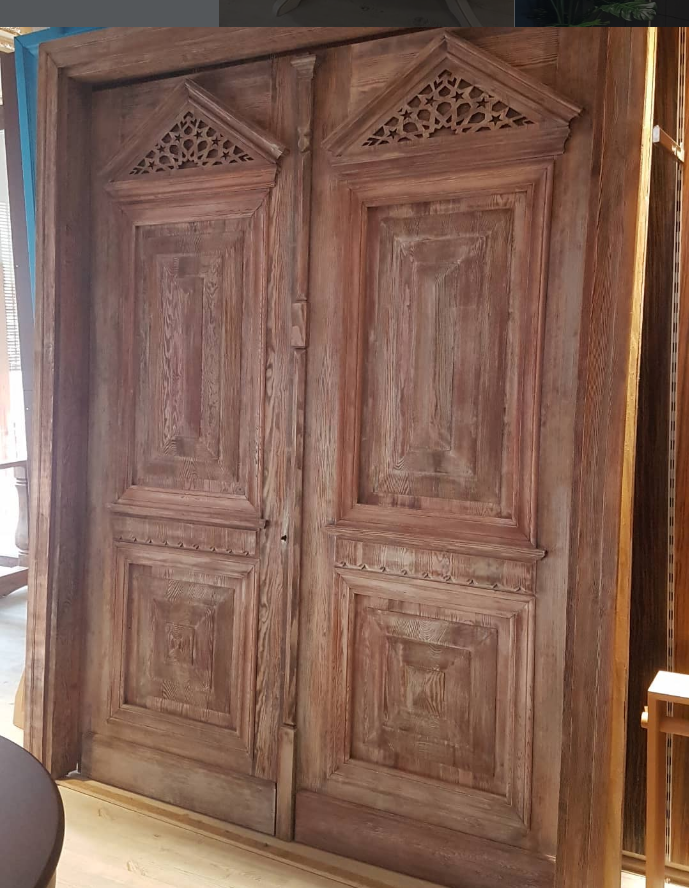
Butik Otel Mobilyaları

Butik Otel Mobilyaları


Şunları da sevebilirsiniz
Distressed Furniture Turkey

Lacquered Furniture Turkey