
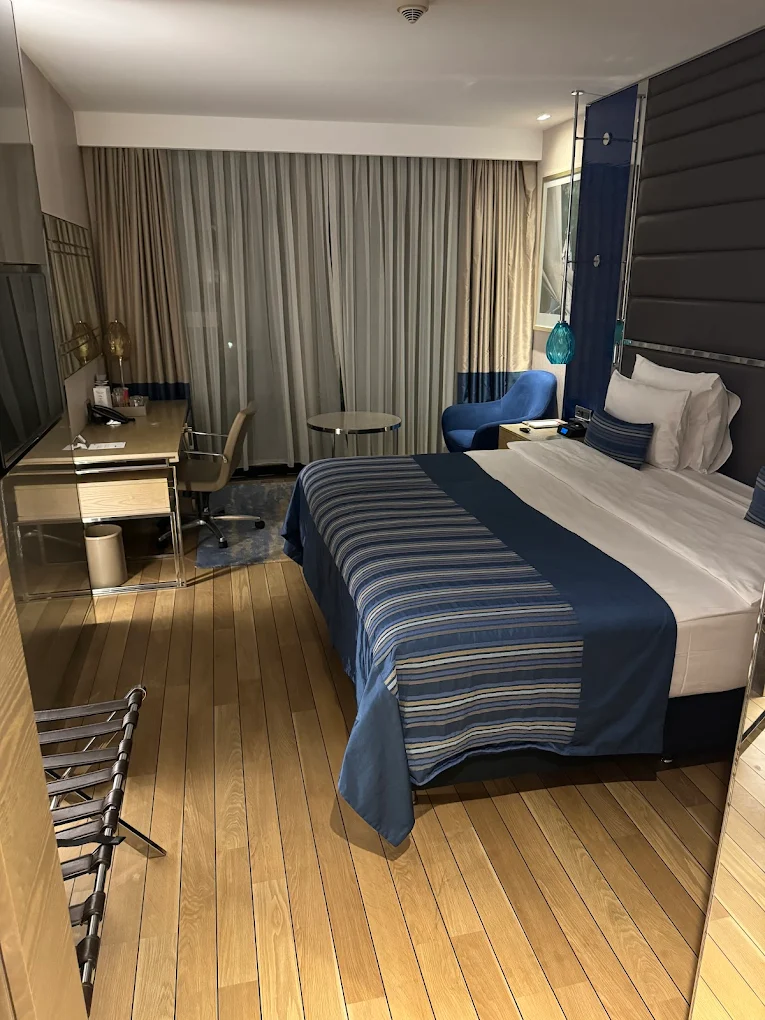
Fireproof Hotel Furniture Turkey
The international hospitality sector operates under some of the most rigorous life-safety codes, risk-mitigation protocols, and structural durability requirements in modern architecture. Within this highly regulated commercial landscape, the specification of Fireproof Hotel Furniture Turkey has emerged as a premier global benchmark for international hotel developers, brand operators, procurement specialists, and hospitality architects. Turkey’s advanced industrial woodworking, chemical engineering, and contract textile manufacturing infrastructure specializes in producing high-performance, fire-retardant casegoods, upholstered seating, and structural millwork assemblies. These assets are custom-tailored to meet the complex mechanical, acoustic, and flame-suppression requirements of luxury international hotel brands.
This comprehensive technical guide provides an exhaustive engineering analysis of the substrate chemistry, fire-retardant material science, automated manufacturing workflows, international safety certifications, and procurement logistics that define a premium Fireproof Hotel Furniture Turkey asset portfolio. It serves as an authoritative resource for structural engineers, project architects, commercial procurement directors, and hotel facility managers seeking to maximize safety compliance, minimize asset liability, and maximize long-term lifecycle returns on hospitality furniture investments.
1. Substrate Chemistry and Non-Combustible Material Matrix Engineering
In the context of architectural hospitality engineering, casegoods and millwork components under the Fireproof Hotel Furniture Turkey classification cannot be evaluated purely on their visual presentation. To effectively delay flashover and contain toxic flame spread within a guestroom or corridor, the underlying core matrix must be chemically engineered or modified to resist high thermal loads and prevent rapid carbonization.
High-Density Fire-Retardant MDF and HDF Core Mechanics
The primary foundation for wood-based hospitality furniture—such as wall panelling, wardrobes, minibar enclosures, and integrated headboards—consists of specialized, chemically treated Medium-Density Fiberboard (MDF) or High-Density Fiberboard (HDF).
- Density and Fiber Compaction: While standard domestic furniture utilizes low-grade particleboard or standard MDF with fiber density profiles ranging from 600 kg/m³ to 720 kg/m³, premium Turkish contract factories process ultra-refined, routing-grade fire-retardant MDF/HDF with a minimum density profile of 850 kg/m³ to 960 kg/m³.
- Chemical Flame-Retardant Infusion: During the industrial fiber-refining process, the wood fibers are mixed under high pressure with specialized non-toxic chemical additives, primarily ammonium polyphosphate, organic phosphonates, or boric acid compounds. These flame retardants are distributed homogeneously throughout the board’s entire thickness.
- The Char-Forming Suppressant Shield: When exposed to a direct flame or high radiant heat, these embedded chemical compounds trigger a solid-state catalytic reaction. Instead of burning and contributing thermal energy to the fire, the treated wood fibers immediately form a dense, stable carbonaceous char layer. This carbon char acts as an effective thermal insulator, blocking oxygen ingress and slowing down the transmission of heat into the deeper layers of the furniture carcass.
Compact High-Pressure Laminates (HPL) and Mineral Composite Backings
For high-risk zones, public pathways, luggage racks, and tabletop surfaces, premium Fireproof Hotel Furniture Turkey lines incorporate advanced compact laminates and inorganic mineral substrates:
- Solid Phenolic Resin Panels: Compact HPL panels are manufactured by compressing multi-layered kraft papers impregnated with thermosetting phenolic resins under intense heat (exceeding 140°C) and high hydraulic pressure (greater than 7 MPa). The resulting material features a density profile of 1350 to 1450 kg/m³. This non-porous structure is inherently self-extinguishing, waterproof, scratch-proof, and achieves excellent flame-retardant ratings without requiring supplementary chemical treatments.
- Calcium-Silicate and Magnesium-Oxide Backing Plates: For structural wall panelling cladding and headboards positioned directly over internal electrical conduit lines or lighting elements, Turkish manufacturers reinforce the assemblies with non-combustible calcium-silicate or magnesium-oxide (MgO) boards. These mineral plates display near-zero thermal conductivity and zero flame-spread indices, serving as an absolute fire containment wall behind decorative face veneers.
2. Advanced Metallurgy and Structural Frame Integrity
Load-bearing frameworks for high-use public spaces, dormitory-style boutique properties, and heavy-use guestroom elements utilize cold-rolled carbon steel or structural aluminum alloys. The metallurgical lines dedicated to Fireproof Hotel Furniture Turkey utilize automated processing systems to ensure maximum joint resilience during high-temperature scenarios.
Structural Steel Alloy Profiling and Thickness Standards
The internal sub-structures of hospitality seating frames, luggage benches, and desk assemblies utilize cold-rolled carbon steel tubes under European standards EN 10305-3 and EN 10305-5.
- Wall Thickness Optimization: While domestic furniture frames regularly utilize thin-walled steel (1.0 mm to 1.2 mm), hospitality-grade frameworks feature structural tube walls maintained at a minimum thickness of 1.5 mm to 2.5 mm. This increased cross-sectional mass provides an essential safety window, as thicker metal profiles retain their mechanical load-bearing capacity much longer when exposed to extreme room fires before crossing their thermal yield point.
- Robotic Metal Inert Gas (MIG) and TIG Welding: Frame joints are processed using advanced multi-axis robotic welding cells. Automated MIG/TIG welding guarantees continuous, flawless penetration along all structural intersections. This industrial control completely eliminates the brittle micro-fissures and cold joints common in manual gas welding, ensuring the joints remain completely stable under intense structural stresses and sudden thermal shocks.
Electrostatic Powder Coating and Thermal Passivation
Raw processed steel frames are chemical-dipped through a automated multi-stage immersion pre-treatment loop—comprising organic degreasing, iron or zinc phosphating, and demineralized nano-ceramic rinsing—to establish an anti-corrosive, highly stable anchor key.
- Thermosetting Polymer Physics: The prepared components move into electrostatic powder coating tunnels where an even 60 to 100 micron layer of specialized, high-temperature epoxy-polyester powder coating is applied.
- Curing Tunnels: The components cross through linear curing tunnels heated to 180°C–200°C, cross-linking the polymers into a rock-hard solid skin with a pencil hardness rating of 4H. This durable coating provides permanent defense against dynamic scratches, physical impact, and aggressive cleaning sanitizers, while preventing rapid oxygen-driven oxidation of the metal substrate under accidental fire contact.
3. High-Velocity Multi-Axis CNC Industrial Manufacturing Processes
The competitive edge of the Fireproof Hotel Furniture Turkey sector rests on substantial capital investments in European automated woodworking machinery and digital CAD/CAM industrial infrastructure. Because fire-retardant wood composites are highly dense, hard, and abrasive due to the embedded mineral fire-suppressant salts, processing them with manual tools can lead to rapid tool dulling and millimetric tracking errors. Turkish manufacturing facilities overcome these limitations through advanced computer-guided automation.
Multi-Axis CNC Mechanical Profiling Lines
Raw pressed fire-retardant board substrates enter high-speed 4-axis or 5-axis computer numerical control (CNC) machining centers equipped with automatic tool changers and laser-guided positioning beds.
- Polycrystalline Diamond (PCD) Tooling Technology: To clean-cut the dense, mineral-infused fiber matrices without causing surface chipping or fiber tearing, Turkish CNC lines use specialized PCD router bits. These bits operate with synchronized internal compressed-air micro-jets or cold liquid cooling lines to lower friction temperatures, preventing localized wood scorching and thermal stress cracking.
- Simultaneous Multi-Panel Machining: The CNC lines process full-size composite blanks based on digital architectural blueprints. The machine executes clean panel sizing, cuts contemporary grooved reliefs or classical step reliefs, and mills out hidden hardware channels within an absolute accuracy tolerance of \(\pm0.1\text{ mm}\).
Pre-Machined Mechanical Joint Engineering and Hardware Preparation
Simultaneously, the multi-axis CNC centers pre-bore all assembly connections and hardware pockets before the component moves into the coating phase:
- Hardware Mortising Loop: High-speed boring spindles mill out exact pockets for 3-dimensional adjustable concealed hinges, heavy-duty soft-close drawer slides, wire management pathways, and cable access slots. Pre-cutting these openings ensures that no raw wood cores are exposed during on-site modifications, preserving the total fire-retardant protection of the furniture assembly.
[Fire-Retardant Substrate] ➔ [Laser Sizing & Squaring Tunnels] ➔ [Multi-Axis CNC Machining] ➔ [Automated PUR Edge-Banding]
Automated Hot-Melt Edge-Banding Systems
Protecting the exposed edge perimeters of contract hospitality casegoods against impact, moisture entry, and flame entry is a critical mechanical requirement.
- Polyurethane (PUR) Adhesion Chemistry: Automated linear edge-banders apply thick, impact-resistant ABS/PVC bands or solid hardwood strips onto the panel edges using advanced PUR hot-melt adhesives. Unlike common residential Ethylene Vinyl Acetate (EVA) glues, PUR hot-melts undergo a dual physical and chemical moisture-curing reaction, creating an irreversible, completely waterproof bond. This joint resists intense temperatures up to 150°C and remains completely unaffected by continuous water contact or commercial sanitizers in high-humidity kitchen and bathroom environments.
4. Advanced Chemistry of Surface Coatings and Flame-Retardant Varnishes
The visual prestige and chemical resilience achieved within the Fireproof Hotel Furniture Turkey pipeline are dictated by the chemical composition and curing physics of its surface finishes. In a high-traffic hotel room, the furniture coating must highlight the organic beauty of natural veneers or provide deep architectural solid colors, while remaining completely resistant to alcohol spills, scuffs, and open ignition sources.
Intumescent Clear Varnishes and Opaque Lacquers
For high-end furniture items finished with natural wood veneers (such as European Oak, American Walnut, or Ash), Turkish finishing plants apply advanced, water-borne intumescent clear varnishes:
- The Chemical Activation Barrier: These high-performance coatings consist of special multi-component polymer matrices containing polyols, carbohydrate carbon donors, and acid catalysts. Under standard operating conditions, the cured film remains completely clear, providing deep grain clarity and excellent scratch resistance.
- Thermosetting Carbonaceous Expansion: In a fire scenario, when temperatures pass 140°C–160°C, the chemical catalysts trigger an immediate chemical reaction within the clear coat. The dry paint film swells into a dense, non-combustible carbonaceous foam shield that is 10 to 50 times thicker than the original coating layer. This carbon foam prevents outside oxygen from contacting the wood veneer and slows the heat transfer path down into the substrate core, delaying ignition and giving guests crucial additional time to evacuate safely.
Two-Component Aliphatic Polyurethane Finish Systems
For casegoods requiring solid architectural colors (such as pure white, slate gray, or deep corporate tones), advanced automated factories apply two-component high-solid polyurethane coatings via dual-arm reciprocating spray robots.
- Chemical Cross-Linking Matrix: These finishes rely on the chemical cross-linking reaction between hydroxyl-bearing polyacrylate resins and high-purity aliphatic polyisocyanate hardeners. This chemical combination delivers an exceptionally durable surface shell, achieving a pencil hardness rating of 3H to 4H.
- Photolytic Stability Preservation: The utilization of aliphatic hardeners is essential for high-volume interior projects. Standard aromatic hardeners suffer rapid chemical degradation when exposed to sunlight, turning clear white or light pastel paints into a faded, yellowed layer over time. Aliphatic polyurethane systems maintain absolute chromatic purity and gloss levels over decades, even when exposed to intense UV rays near large guestroom windows.
Specular Gloss Engineering and Tactile Customization
Modern automated coating lines can adjust surface gloss levels precisely through chemical matting agents or advanced excimer curing tunnels:
| Specular Performance Tier | Specular Gloss Rating (60° Geometry) | Tactile Characteristics | Key Application Targets |
|---|---|---|---|
| Super-Matte / Velvet | 3 GU to 8 GU | Soft-touch, anti-fingerprint, velvet texture | Contemporary urban residences, executive boardrooms |
| Satin / Low-Sheen | 15 GU to 25 GU | Smooth, classic low-reflectivity shell | Standard multi-family residential, hotel corridors |
| High-Gloss / Mirror | 90 GU to 98 GU | Glass-smooth, optically flat mirror reflection | Luxury hospitality suites, flagship corporate spaces |
Achieving the high-gloss tier at a mass-production scale requires an automated multi-stage mechanical buffing line. The cured polyester or polyurethane topcoats are processed through oscillating polishing buffers using descending micro-abrasive liquid compounds, removing all traces of orange-peel texture to establish an optically flat, reflective surface.
5. Contract Upholstery Engineering and High-Resilience Cushions
Upholstered furniture items—including guestroom armchairs, desk seating, soft-open sofa beds, and public corridor lounges—present a high fire risk if constructed using standard domestic foams and decorative textiles. Within a certified Fireproof Hotel Furniture Turkey production line, soft-seating components are engineered as integrated flame barriers.
Molded Cold-Cure High-Resilience (HR) Polyurethane Foams
Seating cushions utilize premium molded, flame-retardant high-resilience cold-cure polyurethane foams with density profiles ranging from 45 kg/m³ to 65 kg/m³.
- Chemical Foam Architecture: During the formulation of the liquid polyol and isocyanate base mix, manufacturers introduce specific mineral fillers, melamine crystals, or liquid halogen-free phosphorus additives.
- Mechanical Recovery Performance: Unlike low-grade residential foams that flatten or lose structural springback after brief use, commercial HR foams maintain their elastic recovery performance for decades under high guest weight loads. When exposed to an open flame source (such as an illicit match or a faulty device charger), the treated chemical cell structure self-extinguishes instantly, preventing the cushion from melting and generating hazardous liquid fire drops.
The Interliner Fire Barrier System
To achieve the highest fire compliance categories for international properties, Turkish soft-seating assemblies incorporate a specialized protective layer known as a fire barrier interliner:
- The Glass-Fiber and Aramid Shield: Before the decorative fabric skin is fitted over the HR cushion, the internal foam core is encapsulated within a continuous, heavy-duty interliner sleeve woven from inherent fiberglass, aramid fibers, or chemically treated cotton.
- The Oxygen-Starvation Mechanics: This interliner layer operates as a non-combustible shield. If a guest drops a cigarette onto the chair, the outer fabric layer may burn through, but once the flame hits the interliner, it starves the underlying polyurethane foam of the oxygen required for ignition, containing the fire pocket to the exterior surface skin.
6. Advanced Textile Science and Flame-Retardant Fabric Technology
The decorative textiles and upholstery coverings used across a certified Fireproof Hotel Furniture Turkey collection must look premium, handle significant friction wear, and satisfy strict fire safety codes simultaneously. Turkish textile mills utilize advanced material technology to deliver two primary performance options for contract seating:
Trevira CS and Inherently Flame-Retardant (FR) Synthetics
The absolute standard for luxury hospitality projects relies on textiles woven from inherently flame-retardant fibers, such as polyester modified with built-in organophosphorus compounds (e.g., Trevira CS polymers).
- Permanent Chemical Protection: Unlike fabrics treated with topical chemical sprays that can wash out or wear off during commercial cleaning, inherently FR fibers are flame-resistant on a molecular level. The protection cannot be altered by physical wear, laundering, or commercial extraction machines.
- The Pyrolytic Halogen-Free Loop: When exposed to high heat, these modified polyester chains undergo controlled thermal decomposition, releasing non-combustible gases that dilute local oxygen levels around the ignition pocket, causing the fabric to char and self-extinguish.
Heavy-Duty Treatment Protocols for Natural Fabrics
When architects specify natural luxury textiles—such as organic wool, fine linens, or premium leathers—the materials undergo deep chemical impregnation loops inside automated textile finishing facilities:
- Back-Coating Flame Retardants: Natural fabrics are back-coated with a specialized layer of high-performance flame suppressants using antimony-trioxide or ammonium-phosphate compounds. This process ensures natural materials meet high fire safety codes without compromising their soft hand feel or premium texture.
- Martindale Abrasion Endurance Scales: Contract fabrics are tested to exceed 50,000 to 100,000 continuous rubs on the Martindale abrasion scale. This testing ensures the material resists thread pilling, surface bareness, and thinning, which would otherwise compromise the core fire-retardant back-coating layers under intense commercial hotel wear.
7. Regulatory Performance Metrics and Building Code Certifications
In the modern contract furniture procurement sector, a furniture item cannot be specified for commercial use based on its aesthetic appeal alone; it must present verifiable technical performance data from accredited third-party international testing laboratories. A high-specification Fireproof Hotel Furniture Turkey assembly is rigorously engineered, tested, and certified to meet or exceed strict international safety performance standards.
European Seating Strength and Durability Standards (EN 1728 and EN 16139)
Turkish contract chairs are tested in compliance with European Standard EN 16139 (Seating – Requirements for Non-Domestic Seating). This framework establishes strict testing levels based on the intended operational environment:
- Test Level 1 (General Use): Engineered for office buildings, showrooms, and standard hotel areas.
- Test Level 2 (Severe Use): Engineered for high-traffic public areas subjected to continuous, demanding loads, including night clubs, transport terminals, hotel lobbies, and 24-hour care facilities.
The automated mechanical testing sequence includes:
- Seat and Back Static Load Test: A vertical force of 2,000 N (~200 kg) is applied repeatedly to the center of the seat pan, combined with a simultaneous horizontal force of 560 N against the backrest, to confirm zero frame cracking or joint separation.
- Seat and Back Fatigue Test: Heavy pneumatic actuators apply a vertical load of 1,000 N onto the seat pan and 300 N against the backrest for over 100,000 continuous cycles to simulate years of continuous commercial operation.
- Leg Forward and Lateral Static Load Tests: Static forces up to 760 N are applied to the lower legs to evaluate the chair’s structural resistance against tipping and the lateral shear strength of the frame joints.
Structural Performance Metrics Summary
A certified commercial-grade Fireproof Hotel Furniture Turkey product delivers specific performance indicators under testing:
| Performance Parameter | Standard Testing Norm | Certified Contract Threshold |
|---|---|---|
| Operational Fatigue Lifecycle | EN 1728 / EN 16139 Level 2 | \(\ge 100,000\text{ Cycles}\) |
| Maximum Seat Pan Static Capacity | EN 1728 / ISO 7173 | 2,000 N (\(\sim 200\text{ kg}\)) |
| Leg Lateral Shear Resistance | EN 1728 Corner Loading | \(\ge 760\text{ N}\) Structural Tolerance |
| Surface Finish Chemical Resistance | EN 12720 Liquidity Profile | Class 1B Compliance (Zero Staining) |
Fulfilling these strict testing levels ensures procurement directors that their selected seating assets will operate safely without catastrophic failure, protecting properties from premature replacement costs and liability exposure.
International Hospitality Fire Safety Certifications
To comply with the safety regulations of different global destination markets, Turkish manufacturers test their assemblies to satisfy several international fire codes:
[ Global Fire Safety Compliance Matrices ]
- British Standard Protocols: BS 5852 Crib 5 Compliance (Soft Seating Self-Extinguishing)
- European Unified Codes: EN 13501-1 Class B-s1, d0 (Low Flame, Ultra-Low Toxic Smoke, Zero Drops)
- American Testing Standards: NFPA 260 / California Technical Bulletin 117 (Open Smolder Suppression)
- BS 5852 Crib 5 (Wood Crib Test Method): This strict standard measures the fire resistance of a complete soft-seating chair assembly. A small wooden structure (a “crib”) is constructed from specific pine wood strips, placed on the chair seat pan, and saturated with isopropyl alcohol before ignition. To secure a passing certificate, the chair assembly must prevent flame spread and self-extinguish within a strict 10-minute window, with no continuous internal smoldering after the wooden crib burns out.
- EN 13501-1 Class B-s1, d0 Classification: This European standard evaluates structural millwork and wall panelling. A passing mark confirms the panel produces limited flame spread (Class B), generates minimal toxic smoke density (s1), and produces zero flaming drops or molten particles during burning (d0).
8. Architectural Design Typologies and Profile Customization
The integration of advanced multi-axis CNC software platforms and flexible upholstery lines allows the Fireproof Hotel Furniture Turkey sector to switch effortlessly between diverse architectural styling typologies. This capability enables manufacturers to deliver highly certified flame-suppression assets without compromising the visual requirements of luxury interior spaces.
Modern Minimalist and Urban Design Layouts
Contemporary hotel interiors favor continuous, clean architectural surfaces that minimize unnecessary ornamentation.
- Flush Integrated Cabinetry and Floating Desks: Turkish manufacturers engineer fireproof wardrobes and entertainment systems designed to fit flush within recessed drywall cavities. These systems utilize heavy-duty, self-closing hidden hinges and concealed steel subframes to allow for massive surface expanses while keeping clean lines and a uniform 3mm shadow gap.
- Tactile Super-Matte Finishes with Integrated Wire Management: Casegoods are finished with advanced excimer matte coatings to prevent fingerprint smudges. Desktops and nightstands incorporate pre-machined, fire-insulated cable drops and flush-mounted power hubs, concealing media connections safely and reducing fire risks from exposed wiring.
Neoclassical Opulence and Boutique Heritage Formats
For heritage hotel properties, grand ballrooms, and luxury traditional suites, furniture must provide classic, multi-layered visual depth.
- Deep Panel Routing on Certified Flame-Retardant Substrates: Using thick, ultra-dense fire-retardant MDF allows automated CNC lines to route intricate traditional moldings, deep-stepped panels, and classic geometric motifs directly into the panel faces without tearing the wood fibers or reducing the efficacy of the core flame-suppressant salts.
- Inlaid Metallic Accent Lines: High-end boutique designs frequently incorporate polished brass, brushed chrome, or copper metallic accent strips set flush into the panel faces. CNC routers cut precise channels into the fire-retardant substrate, into which the metallic strips are inlaid before the final clear intumescent lacquer seals the entire assembly.
9. Procurement Logistics, Export Packaging, and Site Management
The successful execution of an international contract for Fireproof Hotel Furniture Turkey products requires strict coordination, heavy-duty export packaging, and careful attention to on-site climate parameters during final delivery and installation.
Detailed Shop Drawing Submittals
Before factory manufacturing begins, the engineering team creates detailed architectural shop drawings to verify all installation dimensions:
- Accurate Space Layout Planning: Checking that casegoods dimensions fit perfectly with the interior space, maintaining clear fire evacuation paths and compliant electrical wall-chase positioning for lighting and equipment hubs.
- Integrated Mechanical and Electrical Prep (M&E): Ensuring minibar cabinets, study desks, and headboards include precision cutouts for ventilation, data lines, electrical floor boxes, and cable management trays.
Industrial Packaging Systems for Long-Distance Export
To protect delicate finishing coats and structural frames during long-distance multi-modal sea container shipping or overland freight transit, factories implement robust, multi-layered packing methods:
[Disassembled Furniture Components (Knock-Down Format)]
  ↓ Wrapped in High-Density Polyethylene Anti-Scratch Cushioning Foam
  ↓ Fitted with Thick, Multi-Wall Corrugated Cardboard Edge Protectors
  ↓ Vacuum-Sealed in a Waterproof Thermoplastic Shrink-Wrap Moisture Barrier
  ↓ Secured into ISPM-15 Heat-Treated Heavy Solid Wooden Crates or Pallet Racks
- Flat-Pack Knock-Down (KD) Engineering: For volume projects, specific items are designed to ship flat-packed, which significantly reduces shipping volume and cuts shipping container costs by up to 50%. Casegoods are engineered with heavy-duty internal steel cam-lock fittings and insert nuts, allowing on-site assembly teams to build the units quickly using standard tools without sacrificing joint strength.
Onsite Installation Readiness and Environmental Controls
Casegoods and architectural joinery components are premium finishing elements and must be treated with care. They should never be brought onto a construction site during rough-in or wet-work phases.
- Climate Enclosure Mandate: The building envelope must be fully enclosed, with all external windows and curtain walls completely installed. All high-moisture interior trades—including concrete subfloor pouring, gypsum plastering, drywall taping, and primary bathroom tiling—must be 100% complete and fully cured.
- Relative Humidity Controls: The building’s HVAC systems must be operational, with internal relative humidity stabilized between 40% and 60% and ambient temperatures maintained consistently between 16°C and 24°C. Introducing dry, engineered wood components into an unconditioned, high-humidity building environment can cause the furniture to absorb excess moisture, leading to structural swelling, frame distortion, and micro-fissures in the lacquer finish.
10. Preventative Facility Management Maintenance and Asset Longevity
To protect the aesthetic value and structural performance of a Fireproof Hotel Furniture Turkey asset portfolio over decades of heavy hotel operations, facility management teams must adhere to a structured, preventative maintenance schedule.
Standard Cleaning Protocols
- High-Traffic Surface Disinfection: Top surfaces and cabinetry faces should be cleaned using mild, neutral commercial disinfectants. Abrasive cleaners, bleaching agents, or harsh scrubbing pads must be avoided to protect the protective melamine, veneer, or clear lacquer layers from premature wear.
- Saturated Stains and Spills: For liquid spills (such as water, cleaning fluids, or drinks), surfaces must be dried immediately with an ultra-soft microfiber towel. Leaving fluid films standing on veneered or oiled furniture can compromise the cross-linked clear coats, leading to water ring formation or grain swelling.
Preventative Mechanical Tune-Ups
- Fastener Inspections: High-use furniture, such as wardrobe doors, minibar sliders, and nightstand drawers, should undergo annual maintenance inspections. On-site facility teams should check and tighten internal structural bolts, cam-locks, and wall-mounting hardware to keep joints solid and prevent mechanical rattle or wobble.
- Concealed Hinges Alignment: For large wardrobe doors using 3-dimensional adjustable concealed hinges, maintenance crews should check the alignment annually. Simple screw micro-adjustments on the hinge body adjust door height and depth reveal settings, preventing offset binding against frame lines and ensuring ongoing smooth open-and-close paths.
Conclusion: The Strategic Value Proposition
Specifying custom flame-retardant casegoods and upholstered seating via a certified Fireproof Hotel Furniture Turkey infrastructure represents a critical strategic decision that balances capital expenditure with exceptional envelope performance and long-term asset value. By combining high-speed multi-axis automated European profiling lines, chemically modified fiber substrates, advanced intumescent resin systems, and strict international life-safety fire compliance, modern Turkish production systems provide global developers with a highly durable asset.
For architects, interior designers, and hospitality procurement directors, partnering with certified Turkish furniture manufacturers ensures access to highly customizable design options capable of fulfilling the most demanding project specifications. Whether delivering minimalist super-matte flush wardrobes for an urban boutique hotel tower or supplying heavy-duty Crib 5-compliant lounge seating for an international hospitality resort ballroom, the engineered configuration of modern Fireproof Hotel Furniture Turkey production lines provides a high-utility, energy-efficient, and sophisticated solution for contemporary built environments.
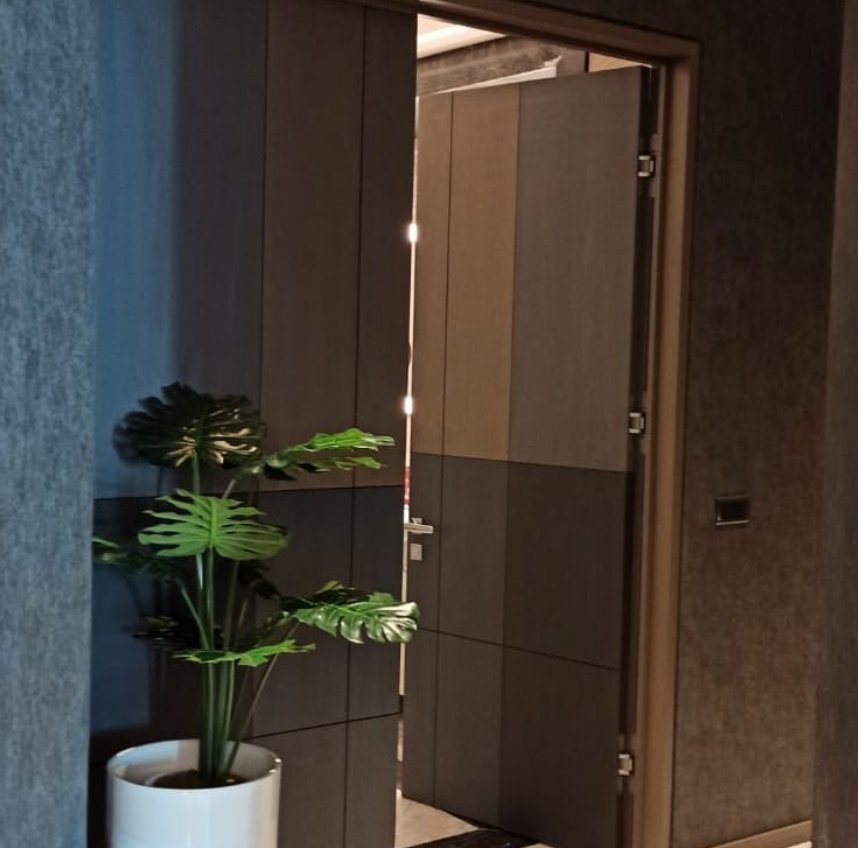
Butik Otel Mobilyaları

Şunları da sevebilirsiniz
Distressed Furniture Turkey
Lacquered Furniture Turkey