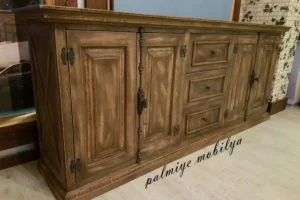
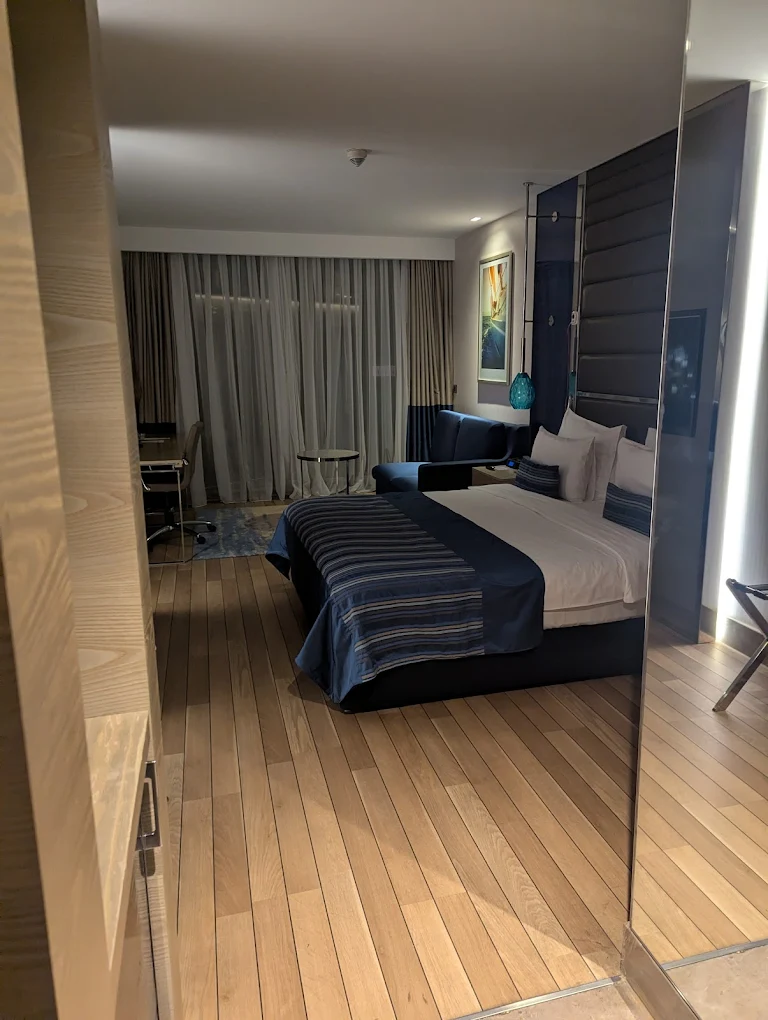
Distressed Wood Hotel Furniture Turkey
Distressed Wood Hotel Furniture Turkey: The Definitive Technical Sourcing and Manufacturing Guide
The international hospitality design landscape has shifted decisively toward authenticity, tactile luxury, and narrative-driven spaces. In this design evolution, distressed wood hotel furniture Turkey has grown into an immensely important category for boutique hotels, luxury eco-resorts, rugged alpine lodges, and industrial-chic urban properties. Hoteliers and interior architects realize that sterile, mass-produced surfaces often fail to connect emotionally with guests. By contrast, distressed wood surfaces—with their complex textures, faux patinas, and weathered grain variations—evoke a sense of history, stability, and organic comfort.
Sourcing commercial-grade rustic elements requires a balance of aesthetic craft and materials science. Turkey’s advanced hospitality manufacturing centers have pioneered the industrialization of aging techniques. They produce high-durability, structurally engineered casegoods and seating that possess a vintage soul while meeting strict commercial performance metrics.
This technical guide provides procurement managers, hospitality developers, and interior designers with an exhaustive breakdown of sourcing distressed wood hotel furniture Turkey, from physical aging mechanisms and species selection to regulatory compliance and international shipping protocols.
1. The Global Trend of Rustic and Vintage Aesthetics in Hospitality Design
Modern travelers seek experiential lodging. Whether a property is a restored vineyard resort in Cappadocia, a coastal retreat in Bodrum, or an upscale loft hotel in London, the interior design must tell a story. Distressed wood hotel furniture Turkey plays a pivotal role in this narrative by breaking the monotony of geometric minimalism.
Emotional and Psychology-Driven Spatial Design
Wood surfaces treated with distressing techniques offer distinct psychological benefits within a hotel environment:
- Tactile Grounding: Guests are inherently drawn to touching textured wood. This tactile interaction triggers a feeling of safety, comfort, and relaxation, lowering stress levels after long journeys.
- Imperfection as an Asset: In high-traffic zones, a scratch or small dent on a pristine, high-gloss surface is an eyesore that indicates poor maintenance. On a masterfully distressed wooden table, new surface abrasions inflicted by guest luggage seamlessly blend into the existing design patina. This vastly extends the operational lifecycle before a surface requires refinishing.
- Biophilic Harmony: Distressed timber showcases exposed growth rings, cracks, and grain knots, emphasizing the natural origin of the raw material. This visual connection directly aligns with modern biophilic design frameworks that enhance guest well-being.
Evolution from Residential Rustic to Hospitality Commercial Grade
In the past, distressed furniture was often synonymous with reclaimed timber salvaged from old barns or shipping pallets. While suitable for residential DIY applications, raw reclaimed wood is generally unfit for large-scale commercial hotels due to structural instability, inconsistent supply chains, hidden wood-boring insects, and unpredictable chemical outgassing.
The specialized production of distressed wood hotel furniture Turkey bridges this gap. Turkish engineering teams use sustainably harvested, brand-new timber substrates and expose them to controlled mechanical and chemical aging procedures. This ensures that while every piece looks uniquely historic, they all share identical, verified structural tolerances, moisture balances, and load-bearing capacities required by global hospitality brands.
2. Why Turkey Leads the World in Distressed Furniture Production
Turkey’s position as a premium global supplier of commercial furniture is rooted in an intersection of historical craftsmanship, advanced industrial infrastructure, and strategic logistical advantages.
The Industrial Artisanship Ecosystem
Unlike manufacturing hubs that rely entirely on automated assembly lines for uniform products, Turkey maintains a massive workforce of master carvers, carpenters, and finish artisans who work alongside state-of-the-art CNC machinery.
- Hand-Finished Scalability: Distressing wood cannot be fully automated; a machine performing the exact same scrape pattern across 500 table tops looks artificial. Turkish factories utilize automated machinery for rough cutting and joinery creation, then hand off the components to artisan teams who manually apply aging techniques. This hybrid workflow creates scalable production runs where no two pieces look identical.
- Regional Specialization Hubs: The production of distressed wood hotel furniture Turkey is concentrated within historical woodworking clusters. The Siteler region in Ankara is world-renowned for its heritage hand-finishing, timber carving, and coloring expertise. Concurrently, the İnegöl (Bursa) and MASKO (Istanbul) mega-clusters combine these artisanal finishing techniques with heavy industrial engineering, allowing factories to output thousands of custom-aged guestroom packages per month.
Logistical Supremacy Over Asian Competitors
For institutional hotel projects with tight grand-opening deadlines, procurement timelines are non-negotiable. Sourcing from Turkey offers profound advantages over alternative manufacturing hubs in Southeast Asia:
- Proximity to Key Markets: Turkish factories can dispatch land-freight trailers that reach mainland Europe in 4 to 7 days, or maritime containers that service the Middle East, North Africa, and the US East Coast within 10 to 18 days.
- Supply Chain Security: By bypassing vulnerable trans-oceanic shipping choke points, Turkish supply chains minimize the risk of expensive project delays.
- Tariff-Free Trade Efficiency: Turkey’s long-standing Customs Union agreement with the European Union eliminates import tariffs on industrial manufactured goods, reducing the total landed cost of large-scale FF&E (Furniture, Fixtures, and Equipment) contracts.
3. Timber Species Selection and Microstructural Integrity
Executing high-quality aging techniques requires an in-depth understanding of wood anatomy. Not all wood species react favorably to mechanical texturing or chemical stains. Turkish manufacturers select specific timbers based on their density, ring structures, and tannin levels.
Ideal Hardwoods for Advanced Distressing
European Oak (Meşe)
Oak is arguably the premier choice for premium distressed wood hotel furniture Turkey. It possesses a highly defined, open-pore grain structure with distinct alternating bands of soft earlywood and dense latewood.
- Reaction to Distressing: When wire-brushed, the softer earlywood rings are eroded away while the dense latewood remains proud. This creates a deeply textured, three-dimensional surface.
- Chemical Responsiveness: Oak is rich in natural tannic acids. This enables artisans to apply specialized chemical reactive stains that darken the wood from within, mimicking centuries of natural oxidation without obscuring the grain.
European Beech (Gürgen)
Beech is a dense, heavy, fine-pored hardwood that forms the structural backbone of the Turkish seating industry.
- Reaction to Distressing: Because its grain is uniform and closed, it does not respond well to light wire-brushing. Instead, it is aged using physical impact techniques, such as hand-carved edge scrapings, distressed wormhole mimicry, and dark glaze accentuation in its recessed joints.
- Commercial Application: Ideal for distressed dining chair frames, structural sofa legs, and luggage rack assemblies where ultimate impact resistance is mandatory.
European Ash (Dişbudak)
Ash shares a similar ring-porous grain pattern with oak but lacks oak’s high tannin content.
- Reaction to Distressing: It reacts beautifully to deep mechanical brushing and sandblasting. It is widely used when designers want a heavily textured grain but require a bright, white-washed, or drift-wood grey finish, as ash maintains clean color clarity under translucent pigments.
Controlled Softwoods for Specific Theme Aesthetics
Mediterranean Pine (Çam)
For budget-conscious properties or rustic alpine lodges, pine is a frequently requested medium.
- Reaction to Distressing: Being a softwood, pine is highly susceptible to physical impacts. It can be easily gouged, deeply brushed, and scorched with direct flame treatments to highlight its large resin channels and structural knots.
- Engineering Caveat: Because pine is soft, Turkish engineers typically restrict its use to wall paneling, decorative ceiling beams, and headboard backdrops. For high-touch surfaces like desks or dining tables, they protect the pine under thick matte structural topcoats or opt for hardened oak alternatives to prevent deep indentation from guest pens or cutlery.
4. Technical Anatomy of Mechanical Distressing Techniques
True professional wood distressing is a deliberate engineering process. When examining production lines for distressed wood hotel furniture Turkey, you will observe a combination of traditional manual tools and customized mechanical equipment.
[Raw Sawn Timber] ---> Kiln Drying (8-12% MC) ---> CNC Structural Machining
                                                            |
[Finished Aged Product] <-- Protective Topcoat <-- Hand Distressing & Tooling
Wire Brushing and Rotary Texturing
This process uses specialized machinery fitted with heavy-duty steel or abrasive nylon wire drums. As the wood boards pass through the conveyor, the rotating brushes strip away the weaker springwood fibers.
- Deep Grain Relief: The result is a surface that mirrors the natural erosion caused by wind, rain, and foot traffic over decades.
- Tactile Uniformity: Unlike manual scraping, industrial wire brushing machines maintain a uniform depth across wide panels, ensuring that while the table feels rustic, it remains perfectly flat enough to prevent wine glasses from tipping over.
Hand-Scraping and Adze-Hewing
To mimic old timber that was hand-shaped by shipwrights or early carpenters using hand planes and adzes, artisans manually manipulate curved drawknives and hand-planes along the edges and faces of the furniture.
- Irregular Edge Profiles: This technique eliminates sharp, geometric 90-degree machine edges, softening them into organic, undulating profiles that look worn by generations of physical contact.
- Scarf Marks: Light horizontal waves are gouged into the wood surface to break the sterile perfection of modern industrial sanding.
Simulated Micro-Damage and Distressing Artefacts
To create a authentic vintage story, furniture components undergo deliberate, controlled micro-trauma:
- Wormhole Mimicry: Artisans use specialized multi-needle awls to puncture tiny, clustered holes into the wood grain, perfectly recreating the historic appearance of ancient powder-post beetle channels.
- Chink and Chain Indentations: Weighted, irregular iron chains and blunt chisels are struck against corners and faces to add realistic impact scars, simulating decades of active service.
- Saw-Kerf Marks: Band saws are intentionally run off-track or backward at micro-intervals across the wood surface to leave behind rough, linear blade scarfs. These kerf marks trap darker glazes during the stain phase, accentuating the rustic industrial look.
5. Chemical Aging, Staining, and Advanced Patina Physics
The color of ancient wood is not a surface layer; it is a molecular transformation caused by long-term exposure to oxygen, ultraviolet light, ambient moisture, and organic minerals. To replicate this depth, manufacturers of distressed wood hotel furniture Turkey employ sophisticated chemical finishing methodologies rather than simple pigment stains.
Reactive and Oxidation Stains
Reactive stains do not contain traditional pigments that sit on top of the wood and cloud the grain. Instead, they consist of acidic and metallic salt solutions (such as iron sulfate) that chemically bond with the wood’s inherent tannins.
- Internal Coloration: This chemical reaction shifts the molecular color of the wood fibers from within, producing authentic, deep weathered-grey, driftwood, or charcoal-black tones that penetrate up to 1-2 mm deep into the timber.
- Natural Variance: Because tannin levels naturally fluctuate even within a single wood plank, reactive stains produce beautiful, non-repeating color variations that perfectly mirror true reclaimed timber.
Multi-Layer Glazing and Faux Patina Application
To highlight the mechanical texture created by brushing and scraping, factories use a multi-stage finish deposition process:
- Base Stain: A primary reactive or water-based dye is applied to establish the core undertone of the wood.
- Sealer Coat: A thin barrier coat is applied to lock in the base color.
- Wiping Glaze: A highly pigmented, dark-colored glaze formulation is spread across the entire piece and then aggressively hand-wiped off. The glaze naturally remains trapped inside the deep wire-brushed ridges, saw kerfs, and simulated wormholes, creating dramatic contrast and visual depth.
- Dry-Brushing and Fly-Specking: Master finishers use stiff-bristled brushes dipped in dark carbon-black pigments to flick micro-droplets across the surface. This mimics old fly spots, soot accumulation, and ancient liquid splatters commonly found on genuine antique millwork.
Bleached and Ceruse (Limed) Finishes
For Mediterranean, coastal, or Scandinavian hospitality aesthetics, Turkish producers utilize the historical technique of cerusing.
- Contrast Trapping: The oak or ash timber is deeply wire-brushed and stained a contrasting dark color or left natural. A white-pigmented liming wax or acrylic paste is rubbed across the surface, filling only the open pores of the grain.
- The Result: The main body of the wood remains dark or neutral, while the intricate network of wood pores is highlighted in bright white, creating a highly scannable, high-end decorative finish.
6. Commercial Hospitality Engineering and Joinery Integrity
A piece of furniture can look brilliantly antique, but if its joints fail under the stress of a busy hotel environment, it represents a catastrophic failure of procurement. Sourcing distressed wood hotel furniture Turkey means investing in pieces engineered from the inside out to absorb heavy public abuse.
Structural Balancing and Core Engineering
Solid wood expands and contracts with shifting indoor relative humidity. If a hotel room’s HVAC system is turned off during seasonal low-occupancy periods, solid wood tabletops can warp, split, or crack along glue lines. To prevent this, Turkish engineers use advanced composite construction hidden beneath distressed natural wood veneers.
| Component Layers | Structural Function | Thickness Parameters |
|---|---|---|
| Top Wear Layer | Thick-cut, wire-brushed natural oak or ash veneer. Allows for deep physical distressing without exposing the core. | 1.5 mm to 3.0 mm |
| Substrate Core | High-Density MDF (Medium-Density Fiberboard) or Cross-Laminated Birch Plywood. Isotropic nature guarantees zero warping or twisting. | 18 mm to 36 mm |
| Counter-Veneer Backing | Identical species veneer applied to the underside. Equalizes moisture tension across the panel to maintain absolute flatness. | 1.5 mm to 3.0 mm |
High-Stress Joinery Standards
Where solid wood profiles must intersect—such as in dining chairs, lounge seating, and desk bases—Turkish factories utilize timeless structural joints machined on high-precision CNC routers:
- Mortise and Tenon (Glued and Pinned): The absolute standard for hotel chairs. This joint provides exceptional resistance to the leverage forces applied when a guest leans back on two legs.
- Solid Wood Internal Corner Blocks: Heavy wood blocks are glued and double-screwed into the internal corners of table frames and sofa bases to eliminate lateral wobble.
- Threaded Steel Inserts: Rather than screwing leg assemblies directly into raw wood (which strips over time during transport or maintenance), Turkish producers embed steel blind inserts into the timber. This allows legs to be bolted tightly with metric machine screws, ensuring rock-solid stability that can be retightened indefinitely.
7. Protective Coatings, Fire Retardancy, and Environmental Compliance
The final protective barrier applied over distressed wood hotel furniture Turkey must satisfy two conflicting mandates: it must look completely invisible and ultra-matte to preserve the dry, organic appearance of rustic wood, yet it must perform like an industrial shield against liquids, impact, and fire.
Ultra-Matte Polyurethane and Acrylic Topcoats
Traditional high-gloss or satin clear coats fill in wood textures and reflect light in a way that destroys the vintage illusion. Turkish chemical formulators have mastered ultra-low gloss coatings:
- Dead-Matte Finishes (1% to 5% Gloss Units): These advanced acrylic-polyurethane formulations protect the underlying wood while remaining completely invisible to the eye, preserving the dry, unvarnished look of old timber.
- Chemical Shielding: These topcoats are formulated to easily pass international hospitality stain resistance tests (such as EN 12720), protecting the wood against 24-hour exposure to red wine, hot coffee, high-alcohol perfumes, nail polish remover, and aggressive quaternary ammonium sanitizers used by housekeeping staff.
International Fire Safety Integration
Global hotel operators (such as Accor, Hyatt, Marriott, and Hilton) require strict adherence to regional fire codes depending on where the property is located. Premium Turkish exporters supply wood finishing systems that comply with these rigorous frameworks:
- Europe (EN 13501-1): Fire classification of construction products and furniture components, achieving B-s1, d0 ratings for minimal smoke contribution and zero flaming droplets.
- United Kingdom (BS 5852 & BS 476): Testing methods for the ignitability of upholstered seating and flame spread across wooden paneling.
- United States (ASTM E84): Standard test method for surface burning characteristics of building materials, ensuring compliance with Class A or Class B commercial interiors.
Eco-Conscious Standards and Air Quality Assurance
As major institutional investors focus heavily on ESG (Environmental, Social, and Governance) targets, hotel furniture must not contribute to indoor chemical toxicity.
- Low-VOC and Formaldehyde Compliance: Top-tier Turkish manufacturers construct furniture using raw cores and adhesives that meet the strict E1 European Standard and CARB Phase 2 (California Air Resources Board) regulations. This guarantees that formaldehyde outgassing is safely below restricted thresholds, protecting guest respiratory health.
- LEED Contribution: Sourcing wood finished with water-based, low-VOC coatings allows hotel developers to accumulate valuable points toward achieving LEED (Leadership in Energy and Environmental Design) building certifications.
8. Sourcing Sustainable Timber and Chain of Custody Certifications
Using distressed design aesthetics often implies an ecological consciousness. It is vital that the raw timber utilized in distressed wood hotel furniture Turkey is verified as legally harvested and sustainably managed.
[Sustainably Managed Forest] ---> State-Regulated Harvest (OGM) ---> Sawmill Processing
                                                                            |
[Global Hotel Installation] <-- Factory Fabrication <-- FSC Chain of Custody Audit
The Turkish Forestry Framework
Turkey maintains highly organized and strict domestic forestry management overseen by the state’s General Directorate of Forestry (OGM).
- Regulated Silviculture: Trees are harvested under precise silvicultural management plans that ensure annual cutting volumes never exceed the natural annual growth increment of the forests.
- Abundant Hardwoods: This state-backed system provides Turkish factories with a reliable, continuous supply of premium domestic beech, oak, and walnut, minimizing the carbon footprint associated with importing logs across continents.
International Chain of Custody (CoC)
To satisfy international legal procurement mandates (such as the EU Timber Regulation – EUTR or the Lacey Act in the United States), premium Turkish manufacturing entities maintain certified global tracking standards:
- FSC (Forest Stewardship Council): Factories holding FSC CoC certification can trace the exact invoice trail of their timber back to a responsibly managed forest, ensuring no illegal logging or habitat destruction occurred.
- PEFC (Programme for the Endorsement of Forest Certification): Another widely accepted framework utilized by Turkish suppliers to prove verified sustainable forest management origins to international buyers.
9. Comprehensive Procurement Protocols for Global Hotel Projects
Procuring hundreds of rooms of custom distressed wood hotel furniture Turkey requires a rigorous, multi-stage project management approach to bridge the gap between design concepts and factory floor realities.
Phase 1: Spatial Dimension Validation and Shop Drawings
The process begins when the hotel developer’s interior design team hands over their conceptual layout drawings and ID specifications to the Turkish factory’s technical engineering office.
- CAD/CAM Translation: The factory translates these artistic concepts into exact millimetric production shop drawings using platforms like SolidWorks or AutoCAD.
- As-Built Verification: For integrated millwork, wall paneling, and fitted wardrobes, the factory will dispatch an engineering team directly to the international hotel construction site to take precise laser 3D room scans. This step ensures that building site deviations are corrected before production begins.
Phase 2: Curation of Technical Material Sample Boxes
Before mass production is authorized, the factory prepares and couriers a comprehensive physical submittal box to the client, designer, and procurement agent. This box typically contains:
- Textural Step-Panels: 30×30 cm wood blocks showing the evolution of the finish, illustrating the raw brushed timber, the reactive stain base, the glaze layer, and the final matte topcoat.
- Range Samples: Because distressed wood inherently possesses variation, the factory provides three samples of the same finish showing the “Light,” “Medium,” and “Dark” boundaries of the expected color and knot distribution. This prevents surprises during final site installation.
- Hardware Submittals: Samples of smooth-glide drawer runners, heavy-duty soft-close hinges, and custom metal pulls or bracket accents.
Phase 3: The Critical Mock-Up Room Review
For mid-to-large-scale hotel projects, the creation of a full physical prototype or “Mock-Up Room” is a mandatory risk-mitigation step.
- Physical Assembly: The Turkish factory manufactures one complete set of guestroom furniture (bed headboard, nightstands, desk, wardrobe, mirror frame, and luggage bench) and installs it either in a designated room at the hotel site or inside a staging zone on the factory floor.
- Cross-Disciplinary Evaluation: The hotel owner, operations brand manager, and interior designer inspect the room in person. They check structural rigidity, verify that electrical outlets align perfectly with the wooden wire-management cutouts, test the comfort of seating ergonomics, and sign off on the distressing intensity under actual guestroom lighting conditions. Any adjustments made here are rolled into the master CNC production files for the main production run.
10. Financial Frameworks, Contracts, and Risk Mitigation
Managing international financial transactions for commercial furniture orders requires clear contractual boundaries. Turkish commercial frameworks are deeply integrated with Western legal systems, offering transparent protection for corporate buyers.
Incoterms and Logistic Liability Boundaries
Contracts for distressed wood hotel furniture Turkey must clearly incorporate standardized ICC Incoterms to outline exactly where transportation costs and risks transition from the seller to the buyer.
- FOB (Free on Board – Turkish Port): The manufacturer bears all costs and risks of transporting the finished furniture to a major Turkish port (such as Ambarlı in Istanbul, İzmir, or Mersin) and clearing it through Turkish export customs. Once the containers are lifted onto the ocean vessel, liability shifts entirely to the buyer.
- CIF (Cost, Insurance, and Freight): The factory pays for ocean transit to the buyer’s destination port and provides a marine insurance policy. The buyer remains responsible for import customs clearance, local taxes, and final inland transport to the hotel site.
- DDP (Delivered Duty Paid): The ultimate hassle-free option for hotel developers. The Turkish manufacturer assumes 100% of the logistical burden, managing domestic transport, international freight, destination customs clearance, import duties, and final curbside unloading at the construction site.
Structured Milestones and Payment Formats
Commercial furniture fabrication runs generally follow a milestone-based cash flow structure:
- Advance Deposit (30% to 40%): Paid via secure SWIFT bank wire transfer to activate the contract, allowing the factory to lock down timber prices and initiate shop drawings.
- Progress Payment (Optional): Utilized for massive, multi-phase projects upon the completion of specific production blocks (e.g., after the first 100 rooms pass quality inspection).
- Balance Payment (60% to 70%): Released upon successful final pre-shipment quality control inspection and against the presentation of essential shipping documents, including the Bill of Lading (BL), Certificate of Origin, Packing List, and Commercial Invoice.
- Letters of Credit (L/C): For institutional or state-backed hotel developments, the utilization of an Irrevocable Letter of Credit payable at sight ensures absolute security. The bank will only release funds to the Turkish manufacturer when they present flawless documentation proving that the exact specification of furniture has been produced and shipped on schedule.
11. Packaging Engineering, Container Optimization, and Maritime Logistics
The journey from a Turkish production facility to an international hotel construction site involves significant movement, vibration, and climatic shifts. Improperly packaged rustic wood furniture can arrive chafed, scratched, or structurally compromised due to moisture exposure inside sealed containers.
Heavy-Duty Packaging Specifications
Turkish export factories implement multi-layered defensive packaging configurations designed for global transit:
- Surface Protection: High-density polyethylene (PE) foam sheets or soft non-woven fabrics are wrapped tightly around all finished wood faces to prevent finish burnishing and abrasion during transport vibrations.
- Edge and Corner Armor: Thick, multi-ply laminated cardboard corner protectors or molded foam caps are taped to every vulnerable edge to absorb severe impacts from forklifts and material handlers.
- Double-Wall Corrugated Boxing: Cartons are constructed from heavy-duty, double-wall or triple-wall corrugated fiberboard designed to withstand high stacking pressures inside ocean containers.
- Custom Wood Crating (ISPM-15 Certified): For highly delicate architectural millwork, glass-integrated reception counters, or large distressed log tables, factories build custom external wooden skeleton crates. All timber used for these crates undergoes mandatory heat-treatment protocols in compliance with international ISPM-15 standards to eliminate any risk of cross-border pest transmission.
Climate Control Inside Ocean Containers
When shipping across diverse climatic zones—such as moving from a temperate Turkish port through tropical waters to a humid or arid destination—sealed shipping containers can experience internal condensation, a phenomenon known as “container rain.”
- Silica Gel and Desiccant Integration: Large, industrial-grade calcium chloride or silica gel desiccant bags are suspended inside the container walls to capture excess atmospheric moisture.
- Kiln-Drying Enforcement: By ensuring the initial wood moisture content strictly sits between 8% and 12%, the furniture does not release excess internal water vapor into the sealed container environment, eliminating risks of mold growth or wood swelling during transit.
12. Operational Maintenance Guidelines for Hotel Management
The long-term Return on Investment (ROI) of distressed wood hotel furniture Turkey relies on proper care by the hotel’s on-site engineering and housekeeping teams. While distressed finishes are highly forgiving of minor wear, they require adherence to specific operational maintenance protocols.
Microclimate Calibration
- Relative Humidity Stabilizing: Hotel guestrooms and public spaces must maintain a stable relative humidity level between 40% and 60% year-round. Extreme dryness (below 35%) can cause wood to shrink and joint adhesives to crystallize, while excessive humidity (above 65%) can induce wood swelling.
- Thermal Deflection: During furniture layout planning, ensure that heating vents and powerful air conditioning ducts do not blow conditioned air directly onto wooden headboards or wardrobes. Localized thermal shocks can cause micro-cracking along the protective matte topcoats.
Housekeeping and Chemical Restrictions
- The Ban on Silicones: Housekeeping teams must be explicitly instructed to avoid commercial aerosol furniture polishes that contain silicone. Silicone penetrates low-gloss matte finishes, leaving behind an artificial shiny film that alters the designed rustic aesthetic and makes future touch-ups or re-lacquering impossible.
- The Ban on Strong Solvents: Cleaning products containing ammonia, bleach, or high concentrations of raw alcohol must be restricted.
- The Correct Cleaning Protocol: Housekeeping staff should utilize a clean, lint-free microfiber cloth that is slightly damp with a solution of water and a pH-neutral, solvent-free commercial wood cleaner. This effectively removes surface oils, dust, and guest smudges without stripping the protective matte topcoat or clouding the deep texturing of the wood grain.
13. Strategic Sourcing Decision Matrix: A Comparative Evaluation
To provide corporate procurement officers with a clear framework for investment analysis, this matrix evaluates how Turkey compares directly against other primary manufacturing hubs specifically for distressed and rustic hospitality furniture categories.
| Sourcing Metric | Turkish Manufacturing Centers | Southeast Asian Centers | Western European Centers |
|---|---|---|---|
| Aesthetic Customization | Exceptional: Masterful blending of heavy CNC joinery and hand-applied artisan aging techniques. | Limited: Optimized for uniform, high-volume catalog production; struggles with variable hand texturing. | Exceptional: Superb design and historical authenticity, but highly constrained by extreme labor costs. |
| Material Structural Integrity | High: Strict adherence to kiln-drying standards (8-12% MC) tailored to destination climates. | Variable: High ambient tropical humidity can lead to wood warping when shipped to dry Western climates. | High: Elite standards of material drying and technical stabilization, but raw material costs are highly inflated. |
| Transit Timelines to EMEA | Fast: 4-7 days via overland trucking networks to Europe; rapid Mediterranean sea lanes. | Slow: 30-45 days via maritime freight; highly vulnerable to international shipping delays. | Fast: Highly localized, but localized domestic freight rates are exceptionally expensive. |
| Regulatory & ESG Compliance | Rigorous: Full alignment with European E1 formaldehyde, FSC forestry, and EN fire safety standards. | Inconsistent: Requires intensive third-party factory auditing to verify legal wood origins and chemical safety. | Flawless: Maximum regulatory compliance, though compliance costs heavily impact the final unit price. |
14. Summary and Strategic Sourcing Recommendations
Selecting distressed wood hotel furniture Turkey provides hospitality developers with a reliable, durable strategy for bringing warmth and authenticity into commercial spaces. By blending centuries-old woodworking heritage with advanced CAD/CAM manufacturing, modern Turkish factories deliver scalable FF&E solutions that look historic but perform to the highest international commercial grades.
To achieve maximum efficiency on your next procurement project, follow these key recommendations:
- Specify Engineered Substrates: For large panels like wardrobe doors, desks, and headboards, require a high-density MDF or marine plywood core topped with thick-cut (1.5mm+) brushed natural veneer. This retains the full rustic feel while eliminating the splitting and warping risks inherent to raw solid planks.
- Mandate Low-Gloss Chemical Shields: Ensure your contracts stipulate the use of ultra-matte (1% to 5% gloss) polyurethane or acrylic topcoats that comply with European EN 12720 stain tests and EN 13501-1 fire classifications.
- Execute a Mock-Up Room: Always build a full prototype room before initiating mass production. This step aligns the expectations of the hotel owner, operator, and designer, allowing adjustments to the distressing intensity before the factory locks in the final manufacturing run.
- Clarify Incoterms Early: Protect your financial cash flow by detailing clear Incoterms (such as FOB or DDP) and using milestone-based payments tied to verified independent third-party quality control inspections prior to container loading.
By adopting this disciplined approach to procurement, your property will benefit from resilient, character-filled furniture that withstands the rigors of heavy daily guest operations while creating a memorable, tactile environment that drives repeat bookings.
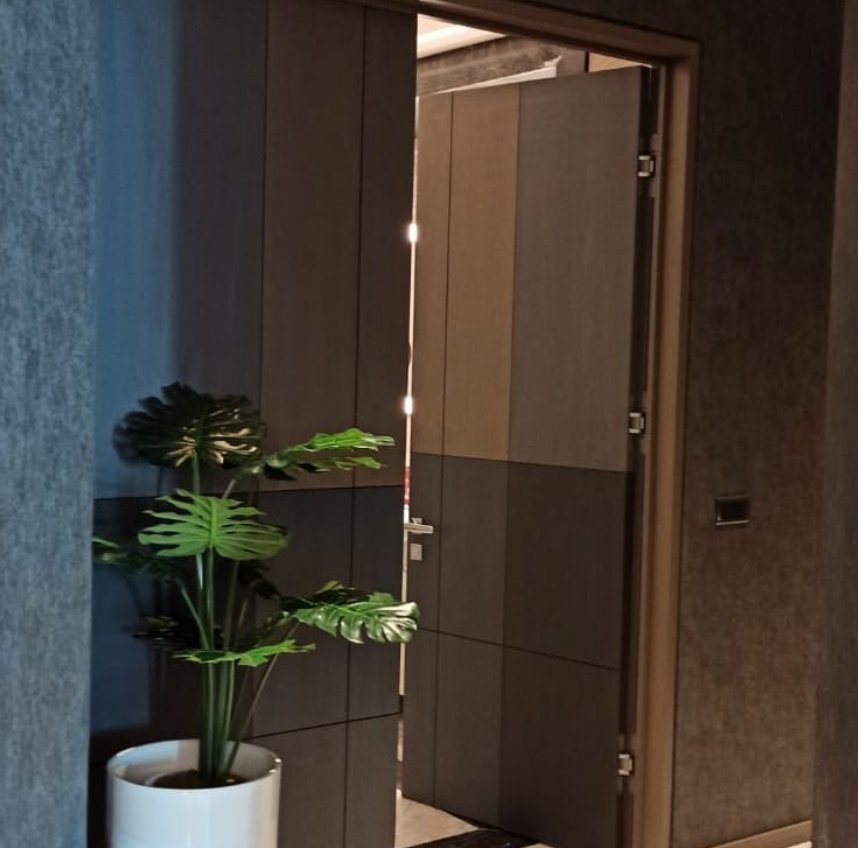
Butik Otel Mobilyaları
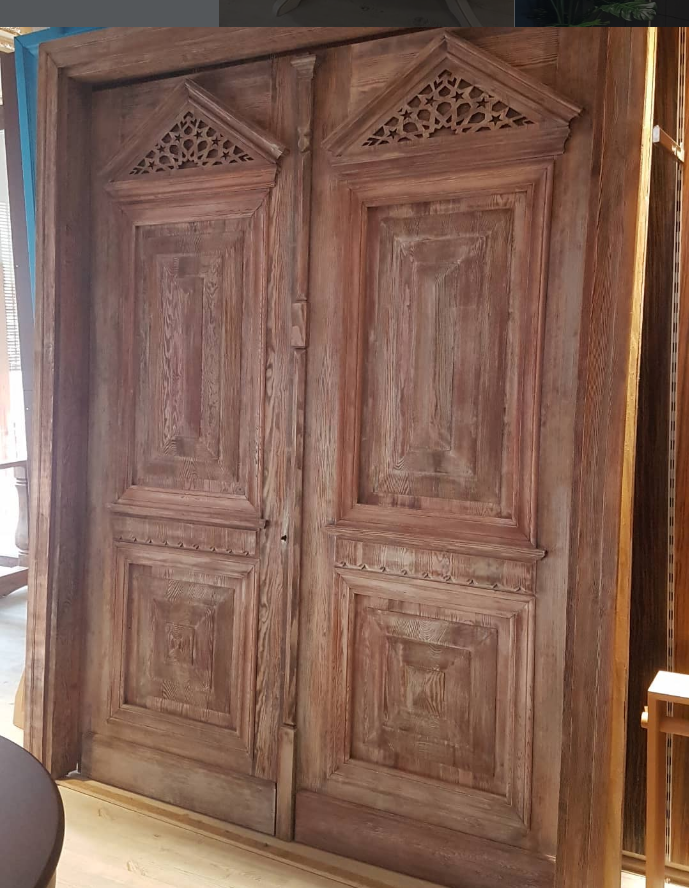
Butik Otel Mobilyaları
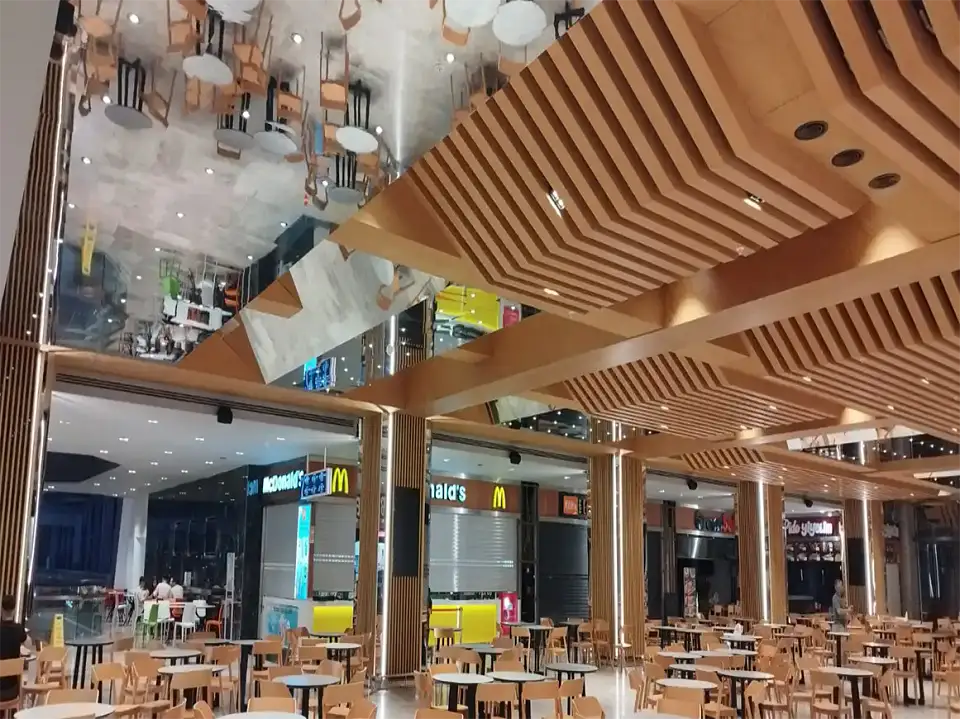
Butik Otel Mobilyaları
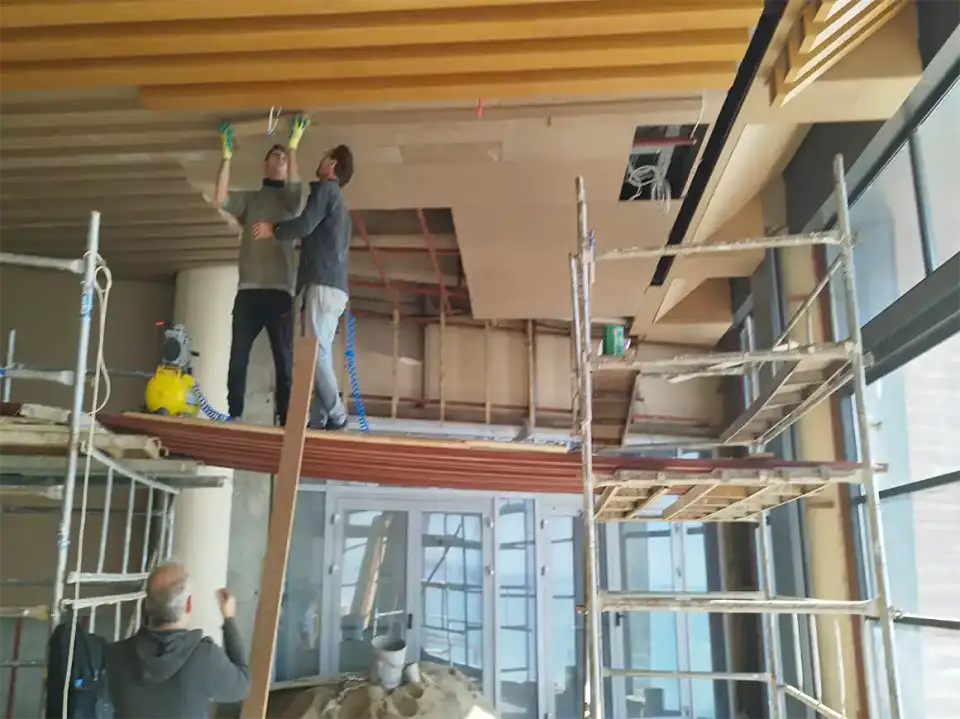
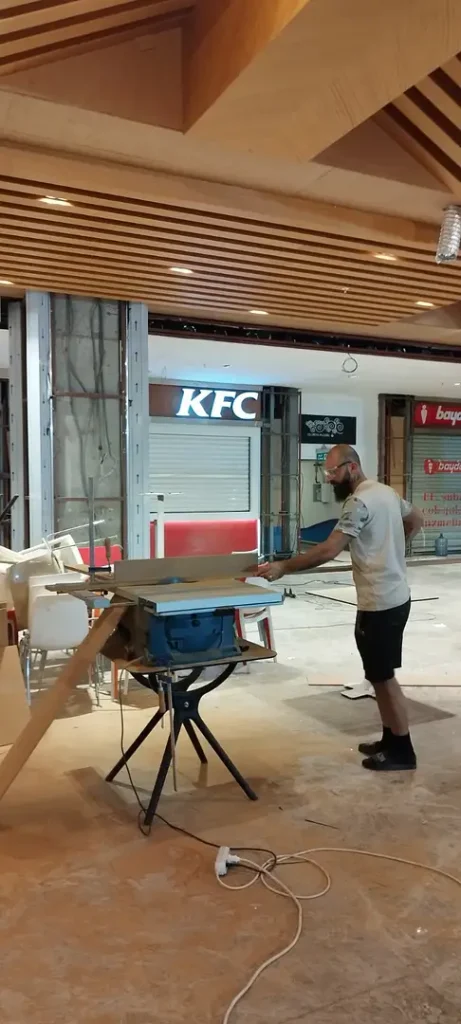
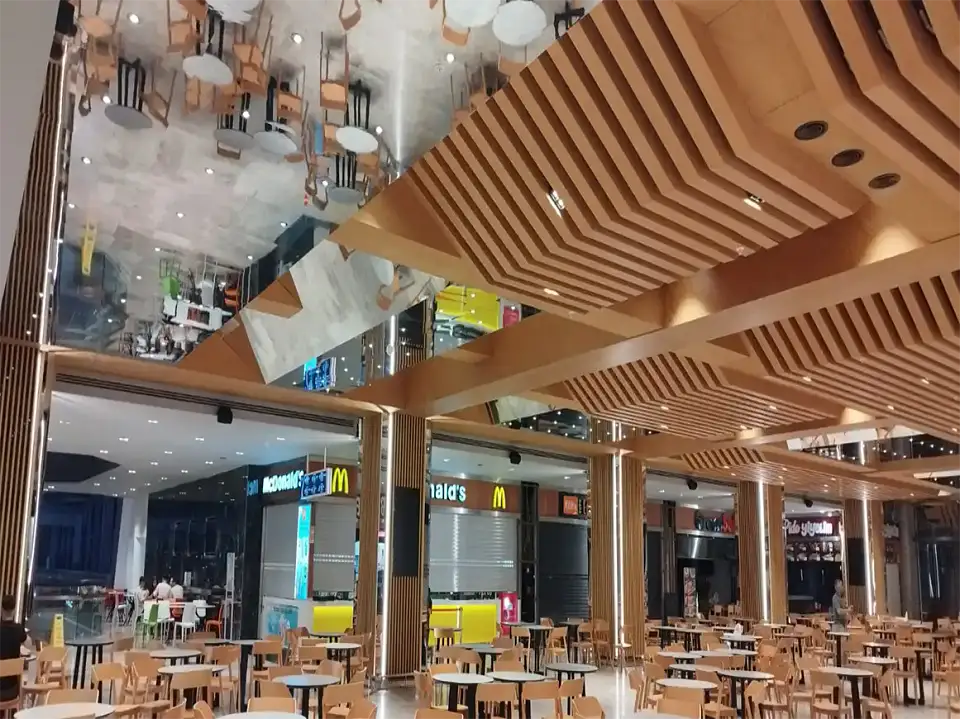
Tarihi Binaların Ahşap Dekorasyonları
Tarihi Ahşap restorasyonlari Kapılar
Tarihi binaların mobilya dekorasyonları
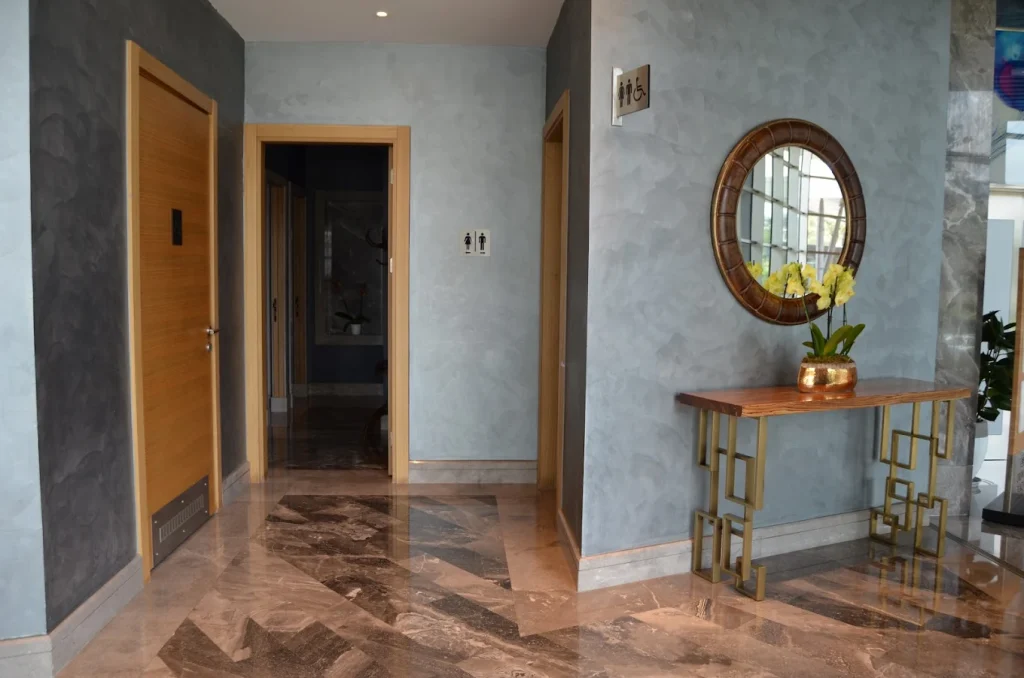
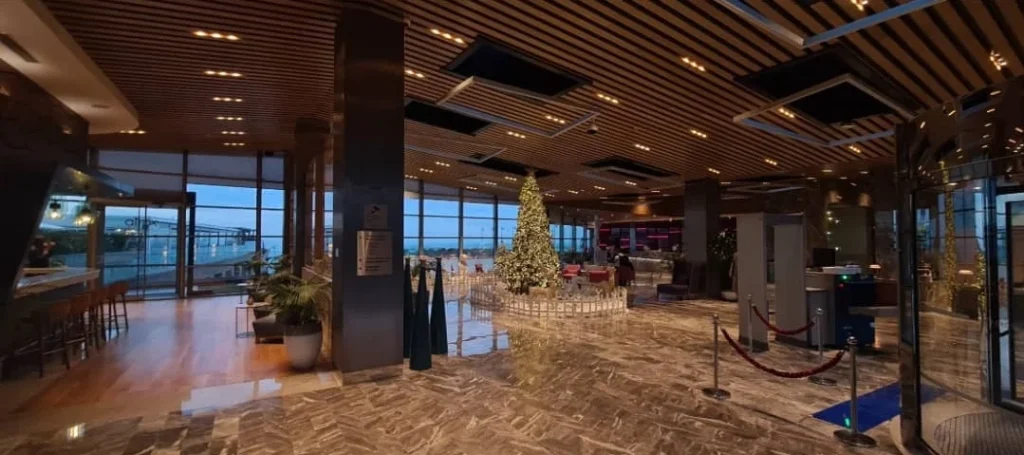
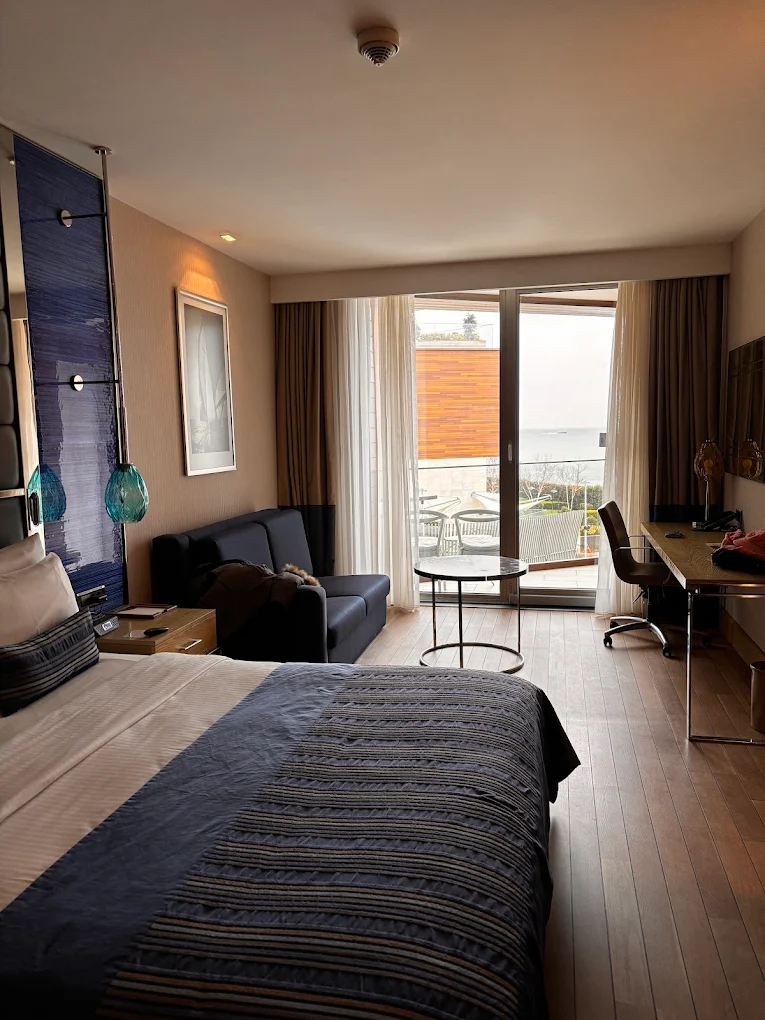
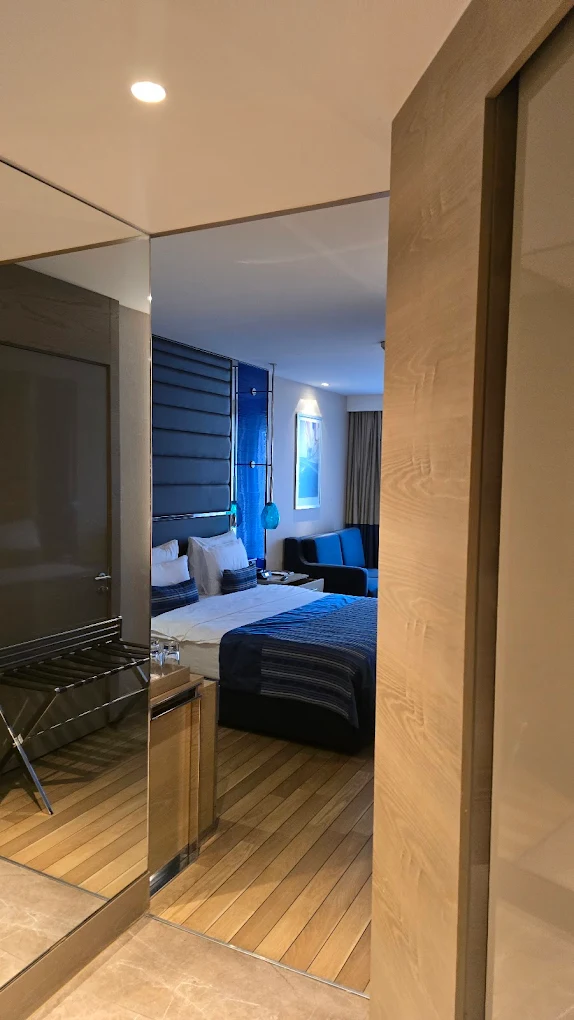


Butik Otel Mobilyaları

Etiket:Boutique Hotel Furniture Turkey, Fire-Rated Hotel Doors Turkey, Fire-Rated Hotel Furniture Turkey, Fireproof Doors Turkey, Fireproof Hotel Doors Turkey, Fireproof Hotel Furniture Turkey, Hotel Decoration Turkey, Hotel Entrance and Hotel Lobby Furniture Turkey, Hotel Furniture Companies Turkey, Hotel Furniture Designs Turkey, Hotel Furniture Manufacturers Turkey, Hotel Furniture Manufacturing Companies Turkey, Hotel Furniture Prices Turkey, Hotel Headboard Turkey

Şunları da sevebilirsiniz
Mass Production Solid Furniture

Solid Wood Furniture Production Turkey