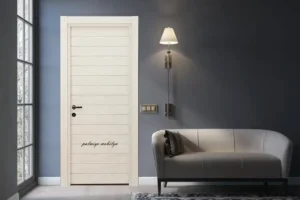
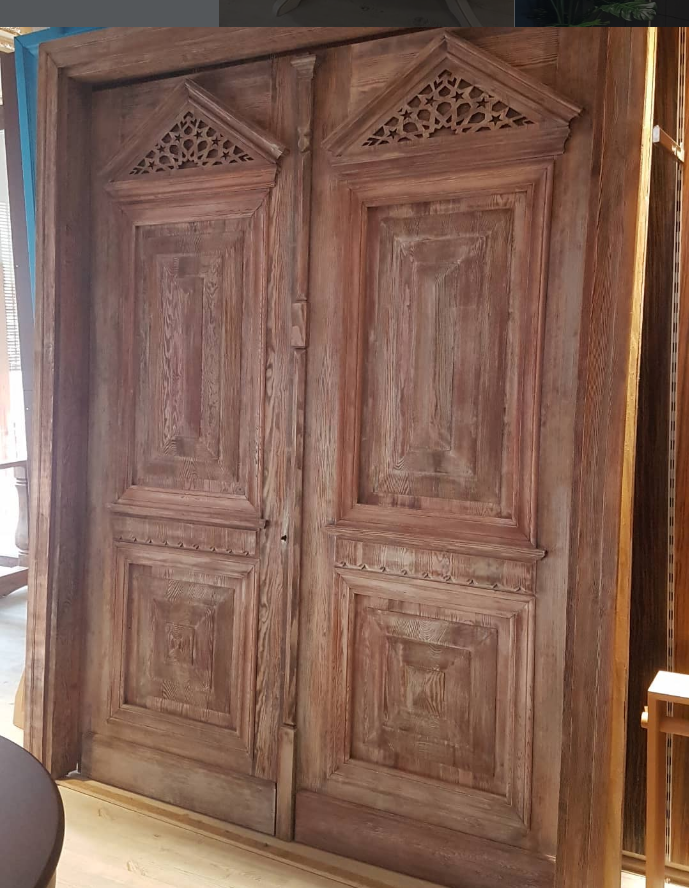
Solid Wood Door Turkey
Solid Wood Door Turkey: The Ultimate Technical, Architectural, and Sourcing Guide
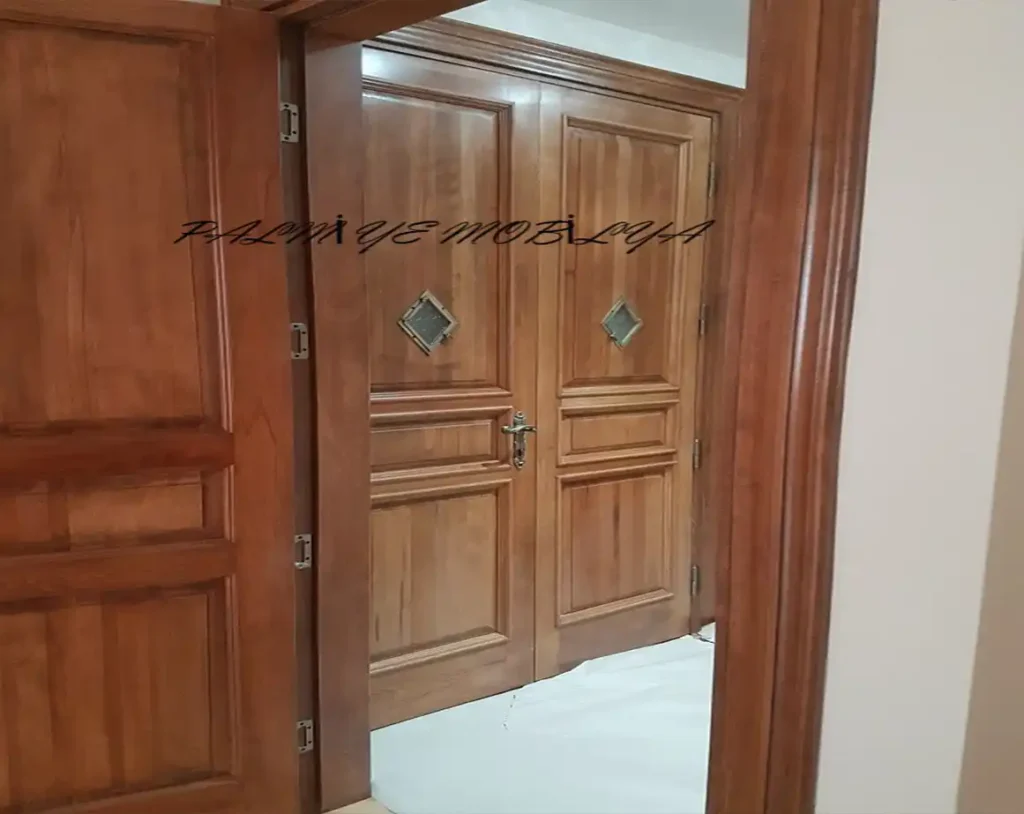
The international luxury real estate, premium hospitality, and heritage restoration markets have experienced a profound renaissance in authentic material procurement. While engineered wood composites and synthetic overlays dominate mass-market construction, high-end architectural design consistently demands the unyielding structural integrity, organic beauty, and acoustic mass of authentic timber. At the global center of this high-end woodworking sector is Solid Wood Door Turkey.
Turkish solid wood door manufacturers have successfully positioned themselves as premier global suppliers by bridging traditional, centuries-old Ottoman joinery expertise with advanced European automated processing machinery. Operating within highly integrated local and regional timber supply chains, these manufacturers provide world-class custom capabilities for historic restorations, ultra-modern luxury villas, and high-traffic five-star hotels.
This comprehensive technical guide provides an exhaustive look into the raw materials, structural engineering, seasoning processes, profile milling, and environmental metrics that define Solid Wood Door Turkey. We will examine the material science behind wood cell stabilization, the structural mechanics of mortise-and-tenon joinery, the chemistry of protective architectural finishes, and the logistical frameworks required to safely deliver heavy timber assemblies to international construction sites.
1. The Global Footprint and Competence of Solid Wood Door Turkey
To understand why international procurement managers, luxury homebuilders, and commercial architects turn to Solid Wood Door Turkey, one must look at the unique industrial and artisanal infrastructure of the Turkish woodworking ecosystem.
Sourcing Synergy and Geographical Advantage
Türkiye sits at the crossroads of major ecological and trade zones, providing local manufacturers with rapid access to diverse timber resources. Turkish producers source premium local hardwoods and softwoods from the sustainably managed, dense forests of the Black Sea and Mediterranean regions, while simultaneously importing specialized high-latitude lumber from Siberia, the Balkans, and Western Europe. This geographic positioning allows factories to maintain large inventories of raw lumber, insulating international clients from sudden global supply chain shortages.
High-Tech Industrialization Meets Artisanal Joinery
The Turkish manufacturing landscape is characterized by a unique hybrid production model. While basic components pass through multi-million dollar, fully automated multi-axis CNC machining networks and computerized kiln-drying facilities, the final assembly, hand-carving, matching, and finishing are performed by master wood artisans. This combination ensures that every Solid Wood Door Turkey possesses the micron-level dimensional accuracy required by modern commercial hardware, alongside the unique artistic character of a bespoke architectural masterpiece.
2. Timber Material Science: Hardwoods, Softwoods, and Moisture Kinetics
The foundational rule of Solid Wood Door Turkey manufacturing is that wood is a living, breathing, hygroscopic material. Wood cells naturally absorb and release moisture from the ambient air, causing the material to expand and contract. Managing this moisture movement is the most critical technical challenge in solid wood engineering.
[Raw Green Lumber] ➔ [Air Seasoning Yard] ➔ [Dehumidification Kiln Drying (8%-10%)] ➔ [Stress Relief Conditioning]
The Selection of Premium Architectural Species
Turkish manufacturers classify timber into distinct performance and aesthetic tiers based on density, grain structure, and natural rot resistance:
1. Premium Hardwoods
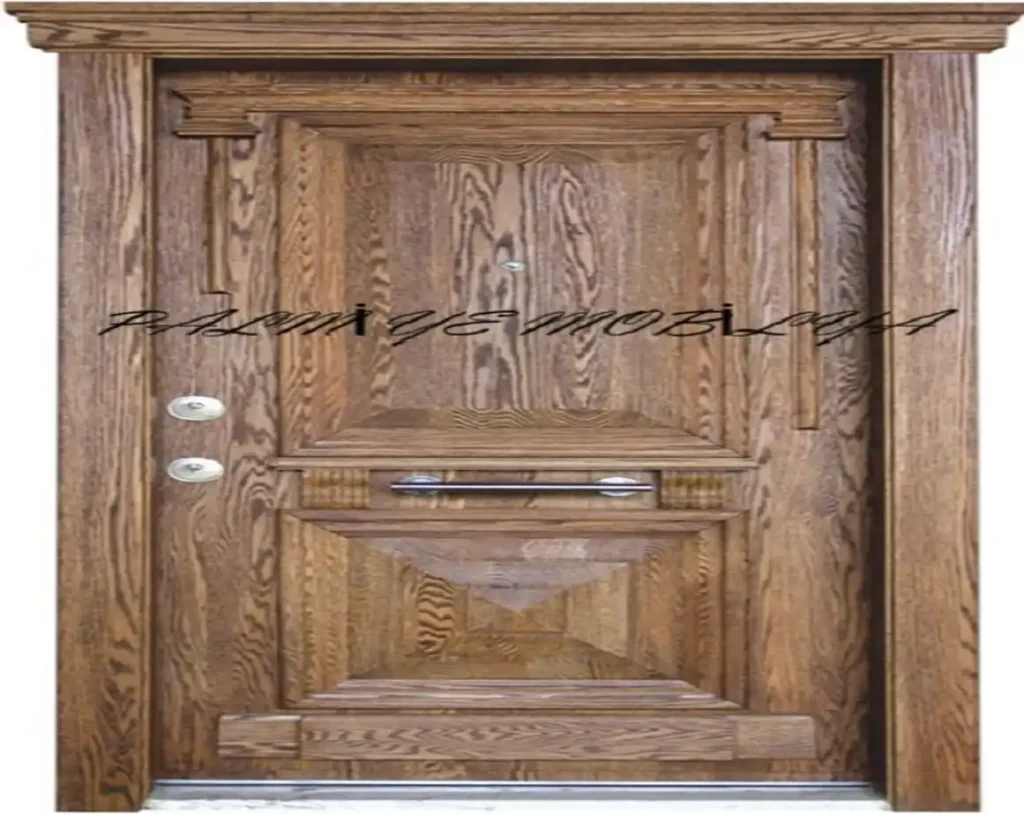
- Anatolian Oak (Quercus robur / Quercus petraea): The undisputed gold standard for luxury joinery. Anatolian Oak exhibits a high density (approximately 720 to 760 kg/m³), exceptional mechanical impact resistance, and a prominent, open-grain pattern that looks spectacular under translucent stains. Its high tannin content provides excellent natural resistance to fungal decay and insect attacks, making it perfect for grand main entrance doors.
- European Walnut (Juglans regia): Highly prized for its rich, deep brown tones, wavy grain patterns, and warm finish. Walnut is a medium-density hardwood (around 640 kg/m³) that provides great dimensional stability and a smooth texture. It is used almost exclusively for ultra-exclusive interior bedroom suites and executive boardrooms.
- Sweet Chestnut (Castanea sativa): Sourced primarily from the humid Black Sea forests of Türkiye, chestnut features a rich golden-brown hue and a grain structure similar to oak but with a lighter weight. It contains high levels of natural tannins, making it exceptionally stable when exposed to harsh outdoor elements.
2. Performance Softwoods
- Siberian Pine (Pinus sylvestris): Sourced from high-latitude, slow-growth northern forests, this softwood features narrow annual growth rings, yielding a dense wood structure. It is highly stable and serves as an excellent base for painted or stained interior doors.
- Mediterranean Cedar (Cedrus libani): Renowned for its aromatic scent, rich golden-yellow heartwood, and natural durability. Cedar is naturally resistant to decay and moisture absorption, making it a classic choice for custom estate entrances and high-end wellness or spa facilities.
The Mechanics of Industrial Kiln Drying
Raw timber contains water held both within the cell cavities (free water) and trapped inside the cell walls (bound water). If raw timber is cut and assembled immediately into a door panel, it will quickly warp, split, and crack as it dries in a climate-controlled home.
In the production of a Solid Wood Door Turkey, all raw lumber must pass through a strict, multi-stage seasoning process:
- Air Seasoning: Raw timber boards are stacked in open-air yards under covers for several months to allow free water to evaporate naturally, reducing moisture content down to roughly 20% to 25%.
- Convection Kiln Drying: The wood is loaded into computer-controlled convection drying kilns. The system uses automated steam injection and dehumidification cycles to gradually extract the bound water from the cell walls without creating internal stress fractures.
- Target Stabilization: The moisture content is brought down to an exact target range of 8% to 10% for interior doors, and 12% to 14% for external entrance doors.
- Stress Relief Conditioning: Before leaving the kiln, the wood undergoes a cooling and conditioning phase to balance moisture levels evenly between the inner core and outer surfaces of the timber, ensuring zero dimensional movement during machining.
3. Structural Engineering: Advanced Multi-Layer Lamination and Joinery
A classic misconception is that a solid wood door must be made from a single, massive piece of raw wood. In high-end architecture, a single wide plank of wood will warp easily due to the natural directional differences in wood shrinkage (radial versus tangential shrinkage). To build a truly stable Solid Wood Door Turkey, manufacturers utilize advanced multi-layer lamination engineering.
Engineered Solid Timber Lamination (Engineered Solid Wood)
To eliminate the natural internal tensions that cause timber to bend, premium Turkish manufacturers cut raw solid wood into smaller timber layers and reconstitute them into an ultra-stable composite block.
- The Technique: An oak or pine block is split into three or four separate vertical layers.
- Grain Inversion: Before bonding, the pieces are rotated so their internal growth rings face in opposite directions.
- Hydraulic Cross-Linking: The layers are bonded back together under high pressure using heavy-duty, weather-resistant D4 polyurethane or EPI (Emulsion Polymer Isocyanate) structural adhesives. When moisture changes cause one layer to pull to the left, the adjacent inverted layer pulls to the right with equal force, completely canceling out internal tension. The resulting engineered timber block is significantly stronger and more stable than a single raw wood plank, while remaining 100% solid wood.
Traditional and Modern Precision Joinery Methods
The assembly points where the vertical stiles meet the horizontal rails are the most critical structural zones of a door. In Solid Wood Door Turkey manufacturing, these joints are engineered to withstand decades of slamming and gravitational sagging.
[Vertical Timber stile] ➔ [CNC Mortising Machine] ➔ [Deep Recess Pocket]
                                                           ▲
                                                           │ (D4 Polyurethane Adhesive)
                                                           ▼
[Horizontal Timber Rail] ➔ [CNC Tenoning Machine]  ➔ [Extended Solid Tenon Tongue]
- Deep Mortise-and-Tenon Joinery: The traditional standard of structural integrity. Heavy CNC machines cut a deep structural pocket (the mortise) into the vertical stile, while the horizontal rail is milled to feature an extended matching tongue (the tenon). The tenon is coated in D4 structural adhesive, pressed deep into the mortise under hydraulic clamp pressure, and secured with internal wooden dowels. This mechanical connection creates an incredibly rigid joint that handles heavy door weights easily.
- Multiple Industrial Doweling Systems: For modern minimalist door geometries, high-speed automated boring machines inject D4 structural glue and insert multiple high-density hardwood fluted dowels (typically solid beechwood, 12mm to 16mm in diameter) deep into the intersecting components. The ribbing on the fluted dowels ensures uniform adhesive distribution, creating an unbreakable structural bond.
4. Architectural Profiles and Custom Multi-Axis CNC Milling
Solid wood provides an unmatched advantage over synthetic composites: it can be deeply carved, routed, shaped, and customized down to the millimeter without exposing ugly internal layers or filler materials. Solid Wood Door Turkey production utilizes multi-axis CNC technology to realize complex architectural details with perfect precision.
Raised and Fielded Panels vs. Flush Minimalist Formats
Turkish factories cater directly to two distinct global architectural styles:
1. Neoclassical, Classical, and Heritage Formats
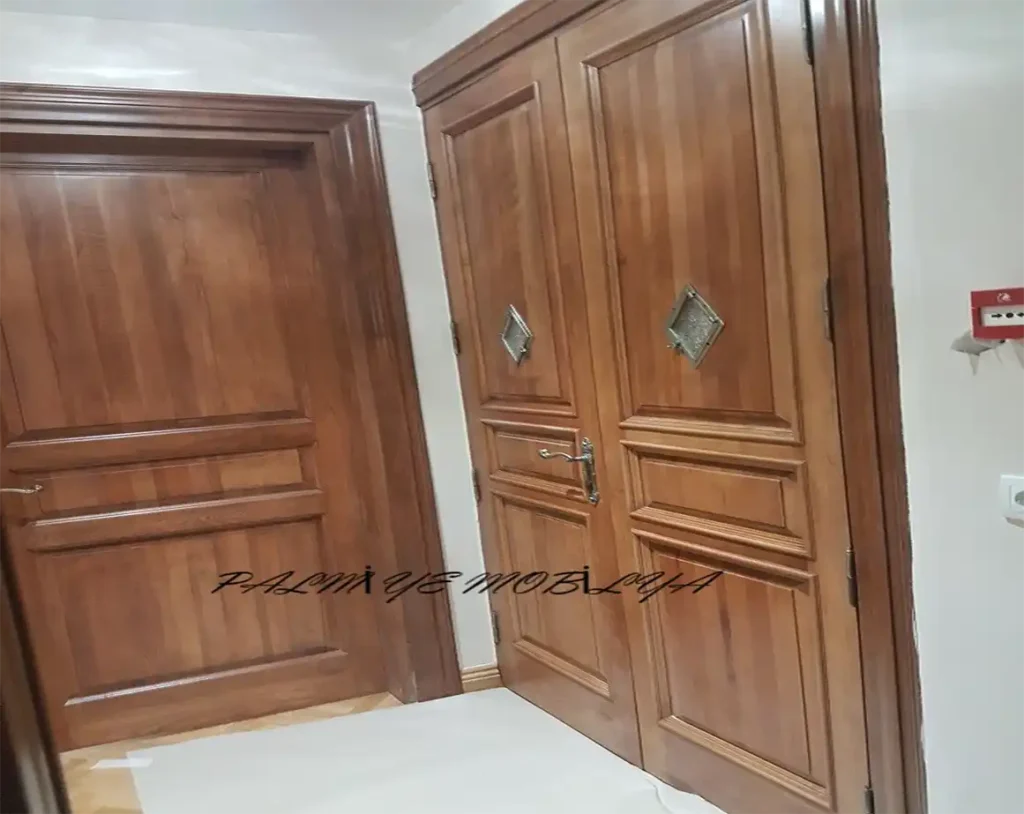
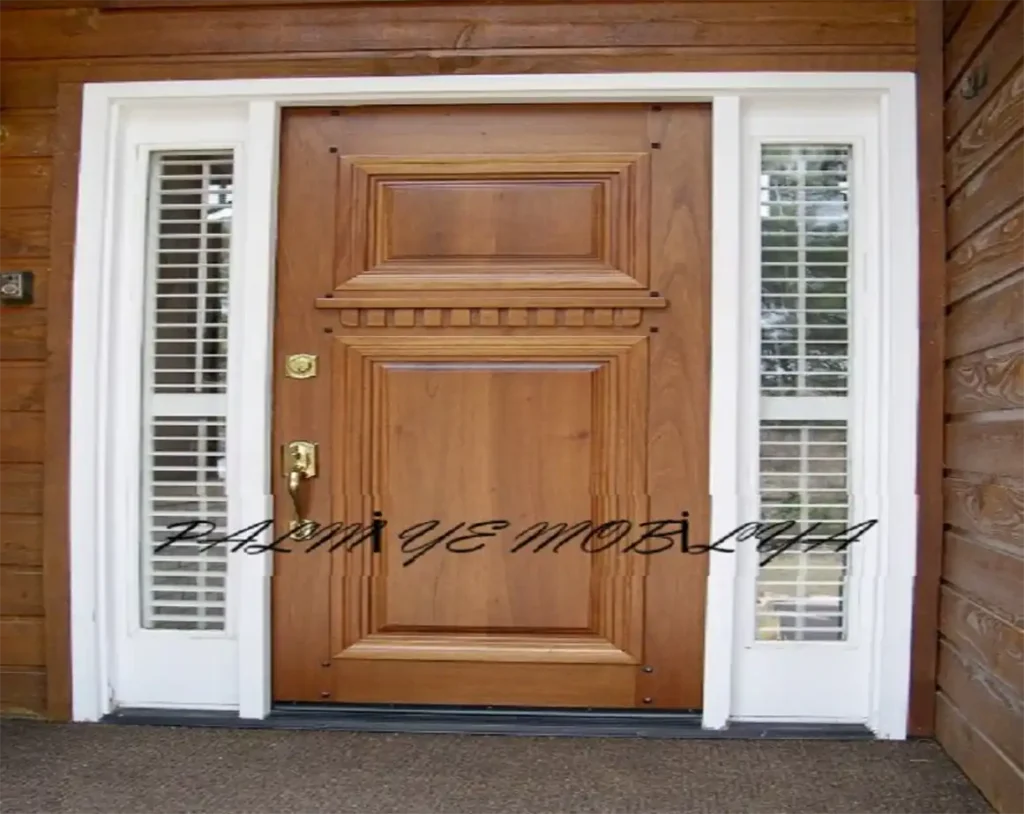
These doors feature complex raised panels held within a traditional frame-and-panel system.
- Floating Panel Architecture: The solid wood inner panels are never glued tightly to the surrounding frame. Instead, they sit loosely inside precision-routed deep grooves lined with flexible rubber expansion spacers.
- The Performance Purpose: This smart gap design allows the solid wood panel to grow or shrink slightly during extreme seasonal weather changes without cracking or bending the outer door frame.
2. Ultra-Modern Minimalist and Barn Formats
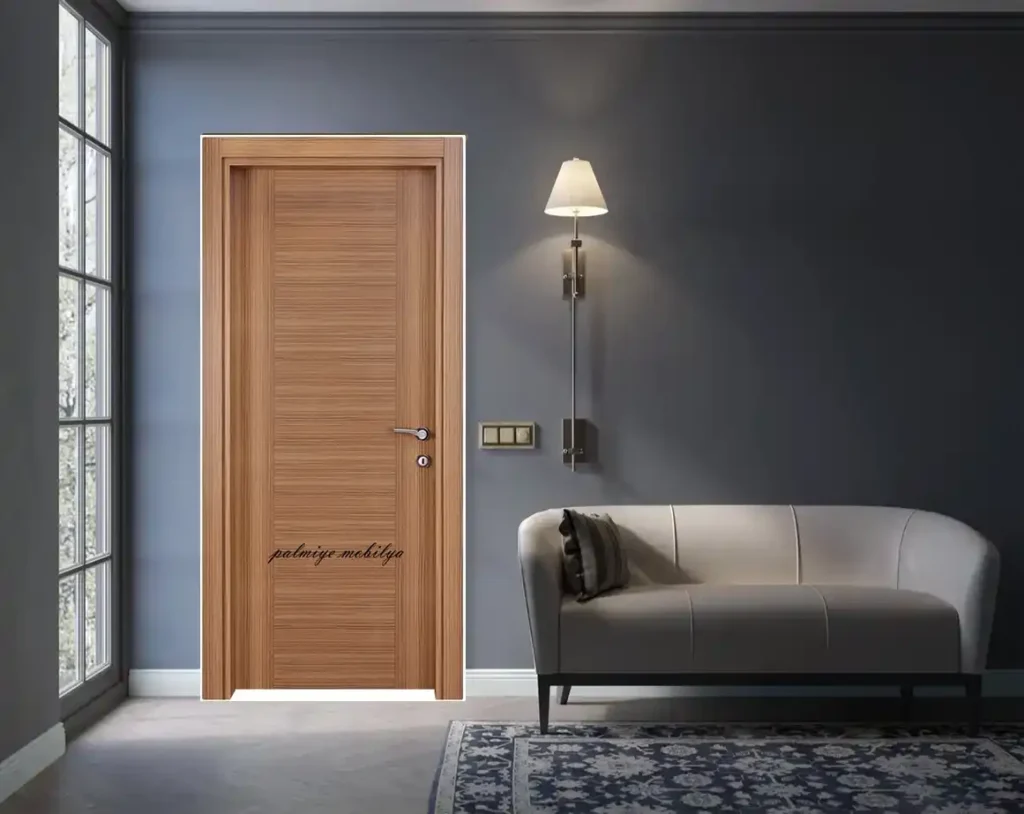
These designs utilize clean, uninterrupted expanses of raw timber.
- End-Grain Matching: Wide flush doors are made by carefully matching timber planks side-by-side. Master craftsmen select planks with matching color tones and grain figures (such as book-matching or slip-matching) to create a striking, continuous visual statement across the door face.
- Internal Tie-Rod Stabilization: For oversized modern pivot doors reaching heights of 3 meters or more, Turkish engineers insert hidden, adjustable structural steel tension rods through the entire vertical length of the timber stile. If the wood reacts to an extreme climate shift, installers can simply turn an adjusting bolt at the bottom of the door to retune it to a perfectly straight position.
Precision CNC Pre-Hardware Integration
A premium door should arrive on site completely prepared for installation, eliminating the risk of wood splitting from manual tool work on the job site. Turkish smart factories program their multi-axis CNC networks to pre-bore and pre-cut precise pockets for high-performance hardware:
- Concealed Pivot Mechanisms: Pockets are routed for heavy-duty hidden pivot systems (such as FritsJurgens or Dormakaba) capable of smoothly supporting massive solid wood door panels weighing up to 500 kg with effortless, single-finger control.
- Multi-Point Security Lock Cases: For main entrance solid wood doors, CNC machines cut continuous vertical locking channels to house multi-point motorized locking systems (like Winkhaus or Iseo). These systems secure the door at three or five separate points along the frame, preventing break-ins and ensuring a tight seal against drafts.
- Integrated Acoustic Drop Seals: A deep groove is cut along the underside of the bottom rail to house a concealed mechanical drop seal. When the door closes, a small trigger clicks against the frame, instantly dropping a neoprene gasket down to block external noise, airflow, and light.
5. Finishing Alchemy: Oils, Waxes, Stains, and Marine-Grade Coatings
The finish applied to a Solid Wood Door Turkey must protect the underlying timber from moisture, abrasion, and UV degradation while accentuating its natural organic beauty. The coating process is handled as a precise scientific sequence inside state-of-the-art cleanroom environments.
The Finishing Layer Matrix
A genuine premium solid wood finish requires a multi-staged application sequence based on the installation environment:
| Layer Step | External Entrance Door Protocol (Marine-Grade) | Internal Room Door Protocol (Natural-Touch) |
|---|---|---|
| Stage 1: Impregnation | Deep anti-fungal, biocide, and insect treatment primer. | Light water-borne grain conditioning sealer. |
| Stage 2: Tinting / Stain | UV-absorbent micronized pigment translucent stain. | Hand-rubbed organic pigment oil stain (if requested). |
| Stage 3: First Sealer | High-flexibility polyurethane or acrylic sealer coat. | Low-build polyurethane sanding sealer coat. |
| Stage 4: Inter-Sanding | Manual fine-grit calibration sanding (320-grit). | Automated orbital platen sanding (400-grit). |
| Stage 5: Final Topcoat | Two-component aliphatic acrylic clear elastic marine varnish. | Open-pore matte natural oil or wax coating finish. |
Advanced Finishing Chemistry Profiles
Turkish manufacturers match the chemical properties of their finishes to the functional needs of the space:
- Open-Pore Natural Oils and Hardwax Oils: Highly favored for interior luxury installations. These treatments use natural linseed or tung oils mixed with organic carnauba waxes. The oil sinks deep into the wood fibers to protect from within, rather than forming a thick plastic layer on top. This keeps the natural texture of the wood grain fully touchable while providing excellent resistance to water splashes and wine stains.
- Two-Component Marine-Grade Varnish Polyurethanes: Essential for exterior solid wood doors facing harsh climates. These finishes feature specialized elastic cross-linking polymers that allow the clear coat to expand and stretch alongside the natural movement of the wood under direct hot sunlight or freezing winter cold, preventing peeling or blistering.
- Aliphatic Non-Yellowing UV Inhibitors: All translucent stains and clear coats are formulated with premium UV-light absorbers. These compounds intercept harmful solar radiation, protecting light woods like oak or walnut from fading or darkening over time.
6. Sustainable Forestry, Environmental Ethics, and Certifications
Modern global procurement protocols require strict environmental transparency. The production of a Solid Wood Door Turkey aligns closely with international sustainability frameworks to guarantee ethical wood sourcing and safe indoor air quality.
Global Certification Standards Matrix
| Certification Standard | Technical Verification Scope | Primary International Relevance |
|---|---|---|
| FSC Chain-of-Custody | Guarantees timber is legally sourced from responsibly managed forests. | Global Acceptance (US, EU, UK) |
| PEFC Certification | Verifies adherence to strict regional and sustainable forest metrics. | European and Commonwealth Markets |
| E0 / E1 Health Ratings | Confirms structural adhesives emit zero or minimal formaldehydes. | Safe Indoor Air Quality Compliance |
| ISO 14001 Standards | Audits the factory’s waste treatment and ecological carbon footprint. | Corporate and Hospitality Procurement |
Waste Material Upcycling
Turkish eco-friendly factories run high-efficiency biomass loop networks. The huge volumes of wood shavings, chips, and sawdust generated during CNC milling are captured by heavy-duty extraction ducts, compacted into high-energy heating pellets, and used to power the factory’s own kiln-drying boilers. This sustainable loop minimizes manufacturing waste and reduces the overall carbon footprint of production.
7. Heavy-Duty Packaging, Climate Isolation, and Global Logistics
Solid wood doors are heavy, valuable, and sensitive to sudden climate shifts. Transporting a Solid Wood Door Turkey safely from a Mediterranean factory floor across international oceans or land routes to construction sites requires heavy-duty protective packaging.
[Finished Solid Door Leaf] ➔ [Polyethylene Hermetic Wrap] ➔ [EPE Shock Foam Edge Casing] ➔ [Plywood Crate Palletizing]
The Multi-Tiered Export Packaging Protocol
- Hermetic Moisture Barrier Wrapping: Each completed solid wood door panel is cleaned, checked, and vacuum-sealed inside a thick, heavy-gauge polyethylene hermetic bag containing active silica gel desiccant packs. This wrapper blocks humidity changes during ocean transit, preventing the wood from expanding or contracting prematurely.
- Impact-Absorbing Edge Protectors: The corners and edges of the door leaf are encased in high-density Expanded Polyethylene (EPE) foam profiles. This thick cushioning protects detailed architectural profiles from chipping or denting if dropped during handling.
- Rigid Corrugated Outer Shielding: The wrapped door panel is slid into a heavy-duty, multi-layered corrugated cardboard box that shields the surface faces from puncture scratches.
- Heavy Plywood Export Crating: For overseas shipping, individual boxes are packed into heavy, custom-built wooden pallets or fully enclosed marine plywood crates. The crates are reinforced with internal structural timber supports and wrapped in tension steel straps, ensuring the heavy timber products survive forklift movements and bumpy sea journeys completely undamaged.
Conclusion: Critical Frameworks for International Buyers
Investing in a Solid Wood Door Turkey provides architects, real estate developers, and premium hospitality procurement managers with an exceptional combination of natural structural beauty, long-term durability, and artisanal customization. By understanding the core material science of wood drying, the stability advantages of multi-layer timber lamination, and the protection provided by advanced clear coatings, global buyers can confidently partner with elite Turkish factories to deliver timeless warmth, acoustic privacy, and structural luxury to high-end building portfolios worldwide.



Şunları da sevebilirsiniz
Flat Lacquered Door Manufacturing Turkey

Colored Lacquered Doors Turkey