

Wood Veneered Doors Turkey
Wood Veneered Doors Turkey: The Definitive Industrial Guide to Premium Timber Engineering, Aesthetic Customization, and Global Procurement Strategy
In the highly specialized sectors of contemporary commercial architecture, luxury residential master planning, and five-star hospitality development, interior millwork has transcended basic utilitarian isolation. The modern interior door functions as a dominant spatial canvas, dictating a project’s chromatic transition, tactile resonance, acoustic performance, and visual weight. While painted surfaces and composite synthetics maintain placements in high-volume, budget-conscious institutional structures, premium international design paradigms have increasingly prioritized the organic warmth, prestige, and multi-tonal depth of natural timber. Within this global sourcing landscape, the industrial manufacturing sector categorized under the commercial heading Wood Veneered Doors Turkey has emerged as a premier strategic node for international real estate developers, procurement directors, and contract specifiers.
Turkey’s advanced wood-processing sector has engineered an unassailable competitive advantage within the international supply chain. By systematically blending deep regional artisanal woodcraft heritage with extensive capital investments in Industry 4.0 automation, computer numerical control (CNC) machining centers, high-capacity hydraulic multi-daylight presses, and advanced chemical laboratories, Turkish factories deliver elite engineered interior doors. Sourcing Wood Veneered Doors Turkey provides international procurement teams with the precise material science required to combine the unmatched aesthetic beauty of raw timber facings with the structural flat-plane stability, warp resistance, and dimensional integrity of modern engineered cores. This technical integration allows global developers to execute complex bespoke layouts at a scale, speed, and cost efficiency that traditional Western European custom wood shops cannot replicate.
This comprehensive technical guide provides an exhaustive review of the material science, core physics, slicing chemistry, pattern matching configurations, surface finishing technology, international testing standards, and global supply-chain logistics that define the market for Wood Veneered Doors Turkey. This resource is engineered to provide international sourcing managers, commercial architects, and quality assurance inspectors with the deep empirical data required to accurately write millwork specifications, verify factory engineering credentials, and optimize structural return on investment (ROI).
1. Macro-Economic Framework and Regional Geography of Sourcing
To evaluate a Wood Veneered Doors Turkey production program accurately, a procurement officer must look beyond basic unit costs to analyze the country’s integrated industrial infrastructure, macro-economic trade dynamics, and localized manufacturing clusters.
High-Capacity Manufacturing Clusters and Economies of Scale
The production of commercial-grade Wood Veneered Doors Turkey is heavily concentrated within highly capitalized Organized Industrial Zones (OSB) in dominant manufacturing nodes such as İnegöl, Kayseri, Ankara (Siteler), and the expansive industrial corridors surrounding Istanbul. These geographical clusters isolate specialized raw material brokers, veneer slicing mills, automated machinery designers, and advanced chemical finish laboratories in close physical proximity.
- Direct Timber Supply Integration: Turkish door manufacturers operate directly adjacent to some of the largest domestic composite board, structural lumber, and synthetic resin production complexes in the world (such as Kastamonu Entegre and Yıldız Entegre). This proximity eliminates internal logistics delays, lowers raw material transportation costs, and secures bulk volume discounts that are passed directly to global buyers.
- Continuous Line Optimization Economics: Rather than relying on labor-intensive manual processing methods, tier-1 Turkish factories operate continuous automated production lines sourced from leading German and Italian wood-processing engineering firms. This mechanization allows plants to manufacture massive volumes of custom architectural orders (ranging from 10,000 to over 35,000 complete door sets per month) with strict dimensional consistency, low per-unit labor costs, and perfect finish uniformity across extensive production lots.
Strategic Trade Frameworks and Tariff-Free Logistics
The cross-border shipping advantages of a certified Wood Veneered Doors Turkey contract simplify international construction schedules and trade compliance:
- The EU-Turkey Customs Union Agreement: Since 1995, industrial goods have moved freely between Turkey and European Union member states without import customs tariffs or quantitative restrictions, provided an A.TR movement certificate is verified. This provides an immediate financial advantage compared to importing from East Asian manufacturing centers.
- Intermodal Freight Route Connectivity: Direct access to deep-sea maritime ports (such as Ambarlı, İzmir, and Mersin) and established overland trucking corridors allows shipping containers to reach European, North African, or Middle Eastern construction sites within 3 to 10 days. This minimized transit window significantly reduces the amount of capital tied up in transit and prevents expensive project field delays on fast-track construction projects.
2. Structural Leaf Architecture and Substrate Engineering
A common structural misconception among novice procurement managers is that a high-end wood veneered door is simply a thin sheet of sliced wood glued over a standard hollow core. In reality, the long-term durability and flat-plane visual stability of a Wood Veneered Doors Turkey product depend entirely on its hidden sub-surface composition. Because natural timber veneers react intensely to light reflection, any internal structural defect, micro-warping, or substrate porosity will immediately show through the finish, ruining the architectural intent.
[Bespoke Wood Veneered Leaf Core Matrix]
┌────────────────────────────────────────────────────────────────┐
│ Multi-Layer Aliphatic Acrylic / PUR Translucent Topcoats       │
├────────────────────────────────────────────────────────────────┤
│ Sawn Natural Wood Veneer Face Lamella (0.6mm to 2.0mm)          │
├────────────────────────────────────────────────────────────────┤
│ Calibrated High-Density HDF Skin Shield (3mm to 8mm)           │
├────────────────────────────────────────────────────────────────┤
│ Internal Core Vector: Sauerland Tubular Board / Mineral Core   │
├────────────────────────────────────────────────────────────────┤
│ Internal Frame: Finger-Jointed Cross-Laminated Softwood Glulam  │
└────────────────────────────────────────────────────────────────┘
Substrate Optimization: Calibrated High-Density Fiberboard (HDF)
The exterior facing of a Wood Veneered Doors Turkey model requires an ultra-homogeneous, perfectly calibrated surface beneath the veneer sheet. If the underlying fiberboard substrate is too porous or rough, the heat and pressure applied during veneer lamination will cause the substrate fibers to telegraph through the delicate wood grain, creating surface imperfections or structural micro-fissures.
- Density Profile Calibration: Top-tier Turkish factories select High-Density Fiberboard (HDF) over standard MDF for premium veneered lines. Turkish HDF features a density profile exceeding 820 kg/m³, providing exceptional surface impact resistance and exceptionally clean edges when routed by high-speed CNC machinery.
- Moisture-Resistant (MR) Resins: For projects specified in humid zones like luxury hotels, corporate restrooms, or marine climates, lines integrate MR-HDF. These panels utilize advanced melamine-urea-formaldehyde or polymeric MDI hydrophobic resins, limiting thickness swelling to less than 4% when exposed to damp environments.
- Skin Thickness Matrix: Depending on the depth of any planned architectural surface routing, factories deploy structural skin shields ranging from 3mm up to 8mm in thickness. Thick skins ensure that when CNC routers cut custom geometric profiles into the door face, the tool remains completely within the dense HDF layer without penetrating the internal core.
Internal Frame Construction: Cross-Laminated Softwood Glulam
Monolithic raw timber is naturally prone to bowing, twisting, or splitting when exposed to fluctuations in relative humidity. To eliminate these inherent defects, a progressive Wood Veneered Doors Turkey plant constructs its internal frame stiles and rails using engineered timber.
- ComputerControlled Kiln Drying: Softwoods (such as Siberian Pine, European Spruce, or native Fir) are kiln-dried to an exact moisture content of 8% to 10% inside fully automated, sensor-driven kiln rooms.
- Finger-Jointing Precision: Automated scanner lines read the dried timber planks, detecting and cutting out natural defects like loose knots, structural fissures, or pitch pockets. The remaining clear wood segments are interlocked using high-tensile polyurethane (PUR) structural adhesives.
- Alternating Grain Orientation: The individual timber layers are laminated together with their grain directions alternating at 90-degree angles. This cross-grain configuration cancels out internal hygroscopic stresses, ensuring that the door frame remains flat over decades of operation.
Internal Core Configurations and Acoustic Performance Metrics
The interior filling of a veneered door leaf dictates its weight, impact resistance, and sound isolating characteristics. Sourcing managers working within the Wood Veneered Doors Turkey network can specify three primary internal core categories based on project budgets and performance metrics:
1. Cellular Honeycomb Core
- Composition: Hexagonal cell grids constructed from 120-140 g/m² heavy structural kraft paper.
- Mechanical Properties: Provides good flat-panel compressive strength while maintaining an exceptionally lightweight profile (typically 12–15 kg per door leaf).
- Application: Ideal for high-volume, budget-conscious residential developments where acoustic isolation is not a primary requirement.
2. Tubular Extruded Particleboard (Sauerland Core)
- Composition: Extruded composite particleboard featuring continuous horizontal or vertical cylindrical voids running through its mass.
- Mechanical Properties: High impact resistance and built-in acoustic dampening. The tubular voids reduce weight while maintaining excellent flat-panel crush resistance, preventing hardware stress on hidden hinge setups.
- Application: The preferred baseline standard for premium residential interior doors, hotel guestrooms, and commercial executive offices.
3. Solid Mineral and Sound Shield Cores
- Composition: A dense, solid matrix of compressed flax fibers, high-density particleboard, or a volcanic mineral composite (vermiculite/perlite) combined with specialized structural binders.
- Mechanical Properties: Non-combustible, extremely dense, high mechanical impact resistance, and excellent structural mass.
- Application: Used for certified fire door assemblies (FD30 to FD120), high-security installations, and recording studio sound-containment zones.
3. Veneer Log Slicing Science and Chromatic Selection
The definitive aesthetic value of Wood Veneered Doors Turkey production lines relies heavily on the technical methods used to slice raw logs into paper-thin leaves. The mechanical angle at which the slicing blade strikes the wood growth rings directly dictates the resulting geometric grain layout, cathedrals, and structural figure patterns.
[Veneer Log Slicing Kinematics]
├── Flat / Plain Slicing  ──> Blade strikes parallel to log center ──> Prominent Cathedrals
├── Quarter Slicing       ──> Blade strikes growth rings at 90°    ──> Linear Stripe Patterns
└── Rift / Radial Slicing ──> Blade strikes oak medullary rays     ──> Minimizes Comb / Flake
Slicing Typologies and Visual Geometry
- Flat Slicing (Plain Sawn): The log half is mounted on a reciprocating slitter carriage, and the blade passes parallel to the center axis of the tree. This path produces a highly expressive grain pattern characterized by central concentric loops known as “cathedrals,” bordered by fine linear stripe accents along the leaf edges.
- Quarter Slicing: The log segment is cut into quarters before slicing, and the blade strikes the growth rings at a steep 90-degree angle. This kinematics cancels out the cathedral loops, yielding a highly disciplined, narrow, and continuous parallel stripe pattern preferred for modern minimalist interior projects.
- Rift Slicing (Dedicated Hardwoods): Utilized primarily for European Oak log processing, the wood is sliced at a specific radial offset angle to avoid hitting the tree’s medullary ray cells. This process yields a tight, straight-grained stripe effect while completely eliminating the wide, reflective “flakes” or flecks characteristic of standard quarter-sawn oak, providing clean linear control.
Thickness Thresholds and Facing Weights
In standard commercial manufacturing, log leaves are sliced to a minimal thickness of 0.5mm to 0.6mm to maximize yield. However, for elite architectural contracts processed within the Wood Veneered Doors Turkey sector, project specifiers can mandate thick-cut sawn lamellas:
- Premium Heavy Faces (1.2mm to 2.0mm): Sawn rather than sliced, these heavy-gauge timber layers provide exceptional structural mass. Thick veneers allow for deep physical wire-brushing, distressing, and on-site hand-sanding repairs without the risk of wearing through the wood layer down to the underlying HDF layer.
Sourcing Categories: Natural Timber vs. Engineered Alpi Alpi Veneers
Turkish factories cater to both classic organic design pathways and hyper-consistent institutional needs:
- Natural Wood Veneers: Sourced directly from authentic logs (including European Walnut, Quartered Oak, American Ash, Sapelli Mahogany, and Dark Teak). Each door leaf retains the natural color variations, mineral streaks, and distinct grain signatures of live wood, offering rich visual variation.
- Engineered (Reconstituted/Alpi) Veneers: Fast-growing sustainable woods (like poplar or ayous) are systematically sliced, dyed in specialized chemical fluid vats, stacked in precise chromatic arrangements, and pressed into large geometric timber blocks. These composite blocks are then re-sliced at precise angles. This process yields a veneer that realistically mimics rare or exotic wood grains while ensuring complete chromatic and pattern uniformity across thousands of successive door sets, making it ideal for large-scale hotel corridors.
4. Architectural Joinery: Veneer Pattern Matching and Splicing Mechanics
Once raw veneer leaves are selected, they must be mechanically trimmed and fused together to build a continuous, wide skin panel that wraps the entire face of the door leaf. The layout sequence chosen by the master woodworkers directly alters the visual symmetry and rhythmic flow of the millwork.
+───────────────────────────────+───────────────────────────────+───────────────────────────────+

| Pattern Matching Typology     | Geometrical Orientation       | Optical Interaction Outcome   |
+───────────────────────────────+───────────────────────────────+───────────────────────────────+

| Book Matching Configuration   | Alternating Leaves Flipped    | Symmetrical Mirror Reflection |
| Slip Matching Configuration   | Leaves Slid Side-by-Side      | Uniform Linear Grain Flow     |
| Random Plank Configuration    | Mixed Logs Intentionally      | Authentic Solid Plank Illusion|
+───────────────────────────────+───────────────────────────────+───────────────────────────────+
Pattern Matching Configurations
- Book Matching: The classic standard for premium Wood Veneered Doors Turkey production. Every second veneer leaf is flipped over horizontally like the turning pages of a book. This layout ensures that the right edge of one leaf matches the left edge of the next, creating a symmetrical mirror reflection of grain lines and cathedral loops, which highlights the organic flow of the wood.
- Slip Matching: Individual veneer leaves are joined side-by-side without horizontal inversion. This technique is frequently specified for quarter-sawn stripe veneers to maintain a repeating, uniform grain flow that slants in a single direction across the door face, minimizing light reflection variances.
- Random Plank Matching: Leaves from completely different log runs are intentionally mixed in thickness, grain intensity, and color tone. Fusing these mismatched components breaks up any synthetic-looking repetition, realistically simulating the rugged, varied aesthetic of authentic solid timber plank construction.
Splicing Technology and Structural Glues
To link individual veneer leaves into an immovable sheet, factories use advanced automated splicing machinery lines:
- Longitudinal Splicing (Glue Thread Splicing): Leaves pass through automated edge-glue application steps or are stitched together using a specialized zigzag fiberglass thread coated with thermosetting hot-melt adhesive. The glue lines are applied to the sub-surface face, rendering them completely invisible once pressed onto the HDF skin.
- Multi-Daylight Hot Pressing Lines: The spliced wood veneer sheet is aligned over the pre-glued HDF skin panel. The components are fed into high-pressure hydraulic hot presses operating at temperatures between 100°C and 130°C, using low-emission urea-formaldehyde or water-borne polyvinyl acetate (PVA) structural glues. This process completely cross-links the wood layers into an inseparable composite unit, preventing future delamination under thermal stress.
5. Elite Surface Chemistry: Protective Coatings and Gloss Management
The final durability, clarity, and tactile quality of a premium door are dictated by its chemical surface treatment. Turkish finishing facilities operate modern cleanroom tunnels to apply stains, oils, and protective polymer layers that highlight the natural grain structure of a Wood Veneered Doors Turkey selection while defending the wood from physical damage.
[Industrial Chemical Coating Sequence]
Sanding Calibration (P320) ──> Static De-Ionization ──> Spray Isolation Coat ──> Robotic Topcoat ──> UV Curing Tunnels
Translucent Finishing Chemistry Options
- Two-Component Polyurethane (PUR) Lacquers: Formulated with high-solid hydroxyl resins cross-linked with aliphatic isocyanate hardeners. PUR topcoats build an elastic polymer film that flexes with micro-movements of the wood substrate while providing excellent resistance to household cleaning agents and scuffs.
- Aliphatic Acrylic Non-Yellowing Varnish: Essential for light wood veneers (such as White Ash, Maple, or Bleached Oak). Standard commercial finishes degrade and turn yellow when exposed to solar UV rays entering through windows. Aliphatic acrylic topcoats resist this degradation, keeping colors clear and natural over long lifecycles.
- Water-Borne UV-Curable Coatings: The preferred standard for green building initiatives. These formulations use water as the primary fluid carrier but incorporate active photo-initiators. When exposed to targeted mercury lamps inside curing tunnels, the monomers cross-link instantly into a dense, chemical-resistant protective coat with zero VOC off-gassing.
Architectural Gloss and Texture Calibration
Sourcing managers working within the Wood Veneered Doors Turkey framework calibrate both the specular gloss index and the physical surface texture of the timber face:
[Gloss Unit (GU) Level Calibration at 60° Angle]
 0 - 3 GU    --> Velvet Deep Matte (Anti-Reflective, Zero-Smudge Nano-Film)
 10 - 20 GU  --> Classic Satin / Eggshell (Balanced Hospitality Standard)
 35 - 50 GU  --> Semi-Gloss Velvet (High Reflection Profile)
 90+ GU      --> Piano High Gloss Mirror Polish (Elite Luxury Statement)
- Open-Pore Texturing: The wood face passes under high-speed structured wire-brushing or nylon denibbing heads that strip out soft winterwood fibers, leaving the raw pore tracks exposed. The door is then sealed with a low-viscosity matte varnish, leaving the raw, tactile texture of the wood grain exposed to the touch. This approach is highly favored for contemporary organic designs.
- Closed-Pore Mirror Finishing (Piano Gloss): Multiple layers of high-solid primers are applied to fully fill the deep walnut timber pores. The surface is then sanded completely flat and finished with multiple topcoats of high-gloss acrylic lacquer, followed by wet-sanding and mechanical buffer polishing. This intensive process yields a reflective surface with a gloss rating exceeding 90 GU, delivering maximum optical depth and clarity.
6. Architectural Framing, Casings, and Structural Hardware Engineering
A high-performance door system relies on its surrounding frame and hidden mechanical components to operate smoothly. In the Wood Veneered Doors Turkey manufacturing sector, the framing and hardware prep are engineered as an integrated system to guarantee a long functional lifecycle.
Solid Laminated Timber Telescopic Frames
Traditional solid frames often struggle to accommodate variations in wall thickness, which can lead to expensive custom modifications on the job site. Turkish factories resolve this issue by engineering adjustable telescopic frame casing assemblies:
[Telescopic Frame Cross-Section Layout]
┌────────────────────────────────────────────────────────┐
│ Solid Engineered Laminated Wood Frame Body             │
├────────────────────────────────────────────────────────┤
│ Adjustable Architrave Trim (Interlocking Slider Tongue)│
├────────────────────────────────────────────────────────┤
│ Wall Construction Core (Adjustable Scope: 140mm-220mm) │
│ └── Pre-Fit Continuous EPDM Compression Weatherstrip    │
└────────────────────────────────────────────────────────┘
- Laminated Wood Core Composites: The main frame body is constructed from multi-layer laminated solid softwoods or high-density composite timber wrapped in matching wood veneers. This provides excellent structural stability, warp resistance, and high mechanical screw-holding strength for heavy door configurations.
- Telescopic Range Adjustment: The matching architrave casing features an extended tongue that slides directly into a machined groove in the main frame casing. This design allows the assembly to adapt to varying wall thicknesses on-site (e.g., expanding from 140mm up to 200mm), which helps hide irregular masonry or drywall work and eliminates the need for manual on-site trimming.
Zero-Joint Edge-Banding Precision
Where the wood veneer face meets the vertical side edges of the door leaf, traditional glue application methods often leave a visible dark joint line that can collect moisture and degrade over time. Advanced Turkish factories overcome this challenge by deploying automated edge-banders equipped with Laser or Hot-Air Zero-Joint Technology:
- Functional Fusion Layer: Instead of using traditional EVA or PUR wet adhesives, the factory uses a specialized edge-band tape fitted with a pre-applied polymer layer on its back.
- Invisible Watertight Seal: A high-intensity laser or targeted hot-air jet vaporizes this backing layer instantly as the tape is rolled onto the door edge under high pressure. The melted backing fuses directly with the HDF skin fibers, creating a seamless joint that is completely invisible and hermetically sealed against water ingress, preventing edge delamination in damp environments.
Hidden 3D Adjustable Hinges and Silent Latches
Heavy solid wood doors require robust mechanical support to ensure smooth operation over decades of constant use.
- Multi-Axis Concealed Hinge Mortising: Multi-axis CNC routers pre-machine hidden hinge pockets (such as Simonswerk Tectus or premium Turkish equivalents) flush into the door leaf and frame casing. These heavy-duty hinges support weights from 100 kg to over 200 kg and allow for precise adjustment across three independent axes (±3mm Height, ±2mm Side, ±1mm Depth) using a simple hex wrench, helping installers maintain flawless 3mm gaps around the door border.
- Whisper-Quiet Magnetic Locks: Instead of traditional mechanical latches that click loudly against the frame strike plate, magnetic locks use a neodymium magnetic bolt that stays flush within the door leaf while open. It extends silently into the frame receiver only when the door is fully closed, providing quiet operation and a clean, hardware-free look.
7. Technical Performance Metrics and Testing Certification Compliance
International project matrices operate under strict structural, acoustic, and environmental mandates. Reputable factories specializing in Wood Veneered Doors Turkey assemblies subject their entire integrated arrays to rigorous testing against European (EN) standards to provide verified documentation for building inspectors and regulatory compliance paths.
+───────────────────────────────+───────────────────────────────+───────────────────────────────+

| Performance Parameter         | Certified Testing Protocol    | Sourcing Sourcing Target      |
+───────────────────────────────+───────────────────────────────+───────────────────────────────+

| Fire Containment Integrity    | EN 1634-1 Fire Test Protocol  | FD30, FD60, or FD90 Barriers  |
| Mechanical Endurance Cycling  | EN 1191 / EN 12400 Life Tests | Class 5 Severe Duty Quality   |
| Acoustic Airborne Insulation  | EN ISO 10140-2 Laboratory Std | Sound Shield Range: 35-43 dB  |
| Air and Smoke Leakage Code    | EN 1634-3 Standard Evaluation | Continuous Cold Smoke Barrier |
+───────────────────────────────+───────────────────────────────+───────────────────────────────+
Fire Containment Integrity (EN 1634-1)
Interior space configurations across hospitality or premium residential blocks frequently demand certified fire-containment properties to prevent fire outbreaks from entering primary escape corridors.
- Intumescent Perimeter Defense: Assemblies engineered for fire protection incorporate heavy-duty intumescent strips inside a routed channel around the leaf perimeter. When subjected to temperatures exceeding 150°C during standard testing, these graphite compounds expand up to 25 times their original thickness, sealing all air gaps to prevent toxic fumes and fire from passing through.
- Integrity Classifications: Sourcing through a premium Wood Veneered Doors Turkey provider offers fully certified FD30 (30 minutes), FD60 (60 minutes), or FD90 (90 minutes) containment options, verified by international testing bodies like BM TRADA or Intertek.
Mechanical Endurance Life Cycling (EN 1191 / EN 12400)
Interior openings encounter constant physical stress from continuous residential use, heavy hotel carts, or corporate foot traffic over extended operational lifecycles.
- Rigid Cycle Proving: Complete door assemblies are mounted in automated testing rigs that mechanically open and close the door leaf up to 200,000 times under continuous structural loads.
- Class 5 Severe Duty Status: Certified Turkish solid veneered doors achieve Class 5 mechanical performance ratings, confirming that the finger-jointed Glulam cores and structural mortise joints hold firm over decades of active service.
Acoustic Sound Containment Compliance (EN ISO 10140-2)
Acoustic isolation is a critical requirement for occupant privacy in multi-family housing, executive boardrooms, and luxury hotel suites.
- Mass-Driven Sound Absorption: The high physical density of solid timber naturally blocks airborne noise transmission. Sourcing lines combine this material density with high-performance Thermoplastic Elastomer (TPE) or continuous dual-gasket EPDM perimeter seals.
- Acoustic Rating Metrics: By adding automated mechanical drop seals that seal the gap with the floor upon closing, these assemblies achieve certified sound reduction values ranging from 35 dB to over 43 dB, blocking high-frequency noise transmission.
8. Sourcing Logistics, Procurement Optimization, and Incoterms
Sourcing custom solid timber interior doors at an industrial scale requires managing detailed structural specifications, packaging parameters, and global commercial trade terms effectively.
Developing a Technical Sourcing Door Schedule
To secure accurate factory quotes and prevent production errors, project procurement teams should create a detailed architectural schedule covering these essential variables for their Wood Veneered Doors Turkey orders:
- Structural Wall Metrics: Finished Wall Thickness, Clear Opening Height, Clear Opening Width.
- Core Matrix Selection: Finger-Jointed Cross-Laminated Glulam Core vs. Fire Insulated Core vs. Honeycomb.
- Veneer Facing Profile: Selected Timber Species (Oak, Walnut, Sapelli), Slicing Style (Flat vs Quarter Cut), Facing Variant (Natural vs Engineered Alpi).
- Pattern Match Scheme: Book Matching, Slip Matching, Random Plank Layout.
- Surface Finish Spec: Open-Pore Texturing, Closed-Pore High Gloss Lacquer, Aliphatic Varnish.
- Hardware CNC Milling Code: Hidden Hinge Template, Magnetic Latch Bore, Wire Chase Maps, Smart Lock Footprints.
Financial Planning and Incoterms Optimization
When drawing up international supply contracts with a Turkish manufacturer, select the appropriate International Commercial Term (Incoterm) based on your team’s freight and logistics setup:
- FOB (Free On Board): The factory manages production, domestic transport to a major Turkish port (such as Ambarlı or İzmir), and export customs clearance. Risk and freight costs transfer to the buyer once the container is loaded onto the ocean vessel. This is an excellent option for buyers with established global freight forwarding partnerships.
- CIF (Cost, Insurance, and Freight): The manufacturer arranges and pays for ocean shipping and maritime insurance to the buyer’s designated destination port. This model simplifies logistics for mid-sized import distributors.
- DDP (Delivered Duty Paid): The manufacturer manages the entire shipping process, including international ocean transit, import customs clearance, local tariffs, and final delivery to the job site. This model provides maximum cost certainty for large-scale real estate developers without internal logistics teams.
Packaging Engineering for Deep Ocean Freight
Finished wood elements are sensitive to humidity shifts, friction marking, and impact forces during long transit windows. Premium factories utilize multi-layer automated packaging lines:
┌────────────────────────────────────────────────────────┐
│ Heavy-Gauge Double-Wall Corrugated Outer Carton Box    │
├────────────────────────────────────────────────────────┤
│ High-Density EPS (Styrofoam) Edge & Corner Protectors  │
├────────────────────────────────────────────────────────┤
│ Polyethylene Protective Stretch-Film Moisture Barrier  │
├────────────────────────────────────────────────────────┤
│ Peelable Low-Tack Protective Surface Masking Film      │
└────────────────────────────────────────────────────────┘
- Volumetric Loading Optimization: A standard 40-foot High Cube (40′ HC) shipping container can hold approximately 250 to 350 complete door sets (including leaves, un-assembled frame components, and architraves) when stacked on engineered, ISPM-15 certified heat-treated wooden pallets.
9. Sustainability and Green Building Regulatory Compliance
Modern commercial and high-density residential developments operate under strict ecological performance metrics, often targeting premium certifications like LEED (Leadership in Energy and Environmental Design) or BREEAM (Building Research Establishment Environmental Assessment Method). Sourcing through the Wood Veneered Doors Turkey industrial sector provides verified pathways to secure these green building credits.
Certified Sustainable Wood Tracking (FSC and PEFC)
The leading factories producing premium timber doors operate under strict FSC (Forest Stewardship Council) and PEFC (Programme for the Endorsement of Forest Certification) Chain of Custody tracking systems. This certification guarantees that all hardwoods and softwoods used in production are harvested from responsibly managed forests that preserve biodiversity, avoid illegal logging, and respect local indigenous communities.
Low-VOC Finishing Chemistry and Indoor Air Quality
To protect indoor air quality, Turkish mills have largely replaced traditional solvent-thinned varnishes with advanced water-borne formulations or 100% VOC-free natural hardwax oils. These coatings release minimal Volatile Organic Compounds (VOCs) into the atmosphere during production and installation. Furthermore, the internal glues used for lamination meet strict European E0 and E1 formaldehyde emission criteria, helping projects earn points under the Indoor Environmental Quality (IEQ) sections of LEED and BREEAM.
10. Comprehensive Procurement Timeline Management
To align factory production with your on-site building deadlines, use this typical procurement timeline for a large-scale project (e.g., 1,000 door sets) from a Wood Veneered Doors Turkey facility:
[Procurement and Production Timeline Structure]
├── Weeks 1 - 2: CAD Shop Drawing Review & Technical Spec Freeze
├── Week 3     : Sample Set Fabrication & Visual / Engineering Approval
├── Weeks 4 - 7: Raw Material Sourcing & Mass CNC Production Routing
├── Week 8     : Automated Splicing, Pressing, Lamination & Surface Finishing
└── Weeks 9 -12: Container Loading, Maritime Ocean Freight, & Site Delivery
- Weeks 1 to 2 (Specification and Engineering Review): Architectural CAD schedules are frozen. The factory’s engineering team reviews door swings, structural wall depths, and hardware templates to eliminate fitting anomalies before machining.
- Week 3 (Prototype Verification): A sample door set is built to confirm finish quality, structural mass, veneer pattern matching, and color rendering under real-world lighting conditions.
- Weeks 4 to 7 (Core Pressing and Multi-Axis Machining): Core timber sets undergo desiccation and finger-jointing. High-speed CNC stations carve the panel details, mill hidden hinge sockets, and route wire passages.
- Week 8 (Robotic Surface Treatment and Curing): Assembled door leaves pass through enclosed positive-pressure cleanrooms for stain, varnish, or protective oil application, followed by fast UV cross-linking or mechanical oil buffing lines.
- Weeks 9 to 12 (Logistics and International Delivery): Assemblies undergo manual final verification, pallet packaging, port loading, export customs clearance, and containerized maritime ocean freight or overland trucking corridors directly to the construction site.
Conclusion: Securing Long-Term Asset Value via Turkish Engineering
Sourcing through a certified Wood Veneered Doors Turkey program provides international real estate developers, hospitality groups, and commercial contractors with an effective way to balance premium aesthetics with reliable mechanical performance. By utilizing multi-layer cross-laminated finger-jointed Glulam cores, advanced slicing and pattern matching workflows, Industry 4.0 CNC routing centers, and zero-joint laser edge-banding technology, Turkey’s manufacturing base delivers durable, high-end interior veneered doors at a highly competitive price point. Understanding these material choices, performance criteria, and logistical options helps global procurement teams secure their supply chains and deliver high-quality hospitality or residential environments on schedule and on budget.
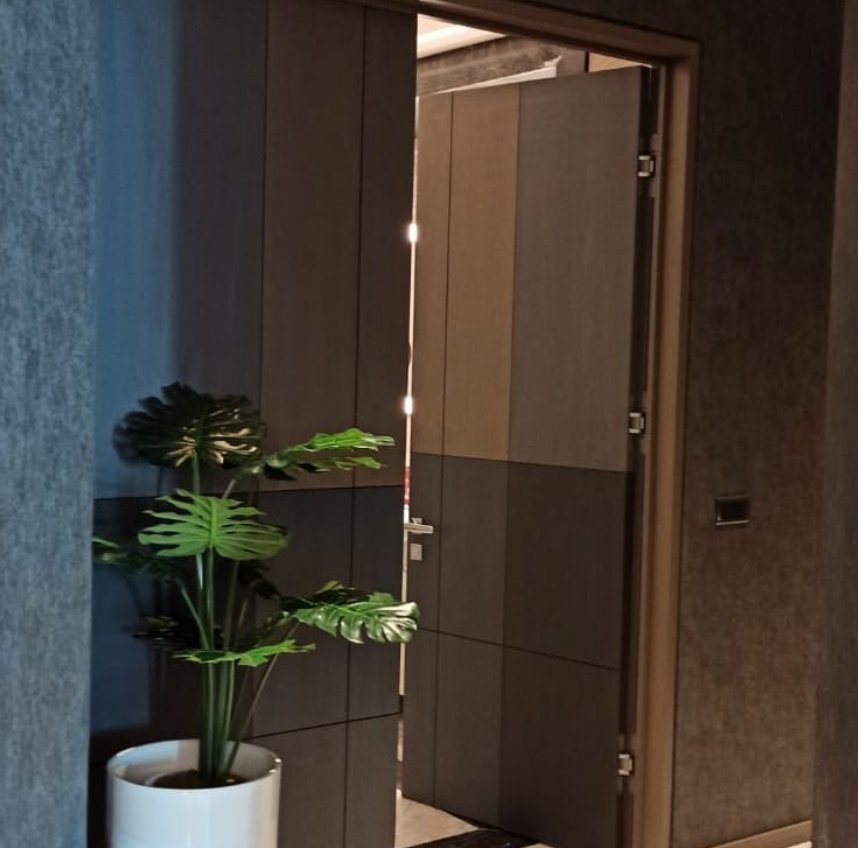
Butik Otel Mobilyaları
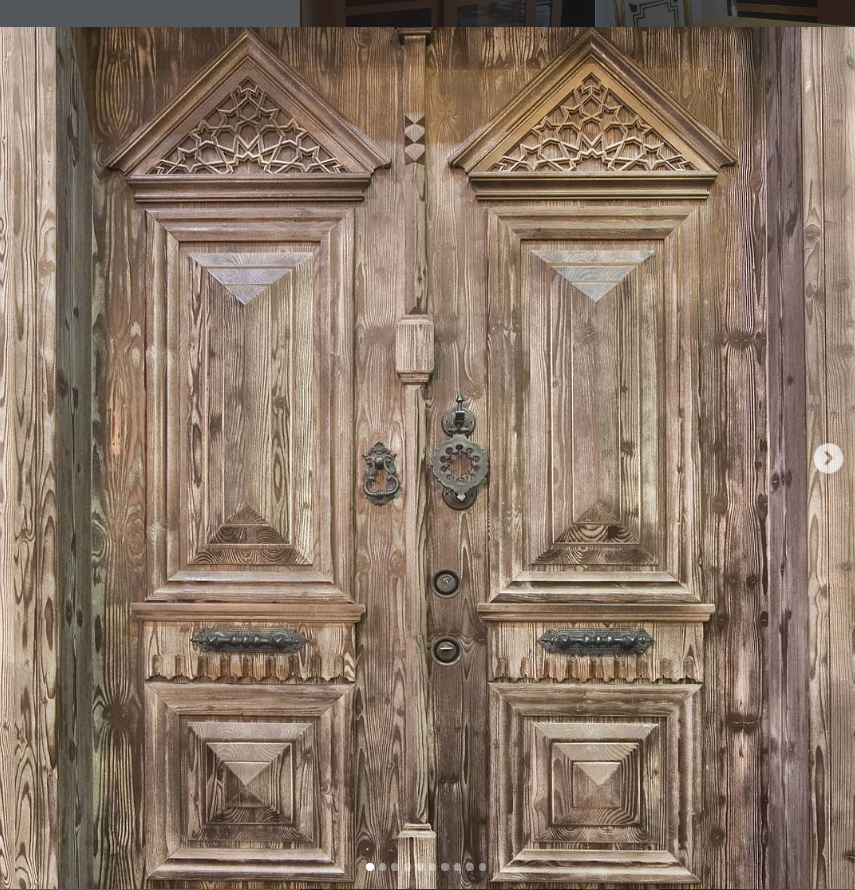
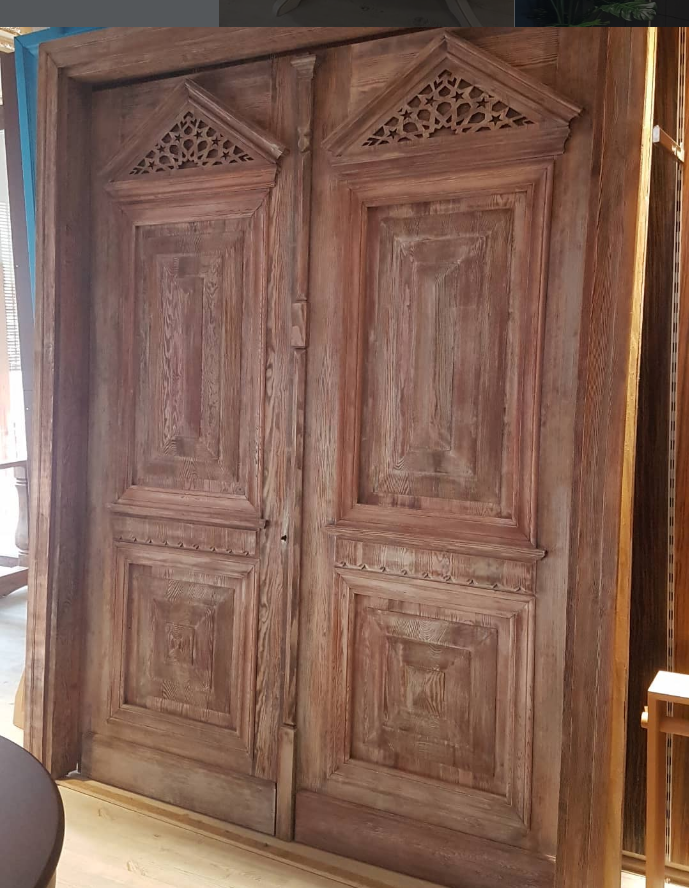
Butik Otel Mobilyaları

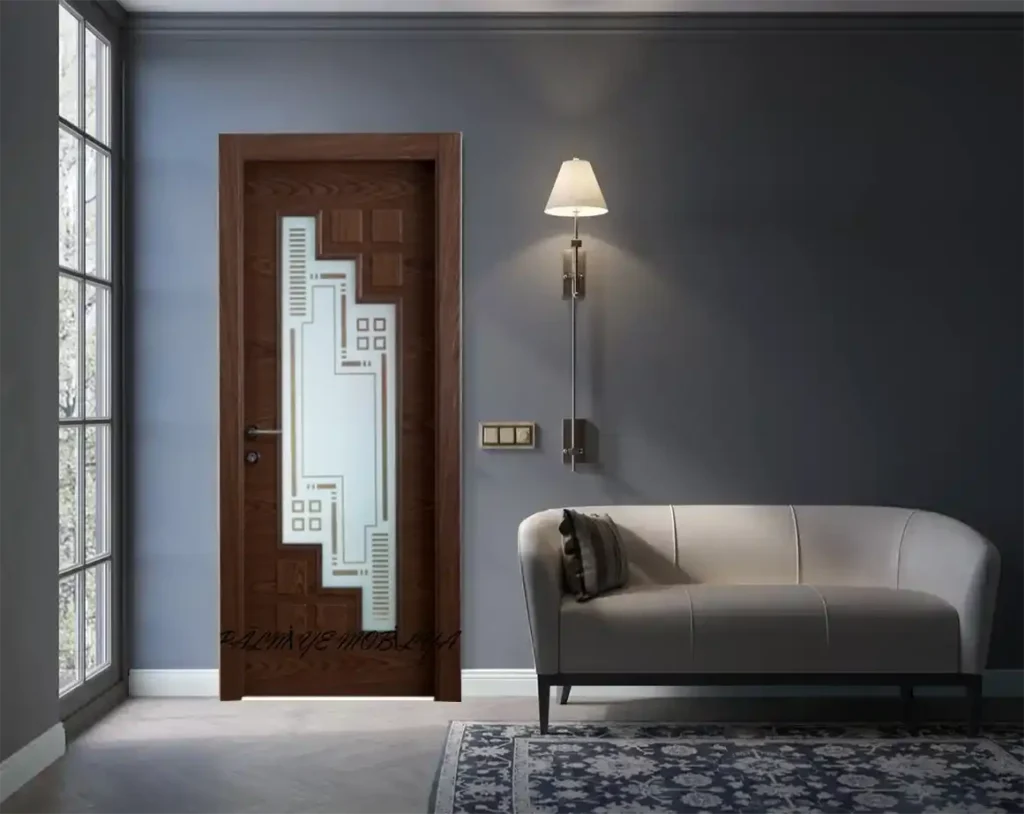




Şunları da sevebilirsiniz

Mass Production Solid Doors
School Doors Turkey