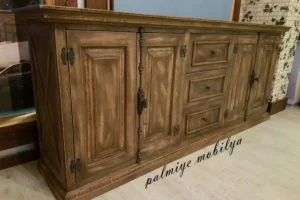

Economic Lacquered Door Manufacturing Turkey
Türkiye is a global leader in high-volume, cost-optimized interior millwork. Here is a technically comprehensive guide to affordable, high-efficiency lacquered door manufacturing, detailed from optimized core engineering to automated mass-finishing protocols.
Economic Lacquered Door Manufacturing Turkey: The Comprehensive Mass-Production and Procurement Guide
The global construction, property development, and wholesale distribution sectors are experiencing a massive surge in demand for budget-friendly yet visually premium interior fixtures. At the center of this market shift is Economic Lacquered Door Manufacturing Turkey. By blending advanced automated mass-production machinery with cost-optimized material configurations and excellent geographic logistics, Turkish factories have established themselves as the premier global suppliers of budget-conscious, high-style internal doors for large-scale residential, commercial, and affordable housing projects worldwide.
This comprehensive technical guide provides an analytical look into the raw materials, lean manufacturing processes, chemical optimization, and logistical efficiency that define Economic Lacquered Door Manufacturing Turkey. We will examine the material science behind affordable, lightweight, warp-resistant door cores, the chemical differences between cost-efficient lacquering formulas, the automated production setups that reduce labor costs, and the structural metrics required to pass international building codes without exceeding tight project budgets.
1. Cost-Optimized Core Engineering and Structural Integrity
The primary challenge in Economic Lacquered Door Manufacturing Turkey is reducing production costs without lowering structural integrity. Standard budget doors often warp or peel, but Turkish manufacturers solve this by using smart engineered wood materials and cost-effective internal stabilization.
Finger-Jointed Structural Pine Framework
The internal skeleton—consisting of the vertical stiles and horizontal rails—forms the perimeter of the door panel. Instead of using expensive, single-piece hardwood lumber, cost-effective manufacturing relies on smart wood engineering.
- The Material: Manufacturers source kiln-dried, affordable softwoods like local Turkish Red Pine (Pinus brutia) or regional spruce. The wood is dried to a stable moisture content of 10% (±2%).
- Defect Purging and Interlocking Jointing: Automated scanning cross-cut saws identify and chop out structural defects like knots and cracks. The remaining clear wood segments are machined with interlocking “finger” profiles at their ends and bonded together using high-strength, cost-efficient D3-grade polyvinyl acetate (PVA) wood adhesives under hydraulic pressure. This process creates a stable internal frame that resists twisting and bowing at a fraction of the cost of solid hardwood timber.
- Reinforced Lock Blocks: To save material while ensuring security, the interior core is kept hollow or lightweight, but solid finger-jointed timber lock blocks are placed on both sides of the frame. This provides a solid anchor point for handles and lock mechanisms.
Standardized Medium Density Fiberboard (MDF) Surface Faces
While luxury doors use expensive, heavy High-Density Fiberboard (HDF), Economic Lacquered Door Manufacturing Turkey utilizes optimized Medium Density Fiberboard (MDF) skins.
- Density Calibration: The MDF sheets used are calibrated to a density of 700 to 750 kg/m³. This provides excellent surface smoothness for painting while keeping the door lightweight and easy to transport.
- Thickness Optimization: For affordable residential developments, face plates are standard 4mm or 6mm thick MDF. This thickness provides enough depth for light decorative grooving while minimizing raw material costs.
Internal Core Configurations: Maximizing Lightweight Performance
The internal core filling defines the weight, insulation, and cost of the finished door. Turkish mass-production facilities utilize two primary budget-friendly core configurations:
- Cellular Honeycomb Core (Paper Honeycomb):
- Constructed from hexagonal cell structures made of recycled kraft paper or cardboard, bonded with phenolic resins.
- Offers an incredibly high strength-to-weight ratio due to its structural geometry, distributing impacts evenly across the door face.
- Minimizes the overall weight of the door panel (typically under 18–22 kg for standard sizes), which dramatically lowers stress on hinges, speeds up installation, and reduces international container shipping costs.
- Tubular Particleboard Core (Lightweight Extruded Core):
- A cost-effective composite core featuring continuous horizontal cylindrical tubes running through compressed wood particles.
- Acts as a step up from honeycomb cores, offering a heavier hand-feel and improved sound dampening (28 dB to 30 dB) for multi-family residential projects without the high cost of solid wood fillings.
2. High-Speed CNC Machining and Component Standardization
A core pillar of Economic Lacquered Door Manufacturing Turkey is high-speed standardization. To keep prices low, production processes rely on highly automated CNC (Computer Numerical Control) machining centers that process door panels in a single pass.
[Raw MDF/Frame Sandwich] ➔ [High-Speed Cold Pressing] ➔ [Automated CNC Sizing] ➔ [Standard Hardware Routing]
High-Speed Cold Pressing Lines
Before machining, the internal frame, core material, and outer MDF faces are assembled on automatic conveyor lines.
- Urea-Formaldehyde Bonding: Cost-effective, fast-curing urea-formaldehyde (UF) or eco-friendlier low-emission adhesives are applied via roller coaters.
- Multi-Daylight Cold Presses: Large hydraulic presses clamp multiple door assemblies simultaneously under high pressure at room temperature. This saves energy compared to heated presses, keeping production costs low while ensuring a reliable, permanent bond.
Automated Sizing and Edge Banding
Once pressed, the raw door blanks move to automated double-end tenoners and edge-milling lines.
- Trimming and Sizing: High-speed blades trim all four edges of the door blank simultaneously to exact dimensions, achieving tight tolerances within 0.1 mm.
- MDF Profile Edge Banding: The raw exposed side profiles of the door are covered with thin MDF edge bands or specialized priming tapes. This seals the porous edges of the internal frame, preparing them for painting and preventing uneven paint absorption.
Standardized Hardware Prepping
Custom hardware preparation adds significant labor costs. In Economic Lacquered Door Manufacturing Turkey, factories use standardized routing profiles to match mass-market hardware:
- Standard Mortise Templates: CNC routing machines are pre-programmed for universal lock cases and standard European 2D/3D adjustable hinges or cost-effective butterfly hinges.
- Pre-Bored Holes: Handle holes and keyways are pre-drilled automatically on the line. This allows construction site installers to mount hardware quickly without extra tools, saving significant labor costs on large development sites.
3. Cost-Efficient Paint Formulations and Smart Chemistry
The type of paint used is a major factor in the final cost of a door. Economic Lacquered Door Manufacturing Turkey relies on specialized chemical formulations that offer a beautiful, smooth appearance while minimizing material costs and drying times.
The Lean Three-to-Four Coat Application System
While high-end doors require up to six or seven layers of manual coatings, mass-market doors utilize an optimized, high-efficiency coating sequence:
| Layer Sequence | Chemical Composition | Thickness (Wet Film) | Primary Functional Purpose |
|---|---|---|---|
| Layer 1: Sealer Coat | Water-borne or PU Pore Filler | 20 – 30 Microns | Seals raw MDF fibers; stops paint absorption. |
| Layer 2: Sanding Primer | High-Solid UV or PU Primer | 50 – 60 Microns | Creates a smooth, uniform surface base. |
| Layer 3: Pigmented Base | Acid-Curing or PU Color Coat | 30 – 40 Microns | Delivers core color density (usually standard white). |
| Layer 4: Matte Topcoat | Cost-Effective Matte Lacquer | 15 – 25 Microns | Provides scratch resistance and final gloss finish. |
Industrial Coating Chemistry Options
Turkish mass-production facilities optimize costs by selecting specialized paint chemistries:
- Acid-Curing (AC) Lacquers: Extremely popular in budget manufacturing. Acid-curing paints cure rapidly through chemical catalysis, creating a hard, durable surface with minimal investment. They offer excellent clarity and scratch resistance at a lower price point than premium polyurethane.
- Industrial Polyurethane (PU) Lacquers: Modified PU coatings are formulated with high-solid content. This allows the paint to cover the surface efficiently in fewer passes, reducing chemical usage while maintaining good flexibility and impact resistance.
- Water-Borne Eco-Coatings: To meet global environmental regulations like LEED and European E1 health standards, high-volume Turkish factories use optimized water-based acrylic lacquers. These lines reduce dangerous chemical emissions and lower disposal costs, keeping operations competitive.
4. Automated Spray Lines and High-Volume UV Curing Ovens
To maximize efficiency, Economic Lacquered Door Manufacturing Turkey replaces manual labor with fully automated, conveyor-driven finishing lines that maximize output while eliminating human error.
Automated Flatbed Reciprocating Spray Systems
Mass production avoids manual spray booths, which are slow and inconsistent. Instead, doors move continuously along flatbed automated spray systems.
- Sensor-Driven Efficiency: Electronic light curtains at the entrance of the spray machine scan the shape and dimensions of each incoming door panel.
- Targeted Application: The internal computer uses this data to control reciprocating spray arms equipped with high-pressure, low-volume (HVLP) guns. The guns turn on and off automatically, spraying paint only where needed. This minimizes overspray and reduces paint waste by up to 30%.
UV (Ultraviolet) Roller and Spray Curing
For massive production runs, the most cost-effective solution is UV-curing technology.
- Instant Polymerization: After the door passes through an automated roller coater or spray system using UV-photoinitiated resins, it travels directly under an array of high-intensity ultraviolet lamps.
- Zero Curing Delay: The UV light triggers an instant chemical reaction that cures the paint film in seconds. This eliminates the need for large, energy-consuming drying rooms or hours of waiting time, allowing completed doors to be stacked and packaged immediately at the end of the line.
Standardized White and Pastel Color Profiles
Color changes require flushing out paint lines, which wastes materials and causes downtime. To maintain maximum efficiency, Economic Lacquered Door Manufacturing Turkey focuses on a standardized color palette:
- The Global Standard (RAL 9003 / RAL 9010 White): Over 80% of budget-friendly lacquered doors are produced in standard shades of clean traffic white or pure white. Keeping these colors running continuously allows factories to buy paint in bulk at lower prices and eliminates machine downtime.
- Matte and Satin Finishes (10% to 30% Gloss Units): High-gloss finishes require labor-intensive manual buffing and polishing. Budget production focuses on elegant matte and satin finishes, which look excellent straight out of the curing oven without any manual touch-ups.
5. Casing, Architrave, and Telescopic Frame Systems
A door cannot be installed without its frame and casing. Economic Lacquered Door Manufacturing Turkey excels at producing complete, ready-to-assemble (RTA) door kits that simplify installation and save time on-site.
[Wall Opening] ➔ [Adjustable MDF Telescopic Frame] ➔ [Click-Fit Architrave] ➔ [Pre-Hung Door Leaf]
Engineered Wrap-Around Telescopic Frames
Walls on construction sites vary in thickness, which can make installing standard doors difficult. Turkish manufacturers developed adjustable telescopic frame systems to solve this issue.
- The Material Base: Frames are made from economical, moisture-resistant Sandwich MDF or combined MDF-wood panels, which provide strong screw-holding power.
- Adjustable Grooves: The frame features an integrated groove that allows the architrave (casing) to slide in and out by 20mm to 50mm. This design accommodates variations in wall thickness without the need for custom cutting or nailing on-site.
Pre-Hung and Click-Fit Component Simplification
To lower labor costs during final building installation, Turkish factories provide pre-hung or completely prepared door kits:
- Pre-Cut Miters: Architraves are precision-cut at 45-degree angles directly at the factory.
- Rubber Acoustic Gaskets: Cellular EPDM or TPE rubber gaskets are pre-installed into a groove on the door frame. This provides smooth, quiet door closing and basic sound isolation without requiring extra labor on the construction site.
6. Global Procurement, Container Optimization, and Logistics
The true cost of an imported door includes ocean freight, customs clearance, and local handling. Economic Lacquered Door Manufacturing Turkey leverages the country’s strategic location and advanced logistics packaging to optimize shipping costs.
High-Density Container Loading Techniques
To minimize shipping costs per unit, Turkish export teams optimize packaging dimensions for standard 40-foot High Cube (40′ HC) sea containers.
- Palletized Knock-Down (KD) Packaging: Door leaves are stacked flat on reinforced wooden pallets, while frames and architraves are packed compactly in separate cardboard boxes to maximize space.
- Volumetric Maximization: A single 40′ HC container can fit roughly 400 to 500 complete door sets (including leaves, frames, and casings) when packed efficiently. This significantly reduces the shipping cost per door, keeping landed costs highly competitive in international markets.
Protective Packaging for Volume Transit
Even budget-friendly products require adequate protection to prevent damage during long journeys:
- Interleaving Sheets: Thin foam or PE sheets are placed between door leaves to prevent friction and surface scratches.
- Corrugated Corner Guards: Thick cardboard caps protect all four corners from impact during forklift handling.
- Shrink-Wrap Sealing: The entire pallet bundle is securely wrapped in stretch film to block moisture and dust during transit and warehousing.
Strategic Trade Pathways and Certifications
Turkish manufacturing centers like Istanbul, Bursa, Izmir, and Kayseri offer direct access to major international trade routes:
- Fast Shipping Times: Containers from Turkish ports can reach European markets in 3–7 days via road or short-sea shipping, and North American or Middle Eastern markets in 14–21 days.
- Regulatory Compliance: High-volume factories maintain key certifications including ISO 9001 (Quality Management), CE Marks, and E1 Formaldehyde Compliance, ensuring products meet international building regulations.
Conclusion: Maximizing ROI with Turkish Mass-Production Partners
Choosing Economic Lacquered Door Manufacturing Turkey allows international property developers, wholesale distributors, and procurement managers to source beautiful, modern interior doors at highly competitive prices. By utilizing automated manufacturing lines, standardized materials, and smart shipping packaging, Turkish factories provide high-volume solutions that help global buyers complete large projects on time and within budget.
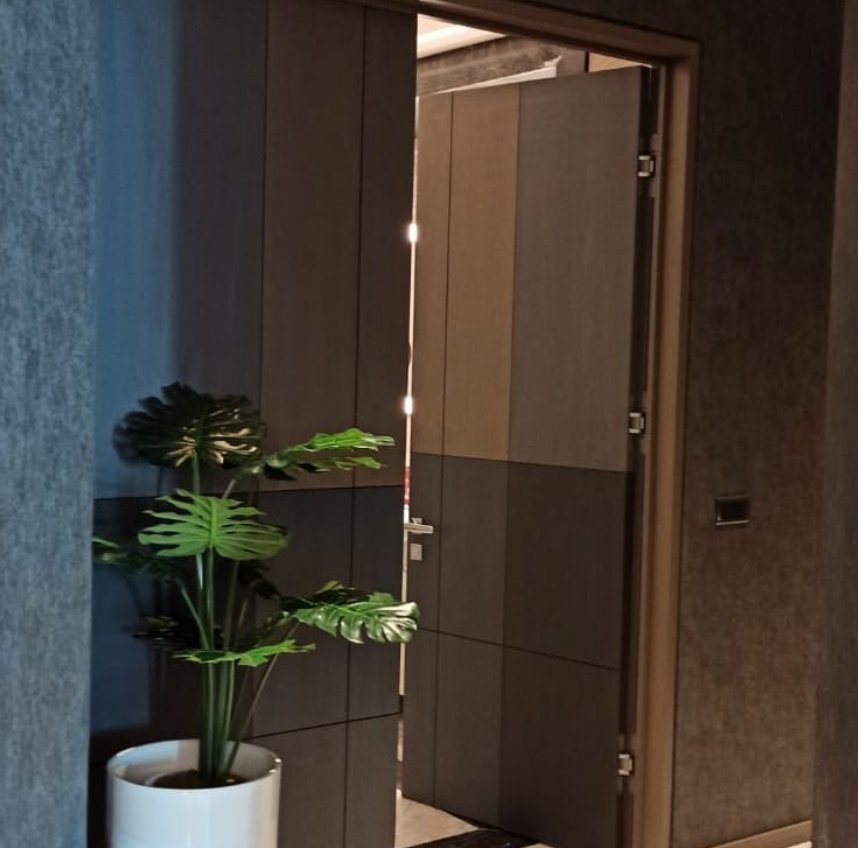
Butik Otel Mobilyaları
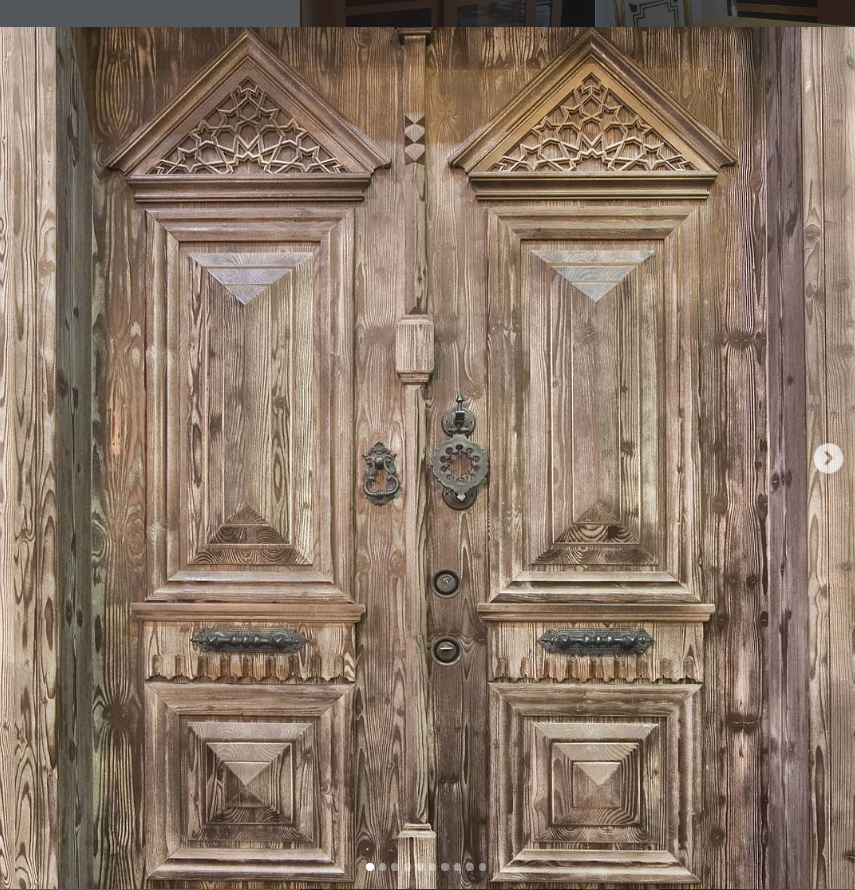
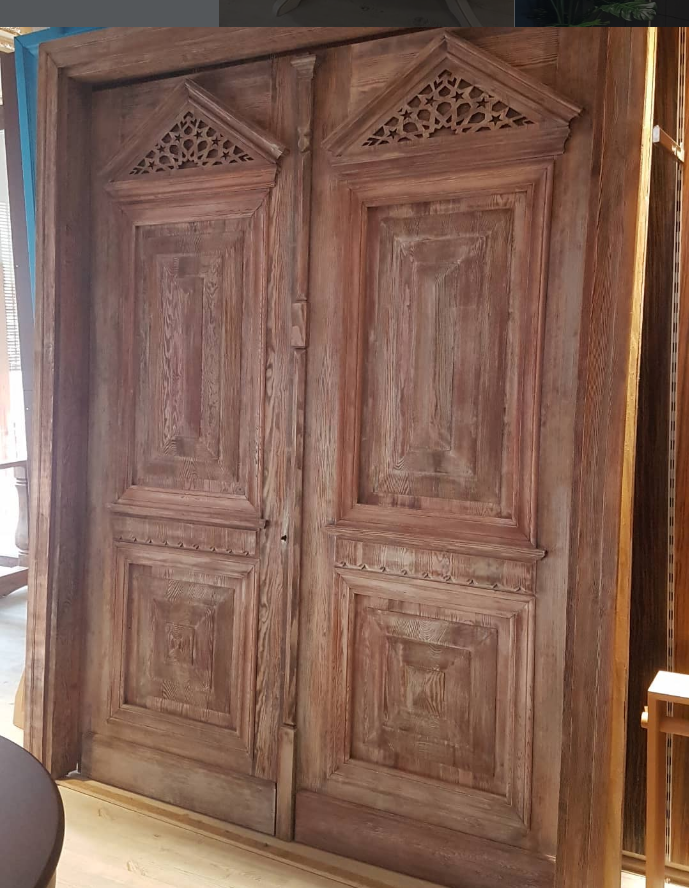
Butik Otel Mobilyaları

Etiket:Hornbeam Wood Doors Turkey, Mass Production Solid Doors, Mass Production Solid Furniture, Mass Production Wood Doors, Natural Wood Doors Turkey, School And Dormitory Furniture Turkey, School Doors Turkey, Solid Door Factory Turkey, Solid Furniture Turkey, Solid Wood Consoles Turkey, Solid Wood Furniture Production Turkey, Solid Wood Hotel Furniture Turkey, Solid Wood TV Units Turkey, Walnut Wood Doors Turkey, Wood Chairs Turkey, Wood Veneered Doors Turkey, Wood Window Manufacturing Turkey, Wood Window Production Turkey

Şunları da sevebilirsiniz
Mass Production Solid Furniture

Solid Wood Furniture Production Turkey