
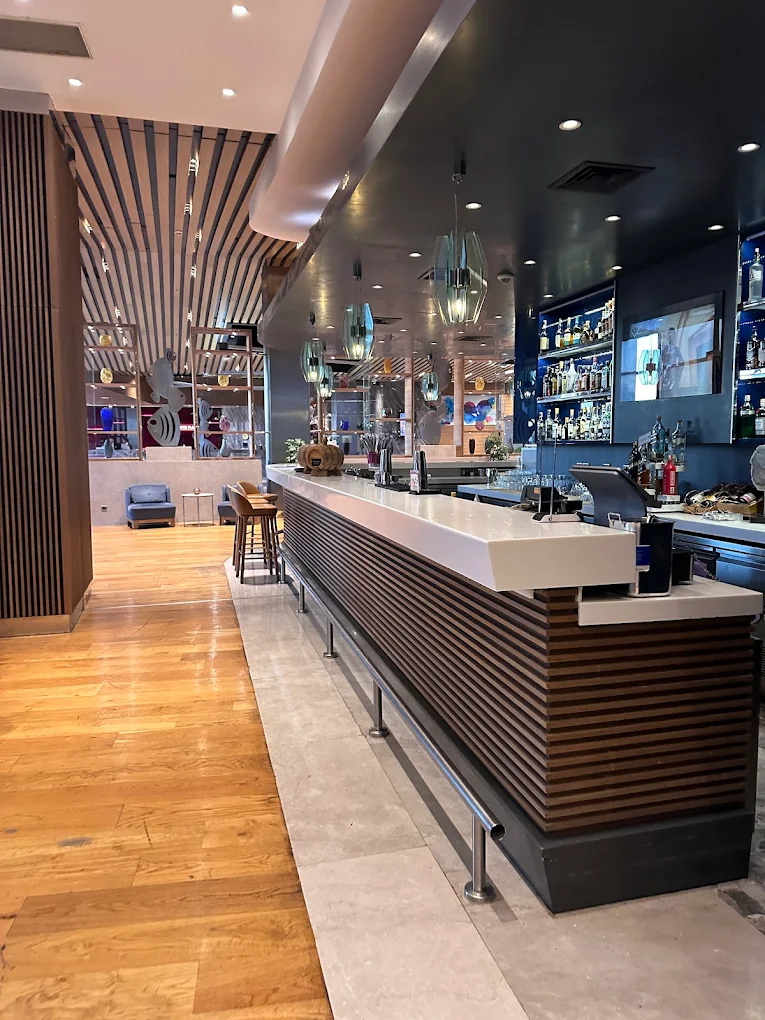
Fire-Rated Hotel Furniture Turkey
Fire-Rated Hotel Furniture Turkey: The Definitive B2B Engineering, Compliance, and Sourcing Guide
In the global hospitality development sector, procurement infrastructure is increasingly dictated by strict life-safety codes and fire mitigation mandates. Hotel guestrooms, high-occupancy corridors, and public atriums function as complex operational environments where every piece of loose furniture and built-in millwork acts as a potential fuel vector during a structural fire event. Civil defense authorities, institutional hotel property developers, asset managers, and international architectural groups no longer view interior decoration as a superficial layer of property styling. Instead, they treat interior assets as highly engineered, technically compliant capital components. Sourcing these components requires an uncompromising convergence of international flammability certifications, advanced chemical engineering substrates, and rigorous third-party validation testing.
When global project stakeholders evaluate supply chains to maintain absolute structural compliance with international fire safety directives while optimizing their capital expenditures, Fire-Rated Hotel Furniture Turkey emerges as the premier framework for global B2B procurement. Turkey’s advanced contract manufacturing ecosystem has evolved into a premier international destination for specialized, fire-retardant hospitality interior architecture. This comprehensive industrial guide provides an exhaustive engineering breakdown of material classifications, combustion chemistry, life-safety compliance matrices, value-engineering protocols, and turnkey project lifecycles that govern the production of certified fire-safe hotel interior furniture in Turkey.
1. The Strategic Imperative of Fire-Rated Hotel Furniture Turkey Sourcing
The rise of Turkey as a tier-one international epicenter for specialized architectural joinery and bulk contract furniture is driven by systemic industrial scaling, major capital investments in plant automation, and close alignment with global life-safety standards. Sourcing Fire-Rated Hotel Furniture Turkey components provides global property developers with a unique commercial channel that bridges the gap between computerized engineering precision and strict regulatory compliance.
+-----------------------------------------------------------------------------------+

|                        THE SAFETY PROCUREMENT TRIFECTA                            |
+-----------------------------------------------------------------------------------+

|                                                                                   |
|      [ EUROPEAN FLAMMABILITY CODES ] <───► [ AUTOMATED PROCESSING ]               |
|                                      ▲                                            |
|                                      │                                            |
|                                      ▼                                            |
|                     [ FISCAL SUPPLY CHAIN OPTIMIZATION ]                          |
|                                                                                   |
+-----------------------------------------------------------------------------------+
The Industrial-Compliance Hybrid Model
A major competitive advantage of the Turkish contract furniture market is its vertically integrated manufacturing structure. Leading contract factories do not topically treat pre-made residential furniture to meet flammability specs. Instead, they engineer the furniture from the chemical substrate upward. Advanced factories feature dedicated design engineering offices that utilize parametric 3D modeling systems (such as SolidWorks and TopSolid) to structurally decompose interior renderings into production-ready blueprints. This process ensures that internal wire pathways, hardware pockets, and composite core boundaries are pre-engineered to restrict flame travel and eliminate toxic gas pockets.
Strategic Logistical Corridors and Trade Customs
Geographically positioned at the absolute crossroads of Europe, the Middle East, Africa, and Central Asia, Turkey provides substantial distribution and shipping advantages for complex commercial hospitality developments:
- Overland Road Freight Connectivity: Direct overland trucking fleets connect primary industrial zones directly to European job sites within 4 to 7 business days, bypassing the unpredictable maritime port congestion and container delays common in alternative shipping corridors.
- Deep-Water Maritime Infrastructure: Marine container ports including Ambarlı (İstanbul), Gemlik (Bursa), and Mersin offer regular, direct roll-on/roll-off (Ro-Ro) and container liner services to North America, the GCC region, and North Africa within 10 to 16 days.
- Customs Union Integration: Turkey’s long-standing Customs Union agreement with the European Union eliminates tariff barriers for industrial goods, streamlining international customs clearance and reducing compliance friction for high-volume B2B contract transactions under the Fire-Rated Hotel Furniture Turkey procurement banner.
2. Definitive Manufacturing Clusters and Sourcing Hubs
The contract furniture, specialized structural hardware, and architectural millwork sector in Turkey is strictly organized into highly specialized regional industrial clusters. Each hub operates with its own distinct industrial logic, material supply lines, and production focus, which helps sourcing teams select the ideal partners when evaluating the Fire-Rated Hotel Furniture Turkey landscape.
İstanbul Cluster (Modoko, Masko, and İkitelli OSB)
İstanbul functions as the engineering, international design coordination, and premium turnkey project management center for the fire-rated contract furniture sector.
- Technical Specialty: Facilities within İstanbul specialize in complex, contemporary mixed-media furniture designs. They excel at engineering commercial components that integrate diverse fire-safe materials, such as combining structural steel and aluminum framing with calibrated fire-retardant stone claddings, low-iron tempered fluted glass panels, and integrated low-voltage LED lighting arrays into custom Fire-Rated Hotel Furniture Turkey specifications.
- Project Profile: The primary hub for international architectural coordination, luxury five-star turnkey bidding, lifestyle hotels, grand boutique suites, and properties requiring detailed engineering submittals, parametric decomposition, and extensive physical prototyping of bespoke public-zone showpieces before mass rollout.
Bursa Cluster (İnegöl Organized Industrial Zone)
İnegöl operates as the absolute heart of automated volume manufacturing, panel processing, and carcass replication for high-volume Fire-Rated Hotel Furniture Turkey procurement campaigns.
- Technical Specialty: Factories here feature multi-million dollar automated panel processing lines, computer-controlled sizing centers, continuous UV-curing finishing tunnels, robotic welding cells, and high-speed automatic edge-banders with laser-activation lines designed to process flame-retardant boards.
- Project Profile: The optimal hub for mid-to-high-volume production schedules, serving large-scale select-service hotel chains, corporate business hotels, and extensive holiday resort layouts requiring precise dimensional uniformity and rapid turnaround times for hundreds of identical guestroom wardrobes, headboards, desks, and nightstands.
Ankara Cluster (Siteler District)
Siteler represents the historic core of master woodcraft, traditional joinery, and premium artisanal carpentry in Turkey.
- Technical Specialty: While alternative hubs prioritize high-volume automation, Siteler maintains an unmatched concentration of master craftsmen specializing in solid wood manipulation, complex wood turnings, hand-carving, marquetry, parquetry, and specialized flame-retardant topical chemistry applications.
- Project Profile: The definitive choice for heritage hotel restorations, traditional luxury properties, presidential suites, and high-concept public zones requiring unique solid wood statement pieces that satisfy localized civil defense flammability codes.
3. Materials Science: Substrates, Core Panels, and Wood Stabilization
The architectural longevity and safety profile of any contract hospitality installation depend fundamentally on the properties of its underlying core panel substrates. Sourcing Fire-Rated Hotel Furniture Turkey programs requires a deep analytical look at the internal structural materials used. The country’s tier-one exporters build case goods and built-in millwork using structural-grade substrates engineered to restrict flame propagation, minimize smoke density, and maintain extreme dimensional stability under high physical stress.
Fire-Retardant Medium Density Fiberboard (FR-MDF)
The definitive baseline core substrate for standard hotel guestroom case goods—such as wardrobes, wall-mounted headboard panels, media consoles, and nightstands—is high-density Fire-Retardant Medium Density Fiberboard (FR-MDF). These specialized panels are engineered by compounding refined wood fibers with non-halogenated organic phosphorus-nitrogen flame-retardant compounds integrated directly into the resin slurry during continuous panel pressing lines. Sourcing frameworks under the banner of Fire-Rated Hotel Furniture Turkey mandate strict alignment with the European EN 13501-1 classification framework:
- Euroclass B-s1, d0 Compliance: Panels must secure a third-party laboratory rating of B-s1, d0.
- Metric Variables: This classification establishes that the panel core demonstrates very limited contribution to fire development (Class B), releases negligible or low smoke density values during thermal decomposition (s1), and produces absolutely zero flaming droplets or particles within the testing chamber (d0).
- Physical Density Baselines: The structural density threshold for contract-grade FR-MDF is strictly regulated between 750 kg/m³ and 820 kg/m³, providing high mechanical shear strength and an exceptionally high screw-holding capacity (validated at ≥ 1250 N according to the EN 320 perpendicular pull test).
Fire-Rated Multi-Ply Marine Plywood Systems
For high-stress architectural zones exposed to elevated dead-weight metrics and high moisture indicators—including under-counter mini-bar casings, wet bathroom vanity structures, luggage credenza platforms, and heavy safe-deposit support boxes—the technical specifications dictate the utilization of fire-rated multi-ply marine plywood. Constructed from premium cross-laminated hardwood veneers bonded with phenolic or polyurethane-based waterproof resins, these sheets conform with EN 314-2 Class 3 structural exterior bonding standards.
To satisfy fire-rated metrics, the raw plies undergo pressurized deep-vacuum autoclave impregnation with mineral fire-retardant salts before final resin pressing. This chemical stabilization transforms the cellular structure of the timber, turning the composite board into a fire-retardant barrier that complies with EN 13501-1 Class B or C mandates while preventing internal core delamination or structural panel warping.
Low-Formaldehyde and Indoor Air Quality (IAQ) Compliance
Because hotel case goods, wardrobes, and drawers remain tightly sealed for long intervals during vacant room periods, core panels can accumulate volatile toxic gases if unrated binders are used. To safeguard guest health and secure property compliance with sustainable global building certifications like LEED and BREEAM, all fire-rated wood composites processed within Turkey must satisfy strict low-formaldehyde emission limits:
- E1 and E0 Conformity: Panels are certified through accredited third-party laboratories according to the EN 717-1 chamber emission test protocol.
- Technical Metrics: E1 panels restrict formaldehyde off-gassing to ≤ 0.124 mg/m³ (equivalent to ≤ 0.1 ppm), while premium E0 / F**** variants limit emissions to negligible levels below 0.03 mg/m³. This environmental safety profile prevents chemical odor accumulation within guestroom envelopes.
4. Flammability Engineering of Textiles, Foams, and Cushions
While the permanent architectural case goods provide the spatial layout of the room, loose soft furnishings—including lounge armchairs, barstools, bedding divans, desk chairs, and upholstered wall panels—represent the highest risk for fuel load and smoke generation during a fire. Consequently, leading producers of Fire-Rated Hotel Furniture Turkey packages utilize advanced materials science to configure complex soft upholstery composites.
+-------------------------------------------------------------------------------+

|                       TECHNICAL SOFT UPHOLSTERY MATRIX                        |
+-------------------------------------------------------------------------------+

|                                                                               |
|  [ INHERENT FABRIC FACE ] ──► Trevira CS Yarn (Zero Chemical Back-Coatings)   |
|  [ FIRE CALICO LINER ]   ──► Woven Glass-Fiber Barrier (Stops Heat Transfer)  |
|  [ CMHR FOAM CORE ]       ──► Polyurethane Matrix with Mineral Retardants     |
|                                                                               |
+-------------------------------------------------------------------------------+
Combustion Modified High Resilient (CMHR) Polyurethane Foams
Standard high-resiliency residential polyurethane foam is highly flammable and acts as an accelerated combustion driver that releases toxic carbon monoxide and hydrogen cyanide gases during thermal degradation. Contract-grade Fire-Rated Hotel Furniture Turkey programs eliminate this risk by utilizing specialized Combustion Modified High Resilient (CMHR) polyurethane foam matrices for all cushioning cores, structural padding, and bedding divans.
- Chemical Architecture: During the liquid chemical polymerization process, the polyol and isocyanate blend is embedded with active mineral fire retardants—such as liquid phosphorus compounds, expandable graphite flakes, or non-toxic aluminum trihydrate.
- Thermal Performance: The structural density baseline for contract-grade CMHR seating foam is strictly regulated between 38 kg/m³ and 48 kg/m³. When exposed to localized high-temperature flame vectors, these encapsulated mineral additives instantly decompose to release non-combustible water vapor and nitrogen gases. This endothermic reaction dilutes oxygen along the burning interface, creating an immediate carbonaceous char layer that insulates the underlying foam core, drops heat release rates, and stops progressive flame travel.
Inherently Flame-Retardant Performance Textiles
Exposed upholstery fabrics, acoustic wall panels, and structural draperies processed within Istanbul and İnegöl textile facilities leverage advanced polymer engineering. Instead of topically coating standard commercial fabrics with flame-retardant chemicals (which can wear off, peel, or leach out during regular dry cleaning and intensive chemical steam sanitizing), specifications mandate the utilization of inherently flame-retardant synthetic polymer yarns, such as modified polyester fibers with organophosphorus compounds embedded directly into the molecular backbone (Trevira CS yarn bases). Sourcing these technical fabrics ensures that the fire safety profile remains intact throughout the lifetime of the hospitality asset.
Global Flammability Certification Mapping
Contract components deployed within high-occupancy commercial hospitality projects must hold official, traceable independent testing house documentation validating performance criteria across major regional regulatory markets:
| Global Fire Safety Code | Applied Testing Methodology & Ignition Source | Target Performance Criteria & Compliance Verification | Primary Destination Markets |
|---|---|---|---|
| BS 5852 (Crib 5) | Destruction testing of upholstery composites using a calibrated wooden crib structure ignited with pure isopropyl alcohol. | Progressive smoldering or flaming mass must self-extinguish completely within 10 minutes; weight loss restricted. | United Kingdom, Ireland, Middle East, GCC |
| CAL TB 117-2013 | Smolder resistance testing of component layers (fabrics, foams, interliners) using a lit cigarette ignition source. | Char length on the test sample must remain strictly ≤ 45mm; zero progressive smoldering allowed. | North America, Global Chain Operators |
| EN 1021-1 & 2 | Assessing composite components against a smoldering cigarette (Part 1) and a match-flame equivalent gas burner (Part 2). | Test sample must display zero progressive smoldering or flaming ignition after ignition sources are removed. | Continental Europe, Africa, Central Asia |
5. Chemical Surface Finishes and Performance Topcoats
The natural wood veneers and solid hardwood frames deployed in high-wear public hotel spaces require premium protective finishes to resist scratching from guest keys, laptop cases, boiling liquids, hot coffee mugs, and continuous contact with alcohol-based hospitality cleaning agents. To maintain pristine aesthetics without creating a fire hazard, surface topcoats must form an flame-retardant chemical barrier.
Intumescent and Flame-Retardant Clearconversion Varnishes
Standard, low-cost lacquer finishes utilize highly flammable nitrocellulose or standard polyurethane compounds that accelerate flame spread along wood panels. Factories delivering certified Fire-Rated Hotel Furniture Turkey packages utilize advanced, multi-layered coats of premium, European-formulated intumescent clearconversion varnishes or two-pack acrylic polyurethanes. These performance topcoats contain active carbon-donor compounds and non-toxic foaming agents that react chemically when exposed to temperatures exceeding 180°C.
- The Intumescent Chemical Reaction: The clear coat swells endothermically to form a dense, stable carbonaceous foam barrier that expands up to 50 times its dry film thickness. This protective foam shield cuts off oxygen from the underlying wood veneer, blocks thermal energy transfer, and keeps the structural substrate below its auto-ignition temperature.
- Chemical Cleanability Performance: These finishes must pass rigorous certification according to the EN 12720 chemical resistance test protocol. This testing ensures that continuous 16-hour contact with aggressive testing agents—including 96% pure ethanol, surface disinfectants, citric fruit acids, hot cooking oils, and alkaline detergents—produces zero surface etching, gloss variations, micro-blistering, or permanent clouding stains, enabling rapid room turnover sequences without surface degradation.
6. Mechanical Engineering and Technical Component Integration
A high-performance contract wardrobe, desk console, or entry panel setup is more than a collection of timber boards; it functions as a highly complex operational engine, a structural data hub, and an active acoustic interface within the guestroom layout.
Mechanical Joinery Architecture and Fastener Engineering
Because fire-rated engineered panels behave differently under extreme physical stress than mass timbers, joinery interfaces must be designed to withstand high loading forces.
- System 32 Cam and Dowel Joinery: Case goods built under the umbrella of contract Fire-Rated Hotel Furniture Turkey programs leverage precision-machined System 32 hole configurations drilled via multi-axis automated CNC lines. Connecting points avoid basic nails or wood screws; instead, they use heavy-duty zinc-alloy cam lock fasteners paired with steel dowels. This allows for clean, rigid, right-angle panel joints that can withstand extreme vertical force without shearing.
- DIN EN 204 D4 Grade Adhesives: Load-bearing mortise-and-tenon structural junctions are locked using industrial cross-linking polyurethane adhesives that conform to the DIN EN 204 D4 Grade waterproof standard, ensuring the structural assembly cannot delaminate or pull apart under intensive cyclic fatigue over years of daily guest operations.
High-Performance Moveable Slide and Hinge Hardware
The mechanical operational lifecycles of doors and drawers are defined by the cycle ratings of their internal hardware fittings. Top-tier Turkish manufacturers select institutional-grade, all-steel concealed functional hardware:
- Concealed Drawer Slides: All guestroom drawer configurations utilize heavy-duty, undermount full-extension concealed drawer slide rails certified according to the DIN EN 15338 Level 3 standard, validating continuous performance over 100,000 opening and closing cycles under a persistent dead-weight load profile of 40 kg to 60 kg. Slides incorporate synchronized steel roller tracks and integrated liquid-fluid hydraulic soft-close dampers to neutralize slam impact forces.
- Concealed Institutional Hinges: Hinged closet doors are equipped with all-steel concealed clip-on hinges conforming with the DIN EN 15570 Level 3 benchmark, requiring engineering validation over 80,000 to 100,000 operational movements under an unbalanced door torque weight. The hinges feature a 3-dimensional eccentric adjustment matrix, allowing field installation crews to fine-tune door panel clearances along horizontal, vertical, and depth axes with an accuracy of ±2.0mm, preserving straight shadow lines.
Low-Voltage Technology Raceways and MEP Integration
Modern hotel furniture assets function as active data and power distribution nodes within the guestroom envelope. Headboards, media desks, nightstands, and refreshment counters manufactured by elite Fire-Rated Hotel Furniture Turkey suppliers feature hidden, pre-milled CNC internal cable raceways and drop-in low-voltage service access boxes.
[Main Wall MEP Feed Terminal]
             │
             ▼ (Shielded Steel Conduit Raceway)
[Rear Structural Channel of Headboard Panel]
             │
             ├─► [Left/Right Floating Nightstands] ──► USB-C / International Sockets
             │
             └─► [Recessed LED Light Extrusions]   ──► 24V COB Constant-Current Driver
Internal wire-management tracks are lined with flexible, non-combustible steel conduit shielding, keeping high-voltage alternating current (AC) power lines separated from low-voltage direct current (DC) data lines according to IEC 61084 regulations. This separation prevents electromagnetic interference across smart room automation networks. Nightstand and workspace desk fields include pre-machined cutouts to accept flush-mounted flip-up connectivity hubs, grouping universal international power outlets, rapid USB-C fast-charging ports, and smart digital automation panels seamlessly into the millwork.
7. Comprehensive Spatial Adaptation by Functional Hotel Zone
The structural engineering, flammability constraints, and material selection of hospitality interior assets change depending on their intended zone within the property, matching the distinct structural codes of varying operational environments.
Public Lobby Areas, Atriums, and Elevator Corridors
Lobby public spaces, CIP reception lounges, and escape corridors experience continuous, high-volume foot traffic and severe impact risks from rolling luggage carts, heavy suitcases, and cleaning machinery. Sourcing strategies for Fire-Rated Hotel Furniture Turkey public packages focus heavily on maximizing structural density and minimizing smoke development factors.
- Internal Structural Skeletons: High-back communal sofas, focal reception desks, and concierge counters are built over a structural framework consisting of heavy-gauge, anti-corrosive galvanized structural steel hollow box profiles (such as 40x40mm sections with wall thicknesses of 2.0mm to 3.0mm). This steel core carries the heavy dead loads of natural marble claddings or quartz surfaces without lateral sagging.
- Base Protection Armor: To protect built-in millwork bases from damage caused by commercial floor-mopping machines or baggage carts, plinths and lower gables are protectively clad with flush-mounted brushed stainless steel or brass kick-plates.
- Wall Paneling Cleat Mounting Systems: Oversized architectural backdrop wall panels are secured to the masonry structure using heavy-duty aluminum or galvanized steel Z-bars pre-fixed to the rear of the millwork. This layout allows installation crews to hook panels onto the wall structure with exact alignment and zero visible hardware fasteners, maintaining a completely clean finish while integrating hidden expansion joints to handle architectural movements.
Private Guestrooms and Luxury Executive Suites
Guestroom interior assets prioritize acoustic containment, compact ergonomics, and seamless low-voltage power distribution while satisfying the domestic flammability profiles mapped in local civil defense codes.
- Acoustic Edge Buffering: Wardrobe door edges and drawer faces incorporate continuous perimeter recess channels fitted with co-extruded silicone or santoprene compression acoustic isolation gaskets. This structural buffering dampens vibration impacts and forms an airtight perimeter air seal when doors are closed, lowering room noise transfer by 3 dB to 6 dB across guestroom partitions.
- Mini-Bar Thermal Exhaust Management: Cabinetry enclosures designed to house mini-bar refrigerators are engineered with hidden lower ventilation slots and rear exhaust vents. This configuration pulls away operational heat from the compressor, preventing thermal degradation of the cabinetry’s protective varnishes and reducing appliance energy consumption.
Food and Beverage (F&B) Outlets and All-Day Dining Halls
Restaurant furniture must balance premium styling with absolute cleanability and flame-retardant containment properties.
- Table Pedestal Stability: Dining tables feature heavy-duty cast iron or steel pedestal bases coated with durable matte powder finishes. Bases incorporate integrated adjustable nylon floor glides to eliminate rocking on uneven tiling or parquet flooring, protecting the underlying flooring from scratches.
- Hydrophobic Fabric Nanocoatings: Restaurant seating upholstery is treated with hydrophobic and antimicrobial nanotechnology. This performance skin causes liquids like red wine, oils, juice, and hot coffee to bead on the fabric surface for immediate removal, preventing stains from soaking into the underlying CMHR foam core and maintaining pristine hygiene standards.
8. Value-Engineering Methodologies for Project Cost Optimization
A primary competency of contract suppliers managing a project’s Fire-Rated Hotel Furniture Turkey framework is value engineering—the process of optimizing manufacturing costs, material utilization yields, and structural shipping weights without altering the interior designer’s visual intent or lowering international fire and environmental compliance thresholds. Sourcing directors use these engineering automotive strategies to optimize project expenditure lines across large property rollouts.
1. Balanced Core Veneer Engineering vs. Mass Timber Lots
Specifying thick solid hardwoods for large wardrobe panels, vertical partitions, and expansive desktop faces introduces high raw timber purchase costs and structural risks from environmental shifting.
- Substrate Composition: Turkish contract engineers solve this material challenge by applying thin natural wood veneers (calibrated between 1.2mm and 2.0mm) faced over high-density, warp-resistant Fire-Retardant MDF panels.
- Balancing Architecture: To ensure long-term panel stability, the reverse side of the core substrate panel is pressed with an identical counter-veneer balancing sheet of similar species, grain configuration, and thickness. This balanced panel construction neutralizes structural pulling tension during changing humidity cycles. Sourcing these engineered veneer panel blocks delivers the precise look, texture, and feel of solid wood while lowering raw core costs by 30% to 50% across a 200-key hotel rollout.
2. Aluminum Honeycomb Core Stone Slabs vs. Mass Natural Slabs
Large lobby tables, buffet island fields, and transaction counters specify premium natural marble, granite, or quartzite slabs. However, mass natural stone slabs with thicknesses of 20mm to 30mm introduce extreme dead-weight loads, transport handling fragility, and fracture risks along hidden fissures.
- Honeycomb Matrix Core Bonding: Turkish stone fabrication cells resolve this dead-weight challenge by slicing the natural stone face to a slim profile thickness of just 5mm to 8mm using automated multi-axis diamond wire-saws. This stone face is bonded with high-performance epoxy resins onto a structural lightweight aluminum honeycomb matrix core panel backed by marine plywood.
- The Structural Benefit: This multi-layer composite board reduces total tabletop mass weight by 60% to 75% while increasing flexural shock resistance. This engineering optimization eliminates the need for heavy structural reinforcement steel support frames beneath the table, reducing ex-factory manufacturing costs and international sea container freight handling weights.
9. The Turnkey B2B Procurement Lifecycle and Quality Control Protocols
Procuring specialized hospitality packages through contract manufacturing partners in Turkey follows a structured project management pipeline to ensure absolute material compliance, structural alignment with local general contractors, and cost predictability.
[Phase 1: Tender Optimization] ──► [Phase 2: The Mock-Up Room] ──► [Phase 3: Production & QA]
                                                                                  │
[Phase 5: Site Installation] ◄── [Phase 4: Export Packaging & Logistics] ◄────────┘
Phase 1: BOQ Technical Submittal and Code Audit
The project lifecycle starts with the submission of the designer’s conceptual Interior Design pack and the matched Bill of Quantities (BOQ). Sourcing teams work with the factory’s technical project management office (PMO) to audit the specifications against active structural testing sheets. The PMO then issues comprehensive submittal packages including parametric CAD drawings, hardware coordination templates, and raw material cross-sections for signed approval by the client’s lead architect before manufacturing release.
Phase 2: The Mock-Up Room Validation (The Acid Test)
Before green-lighting volume production for hundreds of keys, the factory manufactures a complete prototype set for a physical mock-up room validation check. Sourcing directors, brand hoteliers, and interior designers travel directly to the factory showroom floor or the construction site to evaluate real-world ergonomics, hardware closing force vectors, foam cushion resilience, and electrical clearance alignments under actual lighting conditions. Any required modifications are documented and locked into the manufacturing software before launching automated volume production lines for the specified Fire-Rated Hotel Furniture Turkey rollout.
Phase 3: Automated Volume Fabrication and In-Line Quality Auditing
Once the mock-up phase is signed off, the parametric digital cutting profiles are released directly to the factory floor’s multi-axis CNC routers, ensuring every component across the entire production run falls within exact geometric tolerances of ±0.5mm. Quality assurance inspectors audit products at three distinct production stages:
- White-Wood Inspection: Checking structural wood moisture content levels, double-dowelled joint tight fits, steel skeletal profile weld cross-sections, and hidden wire raceway clearances before any finishes are applied.
- Finishing Line Inspection: Assessing dry-film coating thickness, edge grain coverage profiles, intumescent varnish consistency, and face scratch resistance under controlled D65 light booths.
- Final Assembly Inspection: Testing hardware closing dampening forces, drawer line adjustments, biometric safe lock electronics, and low-voltage electrical circuit continuity.
Phase 4: Global Export Packaging and Protective Crating
Hospitality furniture items feature non-standard geometries, cantilevered weight spans, and delicate stone or glass panels that require robust packaging for long-distance transit. Sourcing specifications mandate a multi-layered protective envelope:
- Surface Protection Wrap: All polished wood and lacquer faces are coated with heavy-duty peelable protective films, enclosed in high-density polyethylene foam sleeves, and fitted with reinforced corner guards.
- Crating Architecture: Complete case good panels are flat-packed inside heavy-duty double-wall corrugated cardboard boxes, and secured inside custom-built, heavy-duty wooden crates made from heat-treated ISPM-15 compliant timber. These crates are packed into shipping containers with heavy moisture-absorbing desiccant packs to maintain stable humidity levels during sea transit, protecting finishes from micro-clouding.
Phase 5: White-Glove On-Site Fitting and Installation Services
To ensure complex built-in wardrobes, wall panels, and headboards fit perfectly into the rough structural openings of the job site, premier Turkish contract furniture suppliers deploy dedicated global installation teams. These specialized carpenters, welders, and technicians travel directly to the project site to unpack, position, level, anchor, scribe, mount hardware, and connect internal sensor electronics on-site, coordinating efficiently with local general contractors to ensure a seamless property handoff ready for operation.
10. Factory Auditing Framework for Sourcing Teams
Selecting the ideal partner from the wide array of manufacturers delivering Fire-Rated Hotel Furniture Turkey solutions requires a structured verification process. Sourcing teams can use this step-by-step framework to audit potential manufacturing partners:
                  [1. TECHNICAL AUDIT]
          Assess Machine Park, CNC & Spray Booths
                            │
                            ▼
                 [2. ADMINISTRATIVE AUDIT]
          Evaluate PMO Capability & English Fluency
                            │
                            ▼
                  [3. FINANCIAL AUDIT]
          Verify Credit Ratings & Raw Material Capital
1. Technical Infrastructure Audit
- Machinery Park: Verify that the factory operates modern, industrial-grade panel processing machinery, including computerized sizing saws, edge-banders with pre-milling units, automated water-jet stone cut lines, and 5-axis CNC routers capable of routing long wire channels and hardware pockets cleanly.
- Atmospheric Control in Finishing: Inspect the finishing department. A high-quality finish requires pressurized, positive-pressure, dust-free spray booths with water-curtain filtration systems. Open-air or unpressurized spraying introduces airborne dust particles, causing surface texturing that fails contract inspections.
- Material Testing Lab: Confirm whether the facility utilizes essential testing equipment on-site, including digital timber moisture meters, Martindale textile abrasion testers, and structural drop-testing jigs for seating frames.
2. Project Management and Engineering Competence
- The Project Management Office (PMO): Ensure the factory has a dedicated contract PMO staffed by qualified industrial designers and wood engineers who speak fluent English. A hospitality project requires continuous, technically detailed communication; a direct link to an engineer prevents communication errors.
- Document Control: Review examples of previous shop-drawing submittals, material matrices, and quality assurance logs to confirm the factory follows structured documentation practices.
3. Financial and Corporate Health Verification
- Material Capital: Ensure the company possesses sufficient liquid operating capital to purchase raw materials for large, multi-container projects without depending entirely on your initial deposit.
- Corporate Track Record: Request verified commercial bank references, corporate registry tracking, and a list of completed international hospitality references to confirm long-term reliability.
Sourcing Checklist for Procurement Directors
To streamline project execution and protect initial capital allocations, verify that your chosen manufacturing group satisfies these critical baseline engineering requirements before final factory release of your Fire-Rated Hotel Furniture Turkey contract items:
- Substrate Density Labeling: Confirm all core panels carry third-party laboratory test certificates validating an FR-MDF core density of ≥ 750 kg/m³ and formal EN 13501-1 Class B-s1, d0 flammability compliance documentation.
- Crib 5 Certified Seating: Verify that upholstery cushion cores utilize verified CMHR foam matrices (density 35–45 kg/m³) matching BS 5852 Crib 5 or CAL 117 flammability containment rules.
- Hardware Life Metric: Confirm all drawer slide rails and concealed door hinges hold third-party cycle verification labels matching the DIN EN 15338 / 15570 Level 3 mechanical endurance standard (100,000 continuous cycles under load).
- Intumescent Varnish Overlays: Enforce the application of multi-layered, flame-retardant clearconversion topcoats tested according to EN 12720 parameters to resist chemical sanitizers and boiling liquids.
- D4 Joinery Adhesive Binding: Mandate that all mortise-and-tenon framing junctions are secured using industrial thermosetting cross-linking adhesives conforming to the DIN EN 204 D4 Grade waterproof standard.
- Pre-Wired Raceway Shields: Ensure architectural headboard shop drawings show clear, continuous internal CNC wire management pathways lined with non-combustible protective conduit linings matching IEC 61084 data insulation parameters.
Frequently Asked Questions (FAQ)
What is the typical production lead time when sourcing fire-rated furniture from Turkey?
Production lead times are driven by total room key counts, structural design tier complexity, and active factory machine allocations. Typically, the comprehensive design engineering, shop-drawing submittals, and material matrix selection phase requires 2 to 3 weeks. Following physical mock-up validation room sign-off and final structural blueprint code release, mass manufacturing for a standard 100-to-200-key property rollout generally ranges from 8 to 12 weeks. Sourcing directors must also factor in overland road or maritime container transit times based on the final project destination.
Can custom furniture pieces be engineered to meet multiple international fire codes simultaneously?
Yes. Top-tier contract furniture manufacturers in Istanbul and İnegöl routinely engineer composite furniture assets that satisfy multiple flammability mandates simultaneously. By combining inherently flame-retardant Trevira CS face fabrics with a woven glass-fiber protective calico liner and an ultra-dense CMHR polyurethane foam cushion core, the resulting upholstery assembly successfully satisfies both British Standard (BS 5852 Crib 5) and North American (CAL TB 117-2013) testing protocols within a single production run.
What standard functional hardware brands are utilized in contract case goods production in Turkey?
Premium Turkish contract manufacturers rely on world-class industrial hardware components certified for intensive commercial lifecycles. Production facilities frequently specify premium local lines like Samet or renowned European systems from Blum and Hettich. Sourcing teams can dictate the exact brand line, soft-close dampening type, track extension metrics, and loading weight capacity profiles within the project shop drawing submittal files.
What are the standard payment terms for bulk trade finance projects in Turkey?
The benchmark trade finance structure active within the Turkish contract interior market typically starts with an advance down payment between 30% and 40% to secure raw material allocations and initiate the design engineering phase. A mid-production milestone payment of 40% to 50% is tied directly to technical verification or physical prototype sign-off, with the remaining 10% to 20% balance cleared upon final factory quality control approval prior to container loading. Sourcing teams can also secure these transactions through confirmed Letters of Credit (L/C) or milestone banking frameworks.
Butik Otel Mobilyaları

Şunları da sevebilirsiniz
Hotel Hospitality Furniture Turkey
Hotel Furniture Export Turkey