
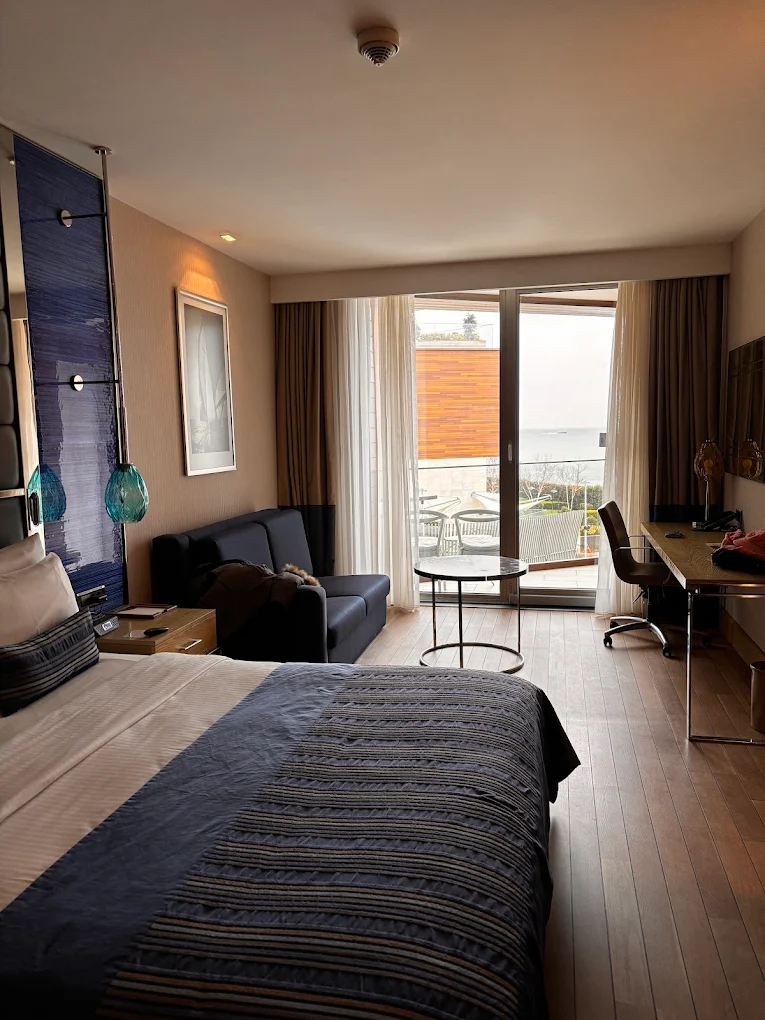
Fire-Rated Hotel Furniture Turkey
Fire-Rated Hotel Furniture Turkey: The Definitive B2B Procurement and Engineering Guide
The global hospitality sector operates under a strict matrix of regulatory mandates, where life safety systems must integrate seamlessly with architectural design intent. Within a commercial hospitality asset—whether an urban high-rise property, an expansive luxury resort, or an airport transit hotel—every loose furniture asset and built-in millwork component is subjected to rigorous performance parameters. Furniture in these spaces is not merely an aesthetic addition; it functions as a critical element in a building’s fire containment strategy. It must be engineered to resist ignition, slow down thermal transmission, minimize toxic smoke generation, and limit heat release rates.
When international hospitality developers, corporate procurement directors, asset managers, and interior architects design supply chains capable of delivering certified fire resistance alongside high-end craftsmanship, Turkey emerges as the premier global destination. This comprehensive industrial guide provides an exhaustive, technically in-depth analysis of fire-rated hotel hotel furniture Turkey, exploring the market’s specialized engineering capabilities, regional craft clusters, raw material science, strict compliance frameworks, and international turnkey project lifecycles.
1. The Critical Importance of Fire-Rated Hotel Furniture Turkey in Modern Hospitality
The global position of Turkey as a tier-one contract furniture manufacturing and design powerhouse is the result of continuous industrial automation, heavy capital investments in material science, and deep alignment with international safety directives. Sourcing fire-rated hotel furniture Turkey provides international developers with a unique balance of regulatory compliance, structural longevity, and manufacturing flexibility.
+-----------------------------------------------------------------------------------+

|                        THE LIFE SAFETY PROCUREMENT TRIFECTA                       |
+-----------------------------------------------------------------------------------+

|                                                                                   |
|      [ CERTIFIED FIRE RESISTANCE ] <──► [ EN / UL TESTING METRICS ]               |
|                                     ▲                                             |
|                                     │                                             |
|                                     ▼                                             |
|                     [ COST-EFFECTIVE COMPLIANCE SOURCING ]                        |
|                                                                                   |
+-----------------------------------------------------------------------------------+
The Artisanal-Industrial Hybrid Model
The true competitive advantage defining manufacturers of fire-rated hotel furniture Turkey is their ability to apply bespoke architectural skins over certified fire-retardant structural cores. Standard mass-production facilities in alternative markets often limit procurement teams to a narrow catalog of standard sizes, plastic laminates, or basic paint colors.
In contrast, the Turkish contract manufacturing sector utilizes advanced parametric CNC processing lines to seamlessly integrate non-standard heights, exotic book-matched wood veneers, custom-routed geometric paneling, and architectural metal inlays directly into certified furniture assets without altering their fire testing certifications.
Strategic Logistical and Customs Infrastructure
Geographically positioned at the absolute crossroads of Europe, the Middle East, Africa, and Central Asia, Turkey offers substantial distribution and shipping advantages:
- Overland Trucking Efficiency: Direct road freight networks link major Turkish industrial zones to European construction sites within 4 to 7 business days, bypassing the unpredictable maritime transit bottlenecks common in alternative shipping routes.
- Deep-Water Port Infrastructure: Marine container ports including Ambarlı (İstanbul), Gemlik (Bursa), and Mersin operate daily direct roll-on/roll-off (Ro-Ro) and container liner services to North America, the GCC region, and North Africa within 10 to 16 days.
- Duty-Free Trade Channels: Turkey’s long-standing Customs Union agreement with the European Union establishes a duty-free industrial trade corridor. This minimizes international import paperwork, eliminates tariff barriers, and speeds up customs clearance.
2. Definitive Production Clusters and Manufacturing Hubs
The contract furniture and specialized millwork sector in Turkey is structured into highly specialized regional industrial clusters. Each cluster operates with its own distinct production capacity, mechanical infrastructure, and engineering focus, making them unique sources for fire-rated hotel furniture Turkey.
İstanbul and the Marmara Industrial Region
İstanbul serves as the absolute engineering, product certification, and international project management center for fire-rated hotel furniture Turkey.
- Technical Infrastructure: Factories within the İstanbul Organized Industrial Zones (OSB) operate specialized internal laboratories and partner with international testing houses. They focus on manufacturing high-end, mixed-media furniture assemblies that integrate complex electronic components, structural metal chassis, and premium certified fabrics.
- Project Profile: The primary hub for large-scale five-star hotel developments, international brand tenders (such as Marriott, Hilton, Accor, and IHG), and complex projects requiring bespoke engineering submittals and extensive physical prototyping.
Bursa and the İnegöl Cluster
İnegöl is an industrial complex fully dedicated to advanced wood processing, panel engineering, and contract millwork lines.
- Supply Chain Integration: Factories here benefit from immediate access to local raw wood processors, engineered substrate manufacturers, and chemical treatment plants specializing in fire-retardant timber impregnation.
- Project Profile: Highly competitive for lifestyle properties, design-led boutique hotels, and resort developments requiring specialized architectural finishes, custom stains, and matching wall-paneling systems integrated directly with loose furniture lines.
Kayseri Organized Industrial Zone
Kayseri houses some of the largest specialized panel and upholstered furniture production facilities in Eurasia, dominating the high-volume hospitality bedding and case goods lines.
- Industrial Scale: The operational philosophy in Kayseri revolves around high-volume automation and heavy machinery assets. Facilities feature automated hydraulic hot-press lines, continuous profile edge-banding machinery, and robotic UV-curing finishing tunnels.
- Project Profile: The optimal hub for mid-to-high-volume procurement schedules, serving mega-scale select-service hotel chains, large business hotels, student housing projects, and modular apart-hotel developments requiring rapid delivery times and precise dimensional uniformity.
Ankara (Siteler District)
Ankara Siteler represents the historic center of master wood manipulation and technical carpentry in Turkey.
- Artisanal Engineering: While alternative hubs prioritize high-speed industrial panel sizing, Siteler retains a high concentration of specialized technical ateliers. They excel at integrating traditional solid wood details, complex architraves, and hand-applied finishes onto engineered fire-rated frames.
- Project Profile: The definitive choice for heritage hotel restorations, traditional luxury properties, presidential suites, and high-security state hospitality environments.
3. Structural Anatomy and Materials Science of Fire-Rated Assets
A technical understanding of fire-rated hotel furniture Turkey requires an examination of the internal composite architecture. Fire-retardant furniture pieces are complex assemblies engineered to slow down thermal transmission, maintain structural squareness under extreme heat, and prevent chemical smoke passage.
+-------------------------------------------------------------------+

|               CROSS-SECTIONAL UPHOLSTERY PROFILE ARCHITECTURE     |
+-------------------------------------------------------------------+

|                                                                   |
| [1. PERFORMANCE TEXTILE] --> Fire-Retardant Fabric (Trevira CS)   |
| [2. INTERLINER BARRIER]  --> Glass-Fiber / Calico Fire Barrier     |
| [3. STRUCTURAL FOAM]     --> CMHR (Combustion Modified) Foam      |
| [4. FRAME SUBSTRATE]     --> FR-Chemical Impregnated Solid Timber |
|                                                                   |
+-------------------------------------------------------------------+
Case Goods and Panel Substrate Engineering
Case goods form the permanent architectural bones of the guestrooms and corridors. This category includes oversized headboard wall panels, floor-to-ceiling wardrobes, luggage benches, mini-bar enclosures, and integrated vanity units.
- Substrate Selection: Due to the elevated risk of moisture exposure near entryways and bathrooms, premium manufacturers utilize Moisture-Resistant Fire-Retardant MDF (MR-FR-MDF) or high-grade marine plywood cores faced with premium thick natural wood veneers (1.2mm to 2.0mm). This configuration provides the look and feel of solid wood while preventing core warping or splitting under continuous HVAC operation.
- Hardware Specification: Case goods built under the umbrella of contract fire-rated hotel furniture Turkey feature premium, concealed commercial-grade functional hardware. This includes drawer slides equipped with fluid dampers and structural heavy-duty cabinet leveling glides that allow installation crews to perfectly adjust millwork alignment on uneven sub-floors.
Loose Seating and Upholstery Composite Engineering
Loose furniture covers armchairs, task seating, lounge sofas, occasional accent tables, and standalone writing desks.
- Frame Kinematics: Seating components are manufactured almost exclusively using kiln-dried solid beech or ash timber frames that have been vacuum-impregnated with fire-retardant ammonium phosphate salts. These species provide optimal strength-to-weight ratios and tight grain structures that hold commercial fasteners securely over years of operation.
- Suspension Architecture: To ensure long-term comfort and prevent sagging, seat bases utilize high-tensile steel sinuous springs or industrial-grade elastomeric webbing woven under high machine tension. This foundation is topped with high-density, multi-layered CMHR foams that distribute guest weight evenly while instantly returning to their original shape after use.
4. International Fire Testing and Certification Frameworks
When evaluating fire-rated hotel furniture Turkey, procurement teams must prioritize verifiable third-party certification. True life-safety assets do not rely on self-declarations; they are verified through testing under destructive conditions.
Global Fabric and Upholstery Testing Benchmarks
Turkish contract manufacturers maintain compliance pathways to serve diverse global regulatory markets, adapting their material compositions to satisfy regional hospitality standards:
| Code Standard | Testing Methodology | Performance Indicator | Primary Market |
|---|---|---|---|
| BS 5852 (Crib 5) | Testing upholstery composites using a wooden crib structure ignited with alcohol. | Evaluates if the composite self-extinguishes within a set timeframe without progressive smoldering. | United Kingdom, Ireland, Middle East |
| CAL 117-2013 | Smolder resistance testing of components using a lit cigarette under controlled airflow. | Measures char length on foam and fabric layers to determine smoke development potential. | North America, Global Chains |
| EN 1021-1 & 2 | Assessing cigarette (Part 1) and match flame equivalent (Part 2) ignition sources. | Verifies non-ignition parameters across European commercial hospitality developments. | Continental Europe, Africa |
| NFPA 260 | Classification system testing cigarette ignition resistance of component fabrics. | Categories fabrics into Class I or II based on resistance to progressive smoldering. | United States, International Brands |
The Critical Role of Certification Bodies
Reputable manufacturers of fire-rated hotel furniture Turkey carry product line certifications issued by internationally recognized auditing agencies, including Exova Warringtonfire, Intertek, and SGS. These certifications guarantee that the factory undergoes regular unannounced audits. This continuous oversight ensures that the furniture assets rolling off the mass-production line are constructed identically to the specific prototypes that passed the destructive testing furnaces.
5. Technical Chemical Engineering and Surface Topcoats
A high-performance hospitality asset must perform two primary functions simultaneously: it must provide a certified fire safety barrier during an emergency, and it must deliver complete aesthetic resilience during standard operations.
Intumescent and Flame-Retardant Chemical Treatments
The structural wood used in hospitality furniture can be treated through two primary scientific methods to satisfy strict safety codes:
- Vacuum Pressure Impregnation: Solid timber components are placed inside closed autoclaves where high pressure forces water-soluble flame-retardant chemicals deep into the wood’s cellular matrix. When exposed to fire, these chemicals react to form a carbonaceous char layer that insulates the underlying wood, slowing thermal degradation.
- Intumescent Surface Coatings: For decorative wood veneers, manufacturers apply specialized clear or pigmented intumescent varnishes. Under intense heat, these coatings expand into a thick, foam-like insulating barrier that isolates oxygen from the wood substrate, delaying ignition.
Performance Finishes and Chemical Resistance
To preserve aesthetics under commercial maintenance schedules, surface coatings must be highly resilient. Turkish finishing lines apply multi-layered coats of European-formulated, UV-curable acrylic lacquers and open-pore polyurethanes. These coatings undergo cross-linking tests to ensure complete resistance to hot beverage rings, cosmetic staining, and acidic cleaning agents, preserving the natural beauty of the wood grain over long lifecycles.
6. Sourcing Customization Requirements by Hotel Zone
The structural engineering of hospitality furniture changes depending on its intended zone within the property. Experienced manufacturers of fire-rated hotel furniture Turkey adapt their assembly techniques to match these specific functional environments.
+-------------------------------------------------------------------------------+

|                       HOTEL ZONE PERFORMANCE ARCHITECTURE                     |
+-------------------------------------------------------------------------------+

|                                                                               |
|  [ GUESTROOMS & SUITES ]     ──► Focus: Acoustical Dampening, Wire Routing    |
|                                         Integrated Low-Voltage Technology      |
|                                                                               |
|  [ LOBBIES & PUBLIC AREAS ]  ──► Focus: High-Impact Internal Steel Skeletons  |
|                                         Stainless Steel Kick-Plate Armor     |
|                                                                               |
|  [ FOOD & BEVERAGE ZONES ]   ──► Focus: Acid-Resistant Topcoat Treatments     |
|                                         Hydrophobic Fabric Nanocoatings        |
|                                                                               |
+-------------------------------------------------------------------------------+
Guestrooms and Luxury Suites
Guestroom furniture must blend upscale aesthetics with integrated technology and quiet operation.
- Integrated Low-Voltage Routing: Built-in headboards, nightstands, and media desks feature hidden CNC-routed raceways and removable access panels. This layout allows for clean, hidden wiring of universal international power outlets, USB-C fast-charging ports, and dimmable ambient LED drivers directly into the millwork.
- Acoustical Isolation Engineering: Wardrobes, sliding panels, and drawers utilize integrated soft-close hydraulic dampers paired with perimeter silicone compression gaskets. These elements eliminate metal-on-wood impact noises, lowering ambient sound transmission between adjoining guestrooms to protect guest sleep quality.
Lobbies, Receptions, and Public Atriums
Public zones experience continuous foot traffic and frequent impact from heavy luggage and cleaning equipment, requiring robust internal construction to sustain the structural integrity of fire-rated hotel furniture Turkey.
- Internal Structural Skeletons: High-back structural sofas, large communal work tables, and reception desks are constructed over internal structural steel profiles or heavy multi-ply birch plywood sub-frames. This reinforcement absorbs severe vertical and lateral impacts without structural failure.
- Surface Protection Armor: To prevent damage from commercial vacuum cleaners and luggage carts, baseboards, plinths, and furniture legs are protected with flush-mounted brushed stainless steel, brass, or oil-rubbed bronze kick-plates.
Food and Beverage (F&B) Outlets
Restaurant dining tables, barstools, and banquette seating must resist continuous contact with food acids, boiling liquids, and harsh chemical sanitizers.
- Chemical-Resistant Topcoats: Surface finishes use specialized commercial-grade, acid-catalyzed conversion varnishes or two-pack polyurethane coatings. These formulate an un-etchable crystalline protective barrier that prevents moisture clouding and ghost ring stains from hot beverages or alcohol spills.
- Stain-Proof Textile Integration: Seating elements favor premium contract textiles treated with hydrophobic nanotechnology. This treatment causes liquids like red wine, oils, and coffee to bead on the fabric surface for immediate removal, preventing stains from soaking into the underlying foam core.
7. The Turnkey B2B Procurement Lifecycle
Procuring complex contract assets through manufacturers of fire-rated hotel furniture Turkey follows a structured project management lifecycle to ensure absolute conformity with site realities, construction timelines, and building codes.
[Phase 1: Submittal & Code Audit] ──► [Phase 2: On-Site Digital Scribing] ──► [Phase 3: The Mock-Up Validation]
                                                                                      │
[Phase 5: Automated Mass Production] ◄── [Phase 4: Global Export Logistics] ◄─────────┘
Phase 1: Technical Submittal and Code Audit
The procurement lifecycle starts with a comprehensive review of the project’s Bill of Quantities (BOQ), Material Schedules, and Interior Design documentation. The factory’s technical project management office (PMO) audits the specifications against their active testing certificates. The PMO then issues comprehensive submittal packages including cross-sectional drawings, material matrix boards, and copy certificates for approval by the project’s safety consultant and corporate brand operators.
Phase 2: On-Site Digital Scribing and Dimensioning
Walls can settle, and rough openings are rarely perfectly plumb across hundreds of keys in a new construction site.
- The Process: Experienced engineering teams from leading Turkish furniture companies travel to the construction site to perform digital scribing. Using high-precision laser trackers or 3D point-cloud scanners, they measure the exact top, middle, bottom widths, and structural squareness of every built-in millwork opening.
- The Benefit: This step ensures that each wardrobe, vanity unit, and headboard panel is manufactured to match its specific opening, eliminating time-consuming trimming or adjustments on-site during installation.
Phase 3: The Mock-Up and Prototype Validation
Before green-lighting production for hundreds of keys, the factory manufactures a complete prototype set for a physical mock-up room. Sourcing directors, interior designers, and general contractors evaluate the unit to check real-world closing forces, hardware alignments, foam density comfort, and compliance with the specified fire codes. Any required adjustments are documented and locked into the manufacturing software before mass production begins.
Phase 4: Automated Mass Production
Once approved, the manufacturing software releases the shop drawings to the factory floor. Multi-axis CNC routing machines cut joint pockets, wire channels, and hardware recess templates in a single continuous operation to keep tolerances within ±0.2mm. Substrate layers are combined using waterproof thermosetting glues inside multi-daylight hydraulic hot presses, creating a strong, delamination-proof composite panel structure.
Phase 5: Global Export Packaging and Protective Crating
Finished architectural furniture assets are highly vulnerable to damage from improper handling or humidity changes during international transport.
- Protective Layers: Finished wood surfaces are protected with heavy-duty peelable protective films, enclosed in high-density polyethylene foam sleeves, and fitted with reinforced corner guards.
- Crating Architecture: Complete components are packed flat inside custom-built, heavy-duty wooden crates made from heat-treated ISPM-15 compliant timber. These crates are securely packed into shipping containers with heavy moisture-absorbing desiccant packs to maintain stable humidity levels during sea transit, guaranteeing the safety of fire-rated hotel furniture Turkey shipments.
8. Commercial Optimization and Value-Engineering Strategies
Sourcing from fire-rated hotel hotel furniture Turkey manufacturers offers structural procurement teams avenues to optimize cash flow and maximize project return on investment (ROI).
Maximizing Project ROI via Strategic Price-to-Quality Ratios
Optimized industrial clusters, domestic raw material access, and advanced factory automation allow Turkish furniture manufacturers to offer a highly competitive cost structure. When compared to Western European or North American furniture mills, Turkish suppliers can deliver identical technical certifications, European functional hardware, and premium finishes at a substantial reduction in total landed cost. This pricing advantage allows developers to reallocate capital into guest-facing technology, premium marketing, or property amenities.
Flexible Minimum Order Quantities (MOQs) for Multi-Type Layouts
Traditional high-volume factories often demand high minimum order quantities per specific size or finish to justify resetting their assembly lines.
- Agile Setup: Turkish contract manufacturers excel at handling low-volume, high-mix production schedules. They can easily process custom boutique project configurations—featuring multiple non-standard furniture dimensions and unique room styles—without charging high premiums for setup times.
International Trade Finance and Risk Management Frameworks
The Turkish commercial banking sector is fully integrated into global international trade finance systems. B2B contract transactions are typically secured through flexible finance mechanisms designed to protect buyer capital:
- Confirmed Letters of Credit (L/C): Fully supported, ensuring funds are released only when verified shipping documents, export customs clearances, and quality inspection certificates are presented.
- Milestone Payments: Standard payment structures are tied to clear project milestones (e.g., 30% advance payment to secure core components, 40% mid-production verification, and 30% upon final factory quality control clearance prior to container loading).
9. Factory Auditing Framework for Sourcing Teams
Selecting the ideal partner from the wide array of manufacturers delivering fire-rated hotel furniture Turkey requires a structured verification process. Sourcing teams can use this step-by-step framework to audit potential manufacturing partners:
                  [1. TECHNICAL AUDIT]
          Assess Machine Park, CNC & Spray Booths
                            │
                            ▼
                 [2. ADMINISTRATIVE AUDIT]
          Evaluate PMO Capability & English Fluency
                            │
                            ▼
                  [3. FINANCIAL AUDIT]
          Verify Credit Ratings & Raw Material Capital
1. Technical Infrastructure Audit
- Machinery Park: Verify that the factory operates modern, industrial-grade panel processing machinery, including computerized sizing saws, automated metal press brakes, laser cutters, edge-banders with pre-milling units, and 5-axis CNC routers.
- Atmospheric Control in Finishing: Inspect the finishing department. A high-quality finish requires pressurized, positive-pressure, dust-free spray booths with water-curtain filtration systems. Open-air or unpressurized spraying introduces airborne dust particles, causing surface texturing that fails contract inspections.
- Material Testing Lab: Confirm whether the facility utilizes essential testing equipment on-site, including digital timber moisture meters, textile abrasion testers, and structural drop-testing jigs for frame integrity.
2. Project Management and Engineering Competence
- The Project Management Office (PMO): Ensure the factory has a dedicated contract PMO staffed by qualified industrial designers, metallurgical engineers, and wood architects who speak fluent English. A multi-faceted project requires continuous, technically detailed communication; a direct link to an engineer prevents communication errors.
- Document Control: Review examples of previous shop-drawing submittals, material matrices, and quality assurance logs to confirm the factory follows structured documentation practices.
3. Financial and Corporate Health Verification
- Material Capital: Ensure the company possesses sufficient liquid operating capital to purchase raw materials for large, multi-container projects without depending entirely on your initial deposit.
- Corporate Track Record: Request verified commercial bank references, corporate registry tracking, and a list of completed international commercial references to confirm long-term reliability.
10. Navigating and Mitigating Sourcing Risks
While sourcing from Turkey offers clear benefits, international procurement requires proactive management of common operational challenges to keep projects on track.
Resolving Communication Nuances in Technical Specifications
Vague descriptions like “solid wood finish” or “heavy duty metal frame” create ambiguity that can lead to production deviations in execution of fire-rated hotel furniture Turkey.
- Mitigation Strategy: Use precise, internationally recognized technical terms in all contract documents. Specify exact manufacturer part codes, wood species, metal sheet steel thickness gauges, Martindale rub counts for upholstered panels, fire-retardancy classifications, and RAL or Pantone color codes. Ensure all measurements are documented in metric units to avoid conversion errors during CNC programming.
Managing Production Calendars Around Peak Seasonal Demands
The global commercial construction cycle experiences sharp peaks ahead of summer handovers and end-of-year completions. During these peak windows, premium Turkish factories face high demand, which can extend standard production queues.
- Mitigation Strategy: Secure your factory production slot early by signing a reservation agreement well before interior structural design layouts are finalized. Build a 2-to-3-week buffer into the master project schedule to account for potential international transit bottlenecks or customs clearance steps.
11. The Digital Evolution of Turkish Contract Manufacturing
The Turkish furniture industry continues to enhance its capabilities by integrating advanced digital technologies and Industry 4.0 paradigms to elevate the execution of fire-rated hotel furniture Turkey.
Advanced Industry 4.0 Tracking Systems
Leading factories are upgrading to fully digital smart facilities. Incoming raw materials receive unique QR or RFID asset tags at the warehouse gate. This digital infrastructure allows international clients and project managers to log into secure online portals and track the exact production status of individual components—from raw cutting to final upholstery or powder coating—in real time, providing complete supply chain transparency.
Virtual Reality (VR) Spatial Prototyping
To accelerate design approvals and reduce the time required for physical mock-up rooms, advanced Turkish engineering offices utilize immersive VR environments. International design teams can wear VR headsets to virtually tour a fully engineered floor layout featuring various fire-rated hotel furniture Turkey assets. This interactive review allows stakeholders to assess proportions, check hardware placement, and verify clearances before mass manufacturing begins, reducing overall lead times.
12. Strategic Sourcing Recommendations
For commercial developers, procurement managers, and design engineers planning their next project, Turkey provides a scalable, highly engineered, and cost-effective manufacturing ecosystem. To maximize the success of your sourcing strategy, implement these practical best practices:
- Involve the Factory Early: Engage your chosen Turkish manufacturer during the conceptual design phase. Their internal engineering teams can offer value-engineering adjustments that preserve the design intent while lowering fabrication costs.
- Enforce Strict Technical Specifications: Ensure your Bill of Quantities (BOQ) explicitly outlines international performance metrics, including E1/E0 compliance, fire retardancy ratings (such as Crib 5 or CAL 117), and specific commercial hardware cycle requirements.
- Conduct Physical Factory Audits: Before transferring large capital deposits, visit the manufacturing facilities in person or hire an accredited third-party inspection agency to verify their machine capacity, finishing environments, and financial standing.
- Partner with Dedicated Contract Experts: Select factories that specialize exclusively in B2B contract furniture and life safety manufacturing over basic residential furniture. True contract specialists understand the structural engineering, regulatory standards, and logistical coordination required to deliver a successful commercial project.
Frequently Asked Questions (FAQ)
What is the typical production lead time when sourcing fire-rated hotel furniture Turkey?
Production lead times are dictated by the total room key count, design complexity, and material sourcing requirements. Typically, engineering and technical shop drawing submittals take 2 to 3 weeks. Once the architectural drawings and mock-up sets are approved, mass manufacturing for a standard 100-to-150-room hotel project generally takes between 8 and 12 weeks. Sourcing teams should also factor in road or sea transit times based on the project destination.
Can a manufacturer modify the dimensions of a certified fire-rated furniture asset?
Yes, but structural changes must maintain compliance with the original flame-retardant testing parameters. For example, changing the dimensions of a wardrobe built with certified MR-FR-MDF panels does not alter its fire rating, provided the core thickness and surface veneer specifications remain within certified limits. However, modifying the thickness or composition of upholstered foam padding could affect its compliance with standards like BS 5852 Crib 5.
How do Turkish manufacturers certify flame-retardant compliance for custom hospitality upholstery?
Elite Turkish contract factories work directly with specialized chemical compounders and certified performance weavers. All internal upholstery elements use Combustion Modified High Resilient (CMHR) polyurethane foams. Factories provide accredited third-party laboratory test certificates verifying compliance with international fire safety codes, including British Standard (BS 5852 Crib 5) and California Technical Bulletin (CAL 117).
Is it possible to consolidate orders from multiple specialized Turkish factories?
Yes. International procurement teams regularly utilize consolidation nodes and specialized freight forwarders located directly inside main industrial hubs like İnegöl or İstanbul. These logistics partners collect case goods, custom upholstered items, and decorative metal structures from separate specialized factories, packing them into optimized container shipments to reduce total landed shipping costs.
Butik Otel Mobilyaları


Şunları da sevebilirsiniz
Hotel Hospitality Furniture Turkey
Hotel Furniture Export Turkey