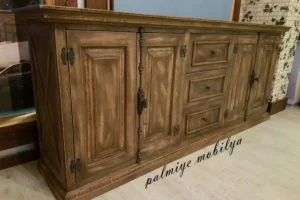
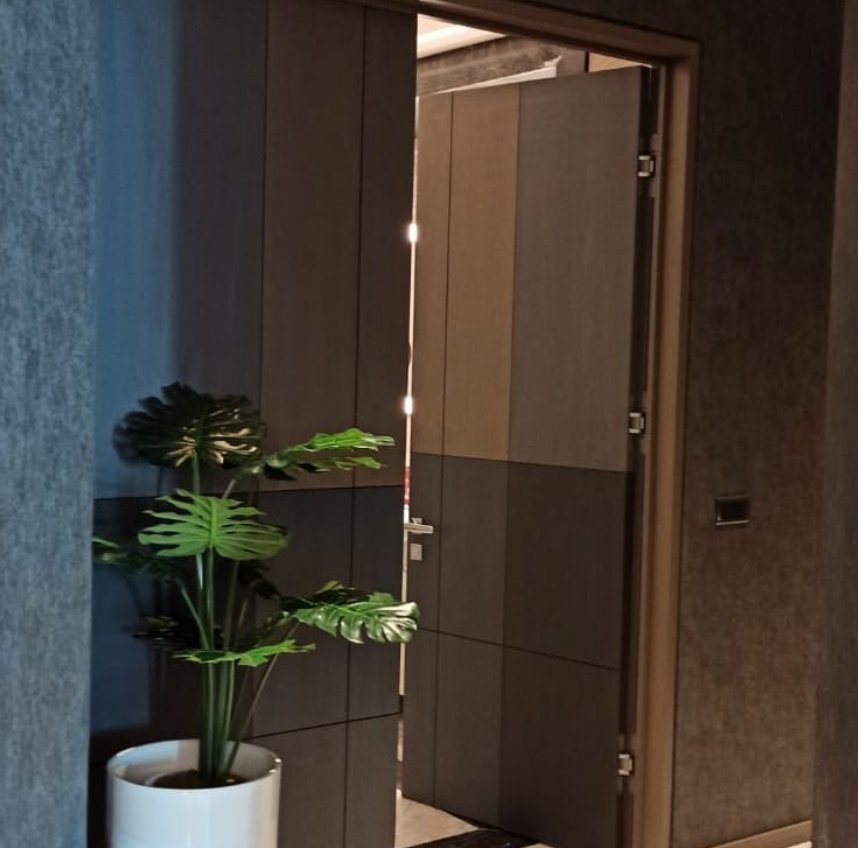
Fireproof Hotel Doors Turkey
1. Regulatory Framework and International Fire Standards
When sourcing fire-rated doors from Turkey, understanding the underlying testing standards is critical. Turkish manufacturers produce doors that comply with distinct global regulatory testing systems.
                  ┌───────────────────────────────┐
                  │   International Standards     │
                  └───────────────┬───────────────┘
                                  │
         ┌────────────────────────┴────────────────────────┐
         ▼                                                 ▼
┌─────────────────────────────────┐               ┌─────────────────────────────────┐
│       European Standard         │               │        American Standard        │
│          (EN 1634-1)            │               │            (UL 10C)             │
├─────────────────────────────────┤               ├─────────────────────────────────┤
│ • Integrity (E)                 │               │ • Flame Passage Resistance      │
│ • Insulation (I1 / I2)          │               │ • Hose Stream Testing           │
│ • Smoke Control (Sa / S200)     │               │ • Positive Pressure Cycles      │
└─────────────────────────────────┘               └─────────────────────────────────┘
The European Standard: EN 1634-1 and EN 13501-2
Most Turkish manufacturers align their production lines with European Norms (EN). The primary test method is EN 1634-1 (Fire resistance and smoke control tests for door and shutter assemblies). The results are classified under EN 13501-2, which breaks performance down into three critical metrics:
- Integrity (E): The door’s ability to prevent the passage of flames and hot gases. A rating of E60 means the door structurally holds back flames for 60 minutes.
- Insulation (I): The door’s capacity to limit temperature rise on the non-fire side. This protects guests fleeing down a corridor. Turkish factories test for both I₁ (strict measurement close to the frame) and I₂ (standard measurement across the door leaf).
- Smoke Control (S): Certified under EN 1634-3, this measures cold smoke leakage (S_a) and hot smoke leakage (S₂₀₀). Smoke inhalation is the leading cause of fatality in hotel fires, making smoke seals a mandatory feature for hospitality projects.
The North American Standard: UL 10C and NFPA 252
For hotel brands originating in the United States or operating in regions adhering to American codes (like parts of the Middle East and Latin America), Turkish exporters supply doors certified to UL 10C (Positive Pressure Fire Tests of Door Assemblies).
- Unlike the European thermal insulation test, UL testing subjects the door to a Hose Stream Test.
- After enduring the fire endurance test (e.g., 20, 45, 60, or 90 minutes), the hot door is blasted with a high-pressure water hose.
- The assembly must withstand this impact without developing gaps through the door leaf.
2. Core Structural Engineering of Fireproof Hotel Doors Turkey
A fireproof hotel door is a highly complex, multi-layered structural system engineered to remain flat, stable, and sealed under temperatures exceeding 1000°C. Turkish engineering typically splits production into two main categories: wooden acoustic/fire doors and heavy-duty steel doors.
Technical Anatomy of a Wood-Based Fire Door
To maintain the look of a luxury hotel, guestroom entry doors are almost always wood-based. The internal cross-section consists of specialized materials layered to prevent warping:
| Layer Component | Technical Specifications | Purpose in Fire Mitigation |
|---|---|---|
| Internal Core | High-density solid mineral board or multi-layered OKUME/halspan particles (Density: \(>450 \text{ kg/m}^3\)) | Acts as the primary thermal barrier; slows heat transfer across the leaf. |
| Sub-Frame | Hardwood perimeter rail (e.g., Oak, Beech, or Iroko) treated with fire-retardant chemicals | Provides structural anchoring for heavy-duty hinges and locks under high thermal stress. |
| Stabilizing Layers | High-Density Fiberboard (HDF) or Magnesium Oxide (MgO) boards (\(3\text{mm}\) to \(6\text{mm}\)) | Prevents the door leaf from bowing or twisting when one side is exposed to extreme heat. |
| Surface Finish | Natural wood veneer, High-Pressure Laminate (HPL), or multi-layer polyurethane lacquering | Meets hotel interior design standards while carrying fire-retardant structural properties. |
Technical Anatomy of Steel Fire Doors
For service areas, kitchens, boiler rooms, and emergency stairwells, hotels utilize steel fire doors. Turkish steel door manufacturers construct these using:
- Galvanized Steel Sheets: \(1.2\text{mm}\) to \(2.0\text{mm}\) thickness for frames; \(0.8\text{mm}\) to \(1.2\text{mm}\) for door leaves.
- Internal Insulation Matrix: High-density rockwool (typically \(110\text{ kg/m}^3\) to \(150\text{ kg/m}^3\) density) combined with internal steel stiffeners to prevent oil-canning and thermal deformation.
3. Acoustic Integration and Acoustic Comfort Requirements
Hotel guestroom doors cannot just protect against fire; they must also block out corridor noise to ensure guest privacy and sleep quality. Turkish manufacturers have mastered the art of co-certifying doors for both fire resistance and acoustic attenuation (Rw).
       CORRIDOR (Noise Source)                     GUESTROOM (Quiet Zone)
──────────────────────────────────────────────────────────────────────────
[Noise: 70 dB] ───►  [ Perimeter Acoustic Seal ]
                     [ High-Density Core Layer ] ───► [Resulting Noise: 28 dB]
                     [ Drop-Down Bottom Seal   ]      (Comfortable & Private)
──────────────────────────────────────────────────────────────────────────
                  Total Sound Attenuation: 42 dB (Rw)
- The Decibel Target: International hotel chains (such as Marriott, Hilton, and Accor) typically require guestroom entry doors to have an acoustic rating between 38 dB and 44 dB Rw.
- The Structural Challenge: Materials that provide great fire insulation do not automatically block sound waves. Sound insulation requires mass and decoupling. Turkish engineers achieve this by sandwiching layers of varying densities (such as alternating mineral boards with acoustic cork or rubber membranes) inside the door leaf.
- Sealing the Gaps: Sound behaves like water; it leaks through the smallest cracks. Fireproof doors must include continuous 3D adjustable acoustic perimeter gaskets and heavy-duty automatic drop-down bottom seals that engage seamlessly when the door clicks shut.
4. Hardware Integration and Electronic Access Control
A fire door is only as safe as its hardware components. If a hinge melts or a lock fails to latch, the entire fire barrier collapses. Turkish manufacturers design their doors to integrate with high-end, heavy-duty hardware systems.
Hardware Compatibility Checklist
- Chains and Mortise Locks: Locks must be certified under EN 12209 or UL 10C. For hotel entry doors, they must feature an anti-panic function. This means that even if the door is securely locked from the outside, a guest can open it from the inside instantly by pressing down on the lever handle during an emergency escape.
- Heavy-Duty Hinges: Fire doors are exceptionally heavy, often weighing between 60 kg and 110 kg. Turkish manufacturers utilize grade 13 or grade 14 stainless steel hinges tested under EN 1935, or concealed 3D adjustable hinges (such as Simonswerk or Turkish high-end equivalents) that are fully encased in fire-rated intumescent wraps.
- Concealed Overhead Door Closers: Fire doors must always remain closed to form a functional fire barrier. Closers must comply with EN 1154. High-end hotels prefer concealed overhead closers installed inside the top rail of the door leaf, maintaining clean lines while providing reliable closing force (Size EN 2 to EN 5).
Electronic Smart Locks and Cable Pathways
Modern hotels use RFID, BLE (Bluetooth Low Energy), or PIN-based smart locks. Passing wiring through a fire-rated door requires specialized engineering:
- Turkish factories CNC-machine internal concealed cable conduits lined with flexible intumescent tubes inside the door core before assembly.
- Power is transferred from the frame to the leaf via concealed mechanical energy transfers or armored loops, ensuring that the electrical wiring for the smart lock does not compromise the structural integrity of the fire barrier.
5. Architectural Aesthetics, Customization, and Finishes
Sourcing fireproof hotel doors from Turkey allows developers to avoid the clinical, institutional look common to many fire doors. Istanbul, Kayseri, and Bursa house factories that combine industrial manufacturing precision with custom woodworking craftsmanship.
Premium Wood Veneers and Marquetry
Architects can specify premium natural veneers (such as American Walnut, Oak, Teak, or exotic burls). Turkish craftsmen can align these veneers in book-matched, slip-matched, or intricate geometric marquetry patterns. The entire assembly is covered with fire-rated, non-flammable lacquers that prevent surface flame spread without dulling the wood’s natural grain.
High-Pressure Laminates (HPL)
For high-traffic lifestyle hotels, midscale properties, or extended-stay brands, durability is paramount. Turkish manufacturers work with international laminate brands like Formica, Egger, and local premium brands like Kastamonu Entegre. HPL finishes offer:
- Extreme scratch, impact, and UV resistance.
- Flawless replication of wood grains, concrete textures, or matte solid colors.
- Post-formed edge-banding or concealed hardwood lipping for water and moisture protection.
Flush Frame and Architrave Variations
To create contemporary, minimalist hotel corridors, Turkish suppliers offer diverse frame designs:
- Wooden Frames: Constructed from high-density, fire-treated finger-jointed timber or wrapped MDF boards.
- Adjustable Architraves: Designed to wrap smoothly around varying wall thicknesses (\(100\text{mm}\) to \(350\text{mm}\)), hiding installation gaps perfectly.
- Concealed Aluminum/Steel Frames: Engineered to be plastered directly into the drywall, creating a seamless flush finish where the door leaf sits perfectly inline with the corridor wall.
6. Manufacturing Clusters and Industrial Ecosystem in Turkey
Turkey’s geographic advantage is amplified by concentrated regional manufacturing hubs. Each region focuses on specific core competencies within the architectural doors industry.
       ┌────────────────────────────────────────────────────────┐
       │   Turkey's Fireproof Door Manufacturing Clusters       │
       └───────────────────────────┬────────────────────────────┘
                                   │
         ┌─────────────────────────┼─────────────────────────┐
         ▼                         ▼                         ▼
┌─────────────────┐       ┌─────────────────┐       ┌─────────────────┐
│     Kayseri     │       │    Istanbul     │       │ Bursa / Inegöl  │
├─────────────────┤       ├─────────────────┤       ├─────────────────┤
│ • High-Volume   │       │ • Bespoke Luxury│       │ • Woodworking   │
│ • Steel Fire    │       │ • Engineering   │       │ • Veneers & HPL │
│   Doors         │       │ • Hospitality HQ│       │ • Mass Custom   │
└─────────────────┘       └─────────────────┘       └─────────────────┘
Kayseri: The High-Volume Industrial Powerhouse
Kayseri is home to some of the largest automated door and metalworking facilities in Europe and the Middle East. Factories here utilize automated CNC lines, laser cutters, and robotic welding stations. They excel at high-volume production of steel fire doors, structured frames, and standardized fire-rated project doors, offering swift turnaround times for massive resort complexes or mixed-use towers.
Istanbul: Bespoke Design and High-Engineering Hub
Istanbul hosts companies that specialize in high-end architectural engineering. These manufacturers collaborate directly with global design firms. They excel at complex project requirements, such as matching a 42 dB acoustic requirement with a 90-minute UL fire rating, while applying custom artisanal hand-finishing techniques.
Bursa and İnegöl: The Center of Advanced Woodworking
As the historical heart of Turkey’s furniture and wood processing industry, İnegöl and the wider Bursa province offer specialized expertise in wood-based fire doors. They have deep supply chains for high-density particleboards, exotic wood veneers, and advanced wood curing technologies, making them ideal partners for luxury boutique hotels and classic 5-star properties.
7. Quality Assurance, Certification, and Traceability
A critical pitfall when purchasing fire doors globally is failing to verify third-party certification authenticity. True fire door production requires continuous factory monitoring, not just a one-time test report.
Third-Party Certifying Bodies
Reputable manufacturers of fireproof hotel doors Turkey work alongside international auditing firms to certify their products. Look for test reports issued by independent laboratories such as:
- Efectis Era Aviation (Turkey/France)
- Chiltern International Fire / BM TRADA (UK)
- UL LLC (Underwriters Laboratories, USA)
- IFT Rosenheim (Germany)
The Role of Factory Production Control (FPC)
A fire test certificate is only valid if the factory continues to build doors exactly like the one that passed the test. Certified Turkish manufacturers undergo annual, unannounced audits by bodies like BM TRADA under schemes like Q-Mark. Inspectors check component density, glue formulations, intumescent strip quality, and hardware prep precision.
Mandatory Identification Labels and Traceability
Every single fire door delivered to a hotel project site must feature a permanent identification label or metal tag fixed to the hinge edge. This label typically states:
- The manufacturer’s license number.
- The fire resistance rating (e.g., EI60, UL 90 min).
- The unique production serial number for traceability.
- The certifying body’s logo.
Without these tags, building inspectors or local civil defense authorites can refuse to grant an occupancy permit for the hotel.
8. Procurement Logistics, Freight, and Supply Chain Advantages
Sourcing from Turkey provides undeniable logistics benefits, especially when compared to manufacturing alternatives in East Asia.
                  ┌───────────────────────────────┐
                  │  Logistical Lanes to Market   │
                  └───────────────┬───────────────┘
                                  │
         ┌────────────────────────┴────────────────────────┐
         ▼                                                 ▼
┌─────────────────────────────────┐               ┌─────────────────────────────────┐
│     Intermodal Land Transport     │               │     Maritime Shipping Lines     │
├─────────────────────────────────┤               ├─────────────────────────────────┤
│ • Direct trucks to Europe       │               │ • Global ports (Ambarli/Izmir)  │
│ • Transit: 5–9 Days             │               │ • High-frequency vessel loops   │
│ • Lower inventory handling      │               │ • Cost-efficient heavy freight  │
└─────────────────────────────────┘               └─────────────────────────────────┘
Unmatched Transport Speed and Modes
- The European Highway Network: For projects in the EU, the UK, or the Balkans, Turkish manufacturers utilize a rapid intermodal land transport network. Regular trucks can drive from Turkish production floors to project sites in Frankfurt, Paris, or London within 5 to 9 days.
- Maritime Hubs: Flanked by the Mediterranean, Aegean, and Marmara seas, Turkey boasts advanced ports like Ambarlı (Istanbul), Mersin, and Alsancak (Izmir). Containers can quickly reach major worldwide hubs like New York, Dubai, or Riyadh through high-frequency shipping schedules.
Customs Integration and the EU Customs Union
Since Turkey belongs to the European Union Customs Union, goods traveling between Turkey and EU member countries move without customs duties. Manufacturers issue an A.TR movement certificate, speeding up border clearance processes and eliminating hidden import tariffs for European hotel developers.
Protection and Packing for Sea Freight
Fire doors are delicate architectural items prone to humidity damage and chipping if packed incorrectly. Turkish export factories use strict packing protocols:
- Doors are individually wrapped in protective polyethylene sheets to block out ambient moisture.
- Corner protectors made of thick cardboard or rubber are fitted to every corner.
- The doors are packed vertically into sturdy wooden crates, separated by protective foam panels to prevent surface friction during transit.
9. On-Site Installation Protocols and Long-Term Maintenance
A perfectly manufactured fire door will fail completely in a real fire scenario if it is incorrectly installed. Turkish suppliers regularly provide step-by-step installation guides and can deploy field engineers to guide local contractors on major projects.
Critical Installation Guidelines
- Structural Wall Preparation: The wall opening must be completely structural (reinforced concrete or heavy-gauge steel stud walls). The gap between the door frame and the wall must be minimal—ideally between \(10\text{mm}\) and \(20\text{mm}\).
- Fire-Rated Backfilling: Standard polyurethane expansion foam is highly flammable and cannot be used to fill installation gaps. Installers must use certified fire-rated intumescent foam or pack the gap tightly with structural rockwool, followed by a layer of fire-retardant mastic sealant.
- Intumescent Gasket Continuity: The intumescent strips (which expand up to 25 times their size at around 150°C to seal out hot gases) must run fully unbroken around the frame channels. They should never be painted over, as paint can hinder the chemical expansion process.
- Hinges and Closers Alignment: The door must be perfectly plumb and level. It should swing smoothly without scraping the floor fabric. When pulled open to any angle, the overhead closer must successfully return the leaf to its fully latched position against the seals.
[Correct Alignment]                       [Incorrect Alignment (Warped/Dropped)]
 ┌───────────────┐                         ┌───────────────┐
 │░░░░░░░░░░░░░░░│                         │░░░░░░░░░░░░░░░│
 │               │                         │ \             │
 │  Equal Gap    │                         │   \ Gap Open  │ ◄── Smoke Escapes!
 │  All Sides    │                         │     \         │
 │               │                         │       \       │
 └───────────────┘                         └───────────────┘
Preventative Maintenance Protocols for Hotel Facilities Teams
Hotel engineering departments must carry out scheduled audits of all fire doors every six months:
- Check Functional Closures: Test every door manually to confirm that the latch fully engages the frame strike plate automatically.
- Inspect All Seals: Look for worn, missing, or mechanically torn acoustic and intumescent gaskets.
- Verify Drop-Down Seals: Confirm that the bottom seal lowers fully to press firmly against the floor finish when the door is shut.
- Hardware Lubrication: Keep hinges and internal latch systems lubricated to avoid friction buildup that could prevent the closer from doing its job.
10. Financial Analysis: Cost-Efficiency and Return on Investment (ROI)
Sourcing fireproof hotel doors Turkey strikes an ideal balance between upfront capital expenditure and long-term operating durability.
Deciphering the Cost Advantage
Turkish factories achieve highly competitive pricing without sacrificing quality, primarily due to:
- A Fully Local Production Chain: Turkey produces its own raw steel, glass, and engineered wood boards locally, keeping material costs insulated from major global import fluctuations.
- Advanced Industrial Automation: Massive investments in modern CNC lines over the last two decades have lowered labor costs per unit while ensuring high consistency.
- Favorable Currency Exchange Rates: International purchasing power is strong in Turkey, enabling premium projects to upgrade their door specifications (such as moving from 38 dB to 42 dB acoustics) while staying well within budget.
Long-Term Value and Warranty Safeguards
Purchasing cheap, uncertified fire doors from unverified manufacturers is a huge liability risk. If an assembly fails a fire inspection, rebuilding or swapping out hundreds of hotel doors after the drywall is up can derail a hotel’s launch timeline.
Sourcing fully certified, labeled fire doors from reputable Turkish exporters protects your investment, complies with insurance risk mandates, and safeguards the lives of your guests for decades to come.
Conclusion: Key Takeaways for Hospitality Sourcing Professionals
When executing your next hotel procurement package, keep these critical items top of mind:
- Clarify Local Codes Early: Decide whether your project mandates European EN 1634 standards or American UL 10C protocols before requesting quotes.
- Enforce Co-Certification: Ensure your chosen manufacturer provides certified test data proving the door handles both the fire rating (e.g., EI60) and acoustic suppression targets (e.g., 40 dB) in a single unified leaf design.
- Mandate Third-Party Labeling: Require all door assemblies to feature a physical, traceable validation tag from bodies like BM TRADA or Efectis.
- Leverage Turkey’s Strategic Clusters: Match your design goals to regional expertise—choose Kayseri for high-volume steel doors, and Istanbul or İnegöl for luxury, custom-crafted wood veneer entryways.
By partnering with Turkey’s top-tier fire door manufacturers, you can deliver a stunning, whisper-quiet, and fully code-compliant hotel environment that keeps your guests safe.
To help narrow down the ideal Turkish manufacturers or specifications for your project, please let me know:
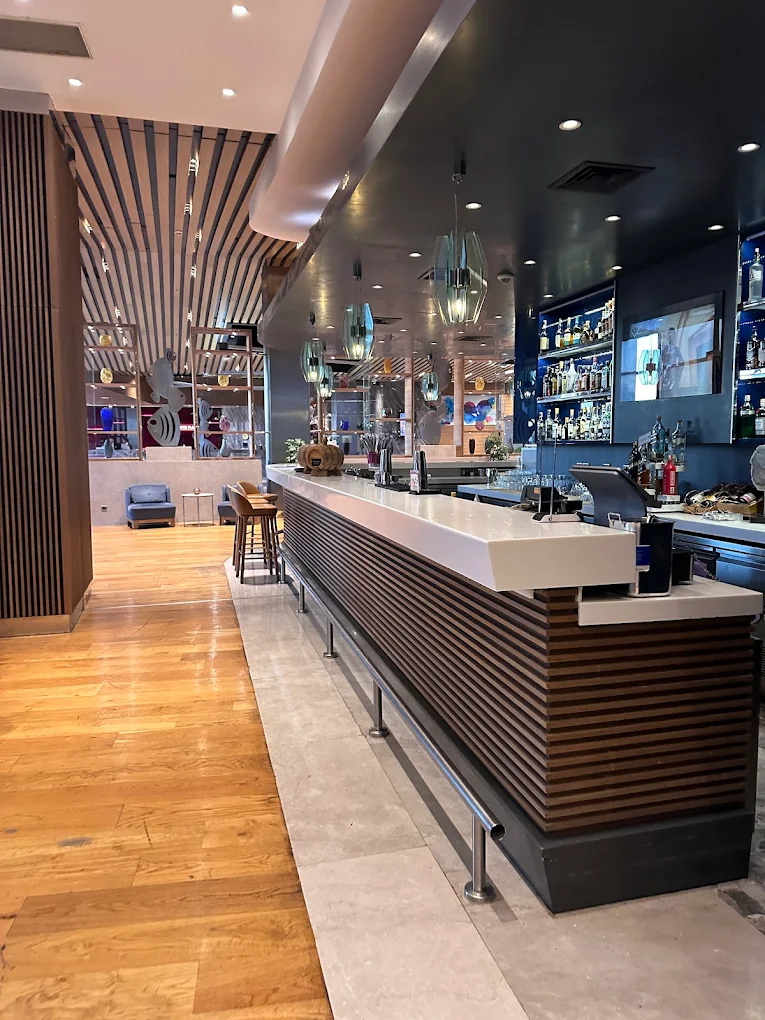
Butik Otel Mobilyaları
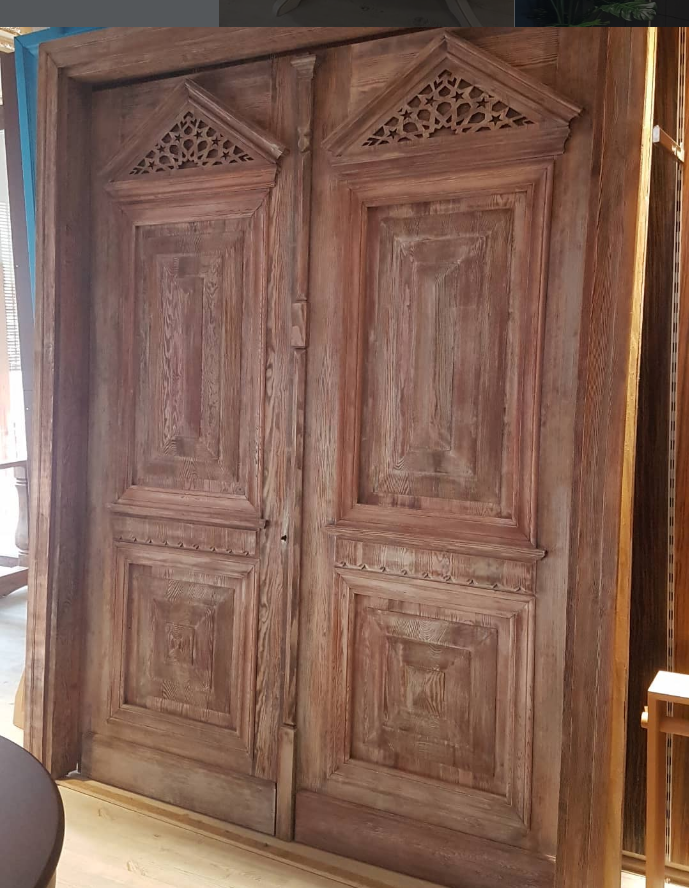
Butik Otel Mobilyaları
Tarihi Binaların Ahşap Dekorasyonları
Tarihi Ahşap restorasyonlari Kapılar
Tarihi binaların mobilya dekorasyonları
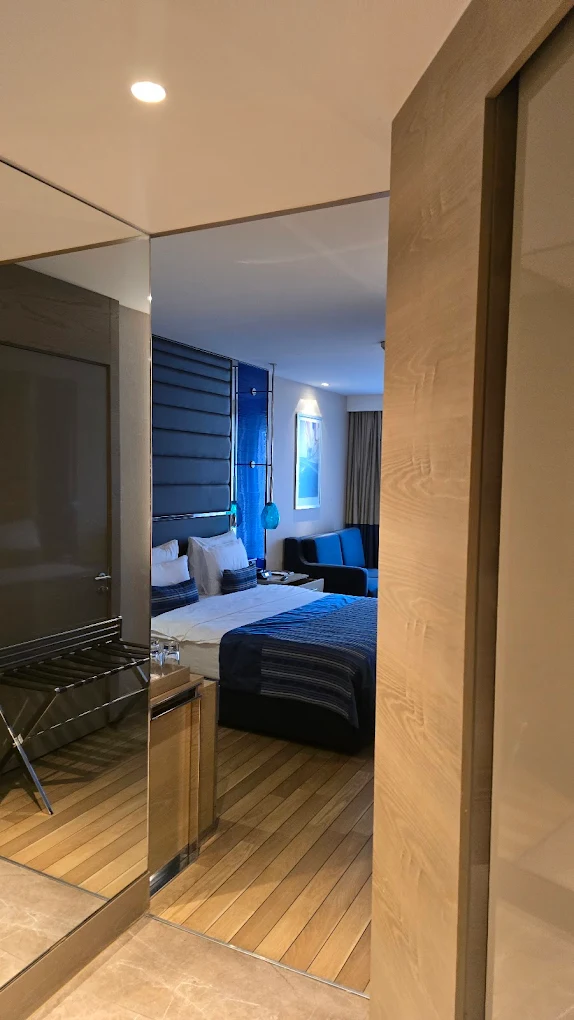
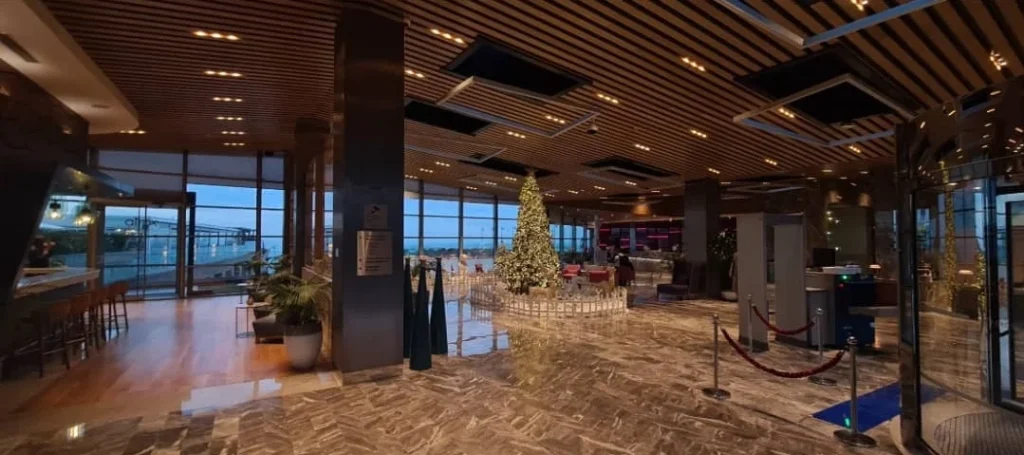
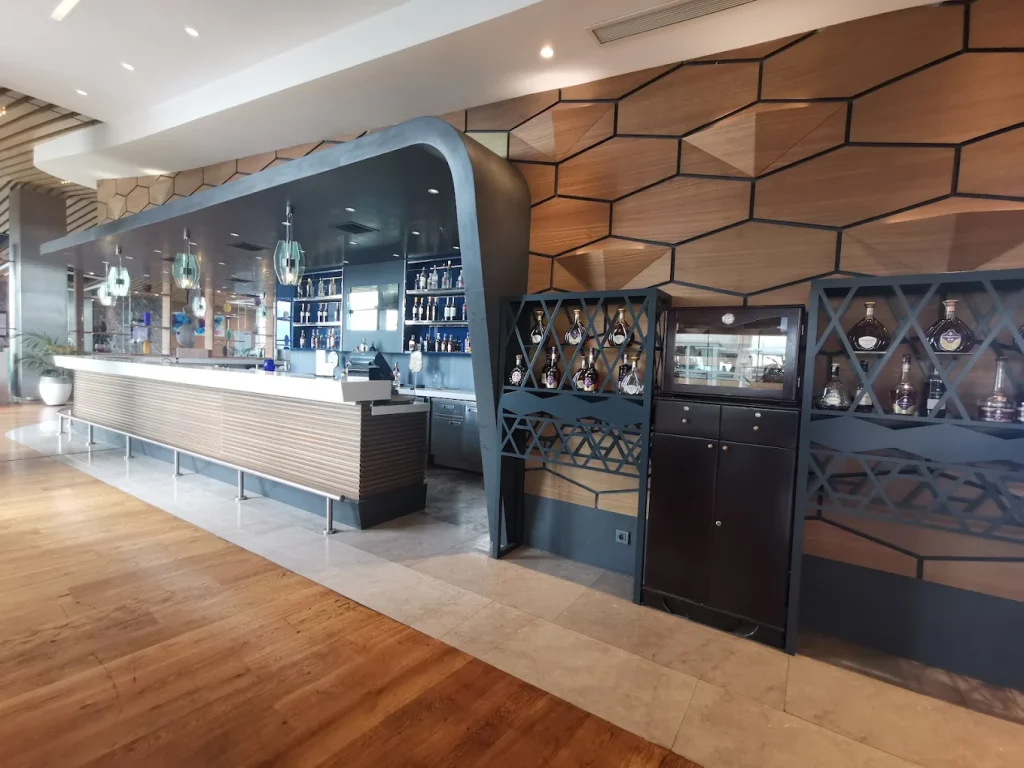
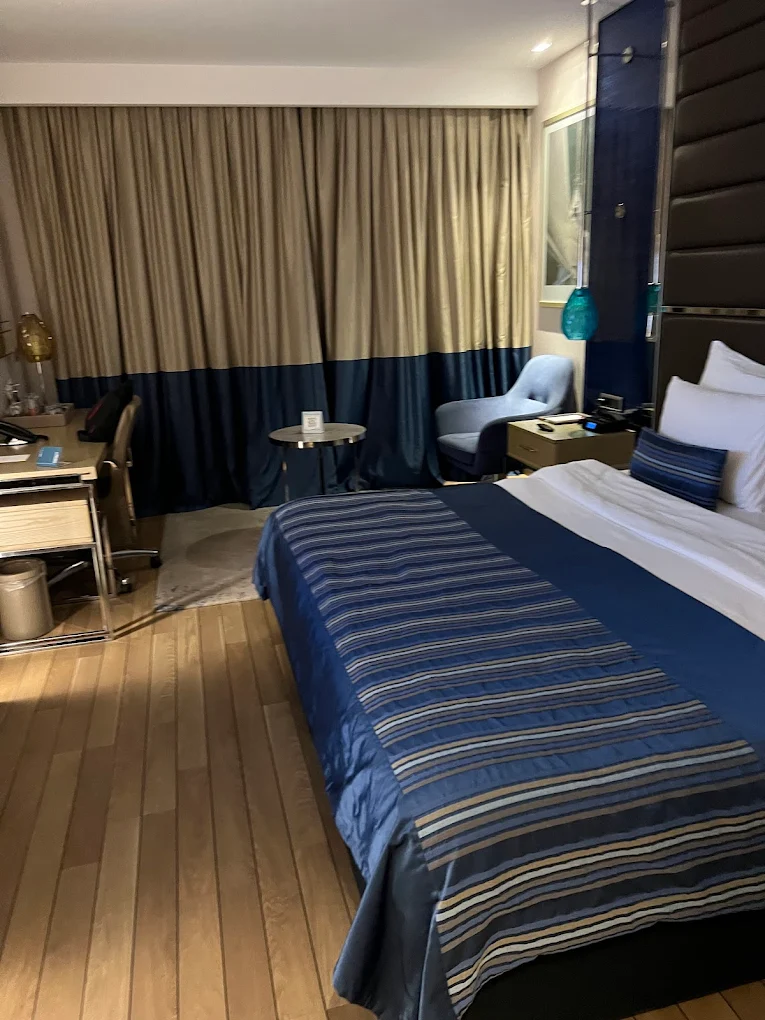

Butik Otel Mobilyaları


Etiket:Distressed Wood Hotel Furniture Turkey, Hotel Doors Turkey, Hotel Entrance and Hotel Lobby Furniture Turkey, Hotel Entrance Furniture Turkey, Hotel Furniture Decoration Turkey, Hotel Furniture Istanbul Turkey, Hotel Furniture Manufacturing Turkey, Hotel Furniture Turkey, Hotel Lobby Furniture Turkey, Hotel Room FurnitureTurkey, Hotel Wood Decoration Turkey, Luxury Hotel Furniture Turkey, Solid Wood Hotel Furniture Turkey, Wooden Hotel Furniture Turkey

Şunları da sevebilirsiniz
Mass Production Solid Furniture

Solid Wood Furniture Production Turkey