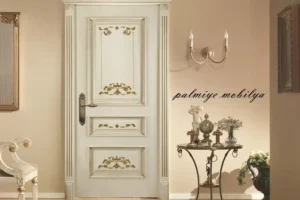

Flat Lacquered Door Manufacturing Turkey
Flat Lacquered Door Manufacturing Turkey: The Definitive B2B Technical Sourcing and Industrial Engineering Guide
The global architectural specification, high-density residential development, and wholesale millwork distribution industries have reached a major transition point. Modern interior design projects increasingly demand clean lines, absolute minimalism, and flawless surface finishes that create a sense of continuous space. Within this highly competitive framework, the sector surrounding Flat Lacquered Door Manufacturing Turkey has established itself as a premier global benchmark for seamless coatings, structural permanence, and advanced production technology. By combining access to sustainable wood resources, state-of-the-art European automation, and highly favorable international trade frameworks, Turkish industrial clusters supply thousands of premium un-routed painted doorsets weekly to major developments across Europe, North America, the United Kingdom, and the Middle East.
This comprehensive industrial whitepaper delivers an exhaustive, technically rigorous analysis of the Flat Lacquered Door Manufacturing Turkey landscape. It covers everything from high-volume automated line configurations and liquid paint chemical engineering to composite core selections, adjustable framing innovations, container packaging logistics, and international customs regulations. This definitive manual provides commercial B2B procurement managers, real estate developers, and large-scale architectural specifiers with the actionable operational data needed to manage high-volume import transactions smoothly.
1. Macroeconomics and Value Engineering: The Rise of Flat Lacquered Door Manufacturing Turkey
To successfully integrate foreign suppliers into a high-velocity commercial construction schedule, a procurement professional must look past simple catalog imagery and evaluate the underlying industrial infrastructure of the sourcing nation. The phrase Flat Lacquered Door Manufacturing Turkey represents a deeply consolidated, technologically advanced manufacturing ecosystem optimized for scale, raw material efficiency, and structural accuracy.
Sourcing Clusters and Scale Efficiencies
The manufacturing capacity of the Turkish interior door sector is concentrated across a few specialized industrial zones, each offering distinct manufacturing strengths for international buyers:
- The Kayseri Industrial Zone: The undisputed heart of high-volume industrial scaling in Turkey. Factories in this region cover massive production floors, often exceeding 50,000 square meters under a single roof. These plants utilize continuous-feed automated machinery designed for continuous hot-pressing, automated edge-trimming, and high-speed robotic painting tunnels. Sourcing from a Kayseri-based facility is the primary choice for massive multi-family housing developments and retail distributor networks requiring thousands of matching, high-quality units delivered within strict, predictable timelines.
- The Istanbul and Kocaeli Cluster: The primary hub for high-spec architectural engineering and fast logistics. Positioned next to major container terminals like Ambarlı and Gebze, factories in this region focus on custom boutique fabrications and complex technical door integrations. These suppliers work closely with upscale architectural firms, offering oversized flush doors, hidden aluminum frame integrations, and specialized acoustic doorsets. Sourcing here provides maximum design flexibility and rapid maritime shipping to Western consumption markets.
- The Inegöl and Bursa Cluster: Generations of woodworking heritage and industrial craftsmanship. Famous for its long history of premium furniture production, Inegöl blends modern automated coating lines with highly skilled manual detailing. This region is the top choice for sourcing hybrid flush doors that combine modern lacquer finishes with delicate wood veneer borders or custom metallic inlays.
The Value Engineering Principles of Flat Profiles
In contemporary architecture, a completely flat flush door requires far more precision during production than a heavily carved panel door. On a textured or routed surface, minor variations in the substrate or paint application are masked by shadows and profiles. Conversely, a flat door behaves like an open mirror; any microscopic bump, ripple, or thickness variation is immediately highlighted by incident light.
Turkish factories have secured a competitive global edge in the Flat Lacquered Door Manufacturing Turkey pipeline by shifting entirely away from manual hand-spraying toward robotic multi-pass coating lines. By automizing every step—from raw core sizing to UV baking—factories reduce manual labor costs, optimize paint yield per square meter, and ensure that the first door leaf and the ten-thousandth door leaf on a production run display identical micron-level thickness and flawless surface flatness.
2. Technical Anatomy and Core Structural Engineering of Flush Leaves
A high-performance interior door must be evaluated as an engineered composite structure. Sourcing through the Flat Lacquered Door Manufacturing Turkey pipeline provides access to multi-layered assemblies engineered to neutralize the natural tendency of timber to warp, twist, or bow when exposed to changing indoor relative humidity and shifting seasonal air conditioning.
The Internal Framework
The structural backbone of a premium flush door leaf features an internal perimeter frame built from finger-jointed solid wood stiles and rails. High-volume Turkish plants typically utilize European red pine (Pinus sylvestris) or kiln-dried white fir.
The raw wood is systematically processed through automated optimizing cross-cut saws that electronically scan the timber to identify and cut out natural defects like knots, cracks, and irregular grains. The remaining clear wood blocks are then interlocked under high hydraulic pressure using water-resistant D3 or D4 polyurethane structural adhesives. This process removes the internal directional forces of the wood fibers, yielding a solid timber frame that remains perfectly straight over decades of continuous use.
Facing Substrates: Calibrated MDF and HDF
To achieve the completely flush surface required for luxury modern design, thick sheets of Medium-Density Fiberboard (MDF) or High-Density Fiberboard (HDF) are hot-pressed onto both sides of the internal timber framework. Sourcing a genuine product from the Flat Lacquered Door Manufacturing Turkey market requires close specification of this substrate layer:
- Skin Thickness Calibration: While economy doors utilize thin 4mm skins, high-quality export lines utilize structural MDF panels ranging from 6mm to 8mm in thickness on each face.
- The Engineering Profile: An 8mm thick MDF skin increases the total torsional stiffness of the door leaf by over 40% compared to standard configurations. This extra thickness provides an exceptionally dense, stable face that resists bowing and serves as an ideal base for multi-layer liquid lacquer application. Sourcing agents can also specify moisture-resistant MDF (MR-MDF) infused with hydrophobic resins for bathroom zones, preventing the door faces from swelling when exposed to steam.
Core Configuration Options and Acoustic Science
The internal cavity between the engineered wood frame and the outer MDF sheets is filled with specialized core materials chosen based on project budgets, weight limits, and target sound reduction indexes (measured in decibels or dB):
[MDF Skin Layer 8mm] ➔ [Internal Wood Frame + Selected Core (Honeycomb / Tubular / Solid)] ➔ [MDF Skin Layer 8mm] ➔ [Seamless Liquid Paint Seal]
- Extruded Tubular Particleboard Core: The global standard for high-end residential, multi-family, and hospitality rollouts. This material features compressed wood chips extruded with parallel horizontal cylindrical chambers. It delivers excellent acoustic dampening (28 dB to 34 dB) and a solid, premium feel while keeping the container transport weight manageable for international shipping lines.
- High-Mass Solid Particleboard or Flaxboard Core: A fully dense block of compressed wood fibers or natural flax particles bound with high-performance thermosetting resins. It offers exceptional sound insulation (35 dB to over 42 dB) and fire resistance (such as FD30/FD60 ratings), making it the primary choice for commercial hotel entrance doors and executive offices requiring total guest privacy.
- Reinforced Kraft Honeycomb Core: A lightweight hexagonal cell grid made from high-compression, heavyweight kraft paper bonded under vertical pressure to the frame and face panels. It is highly cost-effective and optimal for budget-conscious housing developments or internal walk-in closets where sound insulation is not a primary focus, yielding a lightweight door leaf (15 to 22 kg) that minimizes stress on hinge hardware.
3. The Industrial Chemistry of Advanced Sourcing Paint Infrastructure
The defining feature of a professional Flat Lacquered Door Manufacturing Turkey operation is its continuous-feed industrial finishing line. A genuine premium lacquered door features a continuous, seamless chemical skin that wraps around every edge, rather than separate edge bands glued to a painted face.
The Multi-Stage Industrial Spraying Lifecycle
To process hundreds of door leaves per shift without surface defects or airborne dust contamination, automated facilities follow a precise, machine-driven chemistry workflow:
Step 1: Calibration Sizing and Dust Extraction
Raw pressed door blanks pass through dual-sided edge-trimming and sizing machines to establish crisp, perfectly square vertical and horizontal edges. The doors then pass beneath high-velocity ionic air knives and rotating micro-fiber brushes to remove all microscopic wood particles and static charges from the MDF surface. Any remaining dust can cause bumps or dimples under the final paint film.
Step 2: Roller-Coated Chemical Sealer Application
Because MDF is highly porous and absorbent, the door leaf enters a continuous-feed roller-coater that applies a high-penetration chemical isolator or sealer coat. Roller coating ensures a consistent, flat application that seals the board pores with near-zero chemical waste, creating an effective moisture barrier that prevents the substrate from unevenly absorbing subsequent paint layers.
Step 3: Polyurethane Base Priming
The doors receive two to three separate heavy coats of high-fill polyurethane base primers applied via automated oscillating spray arms inside intermediate spray booths. The volume of paint delivered per square meter is monitored by computerized flow valves to guarantee a perfectly uniform wet film thickness across the face and vertical edges of the door leaf.
Step 4: Calibrated Machine Sanding
Between each coat of primer, the doors are cross-transferred to automated wide-belt sanding machines and robotic brushing units using fine abrasive grits (from 240 up to 400 grit). This mechanical step removes any tiny surface imperfections or orange-peel textures, creating a flat canvas for the final color coats without requiring manual labor.
Step 5: Robotic Cleanroom Topcoating
The sanded doors enter pressurized, positive-pressure cleanrooms equipped with multi-stage water-curtain filtration systems to capture all airborne micro-particles. Advanced robotic spray arms travel along five separate axes to apply the pigmented matte, satin, or high-gloss lacquer topcoats, maintaining automated micron-level thickness consistency across every square millimeter of the door face.
Step 6: Accelerated Ultraviolet (UV) Curing Tunnels
The wet, painted doors move through ultraviolet (UV) curing tunnels or temperature-controlled baking ovens to accelerate chemical cross-linking within the paint layer. This hardens the surface immediately, sealing it into a durable finish and allowing the doors to be safely packed for transit within minutes, eliminating the long air-drying wait times common in smaller operations.
Finish Chemistries and Environmental Safety
Turkish factories optimize paint formulations to comply with the chemical safety and health rules of international destination markets:
- Aliphatic Polyurethane Lacquers: These coatings offer exceptional impact and chemical resistance, protecting the door face from chips, scratches, and daily contact with household cleaners.
- Non-Yellowing Acrylic Systems: Formulated with premium thermoplastic acrylic resins and aliphatic hardeners, these paints provide superior UV stability. They ensure that light tones—like crisp white, ivory, or cream—maintain their original color over decades of exposure to direct sunlight.
- Eco-Friendly Water-Borne Hybrids: To help projects secure green building certifications like LEED, BREEAM, or DGNB, leading Turkish factories run separate production lines using water-reducible acrylic-polyurethane hybrids. These systems replace volatile organic solvents with water, bringing VOC emissions down to near-zero levels.
4. Optical Engineering: Sheen Calibration and Consistency
Modern contemporary interior architecture uses light reflection to define spaces and establish mood. Within the Flat Lacquered Door Manufacturing Turkey market, maintaining strict quality control over gloss levels across large manufacturing batches is critical. Factories use electronic gloss-meters calibrated to specific angles (60 degrees for standard sheens) to guarantee consistency across three primary design tiers:
Velvety Deep Matte Finishes (1% to 10% Sheen Units)
- The Look: Absorbs light completely, resulting in a smooth, velvet-like surface with no glare or reflection. It showcases the architectural purity of modern geometric lines.
- Application: Highly popular in contemporary minimalist projects utilizing dark tones like graphite grey, charcoal, deep navy, or forest green.
- Durability: Formulated with anti-fingerprint additives that repel skin oils, preventing visible smudges and maintaining a clean look in high-traffic corridors.
Balanced Silk-Matte / Satin Finishes (15% to 35% Sheen Units)
- The Look: The versatile balance point for high-traffic interior design. It reflects a soft glow that accentuates clean lines without creating harsh, distracting highlights.
- Application: The standard choice for commercial offices, multi-unit residential complexes, and luxury hotel rooms worldwide.
- Durability: Highly forgiving finish that effectively conceals fine dust and daily wear, making it effortless to wipe clean.
Mirror-Like High-Gloss / Piano-Gloss Finishes (85% to 95%+ Sheen Units)
- The Look: A mirror-smooth finish with absolute optical depth and sharp light reflections. It mimics the luxury of grand piano finishes.
- Application: Used for grand entrance doors, luxury penthouse entries, or dramatic contemporary statements.
- Durability: Requires careful cleaning with soft microfiber cloths to protect the mirror finish from fine surface scratches. Achieving true piano gloss requires extensive manual labor, where master craftsmen utilize wool felt buffing pads and ultra-fine polishing compounds to hand-polish the cured topcoat for hours to remove all microscopic lines.
5. Architectural Framing Systems and Precision Component Integration
A flush door leaf cannot perform well over time without a properly matched framing system. When sourcing from a factory specialized in Flat Lacquered Door Manufacturing Turkey, procurement managers select complete, pre-machined doorset solutions rather than standalone door leaves to ensure easy on-site installation and a perfect structural fit.
Telescopic Adjustable Frame Architecture
Turkish factories have mastered the design of flexible wood-composite frames that speed up on-site installation and absorb variations in wall thickness:
- The Sandwich Frame Core: Frame jambs are built by gluing solid wood pine blocks between high-density outer HDF layers. This structure combines the strength of timber with the smooth, warp-free painting surface of HDF.
- Telescopic Adjustability: The architrave (casing) features a structural tongue that slides smoothly into a matching groove cut along the perimeter of the frame jamb. This allows installers to expand or contract the frame width on site to match varying wall thicknesses (e.g., expanding from 12cm to 16cm) without custom wood cutting, hiding any irregularities in the underlying drywall or brickwork.
Minimalist Flush-to-Wall (Filomuro / Invisible) Frameworks
A major trend in modern minimalist design is the completely hidden door that sits flush with the wall surface without traditional casing frames. Sourcing through the Flat Lacquered Door Manufacturing Turkey pipeline provides direct access to these advanced aluminum integrations:
- The Structural System: The traditional wood frame is replaced with an extruded, heavy-duty structural aluminum frame that is anchored directly to the brickwork or steel-stud drywall before the walls are plastered.
- The Final Look: The frame is plastered over completely, leaving only a tiny 2mm reveal gap around the perimeter. The flush lacquered door leaf is hung on hidden hinges, aligning perfectly with the wall face. When painted the exact same color or tone as the wall, the opening virtually disappears into the surrounding architecture.
Factory CNC Hardware Pre-Boring
To eliminate imprecise manual cutting on the construction site, professional factories utilize automated 5-axis CNC machining centers to pre-bore all hardware recesses to European DIN norms:
- Concealed 3D Hinges: These heavy-duty hinges are routed deep into the door leaf and frame jamb, making them completely invisible when the door is closed. They allow the installer to adjust the door leaf across three separate axes (height, depth, and lateral alignment) using a simple hex key to achieve clean, uniform 3mm reveal gaps.
- Magnetic Lock Mortises: Traditional mechanical latches are replaced with silent magnetic systems. When the door is open, the latch stays completely flush with the door edge. It only slides out into the strike plate via magnetic attraction when the door is fully closed. This eliminates mechanical clicking and preserves clean minimalist lines.
- Automatic Drop-Down Seals: A spring-loaded mechanical mechanism mortised into the bottom rail of the door leaf. The moment the door hits the frame, an internal plunger drops a heavy-duty silicone seal down against the floor line. This blocks light drafts, odors, and sound without requiring a raised floor threshold, keeping your flooring continuous from room to room.
6. Comprehensive Technical Comparison: Lacquered Doors vs. Substitute Finishes
To clearly understand why top-tier developers choose premium doors from the Flat Lacquered Door Manufacturing Turkey sector over other mass-market choices, it helps to compare them across critical technical and durability parameters.
| Performance Metric | Premium Flush Turkish Lacquered Doors | PVC / Vinyl Membrane Wrapped Doors | High-Pressure Laminate (HPL) Doors | Melamine Faced Chipboard Doors |
|---|---|---|---|---|
| Edge Seam Configuration | Monolithic: 100% seamless liquid envelope with zero edges to peel. | Glued plastic edges prone to peeling near heat and moisture. | Visible dark joint lines where the laminate meets the edge band. | Exposed glued edge bands that can peel under impact or moisture. |
| CNC Sizing Edge Profile | Crisp & Chamfered: Seamlessly rounded paint transitions along vertical edges. | Restricted to shallow curves; sharp internal corners can cause vinyl tenting. | Sharp joint line prone to physical chipping on high-traffic corners. | Squared edges highly vulnerable to impact damage and water entry. |
| Repairability Profile | High: Minor scratches and chips can be sanded and touched up with matching liquid lacquer. | Zero: If the vinyl melts or tears, the entire leaf must be replaced. | Very Low: Scratches cannot be filled without leaving visible patches. | Zero: Any surface damage requires replacing the door leaf. |
| Tactile & Optical Value | Premium: Soft satin glow or velvety matte finish with deep optical clarity. | Synthetic, plastic-like sheen that can look cheap under bright light. | Industrial look; excellent wood grains but looks commercial. | Budget aesthetic; lacks depth and premium feel. |
| Moisture Resistance | Excellent: The sealed paint layer prevents ambient humidity from reaching the MDF. | Good initially, but water can seep into edge seams over time. | High on the face, but joints can swell if exposed to standing water. | Vulnerable; moisture easily penetrates edge seams, swelling the core. |
7. B2B Sourcing Strategy and Production Contract Management
Executing a high-volume commercial transaction within the Flat Lacquered Door Manufacturing Turkey pipeline requires following a structured procurement sequence to guarantee quality compliance and on-time delivery.
The Commercial Sourcing Lifecycle Workflow
Sourcing large volumes of engineered interior doors follows a formal timeline split across specific approval milestones:
[Technical Door Schedule Review] ➔ [Proforma Invoice Approval] ➔ [Advance Payment Deposit] ➔ [CAD Shop Drawing Sign-off] ➔ [Mock-up Sample Testing] ➔ [Mass Factory Production] ➔ [Quality Inspections] ➔ [Balance Payment Release] ➔ [Container Transport & Customs]
- The Technical Door Schedule: The buyer submits a detailed schedule specifying rough wall openings, finished floor heights, opening directions, wall thicknesses, target color codes, core types, and hardware rules.
- Proforma Invoice (PI) Agreement: The factory issues a detailed PI outlining unit costs, packaging fees, delivery timelines, and target delivery terms based on Incoterms 2020 (typically FOB, CFR, or EXW).
- Advance Payment Deposit: The buyer releases an advance telegraphic transfer (T/T) deposit—typically 30% to 40%—allowing the factory to purchase raw materials and lock in production line scheduling.
- CAD Shop Drawing Sign-off: The factory’s engineering department creates 2D or 3D CAD shop drawings detailing every hardware cut, frame joint, and clearance margin. Production only begins after the buyer signs off on these drawings.
- The Mock-up Protocol: For large commercial projects (over 150 doorsets), smart buyers order a complete finished sample set (mock-up). This allows the project architect to inspect the paint edge uniformity, gloss consistency, and hardware tolerances under actual job-site conditions before mass production starts.
- Mass Production and Inspections: Production generally runs between 4 to 6 weeks. Before final packaging, third-party inspection firms (like SGS or Bureau Veritas) can run random batch checks to verify paint thickness, core bonding quality, and dimensional accuracy.
- Balance Payment and Shipping: Once the inspection report is approved, the buyer releases the remaining 60% to 70% balance payment against presentation of the shipping documents, and the containers are cleared for export at the Turkish port.
8. Sourcing Logistics, Shipping Security, and B2B Customs Engineering
Lacquered painted surfaces are sensitive to friction, impacts, and shifting loads during international transit. Sourcing from the Flat Lacquered Door Manufacturing Turkey market requires choosing a manufacturer that follows strict export packaging and container bracing protocols.
Multi-Layer Export Packaging Standards
- Surface Protection Wrap: A static-free polyethylene scratch protection film is applied directly to the painted surface of every door leaf to prevent friction damage during transport.
- Dense Corner Guards: Shock-absorbing expanded polyethylene (EPE) foam caps protect all four corners and long edges of the door leaf from drops or impacts.
- Face-to-Face Cushioning: Thick styrofoam inserts or bubble wrap layers separate the door leaves when they are stacked, keeping the weight of the stack from marring the paint finish.
- Heavy Timber Palletization: The protected doors are stacked flat on reinforced wooden pallets, securely banded with heavy-duty plastic strapping, and wrapped in industrial stretch film. For long ocean journeys, these pallets are enclosed inside fully boxed wooden crates to shield the cargo from forklift impacts during transit.
Container Capacity Optimization (Incoterms 2020)
To maximize container space and keep shipping costs per unit as low as possible, international buyers use standard flat-packed interior doorset configurations (including the door leaf, knocked-down frame jambs, and architraves):
- 20-Foot Dry Van (20′ DV): Holds roughly 180 to 220 complete doorsets, packed flat across 8 to 10 low-stack floor pallets.
- 40-Foot High Cube (40′ HC): Holds roughly 400 to 480 complete doorsets, double-stacked and braced securely using heavy timber blocks and air bags to prevent shifting during sea transit.
Navigating Global Trade Agreements and Customs
- Trade with the European Union (The ATR Certificate): Under the EU-Turkey Customs Union Agreement, shipments leave Turkish ports with an ATR Movement Certificate. Presenting this form at EU customs checkpoints allows buyers to import the doors duty-free (0% customs tariff), avoiding heavy import fees.
- Trade with the United Kingdom (The EUR.1 Certificate): Managed under the UK-Turkey Free Trade Agreement. Shipments require an EUR.1 preferential origin certificate to qualify for duty-free entry at British ports.
- Trade with North America (USA & Canada): Importers submit a Lacey Act declaration form verifying the botanical names of the wood species used in the internal framing (e.g., Pinus sylvestris) to prove the raw lumber was harvested legally. Additionally, doors must carry CARB Phase 2 and EPA TSCA Title VI compliance certifications showing they meet strict rules on formaldehyde emissions.
9. Site Preparation and Professional Installation Science
The long-term performance of an imported product sourced from the Flat Lacquered Door Manufacturing Turkey pipeline depends heavily on correct on-site installation. Because these doors arrive fully finished from the factory, structural site preparation is essential.
Managing Trade Sequences and Ambient Humidity
- The Right Sequence: Modern lacquered doors are architectural finishes, much like high-end furniture. They should only be brought onto the job site after all wet trades—such as plastering, screeding, tiling, drywall taping, and initial wall priming—are completely finished and fully dry.
- Humidity Control: The indoor relative humidity on the job site must be maintained between 40% and 60%, and temperatures should stay between 15°C and 25°C. If doors are installed while concrete or plaster is still drying, the timber core can absorb excess moisture from the air, causing the frame components to swell and strain the premium lacquer finish.
Step-by-Step Installation Methodology
- Assembling the Frame: Layout the telescopic frame jambs and header on a clean, padded surface. Fasten the corners securely using the manufacturer’s provided hidden bracket joints or specialized wood screws.
- Positioning and Anchoring: Insert the assembled frame into the wall opening. Use plastic or timber shims at all anchoring points to ensure the frame is perfectly level and plumb across all planes.
- Applying Structural Foam: Secure the frame to the wall using low-expansion polyurethane foam applied at regular intervals. Avoid high-expansion foams, which can bow the frame jambs inward and prevent the door from closing properly.
- Hanging and Tuning the Leaf: Mount the door leaf onto the concealed hinges. Use the 3D adjustment screws to set perfectly uniform 3mm reveal gaps along the top and side margins.
- Fitting the Casing: Apply a bead of high-strength polymer adhesive along the telescopic tongue of the architrave, then slide it into the frame jamb groove until it sits tight against the finished wall face.
10. Quality Verification and Maintenance Protocols
To maintain high quality, adding clear technical criteria for product acceptance into your purchase contract prevents quality disputes before shipments leave the factory floor.
Critical Quality Tests
- The Cross-Hatch Adhesion Test (ISO 2409): Used to verify how well the liquid lacquer bonds to the underlying MDF surface. The inspector uses a precision blade to cut a grid pattern into the paint film, applies a standardized adhesive tape over the grid, and pulls it off firmly. If paint flakes away from the grid corners, the primer coat failed to cure or bond correctly, signaling that the door could chip down the road.
- Micrometer Dry Film Thickness Measurement: Ensures the door received a durable finish rather than just a thin coat of paint. High-quality export-grade lacquered doors require a minimum dry film paint thickness of 120 to 180 microns, split across multiple layers of isolation base, primer, and protective topcoats.
- Gloss-Meter Sheen Analysis: Importers use an electronic gloss-meter to measure light reflection at multiple points across the door face. This check ensures the sheen level stays completely uniform, preventing a patchy or uneven look under home interior lighting.
Daily Maintenance and Care
- Approved Cleaning Steps: Dust the door face regularly with a clean, dry, ultra-soft microfiber cloth. For light smudges or fingerprints, slightly dampen the cloth with lukewarm water mixed with a drop of pH-neutral dish soap. Wipe the surface down, then immediately dry it with a second microfiber cloth.
- Prohibited Cleaning Products: Never use abrasive scrubbing sponges, steel wool, or harsh chemicals like bleach, ammonia, or acetone. Avoid alcohol-based glass cleaners or citrus-infused sprays, as these solvents can gradually dissolve or dull the protective lacquer topcoat.
12. Future Horizons in Flush Sourcing and Green Technology
The engineering landscape across the Flat Lacquered Door Manufacturing Turkey industry continues to advance as factories adopt smart tracking tools, sustainable bio-resins, and integrated smart-home technologies to stay ahead of global market trends.
Shifting to Sustainable Bio-Resins
Driven by strict environmental regulations in Western Europe and North America, progressive Turkish industrial labs are rolling out advanced eco-friendly lacquers. These new coatings replace petroleum-based polyols with bio-resins sourced from renewable plant starches. They maintain the structural hardness, scratch resistance, and pristine satin sheen of classic lacquers while cutting the carbon footprint of production significantly.
Factory-Integrated Smart Logistics
To streamline supply chains for massive international developments, major Turkish factories are embedding passive Radio-Frequency Identification (RFID) microchips directly into the core of each door leaf before the pressing stage. This smart tracking lets international developers scan incoming crates with a handheld reader, instantly identifying the exact room allocation, dimensions, paint configuration, and hardware requirements without needing to open the protective export packaging.
Complete Pre-Hung Doorset Solutions
To counter rising labor costs in import countries like the United States, Canada, and the United Kingdom, Turkish export lines are shifting toward fully pre-hung doorset packages. Instead of shipping loose components, the doors arrive with the hidden 3D hinges, telescopic architraves, magnetic locks, and acoustic gaskets completely pre-assembled and test-fitted inside the frame at the factory. On-site installation times drop from hours to minutes, significantly reducing labor expenses for developers.
Summary Sourcing Checklist for Commercial Procurement
When preparing a procurement contract or tender for large-scale flush interior doors, use this summary checklist to ensure all technical and legal bases are fully covered:
- Internal Core Configuration: Specify Tubular Particleboard for standard acoustic comfort, Solid Flaxboard for luxury hotel guestrooms or fire doorsets, or Honeycomb for lightweight budgets.
- MDF Facing Thickness: Minimum 6mm to 8mm thick calibrated face panels to ensure a flat face and increase total torsional stiffness.
- Paint Performance Standards: Require a non-yellowing aliphatic polyurethane or acrylic formula with a dry film thickness between 120 and 180 microns applied via automated multi-axis lines.
- Gloss Level Requirement: Explicitly define the target sheen (e.g., Deep Matte 5% with anti-fingerprint properties, Silk-Matte 25%, or Mirror Piano Gloss 90%+) calibrated via electronic gloss-meters.
- Frame Engineering: Sandwich wood core with telescopic HDF architraves built to match your specific site wall thicknesses.
- Hardware Preparation: Complete factory CNC pre-boring for hidden hinges, magnetic mortise locks, and automatic drop seals to eliminate manual on-site modifications.
- Logistics Protection: Heavy-duty export packaging including foam edge guards, face protection sheets, and reinforced wooden crates suitable for international shipping.
By selecting the right combination of core engineering, chemical coatings, and frame specifications, you ensure your investment in modern Turkish flat lacquered doors delivers long-lasting durability, exceptional acoustic comfort, and timeless architectural style.
Etiket:Colored Lacquered Doors Turkey, Flat Lacquered Door Manufacturing Turkey, Hornbeam Wood Doors Turkey, Luxury Solid Wood Doors Turkey, Mass Production Solid Doors, Mass Production Wood Doors, Natural Wood Doors Turkey, Rustic Solid Wood Doors Turkey, School And Dormitory Furniture Turkey, School Doors Turkey, Solid Door Factory Turkey, Solid Wood Door Turkey, Solid Wood Interior Doors Turkey, Walnut Wood Doors Turkey, Wood Furniture Production Turkey, Wood Veneered Doors Turkey, Wood Window Manufacturing Turkey

Şunları da sevebilirsiniz
Solid Wood Door Turkey
Colored Lacquered Doors Turkey