Hotel Furniture
Innovative Hotel Furniture Systems: Design, Durability, and Guest Experience Optimization
Hotel furniture is a core driver of guest satisfaction, operational efficiency, and long-term brand ROI. Selecting commercial-grade hospitality FF&E (Furniture, Fixtures, and Equipment) requires a balance of engineering precision, ergonomic performance, and compliance. This guide analyzes technical considerations, structural standards, and material selection necessary to create high-performing hospitality environments.
Structural Integrity and Material Engineering Standards
Commercial hotel furniture must endure high-traffic usage cycles that residential furniture cannot survive. Engineering durable hospitality furniture requires strict adherence to international structural and safety testing standards.
- BIFMA and ANSI Compliance: Seating and casegoods must pass American National Standards Institute and Business and Institutional Furniture Manufacturers Association testing. These protocols verify structural stability, drop load capacity, and cycle durability.
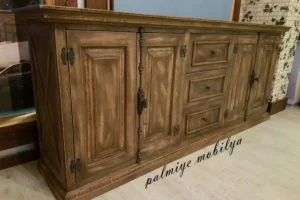
- Solid Timber and Substrates: High-performance hospitality casegoods utilize kiln-dried hardwoods (such as ash, oak, or beech) for structural frames. Moisture content must be stabilized between 6% and 8% to prevent warping, splitting, or joint separation under changing HVAC conditions.
- Medium-Density Fiberboard (MDF) and Particleboard: For large surface panels, moisture-resistant industrial-grade MDF or high-density particleboard is preferred over solid wood. These engineered substrates provide uniform thickness and eliminate natural imperfections. They minimize expansion and contraction caused by room humidity fluctuations.
- Joinery Techniques: Mortise-and-tenon joinery, reinforced with double-dowels, corner blocks, and heavy-duty structural screws, represents the industry standard for high-traffic durability. Avoid reliance on visual cosmetic staples or low-grade tensile adhesives.
Advanced Surface Finishes and Textile Science
The longevity of hotel furniture relies directly on its resistance to mechanical wear, chemical cleaning agents, and environmental exposure.
| Surface Material Type | Key Technical Specifications | Primary Application Areas |
|---|---|---|
| High-Pressure Laminate (HPL) | NEMA LD3 compliant, ≥0.7mm thickness, impact resistant | Table tops, luggage benches, desk surfaces |
| Wood Veneer with PU Topcoat | Multi-layer Polyurethane finish, UV-inhibited, formaldehyd-free | Luxury guestrooms, executive suites, headboards |
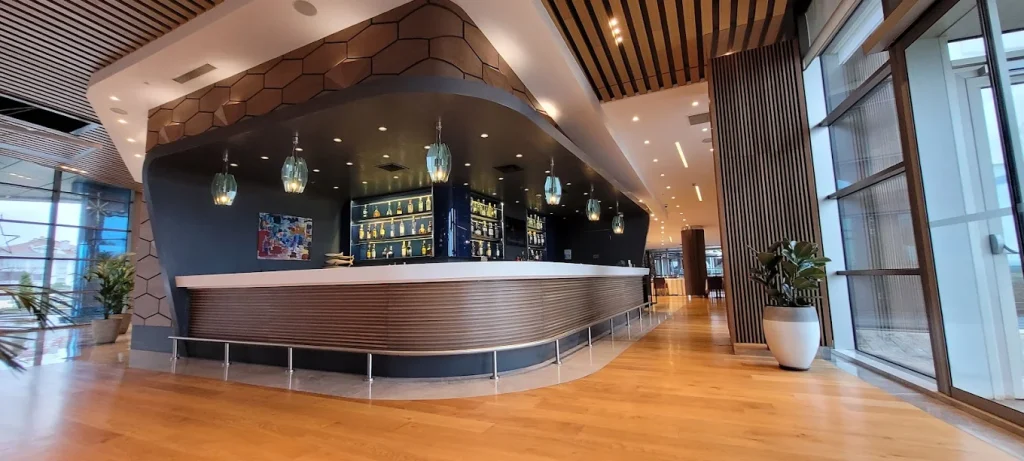
| Engineered Quartz / Stone | Non-porous, scratch-resistant, zero absorption rate | Vanity tops, breakfast buffets, bar counters |
For upholstered furniture elements, fabric selection dictates both aesthetic retention and fire safety compliance:
- Martindale and Wyzenbeek Abrasion Testing: Heavy-duty transit areas require textiles rated for a minimum of 50,000 double rubs (Wyzenbeek method) or 40,000 cycles (Martindale method). High-traffic lobby seating often utilizes performance fabrics exceeding 100,000 double rubs.
- Flammability Regulations: Textiles, foam cushions, and barriers must comply with strict fire safety codes. These include British Standard BS 5852 (Crib 5), California Technical Bulletin 117-2013 (CAL 117), or CAL 133 for high-risk public spaces.
- Stain and Microbe Barriers: Modern hospitality fabrics incorporate molecular-level fluorochemical or nano-technology treatments. Brand names like Crypton or Sunbrella protect inner foam cores from liquid ingress, microbial growth, and harsh disinfectant degradation.
Ergonomics, Space Planning, and Guestroom Optimization
Guestroom configurations must balance spatial fluid dynamics with physical human comfort metrics. Furniture layouts directly impact a guest’s perception of luxury and ease of movement.
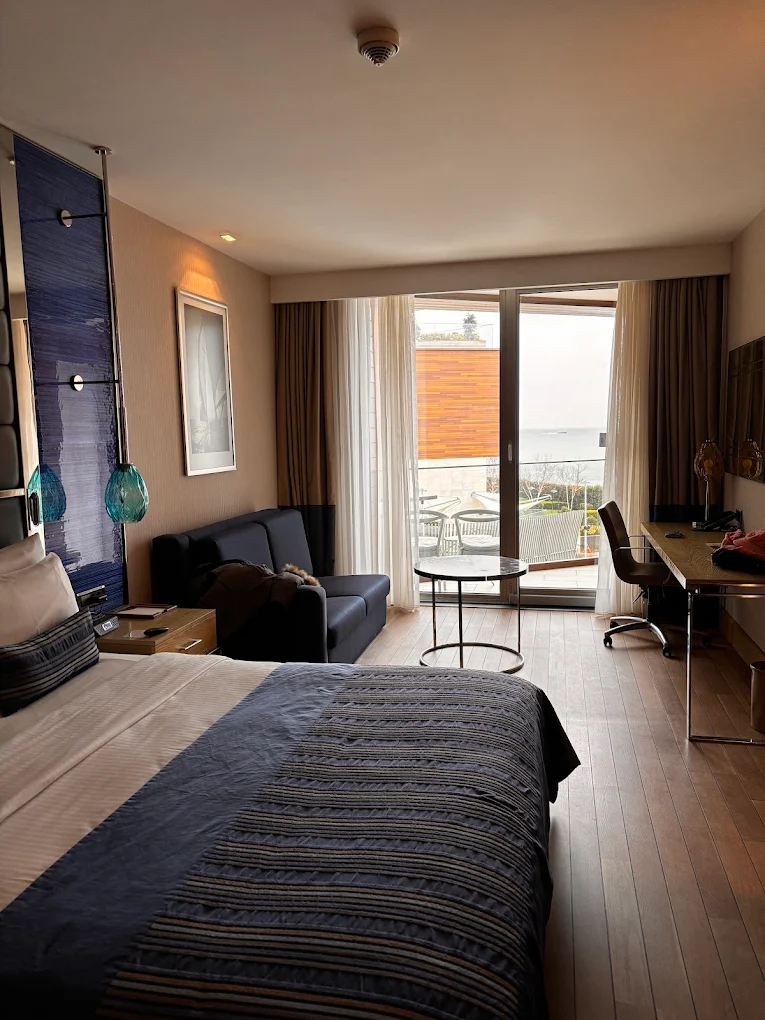
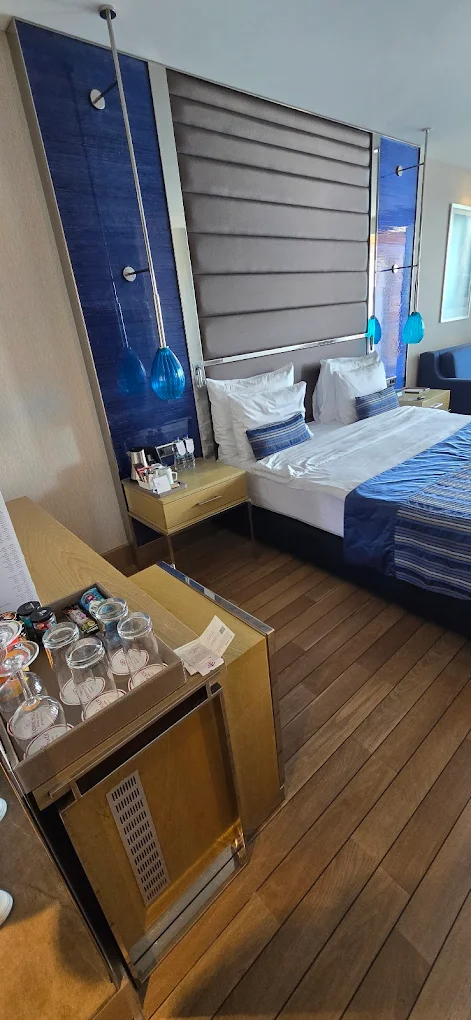
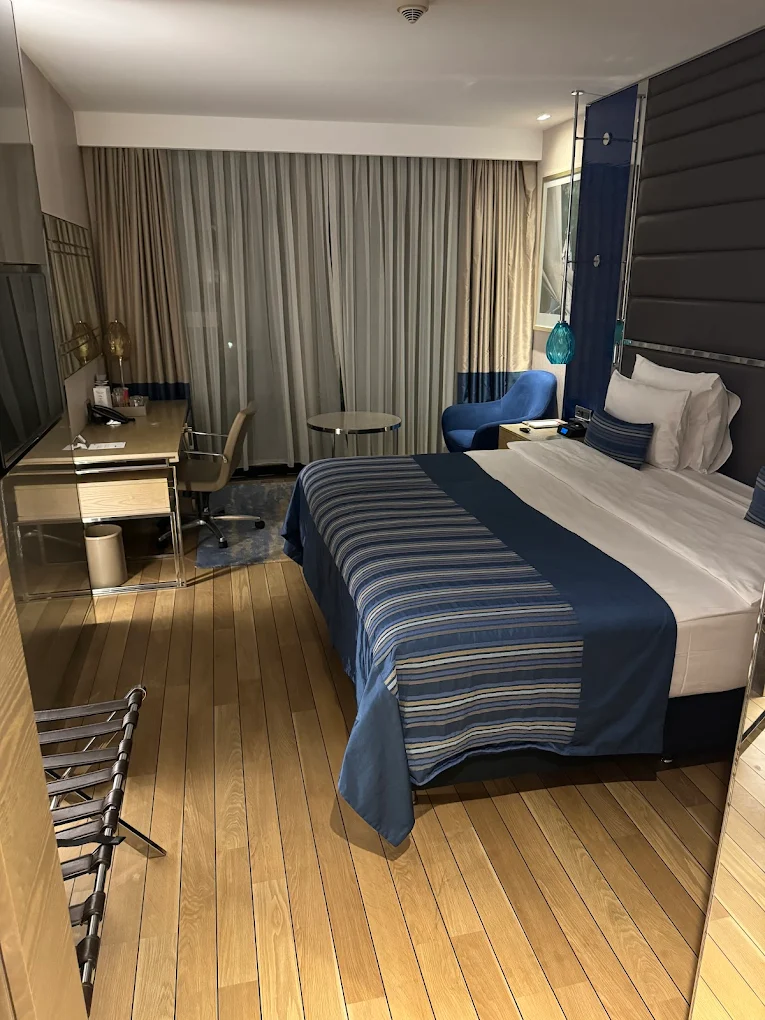
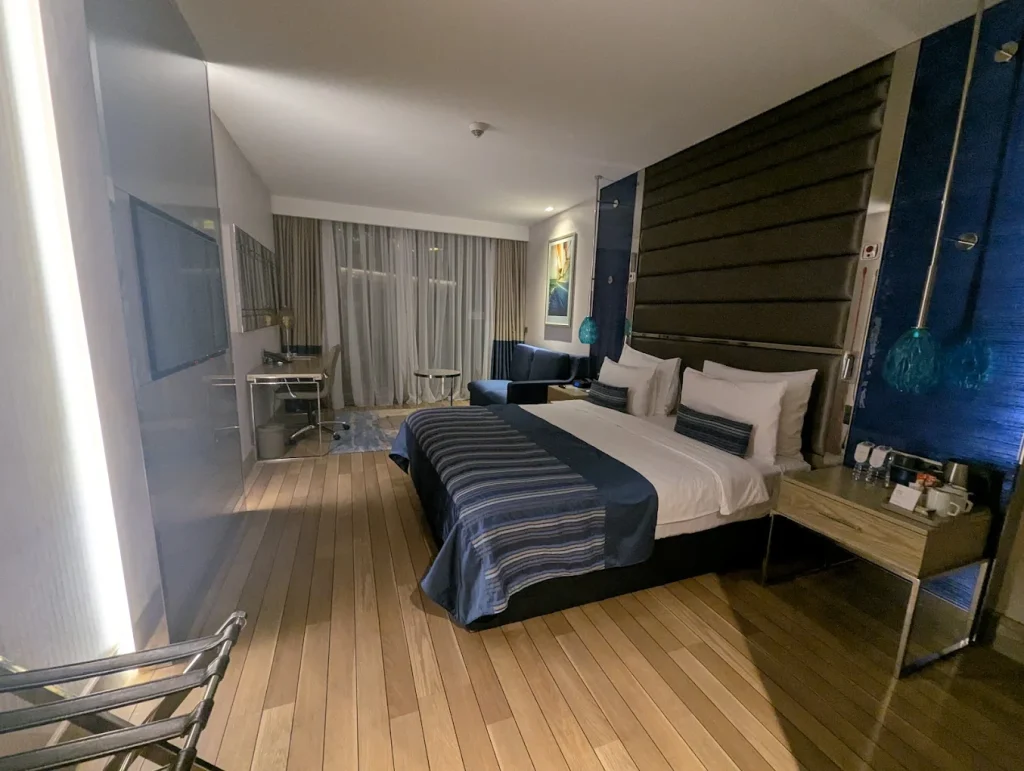
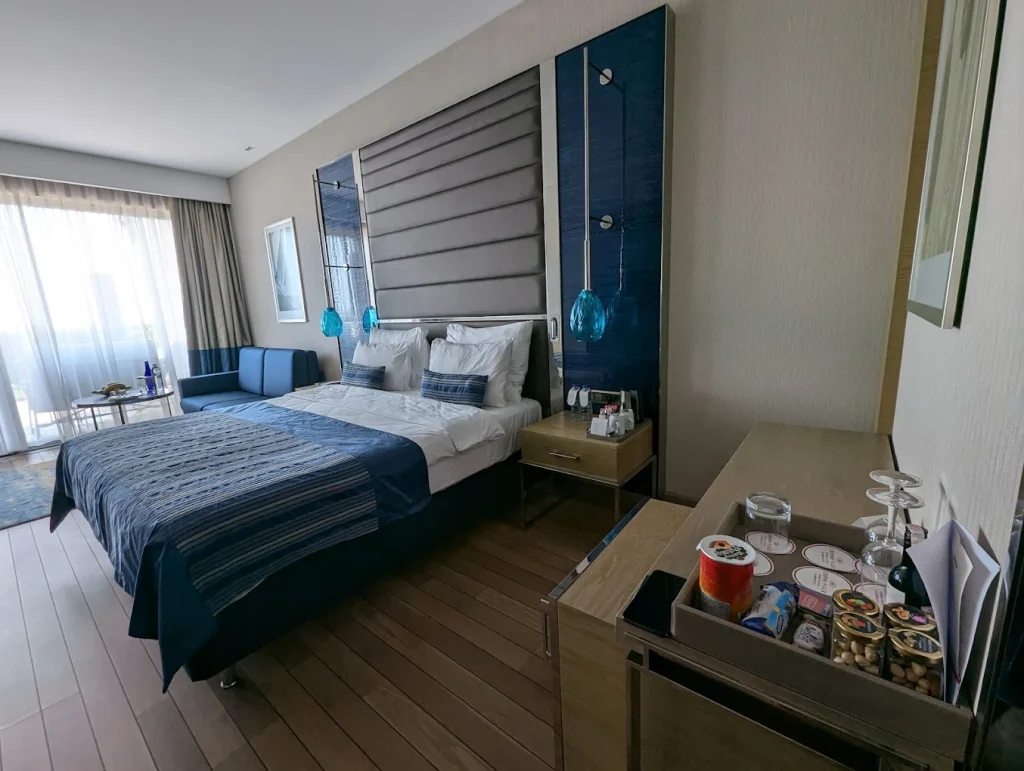
- The Ergonomic Bed Matrix: The bed frame is the focal point of the hotel guestroom. Floating platform bases or upholstered box bases must feature recessed kickplates. This design protects guest feet and allows housekeeping staff closer structural proximity during daily linen changes. Headboards must integrate securely into wall studs or heavy-duty Z-clips, eliminating acoustic transferring or physical shifting against the drywall.
- Smart Multi-Functional Workstations: Traditional bulky executive desks are increasingly replaced by hyper-functional, mobile C-tables or integrated media ledges. Desks must maintain an ergonomic height between 740mm and 760mm. They require seamless flush-mounted power hubs offering integrated USB-C charging, universal AC sockets, and low-voltage lighting control switches.
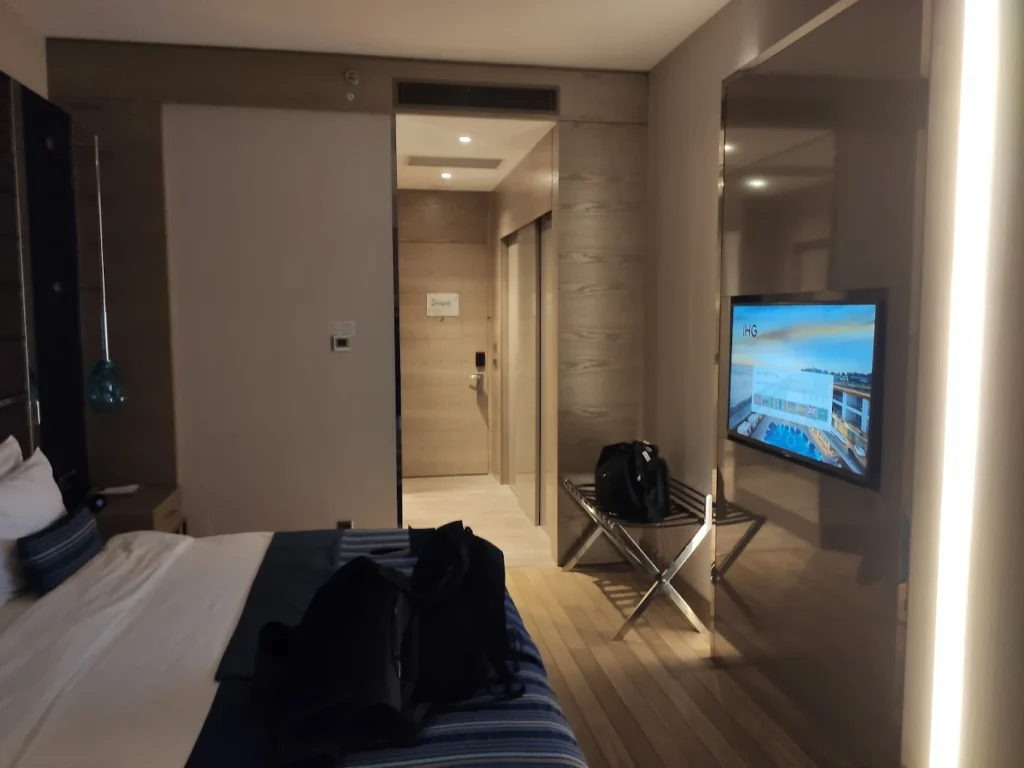
- Housekeeping-Centric Engineering: High-quality hotel furniture prioritizes efficient cleaning operations. Wardrobes and nightstands should either seal directly flush to the floor finish via protective PVC plinths or feature elevated leg profiles of at least 150mm. This elevation allows easy clearance for automated robotic vacuums or manual housekeeping mop paths.
Public Space Fluidity: Lobby, Lounge, and F&B Dynamics
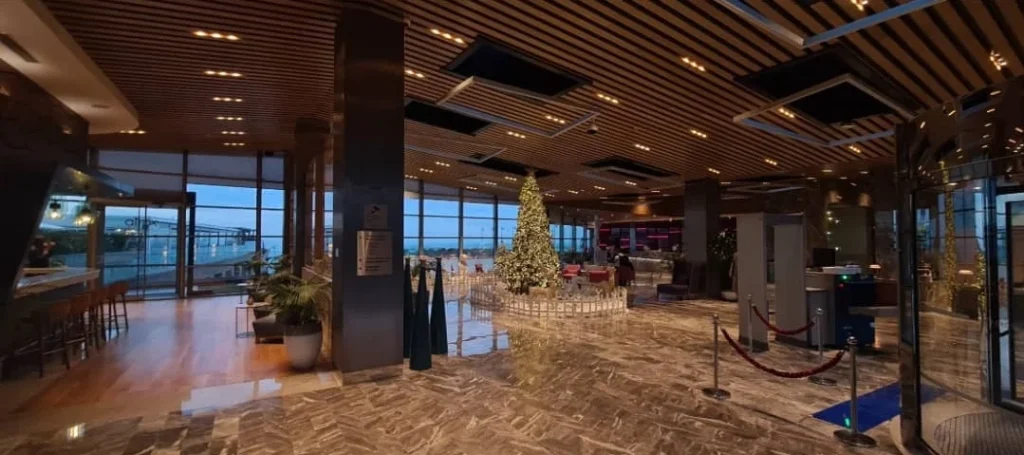
Lobby and public area furniture requires modular versatility to accommodate shifting occupancy demands throughout the operational day.
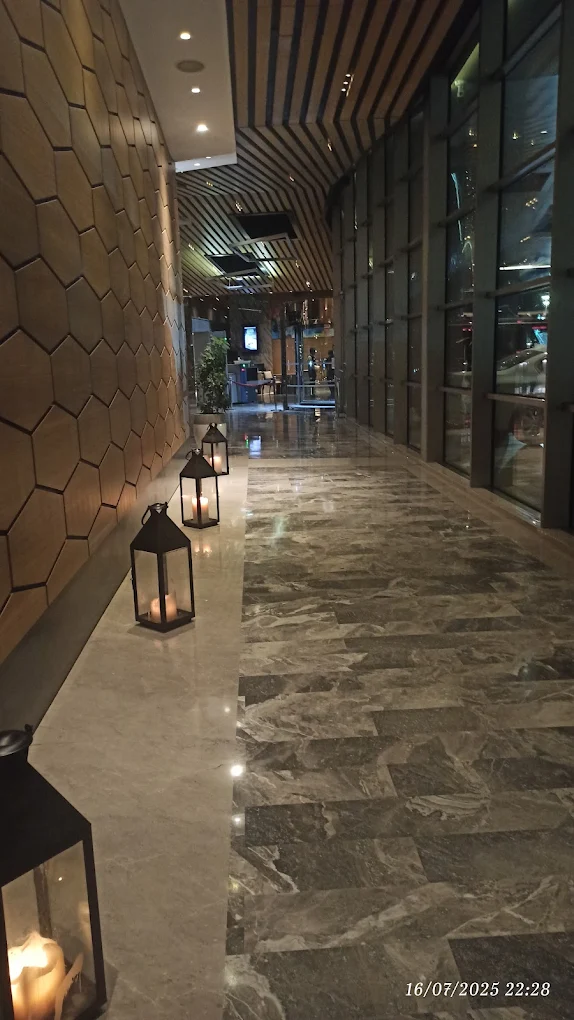
- Modular Zoning Layouts: Communal lobby areas require distinct structural zones. Anchor these zones using heavy modular sectional sofas equipped with internal steel frame connectors. High-backed acoustic lounge seating provides private micro-environments for business travelers within busy open-plan public lobbies.
- Outdoor Hospitality Elements: For patios, pool decks, and rooftop bars, specify furniture constructed from powder-coated architectural-grade aluminum, marine-grade polymer, or UV-stabilized synthetic woven resins. Fast-drying reticulated polyurethane foam cushions allow rapid water drainage following precipitation events.
Procurement, Lifecycle Costing, and Sustainability Metrics
Successful hospitality FF&E procurement requires balancing upfront capital expenditure against long-term operational lifespan costs.
- Total Cost of Ownership (TCO): Purchasing lower-cost residential furniture for commercial properties creates financial deficits due to premature structural failure, elevated maintenance labor, and offline room revenue losses. Commercial-grade hotel furniture is engineered for an operational lifecycle of 7 to 10 years under continuous use.
- Sustainable Sourcing and Certifications: Modern property development requires compliance with green building standards like LEED, BREEAM, or WELL. Ensure furniture manufacturers utilize FSC-certified (Forest Stewardship Council) timber, low-VOC (Volatile Organic Compound) adhesives, and recycled-content metals or plastics. This commitment supports corporate ESG targets and satisfies the expectations of eco-conscious consumers.
Butik Otel Mobilyaları
Butik Otel Mobilyaları
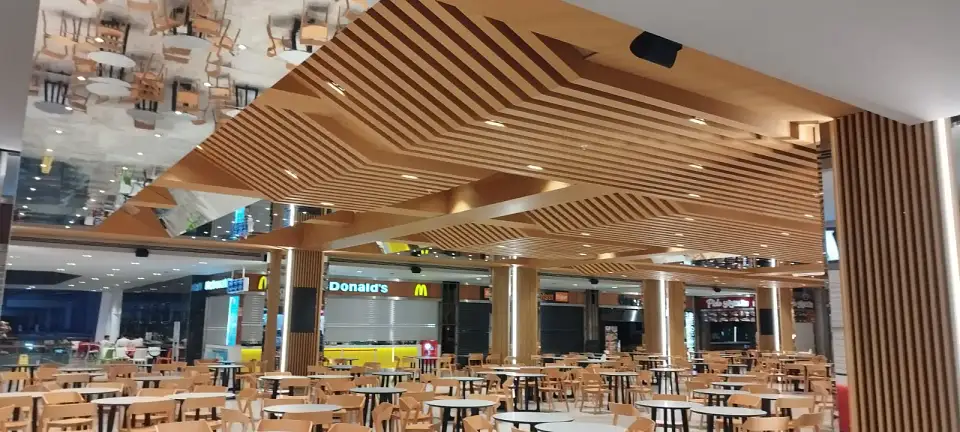
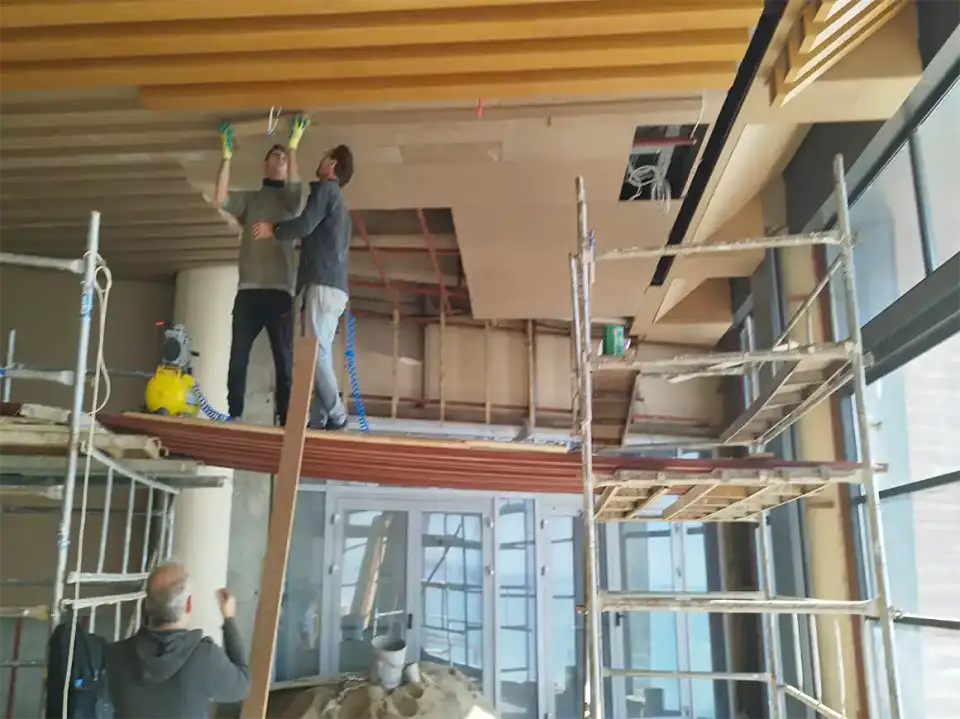
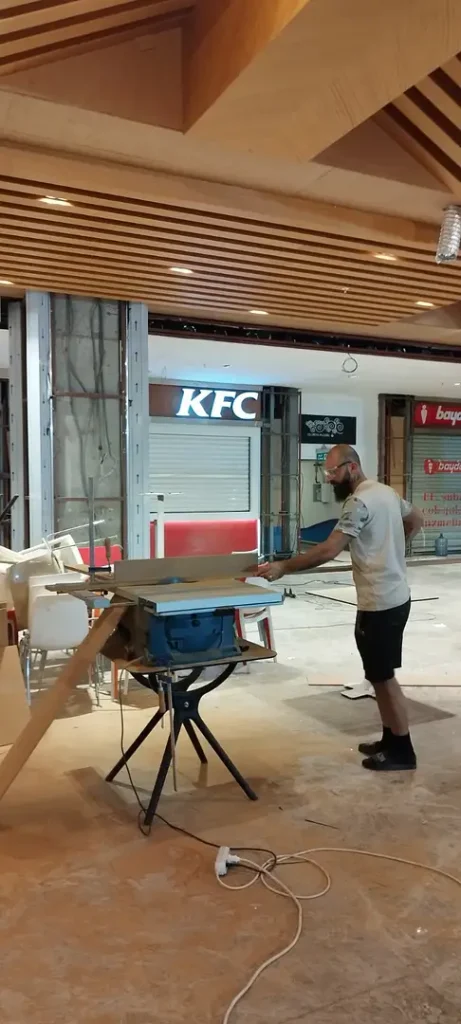
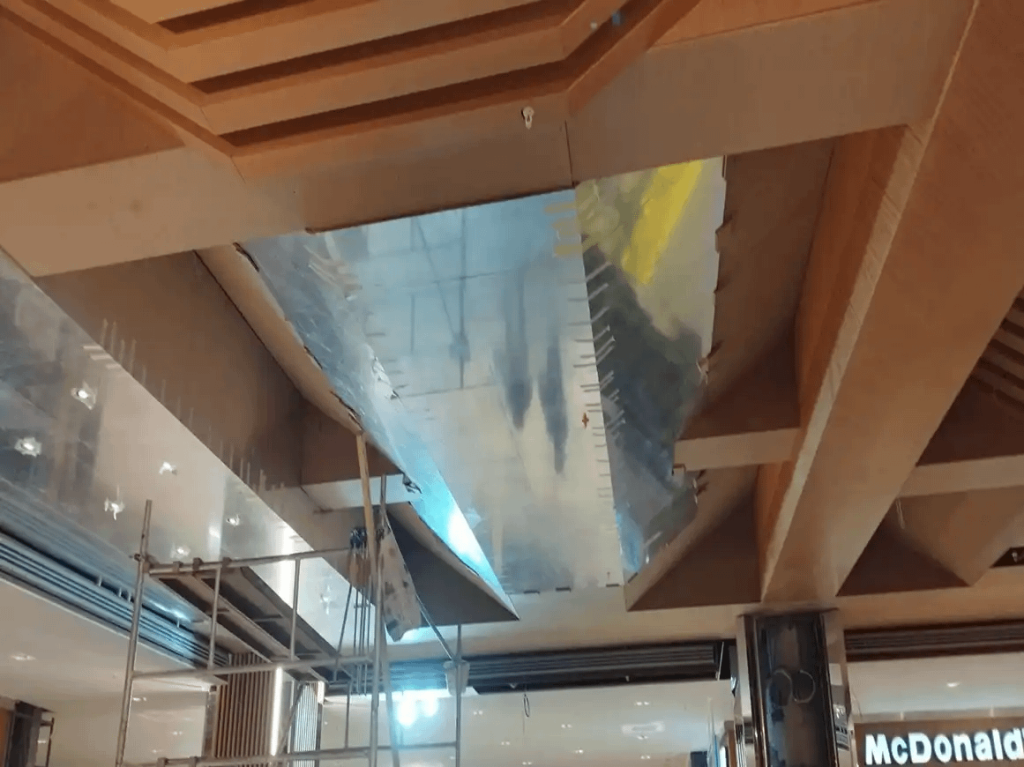


Butik Otel Mobilyaları



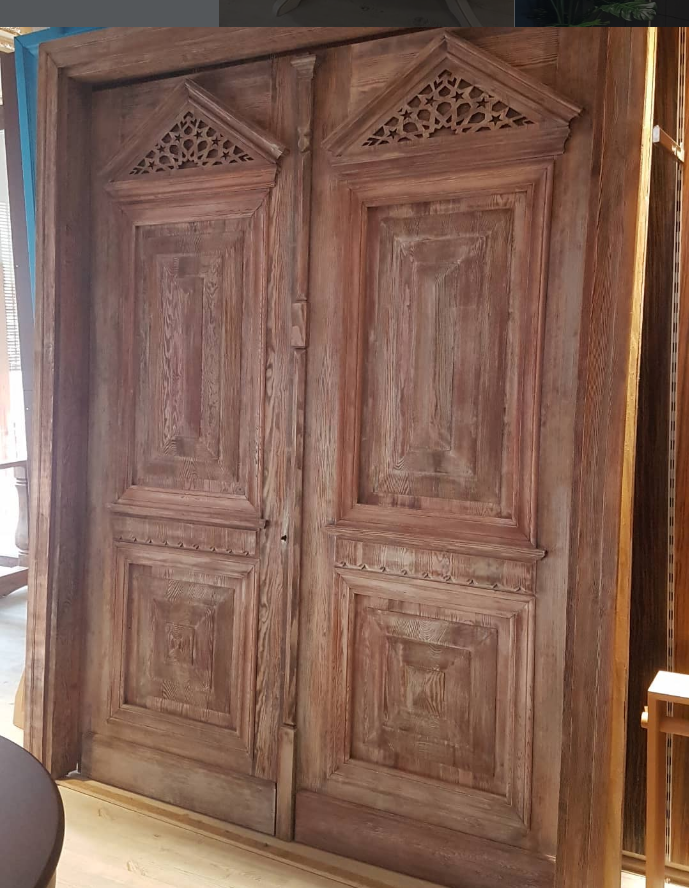
Etiket:Distressed Wood Hotel Furniture Turkey, Hotel Doors Turkey, Hotel Entrance Furniture Turkey, Hotel Furniture, Hotel Furniture Decoration Turkey, Hotel Furniture Istanbul Turkey, Hotel Furniture Manufacturing Turkey, Hotel Furniture Turkey, Hotel Lobby Furniture Turkey, Hotel Room FurnitureTurkey, Hotel Wood Decoration Turkey, Luxury Hotel Furniture Turkey, Solid Wood Hotel Furniture Turkey, Wooden Hotel Furniture Turkey

Şunları da sevebilirsiniz
Mass Production Solid Furniture

Solid Wood Furniture Production Turkey