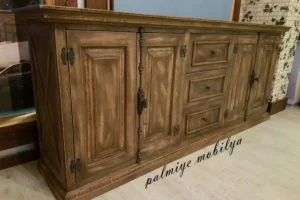

Hotel Furniture Decoration Turkey
Hotel Furniture Decoration Turkey: The Complete Technical Sourcing, Design Engineering, and Project Management Guide for Global Hospitality Developments
The successful completion of an international hospitality development relies heavily on the coordination of interior design concepts, precision manufacturing, and spatial decoration. Within the global procurement sector, Hotel Furniture Decoration Turkey has become a premier standard for full-scale contract fit-outs. Sourcing FF&E (Furniture, Fixtures, and Equipment) and turn-key decoration services from Turkey allows international hotel owners, commercial interior architects, and hospitality developers to access a massive production hub. This hub combines high-end artisan craftsmanship, advanced material engineering, and comprehensive project management workflows at an optimized cost structure.
As global hospitality design transitions toward multi-functional, highly experiential spaces, executing a cohesive interior decoration program requires deep technical knowledge of material science, structural engineering, and strict regulatory compliance. This comprehensive, expert-level guide delivers the technical data, structural breakdowns, and cross-border procurement frameworks required to successfully engineer, manufacture, and implement turn-key hotel furniture decoration programs from Turkey.
1. The Strategic Impact of Sourcing Hotel Furniture Decoration from Turkey
A hotel property is a demanding, high-traffic commercial environment. Unlike residential properties, a hotel’s public areas and guestrooms face continuous physical impacts, heavy luggage collisions, localized moisture changes, and contact with strong commercial cleaning chemicals. Choosing Hotel Furniture Decoration Turkey provides global developers with distinct industrial advantages specifically structured to handle these operational challenges.
Full-Scale Industrial Integration: From Lumber to Accent Linings
Turkey’s contract decoration sector does not operate as a fragmented network of disconnected workshops. Instead, it is organized into highly specialized, vertically integrated industrial clusters.
- Proximity to Raw Materials: Premium timber resources (such as hornbeam, beech, oak, and walnut), natural marble quarries (Afyon White, Marmara Grey, and Emperador), and advanced metallurgy hubs are located within the same industrial corridors as the primary fabrication plants.
- Unified Technical Infrastructure: Leading Turkish turnkey fit-out contractors maintain high-capacity woodworking machinery, five-axis CNC routers, vacuum-press veneer systems, precision metal foundries, glass tempering facilities, and complete upholstery lines under a single corporate umbrella. This structural integration eliminates production delays, reduces intermediate transport costs, and ensures uniform quality control across multi-material components.
Short Logistics Transit and Customs Simplification
For multi-million dollar hotel developments, project delays present an immediate financial risk. Delayed delivery schedules can lead to pushed opening dates, missed seasonal reservations, and compounding loan interest.
- Geographic Trade Advantages: Turkey’s physical position at the crossroads of Europe, Asia, and Africa provides excellent shipping logistics.
- Intermodal Freight Speeds: Trucking networks deliver cargo directly from Turkish factory floors to continental European destinations within 5 to 10 days. Marine freight via ports like Ambarlı, İzmir, and Mersin connects to the Middle East, North Africa, and North American ports within 14 to 26 days. This offers a substantial timeline advantage over East Asian alternatives, which frequently face 45-to-60-day maritime shipping delays.
- Tariff Advantages: The established Customs Union between Turkey and the European Union eliminates tariffs on industrial goods, simplifying import paperwork and lowering overall procurement costs.
2. Key Manufacturing Zones for Hospitality Fit-Outs and Joinery
To maximize procurement efficiency when sourcing Hotel Furniture Decoration Turkey, project managers must understand the specific manufacturing capabilities of the country’s main industrial hubs.
+---------------------------------------------------------------------------------+

|               TURKISH HOTEL DECORATION INDUSTRIAL CLUSTERS                      |
+---------------------------------------------------------------------------------+

| İSTANBUL        --> Luxury Custom Millwork, Statement Seating, Metal Artistry   |
| BURSA (İNEGÖL)  --> High-Volume CNC Milling, Automated UV Coating, Modular SKUs |
| ANKARA (SİTELER)--> Heavy Solid Wood Engineering, Classic Marquetry, Joinery    |
| KAYSERİ         --> Industrial Scale Sommiers, High-Resiliency Contract Foam   |
| İZMİR           --> Contemporary Outdoor, Coastal Hospitality, Eco-Aluminium    |
+---------------------------------------------------------------------------------+
İstanbul: The Capital for Luxury Custom Fit-Outs
İstanbul houses advanced technical engineering offices and highly skilled manufacturing plants capable of executing complex, high-concept architectural layouts.
- Primary Capabilities: Sourcing turn-key public area decorations, complex double-curved reception desks, massive feature wall paneling systems, and intricate metal-inlaid architectural accents.
- Design Engineering Prowess: İstanbul factories feature internal design-engineering divisions that convert loose conceptual interior design renderings into millimeter-accurate shop drawings and BIM models using AutoCAD and SolidWorks.
Bursa (İnegöl): Industrialized Contract Scale
İnegöl is an industrial powerhouse designed for high-capacity output, automated modular precision, and large-scale casegood production.
- Primary Capabilities: Processing high-density particleboard and medium-density fiberboard (MDF) panels through automated multi-axis CNC routers.
- Finishing Technology: Utilizing automated UV-curing finishing lines that dry surface lacquers instantly, creating highly uniform panel coatings. This makes İnegöl the ideal destination for large mid-scale, corporate, and select-service hotel chains that require rapid, high-volume production cycles.
Ankara (Siteler): Traditional Wood Artistry and Fine Veneers
Siteler represents Turkey’s traditional center for master woodworkers, hand-carved heritage furniture, and artisanal woodworking techniques.
- Primary Capabilities: Working with solid woods, manual wood-bending techniques, intricate marquetry, and high-end natural book-matched veneer processing.
- Production Focus: Highly suited for five-star heritage hotels, classic boutique luxury properties, and premium custom decoration lines that require solid wood edge bands and artisanal surface finishes.
Kayseri: High-Volume Industrial Soft Seating
Kayseri contains some of the largest automated manufacturing plants in Europe, focusing on high-volume soft seating and mattress systems.
- Primary Capabilities: Mass production of heavy-gauge steel perimeter bed bases (sommiers), automated innerspring assembly lines, and high-resiliency contract foams.
- Production Focus: Optimized for high-volume economy and mid-tier select-service brands where cost efficiency and strict compliance with international fire safety codes must be achieved at scale.
İzmir: The Aegean Outdoor Hub
The Aegean region specializes in casual luxury, coastal hospitality, and outdoor furniture decorations.
- Primary Capabilities: TIG-welded aluminum frames, powder-coated structural metals, treated premium teak wood, and high-durability synthetic rattan outdoor collections.
- Production Focus: Weather-resistant treatments designed to withstand high salinity, intense UV exposure, and moisture in outdoor resort environments.
3. Structural Material Science and Core Substrate Engineering
The lifespans of casegoods and joinery within a hotel decoration program rely entirely on the engineering profile of the internal substrates hidden beneath the decorative exterior veneers, laminates, or lacquers. Leading suppliers of Hotel Furniture Decoration Turkey configure core materials according to strict technical performance metrics.
+---------------------------------------------------------------------------------------+

|                    STRUCTURAL REINFORCEMENT PERFORMANCE MATRIX                        |
+---------------------------------------------------------------------------------------+

| Substrate Type         | Core Density (kg/m³) | Internal Bond (N/mm²) | Moisture Swelling Rate|
+------------------------+----------------------+-----------------------+-----------------------+

| Moisture-Resistant MDF | 760 - 820            | >= 0.65               | < 8% (24-hour soak)   |
| Multi-Layer Plywood    | 620 - 680            | >= 0.50               | < 5% (Marine grade)   |
| Compact Laminate (HPL) | 1350 - 1450          | Absolute Core         | Waterproof Poly Resin |
| Tubular Particleboard  | 450 - 520            | >= 0.35               | < 12% (Standard core) |
+------------------------+----------------------+-----------------------+-----------------------+
Moisture-Resistant High-Density Fiberboard (MR MDF)
Standard residential-grade fiberboard will swell, warp, and undergo structural failure when exposed to the fluctuating humidity typical of guestrooms and public zones. Sourcing premium Hotel Furniture Decoration Turkey ensures the use of MR MDF cores:
- Structural Specifications: Panels utilize specific hydrophobic resin binders that maintain an internal bond strength exceeding \(0.65\text{ N/mm}^2\).
- Performance Testing: When subjected to a continuous 24-hour water immersion test, high-performance MR MDF cores demonstrate a thickness swelling rate of less than 8%, preventing edge delamination along critical joints.
Multi-Layer Structural Wood Plywood
For high-load areas—such as luggage benches, wall-mounted floating desk assemblies, architectural columns, and television panel supports—relying on fiberboard can create long-term structural risks.
- Material Selection: Turkish contract factories utilize multi-layered birch or okoume plywood panels cross-laminated with phenolic or urea-formaldehyde weather-resistant adhesives.
- Screw-Holding Strength: Plywood cores provide excellent face and edge screw-holding capacities, ensuring heavy commercial wall anchors and structural hinges remain firmly attached over thousands of operating cycles.
Functional Edge Banding Protocols: Preventing Core Exposure
The edges of wardrobes, nightstands, and desk surfaces are highly susceptible to physical impacts from luggage and housekeeping carts.
- Laser-Fused ABS Edge Banding: Advanced Turkish manufacturing plants utilize laser or hot-air edge-banding systems. These machines use a concentrated energy beam to melt a co-extruded functional layer on the back of an ABS (Acrylonitrile Butadiene Styrene) edge band, fusing it directly to the core substrate.
- Eliminating the Glue Line: This technique eliminates the traditional EVA/PUR hot-melt glue line. The resulting seamless joint prevents moisture from cleaning mops from penetrating the core, and stops bacteria or dirt from accumulating in visible seams.
4. Advanced Surface Coatings, Finishes, and Metallurgy
The exterior finish of Hotel Furniture Decoration Turkey acts as the primary barrier against physical wear and chemical cleaning agents. Contract-grade surfaces must be formulated to resist hot coffee spills, alcohol stains, cigarette embers, and deep scratches.
Chemical-Resistant Lacquer Formulations
- Acrylic Polyurethane (PU) Systems: For exposed wood veneers, Turkish finishers apply multi-stage, two-pack acrylic polyurethane coatings. These lacquers contain specialized aliphatic hardeners that provide a high level of yellowing resistance when exposed to direct sunlight through guestroom windows.
- Surface Hardness Performance: Finishes are tested to achieve a pencil hardness rating of up to 3H. They show no visible surface degradation when exposed to strict chemical resistance testing protocols, including continuous exposure to 96% ethanol, red wine, and common hospital-grade disinfectants for 16 hours.
- UV-Cured Roller Coatings: For flat panels processed in high volumes, automated factories utilize ultraviolet-curable acrylic coatings. These coatings cure instantly under high-intensity UV lamps, creating a densely cross-linked polymer film that offers exceptional resistance to abrasion and surface wear.
High-Pressure配置 Laminates (HPL) and Melamine-Faced Substrates
For economy, extended-stay, and high-turnover business hotels, natural wood veneers are often replaced with high-durability decorative laminates.
- Performance Specifications: Premium Turkish suppliers source HPL sheets that match international standards (such as EN 438). These laminates are compressed under a specific pressure exceeding \(5\text{ MPa}\) at temperatures above \(140^{\circ }\text{C}\).
- Wear Layer Attributes: This creates a non-porous surface that is highly resistant to impact and scratches, making it ideal for desk surfaces, luggage rack splashbacks, and nightstand tabletops.
Precision Metal Components and Protective Coatings
Modern hospitality interiors frequently feature integrated metal frames, structural legs, and decorative accent lines.
- PVD (Physical Vapor Deposition) Titanium Nitride Coating: For high-end luxury decorations, Turkish factories process stainless steel structural frames inside vacuum chambers using ion bombardment. This PVD technique bonds a micro-thin layer of titanium nitride to the steel surface, producing premium metallic finishes (champagne gold, rose bronze, gunmetal black) that are highly resistant to scratching, chipping, and oils from fingerprints.
- Thermosetting Powder Coating: For mid-scale projects, mild steel tubing undergoes an iron-phosphate chemical wash before an electrostatic application of polyester powder. The frames are then baked at temperatures between \(180^{\circ }\text{C}\) and \(200^{\circ }\text{C}\), creating a durable, chip-resistant finish that successfully passes 1000-hour salt spray testing.
5. Upholstery Engineering, Textile Fire Safety, and Structural Seating
Soft seating choices within a hotel decoration program—including lobby sectionals, lounge chairs, desk chairs, and upholstered wall panels—require an exact balance of structural durability, comfort, and compliance with local fire safety codes.
Multi-Density High-Resiliency (HR) Foam Layering
To prevent the rapid sagging and indentation common in residential-grade cushions, manufacturers of Hotel Furniture Decoration Turkey utilize multi-density polyurethane foams.
+-----------------------------------------------------------------------------+

|                     COMMERCIAL SOFA UPHOLSTERY STRATIFICATION               |
+-----------------------------------------------------------------------------+

| [Outer Layer]       --> Commercial Contract Textile with Flame-Retardant Backing |
| [Comfort Layer]     --> 150-300g Dacron Fiber Wrap for initial plushness        |
| [Upper Foam Layer]  --> 32 kg/m³ HR Polyurethane Foam for soft pressure relief  |
| [Structural Core]   --> 42-45 kg/m³ HR Polyurethane Foam for sag prevention      |
| [Internal Skeleton] --> Kiln-Dried Hornbeam Base with Sinuous Steel Springs      |
+-----------------------------------------------------------------------------+
- Core Load Isolation: The main structural load is supported by a high-density core layer of cold-cured HR polyurethane foam (\(40\text{ kg/m}^3\) to \(45\text{ kg/m}^3\)). This layer preserves the furniture’s shape and prevents bottoming out over years of continuous guest use.
- Molded Foam Technology: For complex, ergonomic accent chairs, leading Turkish suppliers inject liquid polyurethane directly into specialized closed aluminum molds containing an internal steel frame. This process produces high-resiliency seating with uniform cell structures that retain their shape indefinitely.
International Flammability Code Compliance
Contract fabrics and underlying foam cushioning must satisfy strict regional fire codes based on where the hotel project is located. Turkish factories routinely process upholstery materials to pass these requirements:
- British Standard (BS 5852 – Crib 5): Requires the use of specialized flame-retardant chemical interliners and combustion-modified high-resiliency (CMHR) foams to prevent rapid ignition in high-density environments.
- European Standard (EN 1021 Part 1 & 2): Tests the upholstery layers’ resistance to ignition from lit cigarettes and small match flames.
- North American Standard (CAL 117-2013): Evaluates the smolder resistance of materials used in upholstered furniture components.
Contract Textile Durability Profiles
Fabrics selected for Hotel Furniture Decoration Turkey programs undergo strict physical verification testing before production:
- Martindale Abrasion Testing: Desk chairs and lounge seating require textiles that pass a minimum of 45,000 to 65,000 rubs for guestroom installations, and over 100,000 rubs for furniture placed in high-traffic public areas.
- Stain and Soil Barriers: Fabrics are treated with advanced chemical coatings (such as nano-ceramic or fluoropolymer finishes) that prevent oil- and water-based liquids from soaking into the fibers. This allows housekeeping teams to easily clean spills with standard microfiber cloths, keeping the furniture fresh and extending its operational lifespan.
6. Zone-by-Zone Decoration and Joinery Engineering Requirements
A complete hotel decoration contract includes several distinct zones. Each area must be individually engineered by the Hotel Furniture Decoration Turkey manufacturer to optimize functionality, safety, and durability.
+---------------------------------------------------------------------------------------+

|                            HOTEL SPATIAL DECORATION ZONES                             |
+---------------------------------------------------------------------------------------+

|  [Zone 1: Entry / Reception]  --> Custom counters, heavy stone cladding, kickplates   |
|  [Zone 2: Lobby Lounge]       --> Heavy Plinth Sofas, Acoustic Paneling, Partitions  |
|  [Zone 3: Guestrooms / Keys]  --> Modular Headboards, Wardrobes, Minibar Venting      |
|  [Zone 4: Food & Beverage]    --> Stretcher Dining Chairs, Weighted Table Bases       |
+---------------------------------------------------------------------------------------+
Zone 1: The Main Lobby and Reception Area
The reception zone sets the property’s design tone and requires robust structural framing.
- Reception Desks: Built around an independent heavy structural steel or marine-plywood chassis to support heavy marble, granite, or solid surface (such as Corian) cladding slabs without bowing.
- Wall Paneling Systems: Feature integrated hidden wire management tracks, recessed low-voltage LED drivers, and heavy-duty Z-clip mounting profiles. This setup ensures that large-scale decorative timber or fabric panels can be hung perfectly level and securely.
Zone 2: The Guestrooms and Suites
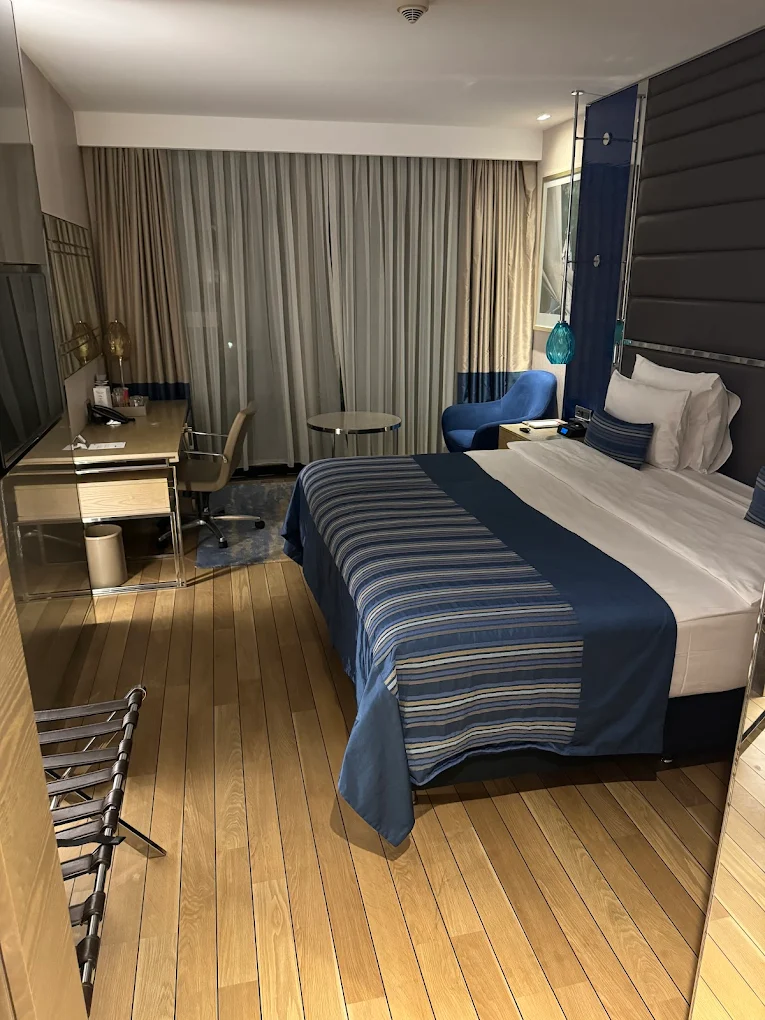
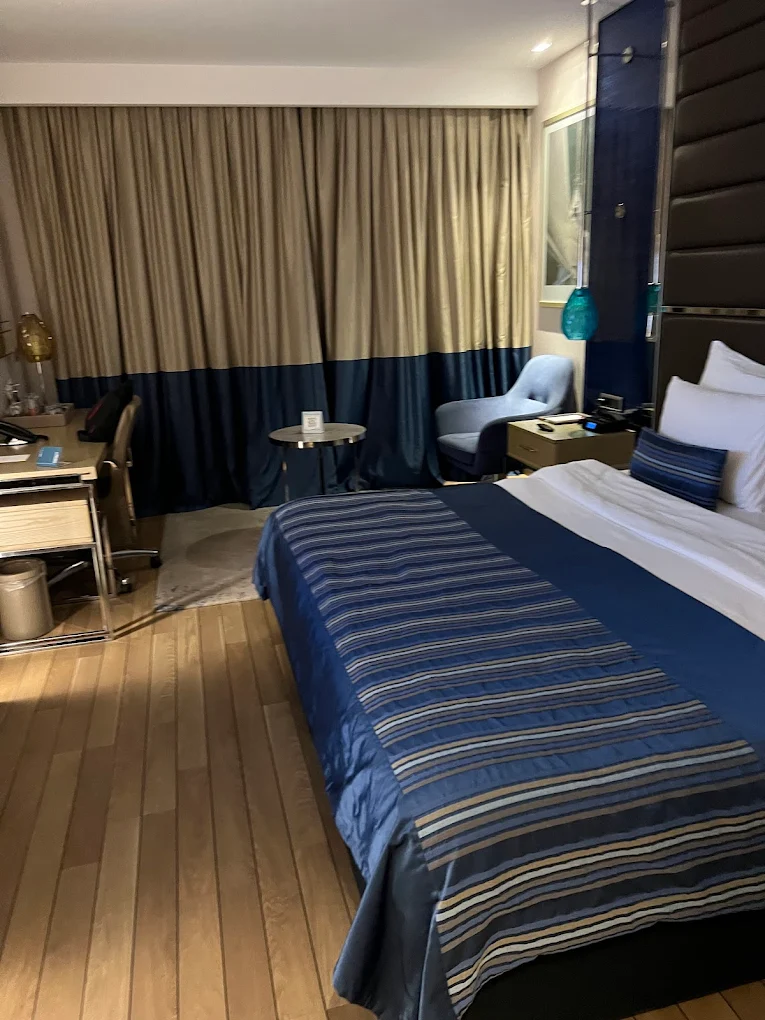
Guestroom decorations require a blend of residential comfort and commercial-grade engineering.
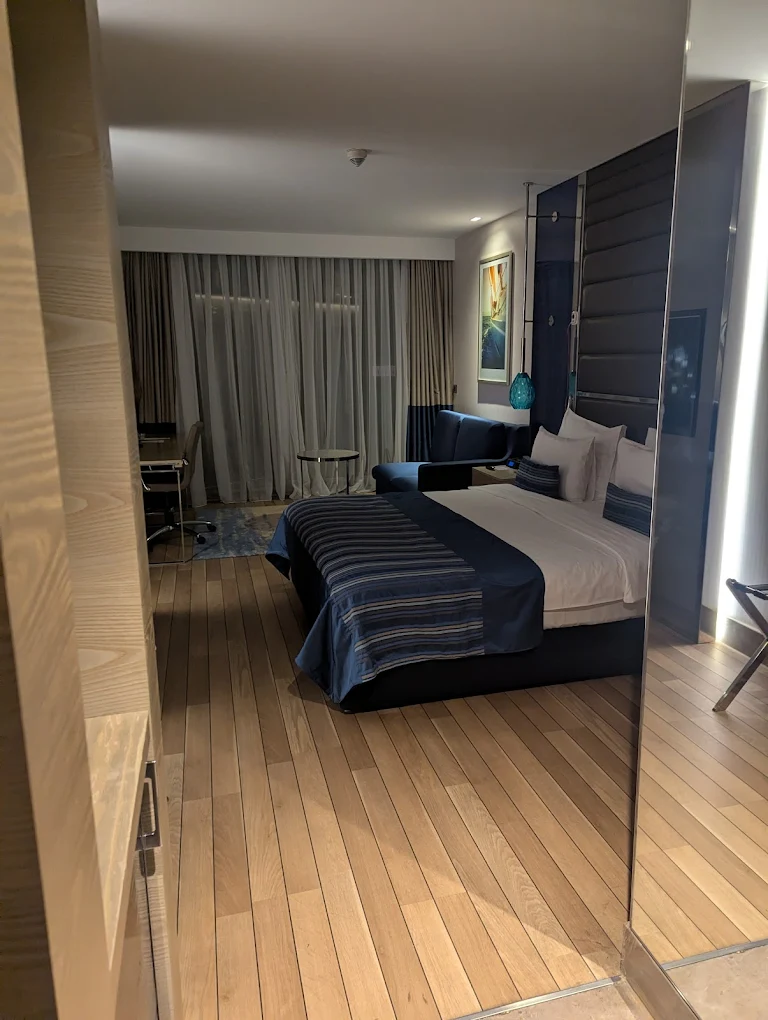
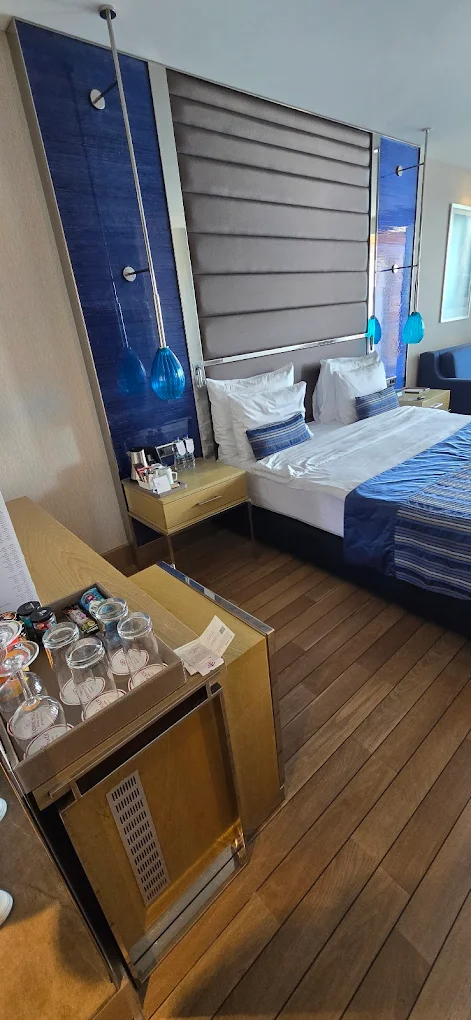
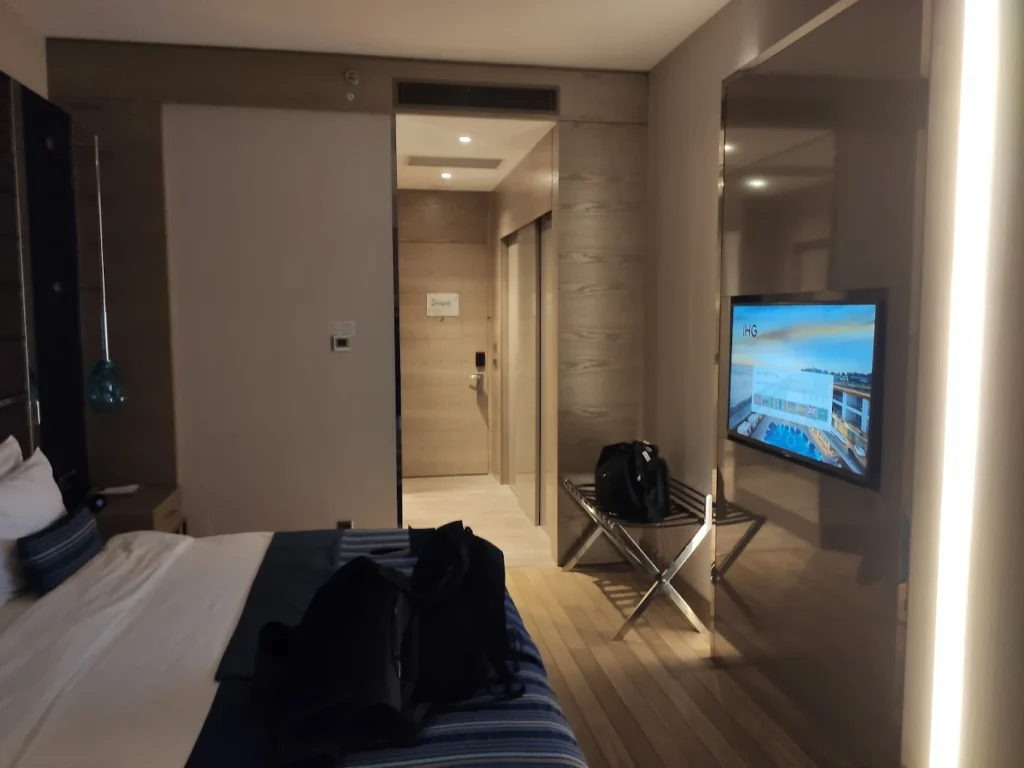
- The Headboard Array: Split into modular horizontal panels to simplify packaging, container optimization, and handling through narrow hotel corridors. They are securely mounted to guestroom walls using interlocking aluminum cleats.
- Minibar Cabinet Engineering: If a minibar refrigerator is enclosed without proper airflow, the trapped heat will lower the appliance’s cooling efficiency and cause early compressor failure. Turkish joinery drawings include specialized ventilation pathways, cutting a minimum ventilation cross-section area of \(200\text{ cm}^2\) into both the lower kickplate plinth and the upper rear section of the cabinetry enclosure.
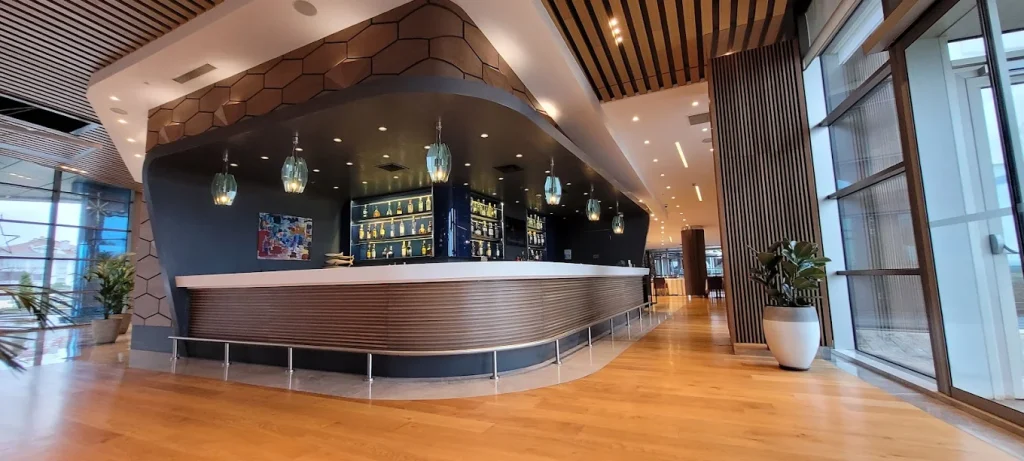
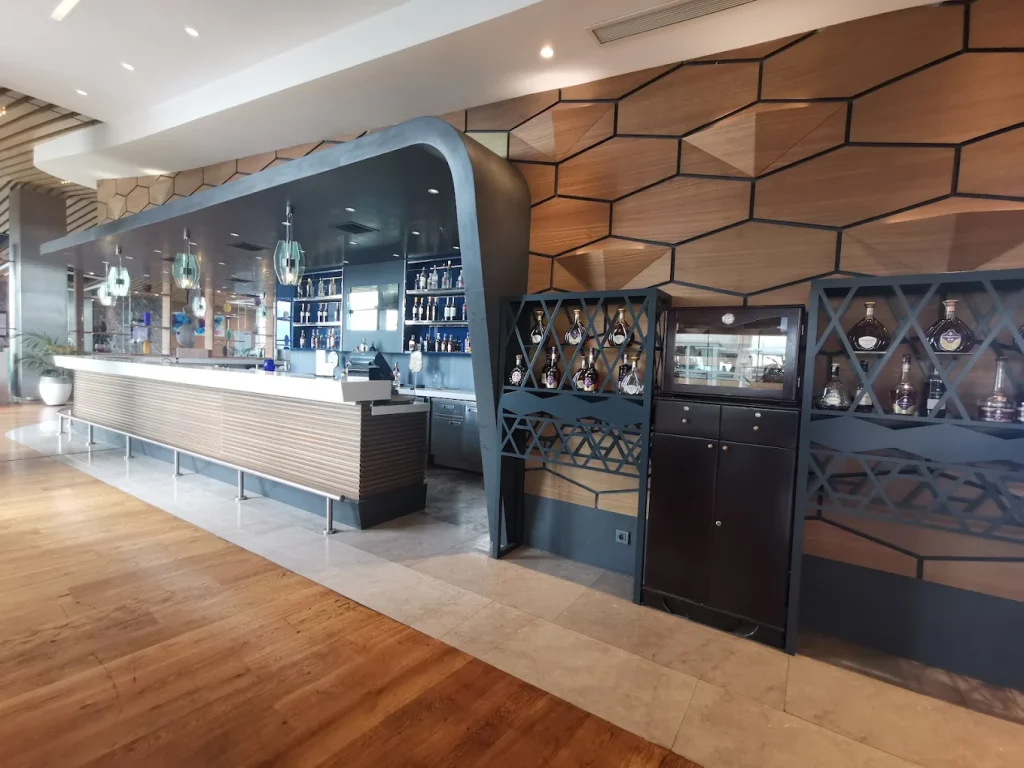
Zone 3: Food & Beverage Outlets (Restaurants and Bars)
F&B furniture faces constant physical movement, sudden impacts, and varying guest weights.
- Dining Chairs: Engineered with structural H-stretchers between the legs to withstand continuous torque stress. Weight capacities are tested to exceed \(150\text{ kg}\) per seat.
- Table Bases: Heavy cast-iron or thick-walled steel pedestal bases are specified to prevent tipping when leaned upon. They include adjustable floor glides to stabilize tables on uneven tile or chevron wood flooring.
Zone 4: Outdoor atriums and Poolside Terraces
Outdoor decoration elements must combat environmental degradation, oxidation, and fading.
- Material Treatment: Teak wood must be Grade-A, sustainably sourced, and kiln-dried to an 8-12% moisture content to prevent splitting. Aluminum frames are TIG-welded and treated with multi-stage anti-corrosion pre-washes before powder coating.
- Quick-Dry Inlays: Cushions utilize reticulated open-cell “QuickDry” foam layers, which allow rainwater to drain rapidly through the cushion, preventing mold and mildew growth.
7. The Procurement Workflow: Managing Sourcing from Turkey
Successfully executing a comprehensive Hotel Furniture Decoration Turkey contract requires following a structured project management workflow to ensure accurate design implementation and minimize financial risk.
+----------------------------------------------------------------------------------------+

|                          TURNKEY DECORATION PROCUREMENT TIMELINE                       |
+----------------------------------------------------------------------------------------+

| Phase 1: Bill of Quantities (BoQ) Review & Value Engineering Technical Audit           |
|    |                                                                                   |
|    v                                                                                   |
| Phase 2: Millimeter-Accurate Shop Drawings, Structural Joinery Plans & Material Boards |
|    |                                                                                   |
|    v                                                                                   |
| Phase 3: The Mock-up Room Protocol (Full Manufacturing and Inspection of Prototypes)  |
|    |                                                                                   |
|    v                                                                                   |
| Phase 4: Full Mass Production and Scheduled In-Line Independent Quality Control Audits |
|    |                                                                                   |
|    v                                                                                   |
| Phase 5: Heavy-Duty Industrial Packaging, Edge Bumpers & Heat-Treated Crating          |
|    |                                                                                   |
|    v                                                                                   |
| Phase 6: Export Customs Clearance, Intermodal Transit Logistics & On-Site Installation |
+----------------------------------------------------------------------------------------+
Phase 1: Bill of Quantities (BoQ) Review and Value Engineering
The procurement process begins with submitting the interior designer’s schematic plans, fabric schedules, and precise BoQ matrices to the technical team at the Turkish factory.
- Engineering Review: The factory’s engineering team reviews the designs to catch potential manufacturing or durability issues, such as insecure wall anchor points or unsupported overhangs on stone desks.
- Value Engineering (VE): Sourcing specialists recommend material adjustments to optimize the project budget. For example, they might replace a costly imported solid wood element within an internal support frame with locally sourced, kiln-dried hornbeam. They can also use thick, natural book-matched wood veneers over a stable high-density fiberboard core instead of solid wood panels. This maintains the premium appearance while improving dimensional stability and lowering overall costs.
Phase 2: Detailed Shop Drawings and Material Boards
Before beginning fabrication, the manufacturer’s technical office translates conceptual design layouts into precise production shop drawings.
- Technical Detail: These drawings clearly label internal joints, dowel placements, metal wall-mount brackets, and the hardware brands used.
- Physical Submittals: The factory compiles comprehensive sample boards containing actual finish swatches (wood veneers with varied sheen levels, powder-coated metal chips, stone slices, and fabric cuttings) for formal sign-off from the hotel owner and interior design team.
Phase 3: The Mock-up Room (Prototype Protocol)
For mid- to large-scale hotel projects, producing a complete prototype room is a standard, essential risk-mitigation step.
- Execution: The factory builds an exact replica of every single furniture item specified for the guestroom layout.
- Evaluation: The developer, project manager, and lead architect inspect the mock-up room, either at the factory showroom in Turkey or shipped directly to the hotel construction site. This phase provides a hands-on opportunity to verify ergonomics, double-check finish compatibility, test hardware performance, and evaluate packaging strength before committing to full mass production.
Phase 4: Mass Production and Quality Control Audits
Once the prototype receives formal approval, full-scale mass production begins. Professional procurement teams often work with third-party testing and inspection firms (such as SGS, Intertek, or Bureau Veritas) to run regular quality audits throughout production:
- In-Line Material Audits: Checks substrate thickness consistency, verifies that wood lots are kiln-dried to proper moisture levels, and monitors CNC machining accuracy.
- Structural Assembly Checks: Inspects frame rigidity, dowel alignment, and the installation of corner blocks before upholstery or surface finishing.
- Final Pre-Shipment Audits: Evaluates finish thickness and uniformity, hardware functionality, stitching quality, and overall dimensions against the approved shop drawings.
Phase 5: Heavy-Duty Industrial Packaging and Export Crating
International shipping can expose furniture to significant physical vibration and moisture. High-performing suppliers of Hotel Furniture Decoration Turkey employ robust packaging systems:
- Edge and Corner Buffers: High-density polyethylene (HDPE) foam profiles wrap all vulnerable corners to absorb impacts during transit.
- Surface Interlining: Delicate lacquered or polished wood surfaces are covered with non-abrasive scratch-resistant foam sheets to prevent friction damage.
- Corrugated Boxing: Double- or triple-wall corrugated cardboard cartons are sealed tightly against humidity.
- Heavy-Duty Crating: Fragile stone vanity tops, glass mirrors, and large headboard sections are packed into custom-built, ISPM-15 certified heat-treated wooden crates to protect them during intermodal shipping and mechanical offloading at the job site.
8. International Quality Certifications and Compliance Standards
To meet the high standards of global hospitality groups, Hotel Furniture Decoration Turkey manufacturers adhere to international quality, safety, and environmental certification systems.
Sustainability and Environmental Compliance
- FSC Certification (Forest Stewardship Council): Verifies that all solid timbers, wood veneers, and composite substrates originate from legally logged, responsibly managed forests.
- E1 and E0 Formaldehyde Emission Standards: Turkish board processors comply with strict European regulations governing formaldehyde emissions from composite wood panels. This limits chemical outgassing, helping maintain excellent indoor air quality (IAQ) within enclosed hotel guestrooms.
Quality Management and Workplace Safety Systems
- ISO 9001: Confirms the factory operates a clear, traceable quality management framework from initial raw material receipt through to final shipment packaging.
- ISO 14001: Demonstrates compliance with international environmental management protocols during production.
- ISO 45001: Certifies that safe occupational health and safety systems are maintained for all workers on the manufacturing floor.
9. Contract Management, Payment Structures, and Risk Mitigation
International contract procurement requires clear legal frameworks and structured financial milestones to safeguard investments and ensure on-time project delivery.
Payment Milestone Structures
Sourcing contract furniture and decoration programs from Turkey typically follows an incremental, milestone-based payment model:
- 30% to 40% Advance Payment: Initiates shop drawing production, engineering work, and raw material allocation (such as purchasing lumber lots or scheduling textile runs).
- 40% to 50% Progress Payments: Paid in installments tied to verifiable production stages (e.g., raw joinery assembly completion, post-finishing assembly).
- 10% Final Balance: Released upon presentation of clean Bills of Lading and a successful third-party pre-shipment quality inspection at the factory.
Legal Protections and Delivery Terms
- Incoterms Alignment: Contracts must clearly define shipping terms. FOB (Free on Board) shifts shipping costs and insurance risks to the buyer once the goods pass the ship’s rail at a Turkish port. DDP (Delivered Duty Paid) requires the manufacturer to manage all ocean/land transport, import custom clearances, local duties, and final delivery directly to the hotel job site.
- Liquidated Damages: Contracts should include clauses that apply a pre-agreed financial penalty per day if production deadlines are missed. This protects the developer from costly delays that could impact the hotel’s grand opening.
- Warranty Retentions: Holding back 5% of the total contract value for 6 to 12 months after installation provides a helpful financial buffer to cover any structural issues or minor defects that appear during the hotel’s initial high-traffic operations.
10. Strategic Sourcing Comparison: Turkey vs. Alternative Global Manufacturing Hubs
When deciding where to manufacture hospitality decoration and FF&E packages, procurement managers typically compare Turkey against alternative hubs such as China or Italy.
| Sourcing Performance Metric | Turkey | China | Italy |
|---|---|---|---|
| Bespoke Design Flexibility | Exceptional | Moderate (High Volume Focus) | World-Class Artisanal |
| Manufacturing Lead Time | 45 – 60 Days | 60 – 90 Days | 90 – 120 Days |
| Logistics Transit to EU/ME | 3 – 14 Days (Very Short) | 35 – 45 Days (Long Ocean Route) | 2 – 5 Days (Immediate) |
| Cost-to-Quality Optimization | Excellent (High Value) | Very Low (Mass Commodity) | Premium/Luxury Costs |
| Raw Material Autonomy | High (Vast Domestic Supply) | Low (Relies on Timber Imports) | Moderate (European Network) |
Turkey vs. China
- Lead Time Reductions: Sourcing from East Asian ports requires long maritime transit windows (typically 35 to 45 days). Turkey’s intermodal shipping alternatives reduce transit times to 3–14 days. This speed helps compress total construction timelines and lowers interest expenses on project financing.
- MOQ Adaptation: Chinese mega-factories are highly optimized for high-volume commodity production and often require high Minimum Order Quantities (MOQs) per individual SKU. Turkish contract suppliers offer greater production flexibility, allowing them to adjust manufacturing lines for custom, low-volume runs for boutique hotels or upscale luxury resort properties without requiring excessive volume commitments.
- Raw Material Security: While China imports a significant percentage of its timber from North America and Europe, Turkey utilizes its own extensive domestic wood reserves and raw material networks, helping protect buyers from global trade shocks.
Turkey vs. Italy
- Production Cost Efficiency: Italy remains a premier hub for luxury design innovation, but high labor costs and steep operational overhead result in premium per-unit pricing. Turkey provides comparable multi-axis CNC machinery, identical European-made functional hardware, and European-trained engineering expertise at a significantly lower production cost.
- Industrial Scale: Italy’s luxury sector is largely composed of smaller, specialized artisanal workshops. Turkey’s large furniture parks successfully combine artisanal attention to detail with large-scale industrial capacity, enabling them to supply massive decoration packages smoothly under one contract.
11. Future-Proofing Hospitality Installations: Sustainability and Smart Trends
As international hospitality brands prioritize carbon footprint reduction and integrate smart room automation, turn-key suppliers of Hotel Furniture Decoration Turkey are adapting their engineering and material selection to meet these modern demands.
Design for Disassembly (DfD) and Circular Economy
To avoid replacing entire decorative pieces when a single component wears out, Turkish factories are engineering millwork and casegoods with smart modular connections:
- Replaceable Wear Components: Wall panels and desks are designed with easily detachable top sections, protective base trims, and modular fronts. This allows maintenance teams to swap out worn or scratched surfaces on-site without discarding the underlying structural framework.
- Refurbishment Readiness: Sourcing heavy, solid-wood internal frames allows hotels to easily reupholster or refinish the pieces during mid-cycle property updates, extending the furniture’s operational lifespan to 15–20 years.
Smart Finishes and Anti-Microbial Technologies
- Hygienic Surface Additives: Leading Turkish finishing lines offer silver-ion antimicrobial compounds integrated directly into their commercial polyurethane and acrylic topcoat lacquers. This treatment creates a permanent barrier that helps neutralize bacteria on high-touch surfaces like check-in counters and communal desks.
- Integrated Connectivity Channels: Modern furniture layouts incorporate hidden induction charging coils underneath wood veneer surfaces and low-profile power units blended seamlessly into fabric seams, keeping guestrooms and public spaces clean, connected, and clutter-free.
12. Conclusion and Strategic Procurement Summary
Sourcing Hotel Furniture Decoration Turkey offers hospitality developers, procurement managers, and interior architects a highly effective combination of premium design flexibility, robust technical engineering, global regulatory compliance, and excellent cost efficiency. By matching your project scope to the right manufacturing region, writing clear technical specifications into your contracts, and maintaining structured quality control checks, you can reliably deliver beautiful, long-lasting hospitality spaces that perform through years of continuous commercial use.
To maximize your success when sourcing turn-key furniture decoration programs from Turkey, keep these key practices in mind:
- Align Project Scope with Regional Strengths: Route complex, custom luxury statement designs to the engineering firms in İstanbul or Ankara, and direct high-volume modular layouts to the automated production lines in İnegöl or Kayseri.
- Insist on Detailed Structural Specifications: Specify high-density, moisture-resistant substrates (such as MR MDF), solid hornbeam internal frames, and premium European-made connection hardware to ensure long-term durability.
- Use Clear, Milestone-Based Contracts: Protect your investment by structuring contracts around clear production milestones and utilizing independent, third-party quality inspections before releasing final payments.
Leveraging Turkey’s robust, integrated supply chain and contract engineering expertise allows you to transform ambitious architectural concepts into durable, high-performing, and commercially successful hospitality spaces.
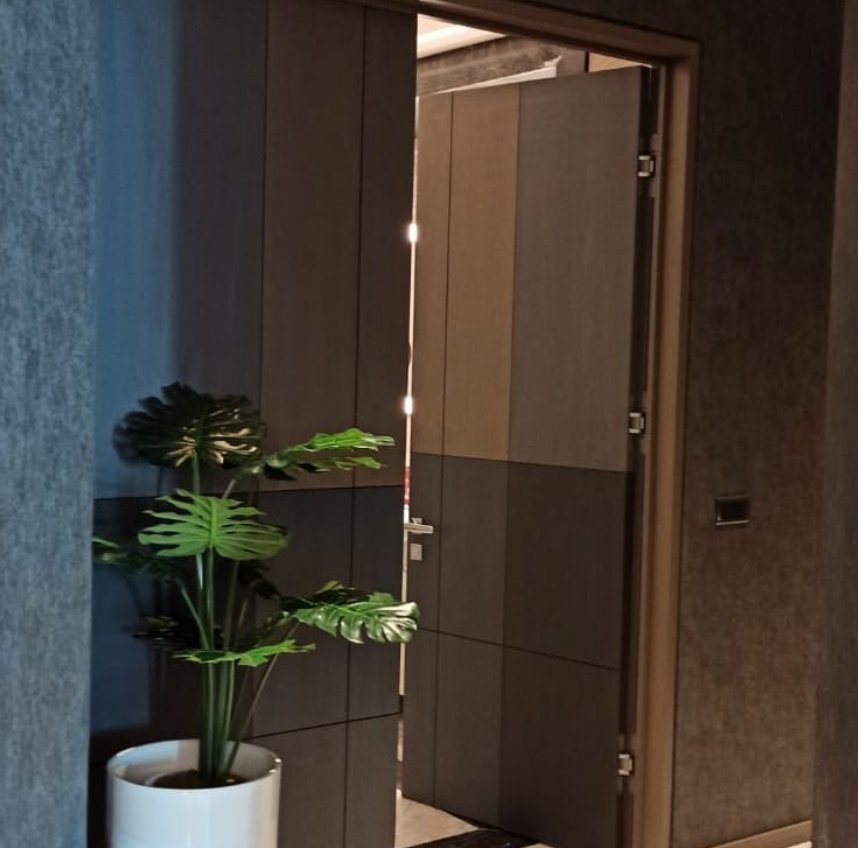
Butik Otel Mobilyaları
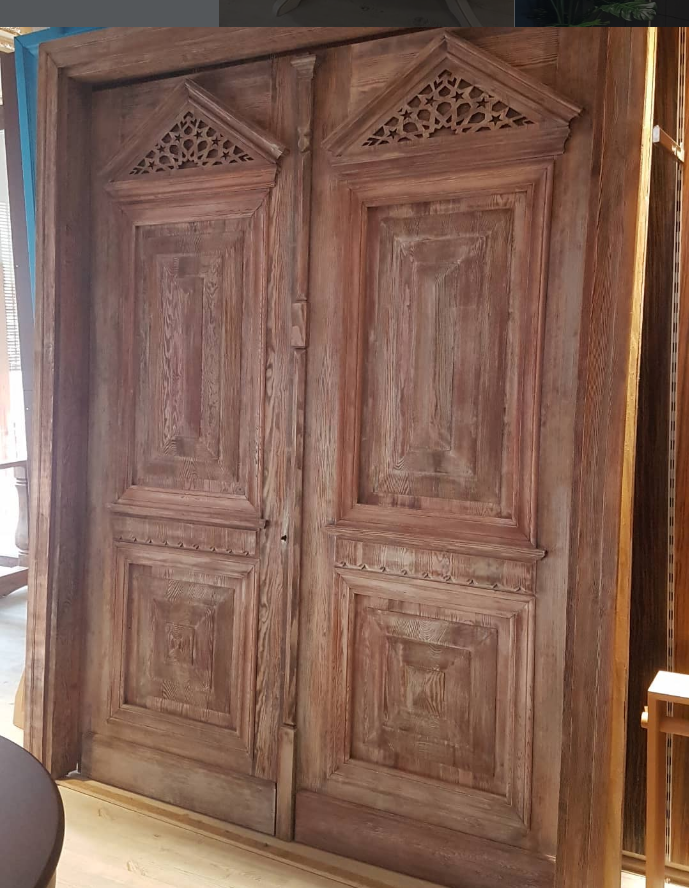
Butik Otel Mobilyaları
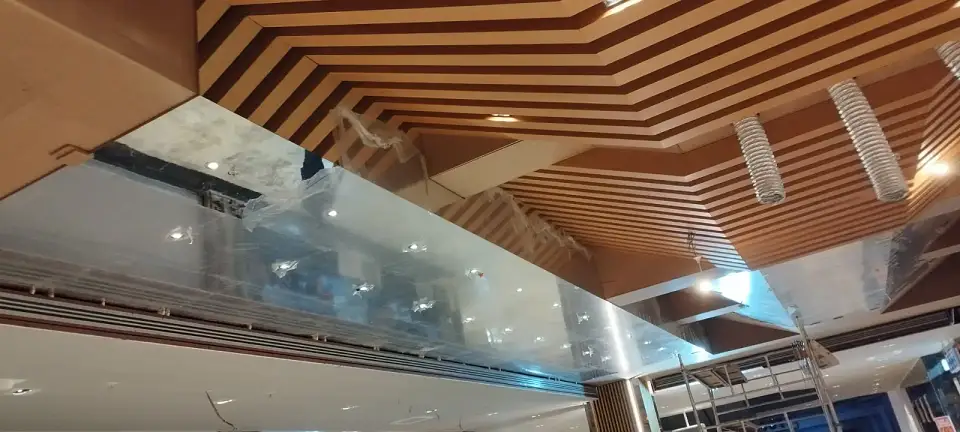
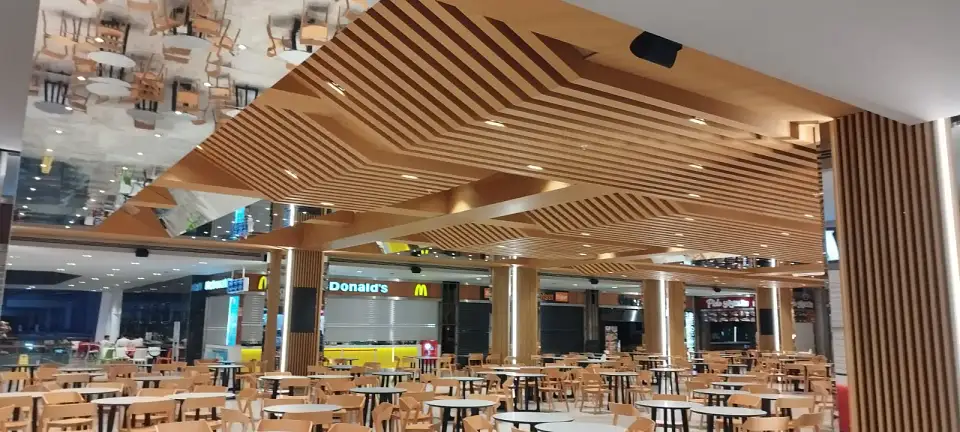
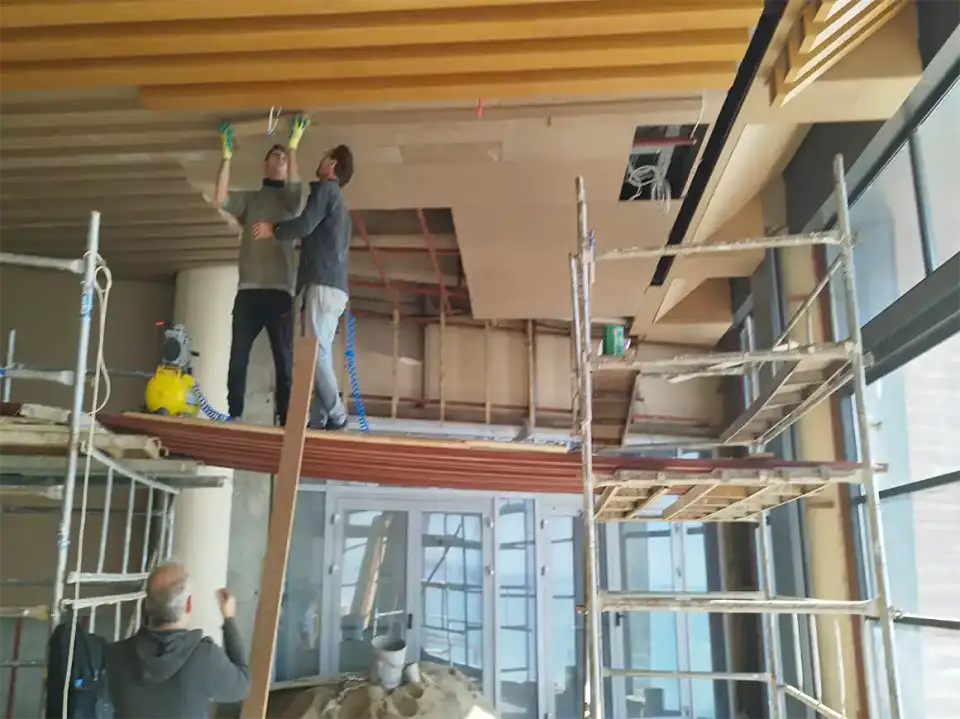
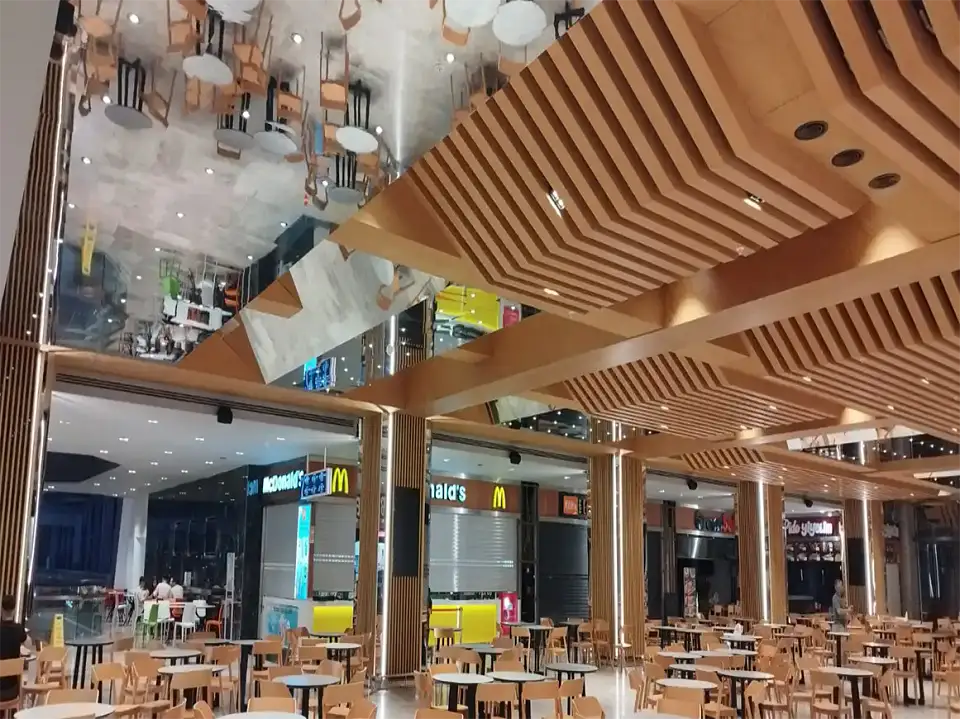
Butik Otel Mobilyaları
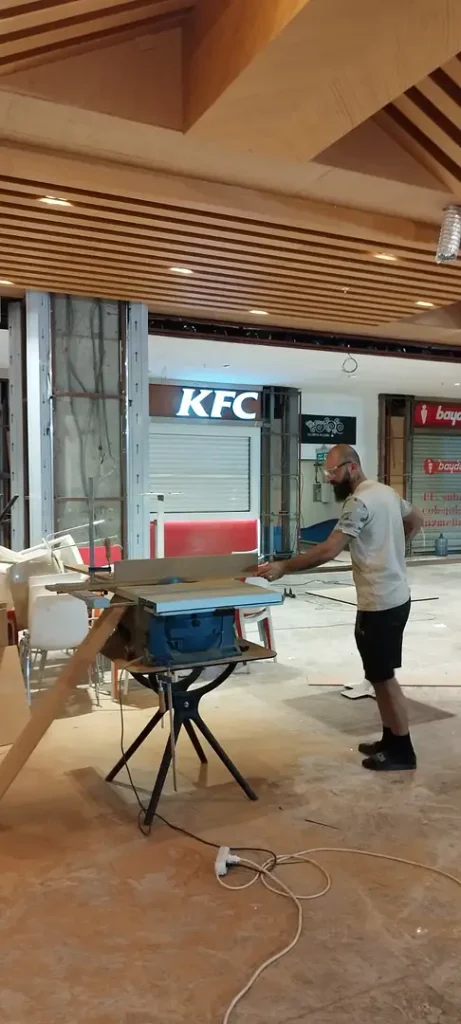

Tarihi Binaların Ahşap Dekorasyonları
Tarihi Ahşap restorasyonlari Kapılar
Tarihi binaların mobilya dekorasyonları

Butik Otel Mobilyaları
Etiket:5-Star Hotel Furniture Manufacturing Turkey, Hotel Bar Furniture Turkey, Hotel Bed Base Turkey, Hotel Chairs Turkey, Hotel Coffee Table Models Turkey, Hotel Desk Turkey, Hotel Furniture Prices Turkey, Hotel Headboard Turkey, Hotel Lobby Decoration Turkey, Hotel Luggage Rack Cabinets Turkey, Hotel Nightstand Models Turkey, Hotel Reception Desk Turkey, Hotel Restaurant Furniture Turkey, Hotel Tables Turkey, Hotel Wardrobes Turkey, Mini Bar Cabinet Turkey

Şunları da sevebilirsiniz
Mass Production Solid Furniture

Solid Wood Furniture Production Turkey