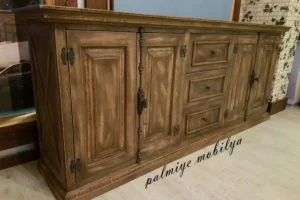
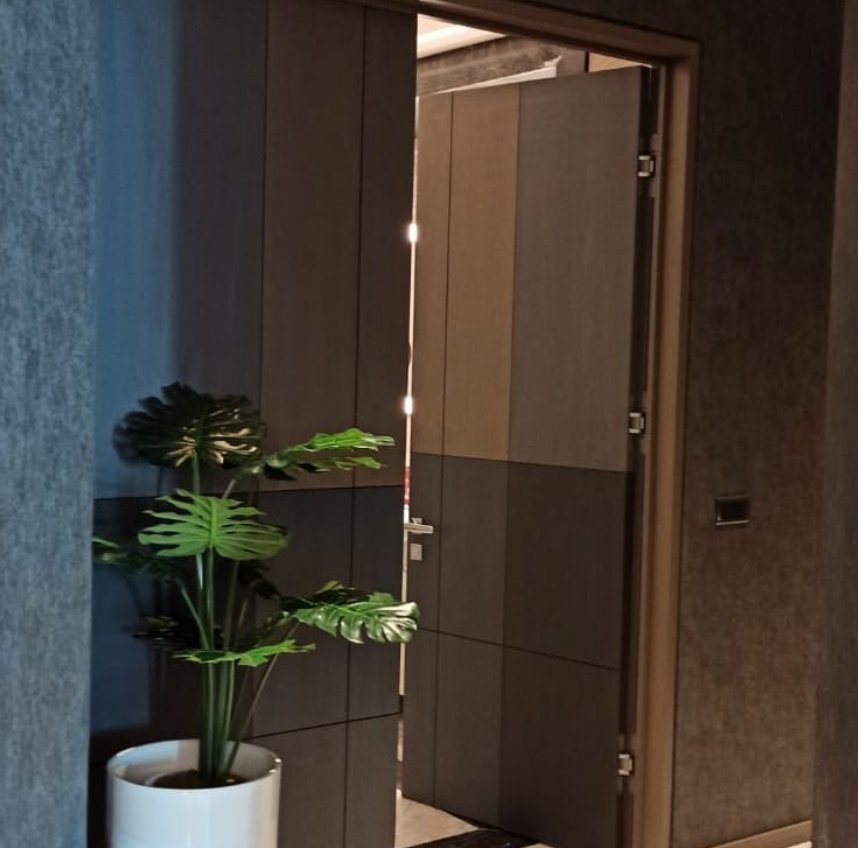
Hotel Restaurant Furniture Turkey
The design and engineering of food and beverage (F&B) venues within global hospitality assets require a precise intersection of architectural expression, spatial ergonomics, severe material durability, and international regulatory compliance. Whether configuring a high-turnover breakfast buffet, an upscale fine-dining pavilion, an outdoor poolside bar, or a high-traffic hotel lobby cafe, procurement managers, hotel developers, and interior designers face a complex matrix of choices. To insulate themselves from supply chain disruptions, uncertified construction failures, and premature renovation expenditures, industry professionals increasingly anchor their FF&E strategies within an elite manufacturing center: Hotel Restaurant Furniture Turkey.
Sourcing Hotel Restaurant Furniture Turkey grants international buyers immediate access to highly automated mass-production lines, custom-craft woodworking ateliers, high-performance structural sciences, and comprehensive value engineering frameworks. This exhaustive technical guide analyzes the structural engineering, raw materials science, international compliance parameters, regional industrial clusters, and project management methodologies that define the production of Hotel Restaurant Furniture Turkey.
Hotel Restaurant Furniture Turkey
1. The Strategic Architecture and DNA of Turkish Hospitality F&B Manufacturing
The commercial food and beverage environment represents one of the most abusive wear-and-tear zones within a hotel property. Chairs are slid across abrasive stone floors thousands of times daily, tabletops are repeatedly exposed to scalding thermal cookware and chemical surface sanitizers, and upholstery is subject to high-frequency food spills, oil saturation, and physical abrasion. The global growth of Hotel Restaurant Furniture Turkey stems from its unique capacity to deliver industrial durability wrapped in custom luxury aesthetics.
                  ┌─────────────────────────────────┐
                  │  Turkish F&B Manufacturing Core │
                  └────────────────┬────────────────┘
                                   │
         ┌─────────────────────────┼─────────────────────────┐
         ▼                         ▼                         ▼
┌─────────────────┐       ┌─────────────────┐       ┌─────────────────┐
│ Total Vertical  │       │ Multimodal Rail │       │ Hyper-Agile     │
│ Integration     │       │ & Sea Transport │       │ Production      │
├─────────────────┤       ├─────────────────┤       ├─────────────────┤
│ Domestic supply │       │ Rapid overland  │       │ Flexible loops  │
│ chains for timber│      │ transit across  │       │ executing mass  │
│ steel, stone,   │       │ EMEA markets;   │       │ contract and    │
│ and textiles.   │       │ low port delays.│       │ artisan runs.   │
└─────────────────┘       └─────────────────┘       └─────────────────┘
Complete Material Independence and Supply Stability
A primary structural advantage supporting the market for Hotel Restaurant Furniture Turkey is the country’s extensive natural resources and fully localized industrial supply chain. Turkey sits as a top-tier producer of dense engineered wood substrates, structural steel profiles, high-precision aluminum extrusions, and architectural marbles, quartzites, and sintered stones.
Furthermore, the country hosts an advanced commercial textile sector centered in the Marmara and Aegean industrial zones. Because Turkish factories draw raw materials directly from localized domestic streams rather than assembling components imported across volatile oceanic shipping lanes, they offer international hotel operators exceptional immunity to global supply shocks, absolute quality tracing from raw state to finished assembly, and fixed pricing stability across long-term procurement contracts.
Massive Industrial Scale Combined with Custom Flexibility
Unlike manufacturing ecosystems that operate exclusively in rigid, high-volume catalog production or slow, non-scalable artisan shops, the infrastructure behind Hotel Restaurant Furniture Turkey is built for “mass customization.”
The leading factories run advanced hybrid layouts: heavy automated lines featuring multi-axis CNC routers, robotic steel welding units, and automated laser edge-banders run in direct parallel with custom woodworking, hand-upholstery, and specialized metal-finishing ateliers. This enables a single manufacturing campus to simultaneously process a two-thousand-unit banquet chair run requiring extreme dimensional consistency, while hand-carving custom timber accent screens, casting architectural brass elements, and matching exotic book-matched table veneers for a premium specialty restaurant package.
2. Structural Engineering Standards for Commercial Dining Environments
Residential furniture is designed for gentle, highly predictable usage cycles. Commercial restaurant furniture must withstand relentless, multi-user exploitation by individuals of vastly different weights, sizes, and handling behaviors. If a dining chair base snaps, a barstool slips, or a table tips in a public room, the hotel faces immense liability risks, negative brand publicity, and immediate asset loss.
When international procurement teams audit suppliers of Hotel Restaurant Furniture Turkey, they mandate verifiable laboratory test reporting demonstrating full compliance with rigorous international safety and durability codes.
               COMMERCIAL SEATING STATIC & FATIGUE TESTING
──────────────────────────────────────────────────────────────────────────
[ Backrest Strength Test ] ──► 560 Newtons applied continuously at critical hinge
[ Seat Static Load Test ]  ──► 2,000 Newtons pressed vertically into core frame
[ Structural Drop Test ]   ──► High-velocity impact drops with weighted ballast
──────────────────────────────────────────────────────────────────────────
                Status: Certified under EN 16139 (Test Level 2)
Seating Longevity: EN 16139 and ANSI/BIFMA X5.1
Every dining chair, barstool, booth bench, and lounge seat engineered within the Hotel Restaurant Furniture Turkey framework undergoes rigorous mechanical stress simulations that replicate up to a decade of continuous commercial use.
- European Norms (EN 16139): This standard classifies seating into Test Level 1 (General commercial use) and Test Level 2 (Severe contract use in high-traffic spaces like busy hotel restaurants, open-plan bistros, nightclubs, and event banqueting halls). Under Test Level 2, a chair frame must withstand a structural static downward load of 2,000 Newtons (approx. 204 kg) applied directly into the center of the seat pan, alongside more than 100,000 cycles of continuous fatigue force slammed into the backrest at severe backward tilt angles.
- North American Standards (ANSI/BIFMA X5.1): For operators adhering to American contract parameters, Turkish factories test seating mechanisms for front and rear stability limits, structural leg strength under outward horizontal forces, and high-velocity drop impacts with heavy ballast weights, ensuring the joinery will not fracture under sudden movement.
Table Rigidity and Over-Tip Prevention: EN 1730 and BIFMA X5.5
Hotel dining tables face intense tipping stresses when guests lean heavily on the outer table edges or children pull on the perimeters. Wardrobes, buffets, and tables are validated under EN 1730 (Test methods for determining strength, durability, and stability of tables):
- Horizontal Deflection Testing: Tables are subjected to progressive horizontal force loads to calculate frame deflection. A high-quality Turkish restaurant table base is engineered to limit top deflection to near-zero margins, keeping glasses from sliding or liquids from spilling when a guest bumps the frame.
- Tipping Risk Evaluation: Engineers calculate the precise weight distribution between the tabletop surface and the floor base plate. Pedestal table designs utilize precision-milled, heavy-gauge cast iron or laser-cut steel ballast sheets concealed inside the base plate to ensure that even if a heavy vertical load is placed on the outermost edge of a cantilevered top, the table remains anchored.
Heavy-Duty Commercial Joinery Protocols
To prevent joints from loosening over years of rough daily movement, producers of Hotel Restaurant Furniture Turkey abandon residential-grade brad nails and generic wood glue. They construct primary joint structures using advanced engineering layouts:
- Five-Axis CNC Mortise-and-Tenon Connections: Main chair structural rails and table leg boxes are milled out of solid hardwood blocks using high-precision computer-guided routers to form interlocking mortise-and-tenon connections. These joints are filled with cross-linking polyurethane or polyvinyl acetate (PVA) industrial adhesives, creating a joint that resists deep physical shearing forces.
- Steel-to-Steel Corner Bracket Matrices: Freestanding table frames and heavy dining chair frames feature heavy-duty triangular steel corner plates bolted directly into threaded metal inserts embedded inside the inner wood core. This prevents the natural expansion and contraction of timber from loosening the structural joints, allowing the furniture to stay perfectly rigid over decades of heavy service.
3. Materials Science: Balancing Hospitality Aesthetics with Severe Wear Resistance
The selection of materials for Hotel Restaurant Furniture Turkey represents a careful balance between interior design concept aesthetics and high material durability. Every substrate, finish skin, and framework component must resist degradation from food acids, high thermal variations from serving plates, hot liquid splashes, and aggressive daily sanitization runs with harsh chemical solvents.
Substrate Materials: High-Density MDF vs. Marine Plywood
Large flat panels used across dining tables, buffet counters, and bar face structures will warp or split if built out of unscientific solid timber sections due to high humidity and temperature spikes common in busy restaurant dining rooms and open kitchens. Leading Turkish contract suppliers implement highly stable engineered cores:
- Moisture-Resistant High-Density MDF (MR-MDF): Sourced from premium domestic mills, this engineered board features a compressed micro-fiber matrix with a uniform core density index exceeding \(780 \text{ kg/m}^3\). Impregnated with moisture-repellent resins, it serves as the definitive structural core for veneered or laminated dining table tops, completely preventing core swelling or panel bowing.
- Marine-Grade Multi-Layer Cross-Laminated Plywood: For wet environments—such as outdoor terrace bars, poolside buffets, or under-counter kitchen cabinetry—Turkish manufacturers use cross-laminated marine plywood sheets bonded with waterproof phenolic resins. This prevents material delamination and halts the growth of mold and mildew spores.
Countertop Materials Comparison for Hospitality F&B
The tabletop finish surface faces the highest concentration of scratching and staining risks. Manufacturers of Hotel Restaurant Furniture Turkey integrate high-performance surfaces tailored to specific aesthetic and budget targets:
| Countertop Material | Scratch Resistance | Chemical Staining Porosity | Thermal Heat Deflection | Primary F&B Application |
|---|---|---|---|---|
| Sintered Slabs / Advanced Ceramic | Exceptional: Unaffected by knife blades or cutlery friction. | Zero Porosity: Completely resistant to wine, citric acids, and oils. | Immune: Withstands boiling cookware up to 300°C without cracking. | High-end luxury dining, busy breakfast buffets, and outdoor terrace tables. |
| Engineered Quartz / Compact Stone | High: Extremely scratch-resistant; holds immense structural impact strength. | Near-Zero: Advanced binding resins block fluid penetration. | Moderate: Requires hot-pads for items exceeding 150°C to prevent resin fade. | Main stream hotel dining tables, bar tops, and room service carts. |
| High-Pressure Laminate (HPL) | Moderate: Resists minor scuffs; vulnerable to deep sharp blade gouges. | Excellent: Non-permeable synthetic face blocks surface liquid entry. | Good: Withstands standard hot plates; damaged by direct flame or dry iron contact. | Extended-stay dining areas, lifestyle coffee bars, and economy properties. |
| Solid Hardwood / Natural Veneer | Low: Soft wood cells easily dented by heavy dropped glasses or keys. | Vulnerable: Requires permanent polyurethane sealant lacquer barriers. | Poor: Excessive heat causes lacquer yellowing or wood cell checking. | Premium fine-dining rooms, whiskey bars, and presidential suite dining tables. |
4. Textile Science, Nano-Treatments, and Advanced Upholstery Engineering
The textile components utilized across Hotel Restaurant Furniture Turkey contract packages are engineered to survive extreme, continuous staining environments. Bursa, the historic capital of the global silk and textile trade routes, hosts some of the most technologically advanced commercial yarn spinning and weaving mills operating internationally today.
       [ Hydrophobic Armor ]   ──► Halts water, juices, and hot coffee at surface level
       [ Oleophobic Protection ] ──► Repels salad oils, animal fats, and greasy sauces
       [ Antimicrobial Shield ]  ──► Eliminates deep bacterial cultivation and food odors
High-Frequency Abrasion Performance (The Martindale Rub Index)
For standard residential seating, a fabric that withstands 15,000 rubs is acceptable. For a hotel all-day dining room or breakfast space that cycles hundreds of guests per seat daily, such materials would wear thin, pill, and split within months. Turkish performance fabrics are woven to meet outstanding commercial benchmarks:
- Severe Contract Specification: Dining chair fabrics are engineered to survive between 50,000 and 120,000 continuous rubs under the standardized Martindale Abrasion Method. This automated testing procedure uses a mechanical rubbing head to drive an abrasive wool fabric against the target textile under high pressure until structural yarn failure occurs.
- Pilling Resistance Validation: Fabrics maintain a Pilling Grade of 4-5, ensuring that the continuous friction from rough denim jeans or coarse suit fabrics will not cause loose fibers to bundle into surface pills, keeping the seating crisp and clean.
Intrinsic Fiber Nano-Technology Treatment Matrices
Rather than applying a temporary, superficial chemical spray over a completed dining chair, leading producers of Hotel Restaurant Furniture Turkey utilize performance fabrics treated at the deep molecular yarn level with advanced coatings (such as Teflon, Crypton, or premium localized equivalents):
- Hydrophobic and Oleophobic Fluid Rejection: High-staining restaurant liquids—such as red wine, balsamic vinegar, hot espresso, orange juice, and animal fats—cannot sink into the inner fabric yarns. Instead, they bead up on the outermost layer, allowing waitstaff to quickly lift the spill away using a clean damp microfiber cloth without leaving ghost halos or dark perimeter stains.
- Deep Antimicrobial Isolation: Fabrics are infused with specialized silver-ion or advanced antimicrobial barriers that neutralize bacteria, prevent food-borne mold generation, and eliminate the sour odors that typically plague heavily used dining chairs, preserving a fresh environment.
5. Regulatory Compliance: Fire Retardancy and Sustainable Safety Systems
Opening a public food and beverage venue within an international hotel property requires providing certified validation that every furniture piece complies with local building safety, fire codes, and environmental laws. The Hotel Restaurant Furniture Turkey manufacturing base has systematically aligned its chemical composition lines, padding materials, and wood sourcing with rigorous global certification protocols.
International Contract Fire Safety Matrix
Upholstered banquette seating and dining chairs represent a high-risk zone for rapid flame spread and smoke inhalation during localized fire incidents. Turkish furniture suppliers specify and certify soft assemblies to comply with strict international regulatory codes:
| Fire Safety Code | Target Jurisdictions | Core Performance Metric | Testing Verification Overview |
|---|---|---|---|
| BS 5852 (Crib 5) | United Kingdom, Middle East, British Commonwealth | Evaluates flame spread and self-extinguishing times across public upholstered seating. | Utilizes a constructed wooden “crib” structure ignited directly inside the seat-to-back joinery intersection; mandates zero flaming after 10 minutes. |
| CAL Technical Bulletin 117 | North American Markets, International Hotel Chains | Tracks smolder resistance of soft foam fillings, elastic layers, and outer textile skins. | Subjects individual component assemblies to a controlled cigarette smolder test to calculate char length limits and prevent flashover. |
| EN 1021 (Parts 1 & 2) | European Union Member States, Global Cruises (IMO Codes) | Analyzes upholstery response to common localized ignition sources. | Exposes test dining chairs to a smoldering cigarette simulation and a direct match-flame gas burner to track initial flame speed. |
Environmentally Sustainable Wood Sourcing and Low-VOC Finishes
To help developers secure global green building certifications like LEED (Leadership in Energy and Environmental Design) or BREEAM, factories producing Hotel Restaurant Furniture Turkey implement strict raw material sourcing controls:
- Traceable Timber Sourcing: Wood products are sourced from forests certified by the FSC (Forest Stewardship Council) or PEFC, ensuring sustainable logging loops, ecological preservation, and verifiable chain-of-custody tracking.
- Low-Formaldehyde and Zero-VOC Chemical Finishes: All composite wood sheets meet the strict European E1 or E0 emission safety laws. Furthermore, old solvent-based lacquers have been replaced with advanced waterborne acrylic and UV-cured polyurethane topcoats. These modern coatings emit negligible Volatile Organic Compounds (VOCs), eliminating toxic off-gassing and ensuring safe indoor air quality (IAQ) inside enclosed dining areas.
6. Industrial Clusters and Regional Specialization Matrix
The global competitiveness of the Turkish furniture industry is anchored within concentrated regional industrial hubs. The Hotel Restaurant Furniture Turkey ecosystem is divided into three distinct geographic manufacturing zones, each operating with specific material focus areas, machinery infrastructures, and capital cost positions.
       ┌────────────────────────────────────────────────────────┐
       │     Turkish F&B Furniture Manufacturing Clusters       │
       └───────────────────────────┬────────────────────────────┘
                                   │
         ┌─────────────────────────┼─────────────────────────┐
         ▼                         ▼                         ▼
┌─────────────────┐       ┌─────────────────┐       ┌─────────────────┐
│ Istanbul Hub    │       │ İnegöl (Bursa)  │       │ Kayseri Cluster │
├─────────────────┤       ├─────────────────┤       ├─────────────────┤
│ • Bespoke luxury│       │ • High-volume   │       │ • Massive scale │
│ • High-end FF&E │       │   modular lines │       │   steel-frame   │
│ • Mixed-material│       │ • Laser-edge PUR│       │   banquet items │
│   artisanship   │       │   panel lines   │       │ • Extreme value │
└─────────────────┘       └─────────────────┘       └─────────────────┘
1. The Istanbul Hub (Masko, Modoko, and Industrial Environs)
Istanbul serves as the creative design headquarters and advanced engineering heart of the Turkish hospitality furniture sector.
- Technical Core Competency: Istanbul factories excel at hyper-customization, mixed-material integration, and complex hand-detailing. These facilities work in close collaboration with international interior architects to build complex, one-of-a-kind restaurant elements.
- Material Synergies: Istanbul is the definitive hub for fusing distinct materials—incorporating custom metal plating (liquid metals, PVD coatings, antique brass), hand-selected marble slabs, cast glass panels, and detailed marquetry veneers into singular architectural furniture assemblies.
- Target Market Segment: This cluster is optimized for luxury 5-star flagship restaurants, premium specialty dining venues, high-end hotel cocktail lounges, and custom boutique hotel bars.
2. The İnegöl (Bursa) Cluster: The Center of Advanced Panel and Upholstery Efficiency
İnegöl features an industrial concentration of highly automated furniture factories running state-of-the-art European production machinery.
- Technical Core Competency: This zone specializes in high-precision modular woodworking and automated upholstery line assembly. The plants utilize computerized automated fabric cutting tables, multi-axis CNC drilling centers, and advanced laser edge-banders that apply edge strips with zero visible glue lines.
- Target Market Segment: İnegöl is the primary sourcing hub for high-volume Hotel Restaurant Furniture Turkey contracts targeting large 3-star and 4-star select-service hotel properties, sprawling all-inclusive vacation resorts, massive international airport bistros, and high-frequency hotel breakfast buffets requiring rapid turnaround times and aggressive price configurations.
3. The Kayseri Cluster: The Massive Industrial Metalwork Powerhouse
Located in the central Anatolian industrial zone, Kayseri hosts massive manufacturing campuses running on an immense scale.
- Technical Core Competency: Kayseri factories excel at structural steel tube bending, automated robotic powder coating lines, complex metal stamping, and highly standardized frame systems. This region treats furniture production with the systematic precision that automotive plants apply to vehicle assembly.
- Target Market Segment: Kayseri is the premier sourcing destination for high-volume stackable banquet chairs, convention center furniture, massive multi-venue hotel meeting tables, hotel bar stools with steel frames, and large public institutional dining projects that prioritize extreme structural durability and high standardization across thousands of units.
7. Value Engineering (VE) and Technical Design Optimization
A primary advantage of partnering with experienced manufacturers of Hotel Restaurant Furniture Turkey is their proactive focus on Value Engineering (VE). Turkish factory engineering teams analyze technical project shop drawings to optimize construction methods, improving durability while lowering capital expenditure (CapEx).
       CONCEPT DESIGN SPECIFICATION                 VALUE ENGINEERED UPGRADE
──────────────────────────────────────────────────────────────────────────
[Mitered Laminate Top Edges]   ──► [VE Analysis] ──► [Concealed Hardwood Rim Lippings]
• Vulnerable to sharp cutlery impacts                 • Exceptional shock absorption
• High risk of corner edge chipping                  • Prevents fluid/cleaning infiltration
• Shows raw core if scratched                        • Solid timber bumper body
──────────────────────────────────────────────────────────────────────────
                               Result: Increased Durability & Lower Repair Costs
Implementing Solid Wood Perimeter Lippings on Dining Tables
A common failure point for cheaper restaurant tables is corner delamination. If a table top features a simple mitered veneer edge or standard thin PVC banding, a sharp blow from a heavy chair arm or dropped cutlery can split the edge, exposing the raw inner particleboard core to moisture and cleaning chemicals.
- The Technical Solution: Turkish value engineers address this risk by integrating a thick, concealed solid hardwood perimeter lipping beneath the decorative surface veneer or laminate skin.
- The Performance Benefit: This solid timber bumper absorbs impact energy without splitting or denting, completely protecting the core substrate and allowing the hotel’s maintenance team to buff out and refinish minor scratches on-site, saving thousands in premature replacement costs.
Smart Frame Optimization for Stackable Banquet Seating
For multi-functional hotel spaces where chairs are frequently stacked, unstacked, and moved between event halls and storage rooms, structural weight and stacking ergonomics are critical factors:
- High-Tensile Aluminum Alloys: Turkish value engineers optimize steel banquet chairs by switching frames to custom-profiled high-tensile aluminum alloys (\(6000\text{-series series}\)). This change lowers the physical weight of each chair by up to 40% without compromising structural integrity.
- Concealed Stacking Bumpers: Factories add subtle, color-matched rubber stacking bumpers to the underside of the seat frames and line the rear legs with clear non-friction pads. This engineering detail ensures that when chairs are stacked up to 10 high on transport dollies, the metal frames never rub directly against the adjacent upholstery, preventing fabric tearing, friction burns, and frame finish scratching during rapid room changes.
8. Sourcing Protocols, Quality Gates, and Mock-up Verifications
Sourcing a complex commercial furniture contract across international borders requires a transparent, highly systematic procurement and production project management framework.
┌─────────────────┐       ┌─────────────────┐       ┌─────────────────┐
│  Phase 1: Shop  │──────►│ Phase 2: Mock-up│──────►│ Phase 3: Mass   │
│  Drawings & BOQ │       │  Venue Approval │       │ Production & QA │
└─────────────────┘       └─────────────────┘       └─────────────────┘
Phase 1: Technical Shop Drawing Production and Material Boards
The process begins with the factory’s technical drafting team converting the interior designer’s conceptual renderings into precise manufacturing shop drawings:
- Every metric clearance dimension, internal electrical terminal box layout, drawer runner alignment, and wire exit pathway is documented down to the millimeter.
- Simultaneously, the supplier builds a physical material submittal board featuring labeled samples of the exact wood veneer cuts, laminate swatches, stone pieces, hardware runs, and metal finishes for formal sign-off by the developer.
Phase 2: The Critical Mock-up Validation Gate
Before a factory releases mass production lines for hundreds of identical restaurant chairs and dining tables, manufacturing a physical mock-up room sample is a mandatory quality gate.
- The factory produces a single dining table, chair, and barstool model exactly matching the shop drawings.
- This sample is evaluated directly at the factory showroom or shipped to the hotel construction site.
- Stakeholders check the model to ensure it meets ergonomic targets, matches adjacent lighting, fits table clearance envelopes, and balances correctly under load. Any required modifications are integrated into the master blueprints.
Phase 3: Mass Production and the Four Quality Assurance Gates
Once the mockup sample is formally signed off, mass production begins under a structured Quality Assurance (QA) regimen divided into four clear manufacturing gates:
[ Gate 1: Material Quality ] ──► Audits lumber moisture content (<8%) & stone thickness.
[ Gate 2: CNC Machining ]    ──► Verifies dimensional cutting tolerances down to ±0.5mm.
[ Gate 3: Pre-Assembly ]     ──► Inspects hardware mounting precision and joint glue lines.
[ Gate 4: Final QA Check ]   ──► Tests stability limits, upholstery tension, and leveling.
9. Export Logistics, Customs Protocols, and Packing Architecture
Successfully delivering Hotel Restaurant Furniture Turkey to international job sites requires deep expertise in cross-border trade documentation, container layout optimization, and advanced protective packing design.
Fast Transit Corridors to Global Hospitality Markets
- Direct Road Freight to Europe: For hotel projects across Europe, Scandinavia, or the UK, Turkey utilizes a highly efficient land transport infrastructure. Standard mega-trailers and box trucks transport restaurant furniture packages directly from factory loading bays straight to the hotel site. This road-based system completely eliminates maritime container handling steps, bypasses oceanic storm delays, and delivers a highly predictable transit window of 5 to 9 days.
- Global Maritime Carrier Networks: Turkey features modern container sea ports, including Ambarlı (Istanbul), Gemlik (Bursa), and Mersin, which maintain high-frequency vessel looping schedules connecting directly to major global deepwater hubs.
The EU Customs Union Advantage
Because Turkey belongs to the European Union Customs Union, goods traveling between Turkish production facilities and EU member states move free of customs duties. Exporters issue an A.TR movement certificate, accelerating border customs clearances and protecting international developers from unexpected import fees or hidden tariffs.
Technical Packaging Engineering for F&B Furniture
Because restaurant tables, delicate upholstered chairs, and detailed bar components feature high-gloss finished surfaces and sensitive structural profiles, they require substantial protection against moisture and impacts during transit. Turkish exporters utilize a multi-layer packaging architecture:
┌────────────────────────────────────────────────────────┐
│        Multi-Layer Protective Packing Profile           │
├────────────────────────────────────────────────────────┤
│ Layer 1: Polyethylene Micro-Foam Wrap                  │
│   ↳ Blocks ambient humidity and prevents light scuffs. │
├────────────────────────────────────────────────────────┤
│ Layer 2: High-Density Edge Protectors                  │
│   ↳ Reinforces corners against crushing forces.       │
├────────────────────────────────────────────────────────┤
│ Layer 3: 5-Ply Heavy BC-Flute Corrugated Carton        │
│   ↳ Absorbs external structural impacts.               │
├────────────────────────────────────────────────────────┤
│ Layer 4: ISPM-15 Certified Heat-Treated Pallet/Crate   │
│   ↳ Prevents forklift damage & meets quarantine laws.  │
└────────────────────────────────────────────────────────┘
10. On-Site Installation and Long-Term Asset Management
The ultimate success of a hotel furniture investment depends heavily on the precision of the final installation phase. Imprecise leveling or incorrect wall anchoring on-site can lead to uneven frames, binding joints, and premature structural failure. Sourcing premium Hotel Restaurant Furniture Turkey packages typically includes detailed technical field installation support.
Professional Supervisor Field Deployment
Leading Turkish manufacturers deploy experienced field installation supervisors directly to international hotel job sites. These specialists coordinate closely with local construction crews, translate shop drawings, manage assembly tracking sequences, and interface with the principal fit-out contractor to ensure that banquette framing and floating bar consoles line up flawlessly with wall-embedded architectural anchors.
Essential On-Site Installation Rules
- Site Climate Conditioning: Furniture must never be unboxed or installed in a cold, damp, unconditioned construction zone. The hotel’s permanent building HVAC systems must be active for at least 48 to 72 hours beforehand to stabilize ambient humidity levels between 40% and 60% and temperatures between 18°C and 24°C. This step prevents natural wood substrates from absorbing excess moisture and swelling.
- Precision Leveling Calibration: Floor levels across expansive restaurant dining halls are rarely perfectly flat. Installers must use precision laser levels to adjust each table’s heavy-duty concealed leveling glides. This step ensures that table surfaces stand completely plumb, adjacent seam rows align cleanly, and table tops never rock or wobble on uneven floor finishes.
[ Correct Base Alignment ]                 [ Incorrect Base Alignment (Table Wobble) ]
 ┌───────────────┐                          ┌───────────────┐
 │░░░░░░░░░░░░░░░│                          │░░░░░░░░░░░░░░░│
 │               │                          │ \             │
 │ Surface Sits  │                          │   \ Surface   │ ◄── Binds, Wobbles,
 │ Perfectly     │                          │     \ Rocks   │     & Spills Liquids!
 │ Level         │                          │       \       │
 └───────────────┘                          └───────────────┘
Preventative Asset Care for Hotel F&B Teams
To maximize the operational lifespan of dining room furniture assets, hotel engineering departments should follow a regular preventative maintenance routine:
- Structural Torque Verification: Every six months, inspect and tighten structural connection bolts on high-frequency items like banquet chairs, heavy barstools, and table base rods to counteract structural vibration stresses.
- Glide and Foot Pad Inspections: Periodically audit the non-friction nylon or felt foot pads beneath chair and table legs; replace worn glides immediately to prevent metal or raw wood from scraping and damaging expensive hotel floor tile or hardwood finishes.
- Surface Finish Care Program: Clean premium stone and veneered table tops using approved pH-neutral sanitizers, avoiding harsh abrasive chlorinate chemical cleaners that could slowly strip away protective UV lacquers or porous stone sealants.
Conclusion: Sourcing Blueprint for Hospitality Procurement Directors
Sourcing via the specialized Hotel Restaurant Furniture Turkey sector provides a highly compelling balance of upfront capital optimization, technical design freedom, and long-term operating durability. As you plan your project procurement strategy, keep these critical technical guidelines top of mind:
- Match Design Typologies to Regional Clusters: Direct high-volume, modular restaurant chairs and standard tables toward the automated factories of İnegöl or Kayseri. Allocate intricate, custom luxury mixed-material briefs and premium bar millwork to the artisan production houses of Istanbul.
- Enforce Strict Commercial Certifications: Ensure your manufacturer provides documented test compliance evidence for structural stability and durability standards (such as EN 16139 Test Level 2 for seating and EN 1730 for tables) alongside local fire safety protocols (like BS 5852 Crib 5 or CAL 117).
- Leverage Value Engineering Early: Engage your manufacturing partner’s engineering team during the shop drawing phase to optimize joint durability, select stable stone and wood substrates, and maximize flat-pack packaging efficiency.
- Maintain Production Quality Gates: Never skip the physical mockup room review phase, and ensure every container shipment uses heavy, multi-layered export packing to guarantee your furniture arrives on-site in pristine, installation-ready condition.
By partnering with Turkey’s advanced contract hospitality furniture manufacturers, you can deliver highly functional, durable, and beautiful dining environments that enhance guest comfort and protect your long-term project value.
To help narrow down the ideal Turkish manufacturing hubs or technical specifications for your hospitality restaurant project, please let me know:
Butik Otel Mobilyaları
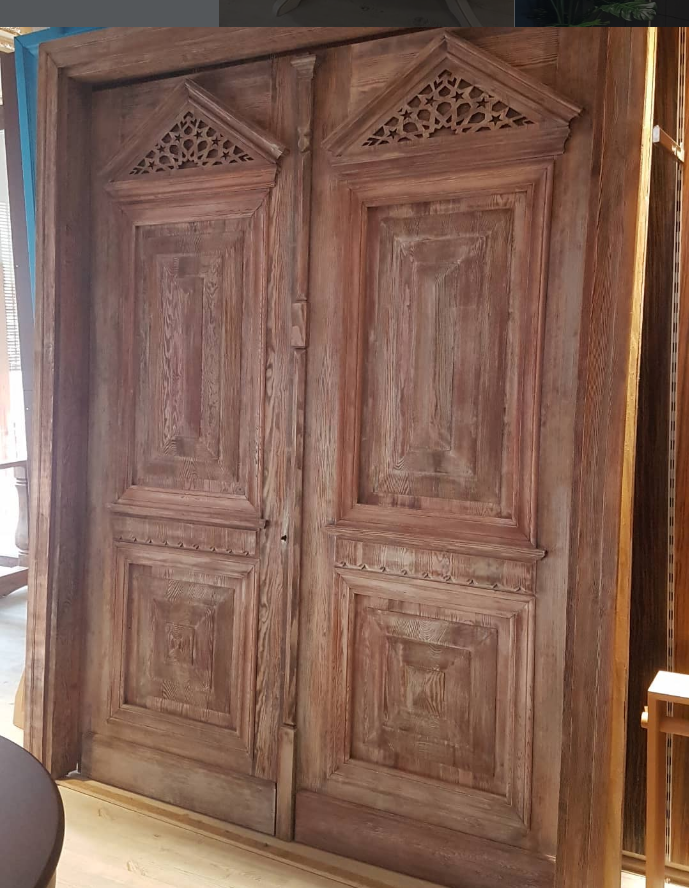
Butik Otel Mobilyaları
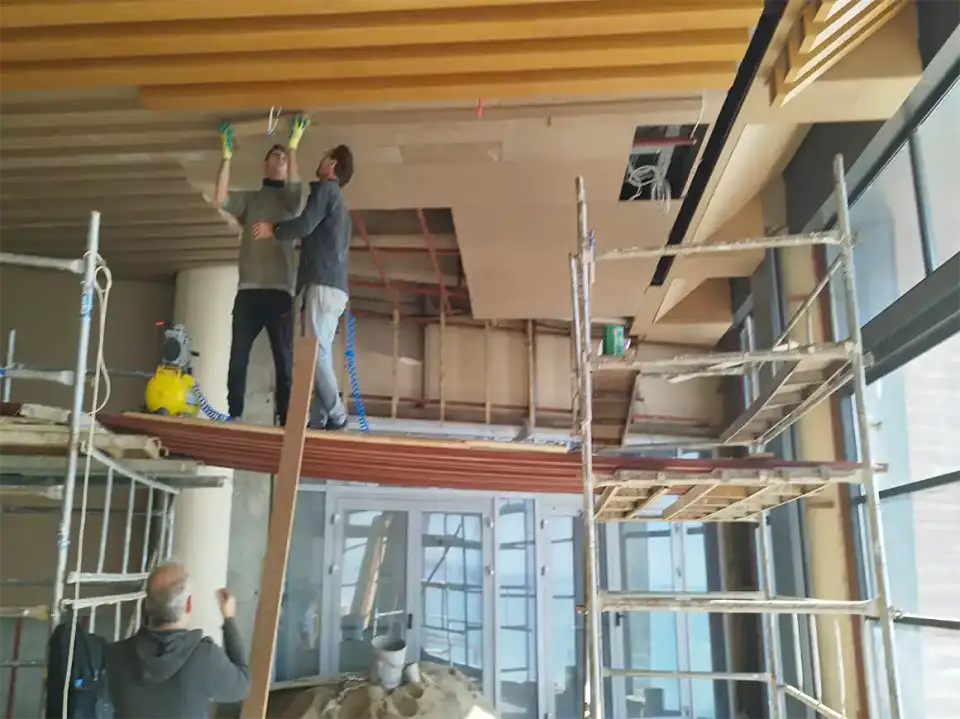
Tarihi Binaların Ahşap Dekorasyonları
Tarihi Ahşap restorasyonlari Kapılar
Tarihi binaların mobilya dekorasyonları



Butik Otel Mobilyaları


Şunları da sevebilirsiniz
Mass Production Solid Furniture

Solid Wood Furniture Production Turkey