

Island Kitchen Cabinet Turkey
Island Kitchen Cabinet Turkey: The Ultimate Guide to Trends, Materials, and Custom Manufacturing
The modern kitchen has evolved from a closed, purely functional cooking space into the vibrant heart of the home. At the center of this architectural shift is the island kitchen cabinet. In Turkey, a country renowned for its rich culinary heritage and manufacturing prowess, the demand for sophisticated, durable, and space-optimized kitchen islands has reached unprecedented heights. This comprehensive technical guide explores everything you need to know about purchasing, designing, and manufacturing an island kitchen cabinet in Turkey, balancing aesthetic brilliance with structural integrity.
1. Introduction to the Island Kitchen Cabinet Turkey Market
The phrase Island Kitchen Cabinet Turkey represents a booming sector within the global furniture and interior design industries. Turkey has positioned itself as a major European and Middle Eastern hub for high-quality furniture production. The combination of advanced German and Italian machinery, highly skilled local craftsmanship, and cost-effective logistics makes Turkey a premier destination for both retail buyers and wholesale developers seeking premium kitchen islands.
An island kitchen cabinet is more than just extra countertop space. It serves as a multi-functional anchor that provides:
- Additional storage via deep drawers, pull-out organizers, and integrated trash systems.
- Extra workspace for food preparation, baking, and plating.
- A social hub featuring integrated seating, breakfast bars, and under-counter appliances.
- An aesthetic focal point that seamlessly bridges the gap between the kitchen and the living areas in open-concept homes.
Understanding the specific dynamics of the Turkish manufacturing market ensures that homeowners, architects, and contractors can acquire world-class kitchen cabinets tailored to precise specifications.
2. Architectural Design Dynamics: Layouts and Space Optimization
Integrating an island kitchen cabinet into a Turkish home or modern apartment requires careful spatial planning. Kitchen architecture must follow the “Golden Triangle” rule—the optimal distance between the stove, refrigerator, and sink. The introduction of an island can either enhance or disrupt this workflow.
Clearance and Traffic Flow
To ensure comfortable movement, standard architectural guidelines dictate specific clearances around all sides of the island:
- Minimum Clearance: 90 cm (36 inches) is required for a single cook to pass through comfortably.
- Optimal Clearance: 105 cm to 120 cm (42 to 48 inches) is ideal, particularly in front of major appliances like dishwasher doors, ovens, and refrigerators to allow full extension without blocking paths.
- Maximum Clearance: Avoid gaps wider than 150 cm (60 inches), as this increases unnecessary walking steps and reduces efficiency during food preparation.
Island Configurations for Turkish Homes
Depending on the available floor area, Turkish manufacturers design islands in various structural configurations:
| Island Type | Best Suited For | Key Advantages | Technical Constraints |
|---|---|---|---|
| Linear (Galley) Island | Small to medium open-plan kitchens | Maximizes length; ideal for narrow spaces. | Limited seating capacity on shorter ends. |
| L-Shaped Island | Large, expansive open-plan layouts | Allows separation of cooking and seating zones. | Requires precise corner cabinetry engineering. |
| T-Shaped or Curved | Luxury villas and custom estates | High visual impact; creates distinct dining zones. | Higher manufacturing and stone fabrication costs. |
| Mobile / Rolling Cart | Compact urban apartments | High flexibility; can be moved against a wall. | Cannot support built-in plumbing or heavy stone tops. |
3. Core Materials and Substrates: The Engineering Foundation
The lifespan of an Island Kitchen Cabinet Turkey depends entirely on the quality of its internal substrate. Because kitchens are high-humidity environments exposed to heat, steam, and frequent impacts, choosing the right material prevents warping, sagging, and moisture expansion.
MDF (Medium-Density Fibreboard) vs. Particle Board (Chipboard)
Turkish factories utilize different grades of engineered wood depending on the price point and quality tier:
- MDF (Medium-Density Fibreboard): This is the gold standard for high-end Turkish cabinetry. Made from compressed wood fibers mixed with resin under high pressure, MDF features a dense, uniform structure. It is highly resistant to warping, provides excellent screw-holding capacity, and delivers an ultra-smooth surface perfect for high-gloss, matte, or lacquered finishes. For premium lines, manufacturers use Green MDF (Moisture-Resistant MDF), which contains specialized hydrophobic resins.
- Particle Board (Starwood / Chipboard): Often referred to locally as Yonga Levha or Suntalem when pre-laminated with melamine. While more budget-friendly, high-quality Turkish chipboard complies with strict European E1 or E0 emission standards for safety. It works well for carcass boxes in dry zones but must be sealed properly at the edges to prevent water ingress.
High-Pressure Laminate (HPL) and Compact Laminate
For commercial projects or ultra-durable residential applications, Turkish suppliers utilize HPL layers bonded to an MDF core. Compact laminate, which consists of multiple layers of kraft paper impregnated with phenolic resin, offers absolute water resistance and high structural stability, making it an excellent material for modern, minimalist slab-style island cabinet structures.
4. Premium Surface Finishes and External Coatings
The exterior finish of your Island Kitchen Cabinet Turkey dictates its visual character, maintenance profile, and resistance to scratches. Turkish manufacturers are globally competitive in producing advanced surface treatments.
Acrylic and PET Finishes
Acrylic panels are created by bonding a premium, scratch-resistant acrylic sheet over a calibrated MDF core.
- High Gloss Acrylic: Delivers a mirror-like, reflective surface that visually expands small kitchen areas. It is highly resistant to color fading caused by UV light.
- Super Matte PET: Utilizing Polyethylene Terephthalate coatings, these finishes offer an ultra-smooth, velvety texture. They feature anti-fingerprint properties and thermal healing capabilities, where minor surface micro-scratches can be repaired using gentle heat.
Lacquer and Polyurethane Finishes
Lacquered cabinetry represents premium artisan craftsmanship in Turkey. Multiple layers of high-grade polyurethane or acrylic paint are spray-applied to CNC-machined MDF panels, followed by meticulous sanding and polishing.
- Design Flexibility: Allows for intricate routered details, classic shaker profiles, or seamlessly integrated J-pull handles.
- Seamless Edges: Unlike laminated or edged panels, lacquer wraps completely around the edges of the door, eliminating visible seam lines and preventing water penetration.
Natural Wood Veneers and Solid Wood
For warm, biophilic, or luxury transitional designs, Turkish manufacturers excel in applying book-matched natural wood veneers (such as Walnut, Oak, Chestnut, and Olive wood) onto stable engineered substrates. These veneers are treated with matte, non-yellowing protective topcoats to maintain the organic texture while protecting against kitchen grease and moisture.
5. Countertop Selection for Turkish Kitchen Islands
An island requires a robust, non-porous, and visually stunning work surface. The countertop selection for an Island Kitchen Cabinet Turkey must withstand heavy chopping, hot cookware, and potential spills.
+-------------------------------------------------------------+

|               TYPICAL KITCHEN ISLAND CROSS-SECTION           |
+-------------------------------------------------------------+

|                                                             |
|   +-----------------------------------------------------+   |
|   |         Quartz / Porcelain Countertop (2-3cm)       |   |
|   +-----------------------------------------------------+   |
|   |   Sub-top / Marine Plywood Support Layers           |   |
|   +-----------------------------------------------------+   |
|   |                                                     |   |
|   |   +---------------------+   +---------------------+ |   |
|   |   |   Soft-Close Drawer |   |   Integrated Sink   | |   |
|   |   |       System        |   |     or Cooktop      | |   |
|   |   +---------------------+   +---------------------+ |   |
|   |   |                     |   |                     | |   |
|   |   |   Internal Utilities|   |   Plumbing / Gas    | |   |
|   |   |   (Electrical/Data) |   |   Chases & Lines    | |   |
|   |   |                     |   |                     | |   |
|   |   +---------------------+   +---------------------+ |   |
|   |                                                     |   |
|   +-----------------------------------------------------+   |
|   |             Water-Resistant Plinth / Kickplate      |   |
+---+---------------------------------------------------------+--------+
Engineered Quartz (Coante, Belenco, Çimstone)
Turkey is one of the world’s leading producers of premium quartz surfaces. Brands like Belenco, Çimstone, and Coante utilize advanced Bretonstone technology to compress roughly 90-93% natural quartz crystals with structural polyester resins and pigments.
- Pros: Extremely non-porous, scratch-resistant, stain-resistant, and requires no periodic sealing.
- Cons: Limited thermal resistance compared to natural stone; direct exposure to scorching pans can cause resin discoloration.
Sintered Stone and Porcelain (Laminam, Dekton, Neolith)
Porcelain slabs represent the absolute cutting edge of countertop technology available in the Turkish market. Made from raw ceramic materials subjected to extreme pressure and temperatures over 1200°C, porcelain countertops offer:
- Total Heat Resistance: You can place glowing-hot cast-iron skillets directly onto the surface without damage.
- UV Stability: Perfect for indoor-outdoor transitional kitchens or islands exposed to strong, direct sunlight.
- Ultra-thin Profiles: Available in 12mm or 20mm thicknesses for a sleek, ultra-modern appearance.
Natural Marble and Granite
Turkey possesses vast natural stone quarries, particularly for world-famous marbles like Afyon White, Muğla White, and Marmara Equator. While natural marble adds timeless luxury and unique veining to an island, it is inherently porous and susceptible to acid etching from lemon juice, vinegar, or coffee. It must be treated with a high-grade penetrating sealer annually.
6. Hardware, Mechanisms, and Internal Ergonomics
The difference between an average kitchen island and an exceptional one lies beneath the surface. High-utility European hardware components ensure that your Island Kitchen Cabinet Turkey functions smoothly for decades.
Advanced Drawer Systems
Standard swing-out doors on an island force the user to bend down and search deep inside dark cabinets. Modern designs rely almost exclusively on heavy-duty tandem drawer systems:
- Blum (Austria), Hettich (Germany), and Samet (Turkey): These are the leading hardware providers specified by Turkish manufacturers. Samet, an established Turkish brand, produces elite-tier soft-close drawer slides and lift systems that rival Western European alternatives.
- Weight Capacities: Premium full-extension drawer runners are rated to carry 30kg, 50kg, or even 70kg without sagging, allowing for the safe storage of heavy cast-iron cookware and dish sets.
- Push-to-Open and Soft-Close: Integrated hydraulic dampers ensure that drawers close silently, preventing slamming and extending the life of the cabinet structure.
Intelligent Storage Organizers
To maximize every cubic centimeter of an island, modern Turkish kitchens feature:
- Pull-out Cargo Bins: Slender, multi-tiered wire or solid-bottom baskets for oil bottles, spices, or condiments.
- Blind Corner Optimizers: LeMans or Magic Corner mechanisms that gracefully glide out of hidden corner zones to bring items into plain sight.
- Integrated Waste Separation: Double or quadruple under-sink recycling bins that glide open smoothly via mechanical or electronic foot sensors.
7. Technical Integration: Electrical, Plumbing, and Ventilation
An effective Island Kitchen Cabinet Turkey acts as an independent utility hub. Properly integrating mechanical, electrical, and plumbing (MEP) systems during the early architectural layout phase prevents costly structural changes down the road.
Electrical and Smart Home Data Integration
Modern lifestyle demands that a kitchen island accommodate both culinary appliances and personal technology:
- Pop-Up Power Sockets: Flush-mounted motorized or manual towers containing standard electrical outlets, USB-A/USB-C charging ports, and sometimes Qi wireless inductive charging pads on top.
- Code Compliance: Outlets should be positioned away from potential water spray zones if a sink is present on the island.
- Under-Cabinet LED Lighting: Low-voltage LED strips (24V) recessed into the plinth (kickplate) or under the countertop overhang create a floating visual effect and function as safe night-lighting.
Plumbing Infrastructure
If you choose to place the main wash sink or a secondary prep sink on the island, the drainage infrastructure requires careful engineering:
- Floor Trenching: Unlike wall-mounted sinks where pipes drain directly into the wall cavity, an island sink requires plumbing pipes to be trenched directly into the concrete floor slab or run through a raised subfloor.
- Vent Loops (Island Venting): Because there is no vertical wall behind the island to hide a conventional sewer vent pipe, plumbing engineers must install a specialized loop vent or an Air Admittance Valve (AAV) inside the cabinet carcass to ensure smooth water drainage without dangerous sewer gas backflow.
Advanced Ventilation Solutions
When placing a gas or induction cooktop on the island, managing steam, grease, and cooking odors is a priority:
- Ceiling-Mounted Island Hoods: High-extraction hoods suspended from structural ceiling joists. These require rigid ductwork routed through a drywall bulkhead or dropped ceiling to exhaust air outdoors.
- Downdraft Extractors: An elegant solution where the ventilation unit is built directly into the countertop behind or inside the cooktop. When turned on, the extractor rises mechanically or draws air downward through a central grate, filtering out grease and venting smoke through the floor channels.
- Recirculating Charcoal Systems: For apartments where external ducting is impossible, advanced hoods use multistage activated charcoal and ceramic filters to clean the air and return it back into the room.
8. Manufacturing Processes and Quality Standards in Turkey
Turkey’s manufacturing sector combines automated production lines with artisan finishing touches. This hybrid approach enables high precision, cost efficiency, and short production lead times.
CNC Precision Machining
Leading manufacturing hubs in cities like Istanbul, Bursa, Ankara, Kayseri, and Izmir employ state-of-the-art computer numerical control (CNC) nesting machines and beam saws.
- Zero-Tolerance Cutting: Digital design blueprints are fed directly into the machinery, ensuring parts are cut with sub-millimeter precision.
- Perfect Edging: Industrial edgebanders apply heavy-duty ABS or PVC edges using PUR (Polyurethane) hot-melt adhesives. PUR adhesives offer superior heat and water resistance compared to standard EVA glues, ensuring edges do not peel off when exposed to dishwasher steam.
European Standards Compliance
When sourcing an Island Kitchen Cabinet Turkey, look for companies adhering to global quality benchmarks:
- ISO 9001: Quality Management Systems verifying consistent production processes.
- ISO 14001: Environmental Management standards ensuring sustainable wood sourcing and waste reduction.
- CE Certification: Ensuring integrated electrical mechanisms and materials meet comprehensive European safety requirements.
- E1/E0 Formaldehyde Rating: Guarantees that the engineered wood panels emit zero or negligible amounts of formaldehyde gas, maintaining healthy indoor air quality.
9. Sourcing Guide: How to Buy and Export from Turkey
Sourcing a kitchen island system from Turkey can be approached via custom local workshops (Atölye) or major industrial manufacturing exporters.
Working with Custom Atölyes vs. Industrial Manufacturers
- Local Custom Workshops: Perfect for one-off residential projects requiring intricate, hyper-custom dimensions, hand-carved classical details, or specialized lacquer techniques. They offer high flexibility but may have longer lead times.
- Industrial Scale Companies: Best suited for large-scale real estate developments, hotels, or wholesale distribution. These factories offer competitive volume pricing, strict deadline adherence, and standardized quality controls, but they often require minimum order quantities (MOQs).
Logistics, Packaging, and Flat-Pack vs. Pre-Assembled Sourcing
Exporting cabinetry overseas requires secure, industrial-grade packaging to avoid damage during transit:
- Flat-Pack (RTA – Ready to Assemble): Cabinet boxes are shipped disassembled, packed flat in heavy-duty corrugated cardboard boxes with protective polystyrene edge guards. This maximizes shipping container volume and minimizes sea freight costs, but requires skilled labor for installation on-site.
- Pre-Assembled (Rigid Cabinets): Cabinet structures are fully built, squared, and checked for defects at the factory before shipping. While this guarantees structural integrity and reduces setup time on-site, it occupies significantly more container space.
10. Cost-Benefit Analysis and Maintenance Guidelines
Investing in a Turkish-manufactured kitchen island offers an impressive balance of quality and value. Due to competitive manufacturing costs, favorable exchange rates, and localized supply chains for raw materials like marble and quartz, buyers can often purchase a premium-tier kitchen from Turkey at a fraction of the cost of equivalent Western European custom options.
Maintenance Protocols for Longevity
To ensure your island kitchen cabinet remains pristine for decades, adhere to these professional maintenance protocols:
- Moisture Management: Always wipe down any standing water along edge seams immediately. Never hang damp dish towels directly over wooden or lacquered cabinet doors.
- Cleaning Agents: Avoid abrasive scouring pads, bleach, ammonia, or highly acidic cleaners. Use a soft, lint-free microfiber cloth dampened with warm water and a pH-neutral, mild dish soap.
- Countertop Care: Even with scratch-resistant quartz or sintered stone, use cutting boards to protect the surface finish. Use trivets or heat pads under hot pots to prevent thermal shock.
11. Conclusion: The Long-Term Value of a Turkish-Crafted Island
The selection, customization, and deployment of an Island Kitchen Cabinet Turkey represents a valuable upgrade for any modern property. By understanding the underlying engineering—from moisture-resistant MDF substrates and advanced PUR edge-gluing to durable quartz countertops and soft-close European hardware—you can ensure your design is both stunning and highly functional.
Turkey’s design and manufacturing landscape stands ready to deliver tailored solutions that meet strict global performance metrics, elevating the heart of your home into an ergonomic masterpiece of modern living.

Şunları da sevebilirsiniz
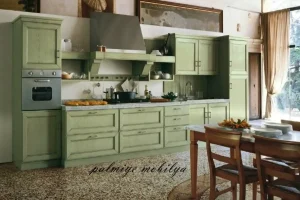
MDF Kitchen Cabinet Turkey
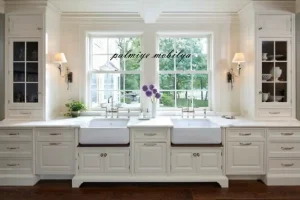
Modular Kitchen Cabinet Turkey