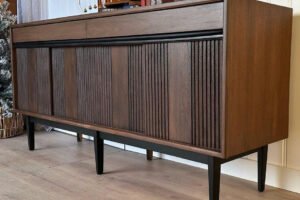

School Doors Turkey
Ultimate Guide to School Doors from Turkey: Structural Engineering, Safety Compliance, and Global Sourcing Architecture
The development of educational infrastructure requires balancing pedagogical vision with strict engineering standards. Modern educational institutions—including primary schools, secondary colleges, vocational facilities, and university campuses—are complex spaces subject to high pedestrian traffic and demanding safety regulations. Within this architectural ecosystem, doors serve as critical functional assets. They regulate acoustic barriers, control localized fire containment zones, withstand constant mechanical impact, and preserve indoor air quality.
For institutional procurement officers, educational ministry stakeholders, university facilities directors, and international contractors, sourcing interior assets requires a manufacturing base that delivers certified technical performance alongside high-volume cost efficiency. Turkey has emerged as a premier global manufacturing hub for high-performance school doors from Turkey.
This technical guide provides an in-depth analysis of the engineering principles, material sciences, international regulatory testing frameworks, architectural typologies, and logistical procurement structures that define premium school doors from Turkey.
1. Macroeconomics and Industrial Infrastructure of Turkey’s Door Sector
The international market for architectural doors demands a delicate balance of certified technical performance, structural longevity, and cost efficiency. Turkish manufacturers have occupied this sweet spot by combining Europe’s advanced automated production technologies with a deep-rooted heritage of artisanal joinery and metalworking. This allows them to deliver school doors from Turkey that compete directly with traditional European manufacturers while maintaining competitive lead times and pricing structures.
Specialized Industrial Clusters
The production of school doors from Turkey is concentrated within highly automated industrial zones engineered for high-volume execution, material testing, and vertical supply-chain integration.
- Kayseri Industrial Zone: Home to massive manufacturing complexes spanning hundreds of thousands of square meters. These facilities house automated steel sheet stamping lines, continuous robotic welding benches, and computerized high-pressure laminate press lines optimized for large-scale institutional contracts.
- İnegöl and Bursa Cluster: Renowned for advanced architectural woodworking, engineered wood science, custom veneer processing, and bespoke high-end interior joinery matching specialized university or administrative layouts.
- Istanbul and Kocaeli Regions: Focus heavily on technical research and development, advanced acoustic engineering, architectural hardware integration, and validation of strict European and American testing standards.
Strategic Logistical Advantages
Turkey’s geographical position at the crossroads of major trade routes provides a logistical advantage that directly impacts supply chain efficiency.
- EU Customs Union and Standardization: Operating within the European Union Customs Union means that all school doors from Turkey are engineered to meet strict European Technical Standards (EN), carry necessary CE markings, and pass through European borders with streamlined customs protocols.
- Multimodal Logistics: Shipments can be dispatched efficiently via extensive roll-on/roll-off (Ro-Ro) maritime routes, continental rail cargo corridors, or direct overland trucking fleets, offering significantly shorter lead times than East Asian alternatives.
2. Structural Core Engineering: Materials and Anti-Vandal Architecture
School doors are subjected to thousands of open-and-close cycles daily, often accompanied by mechanical impacts from heavy backpacks, utility carts, and accidental kicks. To prevent premature structural failure, warping, or delamination, the core architecture of school doors from Turkey must balance density with flexural elasticity.
[Premium High-Pressure Laminate (HPL) / Impact-Polymer Face]
                             │
                             ▼
  [Moisture-Resistant High-Density Fiberboard (HDF) Substrate Layer]
                             │
                             ▼
  [Engineered Core: Tubular Board, Solid Flaxboard, or Multi-Layer Solid Timber]
                             │
                             ▼
  [Solid Hardwood Edge Banding / Post-Formed Impact-Resistant ABS Edges]
Core Typologies for School Doors from Turkey
1. Solid Flaxboard and Particle Core (Sauerland Spanplatte)
The standard configuration for high-performance interior classrooms.
- Composition: Vertical or horizontal tubular and solid particle configurations manufactured under heat and high pressure utilizing calibrated wood chips or flax particles bound with low-emission resins.
- Performance: Solid flaxboard provides exceptional screw-holding capacity (crucial for continuous-hinge anchoring) and excellent uniform impact resistance across the entire face of the door leaf. It limits deflection and bowing while maintaining a reliable substrate for heavy-duty surface finishing layers.
2. Engineered Finger-Jointed Solid Core
Specified for high-exposure entryways, gyms, and sports complexes.
- Composition: Softwood or medium-density hardwood lumber is sliced into short blocks, sorted to remove structural defects like knots or shakes, and reassembled using interlocking finger-joint cuts bonded with high-performance D4 polyurethane or PVAc adhesives.
- Mechanics: The blocks are assembled with their grain directions alternating sequentially. When humidity shifts, the internal expansion vectors of the blocks oppose and cancel each other out, keeping the door leaf completely flat.
3. Steel-Reinforced Composite Cores
For high-security areas, administrative offices, and cash-handling rooms.
- Composition: Multi-layered structures incorporating continuous high-tensile galvanized steel sheets embedded between high-density fiberboard (HDF) panels and an inner engineered wood core.
- Mechanics: This layout delivers extreme resistance to forced entry, mechanical tearing, and severe structural deformation under loading, without changing the clean, uniform look of the external door finish.
Exterior Surface Armor and Edge Architecture
The external skin of school doors from Turkey is designed to resist graffiti, deep scratches, chemical cleaning solutions, and moisture ingress.
- High-Pressure Laminate (HPL) Skins: Manufacturers utilize heavy-duty, commercial-grade HPL sheets (typically 0.8mm to 2.0mm thick). HPL is completely non-porous, meaning ink, spray paint, and marker stains can be wiped away using standard alcohol-based cleaning agents without altering the color or texture of the door face.
- Post-Formed ABS or Injected Polyurethane (PU) Edges: The edge of the door leaf is the area most vulnerable to impact and delamination. Turkish factories have replaced traditional thin PVC edge tapes with thick, post-formed ABS bumpers or injection-molded polyurethane edges sealed into a perimeter tongue-and-groove track. This creates a seamless transition that cannot be peeled away or chipped.
3. The Fire Containment Architecture: Certified FD30 to FD120 Systems
In educational facilities, fire doors serve as vital life-safety assets, isolating classrooms, stairwells, and main escape corridors into distinct thermal containment cells. School doors from Turkey are engineered, tested, and certified by international accredited third-party testing organizations—such as Warringtonfire (Certifire), Efectis, and SGS—to satisfy rigorous building safety standards worldwide.
Structural Performance Classifications
Turkish manufacturers produce timber and metal fire-rated door assemblies conforming to European Standard EN 1634-1 and British Standard BS 476-22, achieving verified ratings spanning across several critical thresholds.
- FD30 / EI30 (30-Minute Rating): Designed primarily for standard classroom entryways. Constructed utilizing a specialized solid flaxboard or fire-rated mineral core enclosed within a fire-retardant-treated structural timber frame, faced with high-density fiberboard (HDF) and a commercial HPL wrap.
- FD60 / EI60 (60-Minute Rating): Utilized for laboratory entrances, boiler rooms, computer labs, and secondary exit pathways. These configurations incorporate dual-layer non-combustible calcium silicate boards within the engineered wood core, alongside heavy-duty intumescent seals and fire-rated ironmongery.
- FD90/EI90 to FD120/EI120 (90 to 120-Minute Ratings): Typically specified for primary vertical stairwells, main mechanical vaults, and main building separation zones. These are often engineered as heavy-duty hollow-metal steel door assemblies using double-skinned galvanized steel faces (1.5mm thickness) filled with high-density structural mineral wool and ceramic fiber boards.
Intumescent Expansion Engineering
A critical component of fire containment is the integration of intumescent graphite strips embedded into routed grooves along the perimeter edges of the door leaf and frame profile.
[Ambient Temperature State] ──► Intumescent Strips Remain Flush in Perimeters (0.6mm - 2mm Gaps Open)
                                         │
                                         ▼ (Heat Exposure >150°C)
[Thermal Expansion State]  ──► Strips Expand up to 25x Volume (Forms Solid, Non-Combustible Carbon Seal)
                                         │
                                         ▼
[Life-Safety Result]       ──► Blocks All Passage of Toxic Smokes, Carbon Monoxide, and Direct Flames
Under ambient operating temperatures, these strips remain flat, allowing the door to open and close smoothly with standard operating clearances. When exposed to temperatures exceeding 150°C, the chemical composition of the graphite material triggers an instantaneous expansion, swelling up to 25 times its original thickness. This action completely fills the gaps between the leaf and frame, sealing the opening to prevent the passage of toxic smoke, carbon monoxide, and direct flames.
4. Acoustic Engineering and Sound Isolation Decibel Metrics
Uncontrolled noise transfer between classrooms, busy corridors, music rooms, and gymnasiums can disrupt student concentration and lower teaching effectiveness. High-performance school doors from Turkey are acoustically optimized to satisfy international standards, including EN ISO 10140-2 and ASTM E90, delivering verified Weighted Sound Reduction Indexes (\(R_{w}\)) or Sound Transmission Class (STC) ratings.
Acoustic Decibel Performance Thresholds
- Classroom-to-Corridor Openings (\(R_{w}\) 32 dB to 35 dB): The baseline standard for generic instructional classrooms. Achieved by deploying an engineered tubular or multi-layer particle core wrapped in a solid hardwood perimeter frame, sealed with silicone perimeter gaskets.
- Specialized Learning and Testing Environments (\(R_{w}\) 38 dB to 42 dB): Specified for examination halls, special education spaces, and lecture halls. Constructed using high-density solid composite flaxboard cores combined with an additional mass-loaded polymer layer inside the door leaf shell.
- Music Rooms and Performance Auditoriums (\(R_{w}\) 45 dB+): Features complex, multi-layered sandwich configurations incorporating acoustic cork sheets, varying densities of rockwool padding, and twin structural air gaps, supported by dual perimeter heavy compression seals and specialized drop-down threshold mechanics.
Mechanical Acoustic Threshold Integrations
Achieving high acoustic performance requires eliminating air gaps around the door perimeter. Turkish engineers integrate multi-tier sealing architectures:
- Automatic Drop-Down Bottom Seals: Heavy-duty, spring-loaded mechanical assemblies routed into a channel along the bottom edge of the door leaf. When the door closes, a plunger hits the frame jamb, triggering a mechanical descent that forces a high-grade neoprene or silicone seal down against the floor threshold, completely blocking sound leakage underneath the door.
- Multi-Fin Perimeter Gaskets: Frame rebates are fitted with continuous, UV-stabilized silicone or EPDM profiles featuring multiple flexible fins. These fins compress smoothly against the door leaf face, preventing flanking noise transmission around the sides and top of the door frame.
5. Architectural Typologies and Structural Configurations
Turkish factories process educational door schedules into distinct architectural and structural typologies tailored to the specific functional demands of various campus environments.
Standard Classroom Swing Doors
The foundational element of any school layout, optimized for clear opening widths that accommodate student foot traffic and wheelchair access.
- Vision Panel Integration: Safety rules mandate clear vision windows to prevent a door from swinging open into an oncoming student. Doors are CNC-routed with precise cutouts fitted with fire-rated, impact-resistant wire glass or laminated safety glass held in place by flush steel or hardwood glazing beads.
- Kick-Plate Armoring: To protect against footwear impact, the lower 200mm to 300mm of the door leaf face is armored with satin-finish AISI 304 stainless steel or high-impact textured polymer kick plates, secured with countersunk tamper-proof rivets.
Heavy-Duty Double Swing Doors and Corridor Cross-Passages
Used for main building entrances, cafeterias, and library access points where large crowds pass simultaneously.
- Master and Slave Configuration: Features an active master leaf for standard daily passage and a slave leaf fitted with concealed top-and-bottom flush bolts that can be opened to provide full structural clearance during major school events or equipment moves.
- Electromagnetic Hold-Open Links: Corridor fire separation doors are often paired with wall-mounted electromagnetic holders wired into the main fire alarm automation network. The doors stay held wide open during normal class transitions to facilitate smooth foot traffic, but instantly release and close automatically if the smoke detection system triggers.
Specialized Toilet, Washroom, and Wet-Area Doors
Washrooms subject door assemblies to high humidity, standing water, and strong chemical disinfectants.
- Composite Material Engineering: Turkish manufacturers produce specialized washroom doors utilizing expanded PVC cores or composite solid phenolic resin panels. This ensures the door leaf cannot rot, swell, or delaminate when exposed to moisture.
- Integrated Louver Vents: The bottom half of the door leaf can be fitted with integrated, anti-vandal aluminum or heavy-duty polymer ventilation louvers to facilitate continuous airflow and support bathroom humidity management.
6. Industrial Frame Engineering and Wall Anchoring Architectures
A common point of failure for institutional doors is the detachment or loosening of the frame from the wall due to continuous mechanical stress. Sourcing school doors from Turkey provides access to robust frame designs engineered to withstand severe architectural forces.
+------------------------------------------------------------------------------------+

|                        STRUCTURAL FRAME MATERIAL COMPARISON                        |
+---------------------+-----------------------+--------------------------------------+

| Frame Typology      | Material Substrate    | Structural Advantage                 |
+---------------------+-----------------------+--------------------------------------+

| Wrap-Around Steel   | 1.5mm Galvanized Steel| Maximum Impact & Structural Anchoring|
| Block Steel Frame   | 2.0mm Thick Carbon    | Ideal for Heavy Masonry Construction |
| Engineered Timber   | Multilayer Hardwood   | High Acoustic Performance & Elegance |
| Adjustable Aluminum | Extruded 6063-T6      | Corrosive Resistance & Clean Aesthetics|
+---------------------+-----------------------+--------------------------------------+
Wrap-Around Galvanized Steel Frames
The ultimate choice for structural longevity in high-traffic school environments.
- Engineering: Constructed using heavy 1.5mm to 2.0mm thick hot-dip galvanized steel sheets, cold-formed into customized profiles that wrap around the entire thickness of the wall masonry or drywall stud partition.
- Welded Corner Technology: Miters are continuously welded from the back, ground down smoothly, and finished with a durable powder coat, creating an ultra-rigid, seamless corner joint that resists splitting or structural shifting.
- Anchoring Strength: Frames are secured deep into structural wall openings using heavy-duty expanding steel anchors countersunk into reinforced pockets behind the hinge plates and strike boxes, providing a permanent installation that resists heavy impacts.
Adjustable Aluminum and Hybrid Frames
Favored for modern university administrative buildings, faculty offices, and private research institutes.
- Engineering: Built using premium extruded 6063-T6 structural aluminum alloy profiles with an anodized or powder-coated surface finish.
- Adjustability: The telescopic architrave design allows the frame depth to expand or contract dynamically to match variable wall thicknesses on-site. This feature speeds up field assembly and compensates for minor construction alignment errors.
7. Institutional Hardware Integration and Access Control Engineering
The longevity of an institutional door depends significantly on its hardware configuration. High-performance school doors from Turkey feature precise factory routing designed to accommodate premium, heavy-duty ironmongery systems.
Heavy-Duty Hinge Technology
Standard residential hinges will fail rapidly under the weight and constant use cycles of a classroom door. Turkish factories specify premium institutional options:
- Pivot and Continuous Hinges: Geared continuous aluminum hinges distribute the weight of the door leaf evenly down the entire length of the frame jamb. This eliminates localized stress points and prevents the door leaf from sagging over time.
- Three-Dimensional Adjustable Concealed Hinges: Premium interior openings can be routed to house heavy-duty hidden hinge systems (such as Simonswerk Tectus or Anselmi variants). These allow installers to calibrate the door leaf across three axes (vertical, horizontal, and depth) with a simple hex key to maintain perfect perimeter seals.
Security and Anti-Panic Ironmongery Systems
- Anti-Panic Push Bars: Mandatory for primary assembly hall exits, auditoriums, and gymnasiums under standard life-safety building codes. Heavy-duty, surface-mounted or mortised panic bars allow emergency exit doors to unlock and swing open instantly under pressure from a rushing crowd.
- Anti-Slam Hydraulic Door Closers: Over-head door closer assemblies fitted with adjustable backcheck valves, closing speeds, and latching mechanisms. These prevent doors from slamming shut violently due to wind tunnels or student horseplay, protecting fingers from injury and safeguarding the frame structure.
- Clutch-Mechanism Lever Handles: Locks feature heavy-duty return spring mechanisms and internal clutch linkages. If a student hangs or steps on the external lever handle, the lever drops down freely without transferring force to the internal lock body, preventing breakage of the locking mechanism.
Electronic Access Control and Smart Campus Automation
Modern educational campuses use electronic security networks to manage student access and support emergency lockdown protocols.
- Concealed Wiring Channels: During the core pressing phase, Turkish manufacturers drill continuous internal wire pathways through the interior core from the hinge side to the lock pocket. This allows for clean, hidden installation of power cables to electronic locks.
- Motorized Multi-Point Locking Integration: Doors can be factory-prepped for smart electronic mortise locks that connect with central campus access networks via RFID card scanners, biometric readers, or remote lockdown commands from the administrative office.
8. Environmental Sustainability and Compliance Certification
Modern green building frameworks—such as LEED, BREEAM, and DGNB—require that all structural elements inside an educational facility comply with strict environmental benchmarks. The production of school doors from Turkey is structured to meet these international green building requirements.
Sustainable Forest Sourcing
Turkish door manufacturers operate under strict chain-of-custody tracking metrics, sourcing timber components from responsibly managed forests.
- FSC (Forest Stewardship Council) Verification: Confirms that all wood fibers used inside particle cores, HDF stabilization panels, and solid timber framing members can be fully traced back to ethically logged reserves.
- PEFC Certification: Validates that regional forestry practices preserve local biodiversity, prevent deforestation, and maintain high standards of ecological health.
Protecting Indoor Environmental Quality (IEQ)
Children and adolescent students spend up to eight hours daily inside enclosed classrooms, making indoor air quality a vital health consideration. Sourcing school doors from Turkey supports healthy indoor air quality through clean material standards:
- E1 and E0 Opaque Resin Systems: All wood-composite core sheets are manufactured using low-emission urea-formaldehyde or advanced polyurethane resins that comply with European E1 standards and California CARB Phase 2 regulations, ensuring zero harmful formaldehyde off-gassing into classroom spaces.
- Zero-VOC Powder Finishes: Steel frames and associated ironmongery coatings are certified free of heavy metals and Volatile Organic Compounds (VOCs), rendering them completely safe for school environments.
9. Sourcing Architecture: Project Customization to Site Delivery
Procuring a high-volume shipment of customized school doors from Turkey involves a structured, disciplined procurement process to ensure all technical specifications are executed accurately from architectural drawings to final site delivery.
[Phase 1: Tender Specification & BoQ Review]
                      │
                      ▼
[Phase 2: CAD Shop Drawings & 3D BIM Modeling]
                      │
                      ▼
[Phase 3: Material Sample & Mock-Up Validation]
                      │
                      ▼
[Phase 4: Factory Production & Quality Inspection Gates]
                      │
                      ▼
[Phase 5: Heavy-Duty Industrial Packaging & Container Freight]
1. Specification Analysis and Door Schedule Engineering
The process begins with an in-depth review of project documentation:
- Bill of Quantities (BoQ) Review: The purchaser provides comprehensive door schedules detailing clear opening heights, wall panel compositions, required fire/acoustic performance metrics, ironmongery configurations, and aesthetic finish styles.
- Shop Drawings: The engineering division of the Turkish factory generates detailed 2D CAD shop drawings and 3D BIM models illustrating precise jamb profiles, architrave dimensions, wall anchoring points, and hardware cutouts for client approval.
2. Physical Material Submittals and Project Mock-Ups
Before launching full production runs for large school networks, physical validation checks are executed:
- Finish Range Boards: The manufacturer supplies physical samples of commercial-grade HPL coatings, antimicrobial surface sheets, color-coded powder coats, and durable edge bands for architectural approval.
- Full-Scale Project Mock-Ups: For large projects, manufacturers can build a complete, full-scale mock-up door assembly—complete with frame, architraves, and hardware. This allows the design team to evaluate tolerances, structural rigidity, and aesthetics before authorizing full mass production.
3. Factory Quality Gates and Inspection Testing
During production, factory quality control teams enforce strict inspection gates:
- Gate 1 (Substrate Material Verification): Checking the density and moisture stability of incoming flaxboard cores and measuring steel sheet wall thicknesses using calibrated electronic micrometers.
- Gate 2 (Weld Integrity and Profile Testing): Continuous ultrasonic testing of welded corner miters on steel frames and measuring powder-coat thickness layers to ensure reliable impact protection.
- Gate 3 (Dimensional Alignment and Operation): Verifying processing tolerances using electronic templates to ensure the door leaf sits square within the frame, ensuring reliable installation on-site.
4. Heavy-Duty Industrial Packaging and Freight Logistics
To protect custom doors from mechanical impacts, humidity fluctuations, and maritime moisture during long-distance transport, Turkish manufacturers use specialized packaging systems:
- Surface Protection: Each finished door leaf is wrapped in a heavy-duty layer of protective expanded polyethylene (EPE) foam to prevent surface scratching.
- Edge Barriers: Rigid, reinforced multi-layer cardboard or molded plastic protectors are applied to all corners and edges of the door leaf.
- Palletization: The doors are stacked flat on heavy-duty, heat-treated, ISPM-15 compliant wooden pallets, securely strapped with high-tensile poly bands, and fully wrapped in industrial stretch film.
- Container Optimization: For sea freight, moisture-absorbing silica gel desiccant bags are distributed throughout the shipping container to prevent condensation and moisture buildup during oceanic transit.
10. Regional Sourcing Analysis: Turkey vs. Competitor Hubs
When managing large public infrastructure or commercial educational procurement budgets, project managers frequently evaluate Turkish suppliers against alternative manufacturing hubs in Western Europe and East Asia.
| Sourcing Performance Metric | Western European Manufacturers | Turkish Manufacturers | East Asian Sourcing Hubs |
|---|---|---|---|
| Technical Design Compliance | Premium Quality (Full EN) | Premium Quality (Full EN / BS) | Variable Compliance |
| Material Gauge & Durability | High Quality | Institutional Heavy-Duty | Variable / Commodity Grade |
| Production Lead Times | Long (12 – 16 Weeks) | Short (4 – 8 Weeks) | Long (10 – 14 Weeks) |
| Bespoke Customization Flexibility | Low (Rigid Catalog Lines) | High (Custom Engineering) | Moderate (Requires High Minimums) |
| Total Value Proposition | Low-Moderate (High Cost) | Exceptional Balance | High Volatility |
Turkey vs. Western Europe (Germany, Italy, Spain)
Western European door manufacturers offer premium branding and exceptional engineering, but operate with high labor costs, rigid customization restrictions, and extended production lead times. Turkish factories provide identical manufacturing tolerances, access to the same premium European hardware, and greater flexibility for custom architectural designs—all supported by a more competitive cost structure and faster production schedules.
Turkey vs. East Asia
While East Asian manufacturing hubs excel at low-cost mass production of standard, commodity-grade doors, they often present challenges regarding compliance documentation, fire/acoustic certifications, and long-term durability. Thin-gauge steel frames can buckle under intensive institutional use, and edge banding may fail in humid environments. Turkish manufacturers specifically season their wood components and use heavy-gauge steel frames, ensuring long-term structural stability across diverse global climates.
11. Comprehensive Installation Guidelines and Lifetime Maintenance
Even a premium engineered school door can underperform if subjected to improper on-site handling, poor structural installation, or incorrect maintenance practices. Adhering to professional installation and care standards ensures the door performs reliably for decades.
Site Readiness and Acclimatization Rules
- Wet Trade Verification: School doors must never be introduced to a job site while wet trades—such as drywall taping, plastering, tiling, or concrete pouring—are underway. The indoor relative humidity must be stabilized between 40% and 60%, and the ambient temperature maintained between 15°C and 25°C.
- Acclimatization: Unpacked door leaves should be stored completely flat on level supports within their final installation environment for at least 48 to 72 hours prior to hanging, allowing the wood’s cellular structure to adapt to the local atmospheric equilibrium.
Frame Installation and Alignment
- Structural Leveling: Door frames must be anchored into wall openings using heavy-duty fixing screws countersunk behind hinge leaves and strike plates. Installers must use precise spirit levels or digital laser measures to ensure the jambs are plumb, square, and free of twists.
- Fixing Foam: The gap between the structural wall opening and the door frame should be filled with high-quality, low-expansion polyurethane foam. High-expansion foams must be avoided, as they can exert excessive pressure, bowing the frame inward and causing the door leaf to bind.
Long-Term Finish Preservation and Cleaning
- Routine Cleaning: Surfaces should be cleaned using a soft, dry or slightly damp lint-free microfiber cloth with a highly diluted, pH-neutral wood soap. Harsh chemical cleaners, abrasive pads, bleach, ammonia, and high-pressure steam cleaners will damage the protective finish and must never be used.
- Moisture Protection: Any water exposure along the bottom edges of doors installed in high-humidity environments—such as bathrooms or exterior entryways—must be wiped dry immediately.
- Finish Maintenance: For doors exposed to regular direct sunlight or heavy commercial wear, the protective finish should be inspected annually. If fine micro-cracks or dulling are observed, a light sanding with fine 320-grit paper followed by a fresh topcoat of matching premium sealer or lacquer will preserve the underlying components and maintain its premium appearance.
12. Summary and Strategic Sourcing Recommendations
High-performance school doors from Turkey represent an exceptional balance of mechanical strength, precise manufacturing engineering, and reliable industrial output. By leveraging advanced material sciences and partnering with certified Turkish manufacturers, international buyers can procure durable institutional furniture that enhances both the learning environment and the design value of any educational development.
When preparing a procurement strategy for school doors from Turkey, ensure your team integrates these steps:
- Select manufacturers holding valid FSC/PEFC chain-of-custody records alongside ISO 9001 quality management certificates.
- Require accredited international laboratory reports validating all specified fire, acoustic, and mechanical performance criteria.
- Utilize a formal submittal process with physical sample boards to define and approve natural variations and finish options before greenlighting full-scale factory production.
Investing in school doors from Turkey ensures access to exceptional structural longevity, certified technical performance, and a refined architectural aesthetic, setting a premium standard for modern educational construction projects worldwide.
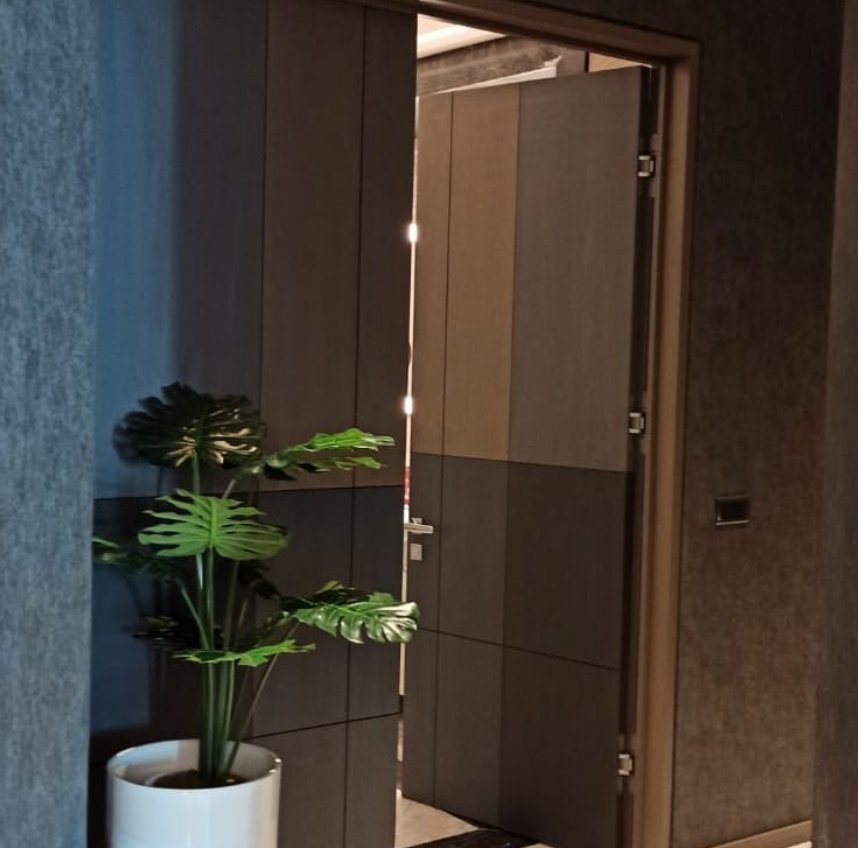
Butik Otel Mobilyaları
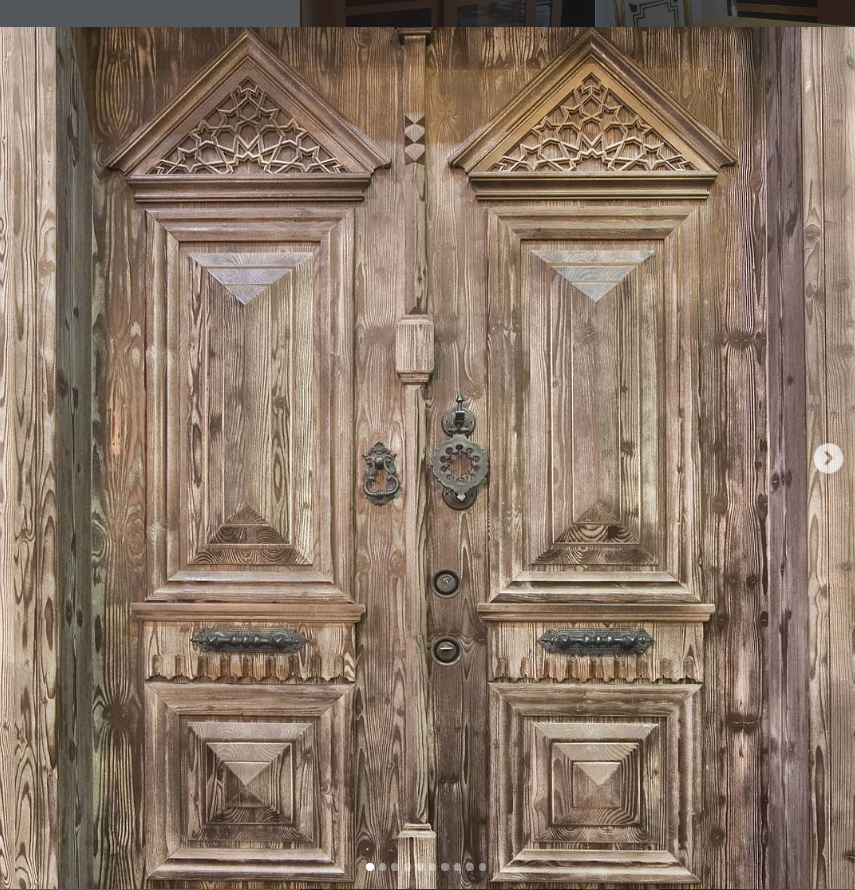
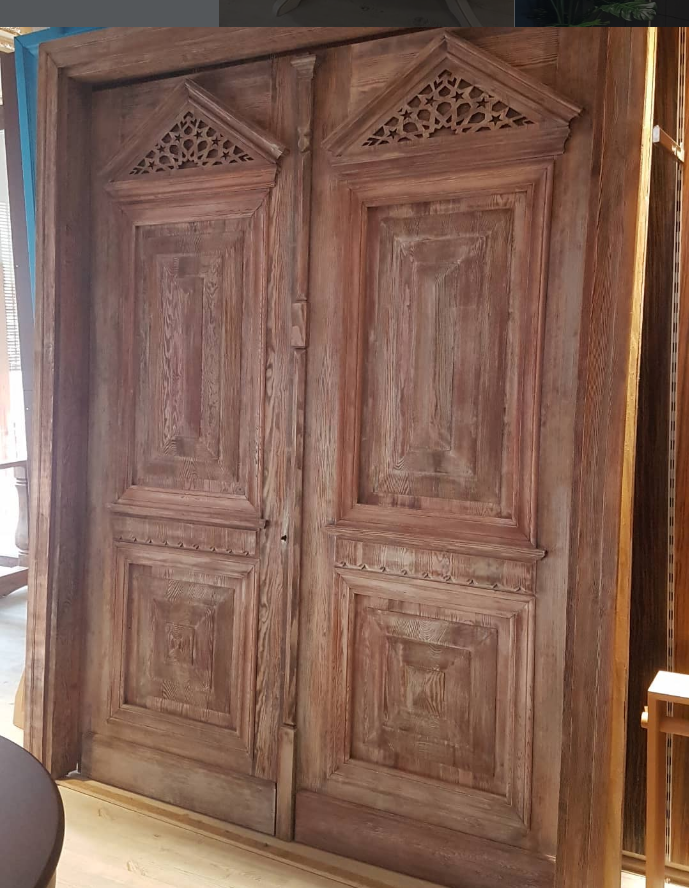
Butik Otel Mobilyaları

Butik Otel Mobilyaları

Etiket:Colored Lacquered Doors Turkey, Economic Lacquered Door Manufacturing Turkey, Flat Lacquered Door Manufacturing Turkey, Hornbeam Wood Doors Turkey, Lacquered Hotel Doors Turkey, Lacquered Room Door Turkey, Luxury Solid Wood Doors Turkey, Natural Wood Doors Turkey, Rustic Solid Wood Doors Turkey, Solid Wood Door Manufacturing Turkey, Solid Wood Door Turkey, Solid Wood Hotel Doors Turkey, Solid Wood Interior Doors Turkey, Solid Wood Room Doors Turkey

Şunları da sevebilirsiniz
Wood Window Production Turkey
Solid Furnitures Turkey