
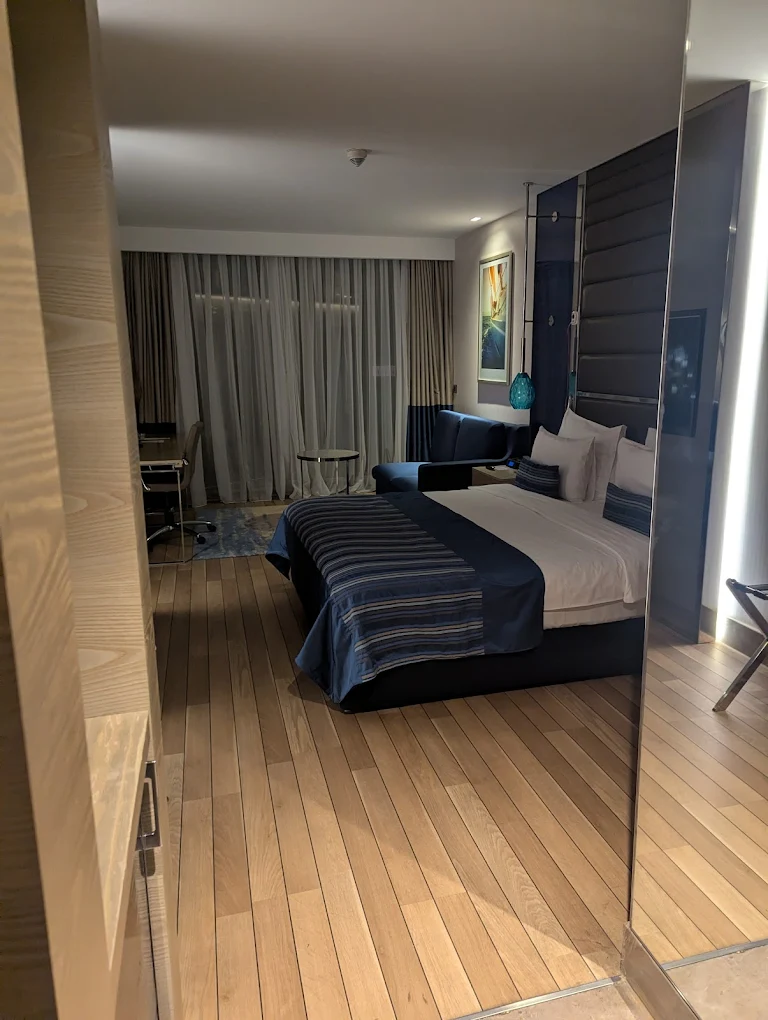
Standard Hotel Room Decoration Turkey
Standard Hotel Room Decoration Turkey: The Definitive B2B Procurement and Design Engineering Guide
The global hospitality sector operates within a demanding fiscal and regulatory framework where interior design is no longer treated as a superficial layer of styling. Instead, corporate hoteliers and asset managers recognize guestroom interior architecture as a quantifiable driver of asset valuation, average daily rate (ADR), and revenue per available room (RevPAR). While luxury suites capture media headlines, the true financial engine of any commercial hospitality property is its inventory of inventory keys: the standard guestroom.
Executing a large-scale rollout of standard rooms requires an uncompromised convergence of strict international building codes, absolute material longevity under heavy physical wear, spatial ergonomics, and tight budget controls. When international developers, general contractors, and corporate procurement directors map out global supply chains to achieve these complex operational goals, Turkey emerges as the premier manufacturing destination.
This comprehensive industrial guide delivers an exhaustive, technically in-depth analysis of the Standard Hotel Room Decoration Turkey market, exploring cost engineering metrics, regional manufacturing clusters, raw material properties, value-engineering frameworks, and international B2B procurement lifecycles.
1. Sourcing Foundations: Sourcing Standard Hotel Room Decoration Turkey
The rapid rise of Turkey as a tier-one global manufacturing hub for specialized architectural joinery and commercial contract furniture is driven by continuous industrial automation, extensive capital investments in plant infrastructure, and deep alignment with international building safety regulations. Sourcing Standard Hotel Room Decoration Turkey packages gives international developers a distinct commercial balance between computerized engineering precision and highly customizable, agile production workflows.
+-----------------------------------------------------------------------------------+

|                        THE CONTRACT SOURCING TRIFECTA                             |
+-----------------------------------------------------------------------------------+

|                                                                                   |
|      [ EUROPEAN MATERIAL CODE ]  <───► [ AUTOMATED CNC EFFICIENCY ]               |
|                                     ▲                                             |
|                                     │                                             |
|                                     ▼                                             |
|                     [ COMPETITIVE TOTAL LANDED COST ]                             |
|                                                                                   |
+-----------------------------------------------------------------------------------+
The Artisanal-Industrial Hybrid Sourcing Pipeline
The core competitive advantage defining the market for Standard Hotel Room Decoration Turkey is the country’s unique operational framework. The Turkish manufacturing ecosystem successfully blends high-technology mass-production lines (featuring multi-axis CNC routers, automated edge-banders with laser-activation lines, and computer-controlled panel line sizing towers) with agile, highly skilled technical clusters. This structural flexibility allows Turkish operations to seamlessly process massive, highly repetitive orders for 500 identical standard room keys with precise geometric tolerance while maintaining the agility to re-tool rapidly for tailored, site-specific adjustments.
Strategic Logistical Channels and Customs Infrastructure
Geographically positioned at the absolute crossroads of Europe, the Middle East, Africa, and Central Asia, Turkey provides substantial distribution and shipping advantages for complex commercial hospitality developments:
- Overland Road Freight Connectivity: Direct overland trucking fleets connect primary industrial zones in western Turkey directly to European job sites within 4 to 7 business days, bypassing the unpredictable maritime port congestion and container delays common in alternative shipping corridors.
- Deep-Water Maritime Infrastructure: Marine container ports including Ambarlı (İstanbul), Gemlik (Bursa), and Mersin offer regular, direct roll-on/roll-off (Ro-Ro) and container liner services to North America, the GCC region, and North Africa within 10 to 16 days.
- Customs Union Integration: Turkey’s long-standing Customs Union agreement with the European Union eliminates tariff barriers for industrial goods, streamlining international customs clearance and reducing compliance friction.
2. Definitive Production Clusters and Sourcing Hubs
The contract furniture, specialized millwork, and interior architectural sector in Turkey is strictly organized into highly specialized regional industrial clusters. Each hub operates with its own distinct industrial logic, material supply lines, and production focus, which helps sourcing teams select the ideal partners within the Standard Hotel Room Decoration Turkey landscape.
Bursa Cluster (İnegöl Organized Industrial Zone)
İnegöl operates as the absolute heart of automated volume manufacturing and case goods replication for Standard Hotel Room Decoration Turkey procurement campaigns.
- Technical Specialty: Factories here feature multi-million dollar automated panel processing lines, computer-controlled sizing centers, and continuous UV-curing finishing tunnels.
- Project Profile: The optimal hub for mid-to-high-volume production schedules, serving large-scale select-service hotel chains, corporate business hotels, and extensive holiday resort layouts requiring precise dimensional uniformity and rapid turnaround times for hundreds of identical guestroom wardrobes, headboards, and luggage benches.
İstanbul Cluster (Modoko, Masko, and İkitelli OSB)
İstanbul functions as the engineering, international design coordination, and premium turnkey project management center for the contract furniture sector.
- Technical Specialty: Facilities within İstanbul specialize in complex, contemporary mixed-media furniture designs. They excel at engineering commercial components that integrate diverse materials, such as combining structural stainless steel frames with natural stones, quartz surfaces, glass panels, and integrated low-voltage LED lighting arrays into custom Standard Hotel Room Decoration Turkey specifications.
- Project Profile: The primary hub for international architectural coordination, luxury lifestyle hotels, and properties requiring detailed engineering submittals, parametric decomposition, and extensive physical prototyping of standard room variants before mass rollout.
Kayseri Organized Industrial District
Kayseri houses some of the largest furniture manufacturing square-footages under a single roof in Eurasia, focusing on heavy industrialization and high-capacity assembly lines.
- Technical Specialty: The operational focus in Kayseri is centered on heavy industrial scaling, vertical material integration, and high-volume assembly lines.
- Project Profile: Highly competitive for bulk, high-volume institutional contracts. It drives down unit costs for budget business chains, student housing, modular apart-hotel developments, and massive standard contract bedding arrays.
3. Indicative B2B Budgeting Matrices for Standard Guestrooms
While contract hospitality pricing relies heavily on the technical specifications of a project’s Bill of Quantities (BOQ), tracking estimated market baselines helps sourcing directors establish initial project budgets. Sourcing through Standard Hotel Room Decoration Turkey networks allows for significant fiscal control over modular and case good layouts.
3-Star Select Service / Business Key
Focus: Extreme durability, high-pressure laminates (HPL), commercial-grade hardware, space-optimized modular layouts.
| Sourcing Item Description | Core Substrate & Face Material Specification | Estimated Price Range (€) |
|---|---|---|
| Integrated Headboard Panel | E1 Grade MDF / High-Pressure Laminate Face | €180 – €320 |
| King Bed Base Foundation | Internal Structural Steel Chassis / Fabric Wrap | €120 – €220 |
| Nightstands (Pair) | MR-MDF / Melamine Clad / Soft-Close Slides | €110 – €190 |
| Wardrobe (2-Door Built-in) | Sized Panel Construction / HPL Surface / LED Rail | €350 – €650 |
| Media Desk & Fridge Cabinet | Modular Composite Core / High-Impact PVC Edging | €220 – €410 |
| Luggage Bench Unit | Toughened Structural Edge / Impact Strips | €90 – €170 |
| Ergonomic Desk Seating | Molded Foam Core / Contract Polyurethane Fabric | €70 – €135 |
| Lounge Accent Chair | Solid Beech Frame / High-Resiliency CMHR Foam | €110 – €210 |
| Total Indicative Key Cost | Complete Loose and Case Goods Sourcing Package | €1,250 – €2,350 |
4-Star Full-Service / Lifestyle Key
Focus: Natural wood veneers, integrated low-voltage lighting channels, custom metal accents, enhanced acoustic damping.
| Sourcing Item Description | Core Substrate & Face Material Specification | Estimated Price Range (€) |
|---|---|---|
| Bespoke Architectural Headboard | Balanced Veneer Faced MR-MDF / Integrated Sockets | €420 – €750 |
| Premium Bed Base Set | Hardwood Edge Reinforcement / Antimicrobial Wrap | €240 – €420 |
| Wall-Mounted Floating Nightstands | Natural Walnut Veneer / Soft-Close Concealed Hardware | €210 – €380 |
| Wardrobe (Sliding Configuration) | Integrated Damping / Internal Drawers / Sensor Lights | €750 – €1,350 |
| Executive Desk & Panel System | Brushed Stainless Steel Framing / Quartz Surface | €480 – €850 |
| Luggage Bench with Upholstery | Solid Ash Slats / Leatherette Impact Face | €180 – €310 |
| Task Seating Chair | Polished Aluminum Base / High-Abrasion Fabric | €140 – €260 |
| Deep-Comfort Armchair | Sinuous Steel Springs / Double-Dowelled Frame | €220 – €440 |
| Total Indicative Key Cost | Complete Loose and Case Goods Sourcing Package | €2,640 – €4,760 |
4. Materials Science: Substrates, Joinery, and Performance Topcoats
An expert evaluation of Standard Hotel Room Decoration Turkey options requires an examination of the internal structural materials used. The raw material choices and assembly parameters directly dictate the wear resistance, impact durability, and lifecycle of the furniture under rigorous daily operations.
+-------------------------------------------------------------------------------+

|                         GUESTROOM PANEL COMPOSITE ENGINEERING                 |
+-------------------------------------------------------------------------------+

|                                                                               |
|  [NATURAL VENEER SKIN] ──► 1.5mm Premium American Walnut Grain                |
|  [SUBSTRATE CORES]     ──► Moisture-Resistant High-Density FR-MDF Panel       |
|  [BALANCING COAT]      ──► Thick Counter-Veneer Backing (Prevents Board Bowing) |
|  [ADHESIVE CHANNEL]    ──► DIN EN 204 D4 Grade Waterproof Polyurethane Glue   |
|                                                                               |
+-------------------------------------------------------------------------------+
Core Substrate Selection and Engineering Economics
The choice of raw core materials shapes both durability and pricing across major rollout campaigns:
- Moisture-Resistant MDF (MR-MDF): The standard choice for commercial hospitality table, wardrobe, and desk panels. It provides excellent dimensional stability under shifting HVAC conditions and resists moisture variations near entryways and bathroom walls, avoiding the structural warping common to solid wood panels.
- High-Pressure Laminates (HPL) vs. Veneers: For 3-star business hotel properties, selecting high-impact wood grain HPL over natural wood veneers lowers the upfront cost profile while maximizing scratch, dent, and heat resistance from guest keys, laptops, and hot cups. For 4-star properties, thick natural veneers (1.2mm to 2.0mm) faced over high-density MR-MDF provide the optimal touch and appearance required by brand design standards.
- Low-Formaldehyde Indoor Air Quality Standards: Engineered panel cores and thermosetting adhesives can release trace formaldehyde gases, which degrades indoor air quality. Leading companies managing Standard Hotel Room Decoration Turkey assets construct case goods using certified low-emission substrates conforming to EN 717-1 E1 and E0 standards. Sourcing these certified panels is essential for properties targeting premium sustainable building certifications like LEED or BREEAM.
Seating Framework Kinematics and Joinery Architecture
Commercial guestroom task seating, armchairs, and luggage benches are subjected to constant lateral movements, guest weight shifts, and rough handling by baggage handlers, making joinery design critical to preventing structural failure.
- Timber Conditioning: Solid wood legs and under-frames are manufactured almost exclusively from premium, kiln-dried solid beech, ash, or European oak timber. The raw lumber is processed inside computerized drying chambers to regulate internal moisture content strictly between 8% and 12%. This stabilization prevents the wood fibers from shrinking or splitting when exposed to climate-controlled HVAC air.
- Joinery Execution: Load-bearing frames avoid basic screws or staples. They use double-dowelled, blind mortise-and-tenon connections reinforced with screwed and glued internal triangular hardwood corner blocks. This prevents frame loosening under continuous cyclic fatigue over years of daily operation.
Chemical Engineering of Surface Finishes
Guestroom work desks, nightstands, and mini-bar cabinets face continuous contact with food acids, boiling liquids, alcohol-based cosmetics, and harsh chemical sanitizers. To maintain pristine aesthetics, surface topcoats must form an impermeable chemical barrier.
- Two-Pack Polyurethane Coatings: Turkish finishing lines apply multi-layered coats of premium, European-formulated two-pack polyurethanes or acid-catalyzed conversion varnishes.
- Regulatory Compliance: These coatings form a highly durable cross-linked crystalline shield (conforming to EN 12720 chemical resistance standards). They protect surfaces from clouding and ghost ring stains while maintaining compliance with European low-VOC emission mandates.
5. Strict Technical Performance and Compliance Standards
Contract components deployed in commercial standard room environments must satisfy strict international building safety, fire resistance, acoustic attenuation, and environmental emission thresholds. Factories delivering premium Standard Hotel Room Decoration Turkey products ensure their procurement and processing lines comply with these strict international standards.
| Material Component | Applied Safety Standard | Performance Indicator and Operational Impact |
|---|---|---|
| Engineered Core Panels | EN 717-1 (E1 & E0 Standards) | Restricts formaldehyde gas emissions to safe levels, protecting indoor air quality and earning LEED/BREEAM rating points. |
| Upholstery Foams & Linings | BS 5852 (Crib 5) / CAL 117 | High-resilient, combustion-modified polyurethane foams engineered to self-extinguish under direct flame exposure. |
| Performance Textiles | EN ISO 12947-2 (Martindale Test) | Requires a minimum of 50,000 to 100,000 double rubs for heavy contract use to prevent surface pilling or fiber thinning. |
| Wood Sealers & Topcoats | EN 12720 (Chemical Resistance) | High-performance acrylic-polyurethane varnishes resistant to high-strength alcohol sanitizers, hot liquids, and scratches. |
| Structural Adhesives | DIN EN 204 (D3/D4 Grade) | Industrial-grade thermosetting polyurethane adhesives providing water-resistant bonding inside high-humidity environments. |
| Functional Hardware | DIN EN 15338 / EN 15706 | Heavy-duty commercial drawer slides and hinges certified for 100,000 continuous opening and closing cycles. |
Advanced Flammability Containment
Upholstered furniture assets utilize specialized, self-extinguishing components to restrict fire spread and minimize toxic gas generation:
- CMHR (Combustion Modified High Resilient) Foam: Polyurethane structures embedded with mineral fire-retardants that self-extinguish under direct flame contact, meeting strict safety guidelines like British Standard (BS 5852 Crib 5) or California Technical Bulletin (CAL 117).
- Performance Fiber Interliners: Incorporating technical glass-fiber or fire-retardant calico interliner sheets between the exterior fabric face and the foam core prevents flame penetration into the seating core, which adds a predictable compliance factor to final project quotes for Standard Hotel Room Decoration Turkey contracts.
Acoustic Isolation and Anti-Slam Hardware
A major vector for guest complaints in standard guestrooms is noise transmission from public corridors or closing wardrobe doors.
- Perimeter Damping Systems: Wardrobes, drawers, and entrance joinery components built under the umbrella of contract Standard Hotel Room Decoration Turkey feature premium, concealed commercial-grade functional hardware equipped with integrated hydraulic fluid dampers (such as premium local lines like Samet or European systems from Blum).
- Acoustical Seals: Wardrobe doors incorporate perimeter silicone or neoprene compression gaskets. These elements eliminate metal-on-wood impact noises, lowering ambient sound transmission between adjoining guestrooms to protect guest sleep quality.
6. Sourcing Customization Requirements by Room Functional Zone
The structural engineering, scale, and material selection of hospitality furniture change depending on its intended zone within the standard guestroom layout. Experienced providers of Standard Hotel Room Decoration Turkey adapt their construction methods to match these specific functional environments.
+-------------------------------------------------------------------------------+

|                        STANDARD ROOM PERFORMANCE ARCHITECTURE                 |
+-------------------------------------------------------------------------------+

|                                                                               |
|  [ THE ENTERTAINMENT / WORK ZONE ] ──► Focus: Solderless Media Hub Plates     |
|                                        CNC Routed Hidden Wire Raceways        |
|                                                                               |
|  [ THE WARDROBE / FOYER ZONE ]     ──► Focus: Plinth Moisture Isolation       |
|                                        Hidden Vent Grilles for Mini-Bars      |
|                                                                               |
|  [ THE BED / SLEEP ZONE ]          ──► Focus: Rigid Metal Anchor Cleats       |
|                                        Pre-wired Low-Voltage Light Tracks     |
|                                                                               |
+-------------------------------------------------------------------------------+
The Entertainment and Work Zone
The work desk and media unit must balance workspace efficiency with integrated power routing.
- Integrated Low-Voltage Routing: Desk and media panels feature hidden CNC-routed internal wire raceways and removable service access panels. This allows for clean, hidden wiring of universal international power outlets, high-speed USB-C charging ports, and internet connections directly into the woodwork without exposing loose wires.
- Surface Armor: To prevent damage from laptop cases, luggage locks, and keys, surfaces are finished with specialized high-abrasion coats or high-pressure laminates (HPL) bonded with industrial polyurethane adhesives, shielding the underlying wood core from degradation.
The Wardrobe and Entryway Foyer Zone
Integrated closets, mini-bar enclosures, and luggage benches handle severe physical impact and constant exposure to wet areas.
- Plinth Moisture Protection: Sourcing campaigns for Standard Hotel Room Decoration Turkey emphasize moisture isolation. The kick-base or plinth of a wardrobe sitting directly on the floor is a major wear zone exposed to moisture from floor-mopping. Turkish contract manufacturers build these plinths from marine-grade plywood or specialized water-resistant composites wrapped in stainless steel bands or high-impact laminates.
- Thermal Exhaust Management: Cabinetry enclosures designed to house mini-bar refrigerators are engineered with hidden lower ventilation slots and rear exhaust vents. This configuration pulls away operational heat from the compressor, preventing thermal degradation of the cabinetry’s protective varnishes and reducing appliance energy consumption.
The Bed and Sleep Zone
The integrated headboard and nightstand assembly anchors the room’s visual identity and serves as a major installation block.
- Hidden Z-Bar Mounting Technology: Wall panel sheets use heavy-duty aluminum or galvanized steel Z-bars pre-fixed to the rear of the millwork. This layout allows installation crews to hook panels onto the wall structure with exact alignment and zero visible hardware fasteners, maintaining a completely clean finish.
- Pre-Cabled Junction Backboxes: Backing panels are precision-milled via multi-axis CNC machinery to accept pre-installed electrical junction backboxes, conduit tubing, and surface finish trim plates based on the destination country’s structural codes (such as UK British Standard, European Schuko, or US NEMA configurations), accelerating final on-site wiring by electrical contractors.
7. Value-Engineering Methodologies for Project Cost Optimization
A primary skillset of manufacturers specializing in Standard Hotel Room Decoration Turkey is value engineering—the process of optimizing manufacturing costs and structural durability without changing the designer’s visual intent or the operational lifecycle of the property. Sourcing teams can leverage these protocols to control project capitalize lines across massive room rollouts.
Substrate and Structure Core Optimization
For large-scale standard room rollouts demanding monumental wood headboard backdrops or extensive desk surfaces, utilizing solid wood panels introduces high dead weight, transport costs, and structural fracture risks due to environmental expansion.
- Balanced Core Veneering: Turkish engineers solve this stability challenge by utilizing warp-resistant, balanced Moisture-Resistant MDF (MR-MDF) or multi-layered marine plywood cores faced with premium thick natural wood veneers (1.2mm to 2.0mm).
- The Fiscal Impact: This configuration provides the precise look, texture, and feel of solid wood while preventing core warping or sliding wardrobe door binding under continuous hotel HVAC operation. It lowers raw material costs by 30% to 45% across a 200-room property compared to solid timber lots.
Metallurgical Coating Alternatives
Modern lifestyle hotel styles often specify extensive mirror-polished brass, solid bronze, or gold-anodized metal trim profiles along leg frames and headboard borders.
- PVD Coating Integration: Instead of fabricating desk frames or accent trims from costly solid cast brass or copper alloys, Turkish manufacturers utilize structural cold-rolled steel or marine-grade stainless steel sheets cut via high-precision fiber lasers. These steel bases are treated with an advanced Physical Vapor Deposition (PVD) titanium skin layer.
- The Fiscal Impact: The resulting PVD metal skin matches the exact visual tone, sheen, and light reflectivity of solid cast brass. However, it delivers vastly superior surface hardness, complete scratch and oxidation resistance under heavy commercial floor-cleaning chemical contact, and a significant cost reduction per unit frame, maximizing the property’s procurement ROI.
8. Sourcing Categories: Built-In Case Goods vs. Loose Furniture
Hospitality procurement strategies organize standard room development into two distinct manufacturing pipelines based on structural integration properties, field installation logistics, and budget targets within the Standard Hotel Room Decoration Turkey framework.
1. Built-In Case Goods and Millwork Assemblies
Built-in fixtures form the permanent architectural core of the standard room space, encompassing floor-to-ceiling wardrobes, wall panels, vanity units, and entryway claddings.
- Scribing and Field-Adjustment Tolerances: Top-tier Turkish factories incorporate dedicated loose scribing pieces and field-adjustment margins (ranging from 20mm to 50mm) into the edge components of the wardrobe. This allows site installation crews to cut down borders precisely to match uneven plastered walls or sagging concrete sub-floors on-site without exposing raw core wood.
- Rigid Framework Replication: Utilizing automated panel line sizing and computerized edge-banding, these factories produce large runs of guestroom case goods with precise dimensional tolerance, ensuring that every panel delivered to the site fits perfectly into the designated layout corridors.
2. Standalone Modular & Loose Furniture Components
Loose furniture covers standalone accent tables, desk seating chairs, reading armchairs, floor lamps, and occasional decorative stools.
- Kinematics of Commercial Seating: Seating structural parts are manufactured almost exclusively from kiln-dried solid beech or ash wood frames. These species provide optimal strength-to-weight ratios and tight grain structures that hold commercial fasteners securely over years of high guest turnover.
- Fast-Track Deployment Logistics: Loose modular units are completed, finished, and pre-packaged flat-pack or fully assembled directly at the factory, vastly reducing the hours required for on-site installation by general contractors and allowing for fast-track room turnover.
9. The Turnkey B2B Procurement Lifecycle and Quality Control
Procuring contract fixtures through suppliers of Standard Hotel Room Decoration Turkey follows a structured project management pipeline to ensure absolute quality control, timeline compliance, and cost predictability.
[Phase 1: Tender & BOQ Optimization]
                 │
                 ▼
[Phase 2: The Mock-Up Room (Acid Test)]
                 │
                 ▼
[Phase 3: Automated Mass Production]
                 │
                 ▼
[Phase 4: Export-Grade Protective Crating]
                 │
                 ▼
[Phase 5: White-Glove On-Site Installation]
Phase 1: Tender Analysis and BOQ Optimization
The process begins with the submission of the designer’s Interior Design package and the matching Bill of Quantities (BOQ). The manufacturer’s engineering office breaks down the specifications to calculate material yields, assembly times, and structural requirements. This phase produces comprehensive production shop drawings that require signed approval from the client’s lead architect before manufacturing release.
Phase 2: The Mock-Up Room (The Crucial Validation Stage)
Before green-lighting production for hundreds of keys, reputable Turkish contract case goods builders assemble a complete prototype set for a physical mock-up room. Sourcing managers, interior designers, and hotel owners travel to the factory showroom or site to evaluate real-world ergonomics, finish consistency, electrical clearances, and assembly tolerances under actual lighting conditions. This step prevents expensive structural errors during mass production of the specified Standard Hotel Room Decoration Turkey package.
Phase 3: Automated Mass Production and Quality Assurance
Once the mock-up room is signed off, the digital blueprints are released to production. Parametric digital cutting files are sent directly to multi-axis CNC routers, ensuring every component across the entire production run falls within exact geometric tolerances of ±0.5mm. Quality assurance inspectors audit products at three distinct production stages:
- White-Wood Inspection: Checking structural joints, internal wire raceway routings, and panel calibrations before any finishes are applied.
- Finishing Line Inspection: Assessing coating thickness, edge grain coverage, water-jet cutting accuracy, and color consistency under controlled D65 light booths.
- Final Assembly Inspection: Testing hardware movement, alignment clearances, glide tracking, and low-voltage electrical continuity.
Phase 4: Export-Grade Protective Crating and Container Logistics
Hospitality standard room components feature large surface panels and delicate glass or metal integrations that require robust packaging for long-distance international transit.
- Multi-Layered Protection: Component panels are cleaned and wrapped in high-density polyethylene sheet wrap, reinforced with thick foam edge protectors, enclosed in heavy-duty double-wall corrugated cardboard boxes, and secured inside flat-pack configurations.
- Crating Architecture: Fragile elements—such as mirrored panels, integrated counters, or glass shelves—are packed flat inside custom-built, heavy-duty wooden crates made from heat-treated ISPM-15 compliant timber. These crates are securely packed into shipping containers with heavy moisture-absorbing desiccant packs to maintain stable humidity levels during sea transit, protecting finishes from micro-clouding.
Phase 5: White-Glove On-Site Installation Services
To ensure complex built-in wardrobes and headboards are fitted perfectly on-site, premier suppliers of Standard Hotel Room Decoration Turkey deploy dedicated global installation teams. These specialized carpenters and supervisors travel directly to the project site to unpack, assemble, scribe, level, and anchor all furniture elements, coordinating efficiently with local general contractors to ensure a seamless property handover.
10. Factory Auditing Framework for Sourcing Teams
Selecting the ideal partner from the wide array of manufacturers delivering Standard Hotel Room Decoration Turkey solutions requires a structured verification process. Sourcing teams can use this step-by-step framework to audit potential manufacturing partners:
                  [1. TECHNICAL AUDIT]
          Assess Machine Park, CNC & Spray Booths
                            │
                            ▼
                 [2. ADMINISTRATIVE AUDIT]
          Evaluate PMO Capability & English Fluency
                            │
                            ▼
                  [3. FINANCIAL AUDIT]
          Verify Credit Ratings & Raw Material Capital
1. Technical Infrastructure Audit
- Machinery Park: Verify that the factory operates modern, industrial-grade panel processing machinery, including computerized sizing saws, edge-banders with pre-milling units, and 5-axis CNC routers capable of routing long wire channels and hardware pockets cleanly.
- Atmospheric Control in Finishing: Inspect the finishing department. A high-quality finish requires pressurized, positive-pressure, dust-free spray booths with water-curtain filtration systems. Open-air or unpressurized spraying introduces airborne dust particles, causing surface texturing that fails luxury contract inspections.
- Material Testing Lab: Confirm whether the facility utilizes essential testing equipment on-site, including digital timber moisture meters, hardware cycle testing jigs, and structural drop-testing jigs for seating frames.
2. Project Management and Engineering Competence
- The Project Management Office (PMO): Ensure the factory has a dedicated contract PMO staffed by qualified industrial designers and wood engineers who speak fluent English. A massive room rollout requires continuous, technically detailed communication; a direct link to an engineer prevents communication errors.
- Document Control: Review examples of previous shop-drawing submittals, material matrices, and quality assurance logs to confirm the factory follows structured documentation practices.
3. Financial and Corporate Health Verification
- Material Capital: Ensure the company possesses sufficient liquid operating capital to purchase raw materials for large, multi-container projects without depending entirely on your initial deposit.
- Corporate Track Record: Request verified commercial bank references, corporate registry tracking, and a list of completed international hospitality references to confirm long-term reliability.
11. Navigating and Mitigating Sourcing Risks
While sourcing from Turkey offers clear benefits, international procurement requires proactive management of common operational challenges to keep projects on track.
Resolving Communication Nuances in Technical Specifications
Vague descriptions like “solid wood finish” or “high-durability textile” create ambiguity that can lead to production deviations in execution of agreements.
- Mitigation Strategy: Use precise, internationally recognized technical terms in all contract documents. Specify exact manufacturer part codes, wood species (e.g., Quercus robur), stone type selections, metal thickness gauges, fire-retardancy classifications, and RAL or Pantone color codes. Ensure all measurements are documented in metric units to avoid conversion errors during CNC programming.
Managing Production Calendars Around Peak Seasonal Demands
The global hospitality renovation and construction cycle experiences sharp peaks ahead of spring openings and autumn refreshes. During these sharp demand windows, premium Turkish factories face high demand, which can extend standard production queues.
- Mitigation Strategy: Secure your factory production slot early by signing a reservation agreement well before interior design layouts are finalized. Build a 2-to-3-week buffer into the master project schedule to account for potential international transit bottlenecks or customs clearance steps.
12. The Digital Evolution of Turkish Contract Manufacturing
The Turkish furniture industry continues to enhance its capabilities by integrating advanced digital technologies and Industry 4.0 paradigms to maintain highly optimized structural parameters for Standard Hotel Room Decoration Turkey execution.
Advanced Industry 4.0 Tracking Systems
Leading factories are upgrading to fully digital smart facilities. Incoming raw materials receive unique QR or RFID asset tags at the warehouse gate. This digital infrastructure allows international clients and project managers to log into secure online portals and track the exact production status of individual components—from raw cutting to final upholstery or hardware insertion—in real time, providing complete supply chain transparency.
Virtual Reality (VR) Spatial Prototyping
To accelerate design approvals and reduce the time required for physical mock-up rooms, advanced Turkish engineering offices utilize immersive VR environments. International design teams can wear VR headsets to virtually tour a fully engineered guestroom layout featuring various options for Standard Hotel Room Decoration Turkey. This interactive review allows stakeholders to assess proportions, check hardware placement, and verify clearances before mass manufacturing begins, reducing overall lead times.
Strategic Sourcing Checklist for Procurement Directors
To streamline execution and protect project capitalization pipelines, integrate the following baseline verification requirements before final factory sign-off on your guestroom assets:
- Verify Laboratory Flammability Certification: Ensure full independent testing house documentation is provided validating that all seating frames and upholstery layers conform with BS 5852 Crib 5 or CAL 117 classifications.
- Audit Substrate Face Sealing: Confirm that natural veneer or solid wood surfaces incorporate an impermeable cross-linked acrylic polyurethane lacquer barrier protecting structural elements from boiling liquids or chemical sanitizer etching.
- Check Closet Ventilation Configurations: Enforce the incorporation of hidden CNC-routed lower exhaust tracks and ventilation grilles on all mini-bar cabinetry to isolate compressor heat.
- Review Scribing Margins on Built-In Case Goods: Ensure all floor-to-ceiling built-in wardrobe structures include a loose scribing piece between 20mm and 50mm to handle field sub-floor and plaster variations cleanly.
- Confirm Wire Management Pathways: Verify that headboards and executive desks display complete internal low-voltage channels and pre-machined backing metal cutouts before production release.
Frequently Asked Questions (FAQ)
What is the typical production lead time when sourcing a Standard Hotel Room Decoration Turkey package?
Production lead times are driven by total key counts, customization depth, and active factory slots. Typically, the comprehensive design engineering, shop drawing submittals, and material matrix selection phase requires 2 to 3 weeks. Following mock-up room verification and final structural sign-off, mass manufacturing for a standard 100-to-200-key property rollout generally requires between 8 and 12 weeks. Sourcing directors must also allocate appropriate shipping windows based on overland road or maritime container freight parameters.
Can Turkish manufacturers pre-integrate electrical wiring junction boxes into guestroom headboards?
Yes. Premium Turkish contract joinery operations routinely pre-install integrated metal or heavy PVC cable grommets, internal separating wire trays, and specialized steel electrical backing boxes matching specific destination standards (such as British Standard BS 4678, European Schuko formats, or North American NEMA frames). Detailed data maps must be provided during the SolidWorks structural decomposition stage.
What standard functional hardware brands are used in guestroom case goods in Turkey?
Top-tier Turkish manufacturers rely on world-class industrial hardware components certified for intensive commercial cycles. Factories frequently specify premium local lines like Samet or renowned European systems from Blum and Hettich. Sourcing teams can dictate the exact brand line, soft-close dampening type, and loading weight capacity profiles within the project shop drawing submittal files.
What are the standard payment terms for volume contract interior projects in Turkey?
The benchmark trade finance structure typically starts with an advance down payment between 30% and 40% to secure raw material allocations and initiate the design engineering phase. A mid-production milestone payment of 40% to 50% is tied directly to technical verification or physical prototype sign-off, with the remaining 10% to 20% balance cleared upon final factory quality control approval prior to crate closing. Sourcing teams can also secure these transactions through confirmed Letters of Credit (L/C) or milestone banking frameworks.
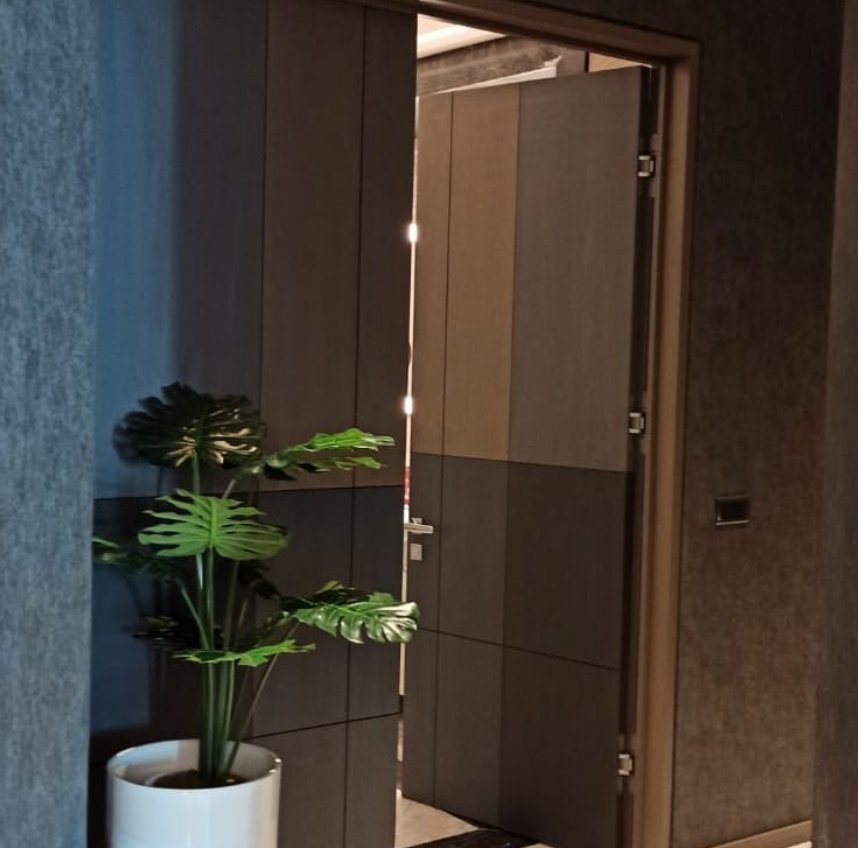
Butik Otel Mobilyaları
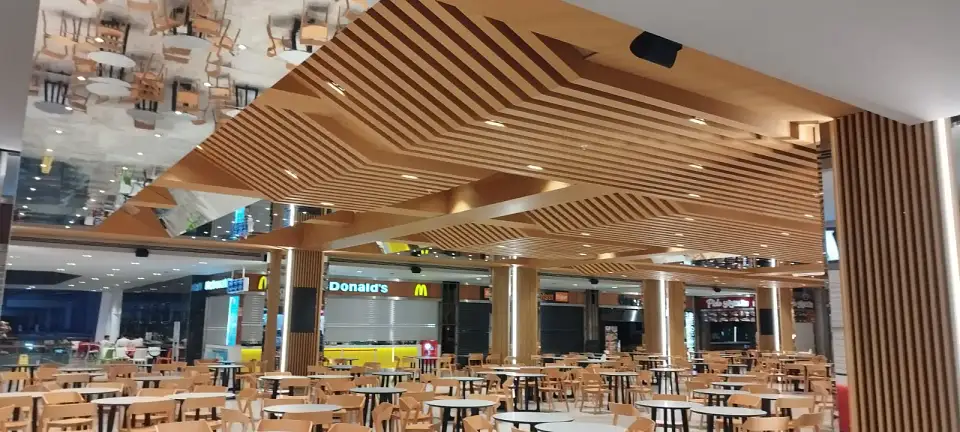
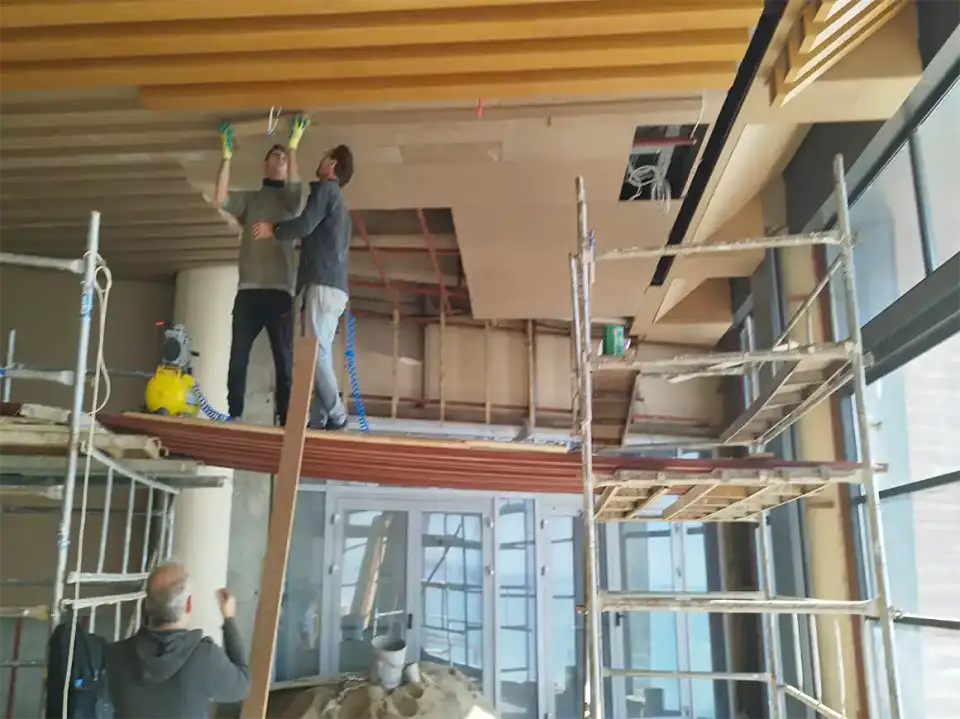
Tarihi Binaların Ahşap Dekorasyonları
Tarihi Ahşap restorasyonlari Kapılar
Tarihi binaların mobilya dekorasyonları

Şunları da sevebilirsiniz
Hotel Hospitality Furniture Turkey
Hotel Furniture Export Turkey