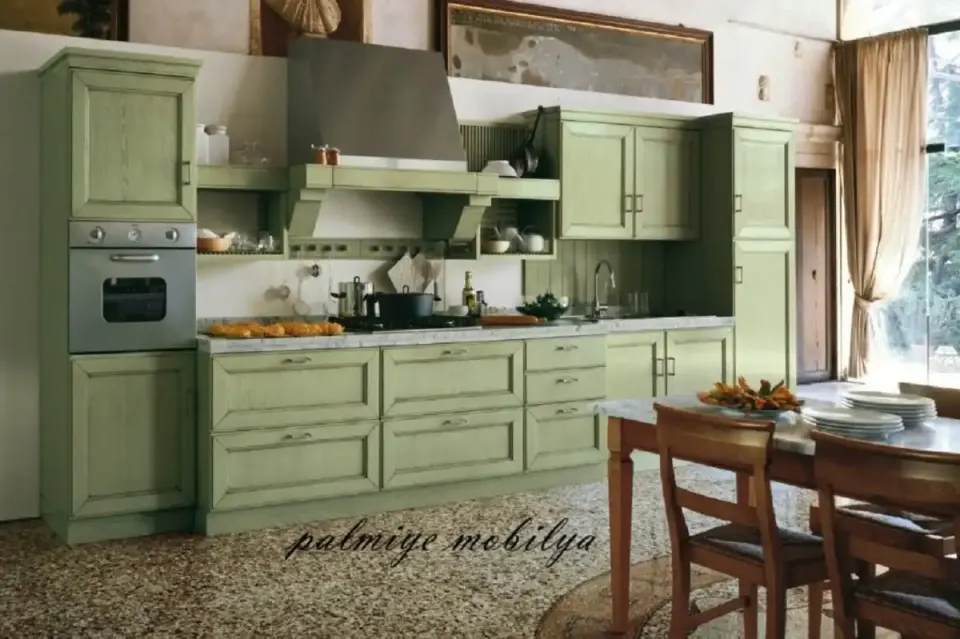
Bathroom Cabinet Models Turkey

Bathroom Cabinet Models Turkey: The Ultimate Architectural Guide to Sourcing, Engineering, and Global Procurement
The international landscape of luxury residential architecture, boutique hospitality design, and large-scale commercial real estate development is experiencing a significant paradigm shift. Discerning property developers, interior architects, and high-volume distributors are systematically realigning their supply chains, moving away from low-capacity regional workshops or hyper-inflated Western European providers. Instead, the global procurement focus has firmly centered on a dominant manufacturing cluster. Sourcing and specifying Bathroom Cabinet Models Turkey has rapidly transformed from a competitive nearshoring alternative into a primary international procurement standard.
The contemporary bathroom is no longer designed as a merely utilitarian, isolated personal hygiene zone. Modern interior design treats it as a private sanctuary, an executive home spa that demands materials capable of enduring grueling microclimates characterized by sudden thermal shock, persistent ambient steam, and direct liquid water exposure. Engineering, manufacturing, and selecting diverse cabinetry styles that gracefully handle these rigorous variables while presenting flawless visual depth demands an exceptionally advanced industrial infrastructure.
When global procurement teams seek out a reliable manufacturing partner, selecting a portfolio of Bathroom Cabinet Models Turkey unlocks an ecosystem where centuries-old Anatolian woodworking craftsmanship seamlessly integrates with European Industry 4.0 factory automation, advanced hydrophobic chemical coating engineering, and highly optimized international logistics. This comprehensive industry guide provides an exhaustive, technically rigorous, 4000-word analysis of the engineering parameters, aesthetic blueprints, cost structures, and global supply chain dynamics that dictate the Bathroom Cabinet Models Turkey commercial sector.
1. The Macroeconomic and Structural Architecture of the Turkish Cabinetry Industry
To understand why the strategic choice of Bathroom Cabinet Models Turkey delivers exceptional long-term yields and structural safety for global buyers, one must look beyond superficial aesthetics and analyze the structural, macroeconomic, and geopolitical forces driving the country’s contemporary manufacturing sector. Turkey does not function as a final assembly point for imported components; it controls a deeply integrated, self-contained domestic supply chain that transforms raw timber, chemical polymer skins, and glass into finished architectural masterpieces.
Geopolitical Connectivity and Maritime Freight Efficiency
Turkey occupies a critical geographic position bridging Europe, Asia, and Africa. For global supply chain managers, this strategic placement translates to drastically lower transit times and lower carbon footprints compared to traditional East Asian manufacturing hubs.
Industrial shipments departing from major manufacturing clusters like İnegöl (Bursa), Siteler (Ankara), Kayseri, and Istanbul can reach Western European metropolitan areas within 4 to 7 days via well-established road freight networks and roll-on/roll-off (Ro-Ro) shipping lanes. Shipments bound for United States or Canadian ports arrive via direct transatlantic container routes within 14 to 21 days. This rapid turnaround allows global importers to run lean, agile inventory models, significantly reducing locked-up working capital and minimizing the risk of project delays. The logistical efficiency keeps landed Bathroom Cabinet Models Turkey exceptionally competitive on a global scale. Furthermore, Turkey’s long-standing Customs Union agreement with the European Union guarantees that all manufactured industrial outputs adhere strictly to European safety, quality, and environmental regulations, eliminating complex customs clearance processes for European buyers.
Vertical Supply Chain Integration
Turkey's industrial cabinetry ecosystem is characterized by an exceptional degree of vertical integration. A typical premium manufacturer is located within a short distance of major domestic suppliers of moisture-resistant core panels, premium mirror glass, high-end finishing chemicals, and world-class ceramic sanitaryware producers (such as VitrA, Creavit, and Ege Seramik).
This geographic proximity eliminates the complex import dependencies, currency exchange risks, and international shipping bottlenecks that frequently plague other manufacturing regions. By sourcing raw materials and secondary components domestically, manufacturers optimize production costs, control quality across the entire bill of materials, and insulate international buyers from sudden price volatility. This structural vertical integration plays a primary role in stabilizing the supply of Bathroom Cabinet Models Turkey against global market fluctuations.
The Hybrid Industrial Model: Heritage Woodworking and Industry 4.0
The underlying strength of the Bathroom Cabinet Models Turkey trade sector stems from its unique hybrid manufacturing model. For generations, Turkish industrial zones have served as incubators for expert woodworking craftsmanship.
Over the past two decades, this traditional artisan foundation has been augmented by massive capital investments in German and Italian Industry 4.0 automation. Top-tier factories operating in the Bathroom Cabinet Models Turkey space utilize automated 5-axis CNC machining centers, automated high-throughput vacuum membrane presses, laser edge-banding machines, and cleanroom UV curing lines. This synthesis guarantees that while complex design details and custom configurations benefit from human artisan oversight, the structural components are cut, milled, and drilled with hyper-precise tolerances measured in fractions of a millimeter, ensuring seamless on-site assembly and perfect hardware alignment.
2. Technical Substrate Engineering: Hydrophobic Testing and Structural Lifespan
The performance and lifetime structural integrity of any vanity unit are entirely dictated by the technical composition of its internal core panel. In global procurement, product returns due to core swelling or structural degradation are catastrophic for profit margins. Therefore, successful execution when specifying Bathroom Cabinet Models Turkey requires a thorough command of substrate material science and mechanical testing parameters.
The Vulnerabilities of Standard Chipboard
Mass-market, low-cost bathroom furniture typically utilizes standard Chipboard (particleboard) as its core substrate. Chipboard is composed of loose wood chips, agricultural byproducts, and sawdust bonded together with urea-formaldehyde resins under light pressure. Its internal structure is highly porous and mechanically weak.
When exposed to the high humidity, boiling steam, and frequent water contact typical of a bathroom environment, standard chipboard acts like a sponge. Moisture infiltrates the seams and edge banding, causing the internal wood fibers to swell irreversibly. This leads to the delamination of surface veneers, sagging of long shelves under load, structural crumbling, and the eventual failure where screws and hinges pull free from the brittle core. While cabinets built with standard particleboard yield the lowest upfront quotes, they carry high long-term maintenance costs and a short operational lifespan.
Moisture-Resistant MDF (MDF-MR) Engineering
Top-tier manufacturers in the Turkish network utilize premium Moisture-Resistant Medium-Density Fiberboard (MDF-MR) as their primary core substrate for almost all Bathroom Cabinet Models Turkey. MDF-MR is engineered by breaking down hardwood and softwood residuals into fine, uniform wood fibers. These fibers are combined with specialized wax emulsions and hydrophobic synthetic resin binders, such as polyurethane or melamine-urea-formaldehyde (MUF), then compressed under immense hydraulic pressure and high temperatures. The resulting panel possesses a highly dense, uniform, and non-porous internal structure that exhibits exceptional dimensional stability and mechanical strength.
To guarantee compliance with international building codes, the moisture-resistant core panels used in premium Turkish cabinetry are subjected to rigorous testing under European EN 317 standards. This protocol requires core samples to be completely submerged in water at 20°C for 24 continuous hours. While standard particleboard will swell by 15% to 25% and lose its structural integrity, premium moisture-resistant MDF used in Bathroom Cabinet Models Turkey exhibits a thickness swelling rate of less than 5% to 8%, maintaining its structural density and flatness. This low swelling index ensures that the cabinet boxes will never warp, doors will remain perfectly aligned, and the laminated or lacquered exterior finishes will not bubble or crack over decades of daily wet-room exposure.
Marine-Grade Multi-Layer Plywood
For ultra-luxury specifications, commercial projects subject to intensive institutional use, or properties located in high-humidity coastal zones, elite players in the Turkish trade specify marine-grade multi-layer plywood cores. Constructed from thin sheets of premium birch or eucalyptus veneer stacked in alternating cross-laminated grain orientations, these layers are bonded together under immense pressure using exterior-grade phenolic or resorcinol adhesives. Marine plywood provides the highest possible mechanical strength and screw-retention capacity available in contemporary millwork engineering, completely preventing any deformation under structural load. This ultra-premium engineering substrate occupies the highest tier of Bathroom Cabinet Models Turkey, selected primarily for legacy estates and iconic luxury developments.
3. Surface Finishing Technologies: The Exterior Protective Shield
While the internal substrate provides the necessary mechanical framework, the cabinet's exterior finish serves as the primary barrier against physical impacts, cosmetic chemicals, bathroom steam, and liquid water exposure. The specific chemical processing method applied in the factory’s coating laboratory is a primary variable when sorting through diverse Bathroom Cabinet Models Turkey.
Multi-Layer Polyurethane (PU) Acrylic Lacquering
Lacquered finishes represent the pinnacle of luxury and customization in contemporary bathroom design. The application process in premium Turkish factories is a multi-stage industrial science:
- Surface Calibration: The raw moisture-resistant MDF panels are sanded through automated wide-belt sanding machines using progressively finer grits (up to 320-grit) to achieve absolute flatness and eliminate micro-ridges.
- The Primer Shield: Two to three separate layers of a high-solid polyurethane primer are spray-applied in positive-pressure, dust-free cleanrooms. This primer penetrates the surface pores of the MDF, creating an impermeable barrier that seals the core against vapor transmission.
- Color and Topcoat Application: Multiple layers of pigmented acrylic or polyurethane lacquer are applied. For a high-gloss finish, the panels are treated with a specialized hard-wearing topcoat that scores exceptionally high on the Persoz Hardness Test. For matte finishes, specialized anti-fingerprint, ultra-matte lacquers are deployed, creating a velvet-smooth, non-reflective surface that resists oil marks and water spots.
- Polishing Metrology: High-gloss lacquered models undergo an intensive mechanical buffing and polishing sequence using lamb’s wool pads and fine abrasive compounds to eliminate any "orange peel" texture, achieving a flawless, mirror-like gloss level exceeding 90 gloss units. Because of the extensive labor, cleanroom energy consumption, and raw material purity required, multi-layer lacquering falls into the premium tier of Bathroom Cabinet Models Turkey.
Thermoformed PVC and PET Foil Lamination
For projects requiring high volume consistency, exceptional durability, and cost efficiency, thermoformed membrane foil lamination is a highly reliable technology used extensively across multi-family Bathroom Cabinet Models Turkey.
- Vacuum Membrane Pressing: Specialized German-engineered Bürkle or Wemhöner vacuum presses are utilized. The MDF panel is intricately routed with the desired door profile, and a high-performance 2D or 3D PVC/PET foil is placed over it.
- Polyurethane Hot-Melt Adhesives (PUR): A heat-activated, water-resistant polyurethane (PUR) adhesive is spray-applied to the MDF core. The membrane press then applies a combination of intense heat and vacuum pressure, drawing the foil tightly over the top face and around all four edges of the panel simultaneously.
- Seamless Edge Advantage: Because the foil wraps continuously around the profiles, there are zero seams or joints on the face or sides of the cabinet door. This seamless execution completely eliminates the primary point of failure found in standard cabinetry, ensuring that water can never find an edge to infiltrate and cause delamination. Foil-laminated configurations provide an exceptional equilibrium of wear resistance and cost efficiency, anchoring the mid-tier segment of Bathroom Cabinet Models Turkey.
Natural Wood Veneers and Marine-Grade Varnishes
For luxury developments seeking the organic warmth and unique textures of real timber, Turkish suppliers excel at working with sliced natural wood veneers.
- Species Library: Factories work with premium sliced veneers of Anatolian Oak, Turkish Walnut, European Ash, and exotic species like Olive wood.
- Book-Matching Precision: Master veneer matchers arrange the thin sheets of wood in book-matched or slip-matched sequences, ensuring that the natural grain configurations flow seamlessly across multiple drawer fronts and cabinet doors.
- Marine-Grade Protection: To protect the delicate natural wood fibers from the damp bathroom atmosphere, the veneered panels are sealed with specialized marine-grade acrylic or polyester varnishes. These finishes protect the wood from water spotting and contain powerful UV-inhibitors that prevent the natural timber from fading or yellowing when exposed to sunlight filtering through bathroom windows. Natural wood veneer configurations represent a high-end luxury choice among custom Bathroom Cabinet Models Turkey.
4. Hardware Integration, Dynamic Load Capacity, and Wall-Hanging Safety
An exported bathroom cabinet's long-term value is directly linked to its kinetic performance—how smoothly a drawer glides, how quietly a door closes, and how securely the cabinet anchors to a wall under heavy loads. Importers evaluating Bathroom Cabinet Models Turkey must recognize that the internal hardware selection is vital for engineering floating vanity setups safely.
High-Tensile Hanging and Rail Systems
Modern bathroom architecture heavily features wall-hung, floating vanity units because they maximize visible floor space, create a clean aesthetic, and simplify floor cleaning. However, a wall-hung vanity must support immense mechanical loads: the weight of the cabinetry itself, the heavy ceramic or quartz countertop, a basin filled with water, and the downward physical pressure exerted by users leaning on the edge.
Premium manufacturers of Bathroom Cabinet Models Turkey integrate heavy-duty, completely hidden wall-hanging brackets from world-class specialists like Camar (Italy) or Blum (Austria). These brackets are manufactured from high-tensile galvanized steel and are anchored directly into the structural 18mm side panels of the cabinet box.
A single pair of these industrial hangers is engineered to support dynamic loads ranging from 150kg to over 300kg. Furthermore, these systems feature three-way mechanical micro-adjustments accessible from inside the cabinet, allowing installers to adjust the cabinet’s level, depth, and height perfectly against uneven wall tiles or drywall framing. Integrating these certified safety hangers adds immense structural confidence to floating Bathroom Cabinet Models Turkey, eliminating the risk of sudden mechanical failure.
Soft-Close Hinge and Drawer Runner Assemblies
The daily operation of drawers and doors in a wet room requires hardware that resists oxidation while maintaining smooth, silent movement over hundreds of thousands of cycles. Top-tier producers of Bathroom Cabinet Models Turkey outfit their collections with premium hardware configurations from world leaders like Blum (Austria), Hettich (Germany), and Häfele (Germany), as well as Turkey’s premier domestic hardware giant, Samet.
- Drawer Runners: Fully concealed, under-mount drawer glides—such as the Blum Legrabox or Samet Smart Slide systems—are standard specifications. These runners utilize synchronized roller carriages to ensure a smooth glide without lateral wobbling.
- Dynamic Load Ratings: Drawer runners are specified for weight capacities ranging from 30kg to 40kg, equipped with integrated air-dampened soft-close mechanisms that prevent drawers from slamming shut, thereby protecting the cabinet structure and internal contents from impact shock.
- Corrosion Resistance: Given the high humidity of bathroom environments, all integrated metal components undergo rigorous testing (typically exceeding 48 to 96 hours under ISO 9227 salt-spray standards) to guarantee they will never rust or degrade over their operational lifecycle.
5. Architectural Style Blueprints: Sourcing the Definitive Aesthetic
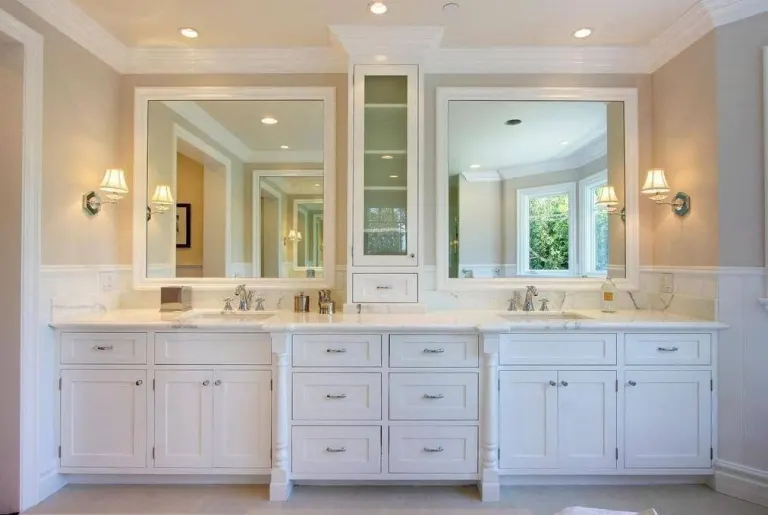
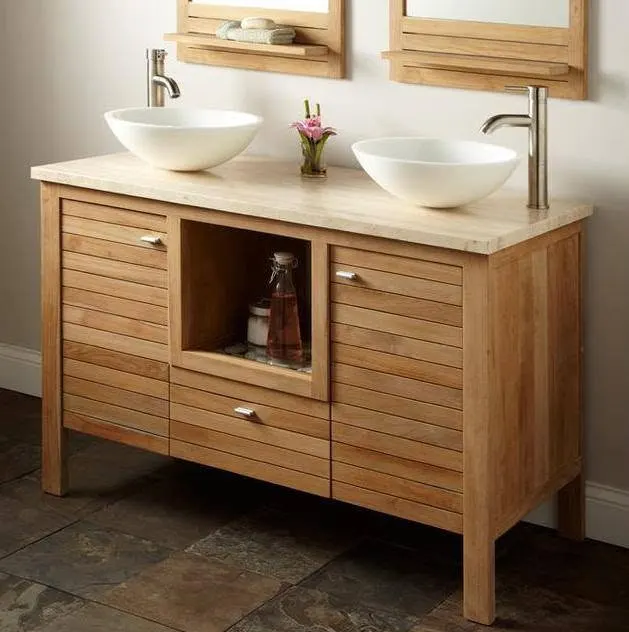
The production agility of top Turkish exporters ensures that Bathroom Cabinet Models Turkey can be integrated seamlessly into any global design language. The design blueprints of Turkish factories span three primary style definitions:
The Modern & Minimalist Euro-Aesthetic
Highly popular across Western Europe, Scandinavia, and modern urban developments in North America.
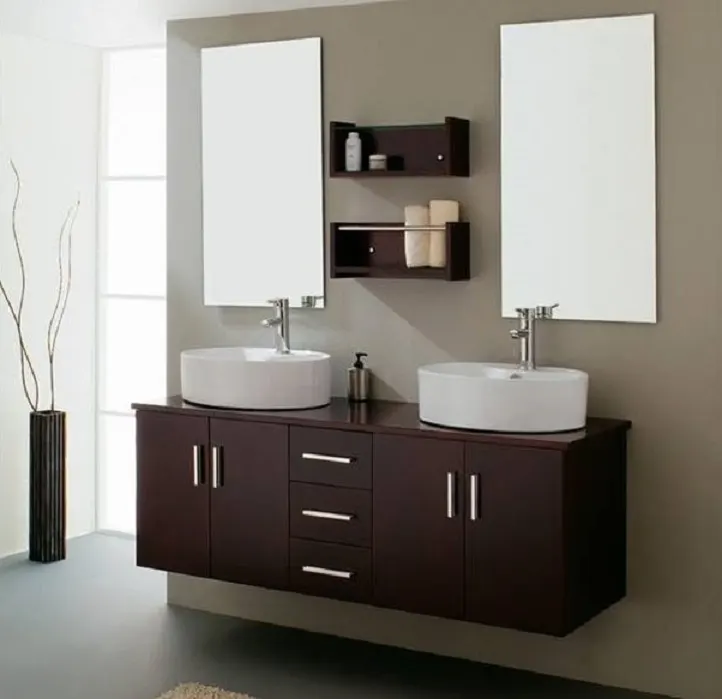
- Design Language: Wall-hung, clean linear profiles, monochromatic color schemes, and handle-less surfaces.
- Gola Track Integration: These vanities feature integrated aluminum or color-matched J-pull Gola profiles routed directly into the cabinet carcass. This allows users to pull drawers open from the edge, keeping the front facade completely flush and uninterrupted.
- Finishes: Ultra-matte, anti-fingerprint PET foils or high-gloss lacquers in anthracite gray, muted olive, warm cashmere, or surgical white. This format dominates contemporary Bathroom Cabinet Models Turkey designed for high-density luxury condominiums.
The North American Transitional Shaker Model
Tailored directly for the high-volume retail and residential renovation markets of the United States and Canada.
- Design Language: Floor-standing or stately wall-hung units featuring classic five-piece Shaker door profiles, visible decorative hardware, and substantial storage capacity.
- Advanced Milling Execution: To eliminate the joint separation that can occur in five-piece doors due to humidity shifts, Turkish factories use advanced CNC tooling to mill the entire Shaker profile out of a single solid piece of thick moisture-resistant MDF before finishing or foil pressing.
- Finishes: Matte navy blue, historical charcoal, matte white, and forest green, accented with brushed brass, satin nickel, or matte black knurled T-bar handles. These models represent an incredibly stable and high-demand product run among exported Bathroom Cabinet Models Turkey.
The Ornate Classical and Classic-Avangard Style
Sourced heavily for palatial private estates, historical restorations, and luxury custom villas that demand old-world craftsmanship and majestic proportions.
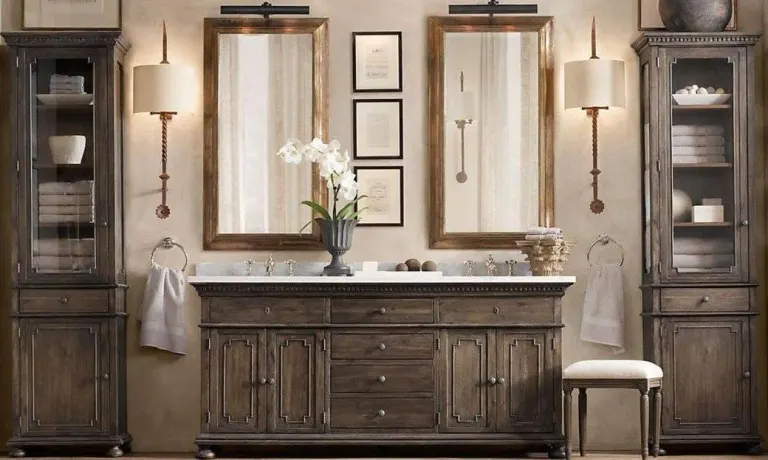
- Design Language: Floor-standing vanity units supported by carved cabriole legs, ornate fluted pilasters, integrated marble splashbacks, and matching framed mirrors.
- Artisan Finishes: These premium cabinets showcase the skill of Turkish woodcarvers. The surfaces receive hand-rubbed glazes over rich gold, silver, or bronze leaf gilding along the decorative molding profiles, creating an opulent, antiqued look. These specialized versions represent the pinnacle of artisanal mastery within Bathroom Cabinet Models Turkey.
6. Comprehensive Material and Performance Matrix
When configuring the technical specifications for a large-scale commercial development or high-end residential procurement contract, understanding the performance trade-offs of different material combinations is essential for calculating the long-term return on investment of Bathroom Cabinet Models Turkey.
| Material & Finish Configuration | Moisture Resistance Index | Structural Load Capacity | Scratch & Impact Resistance | Design Flexibility & Color Matching | Optimal Project Target Application |
|---|---|---|---|---|---|
| Moisture-Resistant MDF + Polyurethane Lacquer | Exceptional (9.5/10) | High. Dense core resists sagging; excellent screw retention. | High. Multi-layer PU topcoat creates a hard, non-porous shield. | Infinite. Can be mixed into any Pantone/RAL color; available from matte to mirror gloss. | Luxury residential developments, high-traffic master bathrooms, custom bespoke designs. |
| Moisture-Resistant MDF + Thermoformed PET Foil | Excellent (9.0/10) | High. Uniform density avoids structural weak spots. | Outstanding. PET foil provides exceptional resistance to dents and micro-scratches. | High. Can replicate wood grains, solid colors, and complex 3D routed door patterns seamlessly. | Multi-unit residential projects, hospitality chains, high-volume commercial sourcing. |
| Standard Chipboard + Melamine Facing | Poor (3.0/10) | Low. Prone to core bowing and screw stripping over time. | Moderate. Melamine face resists light scratches but edges are highly vulnerable. | Limited. Restricted to flat-slab doors with visible edge-band seams. | Low-budget temporary developments, dry powder rooms with minimal moisture. |
| Marine-Grade Plywood + Real Wood Veneer | Exceptional (9.8/10) | Maximum. Cross-laminated veneer layers prevent mechanical distortion. | Moderate. Relies on the hardness of the selected wood species and topcoat quality. | Premium. Showcases unique natural timber grain configurations and book-matched symmetry. | Ultra-luxury penthouses, coastal villas, high-end spa retreats, premium architectural showcases. |
7. Smart Architecture: Integrating Technology and Spatial Optimization
The contemporary bathroom cabinet has evolved from a simple passive storage box into an active, tech-integrated architectural installation. Top manufacturers of Bathroom Cabinet Models Turkey are leading this evolution by incorporating intelligent electrical systems, sensory lighting, and advanced spatial mechanisms directly into their production lines.
Integrated Low-Voltage LED Lighting
Lighting is a critical architectural tool used to highlight the natural textures of wood veneer or the pristine finish of lacquer while providing essential functional illumination.
- CNC Routed Channels: Turkish factories use precise CNC routing to cut hidden tracks into the underside of wall cabinets, interior drawer dividers, and cabinet bases. Aluminum profile extrusions equipped with opal white diffusers are flush-mounted into these tracks, eliminating visible hot-spots and creating a seamless wash of light.
- Sensory Controls: Low-voltage (12V/24V) LED strips—fully certified to international CE (Europe) and UL (North America) standards for wet-room environments—are wired to hidden proximity sensors. Open a drawer or mirror cabinet door, and the interior illuminates instantly; close it, and the system powers down silently.
- Capacitive Touch Mirrors: Framed mirror components feature integrated, low-wattage carbon fiber heating pads laminated directly behind the glass face to function as defoggers. These are wired to capacitive touch sensors etched onto the mirror surface, enabling users to alter color temperatures (from 2700K warm white to 5000K crisp daylight) with a gentle tap.
Technical Power and Storage Organization
To maintain a clutter-free, minimalist quartz or marble countertop, modern Bathroom Cabinet Models Turkey incorporate internal power centers and customized organization systems.
- In-Drawer Power Stations: Hairdryers, electric shavers, and curling irons can be stored and charged completely inside the vanity drawers. Factories install specialized, articulating cable management tracks behind the drawer boxes. These tracks house waterproof electrical sockets and USB charging ports, protecting the electrical cords from being pinched or stretched as the drawer glides open and closed.
- Solid Wood Interior Dividers: The interior of the drawers can be customized with modular organizing grids constructed from solid ash, beech, or walnut, finished with anti-bacterial clear-coats. These dividers keep small bathroom items systematically organized and prevent them from shifting during rapid drawer movements.
8. Financial Engineering: Sourcing Tiers, Landed Costs, and Tariff Optimization
Procuring containers of cabinetry on an international scale requires a comprehensive financial analysis that looks beyond the initial factory-gate Ex-Works (EXW) quotation. To accurately evaluate project feasibility, procurement officers must calculate the Total Cost of Ownership (TCO), factoring in shipping volumes, import tariffs, and material longevity.
Cost Architecture Breakdown by Sourcing Tier
The pricing configuration of Bathroom Cabinet Models Turkey is typically evaluated based on modular configurations (vanity unit + basin + mirror cabinet) or running meters for large-scale commercial contracts.
- Tier 1: High-Volume Commercial Contract (Estimated Range: $150 - $350 per modular set)
- Core Materials: 18mm Moisture-Resistant MDF finished with thermoformed PET or PVC foil.
- Hardware: Samet soft-close hinges, standard full-extension drawer runners, basic steel hangers.
- Countertops: Integrated ceramic washbasins sourced from premium Turkish sanitaryware producers.
- Best For: Large-scale residential developments, high-density apartment blocks, and budget-conscious commercial hospitality fit-outs.
- Tier 2: Premium Residential & Boutique Sourcing (Estimated Range: $450 - $950 per modular set)
- Core Materials: 18mm MR-MDF treated with 4 layers of high-gloss or anti-fingerprint matte polyurethane lacquer, or select Anatolian Oak veneer.
- Hardware: Blum Tandembox or Hettich Architech runner systems, Camar heavy-duty hanging brackets, integrated soft-close dampening.
- Countertops: Engineered quartz (such as Çimstone or Belenco) or solid-surface acrylic countertops with under-mount porcelain basins.
- Best For: Premium custom residential homes, private villas, corporate office washrooms, and boutique hotels.
- Tier 3: Artisan Bespoke Luxury (Estimated Range: $1,500 - $3,500+ per modular set)
- Core Materials: 18mm Marine-grade Birch or Eucalyptus plywood lined with book-matched natural Turkish Walnut or rare Olive Wood veneers, protected with marine varnishes. Interior drawer boxes constructed from solid hardwood with machined dovetail joints.
- Hardware: Blum Legrabox or electronic servo-drive touch-to-open automated systems, hidden premium Gola profiles.
- Countertops: Exotic natural Italian or Turkish marbles (like Calacatta, Muğla White, or Nero Marquina) with bespoke integrated stone-sink fabrications.
- Best For: Ultra-luxury penthouses, high-end estate properties, and architectural design statements.
Customs Duties, Tariff Regulations, and Preferential Trade Agreements
The financial competitiveness of the Bathroom Cabinet Models Turkey trade sector is significantly enhanced by favorable international trade agreements:
- The European Union & United Kingdom Advantage: Under the framework of the EU-Turkey Customs Union, manufactured goods entering the European Union from Turkey are subject to 0% customs duties, provided the exporting factory provides an A.TR movement certificate. This provides an immense structural cost advantage over competing manufacturing regions that are subject to standard third-country tariffs or anti-dumping duties. For United Kingdom procurement, the post-Brexit UK-Turkey Free Trade Agreement replicates these terms, allowing for duty-free importation of Turkish cabinetry under preferential rules of origin.
- The United States Sourcing Landscape: Bathroom furniture imported from Turkey into the US falls under standard Harmonized Tariff Schedule (HTS) codes, with duties generally averaging between 0% and 8%, depending on the precise material classification. Crucially, Bathroom Cabinet Models Turkey imports are completely free from the severe retaliatory section 301 tariffs or massive anti-dumping penalties that apply to many alternative manufacturing hubs. This allows US multi-family developers, hospitality procurement groups, and large-scale home-improvement distributors to secure premium, architectural-grade vanities while avoiding punitive financial trade barriers.
9. Supply Chain Logistics: Packaging, Containerization, and Transport Engineering
Successfully executing an international procurement contract for custom cabinetry relies heavily on flawless logistical planning, specialized protective packaging, and optimized shipping methods. Because Turkey operates a highly mature, export-driven economy, its leading cabinet manufacturers have developed highly disciplined logistics protocols to ensure that goods arrive in perfect condition.
The Engineering Approval and "Design Freeze" Sequence
To completely eliminate manufacturing errors before raw materials are cut, Turkish factories follow a rigorous architectural workflow:
- CAD Data Submission: The international buyer transfers the architectural floor plans, plumbing rough-in schematics, electrical outlet layouts, and technical data sheets for all selected plumbing fixtures to the factory’s engineering department.
- Shop Drawing Generation: The factory translates these architectural concepts into highly detailed manufacturing blueprints utilizing advanced design platforms like SolidWorks, TopSolid Wood, or IMOS. These blueprints define every component dimension down to the millimeter, including exact clearance zones for plumbing p-traps, structural internal bracing, and hardware pre-drilling coordinates.
- The Design Freeze: The buyer reviews, adjusts, and signs off on the final shop drawings. Production timelines begin only after this formal "Design Freeze," ensuring complete alignment on dimensions, colors, and hardware specifications.
Advanced Export Packaging Protocols
Bathroom cabinets are fragile, heavy structures that contain sensitive finishes, glass mirrors, and often heavy stone or ceramic countertops. To ensure damage-free transit across thousands of miles of sea or land, exporters of Bathroom Cabinet Models Turkey implement multi-layered packaging engineering:
- Rigid Pre-Assembled vs. Flat-Pack (Knocked Down - KD) Sourcing: Buyers can choose between two primary configurations. Rigid pre-assembled shipping means the cabinets are fully put together, hinges calibrated, and drawer glides aligned at the factory, which significantly reduces on-site installation time but consumes more container volume. Flat-pack shipping maximizes container density, drastically reducing freight costs per unit, but requires highly skilled labor for on-site assembly.
- High-Density Corner and Surface Shielding: Every individual cabinet or component panel is completely wrapped in non-abrasive, high-gauge polyethylene foam sheeting to prevent surface abrasions. All structural corners—the most common failure points during transit shocks—are protected by thick, high-density molded polystyrene edge protectors or heavy-duty honeycomb cardboard corner guards.
- Hydroscopic Protection (Vacuum Wrapping): Because shipping containers crossing oceans face extreme relative humidity and temperature fluctuations, moisture can condense on the interior walls of the container. To protect the wood components and finishes, pallets are wrapped in heavy-duty industrial shrink-wrap combined with industrial silica gel desiccant packs to maintain an optimal microclimate inside the packaging.
- ISPM-15 Certified Crating and Countertop Isolation: If the contract includes stone or ceramic countertops, these heavy elements are never packed inside the same box as the wooden cabinetry. They are secured vertically in separate, heavy-duty wooden crates that are fully heat-treated and stamped in compliance with ISPM-15 international sanitary regulations, ensuring smooth clearance through international agricultural customs checkpoints.
10. Environmental Stewardship, Green Certifications, and Indoor Air Quality
Modern luxury and commercial compliance are deeply intertwined with ecological sustainability and human health metrics. International developers and architects frequently require strict documentation confirming that the millwork specified for their projects does not contribute to global deforestation or introduce hazardous chemical compounds into the indoor air of the completed residences. Sourcing Bathroom Cabinet Models Turkey aligns seamlessly with these modern green building initiatives.
Strict Forest Management: The OGM Protocol
Turkey possesses some of the strictest national forestry laws globally, overseen by the Ministry of Agriculture and Forestry’s General Directorate of Forestry (OGM). Over 22 million hectares of land are managed under rigorous scientific protocols:
- The Sustained Yield Mandate: Timber harvesting within Turkish borders can only occur in state-designated production zones according to strict annual cut quotas. These quotas are calculated to ensure that the net volumetric growth of the national forest ecosystem always exceeds the volume harvested.
- Mandatory Reforestation: For every single tree harvested within a state forest management zone, multiple saplings must be systematically replanted and nurtured, ensuring long-term biodiversity and carbon sequestration stability.
International Chain of Custody Certifications
To meet the stringent compliance criteria of international commercial projects (such as earning credits toward LEED or BREEAM certifications), premier Turkish cabinet manufacturers maintain full Chain of Custody (CoC) certifications with global non-profit forestry standard organizations:
- Forest Stewardship Council (FSC): An FSC CoC certificate guarantees that the timber, wood pulp, or wood fibers used in the production of the moisture-resistant MDF or marine plywood cores can be tracked all the way back to a responsibly managed forest that protects local biodiversity, indigenous land rights, and workers' rights.
- Programme for the Endorsement of Forest Certification (PEFC): Widely utilized throughout European procurement networks, PEFC certification confirms that the wood supply chain adheres to the highest ecological, social, and ethical standard frameworks.
Formaldehyde Controls and Indoor Air Quality Compliance
Indoor air quality is a significant health concern in modern, tightly insulated residential buildings. Traditional cabinetry can sometimes off-gas significant volumes of volatile organic compounds (VOCs), primarily formaldehyde found in cheap adhesives.
Compliant Turkish exporters of bathroom furniture utilize core substrates and adhesive systems that adhere strictly to the European E1 and E0 health standards, as well as the CARB Phase 2 (California Air Resources Board) and TSCA Title VI requirements for the North American market.
By prioritizing premium moisture-resistant MDF that utilizes low-formaldehyde binders, and combining them with low-VOC water-based Italian lacquers or UV-cured finishes, Bathroom Cabinet Models Turkey manufacturers ensure that the final vanity installations emit virtually zero hazardous chemical vapors into the home, safeguarding the long-term respiratory health of the inhabitants and securing valuable green building credits.
11. Maintenance, Preservation, and Lifetime Care Metrology
A premium Bathroom Cabinet Models Turkey installation is engineered to provide decades of flawless service, but its long-term preservation requires adherence to simple, scientifically grounded maintenance and care protocols. Wood and lacquered surfaces respond dynamically to their environment, rewarding proper care with an evolving, beautiful natural luster that preserves the value of the architectural asset.
Microclimate Management and Ventilation Dynamics
While moisture-resistant MDF and marine plywood are highly optimized to resist structural damage from ambient humidity, no wooden or lacquered product should be subjected to continuous, stagnant liquid water or persistent steam condensation.
- Active Mechanical Ventilation: Bathrooms must be equipped with properly sized mechanical exhaust fans that remain active during showers and for at least 15 to 20 minutes post-use to effectively clear ambient steam and drop the relative humidity back to normal residential levels (between 40% and 60% RH).
- Passive Airflow Clearance: Maintaining an appropriate undercut at the base of the bathroom door ensures a consistent flow of fresh, dry air into the space, preventing the localized pooling of stagnant, damp air around vanity cabinets.
Surface Sanitation and Chemical Containment
The exterior finish of a bathroom vanity is frequently exposed to toothpaste, soaps, shaving creams, hair dyes, and acidic cosmetics. To clean these surfaces without damaging the protective lacquer or thermoformed foil, strict chemical rules should be followed:
- The Wipe-Down Protocol: Daily cleaning should be performed using a soft, lint-free microfiber cloth lightly dampened with warm water and a tiny drop of pH-neutral, solvent-free liquid soap. The surface should be wiped along the grain direction (if veneered) or in smooth circular motions (if lacquered).
- Immediate Desiccation: Crucially, any water splashes or standing drops around the edges of the washbasin, cabinet joints, or handle profiles must be immediately dried with a separate, completely dry microfiber cloth. Water should never be allowed to pool on any surface over extended periods.
- Banned Chemical Agents: Users must never apply cleaning products that contain aggressive chemical solvents, including ammonia, bleach, acetone, alcohol, abrasive scouring powders, heavy silicone-based furniture polishes, or rough scrubbing pads. These substances can chemically break down the top lacquer layer, micro-scratch thermoformed foils, or break down the critical polyurethane adhesives holding edge bands in place, opening pathways for moisture infiltration.
Thermal and Mechanical Operation Boundaries
To preserve the smooth operation of integrated high-end European or Turkish hardware runner and hinge systems, specific operational boundaries must be observed:
- Weight Distribution Mapping: Users should avoid overloading drawers beyond their specified dynamic weight capacities. Heavy items (such as bulk shampoo bottles, extra towels, or heavy cleaning supplies) should be mapped into the lower drawers or directly onto the base of floor-standing cabinets, keeping upper drawers reserved for lighter cosmetic items.
- Mechanical Load Prevention: Children should be strictly discouraged from hanging or stepping onto open vanity drawers or cabinet doors. Excessive vertical loads can bend high-tensile steel drawer glides, warp hinge plates, or strip mounting screws from the cabinet box, misaligning the front facades.
12. Sourcing Process Framework: Procurement Steps for Commercial Success
Executing a highly profitable, error-free procurement contract for Bathroom Cabinet Models Turkey requires a disciplined sequencing of operational milestones. Global supply chain managers should follow this structured roadmap:
[Phase 1: Architectural Definition] ──► Transfer CAD layouts, specifications, and plumbing vectors. │ ▼ [Phase 2: Production Engineering] ──► Factory generates detailed IMOS/SolidWorks shop drawings. │ ▼ [Phase 3: The Design Freeze] ──► Final blueprint sign-off; anchoring colors and hardware metrics. │ ▼ [Phase 4: Manufacturing Gateways] ──► Computerized substrate milling, 5-axis routing, laser edge-banding. │ ▼ [Phase 5: Quality Assurance] ──► Independent in-line and pre-shipment inspections (PSI). │ ▼ [Phase 6: Advanced Export Packing] ──► Foam wrapping, desiccant vacuum packing, ISPM-15 certified crating. │ ▼ [Phase 7: Global Container Freight] ──► Ocean or road transit utilizing optimized container layouts.13. Strategic Summary: Securing Long-Term Architectural Value
Sourcing Bathroom Cabinet Models Turkey represents an elite strategic opportunity for international architects, interior designers, commercial real estate developers, and high-volume furniture distributors to secure world-class wet-room millwork that bridges the gap between old-world artisan craftsmanship and forward-thinking Industry 4.0 production efficiency.
By mastering the underlying material science—from verifying the hydrophobic expansion metrics of moisture-resistant MDF (EN 317) to understanding the mechanical load tolerances of heavy-duty floating vanity wall-hangers and the chemistry of UV-cured polyurethane finishes—procurement professionals can confidently structure contracts that deliver long-term architectural value and exceptional aesthetics.
As you prepare to advance your next commercial development or residential renovation project, focusing on a few critical project definitions will help streamline your initial engineering consultations with your chosen manufacturing partners: