
Hotel Lobby Furniture | Reception and Welcome Area Designs
Hotel Lobby Furniture Manufacturer
Project-Based Turnkey Solutions
From boutique hotels to large hotel projects: production of fire-resistant, durable and aesthetic hotel furniture.
Our Hotel Furniture Product Groups
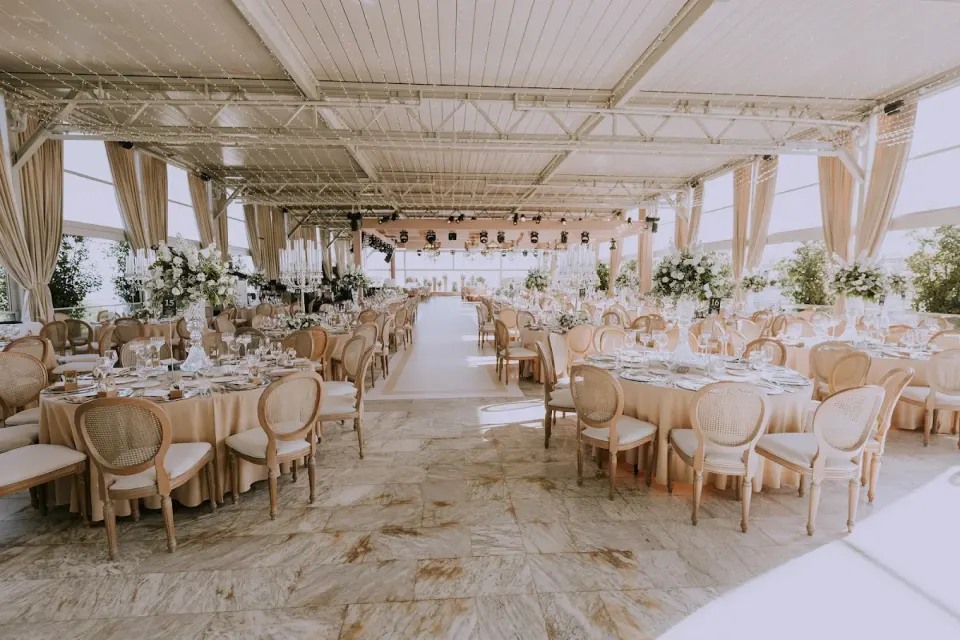
Hotel Restaurant
Café Furniture
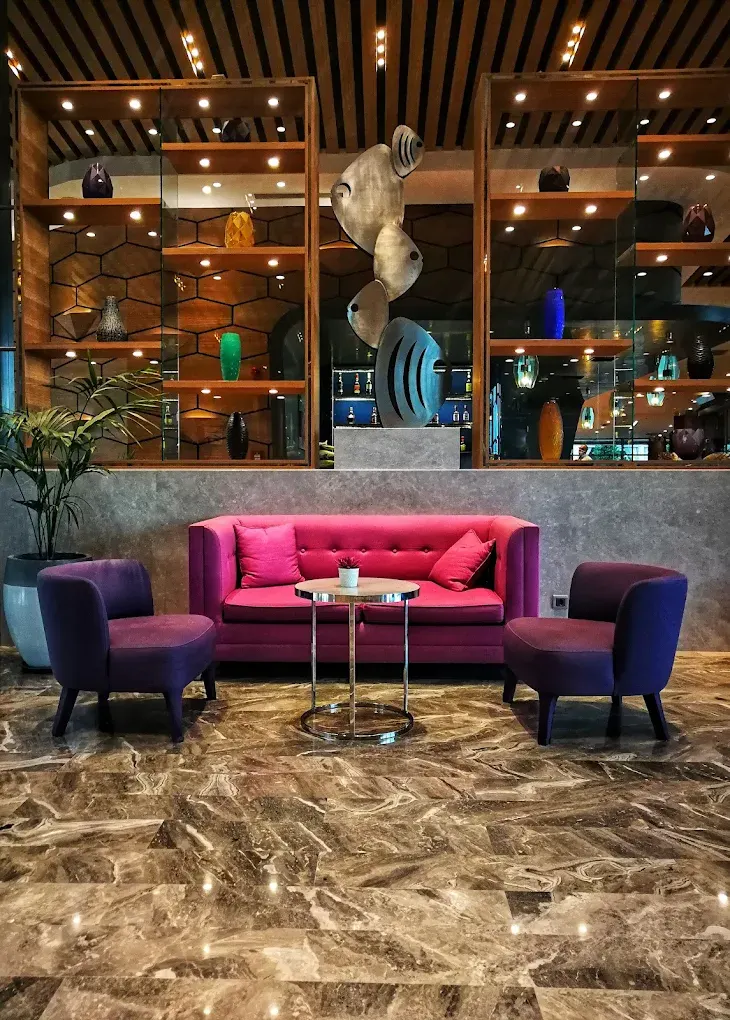
Hotel Lobby
Furniture
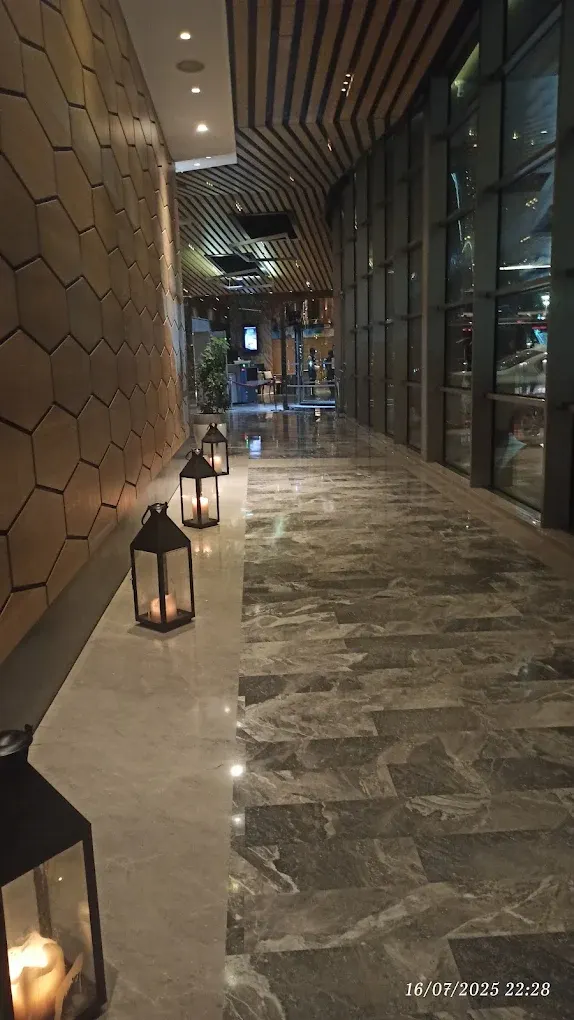
Hotel Decoration
Space Design
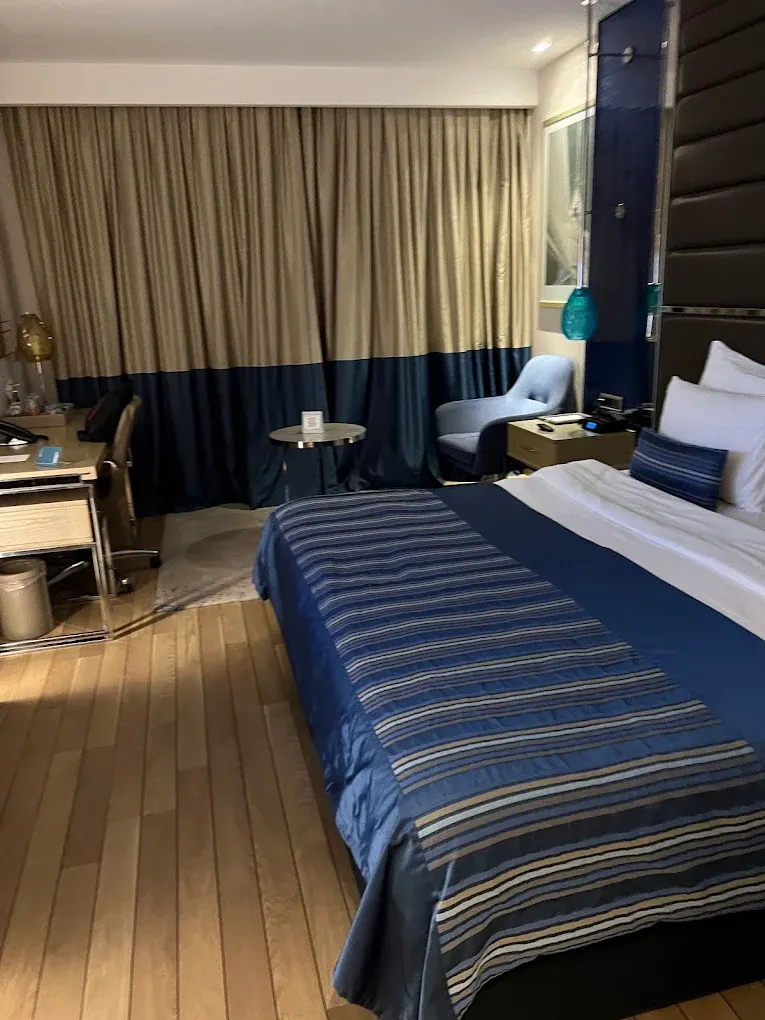
Hotel
Room Furniture
Hotel Lobby Furniture | Reception and Welcome Area Designs
A hotel lobby is a business's point of first impression. The area guests encounter the moment they step into the hotel directly reflects the quality and professionalism of the brand. For this reason, lobby furniture must be not only aesthetic but also functional, durable and in keeping with the concept.
In this article, we take a comprehensive look at the products used in hotel lobby furniture and all the details to consider when designing a reception area.
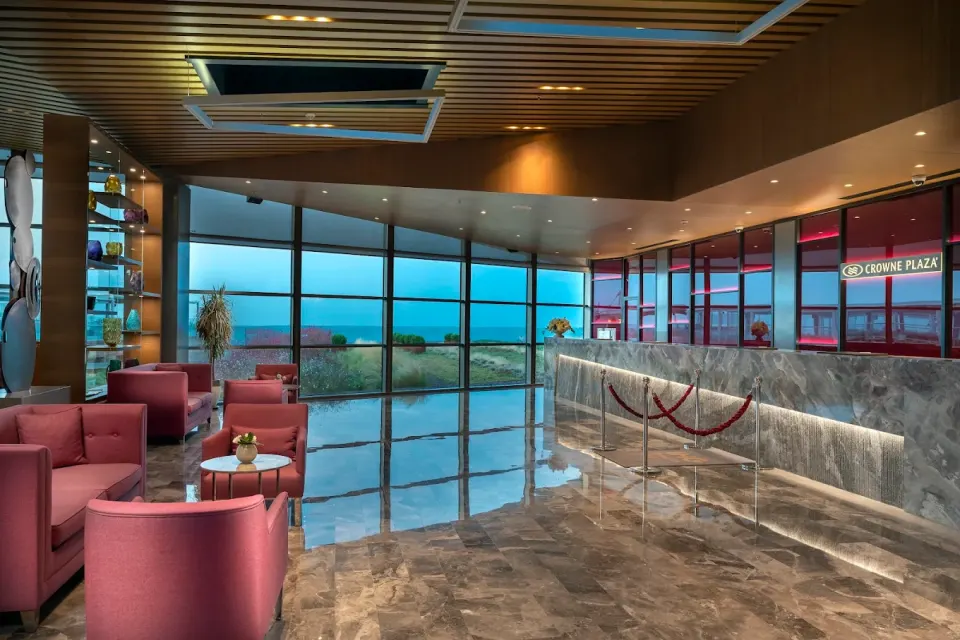
1. Reception Desk (Front Desk)
The reception desk is the centrepiece of the lobby. It is where the first contact with the guest takes place.
Features:
- Ergonomic workspace
- Compatibility with computers and equipment
- Concealed cable management
- Durable surface (marble, compact laminate, lacquer)
Design Tips:
- It should reflect the brand identity
- It should be highlighted with lighting (LED details)
- It should offer a minimal yet prestigious look
👉 Large hotels prefer modular desk designs that accommodate multiple staff.
2. Lobby Seating Sets
Lobby seating sets, where guests wait and relax, play a critical role in terms of comfort.
Products used:
- Sofas and armchairs
- Bergère chairs
- Poufs and modular seating elements
Points to consider:
- Easy-to-clean fabric
- Stain-resistant surfaces
- Durability suited to heavy use
3. Coffee Table and Side Table Systems
The tables that complement the seating sets are both aesthetic and functional.
Features:
- Elegant and simple design
- Durable surface (wood, marble, metal)
- Harmony with decorative accessories
Magazines, catalogues and decorative objects are usually placed in these areas.
4. Waiting Area Chairs and Lounge Armchairs
In busy hotels in particular, the waiting area is planned as a separate section.
Advantages:
- Organises guest flow
- Reduces congestion at reception
- Offers a more comfortable waiting experience
5. Information and Concierge Desks
Large hotels have concierge (information) areas in addition to reception.
Areas of use:
- Tour and transfer services
- Guest guidance
- Handling special requests
These areas are usually designed as smaller but elegant desks.
6. Lighting and Decorative Furniture
Another element as important as furniture in lobby design is lighting.
Products used:
- Chandeliers
- Floor lamps
- LED lighting systems
Purpose:
- To make the space look larger and more open
- To highlight the reception area
- To create a sense of luxury
7. Decorative Products and Complementary Elements
The details that complement the furniture ensure the integrity of the design.
Examples:
- Large potted plants
- Artistic objects
- Rugs
- Wall panels
These elements strengthen the hotel's concept.
Points to Consider in Lobby Design
- ✔ Harmony with the brand identity
- ✔ Functional space planning
- ✔ Durability suited to heavy use
- ✔ Easy-to-clean surfaces
- ✔ Balance of light and colour
👉 Remember: the lobby is an area that sells. Guests make up their minds about the hotel based on their first impression.
Conclusion: Impressive Lobby = Strong Brand Image
A professionally designed hotel lobby:
- Increases guest satisfaction
- Creates spaces worth sharing on social media
- Raises brand value
- Attracts a premium clientele
In particular, turnkey furniture production in hotel projects offers a major advantage by ensuring that design and implementation are managed from a single source.
Hotel Lobby Furniture – Frequently Asked Questions (FAQ)
1. Why is hotel lobby furniture important?
The hotel lobby is where guests form their first impression. The right choice of furniture strengthens the hotel's brand image and increases customer satisfaction.
2. What furniture should a lobby area have?
Essentially, it includes the following products:
- Reception desk
- Seating sets (armchairs, sofas)
- Coffee and side tables
- Waiting area armchairs
- Concierge (information) desk
- Decorative products
3. What should a reception desk be like?
A reception desk:
- Should be ergonomic
- Should be made of durable materials
- Should reflect the brand identity
- Should have proper cable and equipment management
4. Which fabrics are preferred for lobby seating sets?
Generally:
- Stain-resistant fabrics
- Easy-to-clean surfaces
- Wear-resistant textiles
are preferred. Because of heavy use, fabric quality is very important.
5. How can small lobby areas be designed more efficiently?
- Minimal and compact furniture should be used
- Light colour tones should be preferred
- Wall-mounted solutions should be applied
- Unnecessary furniture should be avoided
6. What is the role of lighting in lobby design?
Lighting:
- Defines the atmosphere of the space
- Highlights the reception area
- Enhances the sense of luxury
The right lighting is as important as the furniture.
7. What materials are used in hotel lobby furniture?
- Lacquer or laminate on MDF
- Solid wood (luxury projects)
- Metal and marble combinations
- Compact laminate surfaces
8. How often should lobby furniture be renewed?
Renewal is generally recommended every 5–10 years. However, this period may vary depending on intensity of use and material quality.