Fire Door vs Standard Door in Hotel Projects: Visual Differences and Certification Paperwork
A fire-rated hotel door can look identical to a standard door, so the difference lies in construction, labelling and documents. This guide shows what to check and request.
When comparing a fire door vs standard door for a hotel project, the first surprise is that you often cannot tell them apart by looking at the leaf. A certified door can share the same veneer, grooves, colour and handle position as a standard model. What separates them is the internal construction, the components fitted around the leaf and, above all, the paperwork that proves the assembly has been tested and approved.
This article explains what is visible, what is hidden and which documents procurement teams, architects and contractors should request before placing an order. It is written for international projects, so always check the rules of the destination country, because requirements differ between markets.
Why a fire door can look like a standard door
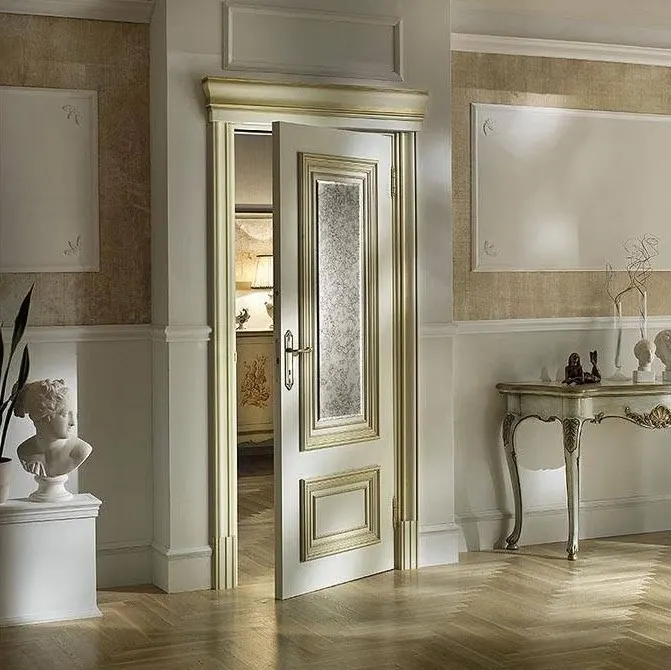
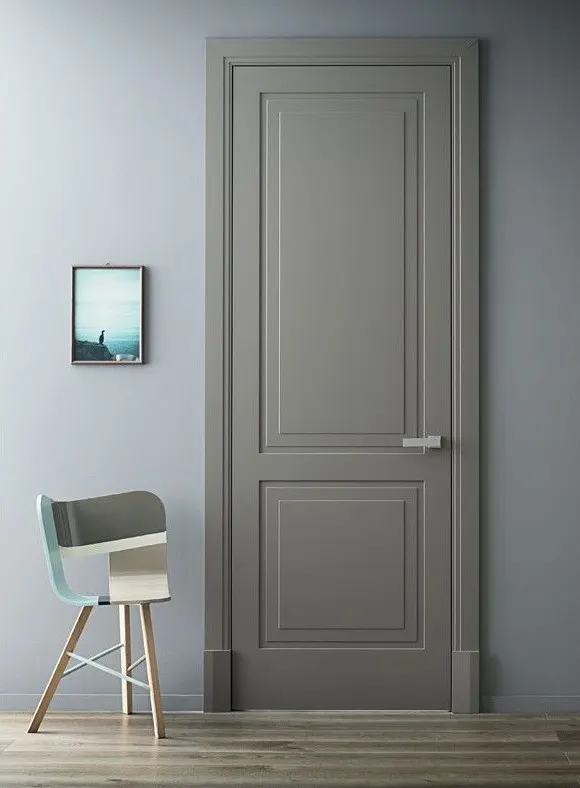
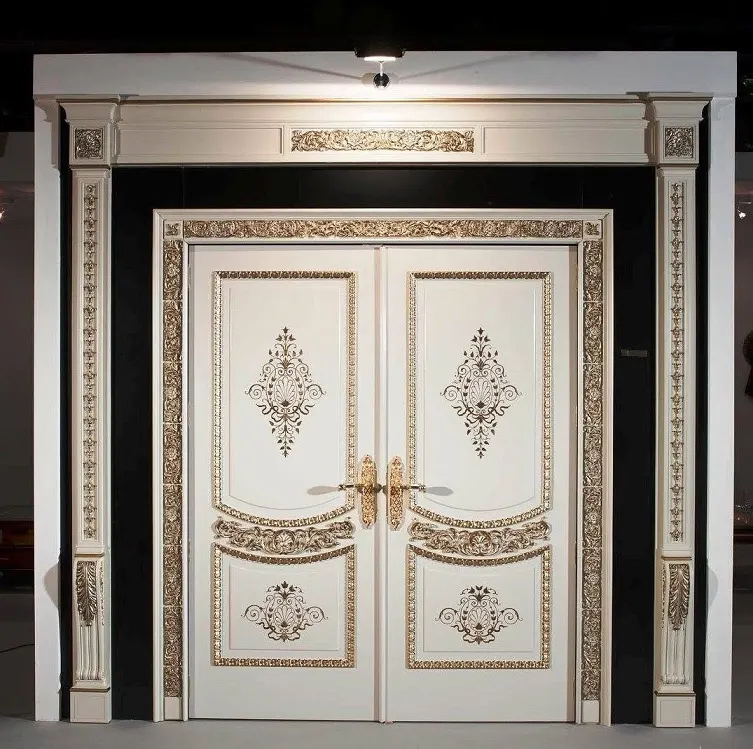
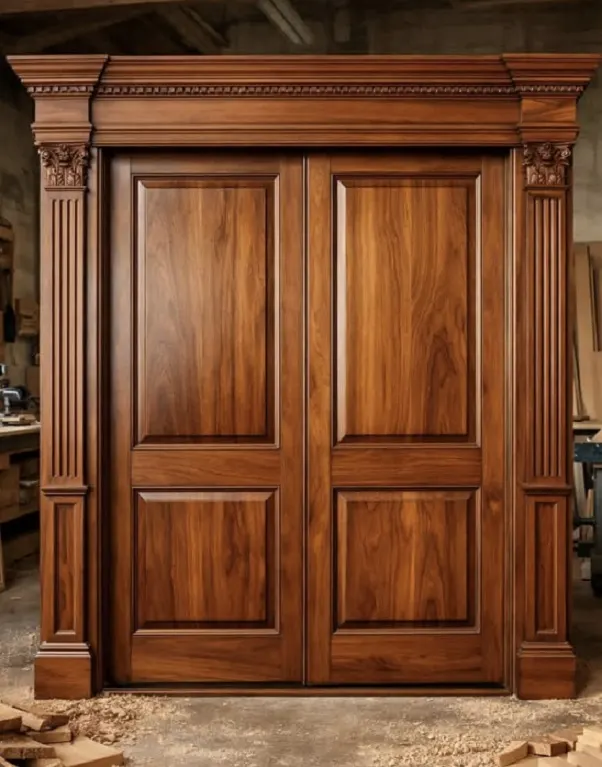
Designers usually want guest room entrances, corridor doors and suite doors to follow one visual language. A fire-rated door can be finished in the same veneer, lacquer or HPL as its non-rated neighbours. Panel layout, grooving and edge details can also match, within the limits of the tested design.
The performance comes from what is inside and around the door:
- Core: a fire-resistant core material, often a mineral or specially engineered board, instead of a standard particleboard or honeycomb core.
- Perimeter lipping: hardwood or other specified edge strips that hold fixings and protect the core.
- Intumescent strips door sealing: strips set into the leaf or frame that swell under heat to close the gap between door and frame.
- Frame: a frame that is part of the tested assembly, with the correct rebate, fixing method and sealing.
- Hardware: hinges, locks and closers that are suitable for the rating.
A standard door has none of these obligations. It may use a lighter core and simpler edges, and it is not tested as a fire barrier.
What you can and cannot see
Some clues are visible once you know where to look, but none of them is proof on its own.
Possible visual clues
- A thin sealing strip in the leaf edge or frame rebate. Some intumescent strips are hidden under veneer or lacquer, and some designs are fitted in the frame only.
- A heavier leaf. Fire-rated leaves are generally heavier than standard ones of the same thickness, which also affects hinge selection.
- A label, plug or marking on the hinge edge or frame, depending on the local scheme.
- A self-closing device on the door or concealed in the frame.
Why appearance is not evidence
A door with a seal strip and a heavy leaf is not automatically compliant. Only the correct combination of tested components, installed as the test report describes, makes a fire door. For this reason, the label and the documents matter more than any visual check.
Comparison table: fire door vs standard door
| Aspect | Standard door | Fire-rated door |
|---|---|---|
| Purpose | Privacy, access, appearance | Slows fire and smoke spread for a stated period |
| Core and edges | Chosen for cost, weight and acoustics | Defined by the tested design |
| Sealing | Optional acoustic or draught seals | Intumescent strips and, where required, smoke seals |
| Frame | Any suitable frame | Frame and fixing are part of the approved assembly |
| Hardware | Free choice within the design | Must be suitable for the rating and the test |
| Labelling | Room number or product code only | Rating label or marking according to local scheme |
| Paperwork | Data sheet, finish sample | Test evidence, certificate, installation instructions |
The paperwork that makes the difference
For a hotel buyer, the paperwork is the real specification. Depending on the country and project, the fire door certificate package may include several items. Ask which of these the local authority, fire consultant or insurer expects before you finalise the door schedule.
- Test report or classification report showing the tested door assembly and the rating achieved.
- Certificate or declaration of performance issued under the scheme that applies in your market.
- Field of application: the range of sizes, glazing, finishes and hardware covered by the test. This tells you how far a design can vary without new testing.
- Installation instructions for the frame, gaps, fixings and sealing.
- Hardware schedule listing the approved hinges, locks and closers.
- Product data sheet with core, thickness, weight and finish details.
We do not state a rating or certificate for any model on this page, because it depends on the specific door design, the destination market and the test evidence available. For each project we confirm what can be supplied against your requirements.
Fire door labelling: what to expect
Fire door labelling is how an inspector, facility manager or fire officer identifies a certified assembly after installation. The form varies by market. It may be a plug in the leaf edge, a plate on the frame, a printed label or a unique reference tied to a certificate.
Points to agree early:
- Which type of label or mark is required in the destination country.
- Where the label should be located so that it stays visible but does not spoil the finish.
- Whether each leaf needs a unique reference linked to your door schedule.
- How labels are protected during finishing, packing and installation.
Good labelling also helps hotel operations. Years after opening, maintenance teams can identify which doors are rated and avoid replacing them with standard leaves by mistake.
Hardware and gaps: where compliance is often lost
Many failures on site have nothing to do with the leaf itself. They arise from incorrect hinges, missing closers, over-large gaps, additional routing or fixings that were never part of the test.
Plan these items before production:
- Hinges: number, size and load rating suitable for the heavier leaf.
- Locks and electronic locks: cut-outs weaken a leaf if they go beyond the approved scope, so coordinate lock preparation with the certificate.
- Closers: self-closing is normally an essential part of a fire door in a corridor.
- Gaps: perimeter and bottom gaps must stay within the stated limits, so check the floor finish before setting the undercut.
- Peepholes and viewers: only use those suitable for the rating.
Handling mixed schedules in one hotel
Most hotels have both types. Guest room entrances and corridor doors may require a rating, while bathrooms, wardrobes and some internal openings may not. A clear door schedule should mark each opening as standard or rated, with the required rating, handing, size and hardware set.
Matching appearance is straightforward when this is defined early. The same finish, the same veneer batch and the same grooving can run across both types, so the corridor looks consistent. We recommend producing rated and standard leaves for the same floor in the same finishing batch where possible, which helps colour consistency.
Common mistakes to avoid
- Assuming that a thicker door is automatically fire-rated.
- Ordering rated leaves but sourcing frames and hardware separately without checking compatibility.
- Changing finish, glazing or lock preparation after the certificate has been issued.
- Not asking for documents until the goods have shipped.
- Mixing rated and standard doors on site because labels were removed or not applied.
A practical checklist before ordering
- Confirm the required rating and standard for each opening with your fire consultant or local authority.
- Mark rated and standard doors separately on the door schedule.
- Ask for the test evidence and the field of application before approving the design.
- Approve the label type and position on the mock-up or sample door.
- Agree the hardware list and any lock or viewer preparation.
- Request installation instructions and plan the receiving inspection.
Conclusion
The difference between a fire door and a standard door is rarely a matter of looks. It is a matter of tested construction, matching components, correct labelling and documents you can show to an inspector. Treat the paperwork as part of the product, and decide early which openings need it.
If you are preparing a hotel door schedule, send us your drawings and the rating requirements for the destination country. We will review which openings can be supplied as rated or standard leaves, and come back with the documents available, the options and the next steps for your quotation.
Sıkça Sorulan Sorular
Can a fire door look exactly like a standard door?
Yes. Veneer, lacquer, grooves and handle positions can be matched, within the limits of the tested design. The difference lies in the core, edges, sealing, frame, hardware and documentation, so you must check labels and certificates rather than relying on appearance.
What is a fire door certificate?
It is a document, issued under the scheme that applies in the destination market, showing that a door assembly has been tested and classified for a stated rating. It is usually supported by a test or classification report and a field of application.
What are intumescent strips on a door?
They are sealing strips fitted in the leaf edge or frame that expand when heated. They close the gap between the door and frame during a fire. Some designs add smoke seals, depending on local requirements.
Where is a fire door label placed?
It depends on the market and scheme. Common positions include the hinge edge of the leaf, the frame or a plate on the door. Agree the type and position early, so the finish and the identification both work in the finished hotel.
Can I change the lock or add a viewer on a rated door?
Only within the scope covered by the test evidence. Extra cut-outs, unapproved hardware or changed gaps can invalidate compliance. Coordinate lock and viewer preparation with the certificate before production, not after delivery.
Every hotel project is different. Send us your drawings or room schedule for a tailored proposal on materials, lead time and shipping.