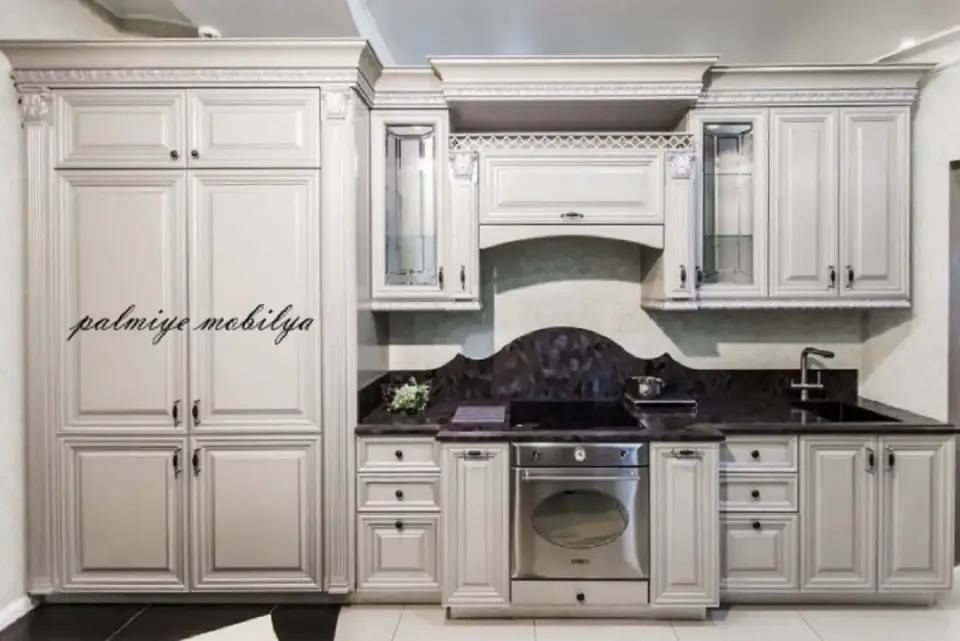
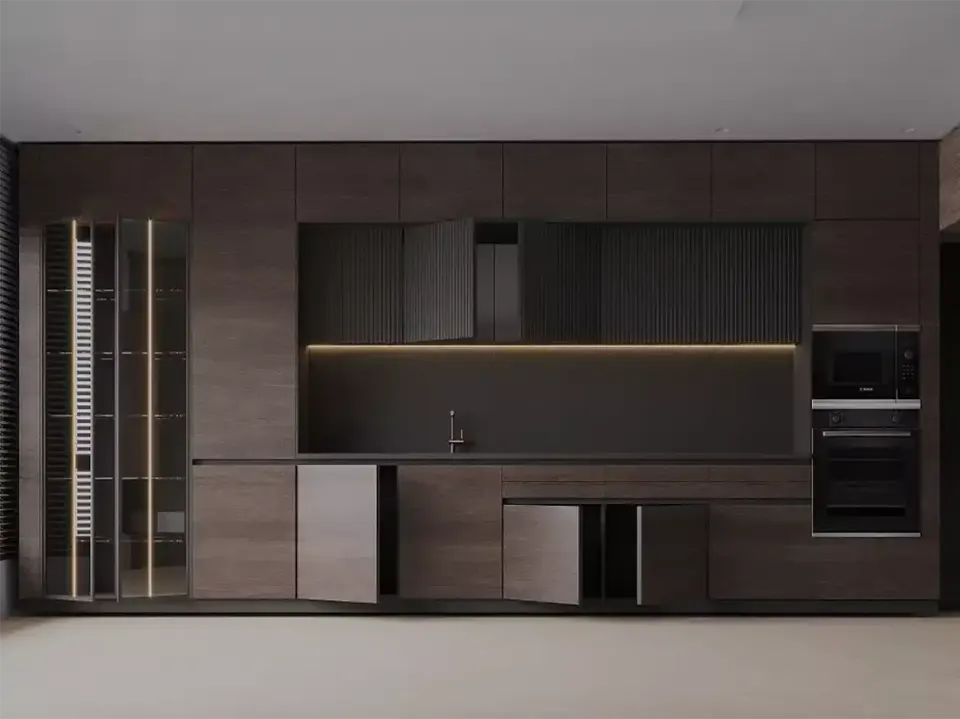
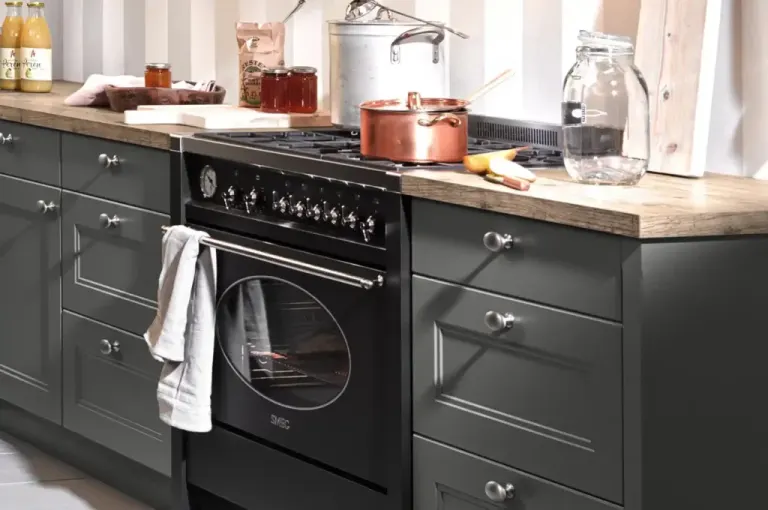
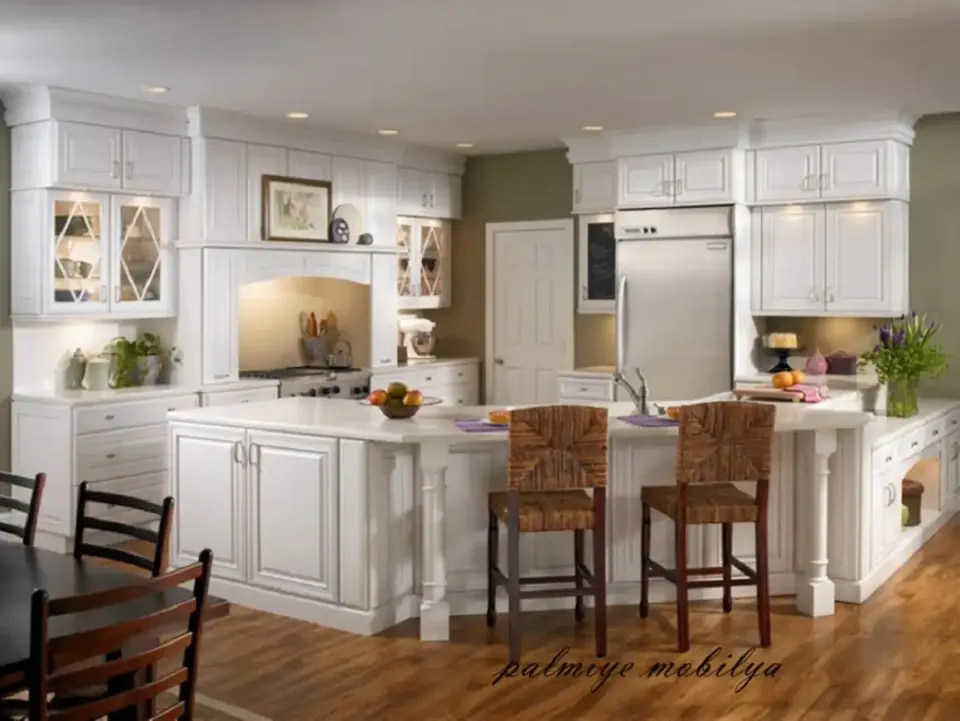
Rustic Kitchen Cabinet Turkey
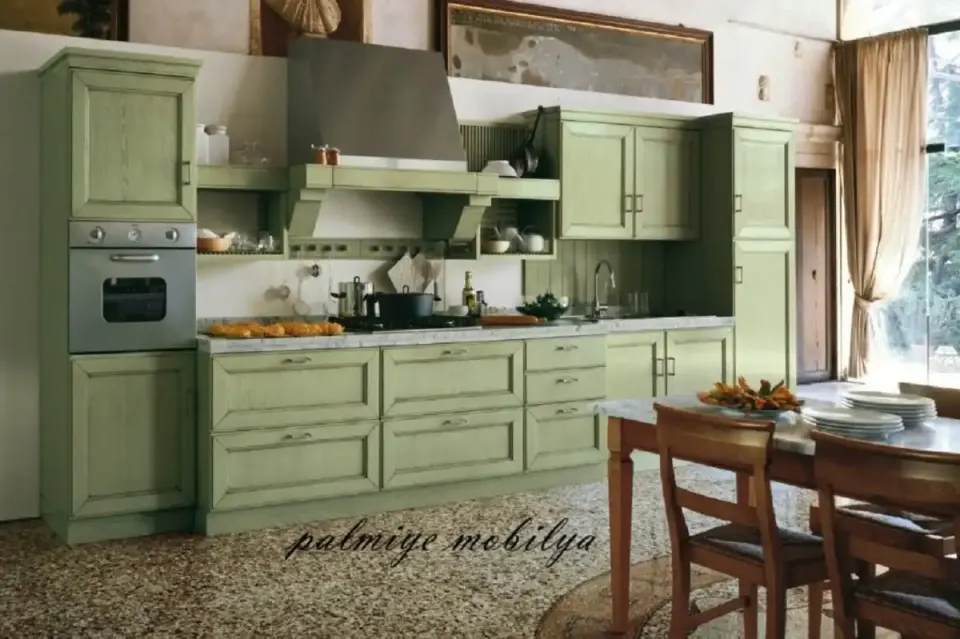
Rustic Kitchen Cabinet Turkey: The Definitive Sourcing, Engineering, and Global Procurement Guide for Heritage Woodworking
The global landscape of luxury interior architecture, high-density custom estate development, and residential project procurement is undergoing a massive realignment. International developers, interior designers, and high-volume cabinet distributors are systematically reallocating their capital away from high-overhead Western European custom shops and capacity-strained Asian workshops. At the absolute center of this strategic redirection is an industrial cluster that has engineered a perfect equilibrium between ancestral woodworking artistry, advanced manufacturing automation, and macroeconomic efficiency. Sourcing a Rustic Kitchen Cabinet Turkey system has rapidly transformed from a competitive nearshoring alternative into a foundational global procurement standard for high-performance organizations worldwide.
The kitchen is no longer envisioned as a merely isolated, utilitarian food preparation zone; it acts as the definitive social anchor and visual signature of a premium property. Among contemporary design languages, the rustic, farmhouse, or country aesthetic represents the ultimate expression of timeless warmth, organic textures, and architectural permanence. However, executing a successful international procurement contract for a Rustic Kitchen Cabinet Turkey system requires a comprehensive analysis of profile geometries, timber taxonomies, finishing laboratory sciences, and logistical protocols. It is catastrophic for commercial margins to base buying decisions on superficial exterior looks. Importers must master how raw timber substrates, precision kiln-drying desiccation, complex distressing techniques, hardware mechanics, and international trade law interact to establish final landed costs and lifelong durability.
By analyzing the advanced engineering and commercial structures behind a Rustic Kitchen Cabinet Turkey, international buying syndicates can unlock unprecedented macroeconomic savings while simultaneously upgrading their architectural building standards. This comprehensive industrial whitepaper provides an exhaustive, technically rigorous, 4000-word analysis of the underlying components, engineering metrics, material tiers, style configurations, and global logistical protocols that dictate this high-performance trade segment.
1. The Strategic Macroeconomic Framework of the Turkish Export Hub
To execute a flawless international sourcing strategy, a procurement officer must first look beyond individual factory gates and comprehend the overarching industrial architecture that governs the market. When analyzing the global competitive edge of a Rustic Kitchen Cabinet Turkey, buyers are capturing deep systemic cost advantages built into a highly resilient, geographically centralized industrial matrix.
Geopolitical Logistics and Freight Cost Containment
Turkey occupies a vital geographic position bridging Europe, Asia, and North Africa. For international supply chain directors, this spatial positioning translates into significantly shorter transit times and lower carbon footprints compared to traditional East Asian sourcing options.
Industrial shipments departing from major manufacturing clusters like İnegöl (Bursa), Siteler (Ankara), Istanbul, and Kayseri can reach continental European metropolitan areas within 4 to 7 days via well-established road freight networks and roll-on/roll-off (Ro-Ro) shipping lanes. Shipments bound for United States or Canadian ports arrive via direct transatlantic maritime container routes within 14 to 21 days. This rapid turnaround allows global importers to operate highly agile, lean inventory models, drastically reducing locked-up working capital and minimizing the risk of costly project completion delays. The compounding efficiency of this geographical proximity keeps the landed cost of a Rustic Kitchen Cabinet Turkey exceptionally competitive on a global scale. Furthermore, Turkey’s long-standing Customs Union agreement with the European Union guarantees that all manufactured industrial outputs adhere strictly to European safety, quality, and environmental regulations, eliminating complex custom clearance processes for European buyers.
Deep Vertical Integration of the Supply Chain
Turkey's industrial cabinetry ecosystem is characterized by an exceptional degree of vertical integration. A typical premium cabinet factory is strategically located within a short distance of major domestic suppliers of moisture-resistant core panels, premium mirror and tinted glass, high-end finishing chemicals, and world-class quartz or solid-surface producers (such as Çimstone and Belenco).
This geographic proximity eliminates the complex import dependencies, currency exchange risks, and international shipping bottlenecks that frequently plague other manufacturing regions. By sourcing raw materials and secondary components domestically, manufacturers optimize production costs, control quality across the entire bill of materials, and insulate international buyers from sudden price volatility. This structural vertical integration plays a primary role in stabilizing baseline costs for a Rustic Kitchen Cabinet Turkey against global market fluctuations.
Macroeconomic Currency Dynamics and Production Overhead
The economic landscape of Turkey allows its manufacturing facilities to offer premium, architectural-grade products at an incredibly advantageous cost structure for foreign currency buyers. Lower operating overheads, highly optimized localized energy inputs, and a highly efficient, skilled woodworking workforce mean that a custom-designed, premium layout from a Turkish supplier often costs substantially less than a mass-produced, standard-grade particleboard unit manufactured in Western Europe or North America.
Foreign trade partners are not saving money by purchasing a lower-grade product; they are capturing the macroeconomic advantages of a highly competitive industrial framework. This allows developers to allocate their budget toward upgrading project specifications from basic substrates to premium materials while keeping overall procurement costs well within tight commercial parameters, allowing a Rustic Kitchen Cabinet Turkey specification to fit seamlessly into high-value developments.
2. Structural Metrology: Solid Timber Engineering vs. High-Performance Cores
When configuring a Rustic Kitchen Cabinet Turkey, international buyers must understand the precise engineering distinctions between utilizing 100% solid timber components and integrating high-performance engineered real wood panels. Unlike modern minimalist designs that rely purely on flat slab surfaces, the rustic style demands deep raised profiles, vertical v-grooves, beadboard details, and intricate carvings. These design details react dynamically to shifting atmospheric conditions, making advanced material engineering paramount.
The Dynamics of Natural Timber Hygroscopicity
Wood is an inherently hygroscopic, living material. The cell structure of a tree naturally absorbs and releases moisture from the surrounding air, expanding and contracting in response to ambient relative humidity shifts. In a solid monolithic plank of wood, this movement occurs unevenly across its tangential, radial, and longitudinal axes. When broad, flat surfaces like five-piece raised-panel pantry doors or expansive island backs are constructed from a single monolithic slab of wood, these internal swelling forces can cause the panel to cup, bow, twist, or split as it adjusts to the indoor microclimate of a home.
The Structural Design of Edge-Glued Panels (EGPs)
To neutralize these natural warping forces while preserving 100% of the raw weight, texture, and visual depth of authentic timber, premium manufacturers of a Rustic Kitchen Cabinet Turkey utilize advanced timber engineering to create Edge-Glued Panels (EGPs).
Solid wood logs are sliced into narrower staves or strips ranging from 40mm to 90mm wide. These staves are then carefully arranged side-by-side. Technicians alternate the orientation of the natural growth rings (up, down, up, down). When these staves are bonded together under immense hydraulic pressure using high-performance, D4-rated water-resistant polyurethane adhesives, the natural movement of one stave directly cancels out the movement of the adjacent stave. The result is a perfectly flat, structurally inert panel that retains 100% of the visual beauty, weight, and depth of solid wood while gaining absolute dimensional stability, forming the core framework of elite country stiles and rails.
┌─────────────────────────────────────────────────────────────┐ │ Anatomy of an Edge-Glued Engineered Solid Panel │ └─────────────────────────────────────────────────────────────┘ [Stave 1] [Stave 2] [Stave 3] [Stave 4] [Stave 5] ┌───────────┐ ┌───────────┐ ┌───────────┐ ┌───────────┐ ┌───────────┐ │ ▲ ▲ ▲ ▲ │ │ ▼ ▼ ▼ ▼ │ │ ▲ ▲ ▲ ▲ │ │ ▼ ▼ ▼ ▼ │ │ ▲ ▲ ▲ ▲ │ │ │ │ │ │ │ │ │ │ │ │ │ │ │ │ │ │ │ │ │ │ │ │ │ │ │ │ │ │ │ │ (Growth) │ │ (Growth) │ │ (Growth) │ │ (Growth) │ │ (Growth) │ │ (Rings Up)│ │(Rings Dn) │ │ (Rings Up)│ │(Rings Dn) │ │ (Rings Up)│ └───────────┘ └───────────┘ └───────────┘ └───────────┘ └───────────┘ └───────────────────────────────────────────────────────────────────┘ *Growth rings are systematically alternated in sequence to cancel out natural directional tension and prevent door panels from warping.High-Density Moisture-Resistant MDF (MDF-MR) Front Profiles
For rustic kitchens that require an antique painted or distressed finish rather than raw stained timber, modern Turkish engineering replaces solid center panels with premium Moisture-Resistant Medium-Density Fiberboard (MDF-MR).
- The Milling Advantage: MDF-MR provides an exceptionally uniform, dense internal matrix. When advanced multi-axis CNC routers carve deep raised-panel contours, beadboard lines, or arched farmhouse details into the face of an 18mm or 22mm board, the routed edges remain perfectly crisp and free of fiber tear-outs.
- The Structural Union: Because MDF-MR is completely isotropic (possessing identical physical properties in all directions), it exhibits zero hygroscopic movement under kitchen steam stress. When enclosed by a solid wood EGP frame or wrapped continuously within thick decorative polymer veneers, it delivers a permanently stable, warp-free centerpiece for a Rustic Kitchen Cabinet Turkey layout, entirely eliminating the split-seam vulnerabilities typical of low-grade field joinery.
3. Timber Taxonomy: Sourcing Authentic Character Woods for Rustic Kitchen Design
The choice of wood species is the single most critical decision when commissioning a Rustic Kitchen Cabinet Turkey. The country or rustic design theme relies heavily on showcasing natural timber character, distinct grain topographies, and rustic knot structures. Turkish manufacturers work with an expansive library of domestic and sustainably imported timbers to capture this authentic aesthetic.
Anatolian Oak (Quercus robur / Quercus petraea)
Anatolian Oak is the undisputed cornerstone of the Rustic Kitchen Cabinet Turkey manufacturing sector. Sourced from the state-managed forests of the Marmara and Black Sea regions, this hardwood is highly valued for its pronounced open-pore texture, dense grain configurations, and exceptional Janka hardness rating. Oak possesses high natural concentrations of tannic acid, providing intrinsic resistance to moisture rot and fungal attack. When specified for rustic cabinetry, it undergoes aggressive wire-brushing to scour out the softer springwood fibers, leaving a deep, tactile, three-dimensional grain surface that catches rustic glaze applications perfectly.
Mediterranean Pine (Pinus brutia / Pinus sylvestris)
For authentic, heritage-inspired country, farmhouse, or English cottage styles, Mediterranean Pine remains an incredibly reliable and cost-effective selection for a Rustic Kitchen Cabinet Turkey. Sourced primarily from the higher elevations of the Taurus Mountains, this wood features distinctive, tight sound-knot configurations and a warm, honey-toned appearance. Turkish kiln-drying techniques systematically vitrify the internal resin channels of this softwood, preventing any sap bleeding from weeping through final paint or stain coatings over time.
Turkish Walnut (Juglans regia)
For ultra-luxury country layouts demanding a deep, regal appearance, genuine Turkish Walnut veneer or solid framing represents the absolute peak of refinement. Walnut is characterized by an ultra-fine, closed-pore texture and a dramatic color spectrum ranging from pale smoky browns to deep dark chocolates, shot through with charcoal grain ribbons. Wavy crotch or swirl patterns appear naturally on wide farmhouse island end-panels, creating a striking statement of old-world prestige that ages into a deep, rich patina over decades of service.
Sweet Chestnut (Castanea sativa)
Sourced from the humid, mountainous coastal ridges of northern Anatolia, Turkish Chestnut is a historically significant wood heavily favored for authentic rustic cabinetry. Because the tree evolves in a naturally damp ecosystem, its timber possesses an incredibly dense cell structure with high natural oil content. This gives Chestnut with unparalleled dimensional stability and moisture resistance, making it an excellent selection for a Rustic Kitchen Cabinet Turkey located in high-humidity regional projects or for open-concept outdoor pavilion kitchens. Visually, it presents fluid, organic grain waves that mimic oak but avoid coarse medullary rays, delivering a softer rustic look.
4. Advanced Timber Engineering: Precision Kiln Drying and Material Stabilization
The most common anxiety among international buyers purchasing natural wood cabinetry is the risk of the wood warping, cracking, or splitting as it adjusts to the microclimate of its final destination. Wood is a hygroscopic material; it naturally absorbs and desorbs moisture from the surrounding air, expanding and contracting in the process. Top-tier manufacturers of a Rustic Kitchen Cabinet Turkey have engineered this risk out of existence through sophisticated scientific material preparation.
The Physics of the Kiln-Drying Protocol
Before a single piece of wood enters a CNC machine or is touched by a carpenter's chisel, it must undergo a multi-phase stabilization process. Freshly harvested timber contains a vast amount of free and bound water, often resulting in a moisture content (MC) exceeding 50% to 70%. If built into a kitchen in this state, the wood will self-destruct as it dries.
Turkish factories utilize advanced, computerized Italian and German kiln-drying systems. The process follows a strict thermodynamic sequence:
- Air Seasoning: Raw timber is stacked under covered, ventilated sheds for several months to allow natural, low-stress moisture reduction down to roughly 20% to 25% MC.
- Pre-Conditioning: The wood enters the sealed kiln chamber, where steam is introduced to equalize the moisture distribution from the core of the plank to its outer edges, relieving internal growth stresses.
- Gradual Thermal Desiccation: The temperature inside the kiln is systematically raised while humidity is dropped according to a precise software program tailored to the specific wood species and thickness.
- Target Equalization: The wood is brought to a uniform, stable moisture content of 6% to 8% for North American shipments or 8% to 10% for Western European climates. This ensures the timber is in absolute equilibrium with the indoor relative humidity of its target destination, eliminating post-installation movement and securing the lifelong durability of the Rustic Kitchen Cabinet Turkey assembly.
5. Architectural Style Blueprints: Defining the Farmhouse Configurations
The classic country theme contains several distinct regional sub-styles. The production flexibility of top Turkish exporters ensures that a Rustic Kitchen Cabinet Turkey contract run can be custom-tailored to fulfill any specific historical design brief.
The British Cottage and Beadboard Blueprint
Characterized by an intimate, warm, and highly structured appearance that maximizes cozy spatial layouts.
- Door Profile: Classic five-piece framing incorporating vertical beadboard or v-groove details cut directly into the center panel face using precision multi-groove CNC bits.
- Structural Details: Exposed plate-racks, glass-front lattice mullion upper doors, integrated spice drawers, and open tongue-and-groove end panels.
- Color Palette: Chalky pastel tones applied via automated multi-layer paint lines, including sage green, antique off-white, soft duck-egg blue, and muted cream, paired with simple oil-rubbed bronze cup pulls.
The French Provincial and Arched Cathedral Blueprint
Catering to grand estate properties and rustic luxury layouts that demand a more ornate, romantic fluid geometry.
- Door Profile: Raised center panels crowned by an elegant arched or "eyebrow" cathedral rail profile along the top frame edge.
- Structural Details: Elaborate hand-carved corbels supporting massive, plaster-wrapped custom mantel range hoods, valance valences beneath upper cabinets, and open display shelves backed by vertical beadboard panel lines.
- Finishes: Heavily distressed milk-paints or antiqued crackle finishes where dark base colors show through a lighter topcoat, creating an authentic time-worn texture.
The Modern Farmhouse Blueprint
The dominant contemporary evolution of the country style, exceptionally popular across contemporary North American suburban developments and high-end rural properties.
- Door Profile: Crisp, five-piece flat Shaker door profiles stripped of complex moldings, relying on clean 90-degree stiles and rails to bridge traditional warmth with modern minimalism.
- Structural Details: Deep apron-front ceramic sinks built directly into heavy structural sink bases, open solid-timber floating shelves floating across subway tile backsplashes, and massive central island blocks designed as separate furniture statements.
- Color Palette: Polarized, high-contrast combinations featuring matte charcoal gray or deep navy blue base runs offset by crisp white perimeter cabinetry and accented with brushed brass or knurled matte black geometric surface hardware. This represents an exceptionally high-volume product specification among exported Rustic Kitchen Cabinet Turkey container lines.
6. Comprehensive Material Sourcing and Performance Matrix
When configuring the technical specifications for a large-scale commercial development or high-end residential procurement contract, understanding the performance trade-offs of different material combinations is essential for calculating the long-term return on investment of a Rustic Kitchen Cabinet Turkey contract.
| Substrate & Door Construction | Moisture Resistance Index | Structural Load Capacity | Stain & Oil Containment | Design Versatility & Profile Complexity | Optimal S Sourcing Application |
|---|---|---|---|---|---|
| Edge-Glued Solid Oak + Polyurethane Finish | Exceptional (9.6/10). Hydrophobic clear coats isolate natural fibers. | Maximum. High-density hardwood resists sagging under stone tops. | High. Non-porous PU acrylic shield stops grease penetration. | Infinite. Perfect canvas for deep hand-carving, wire-brushing, and glazing. | High-end luxury custom estates, premium single-family heritage properties. |
| MDF-MR Core + Polyurethane Paint | Excellent (9.2/10). Polyurethane primer seals routed profiles completely. | High. Isotropic panel density prevents seasonal warping. | Outstanding. Acrylic lacquer top shield resists cosmetic stains. | High. Computerized CNC routing mills flawless raised panels and beadboard. | Multi-unit residential developments, high-volume merchant distribution loops. |
| Standard Chipboard + Melamine Veneer | Poor (3.5/10). Edge joints split open under direct steam stress. | Low. Porous shavings crumble under mechanical screw torque. | Moderate. Melamine face resists light staining but seams remain open. | Limited. Restricted entirely to flat slab door profiles; cannot accept 3D cuts. | Budget-driven multi-family housing, low-exposure utility or dry storage zones. |
| Birch Plywood Core + Solid Timber Facing | Exceptional (9.8/10). Cross-laminated veneer core layers prevent distortion. | Maximum. Marine resins deliver supreme dynamic loading strength. | High. Resists household cleaning solvents and hot steam exposure. | High. Combines the flat stability of plywood with thick solid profile framing. | Premium coastal villas, high-exposure hospitality lodges, luxury custom builds. |
7. The Finishing Laboratory: Distressing, Glazing, and Antiquing Artistry
The defining characteristic of a true premium country kitchen model is the layer of visual history communicated through its exterior coating. Unlike contemporary minimalist cabinets that demand hyper-smooth, sterile surfaces, the country style requires multi-step manual finishing sequences to create an authentic, lived-in patina. Top-tier manufacturers of a Rustic Kitchen Cabinet Turkey operate highly specialized finishing laboratories where skilled artisans work alongside automated coating loops to apply master-grade textures.
Advanced Distressing Methodologies
To simulate decades of natural physical use across fresh wood substrates, specialized mechanical distressing protocols are deployed:
- Faux Worm Holing: Technicians use specialized awls or impact bits to puncture the wood surface with tiny clusters of irregular holes, replicating the appearance of historic timber aging.
- Chisel Distressing & Rasping: The sharp, crisp 90-degree edges of stiles, rails, and raised panel center points are manually rasped and softened, mimicking natural wear patterns where generations of users have opened and closed the doors.
- Cowtailing & Spattering: Highly diluted, dark alcohol stains are precision-flicked across the finished door using specialized coarse brushes, leaving random, micro-fine speckles and trail marks that add an authentic old-world antique layer.
The Architectural Glazing Sequence
Glazing is a highly technical chemical and artistic process designed to accentuate deep profile shadows and draw out the natural open-pore topography of wire-brushed woods like Anatolian Oak.
- Base Coat Cure: The door front is spray-applied with a base layer of pigmented polyurethane paint or translucent wood stain and loaded into automated drying ovens.
- Glaze Application: Once the base layer is fully cured, a high-viscosity, slow-drying chemical glaze compound (typically a rich dark umber, burnt sienna, or soft slate gray) is wiped or sprayed across the entire panel face, fully saturating all routed profiles, beadboard v-grooves, and distressed cracks.
- Artisan Wiping Gateways: Before the glaze sets, master finishers wipe the flat face of the panel clean using soft cotton cloths. The dark glaze remains trapped inside the deep routed corners, raised-panel profiles, and open timber pores, creating a striking contrast that emphasizes the three-dimensional geometry of the cabinet profile.
- The Acrylic Shield Topcoat: The entire door receives a final, high-solid protective coat of ultra-matte acrylic lacquer equipped with maximum UV-blockers. This seals the delicate glaze work beneath a non-yellowing, waterproof shield that scores exceptionally high on the Persoz Hardness Test, ensuring the finish remains beautiful and durable for life.
8. Hardware Kinematics: Balancing Old-World Style with Modern Soft-Close Engineering
A premium country kitchen cabinet must visually celebrate historical heritage while functionally delivering the effortless performance expected of modern luxury properties. Importers evaluating a Rustic Kitchen Cabinet Turkey program must ensure that the selection of external decorative hardware and internal hidden kinematics achieves this balance perfectly.
Concealed Modern Hinge and Drawer Configurations
While a kitchen may showcase rustic handles and copper latch accents on the outside, its internal mechanical systems must incorporate high-end hidden kinematics. Leading Turkish manufacturers partner with international hardware specialists like Blum (Austria) and Hettich (Germany) alongside Turkey's premier domestic industrial hardware giant, Samet, to build out these networks.
- Concealed Soft-Close Hinges: Doors are pre-machined for internal, fully hidden clip-on hinges equipped with integrated air-dampened fluid mechanisms. Doors swing closed silently and decelerate smoothly over the final inches of travel, preventing slamming, protecting the cabinet frames from impact shock, and eliminating annoying noises in the home.
- Concealed Under-Mount Drawer Glides: Traditional country drawers slid on crude wooden tracks that naturally warped and jammed under shifting summer humidity. Modern Turkish country cabinets employ fully concealed, under-mount drawer glides equipped with synchronized roller carriages. These tracks remain hidden beneath the wooden drawer box, supporting dynamic loads ranging from 40kg to 70kg while providing an absolute full-extension slide and dampening soft-close action.
Authentic External Decorative Hardware Taxonomy
To complete the country theme, cabinet fronts are pre-drilled to integrate premium authentic hardware pulls and latches:
- Oil-Rubbed Bronze Cup Pulls: Heavily favored for Shaker and cottage drawer fronts, providing a deep, dark antiqued metallic accent that complements painted finishes.
- Knurled Satin Nickel & Brushed Brass Pulls: Deployed across modern farmhouse layouts to add an industrial touch that contrasts with traditional cabinetry shapes.
- Authentic Exposed Butt-Hinges: For projects seeking complete historical accuracy, Turkish factories can install exposed decorative butt-hinges in antiqued pewter or black iron directly onto the face frames, while utilizing hidden soft-close magnetic catches inside the carcass box to deliver modern closing safety.
9. Smart Architecture: Integrating Modern Utilities in Traditional Spaces
The contemporary country kitchen has evolved from a collection of passive wooden boxes into an active, tech-integrated space. Sourcing a Rustic Kitchen Cabinet Turkey allows developers to incorporate advanced built-in configurations and space-saving mechanisms directly onto the factory production blueprints, ensuring that modern convenience never compromises the traditional aesthetic.
Farmhouse Apron Sink Integration Matrices
The absolute definitive centerpiece of a classic country layout is a heavy, porcelain or natural stone apron-front farmhouse sink. These fixtures are exceptionally heavy and require specialized structural housing.
- Reinforced Sink Base Carcasses: Turkish factories build specialized farmhouse sink bases utilizing double-braces cut from 18mm multi-layer birch plywood or reinforced moisture-resistant core panels.
- Precision CNC Scribing: The front valance of the cabinet is precision-cut to match the sweeping curved profiles of traditional fireclay sinks down to a millimeter tolerance, ensuring a clean fit without sloppy gaps or unsightly field caulking.
Integrated Concealed Appliances
Stainless steel microwave panels, multi-tier ovens, and modern glass-faced refrigerators can ruin the warm, historic look of a country layout. Sourcing from top Turkish producers allows for the integration of advanced mechanical door systems that conceal functional zones:
- Appliance Camouflage Panels: Exporters provide ready-to-install, 5-piece raised-panel appliance doors pre-machined to mount flush against integrated column refrigerators and built-in dishwashers, making advanced appliances blend seamlessly into the surrounding cabinetry run.
- Pocket Door Breakfast Centers: Utilizing heavy-duty scissor tracks (such as the Hawa Concepta or Salice Exedra systems), full-height cabinetry doors can be opened 90 degrees and slid smoothly back into integrated vertical pockets along the side carcasses. This setup completely hides built-in small appliances like coffee makers, toasters, and blenders behind a clean cabinetry wall when not in use, preserving the timeless rustic aesthetic of the open living plan.
10. Financial Engineering: Comprehensive Sourcing Matrix and Total Cost of Ownership
Sourcing a container contract of Rustic Kitchen Cabinet Turkey runs requires global supply chain managers to conduct an in-depth financial analysis that looks past raw Ex-Works (EXW) factory gate quotes and meticulously computes the true Total Cost of Ownership (TCO), factoring in logistics profiles, shipping container volumetric data, and preferential trade frameworks.
Pricing Architecture Framework by Tier
The financial commitments involved in importing country cabinetry from Turkey are determined by timber species rarity, substrate hydrophobic classifications, finishing lab hours, and hardware brand integration tiers.
- Tier 1: High-Volume Commercial Contract (Estimated Range: $250 – $450 per running meter)
- Core Materials: 18mm High-Density Standard MDF or moisture-resistant MDF-MR core panels.
- Door Construction: One-piece monolithic faces routed via CNC to simulate raised panels or beadboard lines, finished with automated multi-layer lacquer or vacuum-pressed polymer foils.
- Hardware: Samet soft-close hinges, full-extension basic drawer runners, basic steel upper hangers.
- Best For: Large-scale residential developments, high-density public housing, and budget-conscious commercial hospitality fit-outs.
- Tier 2: Premium Residential & Custom Estate (Estimated Range: $600 – $1,200 per running meter)
- Core Materials: 18mm Premium EN 317 MDF-MR core center panels enclosed by edge-glued solid timber stiles and rails.
- Finishing Technology: Multi-layer Polyurethane Acrylic lacquer with hand-applied glaze accenting along profile lines and fine edge wire-brushing.
- Hardware: Blum Tandembox or Hettich Architech runner systems, Camar heavy-duty hanging brackets, integrated soft-close dampening.
- Best For: Established furniture retail chains, premium custom residential homes, boutique hotel suites, and executive condominiums.
- Tier 3: Artisan Bespoke Luxury Heritage (Estimated Range: $1,800 – $3,500+ per running meter)
- Core Materials: 100% All-Solid-Wood construction utilizing edge-glued Anatolian Oak, Black Sea Chestnut, or rare Turkish Walnut blocks across both cabinets and doors.
- Finishing Technology: Bespoke artisan distressing (worm-holing, cowtailing, hand-scraping), complex multi-layer glaze work, and hand-applied metallic leaf gilding burnished directly along profiles, finished with marine-grade clear shields. Hand-cut or hyper-precise custom CNC dovetails on all wood drawer box joints.
- Hardware: Blum Legrabox or electronic servo-drive touch-to-open automated systems, hidden premium Gola profiles, pocket door enclosures.
- Best For: Ultra-luxury penthouses, premium private estate properties, and iconic architectural design statements.
Customs Duties, Tariff Regulations, and Preferential Trade Agreements
The financial competitiveness of Rustic Kitchen Cabinet Turkey lines is significantly enhanced by favorable international trade agreements that reduce the final landed cost:
- The European Union & United Kingdom Advantage: Under the framework of the EU-Turkey Customs Union, manufactured goods entering the European Union from Turkey are subject to 0% customs duties, provided the exporting factory provides an A.TR movement certificate. This provides an immense structural cost advantage over competing manufacturing regions that are subject to standard third-country tariffs or anti-dumping duties. For United Kingdom procurement, the post-Brexit UK-Turkey Free Trade Agreement replicates these terms, allowing for duty-free importation of Turkish cabinetry under preferential rules of origin.
- The United States Sourcing Landscape: Country kitchen furniture imported from Turkey into the US falls under standard Harmonized Tariff Schedule (HTS) codes, with duties generally averaging between 0% and 8%, depending on the precise material classification. Crucially, Rustic Kitchen Cabinet Turkey imports are completely free from the severe retaliatory section 301 tariffs or massive anti-dumping penalties that apply to alternative East Asian manufacturing hubs. This allows US multi-family developers, hospitality procurement groups, and large-scale home-improvement distributors to secure premium, architectural-grade layouts while maintaining incredibly competitive landed cost profiles.
11. Supply Chain Logistics: Packaging, Containerization, and Transport Engineering
Successfully executing an international procurement contract for custom country cabinetry relies heavily on flawless logistical planning, specialized protective packaging, and optimized shipping methods. Because Turkey operates a highly mature, export-driven economy, its leading cabinet manufacturers have developed highly disciplined logistics protocols to ensure that goods arrive in perfect condition.
The Engineering Approval and "Design Freeze" Sequence
To completely eliminate manufacturing errors before raw materials are cut, Turkish factories follow a rigorous architectural workflow:
- CAD Data Submission: The international buyer transfers the architectural floor plans, elevation drawings, electrical outlet layouts, and technical data sheets for all selected appliances to the factory’s engineering department.
- Shop Drawing Generation: The factory translates these architectural concepts into highly detailed manufacturing blueprints utilizing advanced design platforms like SolidWorks, TopSolid Wood, or IMOS. These blueprints define every component dimension down to the millimeter, including exact clearance zones for farmhouse apron sinks, structural internal bracing, and hardware pre-drilling coordinates.
- The Design Freeze: The buyer reviews, adjusts, and signs off on the final shop drawings. Production timelines begin only after this formal "Design Freeze," ensuring complete alignment on dimensions, colors, and hardware specifications.
Advanced Export Packaging Protocols
Country kitchen cabinetry is characterized by intricate moldings, raised panel edges, and detailed surface finishes that can easily be ruined by superficial scratches, pressure marks, or ambient container moisture during long transit runs. Manufacturers implementing a Rustic Kitchen Cabinet Turkey export pipeline apply multi-layered packaging engineering:
- Rigid Pre-Assembled vs. Flat-Pack (Knocked Down - KD) Sourcing: Traditional country cabinets with complex multi-tier crown moldings, pre-fit glass mullion doors, and dovetailed drawers are heavily prioritized for rigid pre-assembled shipping. Assembled cabinets are square-boxed, stabilized via high-density molded polystyrene corner guards, and wrapped in thick cardboard sheets. This configuration drops container capacity down to roughly 100-150 modules per 40ft HC container, but it slashes on-site field installation costs and guarantees perfect factory alignment. For volume contract lines, flat-pack (KD) packing maximizes container capacity up to 450 units, though it requires skilled assembly labor on-site.
- Surface Protection Interleaving: The face of every finished cabinet door is protected with foam interleaving sheets and soft non-abrasive padding to completely eliminate any micro-friction rubbing or paint clouding during cross-border maritime shaking.
- Hydroscopic Protection (Vacuum Wrapping): Because shipping containers crossing oceans face extreme relative humidity and temperature fluctuations, moisture can condense on the interior walls of the container. To protect the kiln-dried wood components and finishes, pallets are wrapped in heavy-duty industrial shrink-wrap combined with industrial silica gel desiccant packs to maintain an optimal microclimate inside the packaging.
- ISPM-15 Certified Crating: All pallets, wooden crates, and dunnage materials used for international transport are heat-treated and stamped in accordance with ISPM-15 global standards to ensure they are free of pests, preventing any delays at international customs checkpoints.
12. Environmental Stewardship, Green Certifications, and Indoor Air Quality
Modern luxury and commercial compliance are deeply intertwined with ecological sustainability and human health metrics. International developers and architects frequently require strict documentation confirming that the millwork specified for their projects does not contribute to global deforestation or introduce hazardous chemical compounds into the indoor air of the completed residences. Sourcing a Rustic Kitchen Cabinet Turkey aligns seamlessly with these modern green building initiatives.
Sustainable Forestry: The OGM Protocol
Turkey enforces strict state forestry laws managed by the General Directorate of Forestry (OGM), ensuring that domestic logging occurs only within designated, scientifically managed production zones under sustainable annual quotas. To meet global green building standards, top-tier Turkish kitchen manufacturers maintain full Chain of Custody (CoC) certifications:
- Forest Stewardship Council (FSC): An FSC CoC certificate guarantees that the timber, wood pulp, or wood fibers used in the production of the edge-glued panels or marine plywood cores can be tracked all the way back to a responsibly managed forest that protects local biodiversity, indigenous land rights, and workers' rights.
- Programme for the Endorsement of Forest Certification (PEFC): Widely utilized throughout European procurement networks, PEFC certification confirms that the wood supply chain adheres to the highest ecological, social, and ethical standard frameworks.
Formaldehyde Controls and Indoor Air Quality Compliance
Indoor air quality is a significant health concern in modern, tightly insulated residential buildings. Traditional cabinetry can sometimes off-gas significant volumes of volatile organic compounds (VOCs), primarily formaldehyde found in cheap adhesives or surface varnishes.
Compliant Turkish exporters of country kitchen furniture utilize core substrates and adhesive systems that adhere strictly to the European E1 and E0 health standards, as well as the CARB Phase 2 (California Air Resources Board) and TSCA Title VI requirements for the North American market.
By prioritizing natural timber paths or premium moisture-resistant MDF that utilizes low-formaldehyde binders, and combining them with low-VOC water-based Italian lacquers or natural hardwax oils, Rustic Kitchen Cabinet Turkey manufacturers ensure that the final cabinetry installations emit virtually zero hazardous chemical vapors into the home, safeguarding the long-term respiratory health of the occupants and securing valuable green building credits under LEED or BREEAM frameworks.
13. Maintenance, Preservation, and Lifetime Care Metrology
A premium Rustic Kitchen Cabinet Turkey installation is engineered to provide decades of flawless service, but its long-term preservation requires adherence to simple, scientifically grounded maintenance and care protocols. Wood and glazed surfaces respond dynamically to their environment, rewarding proper care with an evolving, beautiful natural luster that preserves the value of the architectural asset.
Microclimate Calibration (The 40-60 Rule)
Because natural wood veneers and dense core substrates are hygroscopic materials, maintaining a stable indoor environment is critical to minimizing natural dimensional shifting beneath the finished layer.
- Relative Humidity (RH): The optimal indoor relative humidity for country kitchen cabinetry should be maintained between 40% and 60%. If the air becomes excessively dry (e.g., during intense winter heating seasons), solid wood stiles and rails can shrink slightly, leading to small gaps at mechanical joints. If the air becomes too humid (e.g., during peak summer without air conditioning), the wood fibers can swell. Maintaining this balance via standard HVAC climate controls or simple home humidifiers/dehumidifiers completely neutralizes these risks.
- Ambient Temperature: Interior temperatures should remain consistent, ideally between 18°C and 24°C (65°F to 75°F). Drastic, sudden thermal shocks (such as placing a radiant space heater directly adjacent to a finished wood panel) must be strictly avoided.
Surface Sanitation Protocols for Glazed Finishes
The intricate profiles and hand-applied glazes of a country kitchen cabinet require specific cleaning methods to prevent micro-scratching or clouding of the clear protective shield.
- The Recommended Method: Use a soft, lint-free microfiber cloth lightly dampened with warm water and a tiny drop of pH-neutral, solvent-free dish soap. Wipe along the direction of the natural wood grain or down the routed profiles to draw dirt out of the corners, rather than pushing it in.
- The Drying Sequence: Immediately follow up with a second, completely dry microfiber cloth to absorb any residual surface moisture. Special attention should be paid to wiping out any water drops that collect inside deep routed grooves, shaker lips, or beadboard v-lines, as standing moisture can break down the finishes over long exposure windows.
- Chemical Containment: Users must never apply cleaning products containing ammonia, bleach, acetone, alcohol, abrasive scouring powders, silicone-based sprays, or strong industrial solvents. These chemicals can chemically break down the top lacquer layer or strip the trapped antique glaze, permanently ruining the finish.
Thermal and Mechanical Isolation Boundaries
To ensure the structural integrity of the kitchen's cabinetry over decades of rigorous daily cooking use, simple operational boundaries should be practiced:
- Steam Redirection: Small countertop appliances that generate intense, concentrated steam (such as espresso machines, high-temperature electric kettles, or multi-cookers) should never be operated directly underneath upper cabinet runs. Over time, the rising steam can heat and weaken the wood finishes, breakdown structural adhesives, and swell panel profiles. These appliances should be placed on open kitchen island countertops where steam can dissipate freely without contacting the millwork.
- Thermal Buffering: Hot pots and pans straight from the oven or stovetop must never be placed directly onto a wood surface or solid wood edge-band. Always utilize trivets, heat pads, or integrated stainless steel hot-rods set into the stone worktops to buffer the thermal energy and protect the timber from scorching or finish damage.
14. Sourcing Process Framework: Sourcing Execution Roadmap
Executing a highly profitable, error-free procurement contract for a Rustic Kitchen Cabinet Turkey batch requires a disciplined sequencing of operational milestones. Global supply chain managers should follow this structured roadmap:
[Phase 1: Project Intake] ──► Transfer CAD layouts, appliance vectors & farmhouse sink metrics. │ ▼ [Phase 2: Shop Engineering] ──► Factory translates vectors into detailed production shop drawings. │ ▼ [Phase 3: The Design Freeze] ──► Final blueprint sign-off; locking wood species, glazing style & hardware. │ ▼ [Phase 4: Automated Machining] ──► Computerized kiln desiccation, 5-axis routing & hand-distressing steps. │ ▼ [Phase 5: Quality Gateways] ──► Independent third-party in-line and pre-shipment random inspections (PSI). │ ▼ [Phase 6: Advanced Export Packing]──► Profile padding, foam wrapping, vacuum desiccant wrap, ISPM-15 certified crating. │ ▼ [Phase 7: Global Container Freight]──► Maritime or terrestrial container transit directly to target project site.15. Strategic Summary: Securing Long-Term Architectural Value
Sourcing a Rustic Kitchen Cabinet Turkey system represents an elite strategic opportunity for international architects, interior designers, commercial real estate developers, and high-volume furniture distributors to secure world-class heritage millwork that bridges the gap between old-world artisan craftsmanship and forward-thinking Industry 4.0 production efficiency.
By mastering the underlying material science—from verifying the hydrophobic stability of moisture-resistant MDF (EN 317) or edge-glued solid panels to understanding the technical alignment of heavy farmhouse apron sinks, the multi-step chemistry of hand-applied finishing glazes, and the kinematics of hidden soft-close runner networks—procurement professionals can confidently structure contracts that deliver long-term architectural value and exceptional aesthetics.