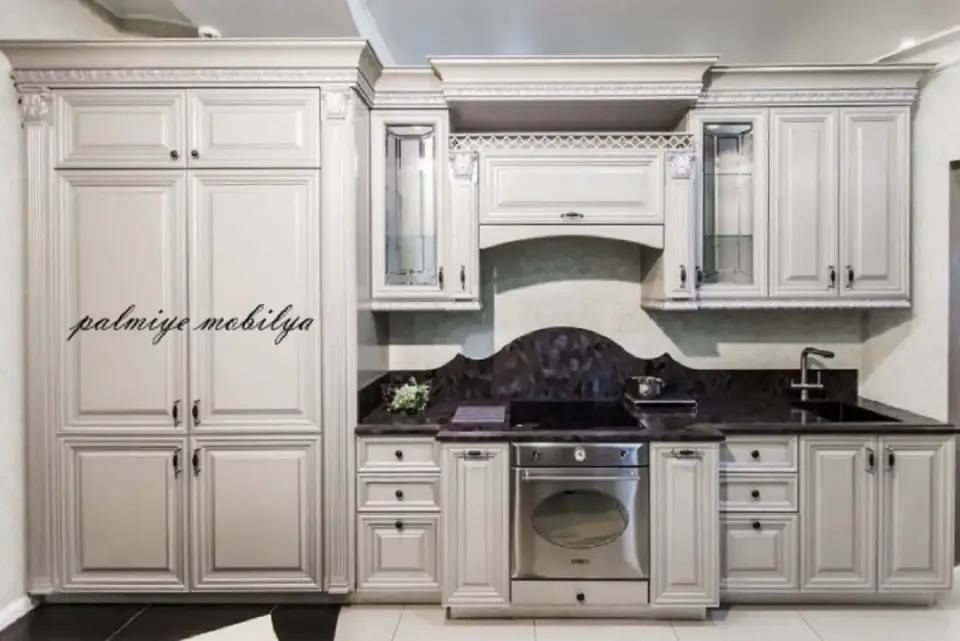
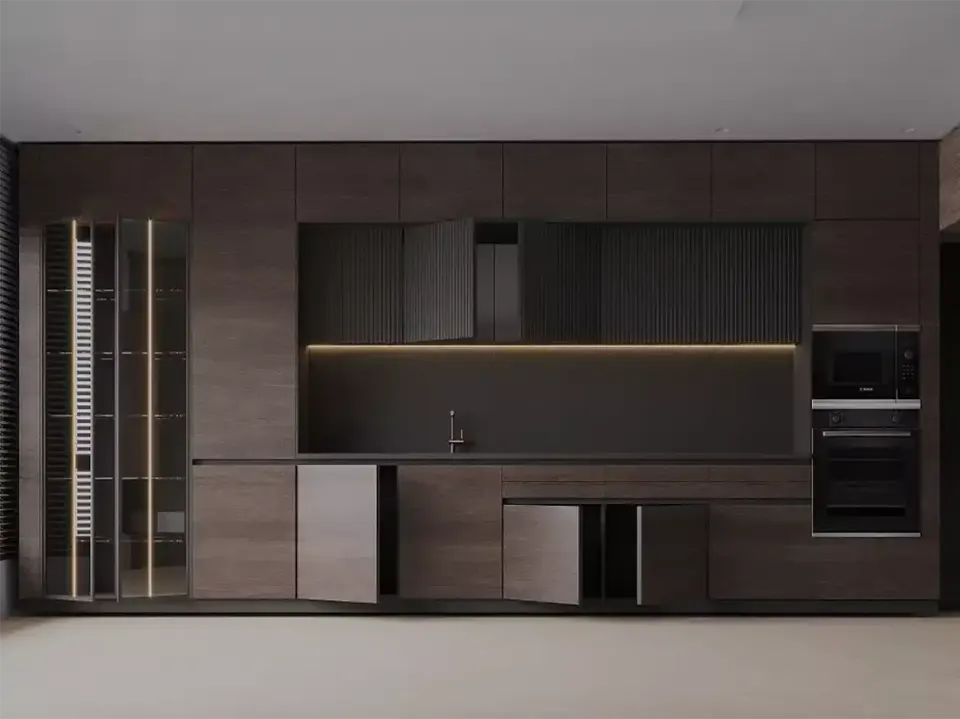
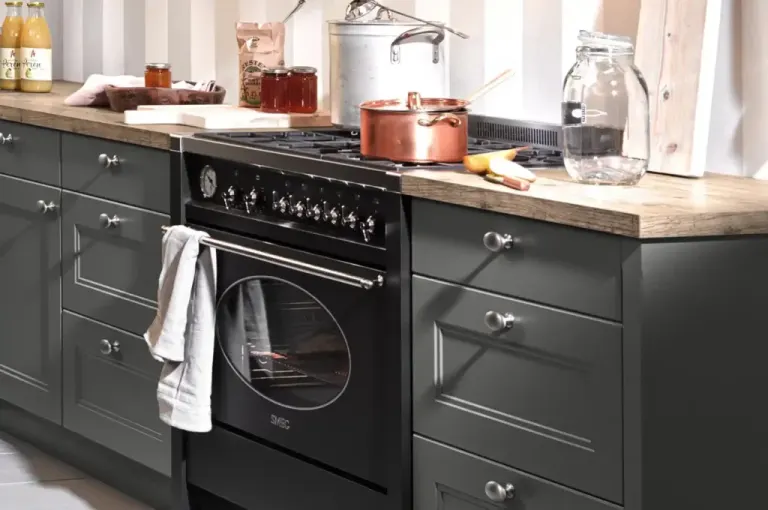
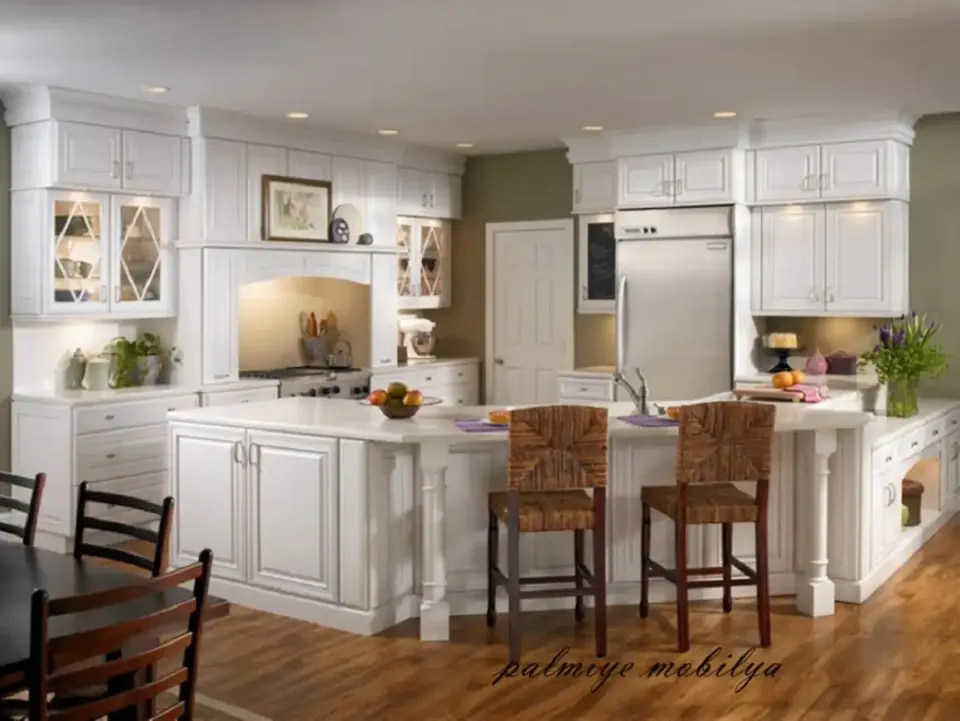
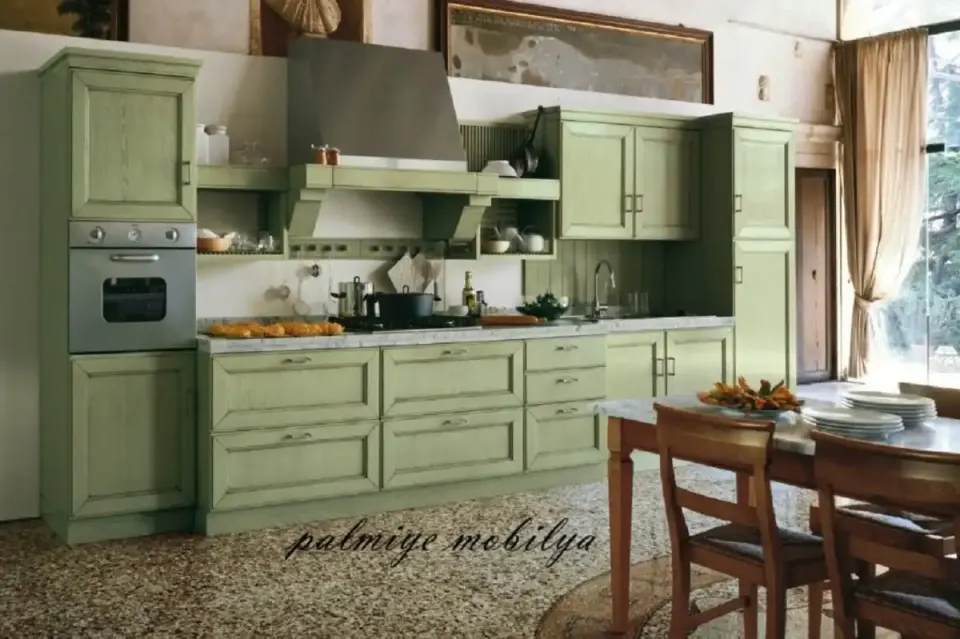
Wood Veneer Kitchen Cabinets Turkey

Wood Veneer Kitchen Cabinets Turkey: The Ultimate Engineering, Sourcing, and Architectural Guide
The international landscape of luxury kitchen design is experiencing a major architectural shift. Homeowners, real estate developers, and interior architects are increasingly moving away from synthetic laminates and monolithic solid timber in favor of materials that offer natural warmth, absolute structural stability, and resource efficiency. At the intersection of this global demand lies a highly specialized manufacturing cluster. Sourcing Wood Veneer Kitchen Cabinets Turkey has quickly evolved from a regional trade alternative into a premier international procurement standard.
The modern kitchen is no longer just a functional cooking space; it is the architectural anchor of the contemporary home. It is an environment subjected to intense daily physical stress, including high moisture levels, heat from cooking appliances, and mechanical wear from constant use. Designing cabinetry that can withstand these variables while showcasing unique grain patterns requires a sophisticated manufacturing ecosystem.
When international buyers seek a Wood Veneer Kitchen Cabinets Turkey partner, they tap into an industrial network where centuries-old Anatolian woodworking traditions are seamlessly integrated with European Industry 4.0 automation, advanced chemical coating engineering, and highly efficient global logistics. This comprehensive industry guide provides a technically rigorous, in-depth analysis of the engineering, design configurations, and global procurement strategies behind Wood Veneer Kitchen Cabinets Turkey.
1. The Strategic Advantages of Sourcing Wood Veneer Kitchen Cabinets Turkey
To understand why the global market for Wood Veneer Kitchen Cabinets Turkey has expanded so rapidly, one must analyze the underlying structural, economic, and geopolitical forces shaping the country’s contemporary woodworking sector. Turkey does not operate merely as a final assembly hub; it controls a deeply integrated, highly resilient domestic supply chain from forest to factory.
Geopolitical Position and Customs Efficiency
Turkey occupies a critical geographic position bridging Europe, Asia, and Africa. For global supply chain managers, this strategic location translates into significantly shorter transit times compared to East Asian manufacturing hubs.
Premium cabinetry produced in major Turkish manufacturing clusters can reach central European destinations within days via established road freight networks, and North American ports within a few weeks via direct transatlantic shipping lanes. Furthermore, Turkey’s long-standing Customs Union agreement with the European Union guarantees that all industrial outputs, including Wood Veneer Kitchen Cabinets Turkey, adhere strictly to European safety, quality, and environmental regulations, eliminating complex custom clearance processes for European buyers.
The Hybrid Manufacturing Philosophy: Heritage Craft and Automation
The Turkish furniture and cabinetry sector is built upon a foundation of multi-generational woodworking expertise. Industrial regions such as İnegöl (Bursa), Siteler (Ankara), and the specialized industrial zones of Istanbul and Kayseri house an immense pool of skilled craftsmen who understand the natural behavior of timber, veneers, and complex finishes.
Over the past two decades, this artisan foundation has been augmented by massive capital investments in German and Italian Industry 4.0 machinery. Modern factories producing Wood Veneer Kitchen Cabinets Turkey utilize automated 5-axis CNC routers, laser edge-banders, computerized slice-matching systems, and pressurized dust-free UV curing lines. This powerful synthesis ensures that while complex design details and custom grain configurations benefit from human artisan oversight, the structural components are cut, milled, and drilled with hyper-precise tolerances measured in fractions of a millimeter.
Economic Optimization Without Quality Compromise
The macroeconomic landscape of Turkey allows its manufacturing facilities to offer premium, architectural-grade products at an incredibly advantageous cost structure for foreign currency buyers. Lower operating overheads, highly optimized localized supply chains (such as the proximity to major domestic chemical, glass, and hardware producers), and a highly efficient, skilled workforce mean that custom-designed Wood Veneer Kitchen Cabinets Turkey often cost substantially less than standard-grade, mass-produced particleboard units manufactured in Western Europe or North America. International buyers capture these macroeconomic savings without sacrificing quality; instead, they upgrade their project specifications from basic substrates to premium moisture-resistant core materials, rare wood veneers, and high-end European hardware.
2. Technical Anatomy: Understanding Wood Veneer and Substrate Engineering
To appreciate the technical superiority of Wood Veneer Kitchen Cabinets Turkey, it is essential to dismantle the misconception that wood veneer is an inferior substitute for solid wood. In contemporary kitchen architecture, high-end engineered wood veneer cabinetry is structurally superior to solid wood for large cabinet faces and drawer fronts due to the underlying physics of material movement.
The Physics of Wood Veneer Stability
Solid wood is a highly hygroscopic material. It naturally absorbs and releases moisture from the surrounding atmosphere, expanding and contracting across its grain profile. When solid wood is used for wide, flat structures like large kitchen island back panels or tall pantry doors, this continuous micro-movement inevitably leads to cupping, bowing, twisting, or cracking over time, especially when subjected to the fluctuating heat and humidity of a kitchen.
A wood veneer is a micro-thin layer of genuine premium hardwood—typically ranging from 0.4mm to 2.0mm in thickness—that is sliced directly from a solid log. This thin sheet of natural timber is then bonded under immense heat and hydraulic pressure onto a highly stable, engineered core substrate using advanced water-resistant adhesives. Because the veneer layer is so thin, its natural swelling forces are completely neutralized by the mass of the inert core panel. The result is a cabinet door that showcases 100% of the authentic visual beauty, grain depth, and tactile warmth of real timber, while remaining completely flat and structurally inert regardless of seasonal climate shifts.
┌─────────────────────────────────────────────────────────────┐ │ Cross-Sectional Anatomy of a Wood Veneer Panel │ └─────────────────────────────────────────────────────────────┘ ┌─────────────────────────────────────────────────────────┐ ◄── Top Face Veneer (0.6mm) ├─────────────────────────────────────────────────────────┤ ◄── PUR Hot-Melt Adhesive Layer │ │ │ │ │ Moisture-Resistant MDF Core Substrate │ (18mm Polyurethane Filled) │ │ │ │ ├─────────────────────────────────────────────────────────┤ ◄── PUR Hot-Melt Adhesive Layer └─────────────────────────────────────────────────────────┘ ◄── Balance/Backing Veneer (0.6mm)Substrate Metrology: MDF-MR vs. Marine Plywood
The performance of Wood Veneer Kitchen Cabinets Turkey relies heavily on the engineering of the underlying core panel. Leading Turkish manufacturers systematically reject low-density chipboard or standard particleboard for high-end applications, opting instead for two premium substrate options:
- Moisture-Resistant MDF (MDF-MR): Composed of uniform wood fibers blended with specialized hydrophobic synthetic resins and wax binders, compressed under high pressure. MDF-MR provides an exceptionally flat, uniform surface that prevents telegraphing (where sub-surface imperfections show through the thin veneer). It complies with European EN 317 standards, exhibiting a thickness swelling rate of less than 5% to 8% after 24 hours of total water submersion.
- Marine-Grade Multi-Layer Plywood: Constructed from cross-laminated sheets of premium birch or eucalyptus timber bonded with exterior-grade phenolic resins. Plywood offers maximum mechanical strength and maximum screw-retention capacity, making it the preferred choice for structural cabinet carcasses and heavy-duty drawers.
3. The Veneer Slicing and Matching Masterclass
The visual soul of Wood Veneer Kitchen Cabinets Turkey is determined by how the raw timber logs are cut and how the resulting veneer leaves are arranged across the kitchen layout. Turkish slicing facilities deploy precise mechanical configurations to extract distinct graphic patterns from domestic and imported hardwoods.
Mechanical Slicing Methodologies
The angle at which a log is brought to the slicing blade dictates the geometry of the grain pattern:
- Plain Slicing (Flat Slicing): The log is cut parallel to a line through its center. This producing a distinct "cathedral" grain pattern, characterized by sweeping, concentric arches. It is highly favored for traditional, transitional, and rustic kitchen aesthetics.
- Quarter Slicing: The log is sliced at a 90-degree angle to its growth rings. This results in a highly linear, uniform, and straight grain pattern. In certain wood species like Oak, quarter slicing exposes the medullary rays, creating beautiful fleck or flake figurations. It is widely specified for minimalist, contemporary architectural styles.
- Rift Slicing: Utilized primarily on Oak logs, the cut is made at a specific 15-degree angle to the radius of the log. This creates a hyper-consistent, straight grain profile without exposing any medullary ray flakes, ensuring absolute uniformity across expansive cabinet runs.
Graphic Matching Techniques
Once the veneer leaves are sliced, Turkish artisans and automated sorting lines arrange them to ensure visual symmetry across the face of Wood Veneer Kitchen Cabinets Turkey:
┌─────────────────────────────────────────────────────────────┐ │ Veneer Leaf Matching Sequences │ └─────────────────────────────────────────────────────────────┘ [Book Matching] [Slip Matching] ┌───────┐ ┌───────┐ ┌───────┐ ┌───────┐ │ ░░░░█ │ │ █░░░░ │ │ ░░░░█ │ │ ░░░░█ │ │ ░░░░█ │ │ █░░░░ │ │ ░░░░█ │ │ ░░░░█ │ │ ░░░░█ │ │ █░░░░ │ │ ░░░░█ │ │ ░░░░█ │ └───────┘ └───────┘ └───────┘ └───────┘ Mirrored Grain Faces Repeated Linear Grain Creates Visual Symmetry Creates Continuous Texture- Book Matching: Every second veneer leaf is turned over like the pages of a book. This creates a mirrored grain pattern along the joint line, producing highly symmetrical, geometric natural designs. It is the gold standard for high-end feature walls and kitchen island back panels.
- Slip Matching: Veneer leaves are placed in sequence without flipping them. This results in a repeating series of identical linear grain patterns. It is highly effective for clean, modern aesthetics where a uniform, consistent texture is desired.
- Random Matching: Leaves from different logs or different parts of the same log are intentionally mixed. This replicates the rugged, non-repeating look of solid timber planking, ideal for authentic country or farmhouse designs.
- Continuous Grain Matching: The premier hallmark of custom Turkish manufacturing. Rather than treating each door panel as an isolated element, the factory cuts the veneer skins for multiple adjacent cabinet doors from a single, large, continuous veneer panel. This allows the natural grain lines of the wood to flow uninterrupted horizontally or vertically across multiple cabinets, drawers, and appliance panels.
4. Hardwood Taxonomy: Selecting the Definitive Timber Skin
The choice of wood species defines the natural color profile, tactile texture, and ambient mood of the kitchen. Manufacturers of Wood Veneer Kitchen Cabinets Turkey work with a diverse material library, sourcing fine native woods from Anatolian forests and importing select hardwoods from sustainable global reserves.
Anatolian Oak (Quercus robur)
Anatolian Oak is a dominant and timeless choice in the Turkish kitchen industry. Characterized by its strong, open-pore texture and deep golden-brown tones, this timber skin offers exceptional wear resistance. It reacts beautifully to wire-brushing techniques, which clean out the soft springwood grains to create a deep, tactile, three-dimensional topography. Oak veneer is incredibly versatile, adapting easily to deep black charcoal stains, warm honey glazes, or modern white-washed ceruse finishes.
Turkish Walnut (Juglans regia)
Globally revered by luxury furniture designers, genuine Turkish Walnut veneer is the ultimate statement of premium refinement. Its heartwood displays a dramatic color spectrum, ranging from light smoky browns to rich dark chocolates, punctuated by deep charcoal grain streaks and occasional wavy crotch figuring. Turkish Walnut possesses a smooth, closed-pore texture that accepts clear matte lacquers beautifully, creating an elegant surface finish with exceptional depth.
European Ash (Fraxinus excelsior)
European Ash is a dense, highly elastic hardwood favored by contemporary minimalist designers. It features a bold, high-contrast grain pattern set against a pale cream or straw-colored background. Because of its light natural hue, Ash veneer serves as a clean canvas for advanced staining techniques. Turkish factories often apply translucent, vibrant pigment stains to Ash veneer, allowing colors like deep olive green, slate blue, or muted terracotta to tint the wood while leaving the bold, natural grain fully visible.
Olive Wood (Olea europaea)
For ultra-luxury, bespoke focal points or limited-edition kitchen islands, native Aegean Olive Wood veneer offers unparalleled visual drama. Olive wood features a highly irregular, swirling grain structure filled with contrasting yellow-gold and deep black wavy bands. Because the olive tree grows slowly and twists organically, extracting wide, continuous veneer sheets requires immense skill. Turkish artisans carefully piece together these highly figured veneer leaves using marquetry techniques, creating one-of-the-kind architectural statements.
Reconstituted (Engineered) Veneers
For massive commercial developments or high-volume multi-unit residential contracts where absolute grain uniformity is required across thousands of cabinet doors, Turkish factories utilize eco-friendly reconstituted veneers.
Fast-growing, sustainably harvested logs (such as Poplar or Ayous) are sliced into thin sheets, dyed dyed systematically in non-toxic chemical baths, and restacked in specialized molds. Under immense hydraulic pressure, they are bonded into a new engineered block that is then sliced a second time at precise angles. This process allows engineers to simulate rare or exotic wood grains (like Ebano, Teak, or Zebrano) with absolute color and grain consistency, eliminating the natural variations found in wild timber.
5. Architectural Style Integration and Front Geometry
The manufacturing flexibility of top Turkish exporters ensures that Wood Veneer Kitchen Cabinets Turkey can be integrated seamlessly into any global design language. The shape, edge treatment, and handling configurations of the cabinet fronts are meticulously engineered to support specific design themes.
Modern Handle-less Minimalist (The Gola System)
Highly favored for luxury European developments and urban penthouses, this configuration strips away surface hardware to celebrate the pure grain architecture of the wood veneer.
- Front Geometry: Completely flat, flush slab doors. The edges are finished with thick, real wood edge-banding (up to 2mm thick) that is cross-milled and radiused to ensure a seamless transition from the face to the sides.
- Kinetic Integration: Aluminum or matching veneered Gola profile rails are recessed directly into the cabinet carcass. This creates a discrete horizontal or vertical channel behind the door front, allowing the user to slide their fingers behind the wood veneer panel to open it effortlessly. Alternatively, heavy-duty mechanical tip-on or electronic servo-drive push systems are embedded for a true touch-to-open experience.
- Visual Execution: Continuous horizontal grain matching is heavily prioritized here, ensuring the wood grain flows uninterrupted across the entire kitchen facade like a single piece of living art.
The Transitional Shaker Upgrade
A classic configuration that balances traditional warmth with clean, contemporary lines, highly sought after in the North American and British markets.
- Front Geometry: A traditional five-piece Shaker construction consists of a flat center panel enclosed by raised stiles and rails. In standard manufacturing, the joints between the stiles and rails can split due to moisture movement.
- The Turkish Solution: High-end Wood Veneer Kitchen Cabinets Turkey producers solve this through precise CNC engineering. They take a thick moisture-resistant MDF panel and use automated routers to mill out the recessed center profile from a single monolithic sheet. They then wrap the entire three-dimensional Shaker facade in a continuous, vacuum-pressed skin of genuine wood veneer. This creates a stable Shaker door with zero structural joints that could shift or separate under kitchen moisture stress.
Industrial Concrete and Metal Fusion
A raw, architectural aesthetic that pairs the warmth of natural wood veneer with cold, industrial textures.
- Front Geometry: Slab veneer fronts combined with specialized texture coatings. Turkish factories excel at combining wood veneers with hand-applied micro-cement or liquid metal finishes on adjacent cabinet runs.
- Visual Execution: For example, the upper wall cabinetry and heavy island base may feature wire-brushed, dark-stained Anatolian Oak veneer, while the tall pantry wall is finished in a textured, matte-cured iron or burnished brass coat. This contrast highlights the organic nature of the wood veneer against the industrial backdrop.
6. Sourcing Cost Metrics and Sourcing Optimizations
Procuring Wood Veneer Kitchen Cabinets Turkey requires an understanding of the industrial cost drivers and trade frameworks that influence the final Total Cost of Ownership (TCO). The project investment is dictated by veneer rarity, substrate selection, and hardware integration.
Sourcing Tiers Matrix
| Cost Sourcing Tier | Base Materials & Substrates | Veneer Slicing & Matching Style | Integrated Hardware Configuration | Optimal Architectural Target |
|---|---|---|---|---|
| Tier 1: Commercial Contract | Standard Moisture-Resistant MDF (18mm) core. | Plain sliced, slip-matched reconstituted or domestic beech veneer. | Samet soft-close hinges, full-extension basic drawer runners. | High-density residential developments, premium multi-family rental projects. |
| Tier 2: Premium Architectural | Premium EN 317 MDF-MR core. | Rift or quarter-sliced Anatolian Oak or Ash veneer with continuous grain matching. | Blum Tandembox or Hettich Architech soft-close runners, Camar brackets. | High-end single-family custom residences, luxury condominiums, hospitality suites. |
| Tier 3: Artisan Bespoke Luxury | Multi-layer Marine-Grade Birch Plywood core. | Rare Turkish Walnut or figured Olive Wood, book-matched with horizontal grain flow. | Blum Legrabox or electronic Servo-Drive touch automation, Gola tracking. | Premium penthouses, ultra-luxury custom villas, architectural showcase estates. |
Customs Duties, Trade Frameworks, and Tariff Analysis
The financial benefit of choosing Wood Veneer Kitchen Cabinets Turkey is significantly amplified when analyzing international trade frameworks:
- The European Union and United Kingdom Market: Under the terms of the EU-Turkey Customs Union agreement, manufactured industrial goods—including cabinetry and kitchen millwork—produced in Turkey enter the EU with 0% customs duties, provided the manufacturer provides an A.TR movement certificate. For United Kingdom trade, the post-Brexit UK-Turkey Free Trade Agreement provides identical duty-free access under preferential rules of origin, eliminating major overhead costs for European developers.
- The United States Sourcing Landscape: Cabinetry imported from Turkey into the US falls under standard Harmonized Tariff Schedule (HTS) codes, with baseline duties generally ranging between 0% and 8%, depending on the exact material classification. Crucially, Wood Veneer Kitchen Cabinets Turkey are entirely free from the severe retaliatory Section 301 tariffs or massive anti-dumping penalties that apply to many East Asian manufacturing hubs. This allows US developers, hospitality groups, and large-scale distributors to secure premium, architectural-grade wood kitchens without facing punitive financial trade barriers.
7. Advanced Edge-Banding and Chemical Coating Systems
The edge profiles and chemical finishes applied to a wood-veneered cabinet door represent its primary defense lines against liquid water infiltration, thermal degradation from nearby ovens, and mechanical impact scratches. Turkish finishing laboratories implement rigorous chemical processing steps to protect the underlying timber.
High-Performance Edge-Banding Metrology
The edges of a veneered slab door are its most vulnerable points. If water spills over a countertop and runs down the cabinet door face, it can pool along the bottom edge, leading to veneer delamination if poorly sealed.
- Laser and PUR Edge-Banding Automation: Leading producers of Wood Veneer Kitchen Cabinets Turkey utilize German HOMAG or Italian BIESSE edge-banders equipped with Polyurethane (PUR) hot-melt adhesive or zero-joint laser fusion technologies. Unlike standard EVA glues which can melt when exposed to steam from dishwashers or hot ovens, PUR adhesives undergo a chemical cross-linking process as they cure, creating an completely waterproof bond that can withstand temperatures from -40°C to over 150°C.
- Solid Wood Edge Strips: To protect cabinet doors from impact chipping, premium factories apply thick solid wood edge bands (ranging from 1mm to 3mm thick) directly to the substrate before the face veneer skin is laminated over the top. This hides the edge seam beneath the face veneer, creating a clean look that mimics solid timber while providing robust edge protection.
Advanced Protective Chemical Coating Laboratories
Once edge-banded and sanded, the veneered cabinet panels enter pressurized, dust-free finishing chambers where advanced multi-layer clear coats are applied:
┌─────────────────────────────────────────────────────────────┐ │ Chemical Coating Layer Architecture │ └─────────────────────────────────────────────────────────────┘ ┌─────────────────────────────────────────────────────────┐ ◄── Acrylic PU Topcoat (With UV Inhibitors) ├─────────────────────────────────────────────────────────┤ ◄── Intermediate Fine Sanding (320-Grit) ├─────────────────────────────────────────────────────────┤ ◄── Sealer / Isolation Coat (Moisture Barrier) ├─────────────────────────────────────────────────────────┤ ◄── Translucent Pigment Stain (Optional) ├─────────────────────────────────────────────────────────┤ ◄── Natural Wood Veneer Substrate Skin └─────────────────────────────────────────────────────────┘- Polyurethane (PU) Acrylic Coating Systems: This represents the industrial standard for premium Turkish export cabinetry. The acrylic PU formulation provides an elastic yet hard surface layer with exceptional scratch resistance. Crucially, these topcoats contain high concentrations of UV-inhibitors. Wood is a natural material that changes color when exposed to light; UV-inhibitors prevent light-colored veneers (like Ash or White Oak) from turning yellow and dark veneers (like Walnut) from bleaching under direct sunlight.
- Water-Based UV-Cured Italian Lacquers: Driven by global demand for sustainable, non-toxic manufacturing, premier Turkish producers have transitioned to eco-friendly water-based lacquers. These coatings are cured instantly using high-intensity Ultra-Violet (UV) light tunnels, causing the molecules to cross-link into a highly dense, non-porous shield that is highly resistant to grease, steam, and common staining agents like red wine, coffee, or citrus juices.
- Natural Hardwax Oil Treatments: For projects where a highly tactile experience is desired, Turkish artisans apply natural hardwax oils (such as Rubio Monocoat or Osmo). These oils penetrate deep into the wood fibers to protect from within while leaving the natural open pores of the wood accessible to the touch. This finish is popular for ultra-luxury projects because it is easily repairable on-site without requiring factory refinishing.
8. Hardware Engineering and Structural Carcass Joinery
A kitchen cabinet’s true quality is revealed by its internal engineering and the mechanical components that handle thousands of open-and-close cycles over its lifetime. When procuring Wood Veneer Kitchen Cabinets Turkey, understanding the structural build parameters of the carcass ensures you are receiving an heirloom-quality product.
Carcass Engineering and Joinery Methods
The structural box (carcass) that supports the heavy stone countertops and veneered doors must be built to absolute squareness and rigidity.
- Dowel and Cam-Lock Assembly System: For modular or flat-pack export contracts, Turkish factories utilize highly precise computer-controlled drilling lines to machine matching holes for hardwood dowels and heavy-duty steel cam fasteners. This ensures a rock-solid, repeatable mechanical connection that allows the kitchen to be assembled easily on-site without degrading the material core.
- Blind Mortise-and-Tenon Joinery: For pre-assembled, rigid-shipped luxury cabinetry, components are interlocked using traditional tenons cut via CNC, glued under hydraulic clamping pressure, and back-screwed for lifelong structural integrity.
- Interior Linings: Carcass interiors are typically finished with a matching wood veneer, a premium wood-grain textured melamine skin, or a clean linen-patterned laminate that is easy to wipe clean.
Premium Hardware Integrations
A high-end Wood Veneer Kitchen Cabinets Turkey specification demands hardware components of identical caliber. Leading Turkish manufacturers maintain deep corporate integrations with world-class international hardware giants, including Blum (Austria), Hettich (Germany), and Häfele (Germany), as well as Turkey's premier domestic manufacturer, Samet.
- Concealed Hinges: Standard configurations include 110-degree clip-on hinges equipped with integrated, switchable soft-close liquid dampeners and three-way independent mechanical adjustment screws for perfect door gap alignment.
- Drawer Glides: Under-mount, fully concealed synchronized runner systems—such as the Blum Legrabox or Hettich AvanTech YOU lines—ensure smooth movement. These systems feature dynamic load capacities ranging from 40kg to 70kg per drawer, ensuring that deep pot drawers filled with heavy cast-iron cookware operate smoothly and silently without sagging over time.
9. Smart Architecture: Technology and Spatial Integration
The contemporary wood veneer kitchen is no longer a collection of passive wooden boxes; it has evolved into a tech-integrated architectural installation. Sourcing Wood Veneer Kitchen Cabinets Turkey allows designers to incorporate advanced automation and spatial optimizations directly into the factory assembly process.
Integrated Low-Voltage LED Lighting
Lighting is a critical architectural tool used to highlight the natural grain textures of wood veneer while providing essential functional illumination.
- CNC Routed Channels: Turkish factories use precise CNC routing to cut hidden tracks into the underside of wall cabinets, interior drawer dividers, and cabinet bases. Aluminum profile extrusions equipped with opal white diffusers are flush-mounted into these tracks, eliminating visible hot-spots and creating a seamless wash of light.
- Sensory Controls: Low-voltage (12V/24V) LED strips—fully certified to international CE (Europe) and UL (North America) standards for wet and warm environments—are wired to hidden proximity sensors. Open a drawer or wardrobe door, and the interior illuminates instantly; close it, and the system powers down silently.
Pocket Door Systems and Hidden Pantries
For modern open-concept floor plans, the kitchen must occasionally fade into the background. Sourcing Wood Veneer Kitchen Cabinets Turkey allows for the integration of advanced mechanical door systems that conceal functional zones:
- Scissor Pocket Door Hardware: Utilizing specialized hardware like the Hawa Concepta (Switzerland) or Salice Exedra (Italy) lines, tall veneered pantry doors can be opened 90 degrees and then slid smoothly back into integrated pockets along the sides of the cabinet carcass. This allows full, unobstructed access to coffee stations, secondary ovens, or wet bars during meal prep, and enables the kitchen to be closed into a clean veneer wall facade when guests arrive.
10. Supply Chain Logistics: From Factory to Global Destination
Successfully managing an international procurement contract for custom wood cabinetry relies heavily on flawless design planning, robust protective packaging engineering, and optimized container shipping protocols. As an export-driven economy, Turkey's leading manufacturers have developed highly disciplined logistics systems.
Technical Design Verification and the "Design Freeze" Sequence
To completely eliminate manufacturing errors before any raw materials are cut, Turkish factories follow a rigorous architectural workflow:
- CAD Data Submission: The international buyer transfers the architectural floor plans, plumbing rough-in schematics, electrical outlet layouts, and technical data sheets for all selected appliances to the factory’s engineering department.
- Production Shop Drawings: The factory translates these architectural concepts into detailed production blueprints utilizing advanced design platforms like SolidWorks or IMOS. These blueprints define every component dimension down to the millimeter, including exact clearance zones for plumbing p-traps, structural internal bracing, and hardware pre-drilling coordinates.
- The Design Freeze: The buyer reviews, adjusts, and signs off on the final shop drawings. Production timelines begin only after this formal "Design Freeze," ensuring complete alignment on dimensions, colors, and hardware specifications.
Advanced Export Packaging Engineering
Wood veneer cabinets have delicate finishes that can easily be damaged during sea and land transport if packaged incorrectly. Premium Turkish manufacturers utilize rigorous export packing methods to prevent transit damage:
- Rigid Pre-Assembled vs. Flat-Pack (Knocked Down - KD) Sourcing: Buyers can choose between two primary configurations. Rigid pre-assembled shipping means the cabinets are fully put together, hinges calibrated, and drawer glides aligned at the factory, which significantly reduces on-site installation time but consumes more container volume. Flat-pack shipping maximizes container density, drastically reducing freight costs per unit, but requires highly skilled labor for on-site assembly.
- High-Density Corner and Surface Shielding: Every individual cabinet or component panel is completely wrapped in non-abrasive, high-gauge polyethylene foam sheeting to prevent surface abrasions. All structural corners—the most common failure points during transit shocks—are protected by thick, high-density molded polystyrene edge protectors or heavy-duty honeycomb cardboard corner guards.
- Hydroscopic Protection (Vacuum Wrapping): Because shipping containers crossing oceans face extreme relative humidity and temperature fluctuations, moisture can condense on the interior walls of the container (a phenomenon known as "container rain"). To protect the kiln-dried wood components and finishes, pallets are wrapped in heavy-duty industrial shrink-wrap combined with industrial silica gel desiccant packs to maintain an optimal microclimate inside the packaging.
- ISPM-15 Certified Crating: All pallets, wooden crates, and dunnage materials used for international transport are heat-treated and stamped in accordance with ISPM-15 global standards to ensure they are free of pests, preventing any delays at international customs checkpoints.
11. Environmental Stewardship and Green Building Certifications
Modern luxury and commercial compliance are deeply intertwined with ecological sustainability and human health metrics. Sourcing Wood Veneer Kitchen Cabinets Turkey aligns seamlessly with modern green building initiatives, ensuring that your architectural choices do not contribute to deforestation or poor indoor air quality.
Sustainable Forestry and Chain of Custody
Turkey enforces strict state forestry laws managed by the General Directorate of Forestry (OGM), ensuring that domestic logging occurs only within designated, scientifically managed production zones under sustainable annual quotas. To meet global green building standards, top-tier Turkish kitchen manufacturers maintain full Chain of Custody (CoC) certifications:
- Forest Stewardship Council (FSC): An FSC CoC certificate guarantees that the timber, wood pulp, or wood fibers used in the production of the moisture-resistant MDF or marine plywood cores can be tracked all the way back to a responsibly managed forest that protects local biodiversity, indigenous land rights, and workers' rights.
- Programme for the Endorsement of Forest Certification (PEFC): Widely utilized throughout European procurement networks, PEFC certification confirms that the wood supply chain adheres to the highest ecological, social, and ethical standard frameworks.
Formaldehyde Controls and Indoor Air Quality
Cabinetry can sometimes off-gas significant volumes of volatile organic compounds (VOCs), primarily formaldehyde found in cheap adhesives. Compliant Turkish exporters of bathroom and kitchen furniture utilize core substrates and adhesive systems that adhere strictly to the European E1 and E0 health standards, as well as the CARB Phase 2 (California Air Resources Board) and TSCA Title VI requirements for the North American market.
By prioritizing premium moisture-resistant MDF that utilizes low-formaldehyde binders, and combining them with low-VOC water-based Italian lacquers, manufacturers ensure that the finished kitchen will never emit hazardous chemical vapors into a home, protecting the long-term respiratory health of the occupants and qualifying for premium LEED or BREEAM building credits.
12. Maintenance, Preservation, and Lifetime Care Metrology
While Wood Veneer Kitchen Cabinets Turkey are engineered to provide decades of flawless service, their long-term preservation requires adherence to simple, scientifically grounded maintenance and care protocols. Wood responds dynamically to its environment, rewarding proper care with an evolving, beautiful natural patina.
Microclimate Calibration (The 40-60 Rule)
Because wood remains a hygroscopic material throughout its life, maintaining a stable indoor environment is critical to minimizing natural dimensional shifting.
- Relative Humidity (RH): The optimal indoor relative humidity for wood veneer cabinetry should be maintained between 40% and 60%. If the air becomes excessively dry (e.g., during intense winter heating seasons), the wood can shrink slightly, leading to small gaps at joints. If the air becomes too humid (e.g., during peak summer without air conditioning), the wood can swell. Maintaining this balance via standard HVAC climate controls or simple home humidifiers/dehumidifiers completely neutralizes these risks.
- Ambient Temperature: Interior temperatures should remain consistent, ideally between 18°C and 24°C (65°F to 75°F). Drastic, sudden thermal shocks (such as placing a radiant space heater directly adjacent to a veneered panel) must be strictly avoided.
Surface Sanitation Protocols
For daily cleaning of lacquered or polyurethane-sealed wood veneer surfaces, harsh chemical cleaners must be avoided, as they can strip or cloud the protective topcoat.
- The Recommended Method: Use a soft, lint-free microfiber cloth lightly dampened with warm water and a tiny drop of pH-neutral, solvent-free dish soap. Wipe along the direction of the natural wood grain to pull dirt out of the pores, rather than pushing it in.
- The Drying Sequence: Immediately follow up with a second, completely dry microfiber cloth to absorb any residual surface moisture. Never allow water to pool on joints, corners, or behind the sink area.
- Chemical Containment: Avoid any cleaning products containing ammonia, bleach, abrasive scouring powders, silicone-based sprays, or strong industrial solvents. These chemicals can chemically break down the top lacquer over time, leaving the underlying wood vulnerable to moisture infiltration.
Thermal and Mechanical Isolation
To ensure the integrity of the kitchen's finish and structural joints over decades of rigorous daily use, simple operational boundaries should be practiced:
- Steam Redirection: Small countertop appliances that generate intense, concentrated steam (such as espresso machines, high-temperature electric kettles, or multi-cookers) should never be operated directly underneath upper cabinet runs. Over time, the rising steam can heat and weaken the wood finishes and structural edge-band adhesives. These appliances should be placed on kitchen islands or open countertop areas where steam can dissipate freely.
- Thermal Buffering: Hot pots and pans straight from the oven or stovetop must never be placed directly onto a wood veneer surface or solid wood edge band. Always utilize trivets, heat pads, or integrated stainless steel hot-rods set into the wood surface to buffer the thermal energy and protect the timber's finish from scorching.
13. Strategic Summary: Securing Procurement Success
Sourcing Wood Veneer Kitchen Cabinets Turkey represents an elite strategic opportunity for international architects, interior designers, commercial real estate developers, and high-volume furniture distributors to secure world-class kitchen millwork that bridges the gap between old-world artisan craftsmanship and forward-thinking Industry 4.0 production efficiency.
By mastering the underlying material science—from verifying the hydrophobic expansion metrics of moisture-resistant MDF (EN 317) to understanding the mechanical load tolerances of heavy-duty drawer glides and the chemistry of UV-cured polyurethane finishes—procurement professionals can confidently structure contracts that deliver long-term architectural value and exceptional aesthetics.
As you prepare to advance your next commercial development or residential renovation project, focusing on a few critical project definitions will help streamline your initial engineering consultations with your chosen manufacturing partners: