Hornbeam Solid School Desks Turkey
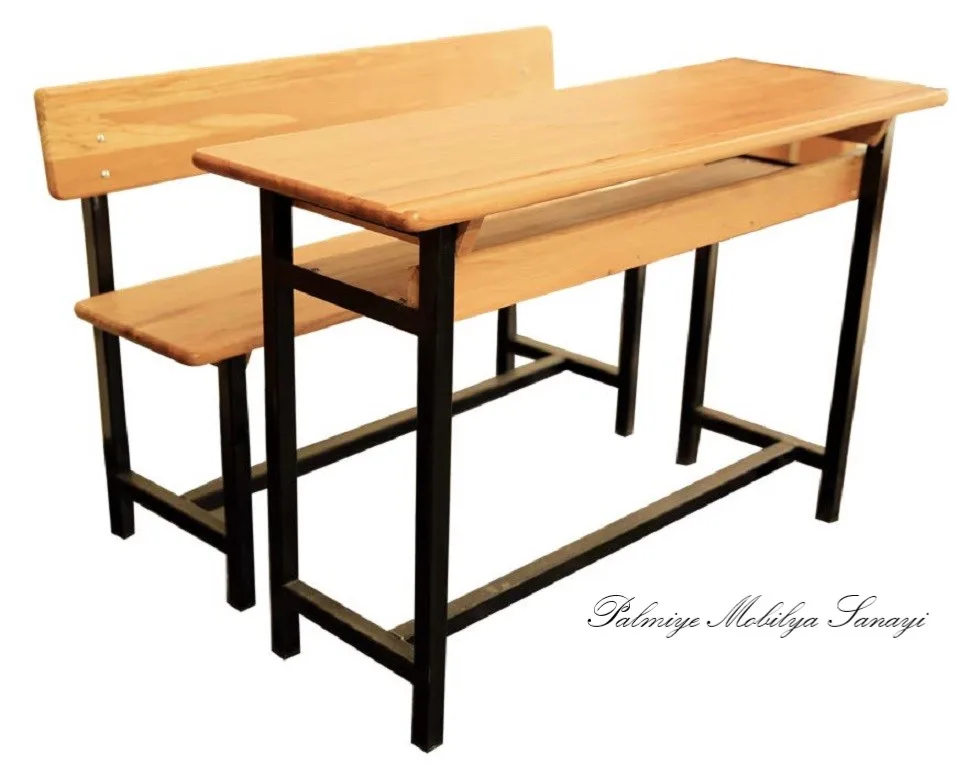
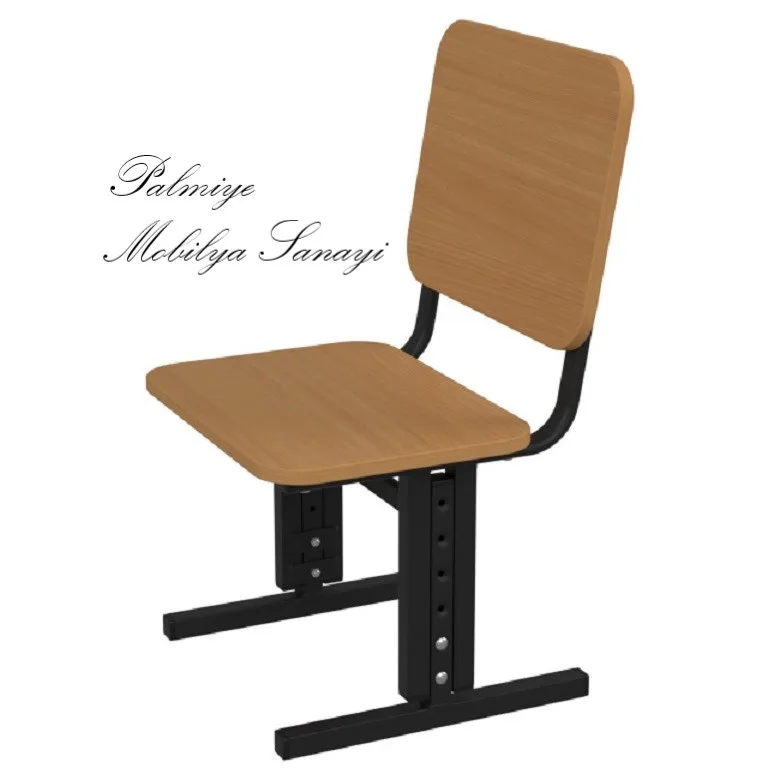
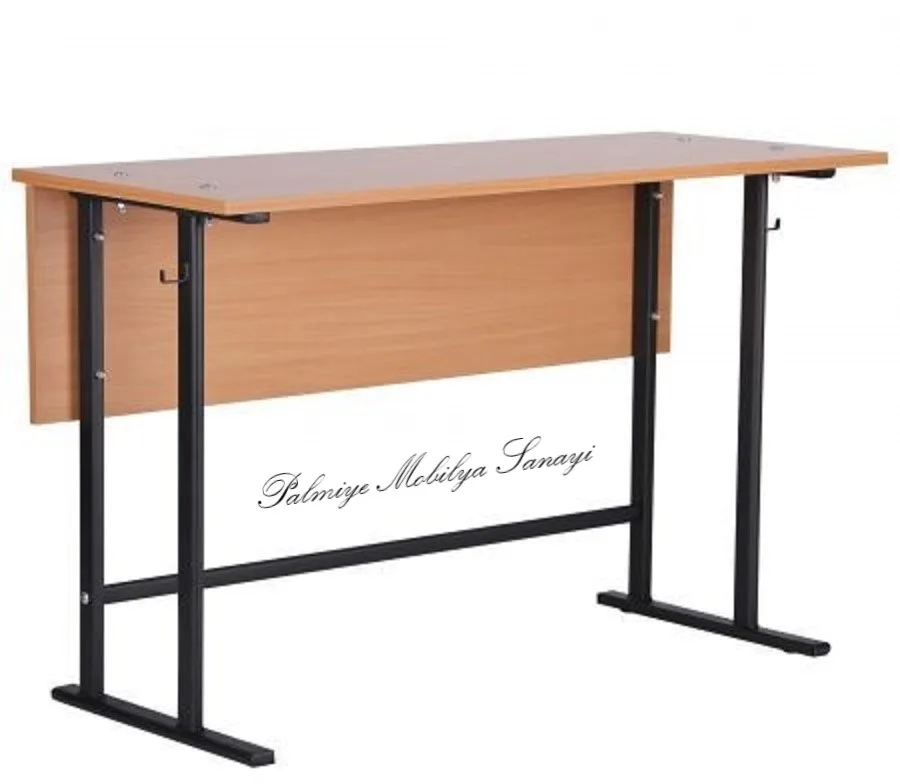
Hornbeam solid school desks Turkey represents the absolute pinnacle of institutional furniture engineering, combining heavy-duty durability with ergonomic structural safety. Educational institutions worldwide face a common, persistent challenge: school desks are subjected to relentless physical stress, impacts, scratches, and chemical exposure from daily student usage over decades. To withstand this intense operational lifecycle, standard particleboard, laminate, or softwoods are entirely inadequate.
The global institutional furniture market has turned decisively toward hornbeam solid school desks Turkey. Hornbeam (Carpinus betulus) is one of the densest, hardest, and most shock-resistant native hardwoods found in the European and Anatolian forest ecosystems. When processed by Turkey’s advanced industrial furniture complexes, this exceptional timber is transformed into highly durable, ergonomically sound, and sustainable school desks. This comprehensive, technically in-depth guide explores the material science, manufacturing technologies, ergonomic principles, geographic clusters, and procurement frameworks defining the hornbeam solid school desks Turkey industry.
The Botanical Engineering and Material Science of Hornbeam Wood
The long-term performance and structural stability of hornbeam solid school desks Turkey depend heavily on the unique anatomical characteristics of the hornbeam tree. Understanding why hornbeam outperforms other traditional hardwoods like beech, oak, or maple in institutional settings requires a deep dive into wood physics and cellular biology.
Density, Hardness, and Mechanical Strength Profiles
Hornbeam is historically known in traditional European carpentry as “ironwood” due to its extreme density and mechanical resistance. On the Janka Hardness Scale—which measures the resistance of a wood sample to denting and wear—native Turkish hornbeam routinely scores between 1,600 and 1,800 lbf (pounds-force). For comparison, this makes hornbeam significantly harder than white oak (1,360 lbf), rock maple (1,450 lbf), and European beech (1,300 lbf).
The oven-dry density of hornbeam wood ranges from approximately 750 kg/m³ to 810 kg/m³. This high density is the result of its extremely tight, fine, and interlocked cellular structure. The wood fibers are closely packed with minimal vascular pore diameters, giving it exceptional resistance to perpendicular compression, splitting, and structural bending forces. In a school environment, this means that a desktop fashioned from solid hornbeam can easily withstand heavy impacts from dropped bags, structural stress from students leaning or sitting on the desks, and intentional vandalism like scratching or gouging without showing deep structural scars.
Flexural Strength and Elastic Modulus
Beyond sheer hardness, hornbeam solid school desks Turkey benefit from the timber’s high Modulus of Rupture (MOR) and Modulus of Elasticity (MOE). Hornbeam exhibits a flexural strength (MOR) of approximately 130 to 145 MPa (Megapascals) and an elasticity modulus (MOE) exceeding 14,000 to 16,500 MPa.
These mechanical properties signify that hornbeam can absorb significant dynamic shocks and heavy vibrational energy without suffering internal structural fractures. This makes it an ideal wood for long, continuous desktop surfaces or structural frames where flexibility under stress prevents permanent structural warping or joint failure over decades of active classroom use.
Cellular Anisotropy and Kiln-Drying Protocols
Despite its mechanical advantages, hornbeam is notoriously difficult to dry and machine due to its high shrinkage coefficients. Raw hornbeam possesses a tangential shrinkage rate of roughly 11.5% and a radial shrinkage rate of 6.8%. If raw timber is subjected to rapid or unscientific drying methods, it will warp, split, twist, or develop severe internal stresses.
The technical excellence of hornbeam solid school desks Turkey lies in the advanced kiln-drying protocols perfected by Turkish industrial lumber mills. Raw hornbeam boards undergo a slow, computerized, multi-stage seasoning process inside modern kiln complexes:
- Air-Seasoning Phase: Sawn timber is stacked in cross-ventilated sheds for several months to gradually reduce free water content within the wood cells.
- Pre-Conditioning and Steaming: The lumber is introduced to high-temperature steam environments to equalize internal moisture gradients and relieve growth-related stresses within the interlocked grain.
- Dehumidification Kiln Drying: The wood follows a strict, slow temperature-and-humidity schedule over 15 to 25 days, reducing bound moisture content to a precise, structurally stable window of between 8% and 10%.
This precise moisture target ensures that the final engineered school desks remain perfectly flat, structurally stable, and entirely immune to cupping, splitting, or joint separation when exported to different global climate zones, ranging from arid desert schools to highly humid tropical classrooms.
Technical Breakdown: The Advanced Manufacturing Process
The production of hornbeam solid school desks Turkey merges advanced automated machinery networks with traditional quality controls to convert dense lumber into robust, finished classroom furniture at a massive industrial scale.
Phase 1: Material Defect Scanning and Component Sizing
Kiln-dried hornbeam lumbers are fed into automated cross-cut lines equipped with high-speed optical scanning cameras. These scanners utilize laser reflection and artificial intelligence to detect natural timber defects, such as unstable knots, internal cracks, pith structures, or localized insect damage.
The computerized saw line cross-cuts and rips the timber instantaneously, purging these weak sections and sizing the remaining defect-free wood into optimized blanks for desk tops, seats, backs, and legs. This ensures that only the strongest, most flawless sections of the hardwood enter the assembly stream.
Phase 2: High-Performance Finger-Jointing and Edge-Gluing
Because solid hornbeam trees rarely yield wide, continuous planks completely free of defects, wide desktops are engineered via edge-gluing and finger-jointing technologies. This approach creates an engineered component that is often stronger and more warp-resistant than a single solid piece of wood.
- Finger-Jointing: Shorter blocks of clear hornbeam have interlocking “finger” profiles milled into their ends via precise high-speed shapers. These profiles are coated with structural adhesives and pressed together under high pressure, forming long, continuous structural rails.
- Edge-Gluing: Multiple finger-jointed or solid timber strips are arranged with alternating grain directions to neutralize natural wood warping tendencies. The edges are coated with industrial D3 or D4 water-resistant polyvinyl acetate (PVAc) or polyurethane adhesives. They are loaded into massive multi-section hydraulic rotary edge-gluing presses, clamped under immense pressure, and cured via radio-frequency (RF) heating systems. Within minutes, the individual strips fuse into a unified solid hornbeam panel.
Phase 3: Computerized CNC Machining and Ergonomic Shaping
The glued solid hornbeam blanks move via motorized roller conveyors to heavy-duty, multi-axis industrial CNC machining centers. Given the extreme hardness of hornbeam, these machines utilize specialized tungsten carbide or polycrystalline diamond-tipped (PCD) tooling rotating at high speeds to prevent tool burning and ensure clean, tear-free cuts.
The CNC centers execute multiple crucial steps in a single automated program:
- Sizing the desktop or seat to exact millimeter dimensions.
- Planing and routing human-centric ergonomic curves, including recessed pencil grooves and a 5-degree downward entry slope along the front edge of the desk to reduce pressure on a student’s forearms.
- Deeply routing three-dimensional saddle curves into chair seats and anatomical curvatures into backrests to support spinal alignment.
- Boring precise, high-tolerance pilot holes and blind inserts for mechanical frame connections on the reverse side of the panels.
Phase 4: Multi-Stage Calibration and Abrasive Sanding
To eliminate any micro-ridges or surface splinters, the machined hornbeam panels pass through heavy industrial wide-belt calibration and sanding machines. The panels undergo a multi-pass abrasive sequence, stepping down from coarse P80 and P120 grits to fine P180 and P240 grits. The panels are then passed through high-velocity brush cleaning machines and static-neutralizing air tunnels to strip away all microscopic wood dust before entering the finishing department.
Phase 5: High-Performance Protective Coating Architectures
The surface finish applied to hornbeam solid school desks Turkey must withstand daily physical friction, sweat acidity, ink stains, and aggressive sanitization regimes without peeling or yellowing. Turkish factories deploy multi-layered, eco-friendly finishing systems within pressurized cleanrooms:
- Anti-Bacterial Priming: Panels receive a deep-penetrating water-based acrylic or polyurethane primer infused with non-toxic nano-silver particles, providing permanent anti-bacterial properties to the wood surface.
- Inter-Coat Sanding: The cured primer undergoes light sanding to remove raised wood fibers, ensuring an exceptionally smooth foundation.
- UV-Curable Clear Top-Coating: The components pass through automated roller-coating or reciprocating spray systems where high-solid, UV-curable polyurethane topcoats are applied. The pieces pass immediately beneath high-intensity Ultraviolet light arcs, cross-linking the polymer chains within seconds. This creates a hard, chemically inert protective shield with a flat matte or semi-gloss finish that highlights the natural beauty of hornbeam while resisting water, ink, and impact.
Structural Frameworks: Integrating Timber with Steel Metallurgy
A premium school desk cannot rely on wood alone; the structural integrity depends heavily on the marriage between the solid hornbeam timber and a heavy-duty steel metal undercarriage. The engineering of the metal frame ensures that hornbeam solid school desks Turkey remain stable, quiet, and completely rigid across decades of active institutional service.
Metal Alloy Specifications and Robotic Welding
Turkish school desk factories utilize high-strength, cold-rolled carbon steel tubing or elliptical steel profiles with wall thicknesses ranging from 1.5mm to 2.5mm. Thinner gauge steel is avoided, as it can deform or crack under the heavy leverage forces exerted during classroom use.
The steel profiles are cut and bent into structural shapes using automated CNC tube-bending machines, preserving the metal’s wall thickness and preventing structural wrinkling along the bends. The frame components are transferred to robotic welding cells, where automated Metal Inert Gas (MIG) or Tungsten Inert Gas (TIG) welding robots execute continuous, deep-penetration weld seams. Robotic welding ensures 100% penetration consistency, eliminating the weld porosity or cold joints common in manual welding that can fail under constant dynamic vibration.
Chemical Pre-Treatment and Electrostatic Powder Coating
To prevent long-term corrosion and rust beneath the paint film, the welded steel frames pass through a multi-stage chemical immersion or spray pre-treatment line:
- Alkaline Degreasing: Removing all residual manufacturing oils and rust-preventative lubricants from the steel surface.
- Water Rinsing: Purging remaining alkaline chemicals.
- Iron or Zinc Phosphatization: Depositing a microscopic, crystalline phosphate layer on the steel. This layer acts as an exceptional anti-corrosion barrier and provides a highly textured surface for optimal paint adhesion.
- Deionized Water Rinsing & Drying: Ensuring the frame is entirely clean and dry.
The pre-treated steel frames enter an electrostatic powder coating booth. Automated spray guns impart a negative electrical charge to a dry epoxy-polyester powder, while the steel frame is grounded. The powder clings uniformly to every curve, edge, and internal corner of the metal frame. The coated frames pass into an industrial baking oven maintained at 180°C to 200°C for 15 to 20 minutes, where the powder melts, flows, and cures into a thick, impact-and-scratch-resistant protective shell.
Advanced Mechanical Fastening Engineering
A common failure point in institutional furniture is the direct fastening of screws into raw wood, which can strip over time under stress. Premium hornbeam solid school desks Turkey utilize advanced mechanical fastening configurations.
The reverse side of the solid hornbeam desktop is fitted with high-strength, threaded steel knurled inserts embedded securely inside blind CNC-bored holes. The metal frame is joined to the wood using high-tensile metric M6 or M8 steel bolts driven directly into these steel inserts. This configuration creates a high-torque, steel-to-steel connection that distributes mechanical stress across a larger surface area. It ensures that the desk frame never wobbles, squeaks, or separates from the timber, and allows the desks to be easily disassembled and reassembled for maintenance or transport without damaging the wood fibers.
Ergonomic Principles and International Standardization
The design matrix of hornbeam solid school desks Turkey is closely aligned with international anthropometric research and educational healthcare guidelines. A school desk must do more than hold a notebook; it must actively protect a developing student’s spinal column, reduce muscular fatigue, and support long-term concentration.
Alignment with EN 1729 Standards
Turkish institutional manufacturers design and calibrate their production lines to comply fully with European Standard EN 1729 Part 1 (Functional Dimensions) and Part 2 (Safety Requirements and Test Methods). This standard establishes strict size classifications based on student height ranges, ensuring an optimal ergonomic match from kindergarten through higher education.
| Size Code | Student Stature Range (cm) | Desk Height (±1 cm) | Chair Seat Height (±1 cm) | Color Identification Code |
|---|---|---|---|---|
| 2 | 108 – 121 | 53 | 31 | Violet |
| 3 | 119 – 142 | 59 | 35 | Yellow |
| 4 | 133 – 159 | 64 | 38 | Red |
| 5 | 146 – 176 | 71 | 43 | Green |
| 6 | 159 – 188 | 76 | 46 | Blue |
| 7 | 174 – 207 | 82 | 51 | Brown |
By utilizing these international standards, Turkish manufacturers can easily supply large-scale global tenders, providing buyers with matching size codes tailored to their student demographics.
Human-Centric Geometry and Postural Health
The solid hornbeam components are shaped to promote dynamic, upright posture:
- The Seat Pan: Features a distinct anatomical three-dimensional “waterfall” front edge curve. This design reduces pressure on the popliteal fossa (the back of the knees) and prevents blood circulation restriction during long exams. The seat pan is also given a 2 to 4-degree backward tilt to keep the student’s pelvis firmly positioned against the backrest.
- The Backrest: Engineered with a dual-curvature profile. It features a horizontal concave curve to support the thoracic ribcage and a vertical convex curve to support the lumbar spine, preventing slouching and reducing fatigue.
- Desktop Inclination: Many advanced hornbeam models integrate a subtle 7 to 10-degree incline option across the desktop surface, reducing neck strain and eye accommodation fatigue during reading and writing tasks.
Geographic Clusters of Institutional Production in Turkey
Turkey’s dominance in the global educational furniture market is supported by specialized geographic manufacturing clusters. These zones concentrate raw material access, metallurgical infrastructure, specialized workforce talent, and export logistics to create exceptional production efficiencies.
Kayseri: The Mass-Production Powerhouse
Kayseri, situated in Central Anatolia, holds some of the largest enclosed manufacturing footprints for school furniture in the Europe-Asia region. The mega-factories in Kayseri operate on highly automated, continuous processing matrixes optimized for large-scale institutional contracts.
Kayseri complexes utilize high-speed automated finger-jointing lines and automated robotic steel welding cells to process thousands of hornbeam solid school desks Turkey per day. This cluster is highly focused on logistics optimization, offering efficient knock-down (KD) flat-pack packaging configurations that maximize shipping container capacity and lower per-unit freight costs. It is the primary sourcing destination for ministries of education, international NGOs, and high-volume school furniture distributors.
İnegöl (Bursa): Premium Finishing and Design Innovation
While İnegöl is renowned for residential furniture, it houses highly advanced institutional suppliers that focus on premium, design-forward hornbeam solid school desks Turkey.
The complexes here utilize native hornbeam harvested from the nearby, densely forested Marmara and Black Sea mountain ranges. İnegöl manufacturers excel at custom architectural school projects, offering high-end transitional and university-level amphitheater desk systems where solid hornbeam is integrated with brushed aluminum components, smart wire-management channels, and premium acoustic backing panels.
Ankara (Siteler): Artisanal Precision and Custom Bespoke Lines
Siteler is a historic carpentry district in Ankara, world-famous for its legacy of craftsmanship. In the market for hornbeam solid school desks Turkey, Siteler workshops cater to private academies, elite international schools, and heritage universities demanding custom dimensions, specialized stains, or unique architectural detailing.
Artisans in Siteler maintain a deep understanding of hornbeam wood anatomy, executing intricate hand-inspections and custom finishing treatments that emphasize the natural wood grain while maximizing mechanical surface protections.
Sourcing, Quality Assurance, and Global Logistics Engineering
Enterprise B2B procurement professionals coordinating large international tenders for hornbeam solid school desks Turkey must establish explicit technical parameters, independent verification testing, and protective logistics configurations to safeguard their investments.
Crucial Quality Gate Testing Protocols
To ensure that every container of school furniture delivered to a project site complies with international safety and durability regulations, procurement documentation should mandate certified compliance with the following metrics:
- Static and Dynamic Structural Testing (EN 1729-2): Desks and chairs must pass rigorous independent physical lab loading tests. This includes applying a vertical force of 1,600 Newtons (N) to the desktop and 1,000 N to the chair seat for over 10,000 to 50,000 continuous cycles to simulate intense long-term classroom wear.
- Surface Coating Scratch Resistance (EN 15186): The UV-cured protective coating on the solid hornbeam desktop must be certified to withstand high frictional scratch forces under a diamond-tipped stylus load without peeling or cracking.
- Impact Resilience Test (ISO 4211): Evaluates the solid hornbeam desktop’s resistance to heavy impact drops, ensuring the surface does not shatter, split, or suffer deep, structural deformation when struck by metal objects.
- Formaldehyde and Chemical Emissions (E0 / Non-Toxic Certificates): Because the desks are placed in enclosed classrooms, all adhesives and water-based coatings must carry certified non-toxic, zero-VOC or low-VOC emission classifications to safeguard indoor air quality.
Logistics Engineering: Flat-Pack vs. Pre-Assembled Transit
The shipping configuration chosen significantly impacts the final landed cost and localized assembly requirements of the project:
- Ready-to-Assemble (RTA / Flat-Pack Configuration): The vast majority of hornbeam solid school desks Turkey exported globally are shipped in RTA format. The solid hornbeam desktops, wood seat plates, and pre-welded steel side frames are packed flat into heavy-duty corrugated cartons containing internal protective foam sheets. A single 40-foot high-cube (40HC) sea container can accommodate up to 700 to 1,000 complete double-student desk-and-chair sets in this configuration. This maximizes container utilization and lowers shipping costs, but requires an efficient assembly team at the destination site.
- Fully Welded Monoblock Configuration: For ultra-heavy-duty configurations, some school boards prefer desks shipped as pre-assembled monoblocks, where the desk frame and chair frame are welded into a single continuous steel structure. While this format drastically reduces on-site assembly costs and ensures high structural strength, it lowers container capacity to approximately 250 to 350 units per 40HC container due to volumetric space limitations.
Sustainability, Responsible Forestry, and Circular Value Chains
In the modern international procurement environment, environmental accountability is a non-negotiable metric. The hornbeam solid school desks Turkey sector has structured its timber harvesting and production lifecycles around sustainable forestry and low carbon footprint practices.
Certified Sustainable Timber Management (FSC and PEFC)
Turkey’s hornbeam forests are managed under strict, state-controlled environmental regulations by the Turkish General Directorate of Forestry. Clear-cutting is prohibited; instead, selective harvesting methods ensure that logging rates do not outpace natural forest regeneration cycles.
Leading manufacturers of hornbeam solid school desks Turkey maintain full Forest Stewardship Council (FSC) and Programme for the Endorsement of Forest Certification (PEFC) chain-of-custody certificates. This provides international buyers with complete transparency, tracing the wood fibers back to legally managed, sustainable forests that protect biodiversity and regional ecosystems.
Long Life-Cycle Architecture and Circularity
Unlike cheap plastic or particleboard school furniture that breaks down within 3 to 5 years and ends up in landfills, solid hornbeam school furniture represents a long-term sustainability model. A solid hornbeam desktop has an operational lifespan easily exceeding 20 to 30 years.
If the surface becomes heavily stained with graffiti or superficial cuts after a decade of use, the desk can be lightly sanded down to raw wood, re-sealed with a water-based finish, and returned to the classroom in like-new condition. This simple refresh cycle eliminates the need to replace the entire desk, minimizing carbon footprint and raw material consumption across the school district’s capital expenditure lifecycle.
Closed-Loop Factory Energy Biomass Recovery
Advanced Turkish manufacturing facilities employ automated waste-capture networks. Shavings, wood chips, and fine sawdust generated during the CNC routing and milling of hornbeam panels are continuously vacuumed through pneumatic overhead pipe systems into centralized storage silos.
This clean hardwood biomass is fed directly into specialized industrial factory boilers to generate clean thermal energy. This energy powers the factory’s wood-drying kilns and convection curing tunnels, significantly lowering dependencies on fossil fuels and reducing the overall carbon footprint of production.
Strategic Sourcing Blueprint for International Procurement Enterprises
To minimize supply chain risks and achieve optimal asset performance when sourcing hornbeam solid school desks Turkey, corporate purchasing managers and ministry officials should execute a data-driven procurement strategy.
| Strategic Parameter | Technical and Operational Execution | Primary Business Objective |
|---|---|---|
| Cluster Allocation | Contract Kayseri mega-factories for high-volume public tenders; target İnegöl or Ankara (Siteler) clusters for premium private academy or architectural university projects. | Optimizing unit economics and ensuring production speed aligns with strict construction timelines. |
| Timber Standardization | Mandate a strict 8% to 10% moisture content benchmark for all hornbeam components; ensure multi-layer finger-jointing or edge-gluing configurations for desktops. | Eliminating long-term wood cracking, structural warping, or joint separation in the destination country. |
| Fastening Specifications | Ban the direct screw-to-wood assembly configuration; require high-torque steel metric bolts driven into pre-set threaded steel knurled inserts. | Preventing wobbling, eliminating squeaking joints, and allowing for damage-free field disassembly. |
| Ergonomic Certification | Mandatory verification that all sizing matrices and anatomical shapes comply with EN 1729 Parts 1 and 2 size-coding regulations. | Protecting student spinal alignment, reducing posture fatigue, and maximizing class performance. |
| Freight Optimization | Standardize on Ready-to-Assemble (RTA) flat-pack packaging configurations utilizing protective PE film layers and heavy-duty double-wall corrugated cartons. | Minimizing total landed shipping costs and protecting components from transit micro-scratches. |
The global market for hornbeam solid school desks Turkey is built upon a successful combination of advanced materials science, heavy-duty industrial metallurgy, and an enduring legacy of woodworking craftsmanship. By leveraging the extreme hardness of native hornbeam wood, deploying automated robotic manufacturing, and complying with strict international ergonomic and environmental standards, Turkey has securely established itself as an indispensable premier destination for durable institutional furniture. Investing in this robust industrial ecosystem provides educational institutions with exceptional long-term value, rock-solid reliability, and human-centric classroom spaces that comfortably support generations of developing students.

Otel Mobilyalari

Osmanlı motifli mobilyalar
Selçuklu Motifli Mobilyalar
Barmen Otel Mobilyaları
Otel yanmaz kapıları


Şunları da sevebilirsiniz

Mass Production Kitchen Cabinets Turkey
Mass Production Bathroom Cabinets Turkey