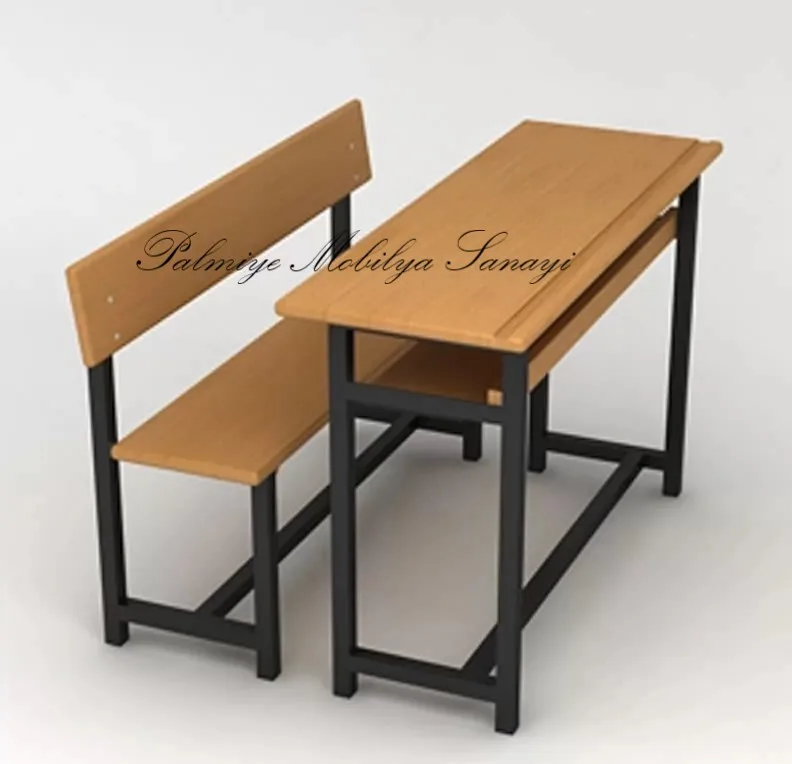
Hornbeam Solid School Desks Turkey
Complete Guide to Hornbeam Solid School Desks Turkey: Engineering, Ergonomics, and Institutional Procurement Specifications
Introduction to Hornbeam Solid School Desks Turkey
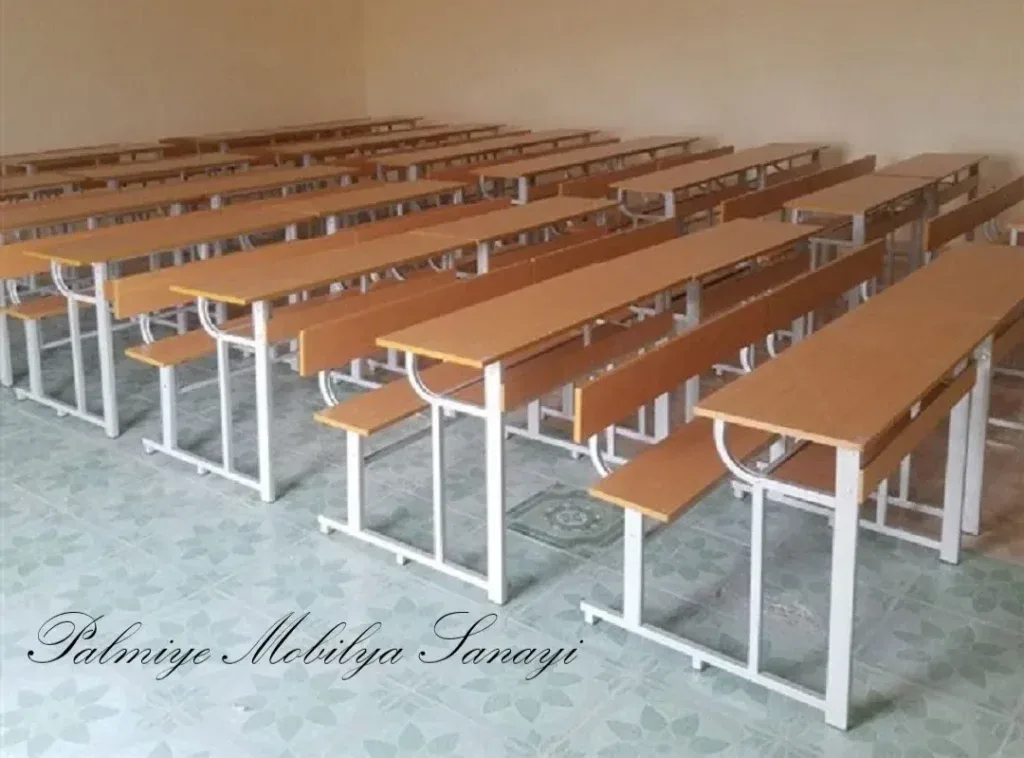
In the educational sector, infrastructure is directly linked to student performance, physiological development, and institutional long-term asset management. Selecting institutional furniture involves balancing extreme durability, mechanical safety, biological sustainability, and cost-efficiency. Educational institutions worldwide are shifting away from cheap, fragile synthetic materials and thin particleboard desks. Instead, they are prioritizing durable materials that can withstand decades of intensive daily student use. Within this global shift, Hornbeam Solid School Desks Turkey has emerged as the definitive benchmark for premium educational furniture engineering.
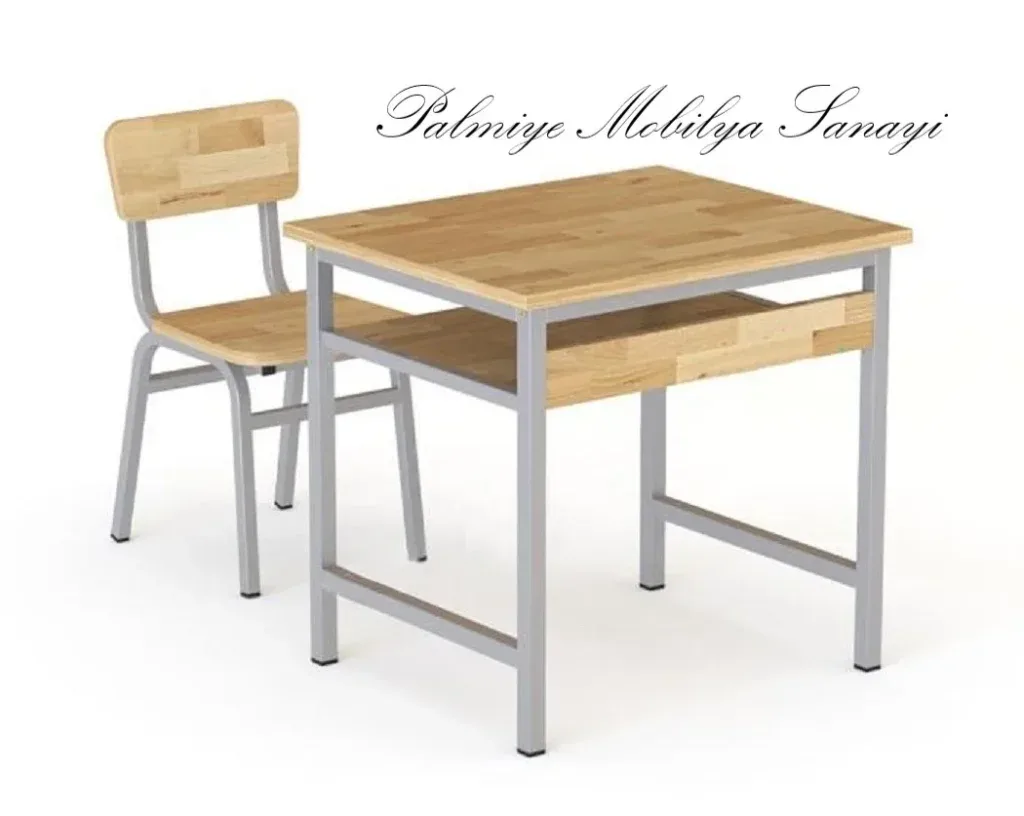
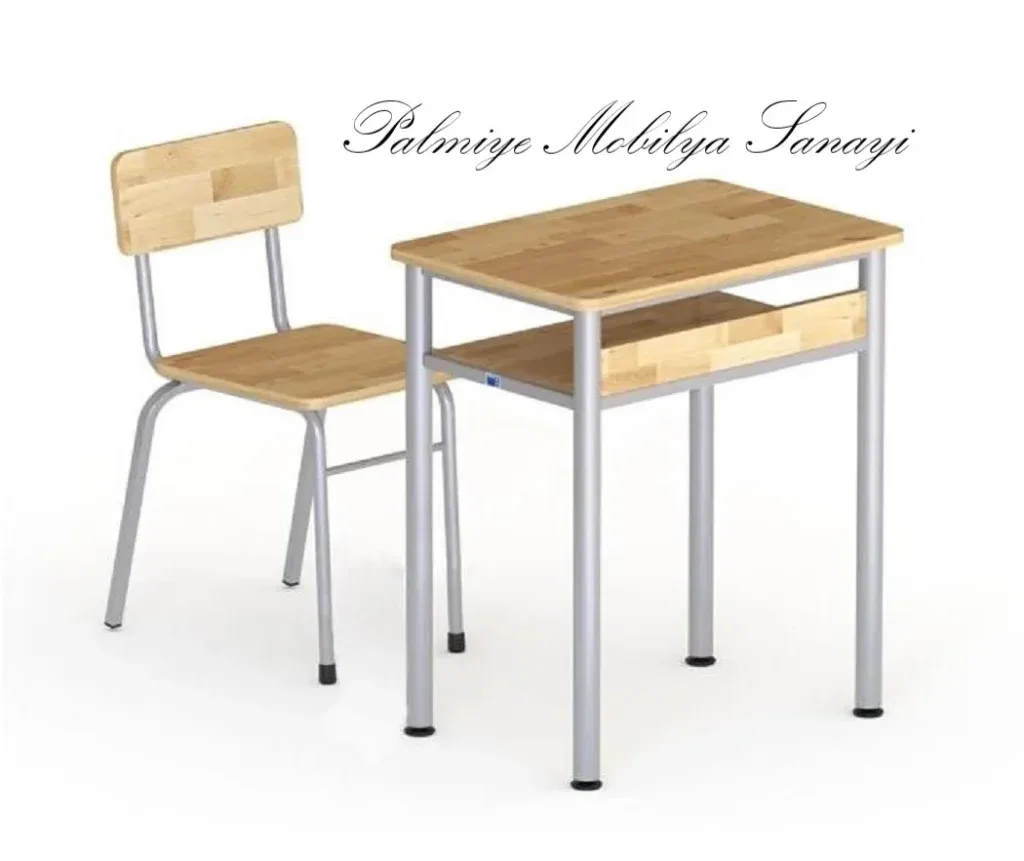
Hornbeam (Carpinus betulus), known across Europe and Anatolia as a dense and resilient timber, provides the ideal raw material for heavy-duty school furnishings. When manufactured by Turkey’s highly automated and structurally advanced joinery sector, Hornbeam Solid School Desks Turkey becomes more than just basic classroom furniture; it stands as a precisely engineered system. These institutional units are designed to withstand structural impacts, resist deep scratches, support correct spinal ergonomics, and maintain structural integrity across generations of students.
This definitive guide provides an in-depth review of wood science, metallurgical engineering, ergonomic safety standards, lifecycle optimization, and global procurement infrastructure defining Hornbeam Solid School Desks Turkey.
1. The Wood Science of Hornbeam (Carpinus betulus)
To understand why Hornbeam Solid School Desks Turkey outperforms alternative timber species like pine, spruce, or standard oak in a school environment, one must analyze the microscopic and mechanical cellular properties of Hornbeam wood.
Density, Hardness, and Mechanical Stress Resistance
Hornbeam is classified as a heavy, dense hardwood with a diffuse-porous structure. Its wood fibers are tightly interwoven, which minimizes internal air cavities and yields exceptional physical strength values.
- Oven-Dry Density: Typically ranges from 750 kg/m³ to 810 kg/m³, making it significantly denser than European Beech (approx. 710 kg/m³) and Scotch Pine (approx. 500 kg/m³).
- Janka Hardness Rating: Hornbeam registers approximately 1,600 to 1,700 lbf on the Janka hardness scale. This high rating indicates that the wood provides excellent resistance against localized indentation, mechanical denting, and student vandalism (such as intentional scratching with pens or compasses).
- Flexural and Compressive Strength: Its high modulus of rupture (MOR) enables solid hornbeam elements to support significant vertical weight loads without sagging, splitting, or displaying structural failure under impact.
[Cellular Matrix Comparison]
  Hornbeam: Tightly bound, diffuse-porous interwoven fibers (High Density) ──> 800 kg/m³
  Pine:     Open-cell, resinous straight-grain fibers (Low Density)         ──> 500 kg/m³
Volumetric Stability and Kiln-Drying Protocols
Raw hornbeam timber can warp or split during moisture loss if processed incorrectly due to its high density. Turkish manufacturers overcome this challenge by implementing multi-stage, computer-controlled kiln-drying schedules:
- Air-Seasoning Pre-Treatment: Raw hornbeam planks are stacked in climate-controlled yards for months to lower moisture content naturally.
- Conventional Steam-Kiln Processing: The wood undergoes a slow, multi-week thermal extraction process inside automated kilns. This schedule carefully balances humidity and temperature to reduce internal moisture down to a strict 6% to 8% range. This moisture level prevents future warping, twisting, or checking when the school desks are deployed in classrooms with variable heating or air conditioning.
2. Structural Ergonomics and Global Educational Standards
A school desk must be engineered to match the physiological development of the students using it. Poorly designed furniture leads to poor posture, back pain, and reduced focus. Manufacturers of Hornbeam Solid School Desks Turkey design their product lines to fully comply with international human-factors and ergonomic design frameworks.
European Norms: EN 1729-1 and EN 1729-2
The primary standards governing the dimensions, safety testing, and structural strength of educational furniture are EN 1729-1 (Functional Dimensions) and EN 1729-2 (Safety Requirements and Test Methods). Turkish manufacturers build desks to match the specific size classifications defined by these codes:
| Size Code | Color Code Mark | Target Student Stature Range (cm) | Standard Desk Top Height (mm) | Standard Chair Seat Height (mm) |
|---|---|---|---|---|
| Size 2 | Orange | 108 – 121 cm | 530 mm | 310 mm |
| Size 3 | Green | 119 – 142 cm | 590 mm | 350 mm |
| Size 4 | Blue | 133 – 159 cm | 640 mm | 380 mm |
| Size 5 | Red | 146 – 176 cm | 710 mm | 430 mm |
| Size 6 | White | 159 – 188 cm | 760 mm | 460 mm |
| Size 7 | Black | 174 – 207 cm | 820 mm | 510 mm |
Ergonomic Desktop Curvatures and Edge Profiles
To minimize fatigue during long study sessions, Hornbeam Solid School Desks Turkey feature specialized anatomical contours:
- The Belly Cutout: Desktops designed for single or double occupancy frequently incorporate a soft, inward-curving arc along the front edge. This enables students to rest their forearms fully on the desk surface, relaxing the trapezius muscles and reducing strain on the cervical spine.
- Bullnose Beveled Profiles: Open edges are never left sharp or square. Turkish multi-axis CNC machines mill a continuous 10mm to 15mm radius bullnose beveled edge around the desktop boundary, which helps eliminate pressure-point restrictions on student forearm blood circulation.
3. Topography of the Desk: Solid Wood vs. Composite Cores
When sourcing Hornbeam Solid School Desks Turkey, procurement managers can select between two primary structural configurations for the desk panels, depending on budget and architectural requirements.
Option A: Pure 100% Solid Hornbeam Glued Laminated Timber (Glulam)
This premium approach uses narrow blocks of solid hornbeam wood, finger-jointed and hot-pressed together using high-strength polymers.
[Solid Hornbeam Glulam Top]
  ├── Continuous finger-jointed solid wood stave elements
  ├── Solid grain visibility across the entire face and core profile
  └── Exceptional structural longevity; can be sanded and refinished multiple times
This method aligns the natural wood grains in opposing directions, balancing internal physical forces and minimizing wood movement. These solid wood surfaces can be sanded down, repaired, and re-lacquered multiple times over a 30-to-40-year operational lifecycle.
Option B: Hornbeam Veneer Over High-Density Substrates
For projects optimizing weight distribution and budget constraints without sacrificing surface durability:
- The Core: High-density, moisture-resistant Medium-Density Fiberboard (MDF) or multi-layered birch plywood forms the structural substrate.
- The Surface Layer: A thick, natural solid hornbeam wood veneer sheet (1.5mm to 2mm thick) is hydraulically bonded to both the top and bottom faces of the core under high pressure.
- Edge Treatments: A thick, matching solid hornbeam protective bumper strip is seamlessly finger-jointed around the panel border, ensuring full impact protection against chair collisions.
4. Metallurgical Engineering: Chassis Framework and Powder Coatings
While the desk surface relies on wood science, the load-bearing framework of Hornbeam Solid School Desks Turkey relies on high-grade metallurgy. A weak metal base will distort under structural shear stresses, rendering the entire desk useless.
Cold-Rolled Steel Profile Selection
Turkish manufacturers construct desk chassis structures from high-tensile, cold-rolled carbon steel profiles.
- Tube Geometry: Circular profiles (diameter \(\ge \) 32mm), oval aerodynamic profiles (50mm x 30mm), or heavy square profiles (40mm x 40mm) are used based on structural requirements.
- Wall Thickness: Structural wall thickness is maintained at a minimum of 1.5mm to 2.0mm. This thickness ensures the steel elements will not bend, collapse, or deform when students lean heavily on one corner or drag the furniture across floors.
Robotic Welding and Structural Assembly
To ensure consistent, failure-free performance across high-volume manufacturing lots, joint interfaces are welded using automated robotic machinery:
- MIG/MAG (Metal Inert Gas / Active Gas) Welding: This method creates continuous, deep-penetrating weld lines at frame intersections, eliminating slag inclusions and brittle air pockets.
- Reinforced Gusset Plates: Steel connection flanges and triangular bracing plates are integrated directly into right-angle corners, which helps prevent structural swaying over decades of classroom deployment.
Electrostatic Powder Coating and Corrosion Protection
Before finishing, the completed steel frame assemblies undergo a multi-staged chemical preparation sequence:
[Steel Frame] ──> [Degreasing Bath] ──> [Iron Phosphating] ──> [Fresh Water Rinse] ──> [Dry-Off Oven]
                                                                                            │
                                                                                            ▼
[System Completed] <── [Curing Oven @ 200°C] <── [Electrostatic Spraying of Epoxy-Polyester Powder]
This process creates a thick protective finish layer (60 to 90 microns thick) with a strong mechanical bond. This scratch-resistant coating shields the steel framework from corrosion, impacts, and cleaning chemicals used during daily maintenance.
5. Non-Toxic Chemistry: Lacquers, Oils, and Indoor Air Quality
Children spend up to eight hours a day in close proximity to their school desks, frequently resting their hands and faces directly against the wood surface. Therefore, the chemicals used to finish Hornbeam Solid School Desks Turkey must meet strict environmental safety and non-toxic standards.
Volatile Organic Compounds (VOCs) and Formaldehyde Emission Classes
Turkish manufacturers prioritize student wellness by using low-emission finishes that safeguard indoor air quality:
- E1 and E0 Compliance: All composite substrates and bonding adhesives strictly adhere to European E1 or E0 emission classes, ensuring zero or minimal hazardous formaldehyde off-gassing into enclosed classroom environments.
- Water-Based Polyurethane Lacquers: External finishes rely on water-based lacquers that do not require aromatic organic solvents during application, keeping chemical emissions well below international safety thresholds.
Certified Non-Toxic Surface Finishes
To ensure complete peace of mind, the surface coatings applied to Hornbeam Solid School Desks Turkey are tested against rigorous safety standards:
- EN 71-3 Compliance (Safety of Toys): This certificate guarantees that even if a young student chews on the edge of the wood desk, no dangerous heavy metals (such as lead, cadmium, mercury, or chromium) can leach into their system.
- Antimicrobial Silver-Ion Topcoats: Premium desk models incorporate nano-silver additive arrays into the lacquer matrix. This active layer disrupts bacterial cellular walls, reducing the transmission of surface pathogens between student cohorts.
6. Functional Architecture: Under-Desk Storage and Hardware Integration
The efficiency of a modern classroom depends heavily on how well its furniture helps organize student learning materials. Hornbeam Solid School Desks Turkey feature smart, built-in storage solutions and heavy-duty, integrated hardware components.
Under-Desk Storage Compartment Systems
- Perforated Steel Wire Baskets: Fabricated from 4mm to 6mm steel mesh, these open baskets provide clear visibility for teachers to inspect contents easily. They prevent the accumulation of dust and paper debris while ensuring structural stability.
- Solid Sheet-Metal Bookboxes: Pressed from a single sheet of 1.0mm galvanized steel, these deep storage compartments incorporate sound-deadening felt or rubber linings to muffle noise when books are moved during class.
- Integrated Backpack Hangers: Heavy-duty, non-snagging dual steel hooks are welded directly onto the side of the chassis frame, keeping pathways clear and reducing trip hazards in high-traffic classroom aisles.
Floor Glides and Leveling Systems
School classroom floors are rarely perfectly flat. To eliminate distracting table wobbles, the legs of Hornbeam Solid School Desks Turkey are fitted with specialized base glides:
- Articulated Swivel Levelers: Ball-jointed levelers adapt automatically to slanted floors, providing up to 20mm of independent height adjustment.
- Non-Marking Thermoplastic Polyurethane (TPU) Feet: The base pads use non-scuffing materials that prevent black streak marks on vinyl, linoleum, or polished hardwood floors while dampening scraping noises when desks are rearranged.
7. Comparative Technical Matrix: Hornbeam vs. Alternative Educational Furniture Materials
To assist school boards, municipal procurement committees, and institutional architects in making informed sourcing decisions, the table below provides a direct comparison of alternative material streams used for institutional desks:
| Technical Performance Metric | Hornbeam Solid School Desks Turkey (Glulam Hardwood) | High-Pressure Laminate (HPL) over Chipboard Tops | Polypropylene / Injection Molded Plastic Desks | Standard Softwood (Pine/Spruce) Class Desks |
|---|---|---|---|---|
| Volumetric Density Rating | High (750 – 810 kg/m³) | Medium (600 – 680 kg/m³) | Low (900 kg/m³ but hollow wall) | Low (450 – 520 kg/m³) |
| Janka Indentation Hardness | Exceptional (1,600 lbf) | Hard shell surface but weak inner core. | Soft surface; susceptible to knife gouges. | Poor (400 – 600 lbf); easily dented. |
| Repair & Refinishing Capacity | Full (Can be sanded and re-lacquered multiple times) | Zero (Surface puncture requires full replacement). | Zero (Scratches and cracks are permanent). | Medium (Can be sanded, but wood remains soft). |
| Average Operational Lifespan | 30+ Years | 7 to 10 Years | 5 to 7 Years | 8 to 12 Years |
| Environmental Lifecycle (End-of-Life) | 100% Biodegradable & Recyclable Biomass | Difficult to recycle due to resin binders. | Petrochemical base; down-cycling limitations. | 100% Biodegradable biomass. |
| Structural Frame Connection | Deep mechanical threaded steel inserts into hardwood. | Wood screws easily strip out from particleboard cores. | Self-tapping screws strip out from plastic bosses. | Wood screws loosen over time in soft grain. |
8. Sourcing from Turkey: Industrial Capacity and Global Supply Chain Efficiency
Turkey is a leading international hub for institutional and commercial contract furniture manufacturing. Sourcing Hornbeam Solid School Desks Turkey provides significant production capacity and logistical advantages over regional alternatives.
[Geographic Core: Turkey Hub]
   ├── European Union Markets (Overland Trucking & Intermodal Rail: 5-7 Days Transit)
   ├── Middle East & GCC Region (Overland Routing & Direct Maritime Freight: 4-8 Days Transit)
   └── Americas & Global Markets (Deepwater Shipping Hubs: Istanbul, Izmir, Mersin)
Advanced Automated Infrastructure
Turkish school furniture manufacturing clusters—located across industrial centers in Kayseri, Ankara (Siteler), Bursa, and Istanbul—combine traditional timber expertise with advanced industrial automation. Production facilities utilize high-speed multi-axis CNC routers, automated continuous lumber-splicing lines, and robotic welding bays. This level of automation guarantees strict dimensional consistency across high-volume institutional orders.
Strategic Logistical Advantages and Transit Timelines
Turkey’s geographical location at the crossroads of Europe, Asia, and Africa provides exceptional shipping transit efficiencies:
- To Western Europe: Direct intermodal transport and Ro-Ro shipping lanes deliver container freight to destinations within 5 to 7 days.
- To the Middle East & GCC: Direct overland trucking links and maritime shipping routes service commercial hubs within 4 to 8 days.
- To North America: Reliable maritime container routes out of major deepwater ports (such as Ambarli, Izmir, and Mersin) ensure dependable delivery schedules for large educational campus projects.
- The ATR Customs Framework: Thanks to the long-standing Customs Union agreement between Turkey and the European Union, exports include an ATR certificate. This document eliminates import duties and streamlines customs clearances for European institutional buyers.
9. Comprehensive Installation Protocols and On-Site Quality Assurance
The structural performance and longevity of institutional furniture depend heavily on correct final assembly and alignment. Proper handling prevents damage and ensures safety compliance before students enter the classroom. Manufacturers of Hornbeam Solid School Desks Turkey outline rigorous installation and commissioning protocols to ensure optimal setup.
Step-by-Step On-Site Assembly Guidelines
- Staging and Environmental Conditioning: Unboxed solid hornbeam desktops must be stored inside dry, weather-tight classrooms for at least 48 hours before assembly. This acclimatization step balances the wood’s internal moisture levels with the school’s indoor environment, preventing future surface checking.
- Chassis Attachment Security: When connecting the solid hornbeam desktop to the steel frame, installers must avoid using standard self-tapping wood screws directly into the grain. High-quality desks feature pre-drilled holes equipped with concealed, threaded brass or steel inserts embedded into the underside of the wood. Installers must secure these connections using metric machine bolts, which creates a high-strength mechanical bond that will not loosen under continuous classroom movement.
- Torque Calibration: Use calibrated electric screwdrivers to tighten fasteners evenly, preventing overtightening that could crack the structural wood fibers surrounding the inserts.
- Leveling Adjustment: Adjust each foot glider until the desktop surface shows perfectly flat on a spirit level, eliminating any table wobbling across uneven classroom floors.
Institutional Commissioning Audit Checklist
Before accepting a delivery and clearing a new school wing for student occupancy, facility management teams should complete a thorough on-site audit using the following quality assurance checklist:
- Fastener Tightness Audit: Spot-check at least 10% of the deployed desks to confirm that all under-desk metric bolts and frame connections are tightened to specification.
- Smooth Bullnose Edge Verifications: Inspect all desktop perimeters to ensure beveled bullnose edges are completely smooth and free from splinters or manufacturing defects.
- Stability and Leveling Test: Verify that every desk stands firmly on the floor without wobbling when alternating manual pressure is applied to opposing corners.
- Corrosion-Shield Inspection: Examine steel frame weld lines under bright directional lighting to verify the powder coat layer is complete, with no exposed metal or scratches from shipping.
- Storage Clearance Checks: Test all side bag hooks and under-desk wire baskets to confirm they are securely attached and clear from obstructing student knee pathways.
10. Preventive Maintenance and Asset Lifecycle Optimization
Institutional furniture must withstand heavy, demanding daily use. To extend the operational lifecycle of Hornbeam Solid School Desks Turkey past the 30-year mark, school facility managers should implement a proactive, scheduled maintenance routine.
Addressing Common Field Challenges
- Managing Tough Graffiti and Ink Stains: Surface ink, permanent markers, and paint can be safely removed from certified non-toxic polyurethane finishes using a microfiber cloth dampened with isopropyl alcohol. Avoid using coarse steel wool or aggressive abrasive scouring powders, which can dull the protective clear topcoat.
- Restoring Deep Scratches or Gouges: If a sharp object cuts through the clear finish into the wood grain, maintenance teams can take advantage of solid hornbeam’s repairability. Sand the localized area with fine 220-grit sandpaper, apply a matching coat of water-based, non-toxic polyurethane lacquer, and allow it to cure for 24 hours to restore the desktop’s seamless shield.
- Preventing Expansion and Contraction Issues: During seasonal summer shutdowns when school HVAC systems are turned off, indoor humidity can spike. Ensure classrooms maintain basic passive ventilation to prevent extreme humidity shifts, which helps avoid unnecessary expansion stress across solid hardwood glulam elements.
Conclusion: Maximizing Institutional Return on Investment (ROI)
Sourcing Hornbeam Solid School Desks Turkey provides educational institutions, municipal school boards, and commercial procurement directors a highly successful combination of physical durability, ergonomic safety, and structural value. By prioritizing specialized materials—including dense hornbeam timber, cold-rolled steel frameworks, and non-toxic surface coatings—project stakeholders can deliver exceptional learning spaces that protect student health while optimizing long-term capital budgets.
Partnering with certified Turkish manufacturers who provide clear, third-party audited testing records and automated high-volume production lines ensures your educational development project will meet structural standards, stay on schedule, and safeguard your institution’s investment for decades to come.
Butik Otel Mobilyaları
Butik Otel Mobilyaları

Şunları da sevebilirsiniz

Distressed Furniture Turkey

Lacquered Furniture Turkey