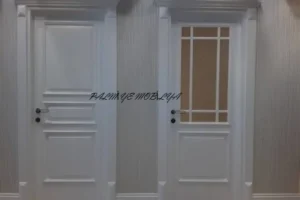

Lacquered Door Models Turkey
Lacquered Door Models Turkey: The Definitive Technical Architecture & Design Guide
Interior doors have transitioned from basic functional room dividers into primary architectural statement pieces. Within Europe, Central Asia, and the Middle East, Turkey has emerged as a premier manufacturing powerhouse for premium interior joinery. The global demand for high-end residential and commercial spaces has turned the spotlight squarely onto lacquered door models Turkey, a sector defined by its integration of advanced computer numerical control (CNC) engineering, automated chemical coating lines, and a deep-rooted heritage of Turkish woodworking craftsmanship.
When specifying interior doors for luxury residential developments, high-rise apartments, or premium hospitality spaces, understanding the design variations, raw material engineering, and structural options of lacquered door models Turkey is critical. This comprehensive technical guide delivers an in-depth breakdown of the design classifications, manufacturing standards, internal core configurations, and architectural integration methods that define this elite industry.
1. The Engineering Foundation of Premium Lacquered Doors
A common misconception in the construction industry is that a lacquered door is simply a standard wooden door coated with retail-grade paint. In reality, industrial lacquering is a sophisticated, multi-layered chemical bonding process executed over a highly stabilized, engineered wood substrate.
+-------------------------------------------------------------+

| SURFACE COATING MATRIX                                      |
+-------------------------------------------------------------+

| [Top Layer]    Acrylic / Polyurethane Topcoat (UV Cured)    |
| [Color Layer]  Pigmented Lacquer Base (RAL Match)           |
| [Sealer]       Polyurethane Sanding Sealer (Pore Filler)    |
| [Primer 2]     High-Solid Polyester Barrier Coat            |
| [Primer 1]     Isolating Primer (Moisture Barrier)          |
+-------------------------------------------------------------+

| SUBSTRATE & CORE MATRIX                                     |
+-------------------------------------------------------------+

| [Skin]         High-Density Fiberboard (HDF) 6mm - 8mm      |
| [Internal]     Tubular Particleboard / Solid Pine Framework  |
+-------------------------------------------------------------+
Substrate Excellence: Why HDF and MDF Supercede Raw Timber
Raw timber contains organic structures, moisture pockets, and growth rings that continuously expand and contract in response to shifting relative humidity. Direct application of lacquer to solid raw wood results in microscopic stress fractures, paint checking, and yellowing along resin lines.
To prevent this structural movement, Turkish factories utilize ultra-flat, high-density fiberboard (HDF) or premium medium-density fiberboard (MDF) with densities exceeding \(750 \text{ kg/m}^3\). These engineered wood panels provide an isotropic surface—meaning it exhibits uniform physical properties in all directions—ensuring that the finished lacquer skin remains entirely unmarred by underlying substrate movement over decades of seasonal changes.
Chemical Composition of Modern Industrial Coatings
The durability, elasticity, and tactile feel of lacquered door models Turkey depend heavily on the chemical formulation of the sprayed liquid mediums:
- Polyurethane (PU) Lacquers: Formulated by reacting polyols with diisocyanates, PU coatings represent the workhorse of the luxury door industry. They provide a tough, impact-resistant shield with excellent cross-linking density, making the door highly resistant to household cleaning chemicals, steam, and physical impacts.
- Acrylic Lacquers: Utilized predominantly in ultra-white and pastel-toned modern door designs. Acrylic resins possess complete UV-light stability, meaning they will not experience photochemical yellowing when subjected to intense direct sunlight through large architectural windows.
- Polyester Primers: These high-solid primers act as chemical levelers. They are applied heavily to fill the microscopic wood fibers of the machined HDF/MDF, creating an absolute glass-smooth plane for the final color coats.
2. Structural Core Typologies: What Lies Beneath the Surface
While aesthetics dominate client presentations, the long-term performance, acoustic dampening properties, and tactile premium weight of lacquered door models Turkey are governed by the internal core architecture. Professional specifiers must match the internal core to the specific traffic and privacy requirements of the building zone.
Tubular (Bored) Particleboard Core
Often referred to in technical data sheets as ” Sauerland Spanplatte” or hollow-core particleboard, this engineered inner core features horizontal cylindrical voids running uniformly through a compressed wood-particle matrix.
- Technical Properties: Weight ranges from 24 to 32 kg per square meter; Sound reduction values hover between 28 dB and 32 dB.
- Mechanical Integrity: It offers excellent uniform compression resistance. The hollow cylinders provide space for internal air expansion, which drastically reduces the structural weight while maintaining high resistance to warping or bowing across the vertical axis.
- Ideal Specification: High-end residential bedrooms, executive office enclosures, and luxury hotel guest suites.
Solid Timber Blockboard Core
Constructed by laminating low-density, kiln-dried softwood strips (typically finger-jointed maritime pine, fir, or spruce) side-by-side. This core is capped on both faces with thick HDF skins.
- Technical Properties: Weight exceeds 35 kg per door leaf; Sound insulation parameters reach up to 34 dB.
- Mechanical Integrity: This structure yields the authentic, heavy, solid-wood closing sound and feel that luxury homeowners demand. It possesses elite screw-holding capacity, allowing for the stable installation of oversized, heavy architectural pull bars and statement ironmongery.
- Ideal Specification: Grand entry vestibules, master suite entrances, and upscale historical property restorations.
Kraft Honeycomb Core
A structural design featuring a geometric hexagonal paper cell lattice bonded between the internal perimeter pine stiles and rails.
- Technical Properties: Low weight (12 to 18 kg per leaf); Acoustic reduction is limited to 20–22 dB.
- Mechanical Integrity: While lightweight, the physics of the hexagonal lattice distribute surface impacts evenly. However, it provides minimal thermal or acoustic insulation.
- Ideal Specification: Budget-conscious mass housing developments, interior walk-in closets, and auxiliary utility rooms.
3. Flat and Minimalist Modern Designs
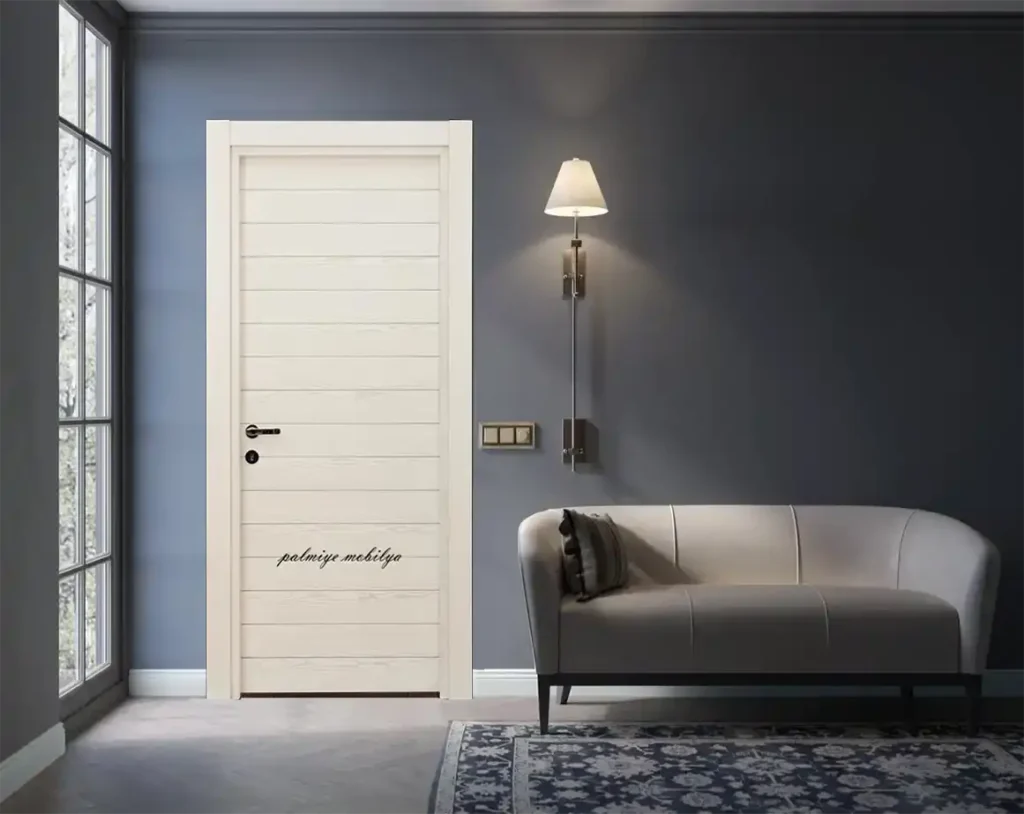
Modernist architecture demands clean lines, monolithic planes, and the complete elimination of superfluous ornamentation. Within the spectrum of lacquered door models Turkey, minimalist designs showcase the precision of Turkish manufacturing, as flat surfaces leave no room to hide substrate imperfections or dust contamination.
Plain Flush Models (Düz Lake Modelleri)
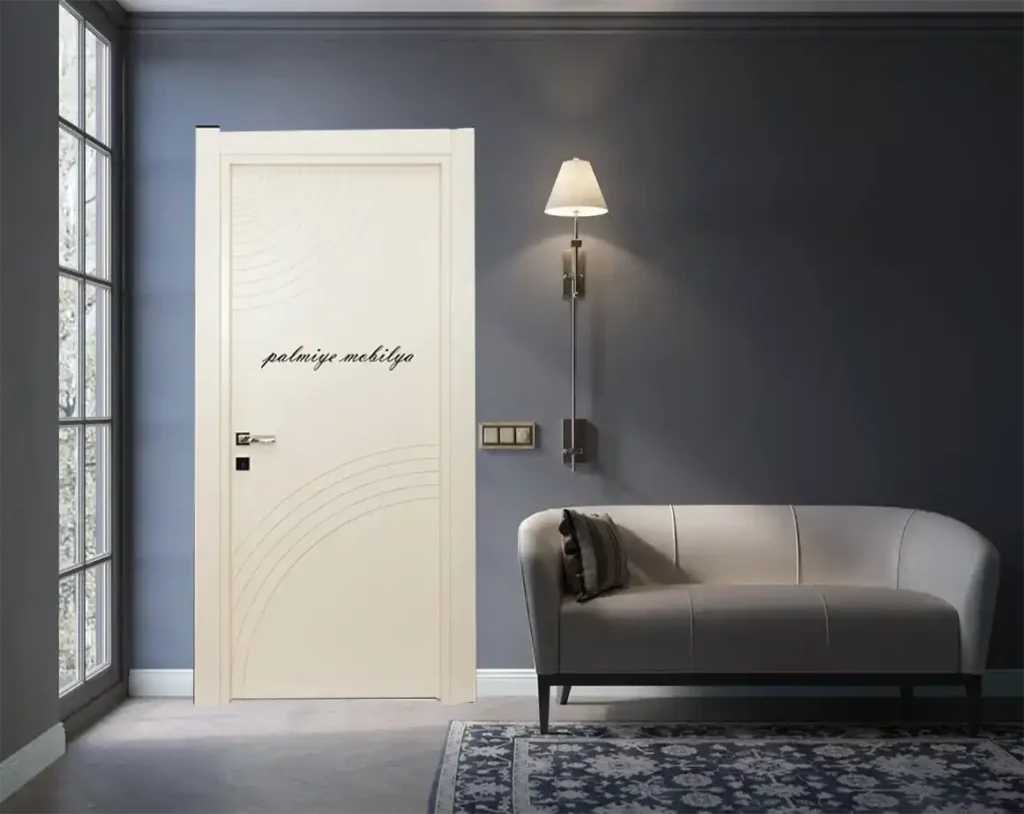
The plain flush model features an unbroken, perfectly planar surface with zero routing, grooves, or surface relief.
- Visual Engineering: The aesthetic value relies entirely on the perfection of the lacquer application. Top manufacturers utilize multi-axis automated flat-line spraying machines that deposit paint layers measured down to precise micron thicknesses, ensuring zero orange-peel texture or edge pooling.
- Architectural Fit: Ideal for industrial lofts, Bauhaus-inspired structures, and contemporary minimalist apartments. They are typically specified in muted, soft shades like cashmere, charcoal gray, slate, or absolute matte white.
Integrated J-Pull and Invisible Handle Variations
An evolution of the flat door model involves routing a functional handle recess directly into the thick HDF edge or surface of the door leaf before the painting process. This eliminates the need for external metal handles entirely. When closed, the door appears as a seamless, integrated wall panel, keeping corridors completely clear of protruding ironmongery.
4. CNC Grooved & Geometric Modern Designs
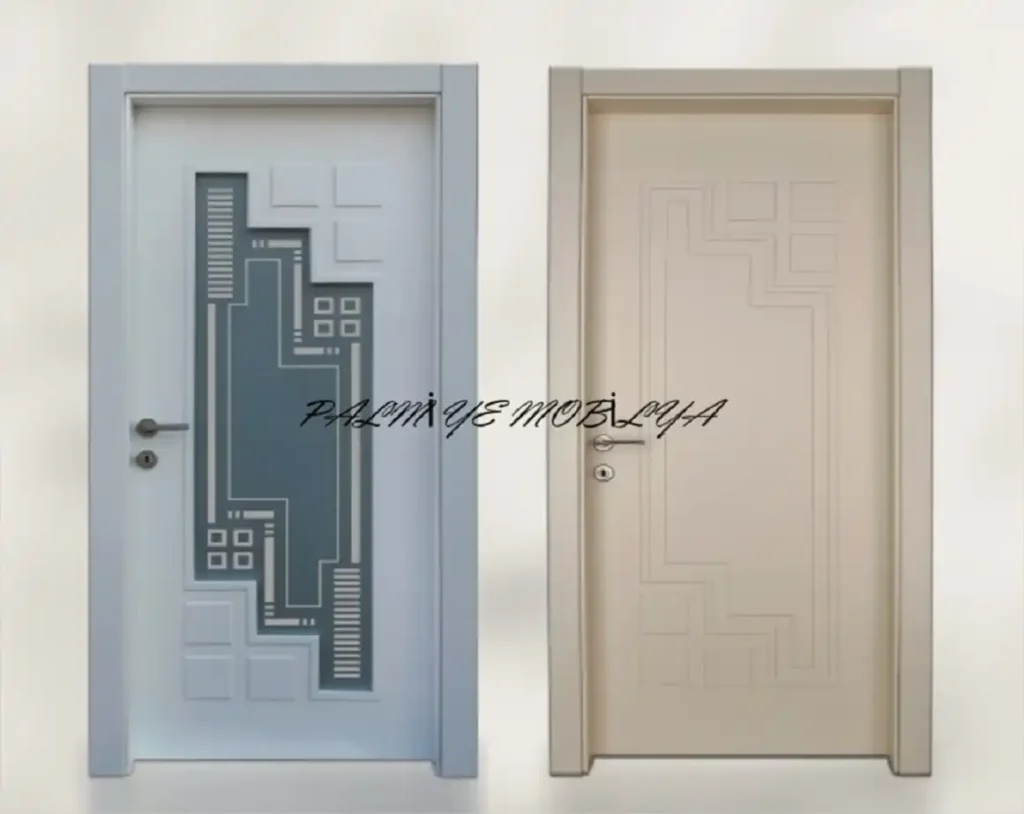
CNC routing technology allows architects and designers to convert custom digital vector graphics into tactile geometric lines carved directly onto the door skin. This category of lacquered door models Turkey bridges the gap between stark minimalism and expressive patterns.
       V-GROOVE PROFILE                     U-GROOVE PROFILE
    +----------------------+             +----------------------+

    |                      |             |                      |
    |   \              /   |             |   |              |   |
    |    \            /    |             |   |              |   |
    |     \          /     |             |   |______________|   |
    |      \        /      |             |                      |
    +-------'\====/'-------+             +----------------------+
     (Sharp Geometric Shadow)             (Soft Soft-Focus Shadow)
V-Groove Typologies (Derzli Modeller)
A V-groove is carved using a precision 60-degree or 90-degree diamond-tipped router bit. The resulting sharp, angular incision creates a clean, dark shadow line when ambient room light hits the door surface.
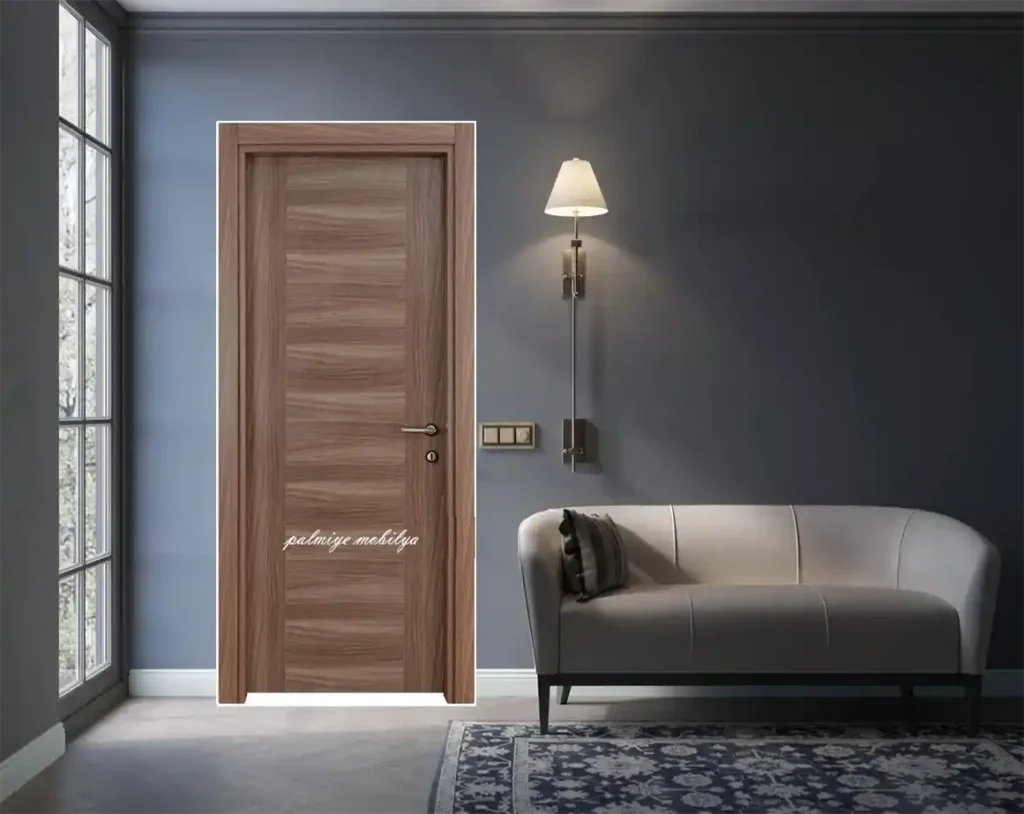
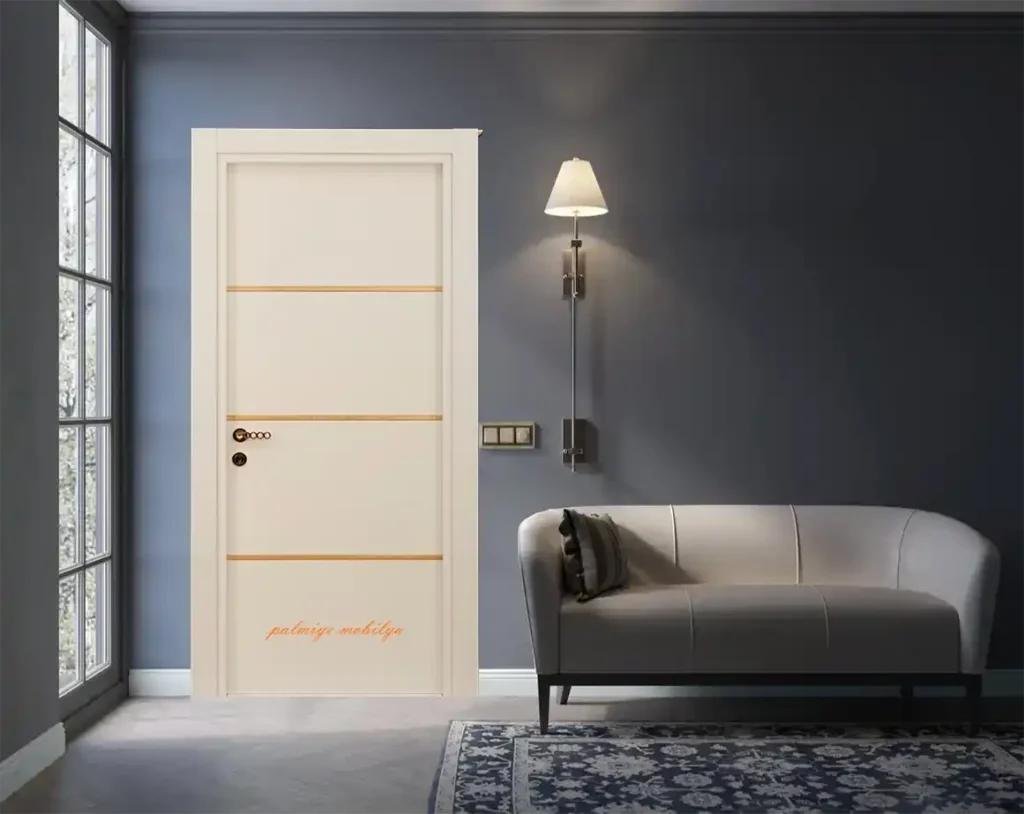
- Horizontal Alignment: Linear horizontal lines spaced evenly across the leaf surface visually widen narrow hallways.
- Asymmetric Linear Layouts: Modern patterns feature single or triple offset vertical lines that run parallel to the handle side of the door, creating a sophisticated architectural focal point.
U-Groove and Radius Profiles
Unlike the sharp angles of the V-groove, the U-groove is carved using a rounded ball-nose router bit, creating a soft, concave trough ranging from 4mm to 12mm in width. The resulting shadows are softer and more diffused, making this model highly compatible with organic modern, Scandinavian, and Japandi interior design styles.
The Technical Challenge of Paint Pool Control in Grooves
When a door leaf with deep CNC incisions is sprayed, liquid lacquer naturally tends to collect and pool inside the low points of the grooves due to surface tension and gravity. If unmanaged, this pooling results in uneven drying, cracking, and a darker color shade within the channels. Premium Turkish factories combat this by using automated oscillating spray guns paired with artisanal mid-stage hand-sanding inside every groove using specialized contour sanding blocks before the final topcoat is applied.
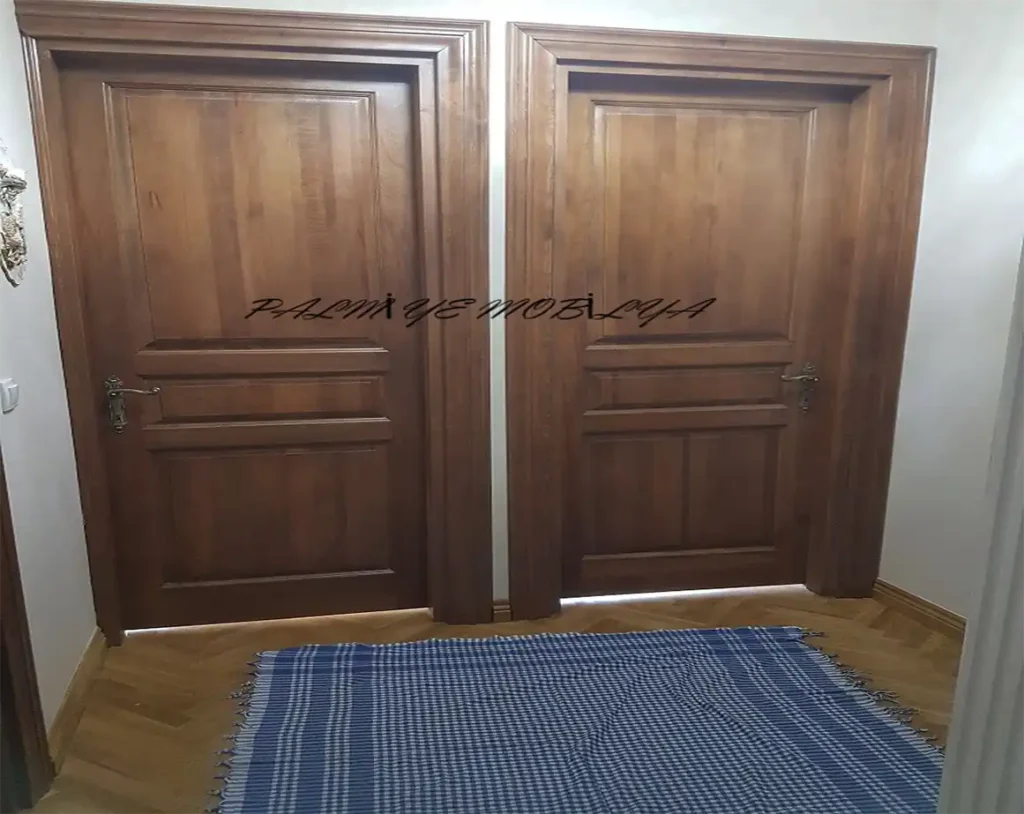
5. Neo-Classical & Traditional Paneled Designs
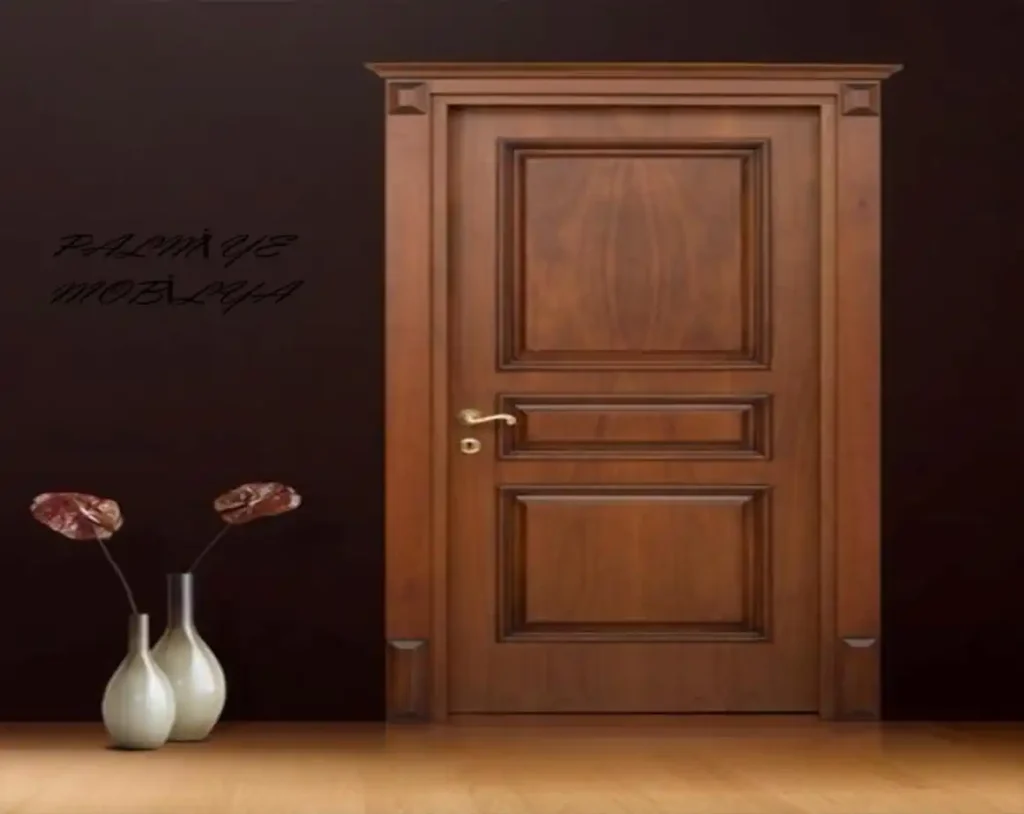
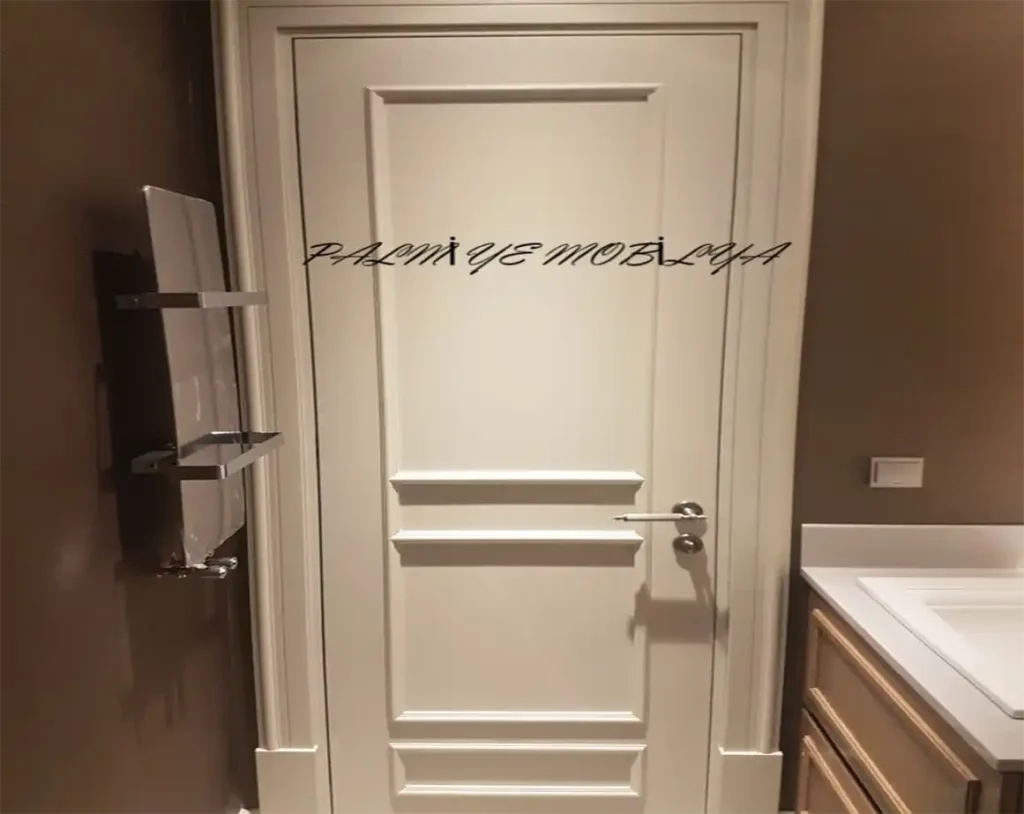
For projects requiring timeless elegance, stately proportions, and a sense of historical luxury, neo-classical and classical paneled options within the portfolio of lacquered door models Turkey offer unparalleled visual depth.
Deep-Routed Shaker and Panel Variations
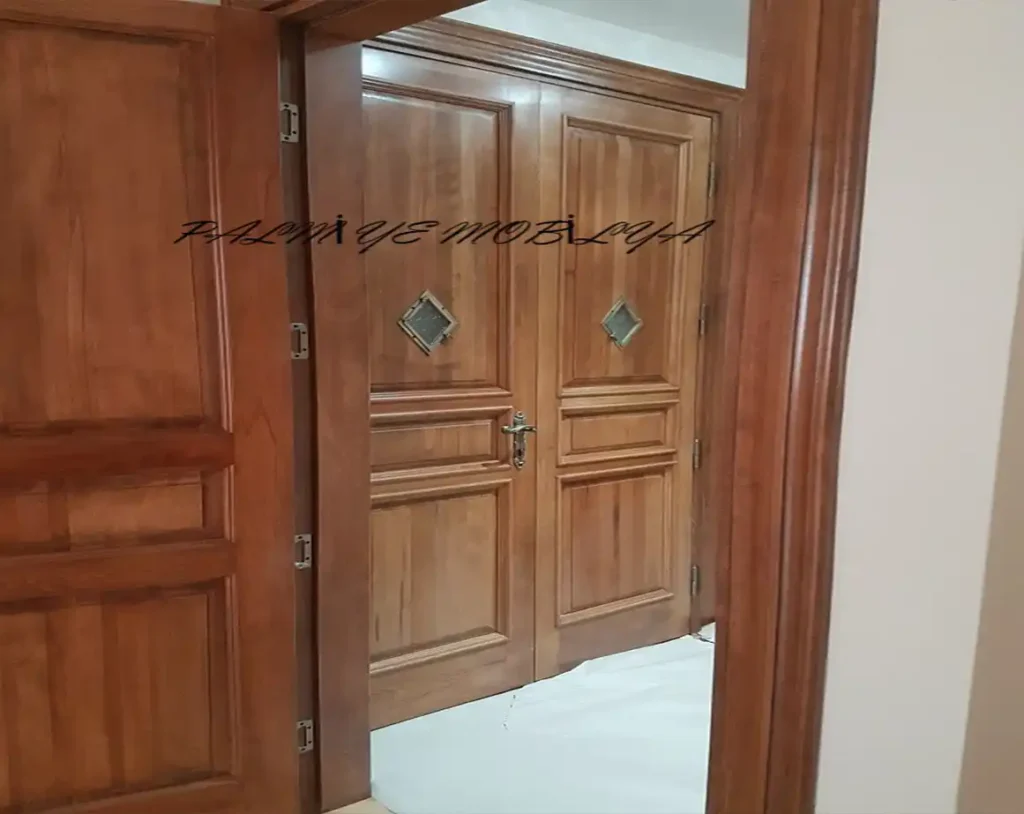
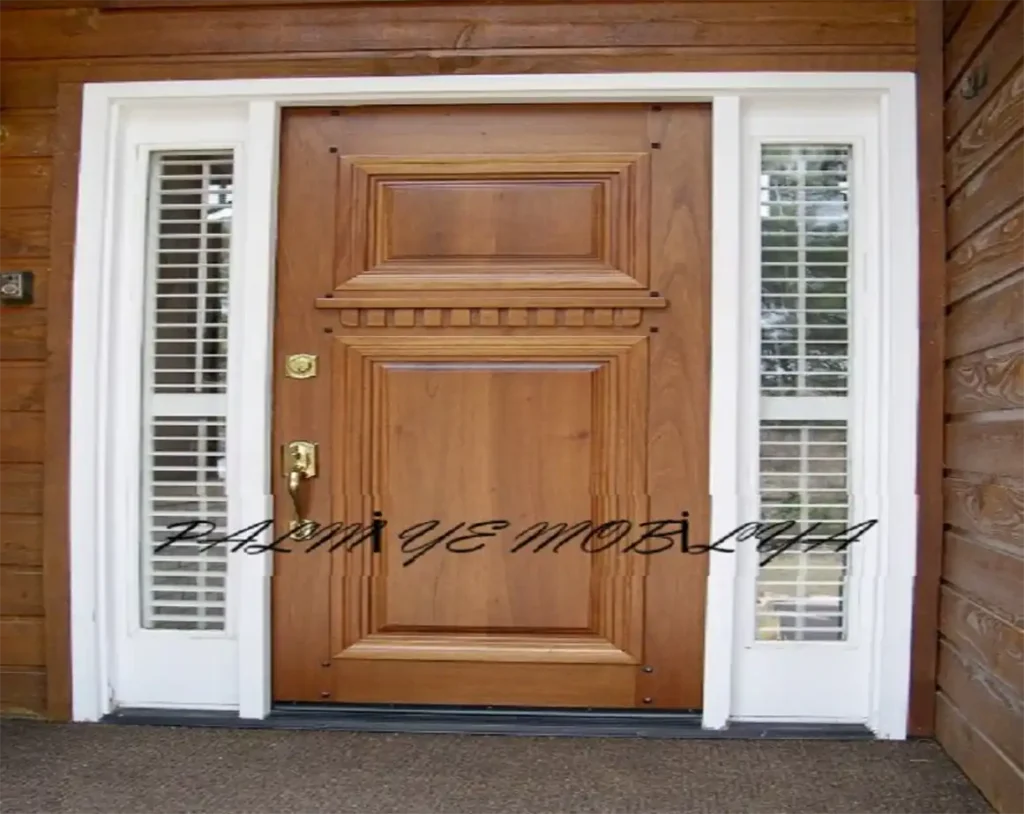
Traditional stile-and-rail doors are constructed from multiple interlocking wooden pieces. Turkish industrial plants replicate this classic aesthetic with superior structural stability by utilizing heavy 3D CNC machining centers to carve deep, multi-tiered recessed steps into an absolute solid, extra-thick (8mm) HDF face sheet.
- Single Grand Panel: Features one expansive recessed panel running the full height of the leaf, popular in Parisian-style classic apartments.
- Two-Panel Equal / Unequal: The classic configuration where a smaller square panel sits at the top or bottom, with a larger elongated panel completing the design. This layout aligns perfectly with traditional wainscoting and wall paneling systems.
Applied Molding Models (Çitalı Lake Modelleri)
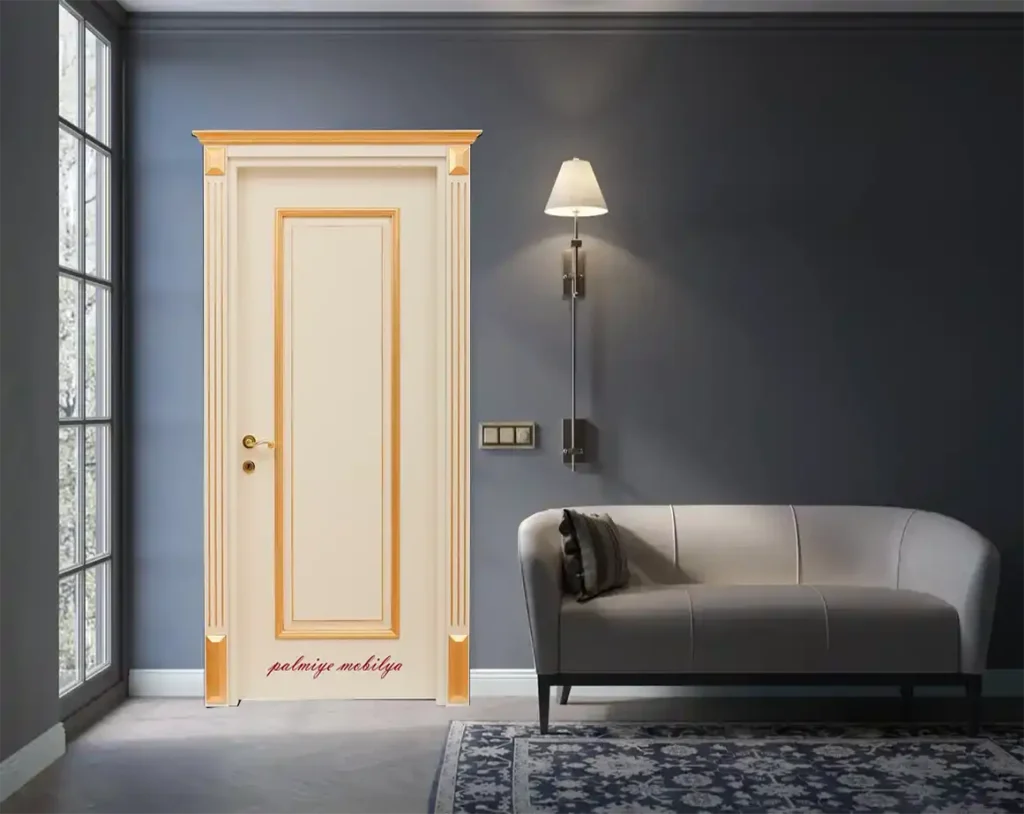
Rather than routing down into the substrate, this artisanal method involves affixing raised, profiled solid wood or high-density polymer moldings directly onto a flat lacquered door leaf.
- Craftsmanship Detail: The mitered corners of these applied moldings must be fitted with absolute zero-tolerance joints. Once attached, the entire assembly undergoes meticulous hand-sanding so that when the final lacquer coats are applied, the molding appears completely integrated with the door face, showing zero joint separations or hairline seam splits.
- Architectural Expression: These models are frequently customized with intricate gold or silver leaf filigree accents applied by hand over the lacquer, targeted directly at ultra-luxury palace designs, high-end hospitality ballrooms, and classical estate villas.
6. Gloss Levels & Specialized Surface Textures
The visual character of lacquered door models Turkey is profoundly altered by the gloss level specified for the final topcoat. The selection of gloss level dictates not only light distribution within a space but also the daily maintenance and cleaning schedule of the facility.
Ultra-Matte & Deep Matte Finishes (Mat Lake)
- Technical Metric: Gloss retention between 2% and 8% measured at a 60-degree angle.
- Visual Performance: These surfaces absorb ambient light almost completely, yielding a velvety, non-reflective appearance. Modern deep-matte lacquers are formulated using excimer laser curing or specialized silica flattening agents, which create a microscopic surface roughness that diffuses light in all directions.
- Tactile Advantage: Many premium Turkish matte doors incorporate “soft-touch” or anti-fingerprint chemical technologies. This prevents the natural oils from human skin from leaving unsightly dark smudges around the handle zone.
Satin & Silk Matte Finishes (İpek Mat)
- Technical Metric: Gloss retention between 20% and 35%.
- Visual Performance: This is the most widely specified surface finish in the Turkish door export market. It exhibits a subtle, pearlescent sheen under direct lighting, providing a clean, bright aesthetic that complements both modern and classical design themes. It offers a smooth surface that balances light reflection with daily cleanability.
High-Gloss & Mirror Finishes (Parlak Lake)
- Technical Metric: Gloss retention exceeding 90%.
- The Intensive Polish Protocol: Achieving an authentic high-gloss finish requires extensive mechanical processing. After the final clear lacquer layer is applied and fully cured, the door leaf does not go straight to packaging. Instead, it enters a multi-stage polishing line:
- The surface is wet-sanded using ultra-fine orbital abrasive pads starting at 2000-grit and finishing at 4000-grit to eliminate every trace of surface texture.
- Industrial polishing machines equipped with heavy-duty sheepskin pads apply progressive cutting compounds to buff out micro-scratches.
- A final glaze compound is applied to bring out a flawless, mirror-like depth of reflection.
- Design Note: High-gloss models expand small, dark spaces by bouncing light deep into rooms. However, they are highly sensitive to micro-scratches and require careful maintenance in low-impact architectural zones.
7. Innovative Hybrid and Specialty Door Models
As architectural boundaries expand, Turkish manufacturers have evolved their portfolios beyond standard swing doors to produce highly technical hybrid models that combine lacquer with advanced engineering materials.
Concealed Framework / Flush-to-Wall Models (Görünmez Kasalı Lake Kapı)
Commonly referred to in architectural specification sheets as “filo muro” or “invisible doors,” this model aims to make the door leaf blend perfectly into the adjacent wall surface.
       CONCEALED FRAME DETAIL (FLUSH-TO-WALL)
      +-----------------------------------------+

      | Wall Structure (Plasterboard / Brick)  |
      +-----------------------------------------+

                    |  |
                    |  | <-- Recessed Aluminum Sub-Frame
                 +--+--+--+

                 |  |  |  |
                 |  +--+  | <-- 3D Adjustable Concealed Hinge
                 |     |  |
      ===========+     +==+======================
       Wall Face        |  Door Leaf (Lacquered)
      ===========+     +=========================
- Structural Setup: Traditional wooden architraves and decorative casings are completely eliminated. Instead, a heavy-gauge structural extruded aluminum frame is anchored directly into the raw wall masonry or steel stud drywall framing prior to the plastering phase.
- The Door Leaf Integration: The door leaf is manufactured to align perfectly flush with the finished plaster plane. Hung on three-dimensional adjustable concealed hinges, the only visible element when the door is closed is a crisp 2mm perimeter shadow gap.
- Tension-Rod Engineering: Because even a 2mm warp would ruin the alignment of a flush-to-wall door, premium Turkish manufacturers insert internal steel tension rods (warp adjusters) lengthwise inside the door core. These rods can be adjusted via an access port at the top of the door to counteract any structural bowing caused by seasonal climate discrepancies between adjacent rooms.
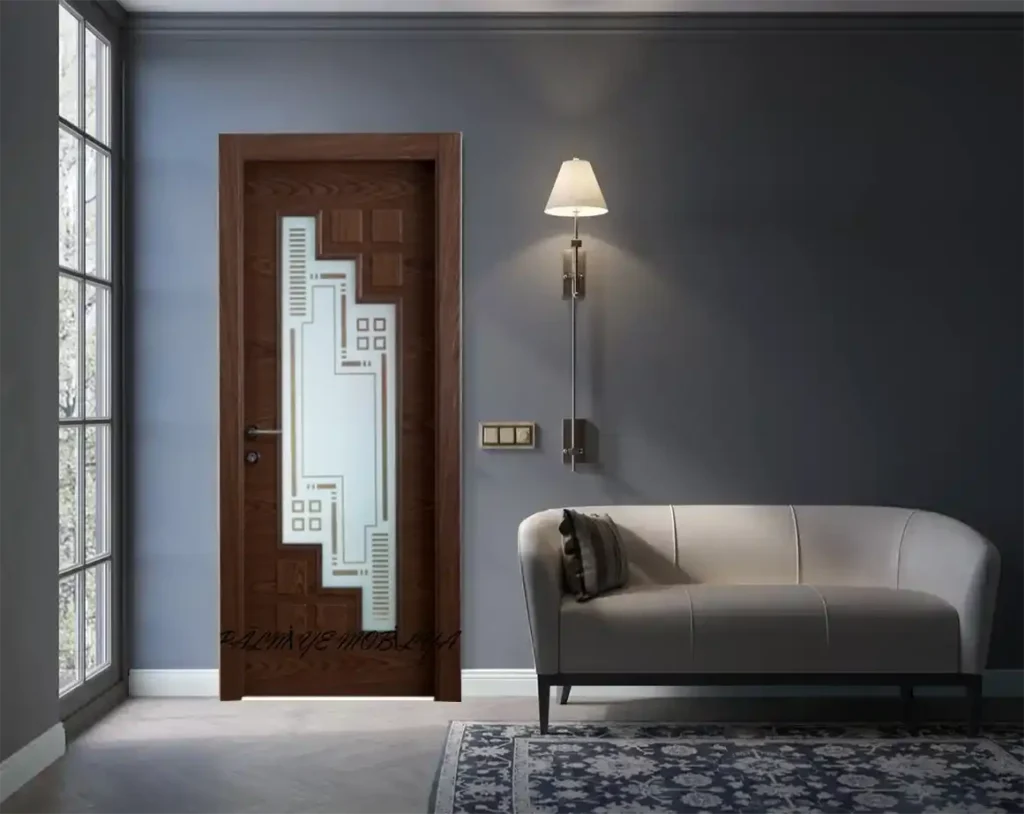
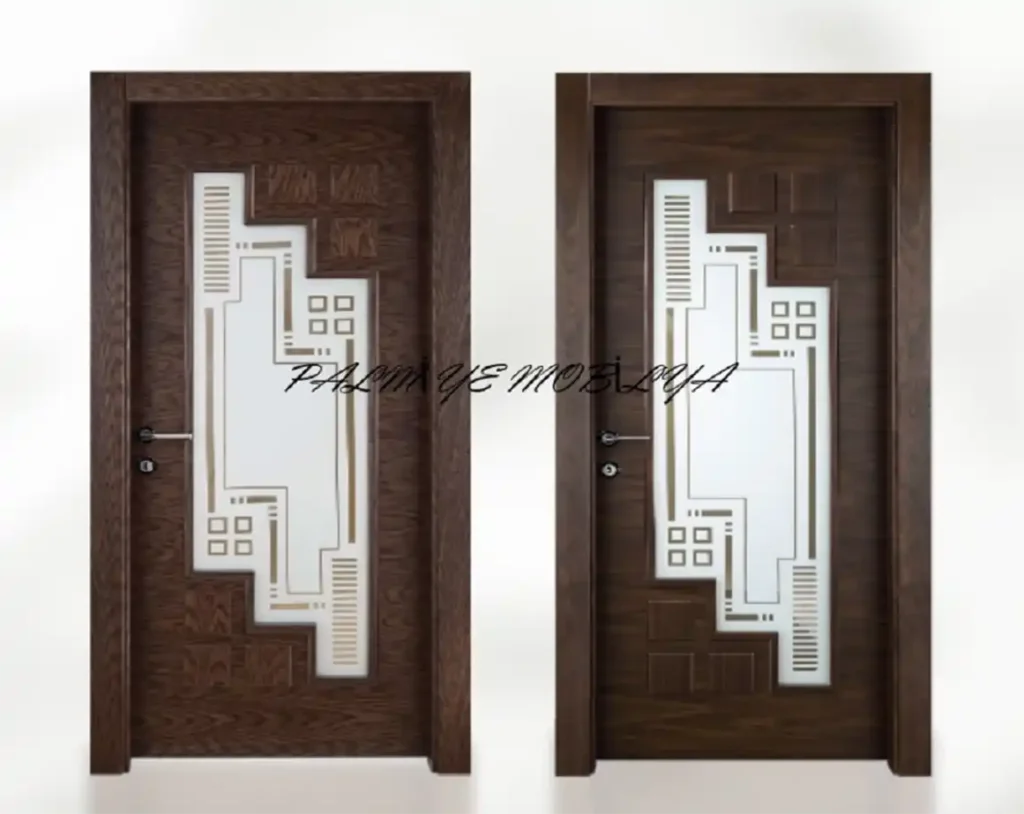
Glass-Inlaid Lacquered Models (Camlı Lake Modelleri)
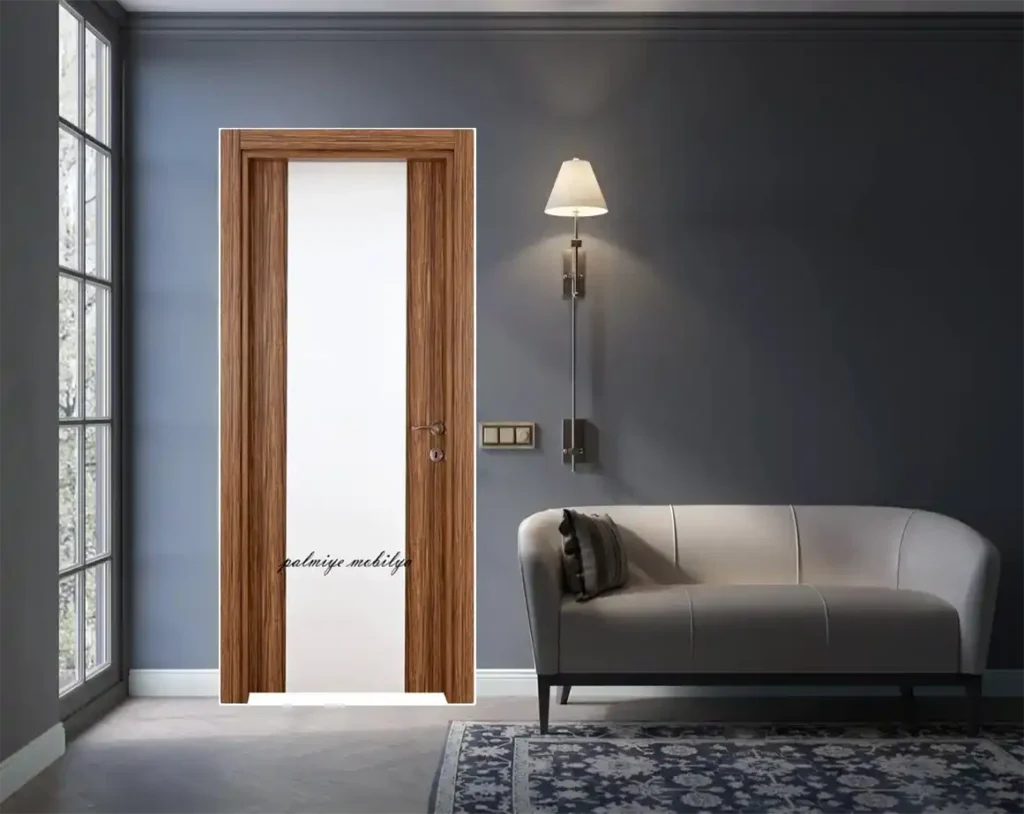
These designs combine the sleek surface of lacquer with clear, frosted, or smoked safety glass panes.
- Crittall-Inspired Lacquered Models: Feature a lacquer frame configured with delicate internal muntin bars grid layouts, combining industrial steel patterns with a premium wood lacquer touch.
- Flush Glass Inlays: Advanced manufacturing techniques allow for the flush insertion of glass panels into the door leaf surface, eliminating raised glazing beads for a completely smooth, continuous profile across the wood-to-glass transition.
Material Hybrids: Lacquer and Natural Precious Veneers
A growing trend among top Turkish design firms involves combining contrasting textures on a single door leaf. For example, a model may feature an asymmetrical matte black lacquered body intersected by a deeply recessed vertical channel lined with high-grain American Walnut or natural European Oak veneer. This design profile requires advanced mask-painting execution and strict climate control to ensure the two distinct wood materials expand harmoniously without cracking the lacquer seam.
8. Architectural Hardware Integration & Frame Engineering
A door model is not merely a loose panel; it is a complex structural system consisting of the leaf, the frame, the architraves, sealing gaskets, and mechanical ironmongery.
Frame Substrate Matrix: The Anti-Warp Strategy
The frames and casings supplied with premium lacquered door models Turkey are engineered to withstand structural loads and moisture exposure:
- Sandwich Frame Construction: To maximize stability, high-end frames are built using a multi-layer sandwich structure: a core of finger-jointed solid pine timber laminated between outer layers of high-density MDF. The timber core provides excellent mechanical screw-retention for heavy hinges, while the MDF faces provide an ideal, smooth surface for the lacquer finish.
- Wood-Plastic Composite (WPC) Base Protection: For bathroom applications, forward-thinking Turkish suppliers manufacture the lower 100mm of the door frame out of a completely waterproof wood-plastic composite material, which is then seamlessly lacquered over to match the rest of the frame. This protects the frame from water damage during floor mopping.
Magnetic Locks and Concealed Hardware Prep
Modern lacquered door systems are pre-machined at the factory using automated CNC templates to accommodate advanced ironmongery:
- Magnetic Mortise Locks: These locks utilize a magnetic latch bolt that remains retracted flush inside the door profile while the door is open. Only when the door closes completely does the magnetic field pull the latch bolt into the strike plate on the frame. This eliminates the unsightly protruding metal latch of traditional locks, preventing physical snags and maintaining a clean visual profile.
- 3D Adjustable Concealed Hinges: These hinges are recessed entirely into the mortised pockets of the door leaf and frame, remaining completely hidden when the door is closed. They allow the installation team to adjust the door leaf across three axes (height, lateral alignment, and depth/pressure) using a simple hex key, ensuring perfectly uniform 2mm perimeter margins.
9. Comprehensive Comparison: Lacquer vs. Substitute Industrial Coatings
To justify specifying a premium lacquer model over more economical alternatives, architects and developers can evaluate how different surface treatments compare across key performance and aesthetic metrics:
| Technical Performance Metric | Lacquered Door Models | PVC / Vinyl Thermo-Wrapped | High-Pressure Laminate (HPL) | PP Eco-Veneer Foils |
|---|---|---|---|---|
| Edge Seam Integrity | Elite & Monolithic: Absolute seamless 3D edge transition with zero tape line or foil seams. | High risk of delamination: Vinyl foil can pull back or peel when exposed to localized heat or moisture. | Visible Edge Bands: Requires PVC/ABS edge-taping, creating a visible seam along corners. | Wrapped Edges: Seamless wrapped faces, but vulnerable to tearing at sharp corner intersections. |
| Color Spectrum & Customization | Infinite: Direct matching to any global RAL, NCS, or Pantone color code system. | Limited: Restricted to pre-manufactured catalog rolls of vinyl foil from film suppliers. | Industrial Limits: Restricted to standardized manufacturer finish collections. | Fixed Collections: Limited to mass-market color lines and simulated grain prints. |
| On-Site Field Repairability | Excellent: Scratches can be locally filled, re-sanded, and spot-sprayed or buffed by a technician. | Zero: A torn or burned vinyl wrap cannot be patched; the entire leaf must be replaced. | Extremely Low: Surface punctures or deep Gouges require complete replacement of the skin. | Low: Minimal repair options; touch-up wax sticks provide only temporary cosmetic fixes. |
| Acoustic & Tactile Substance | Premium Heavyweight: Pairable with solid or dense tubular cores for a premium closing impact. | Lightweight: Typically paired with cheaper honeycomb cores to reduce tension on the vinyl skin. | Rigid & Solid: Provides high structural density, but has a hard, cold commercial surface feel. | Lightweight to Medium: Designed for budget-conscious interior fit-outs. |
10. Technical Sourcing, QA Standards & Installation Protocols
Sourcing lacquered door models Turkey for international construction projects requires careful quality control and strict adherence to correct installation protocols to safeguard the investment.
       CORRECT INSTALLATION CHRONOLOGY
+---------------------------------------------+

| PHASE 1: Structural Wet Works Complete      |
| (Plastering, Screeding, Tiling Dry Time)    |
+---------------------------------------------+
                       |
                       v
+---------------------------------------------+

| PHASE 2: Ambient Climate Stabilization      |
| (RH 40% - 60%, Temp 15°C - 25°C)            |
+---------------------------------------------+
                       |
                       v
+---------------------------------------------+

| PHASE 3: Polyurethane Foam Sub-Frame Anchoring|
| (Mechanical Fasteners + Low-Expansion Foam) |
+---------------------------------------------+
                       |
                       v
+---------------------------------------------+

| PHASE 4: Leaf Hanging & 3D Hinge Calibration |
| (Achieve Uniform 2mm Perimeter Margins)     |
+---------------------------------------------+
Essential Factory Quality Inspections (Sourcing Verification)
When conducting a factory inspection or evaluating product samples from Turkish manufacturers, implement the following testing measures:
- The Cross-Cut Adhesion Test (ISO 2409): Request the factory quality control lab to execute a cross-cut test on a finished panel sample. Using a multi-blade cutter, a lattice pattern is cut directly through the lacquer film to the substrate. Adhesive tape is applied firmly over the lattice and pulled away rapidly. A premium-tier lacquer application will show zero flaking or detachment of the paint squares, indicating excellent chemical adhesion to the HDF substrate.
- Specular Gloss Calibration Check: Verify that the factory utilizes digital gloss-meters across multiple measurement points on the door leaf surface. A high-quality manufacturer ensures that gloss levels do not deviate by more than \(\pm 2\%\) across the entire expanse of a single door leaf.
- Substrate Emission Certification: Ensure all core and skin elements comply with European E1 emission standards (EN 13986), guaranteeing that the doors do not off-gas toxic formaldehyde vapors into tight, climate-controlled indoor residential spaces.
Post-Manufacturing On-Site Installation Rules
Lacquered finishes are refined architectural elements that must be treated with the same care as high-end cabinetry:
- Strict Chronological Sequencing: Lacquered door sets must never be installed while wet construction trades are active on site. All plastering, cement floor screeding, and ceramic tiling works must be 100% complete, and the building’s HVAC system must be functional for a minimum of 7 days to stabilize interior humidity. Excess moisture trapped in a building will migrate into doors through unpainted hardware cutouts, causing substrate swelling.
- Relative Humidity Thresholds: Maintain an indoor relative humidity range between 40% and 60%, and an ambient temperature between 15°C and 25°C.
- Low-Expansion Polyurethane Assembly Foam: When fixing the door frame into the wall structural opening, installers must utilize professional-grade, low-expansion polyurethane installation foam. High-expansion consumer foams generate significant curing pressure that can bow or warp even heavy timber composite frames, throwing the door leaf alignment out of true.
Conclusion
The market for lacquered door models Turkey presents a highly versatile matrix of structural configurations, design styles, and high-performance surface treatments. Whether specifying minimalist plain flush models for contemporary developments, CNC grooved variants for textured depth, or grand neo-classical paneled systems with hand-applied moldings for luxury estates, these systems provide enduring architectural value.
By matching project performance demands with the correct internal core architecture (such as tubular particleboard for sound damping), selecting appropriate gloss levels like silk matte or high-gloss acrylics, and enforcing rigorous factory quality checks, architects and project managers can deliver spaces that balance premium aesthetics with lasting durability.
Butik Otel Mobilyaları
Butik Otel Mobilyaları

Butik Otel Mobilyaları



Etiket:Colored Lacquered Doors Turkey, Economic Lacquered Door Manufacturing Turkey, Flat Lacquered Door Manufacturing Turkey, Hornbeam Wood Doors Turkey, Lacquered Hotel Doors Turkey, Lacquered Room Door Turkey, Luxury Solid Wood Doors Turkey, Natural Wood Doors Turkey, Rustic Solid Wood Doors Turkey, Solid Wood Door Manufacturing Turkey, Solid Wood Door Turkey, Solid Wood Hotel Doors Turkey, Solid Wood Interior Doors Turkey, Solid Wood Room Doors Turkey, Walnut Wood Doors Turkey

Şunları da sevebilirsiniz
Rustic Lacquered Door Manufacturing Turkey
Lacquered Door Export Import Turkey