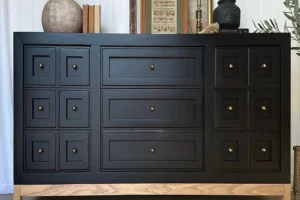

Lacquered Furniture Turkey
Lacquered furniture Turkey stands as a global benchmark for luxury, high-gloss precision, and advanced surface finishing technology. By seamlessly merging centuries-old Ottoman finishing heritages with cutting-edge Italian automated coating systems, Turkish manufacturers produce some of the most durable, visually flawless, and reflective surfaces available in the international design market today. This comprehensive, technically rigorous guide delves deep into the chemical compositions, substrate sciences, manufacturing technologies, geographical clusters, and sourcing strategies defining the lacquered furniture Turkey sector.
The Evolution and Global Appeal of Lacquered Furniture Turkey
The international demand for high-end residential and commercial fit-outs has propelled the status of lacquered furniture Turkey to the forefront of the global design landscape. Modern luxury interior design—ranging from sleek contemporary minimalism to opulent transitional aesthetics—relies heavily on flawless, glass-like surfaces that amplify light, depth, and spatial geometry. Turkish manufacturers have uniquely engineered their infrastructure to capture this demanding segment.
Historically, the art of lacquering in Turkey can be traced back to the delicate decorative wood varnishing (edirnekari) and traditional marquetry techniques perfected during the Ottoman Empire. However, the modern manifestation of lacquered furniture Turkey is an entirely different technological beast. Over the past three decades, the Turkish furniture sector has undergone an aggressive multi-billion-dollar modernization program. Factories have transitioned from manual spray booths to state-of-the-art, cleanroom-enclosed automated finishing lines imported directly from leading engineering firms in Italy and Germany.
Today, lacquered furniture Turkey represents the pinnacle of high-volume precision engineering combined with rigorous quality control. This unique positioning allows Turkey to compete directly with premium European producers on surface depth, scratch resistance, and color uniformity, while offering significant logistical advantages, agile manufacturing timelines, and competitive commercial structures. As a result, international procurement officers, luxury hospitality developers, and premium kitchen and bathroom brands increasingly view Turkey as their primary sourcing destination for lacquered panels, cabinetry, and freestanding statement furniture.
Material Science: Core Substrates and Chemical Formulations
The structural integrity and absolute flatness of lacquered furniture Turkey are entirely dependent on the underlying material science. A perfect high-gloss or dead-matte lacquer finish cannot mask an inferior substrate; in fact, high-performance coatings accentuate any subterranean flaws. Therefore, Turkish producers apply meticulous material engineering long before a single drop of paint is atomized.
Medium-Density Fiberboard (MDF) Engineering
MDF is the foundational backbone of the lacquered furniture Turkey ecosystem. However, standard construction-grade MDF is entirely unsuitable for high-gloss lacquering. Turkish manufacturers utilize high-density, moisture-resistant (MR) MDF or refined HDF (High-Density Fiberboard) engineered specifically for painting applications.
This specialized lacquer-grade MDF features an exceptionally fine, homogeneous core made from highly compressed wood fibers with minimal resin pockets. The surface layers are compressed at a higher pressure-to-volume ratio during manufacturing to create a dense, non-porous outer skin. This prevents the substrate from unevenly absorbing the liquid primers and lacquers, eliminating the structural phenomenon known as “telegraphing,” where the microscopic fiber pattern of the wood reveals itself through the cured lacquer over time.
Chemical Architecture of Modern Turkish Lacquers
The performance, chemical resistance, and optical clarity of lacquered furniture Turkey are determined by the molecular structure of the coatings used. Turkish finishing labs utilize four primary chemical families to achieve specific performance metrics:
- Polyurethane (PU) Lacquers: Polyurethane remains the workhorse of premium Turkish furniture manufacturing. Consisting of a two-component (2K) system—a hydroxyl-bearing resin cross-linked with an isocyanate hardener—PU lacquers cure to form an incredibly tough, highly flexible chemical bond. This flexibility is vital; it allows the lacquer coating to expand and contract in complete harmony with the underlying MDF substrate during seasonal humidity shifts, preventing microscopic cracking or spider-web fractures. PU lacquers offer exceptional resistance to impact, household cleaning chemicals, and water pooling.
- Acrylic Lacquers (Non-Yellowing): For bright whites, soft creams, and light pastel palettes, Turkish factories deploy premium 2K acrylic lacquers. Unlike polyurethane, which can contain aromatic compounds that oxidize and turn slightly yellow when exposed to ultraviolet (UV) solar radiation, acrylic coatings are completely aliphatic. They offer absolute optical clarity and permanent UV resistance, ensuring that a pristine white lacquered kitchen island manufactured in Turkey retains its exact color tone even after decades of direct sunlight exposure.
- Polyester and Poly-Allylic Coatings: When an international client demands a true “mirror-glass” finish with a gloss level exceeding 95 to 98 gloss units (GU), Turkish producers utilize heavy-bodied polyester lacquers. Polyester coatings possess an incredibly high solid content (often near 100%), allowing craftsmen to build up a thick, glass-like volumetric layer over the MDF. Polyester is extremely hard and offers the highest scratch and heat resistance, making it the premier choice for luxury dining table tops, executive office desks, and high-wear hospitality reception counters.
- UV-Curable (Ultraviolet) Industrial Coatings: For high-volume flat-panel production—such as wardrobe doors and kitchen cabinet frontages—Turkish industrial complexes utilize automated UV coating lines. These lacquers contain specialized photoinitiators. When the liquid coating passes under high-intensity UV light arcs or LED curing blocks, a near-instantaneous photochemical polymerization reaction occurs. The liquid transitions to a fully cross-linked, rock-hard solid state within seconds. This allows for immediate mechanical handling, packing, and shipping, maximizing factory throughput while minimizing energy expenditures.
Technical Breakdown: The Multi-Stage Manufacturing Process
The production of premium lacquered furniture Turkey is an exacting, zero-tolerance industrial process executed across multiple sterile environments. Any variance in temperature, humidity, or atmospheric dust can completely ruin the optical quality of the surface.
Step 1: Substrate Preparation and Calibration
The journey of lacquered furniture Turkey begins with mechanical calibration. Raw MDF panels are passed through heavy-duty industrial wide-belt sanding machines equipped with electronic segmented sanding pads. The panels are calibrated to a precise thickness tolerance of within ±0.1mm. This eliminates any surface waves or manufacturing micro-defects. Following calibration, the panels pass through high-velocity ionised air-knife tunnels that neutralize static electricity and completely strip away all microscopic dust particles from the board surface.
Step 2: Isolation and Primer Application
MDF edges are highly porous and act like a sponge. To counter this, Turkish technicians apply a specialized, high-viscosity edge-isolator (kenar izolatörü) manually or via automated edge-banding/spraying machines. Once the edges are sealed, the panels receive their first coats of a high-solid polyester or polyurethane primer. The primer serves a dual purpose: it acts as an absolute chemical barrier to block moisture absorption and provides a completely uniform, chemically receptive anchoring layer for the subsequent colored lacquer coats.
Step 3: Inter-Coat Sanding and Flaw Erasure
After the primer undergoes controlled thermal curing in multi-tiered convection kilns, the panels return to the sanding department. This step is critical to the depth of lacquered furniture Turkey. Industrial sanders utilize ultra-fine abrasive papers (ranging from P320 up to P600 grit) to sand the cured primer layer completely flat. This removes any “orange peel” texture caused by liquid surface tension during application. Quality control technicians inspect the sanded panels under specialized cross-angled high-intensity LED light arrays to ensure absolute planar perfection.
Step 4: Cleanroom Topcoat Atomization
The application of the final colored lacquer occurs inside pressurized, positive-displacement cleanrooms. The air inside these rooms undergoes multiple filtration stages through HEPA filters to completely eliminate airborne dust down to the micron level.
Turkish factories utilize two primary application methodologies:
- Reciprocating Automated Spray Robots: For shaped doors, complex 3D profiles, or integrated J-pull handles, automated multi-axis spray arms traverse the panels in precise, computerized trajectories. These machines dynamically adjust fluid pressure, atomization air pressure, and fan width to ensure an absolutely uniform wet-film thickness across every square millimeter of the furniture component.
- Curtain Coating Technology: For high-volume, dead-flat panels, sheets pass beneath a continuous, uninterrupted falling waterfall of liquid lacquer. Curtain coating applies a completely smooth, heavy wet-film with zero atomization air ripple, yielding a flawlessly flat, uniform finish that forms the basis of ultra-luxury lacquered furniture Turkey.
Step 5: Curing and Thermal Stabilization
Once coated, the wet panels enter flash-off zones with laminar airflow to allow solvents to evaporate safely without forming micro-bubbles. They then transition into long, multi-zone drying tunnels where temperature, humidity, and airflow are monitored via computerized sensors. Curing typically progresses from 20°C up to 60°C over several hours to ensure complete, through-and-through chemical cross-linking.
Step 6: The Art of Rubbing, Polishing, and Buffing
For true high-gloss luxury lines, the process does not end in the drying kiln. The defining characteristics of top-tier lacquered furniture Turkey are achieved in the polishing bay. Artisans utilize pneumatic dual-action orbital sanders with ultra-fine micro-abrasive discs, stepping down sequentially from P1500 to P3000, and finally P5000 grit, using water as a lubricant. This step gently removes any remaining microscopic surface dust nibs or anomalies.
Next, large-scale automated rotary buffing machines or specialized hand-held buffers apply cutting compounds and fine polishing pastes infused with diminishing abrasives. The surface is buffed at controlled RPMs to avoid thermal friction damage, gradually bringing the lacquer to a deep, mirror-like optical clarity, entirely devoid of swirl marks or holograms.
Geographic Clusters of Lacquered Production within Turkey
The production ecosystem of lacquered furniture Turkey is highly concentrated within specialized geographic zones. These hubs leverage massive economies of scale, dedicated raw material supply chains, and specialized sub-contractor networks.
İnegöl: Automated High-Volume Sophistication
İnegöl, situated in the Bursa province, is the undisputed epicenter of industrial furniture manufacturing in Turkey. The region hosts massive, vertically integrated smart factories that excel at producing high-volume, standardized lacquered furniture Turkey.
The facilities here are characterized by massive capital investments in automated Italian finishing lines (such as Cefla and Giardina systems). These lines can process thousands of square meters of lacquered panels per shift. İnegöl specializes in producing contemporary modular bedroom sets, high-gloss living room wall units, and mass-customized kitchen cabinetry. It is the premier destination for international retail chains, multi-national wholesalers, and major commercial project procurement teams seeking consistent quality at an unprecedented scale.
İstanbul (Modoko and Masko): The High-End Design and Custom Bespoke Hub
As Turkey’s financial and cultural megalopolis, İstanbul operates as the luxury design engine for the lacquered furniture Turkey sector. Modoko (on the Asian side) and Masko (on the European side) are the two largest organized furniture trading cities in the world.
The workshops surrounding these zones specialize in high-end, custom, and bespoke lacquered commissions. İstanbul artisans excel at complex, multi-layered artistic lacquering, including intricate metallic lacquers, liquid-metal finishes, textured matte surfaces, and high-gloss lacquer over exotic wood veneers. This hub directly services luxury interior designers, architectural studios, and wealthy private clients from London, Paris, New York, and the Gulf Cooperation Council (GCC) region.
Ankara (Siteler): Master Craftsmanship and Intricate Detailing
Siteler is a historic furniture artisan district in Ankara, globally celebrated for its unmatched legacy of hand-carving and classic woodworking. In the context of lacquered furniture Turkey, Siteler offers a completely different product archetype compared to İnegöl.
Here, neoclassical, classical Ottoman, and avant-garde furniture frames are hand-carved out of solid wood or premium beech moldings, and then subjected to deep, multi-layered lacquering. Siteler workshops are masters of accent-lacquering, patinating, and integrating hand-applied gold and silver leaf (varak) into pristine lacquered surfaces. The result is an ultra-luxury, regal aesthetic that commands premium prices in international luxury markets.
Kayseri: Panel Processing and Mass-Market Efficiency
Kayseri, located in Central Anatolia, is a massive industrial powerhouse focused on automated, hyper-efficient panel processing and flat-pack furniture systems. The mega-factories in Kayseri utilize highly automated UV roller-coating lines to produce cost-effective, high-durability lacquered sheets and components. This region is optimized for fast-turnover, budget-conscious contract projects, large-scale public housing developments, and value-oriented international retail networks that require rapid delivery timelines and strict cost controls.
Design Typologies and Surface Aesthetics
The modern market for lacquered furniture Turkey goes far beyond basic high-gloss finishes. Turkish R&D labs and design houses continuously innovate, developing a rich spectrum of surface typologies that track and define global interior design trends.
Deep High-Gloss (Gloss Max)
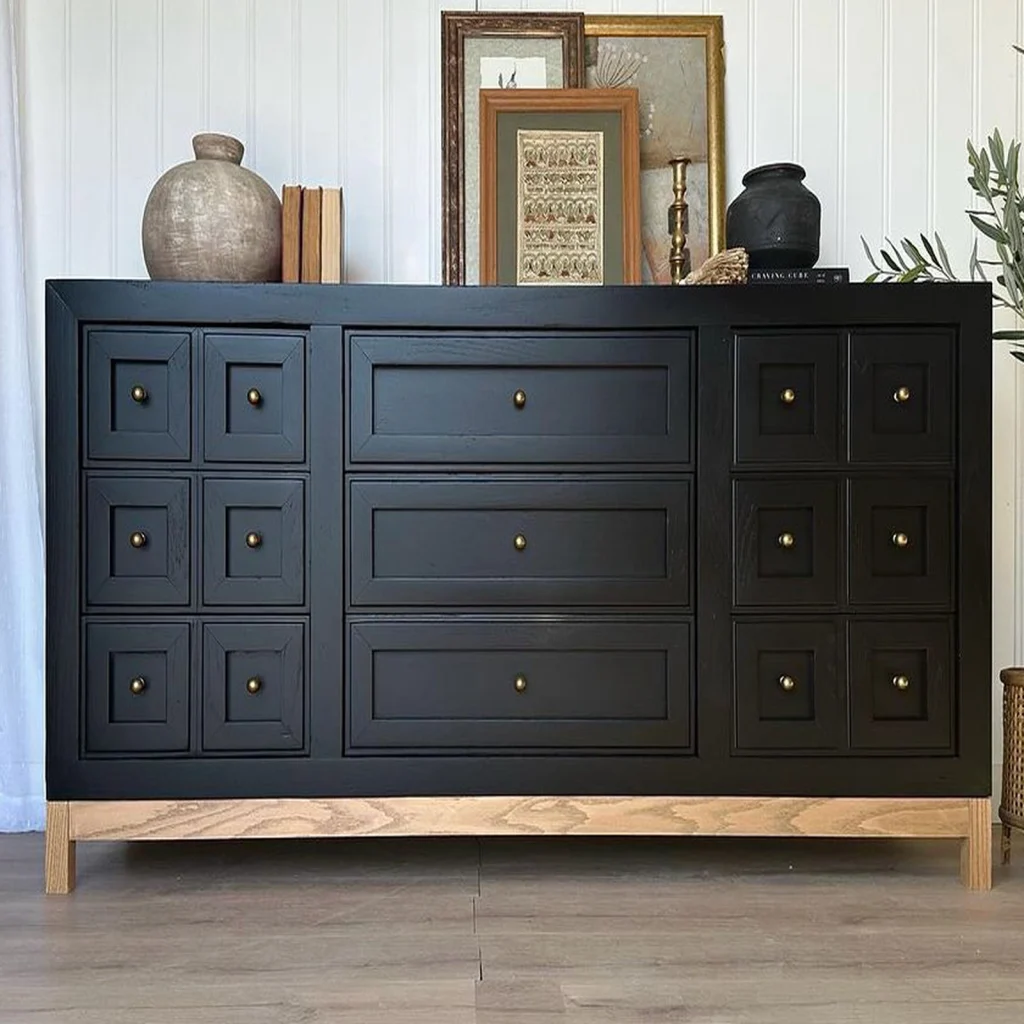
This remains the most recognizable and commercially dominant form of lacquered furniture Turkey. Achieving a perfect high-gloss finish requires a minimum specular gloss reading of 90 to 95 units. The surface behaves exactly like a dark mirror, providing absolute reflection clarity with zero distortion (no “orange-peel” or wavy light reflections). Turkish designers frequently pair high-gloss white, charcoal grey, and deep emerald green lacquered cabinetry with brushed brass, gold profiles, or natural marble countertops to create high-impact, luxurious contemporary spaces.
Velvet Dead-Matte and Soft-Touch Surfaces
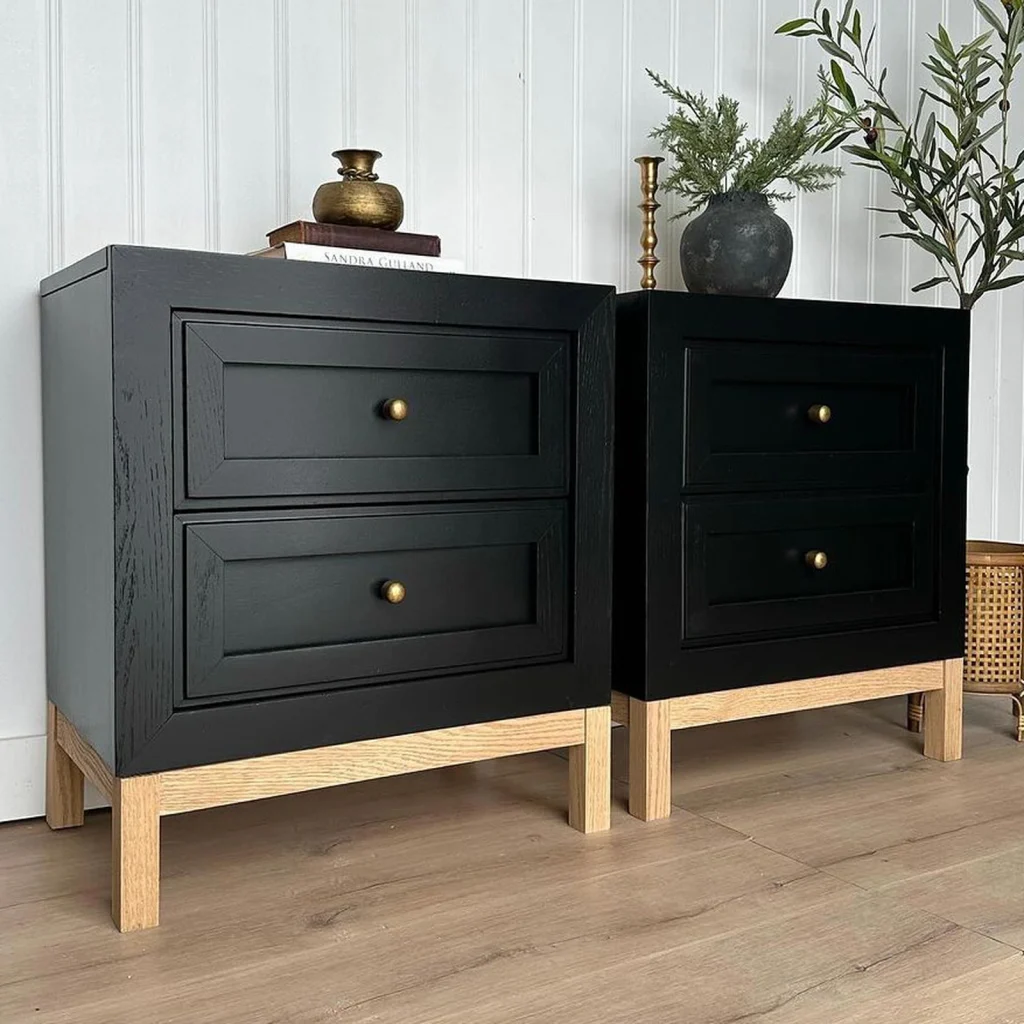
In response to the global surge in ultra-modern minimalist design, Turkish manufacturers have perfected dead-matte lacquering technologies. Utilizing specialized matting agents and excimer curing systems, these surfaces exhibit an incredibly low gloss level of between 1 and 3 units. The surface completely absorbs light rather than reflecting it, creating a velvety, deep optical effect. Furthermore, these premium coatings are engineered with “soft-touch” tactile properties and anti-fingerprint technology, ensuring that daily human contact does not leave greasy oil marks or smudges on dark matte cabinet surfaces.
Metallic, Pearlescent, and Liquid-Metal Lacquers
For avant-garde and luxury statements, the lacquered furniture Turkey sector offers complex metallic and pearlescent formulations. These coatings are infused with microscopic aluminum flakes, brass powders, or natural mica particles. When sprayed, the particles align uniformly within the liquid film, creating a brilliant shimmering effect that changes color tone depending on the viewing angle and ambient lighting conditions. More recently, boutique İstanbul workshops have pioneered “liquid-metal” lacquering, where cold-liquid metal polymers (bronze, copper, zinc) are sprayed onto MDF, cured, and then hand-polished to create a solid, heavy-metal exterior skin over a lightweight timber core.
Textured and Routed 3D Lacquer Panels
Lacquering is no longer restricted to completely flat panels. Turkish factories leverage advanced 3D CNC routing machines to carve intricate geometric patterns, fluted ridges, vertical slats, and organic wave textures directly into the face of thick MDF sheets. These textured panels are then passed through flexible, multi-axis robotic spray lines that evenly coat the complex valleys, peaks, and internal radiuses of the design. This creates highly tactile, visually dynamic wall panels, sideboard doors, and bed headboards that define contemporary Turkish luxury furniture.
Sourcing and Supply Chain Engineering: Managing Quality Control
Procuring lacquered furniture Turkey on an international scale offers profound economic and design advantages. However, because lacquer is a precision-engineered surface, global buyers must establish clear technical parameters, testing protocols, and logistical safeguards to ensure a successful supply chain.
Essential Technical Quality Benchmarks
When drafting original equipment manufacturer (OEM) contracts or purchasing specifications with Turkish suppliers, international buyers should strictly enforce the following international testing standards:
- Cross-Cut Adhesion Test (ISO 2409 / ASTM D3359): This test evaluates the chemical bond strength between the lacquer layers and the underlying MDF substrate. A lattice pattern is cut into the cured lacquer, a specialized pressure-sensitive tape is applied and violently stripped off, and the grid is inspected. Top-tier Turkish factories must achieve a rating of Class 0 or Class 1, indicating zero delamination or paint chipping along the cut edges.
- Scratch and Abrasion Resistance (EN 15186): Lacquered surfaces, particularly high-gloss variants, are susceptible to micro-scratches from daily use. Buyers should specify lacquers containing nanoceramic particles or specialized anti-scratch additives that meet stringent European standards for scratch resistance under a designated diamond-tipped stylus load.
- Chemical and Liquid Resistance (EN 12720): Furniture surfaces must withstand accidental spills of common household liquids without staining or structural swelling. Premium lacquered furniture Turkey is tested for continuous 24-hour resistance against aggressive agents, including red wine, hot coffee, citric acid, olive oil, and 96% ethanol solutions.
- Formaldehyde Emission Compliance (E1 vs. E0/F4Star): While the exterior lacquer acts as a seal, the internal MDF core must comply with international indoor air quality mandates. Turkish exporters targeting the European Union provide certified E1 or E0 class MDF, while those exporting to the highly regulated North American market ensure full compliance with TSCA Title VI and CARB Phase 2 regulations.
Custom Manufacturing, OEM, and Joint R&D Flexibility
One of Turkey’s most compelling structural advantages over competing production markets is its immense flexibility regarding custom product development. While many East Asian manufacturing centers operate solely on a rigid, mass-production matrix with immense minimum order constraints, Turkish suppliers embrace co-development.
An international furniture brand can supply specific color swatches (such as RAL, Pantone, or NCS color codes). Turkish laboratory technicians can rapidly match the color, formulate the exact gloss index requested, and generate physical sample swatches within days. This rapid prototyping loop accelerates time-to-market for seasonal furniture collections and allows retailers to respond dynamically to fast-changing consumer color trends.
Advanced Packing and Ocean Logistics Engineering
The most dangerous phase for any piece of high-gloss furniture is its journey from the factory floor to the end consumer’s home. Recognizing this vulnerability, the lacquered furniture Turkey sector has engineered highly sophisticated, heavy-duty packaging architectures.
- Protective Co-Extruded PE Film: Immediately following the final buffing or UV-curing phase, an automated lamination machine applies a low-tack, protective polyethylene (PE) film directly over the lacquered face. This film stays on the furniture throughout assembly, packing, sea transit, and final home installation, safeguarding the gloss surface from micro-abrasions.
- Multi-Layered Edge and Corner Shielding: Cabinet components are wrapped in thick, shock-absorbing expanded polyethylene (EPE) foam sheets. Corners are reinforced with heavy-duty, multi-ply compressed cardboard corner protectors or molded plastic caps to isolate the panels from severe impacts inside the shipping container.
- Honeycomb Structural Crating: For high-end assembled furniture or heavy dining tables, components are packed into rigid, double-wall corrugated cardboard boxes containing internal structural honeycomb cardboard spacers. These spacers ensure that even if the outer box suffers a heavy puncture during maritime transport, the internal lacquered face remains completely untouched.
- Container Desiccant Engineering: Maritime transit exposes cargo to massive thermal swings, causing humidity inside the container to condense—a phenomenon known as “container rain.” Because prolonged moisture exposure can damage wood substrates, Turkish logistics teams install heavy industrial silica gel desiccant bags throughout the container to maintain a stable, bone-dry microclimate during long ocean journeys.
Sustainability, Environmental Directives, and the Green Future
As global consumer consciousness shifts irreversibly toward ecological accountability, the sustainability profile of manufacturing processes has become a non-negotiable metric for corporate buyers. The lacquered furniture Turkey industry is actively transforming its operations to meet these strict global environmental mandates.
The Shift to Water-Based Lacquer Architectures
Historically, the industrial application of high-gloss lacquers relied heavily on solvent-borne systems that released significant volumes of Volatile Organic Compounds (VOCs) into the atmosphere during the drying phase. Today, leading Turkish manufacturers are aggressively phasing out solvent-based coatings in favor of advanced water-based (WB) polyurethane and acrylic systems.
These pioneering waterborne formulations utilize pure water as the primary carrier medium instead of toxic chemical solvents. This drastically reduces the factory’s VOC emission profile, ensures a safe, non-toxic workplace for Turkish industrial artisans, and guarantees that the end-user receives a premium product that does not emit harmful chemical off-gassing into their indoor living environment.
Carbon Neutrality and Circular Energy Recovery
The modern industrial complexes of İnegöl and Kayseri are actively investing in green energy independence to power their energy-intensive lacquer-drying tunnels. Factories are covering their massive production roofs with state-of-the-art photovoltaic solar panel arrays, often generating 100% of their operational electricity requirements on-site.
Furthermore, wood waste generated during the initial MDF routing and calibration phases is collected via massive centralized dust-extraction systems. This refined wood biomass is then fed into ultra-low-emission industrial biomass boilers, generating clean thermal energy to heat the factory’s convection drying kilns. This closed-loop circular energy recovery system drastically slashes the carbon footprint of lacquered furniture Turkey.
Traceable, Certified Raw Wood Materials
To satisfy the strict compliance frameworks of global corporate buyers—such as the European Union Timber Regulation (EUTR) and the United States Lacey Act—Turkish furniture manufacturers enforce rigorous transparency across their timber supply chains. The MDF substrates used in premium lacquered goods are sourced from certified forestry corporations holding valid Forest Stewardship Council (FSC) or Programme for the Endorsement of Forest Certification (PEFC) certificates. This ensures that every fiber of wood compressed into the core of a Turkish lacquered cabinet can be traced directly back to a legally harvested, responsibly managed forest ecosystem that actively combats deforestation.
Strategic Sourcing Framework for Enterprise Wholesalers and Retailers
To successfully navigate and maximize commercial returns from the lacquered furniture Turkey market, international enterprise procurement teams should execute a highly structured, data-driven sourcing strategy.
| Strategic Dimension | Operational Implementation Actions | Core Commercial Objective |
|---|---|---|
| Regional Targeting | Contract İnegöl for high-volume automated runs (kitchens, bedrooms); source from İstanbul for ultra-luxury, bespoke, and metallic lines; utilize Ankara (Siteler) for ornate, carved avant-garde pieces. | Maximizing unit-cost efficiency while aligning product design with specific market tier expectations. |
| Chemical Specification | Enforce the mandatory use of aliphatic 2K acrylic lacquers for light palettes; demand heavy-bodied polyester coatings for high-wear horizontal table surfaces. | Preventing post-sale product yellowing, maximizing scratch resistance, and reducing international warranty claims. |
| Rigorous QA Testing | Mandate certified independent laboratory testing for ISO 2409 Cross-Cut adhesion (Class 0-1) and EN 12720 chemical resistance before final container loading. | Guaranteeing uncompromised product durability and protecting global brand equity. |
| Packaging Mandates | Strictly require automated low-tack protective PE film application over all gloss faces, heavy-duty cardboard edge shielding, and multi-ply honeycomb crating. | Eliminating transit micro-scratching, corner crushing, and lowering return rates to zero. |
| Environmental Compliance | Source exclusively from suppliers utilizing FSC/PEFC-certified substrates and transitioning toward water-based or zero-VOC UV-cured lacquers. | Future-proofing the supply chain against tightening global environmental import regulations. |
The global market for lacquered furniture Turkey is underpinned by an exceptional fusion of advanced chemical engineering, automated manufacturing precision, and deep-rooted artisanal mastery. By investing in top-tier European industrial technologies, establishing sustainable circular manufacturing workflows, and offering unparalleled customization agility, Turkey has securely cemented its position as a world-class premier destination for high-utility, visually spectacular, and highly durable lacquered furnishings. Whether you are a corporate developer coordinating a massive multi-family residential project, an international luxury brand seeking a reliable high-gloss OEM manufacturing partner, or a major furniture retailer looking to inject pristine contemporary sophistication into your product catalog, entering the sophisticated industrial network of Turkish lacquered furniture delivers profound long-term commercial prosperity, structural reliability, and timeless design excellence.


Şunları da sevebilirsiniz
Mass Production Bathroom Cabinets Turkey
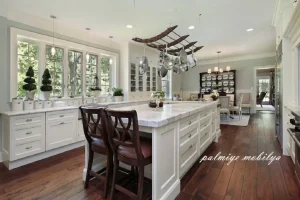
Lacquered Kitchen Cabinets Turkey