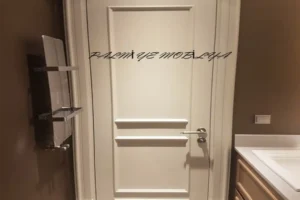

Rustic Lacquered Door Manufacturing Turkey
Rustic Lacquered Door Manufacturing Turkey: The Comprehensive Architectural Engineering and Industrial Production Guide
Interior joinery plays a vital role in high-end residential design, luxury hospitality projects, and heritage architectural restorations. While modern minimalism continues to hold a significant market share, an explicit global demand has emerged for interior doors that bridge the gap between historic warmth and contemporary precision. This specific aesthetic requirement has catalyzed the expansion of a specialized industrial sector: rustic lacquered door manufacturing Turkey.
Turkey’s wood processing infrastructure has evolved into a global epicenter for interior doors. By blending automated German and Italian CNC engineering with centuries-old Turkish woodworking traditions, manufacturers have mastered the art of creating rustic door models that do not warp, crack, or delaminate. For international real estate developers, wholesale interior door distributors, and architectural specifiers, understanding the technical, chemical, and structural nuances of rustic lacquered door manufacturing Turkey is essential for securing high-margin, durable, and elite products.
1. Defining the Rustic Lacquered Hybrid: Art Meets Chemical Engineering
To appreciate the value driven by rustic lacquered door manufacturing Turkey, one must first understand the structural contradiction inherent in a rustic lacquered door. Historically, “rustic” doors were made from raw, unrefined solid timber planks featuring knots, deep wood grain splits, visible wood texture, and manually carved bevels. Conversely, “lacquered” finishes traditionally demand a smooth, flat, pore-free, and mirror-like surface over an isotropic engineered wood substrate like Medium-Density Fiberboard (MDF).
+-----------------------------------------------------------------+

| THE RUSTIC LACQUER SURFACE MATRIX                               |
+-----------------------------------------------------------------+

| [Topcoat Layer]    Polyurethane / Non-Yellowing Acrylic Matte  |
| [Color Layer]      Pigmented Lacquer Base (RAL / Patina Tones)  |
| [Textured Veneer]  Deep Wire-Brushed Natural Oak / Ash Skin    |
| [Substrate Face]   High-Density 8mm HDF with Deep CNC Routing   |
| [Structural Core]  Solid Finger-Jointed Pine / Tubular Board    |
+-----------------------------------------------------------------+
In the Turkish manufacturing ecosystem, the rustic lacquered door is engineered to capture the historical romance of traditional paneling while providing the flawless chemical durability of modern industrial coatings. It achieves a country, farmhouse, or provincial aesthetic without inheriting the mechanical weaknesses of raw solid timber—such as twisting, seasonal splitting, or environmental moisture checking.
The Substrate Foundation
The foundation of a premium rustic lacquered door relies on High-Density Fiberboard (HDF) with a density exceeding \(800 \text{ kg/m}^3\). Unlike lightweight interior doors that use thin 3mm or 4mm panels, Turkish rustic manufacturers utilize thick 6mm to 8mm HDF skins. This extra depth is mechanically necessary; it gives 3-axis and 5-axis CNC router machines the structural volume required to carve deep vertical grooves, country-style beadboard lines, and multi-tiered recessed shaker panels without puncturing or weakening the core sheet.
2. Core Configurations of Turkish Rustic Doors: Structural Integrity Within
The architectural value of a door is finalized by its surface, but its lifespan is determined entirely by what is sealed inside its core. When contracting a factory within the rustic lacquered door manufacturing Turkey network, the internal core configuration must be specified to match the acoustic and thermal requirements of the destination climate.
Solid Timber Blockboard Core (Masif Panel / Seren Dolgu)
- Engineering Structure: Composed of kiln-dried, low-density softwood strips (typically finger-jointed maritime pine, fir, or spruce) laminated side-by-side. This solid wood assembly is sandwiched between the heavy, deep-routed HDF exterior skins.
- Mechanical Integrity: This configuration yields the authentic, heavy, solid-wood closing impact that luxury property buyers expect. It offers unparalleled screw-holding capacity, which is vital for securing the heavy, forged-iron hardware, oversized surface-mounted strap hinges, and decorative metal latches that complete a rustic look.
- Acoustic Insulation: Excellent performance, delivering sound reduction parameters between 32 dB and 36 dB.
Tubular / Bored Particleboard Core (Delikli Yongalevha)
- Engineering Structure: An engineered internal core containing horizontal cylindrical voids running uniformly through a highly compressed wood-particle matrix.
- Mechanical Integrity: Tubular cores strike an optimal balance between structural mass and weight mitigation. The internal air cavities allow for subtle thermal expansion without placing structural tension on the exterior lacquered skin. This makes it highly resistant to warping or bowing across vertical axes, even when rooms on opposite sides of the door have distinct microclimates (such as an air-conditioned bedroom adjacent to a humid bathroom).
- Acoustic Insulation: Solid mid-range performance, averaging 28 dB to 32 dB sound attenuation.
Semi-Solid Framework Core
- Engineering Structure: Utilizes a dense web of internal pine grid cross-members spaced no more than 50mm apart, filling the negative space between the perimeter frame stiles and rails.
- Mechanical Integrity: Highly economical while maintaining a solid resistance to face punctures. It is commonly specified for mass housing developments aiming for a rustic country interior design style within strict budgetary limitations.
3. Major Design Typologies in Rustic Lacquered Door Manufacturing
The flexibility of computer-aided design (CAD) paired with high-speed CNC machinery allows Turkish production lines to manufacture an expansive library of historical profiles.
   COUNTRY COTTAGE DESIGN                 TUSCAN ARCH PANEL
+--------------------------+          +--------------------------+

|  ______________________  |          |       .----------.       |
| |  |    |    |    |  | |          |      /            \      |
| |  |    |    |    |  | |          |     |              |     |
| |  |    |    |    |  | |          |     |              |     |
| |__|____|____|____|__| |          |     |______________|     |
| |                      |          |     |              |     |
| |  V-Groove Vertical   |          |     |  Square Sub  |     |
| |     Beadboard Line   |          |     |    Panel     |     |
| |______________________| |          |     |______________|     |
+--------------------------+          +--------------------------+
Country Cottage & Farmhouse Styles (Dikey Çizgili / Panel Modelleri)
These door models emulate the traditional look of individual vertical timber tongue-and-groove planks clamped together within a perimeter frame.
- Technical Execution: 3D CNC routing machines cut deep, parallel V-grooves or U-grooves running vertically down the face of the HDF skin. The spacing between lines is precisely calibrated to match classic beadboard proportions (typically 50mm to 100mm intervals).
- Visual Impact: This profile introduces strong vertical lines into an interior layout, making ceilings feel higher. It is highly sought after for coastal villas, alpine chalets, and organic modern designs.
Traditional Shaker and Multi-Paneled Configurations
- Technical Execution: Rather than building the door from separate rails and stiles—which leaves open joints vulnerable to expanding and cracking the paint—the factory machines deep, recessed rectangles directly out of a single, continuous sheet of thick HDF.
- Aesthetic Variations:
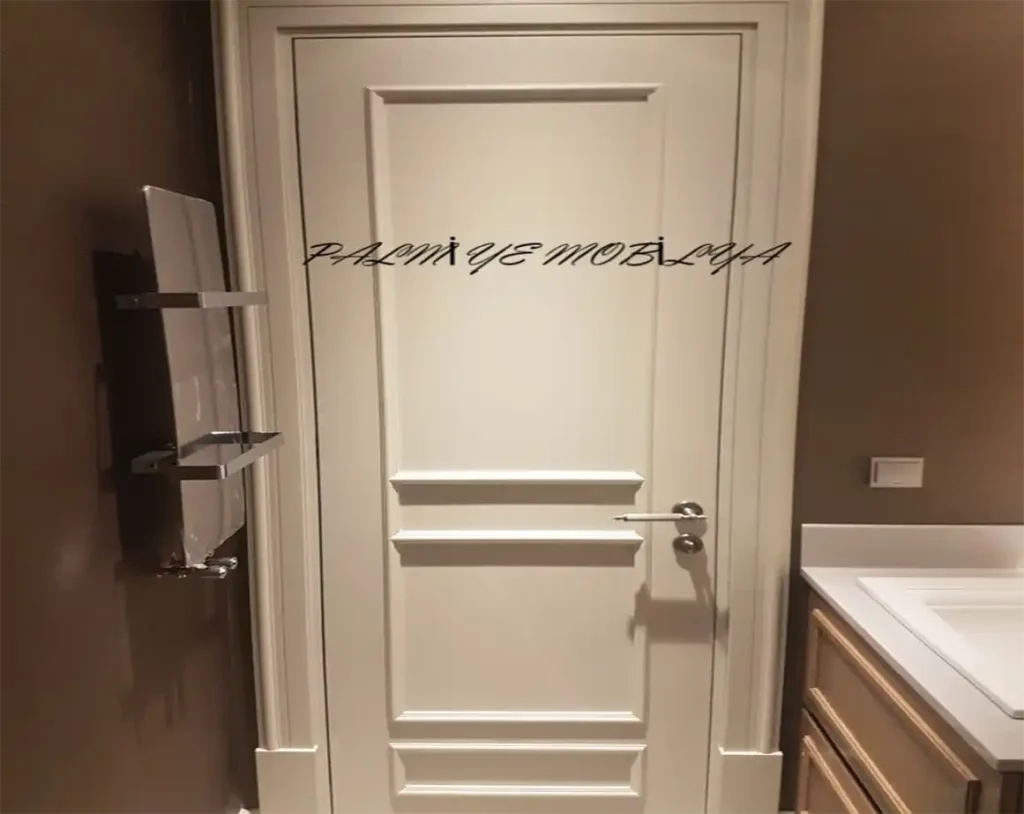
- The Two-Panel Equal: Features balanced upper and lower recessed zones, typical of classic English cottage design.
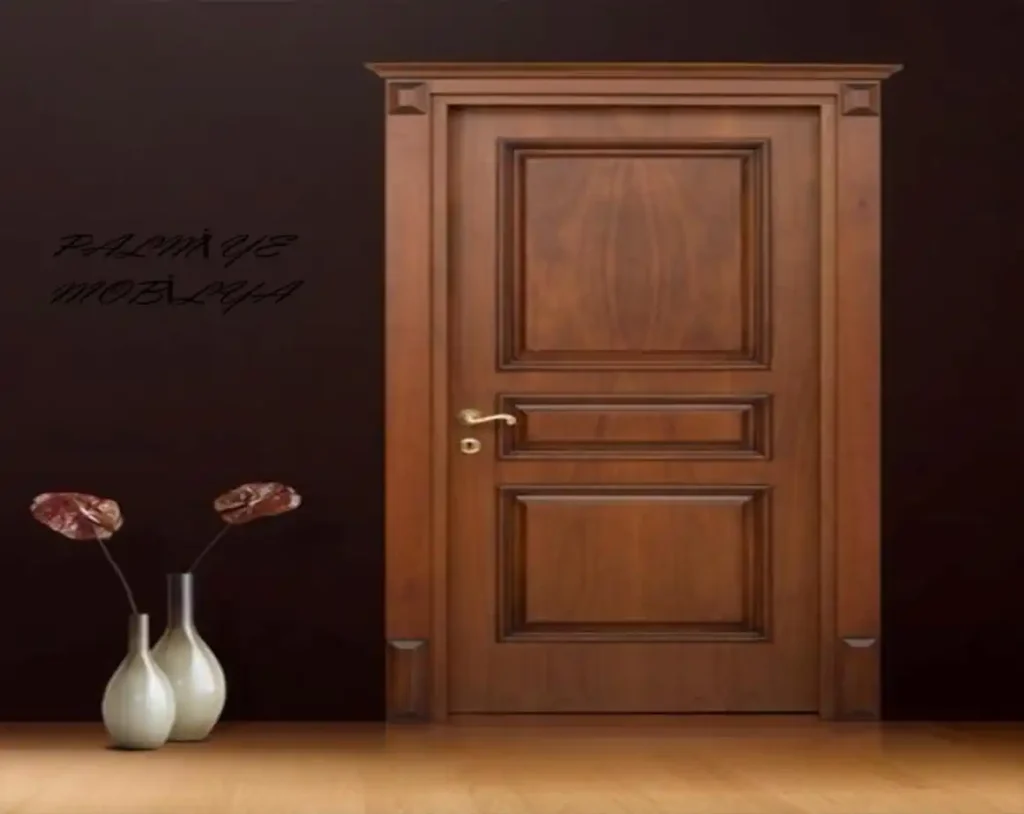
- The Three-Panel Tuscan: Incorporates an arched or radius-carved header profile on the upper panel, recreating Mediterranean, Spanish Colonial, or historical Italian country estate styles.
Applied Raised Molding Rustic Designs (Çitalı Lake Modelleri)
- Technical Execution: A flat or CNC-grooved door leaf is selected as the base canvas. Specialized technicians then manually apply detailed wooden moldings (çita) to the surface using commercial-grade adhesives and micro-pins.
- Craftsmanship Focus: The mitered corners of these applied moldings must be fitted with absolute zero-tolerance joints. The applied molding profile creates a grand, dimensional relief, casting heavy shadows that give the door an imposing, historical appearance.
4. Advanced Surface Texturing: Creating Authentic Rustic Grain
A true rustic door cannot rely solely on a shape; it requires tactile depth. A major factor that differentiates elite operations within rustic lacquered door manufacturing Turkey from standard global door factories is their capability to introduce organic, weathered wood textures onto a lacquered surface.
Wire-Brushing and Grain Accentuating Technology
To achieve a “textured rustic lacquer” finish, manufacturers implement a sophisticated multi-material engineering process:
- The engineered door blank is first wrapped or laminated with a thick, genuine hardwood veneer possessing prominent, open-pore grain structures (such as European Oak, Siberian Ash, or American Chestnut).
- The veneered door leaf is then passed through heavy-industrial wire-brushing machinery. These machines feature rotating steel wire drums that strip away the soft, earlywood fibers from the veneer layer while leaving the dense, hard latewood grain rings completely intact.
- The Resulting Texture: This process creates an organic, three-dimensional topography of deep ridges, valleys, and natural wood pores across the door face.
The Challenging Lacquering of Textured Open-Pore Veneers
When this wire-brushed surface enters the lacquer spray cleanroom, the painting technique must be carefully altered. Standard lacquer aims to flood and seal wood pores to make them disappear. For a rustic open-pore look, the factory utilizes low-solid, highly elastic polyurethane or acrylic coatings.
These coatings wrap tightly around the wire-brushed ridges and coat the interior of the pores without filling them. This preserves the raw, tactile sensation of weathered timber while completely sealing the wood fibers against moisture, humidity, and daily physical wear.
5. The Chemical Mastery of Colors, Patinas, and Distressing
Color application within the framework of rustic lacquered door manufacturing Turkey goes far beyond spraying standard flat white paint. Achieving a convincing historic look requires advanced chemical layering and manual artistry.
       MULTI-TIER DISTRESSED PATINA COATING PROCESS
+--------------------------------------------------------------+

| 1. APPLICATION OF THE PIGMENTED BASE COAT (e.g., Warm Ivory)  |
+--------------------------------------------------------------+
                               |
                               v
+--------------------------------------------------------------+

| 2. SPRAYING OF THE DARK GLAZE SOLVENT (e.g., Burnt Umber)    |
+--------------------------------------------------------------+
                               |
                               v
+--------------------------------------------------------------+

| 3. MANUAL HAND-WIPING & CONTOUR DISTRESSING FROM PROFILES     |
+--------------------------------------------------------------+
                               |
                               v
+--------------------------------------------------------------+

| 4. CHRONOLOGICAL APPLICATON OF PROTECTIVE DEEP MATTE TOPCOAT |
+--------------------------------------------------------------+
The Patina and Glaze Hand-Wiping Process (Gomalak / Patina Uygulamaları)
To replicate decades of natural aging and exposure to wood oils, Turkish lacquer masters employ manual glaze-wiping protocols:
- The door receives its primary pigmented base coat of lacquer (frequently specified in warm historical shades like off-white, antique ivory, sage green, historic blue, or cashmere).
- Once the base layer cures, a specialized, contrasting dark glaze liquid (often a deep burnt-umber or charcoal pigment solvent) is sprayed across the entire door.
- While this glaze layer is still wet, artisans use soft cloths to manually wipe the paint away from the high, flat plains of the door surface, while intentionally leaving the dark pigment trapped deep inside the CNC grooves, the corners of the applied moldings, and the recessed wire-brushed grain valleys.
- The Resulting Design: This leaves a beautiful highlight effect that accentuates every carved design detail, giving the model an authentic sense of historical depth and age.
Artificial Mechanical Distressing Techniques
For projects requiring an ultra-authentic vintage appearance, some Turkish workshops offer mechanical distressing. Before entering the priming phase, the wood panels are carefully marked by hand using specialized toolsets to simulate wormholes, minor historical dents, and soft, radiused wear along the edges where human hands would naturally open a door over centuries. When lacquered over, these depressions create soft shadows that complete the antique rustic theme.
Specifying Low-Gloss and Absolute Matte Topcoats
A high-gloss or shiny finish completely ruins a rustic aesthetic. Therefore, rustic lacquered doors are paired almost exclusively with low-gloss topcoats.
- Deep Matte / Velvet Finishes: Gloss retention values between 3% and 7% measured at a 60-degree angle.
- Satin Matte Finishes: Gloss retention values between 10% and 15%.
- These formulations utilize advanced silica flattening agents or excimer laser curing technologies. They create a micro-rough surface that diffuses light in all directions, avoiding harsh glare and giving the lacquer paint a soft, powdery, and premium organic feel.
6. The Industrial Step-by-Step Production Process in Turkish OSBs
The quality, repeatability, and structural longevity of rustic lacquered door manufacturing Turkey stem directly from the systematic industrial workflows implemented inside the Organized Industrial Zones (OSBs) of hubs like Istanbul, Kayseri, and Inegöl.
Phase 1: Wood Prep, Kiln-Drying, and Pressing
- Raw structural timber lumber is placed into automated, computer-monitored kiln-drying chambers to reduce internal moisture content to a precise 8% to 10% threshold. This step is critical; it ensures the interior frame will not twist or leak natural resins after shipping.
- The dry timber is cut into strips and joined using high-strength structural adhesives in finger-joint presses to form the internal perimeter frame and stiles.
- The core material (e.g., tubular particleboard) is positioned inside the timber frame, and thick HDF face skins are bonded to the assembly under high temperature and hydraulic pressure using low-emission polyurethane or urea-formaldehyde structural adhesives.
Phase 2: CNC Milling and Profiling
- The pressed door leaves are moved to high-speed 3-axis or 5-axis CNC machining stations.
- Computer-guided diamond router bits carve the rustic grooves, shaker panel steps, or arch contours into the face skin with a precision tolerance of less than \(\pm 0.1\text{mm}\).
- Concurrently, automated routers cut out the hardware pockets for locks, handles, and hinge configurations.
Phase 3: The Sanding Calibration and Multi-Stage Priming Cycle
MDF and HDF possess microscopic fibers that swell and coarsen when hit with liquid paint. To achieve a flawless finish, the door must undergo a rigorous priming and sanding loop:
- Isolation Sealer Spraying: A chemical barrier layer is applied to seal the wood fibers and protect the door core from ambient environmental humidity.
- First Polyester Primer Coat: A high-solid base primer is heavily applied to bridge the micro-pores of the routed HDF channels.
- First Calibration Sanding: The fully cured primed door passes through wide-belt automated sanding lines, while the inner rustic grooves are carefully sanded by hand using contoured blocks.
- Second Polyurethane Primer Coat: Applied to establish an absolute white, solid, opaque base canvas.
- Final Fine Sanding: The surface is hand-prepped with ultra-fine 400 to 600-grit abrasive materials, checking every panel transition for absolute level perfection.
Phase 4: Cleanroom Color and Matte Topcoat Application
The door enters a positive-pressure, dust-free cleanroom environment utilizing water-curtain filtration systems. Ambient dust particles at this stage create bumps that ruin the smooth look of the lacquer.
- Automated oscillating painting robots or master spray artisans apply the pigmented color layer to the exact micron thickness.
- If specified, the door is moved to the hand-wiping station for patina aging treatments.
- The final absolute matte, UV-stabilized, non-yellowing protective topcoat is applied.
- The door passes through heated drying tunnels or infrared curing kilns to achieve full hardness before entering the final quality control and packaging division.
7. Frame and Architrave Systems: Completing the Rustic Architecture
A door leaf cannot hang in thin air; it requires an equally robust framework that matches its historic design profile. Importers and architects working with rustic lacquered door manufacturing Turkey should always evaluate the structural composition and visual profile of the accompanying frames and casings.
+-------------------------------------------------------+

| TYPICAL RUSTIC CASING AND CASING OPTIONS              |
+-------------------------------------------------------+

| [Option A: Classic Fluted]  ||| ||| |||  (Vertical Grooves) |
| [Option B: Grand Crown]    /-----------\ (Projecting Header)|
| [Option C: Flat Colonial]  |___________| (Heavy Timeless Block)|
+-------------------------------------------------------+
Sandwich Frame Engineering: The Anti-Warp Strategy
To prevent door frame bowing—which completely misaligns hardware and ruins acoustic insulation—premium Turkish manufacturers avoid using basic solid MDF for the frames. Instead, they build a multi-layer sandwich structure:
- A central core of finger-jointed solid pine timber provides superior mechanical screw-holding capacity for heavy-duty hinges.
- This timber core is clad on both sides with thick HDF sheets, providing an ideal, flat surface for a seamless lacquer application that matches the door leaf perfectly.
Rustic Architrave Styles (Pervaz Tipleri)
The architrave (casing or trim) bridges the gap between the door frame and the wall plaster. For rustic configurations, standard flat, modern trims are replaced with detailed historical options:
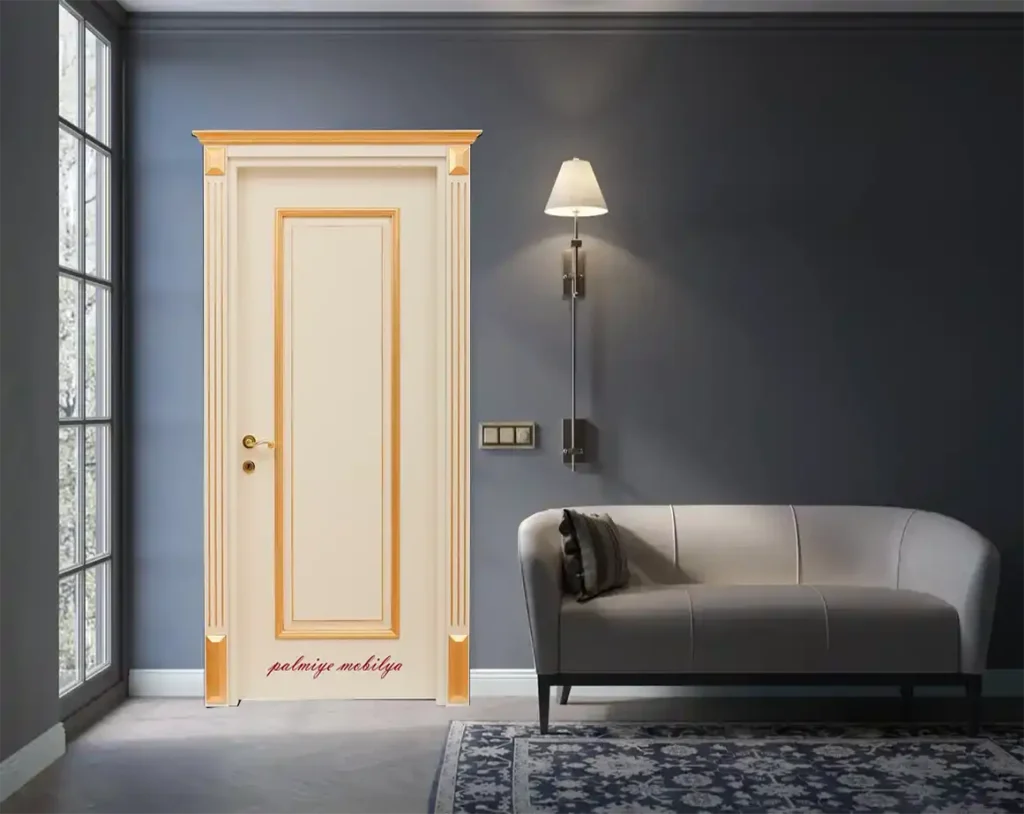
- Fluted Architraves (Yivli Pervaz): Features continuous parallel vertical lines running the length of the trim, mirroring classical Greek and Roman columns.
- Grand Crown Capital Headers (Taçlı Pervaz): An oversized, heavy projecting top horizontal casing profile mounted above the door lintel. This detail gives the complete doorway an imposing, stately presence, making it ideal for high-ceiling villas and luxury hotel suites.
- Colonial Block Architraves: Extra-thick, wide, flat moldings with deep outer edge steps that reference early American and traditional European country manor joinery.
8. Material Comparison: Lacquered Rustic vs. Alternative Finishes
To understand the market value and technical positioning of products coming out of the rustic lacquered door manufacturing Turkey sector, developers can compare them against common alternative finish choices:
| Technical Performance Criteria | Lacquered Rustic Models (Turkey) | Natural Solid Timber Doors | PVC / Vinyl Thermo-Wrapped | Melamine / Paper Foils |
|---|---|---|---|---|
| Structural Warp Resistance | Elite: Isotropic HDF faces combined with engineered cores ensure zero twisting across seasons. | Very Low: Susceptible to continuous seasonal bowing, expansion checks, and wood joint splits. | Medium: Core remains stable, but vinyl foil can pull back when exposed to localized heat. | High: Flat surfaces are stable, but cannot accept deep rustic 3D milling patterns. |
| Edge and Profile Seamlessness | Absolute: Continuous liquid coating yields a 3D monolithic shield with zero tape lines. | High: Natural solid wood joints are flush initially, but gap open over time as wood dries. | Vulnerable: Vinyl film can stretch thin inside deep grooves, risking puncture and peeling. | Poor: Requires flat edge-banding; sharp corner joints remain visible and sharp. |
| Design and Color Versatility | Infinite: Direct chemical matching to any global RAL or NCS color index + custom patina glazes. | Limited: Restricted to natural wood stain colors and natural timber grain layouts. | Restricted: Limited to standard vinyl roll patterns available in film suppliers’ catalogs. | Rigid: Fixed mass-market catalog print options; zero custom flexibility. |
| Field Repairability | Excellent: Scratches and dents can be filled, re-sanded, and spot-sprayed on site. | Good: Requires expert carpentry sanding, wood patching, and matching wood stains. | Zero: A torn, scratched, or delaminated vinyl wrap cannot be patched; leaf replacement is mandatory. | Low: Superficial scratches remain permanent; cannot be filled without leaving visible scars. |
9. Architectural Specification Guidelines across Diverse Project Sectors
When specifying doors from a rustic lacquered door manufacturing Turkey partner, architectural teams must customize the structural parameters to meet the specific functional codes of the target facility.
       PROJECT SPECIFICATION PROTOCOLS
+--------------------------------------------------------------+

| RESIDENTIAL LUXURY VILLAS                                    |
| Core: Solid Timber Blockboard Core (Authentic Premium Mass)  |
| Aesthetic: Hand-Wiped Patina + High Crown Capital Trims     |
+--------------------------------------------------------------+
                               |
                               v
+--------------------------------------------------------------+

| BOUTIQUE & HERITAGE HOTELS                                   |
| Core: Certified Fire-Rated Mine Core + Drop-Down Acoustic Seal|
| Aesthetic: Textured Open-Pore Matte Oak Lacquer              |
+--------------------------------------------------------------+
                               |
                               v
+--------------------------------------------------------------+

| RESTAURANTS & RECEPTION SECTORS                              |
| Core: Bored Particleboard Core + High-Impact Acrylic Topcoat |
| Aesthetic: Heavy Beadboard Paneled Styles                    |
+--------------------------------------------------------------+
Luxury Residential Custom Estates
- The Technical Focus: Prioritize authentic tactile feel, rich depth, and sound damping. Specify solid timber blockboard cores paired with 8mm deep-milled HDF skins.
- Design Guidance: Incorporate manual hand-wiped glaze patinas to highlight the profiles of the applied moldings. Utilize grand crown capital headers to complement high-ceiling entryways.
Boutique Hotels & Historic Renovation Projects
- The Technical Focus: Commercial hospitality spaces demand strict compliance with regional building safety codes. Specify certified fire-rated rustic doors capable of delivering 30-minute (FD30) or 60-minute (FD60) fire containment under European EN 1634-1 standards.
- Hardware Integration: Ensure the factory pre-machines the door leaves to accept electronic RFID card locks, heavy-duty concealed door closers, and automatic drop-down bottom acoustic seals (guillotine seals) that drop down to block out hallway noise when the door is closed.
High-End Commercial Restaurants and Country Clubs
- The Technical Focus: High-frequency public contact requires enhanced scratch resistance. Specify non-yellowing Acrylic Matte Lacquer finishes rather than standard polyurethane. Acrylic coatings provide superior resistance to greasy fingerprints, surface abrasions from bags, and the chemical impacts of commercial multi-purpose cleaning solvents.
10. Logistics, Technical Quality Auditing, and Site Installation Protocols
Sourcing products from the rustic lacquered door manufacturing Turkey market requires clear quality verification checks and disciplined on-site installation management to safeguard the investment during transit and assembly.
Essential Pre-Shipment Quality Assurance Checkpoints
Before container sealing and international dispatch from Turkish ports, direct your local quality control inspectors or third-party auditing agencies (such as SGS or Bureau Veritas) to conduct the following tests:
- The Cross-Cut Adhesion Test (ISO 2409): A grid pattern is cut through the cured lacquer layer down to the HDF substrate. Specialized high-tack testing tape is applied firmly over the grid and pulled away quickly. Premium factory lines must show zero paint flaking or square detachment, proving a permanent chemical bond.
- Digital Specular Gloss Verification: A digital gloss-meter should take measurements across multiple points on the door leaf face. The deviation across a single door panel, or across a batch of 100 doors, must not exceed \(\pm 1\%\) to guarantee complete visual consistency across the construction site.
- The Groove Thickness Inspection: Check the deep points of the rustic CNC grooves under magnifying lights. The paint layer must be completely uniform, showing no evidence of liquid lacquer pooling, micro-cracking, or thinning along sharp inside corners.
On-Site Site Assembly and Climate Control Rules
Lacquered rustic doors are refined finished millwork products and must be handled with the same care as premium custom cabinetry.
            ON-SITE SITE ASSEMBLY SEQUENCE
+-------------------------------------------------------+

| 1. COMPLETION OF ALL WET TRADES                        |
| (Plastering, Screeding, and Tiling must be 100% Dry)   |
+-------------------------------------------------------+
                           |
                           v
+-------------------------------------------------------+

| 2. HVAC SYSTEM STABILIZATION                          |
| (Maintain Relative Humidity between 40% and 60%)       |
+-------------------------------------------------------+
                           |
                           v
+-------------------------------------------------------+

| 3. LOW-EXPANSION FOAM ANCHORING                        |
| (Prevents Pressure Bowing of the Sandwich Frame Set)  |
+-------------------------------------------------------+
- Zero Wet Trades Policy: Never install doors while plastering, concrete floor screeding, or ceramic wall tiling works are active. The building’s heating, ventilation, and air conditioning (HVAC) systems must be running for at least 7 to 10 days to stabilize indoor conditions. Excess moisture trapped in a sealed building will migrate into the doors through unpainted hardware router cuts, causing the underlying wood elements to swell.
- Atmospheric Parameters: Maintain site relative humidity strictly between 40% and 60%, and room temperatures between 15°C and 25°C.
- Low-Expansion Assembly Foam: Installers must use professional-grade, low-expansion polyurethane foam to anchor the door frames into the wall openings. High-expansion consumer foams generate significant curing pressure that can bow or distort even heavy timber sandwich frames, throwing the door leaf out of true alignment.
Conclusion
The market for rustic lacquered door manufacturing Turkey provides international architects, developers, and wholesalers with an exceptional solution that combines historic country aesthetics with cutting-edge structural engineering. By utilizing high-density HDF substrates, selecting robust interior cores like solid timber blockboard or tubular particleboard, mastering wire-brushed open-pore grain texturing, and applying manual patina-wiping techniques, Turkish factories produce interior doorsets that elevate any premium interior. When backed by rigorous factory quality audits and correct on-site installation sequencing, these rustic lacquered doors deliver enduring beauty, high acoustic comfort, and exceptional structural longevity to luxury properties worldwide.
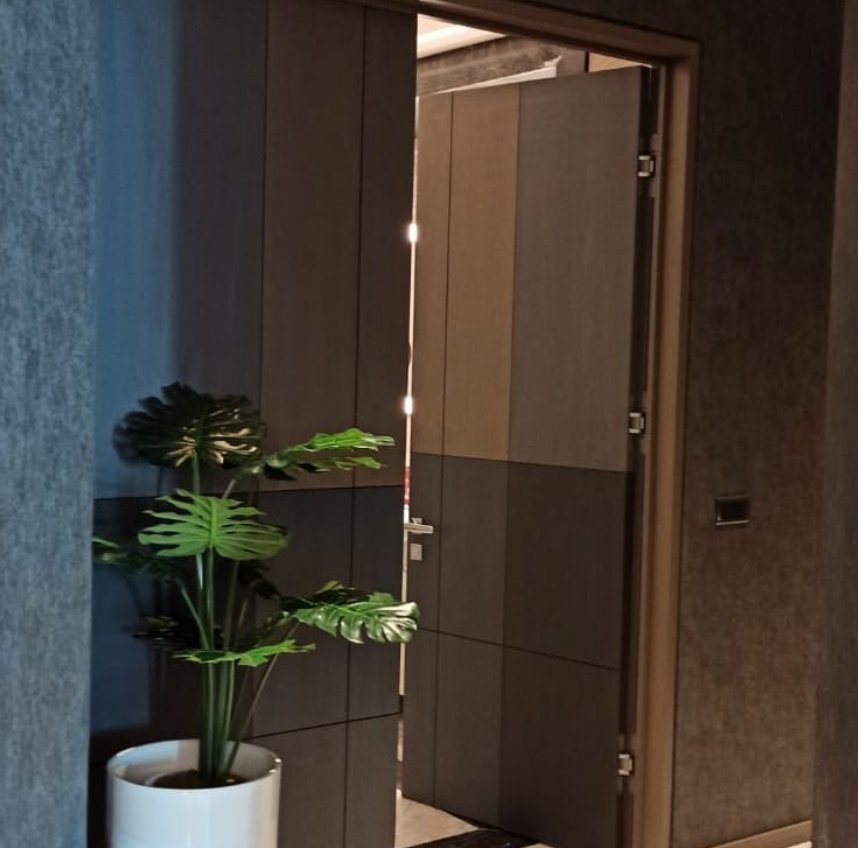
Butik Otel Mobilyaları
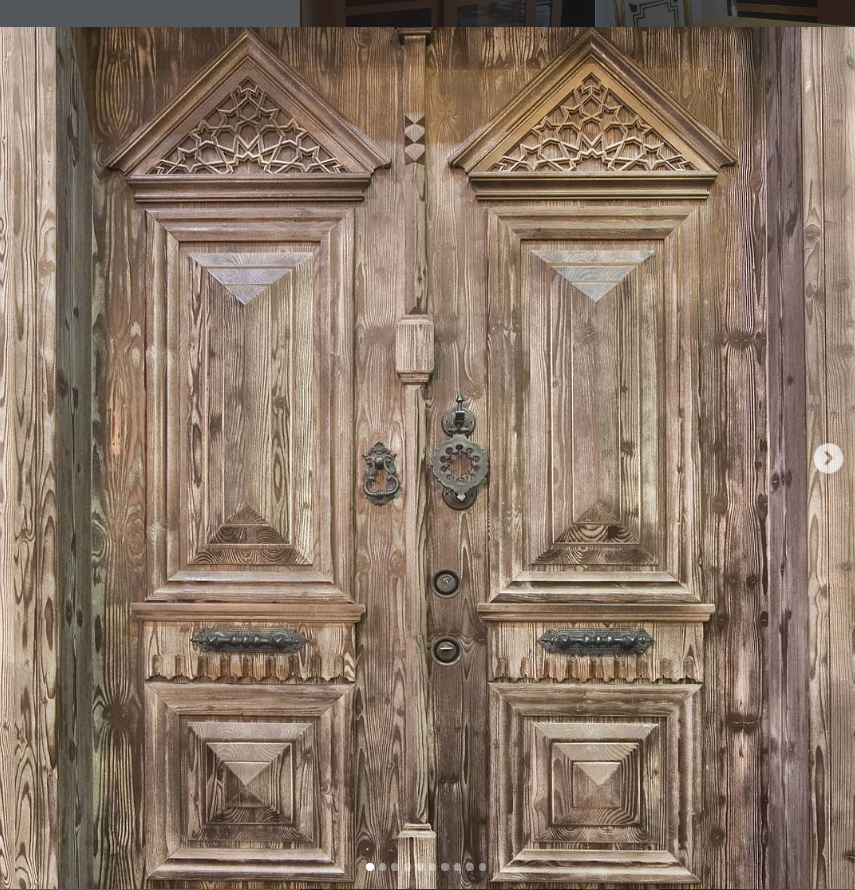
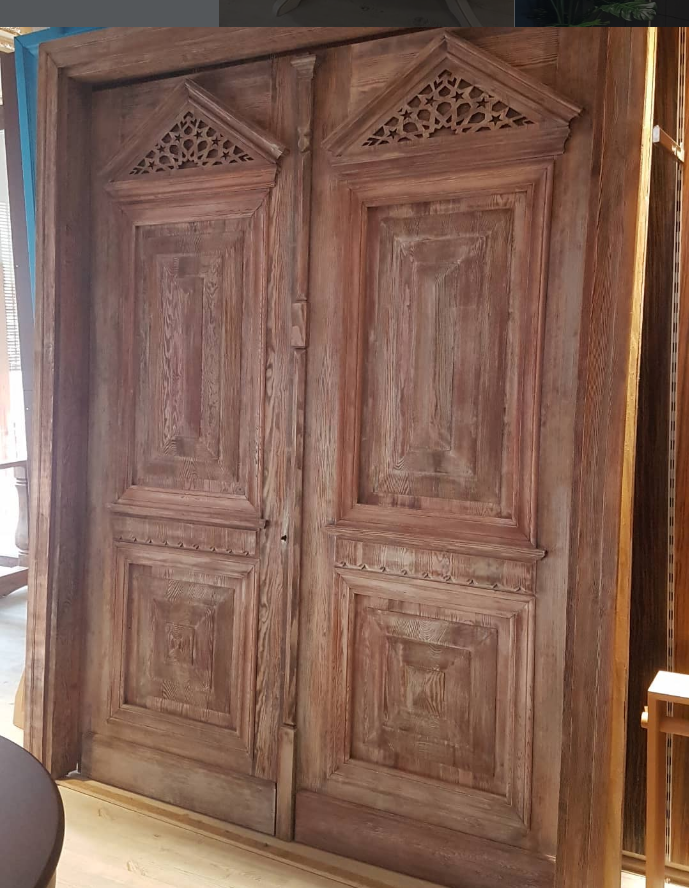
Butik Otel Mobilyaları


Şunları da sevebilirsiniz
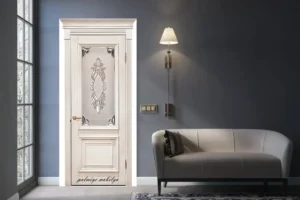
Lacquered Door Factory Turkey
Modern Lacquered Door Turkey